
How to Book Your DVSA Practical Driving Test: Complete UK Guide 2026
Step-by-step guide on how to book practical driving test in the UK. Costs, timescales, rescheduling tips, and what to bring on test day. ❓
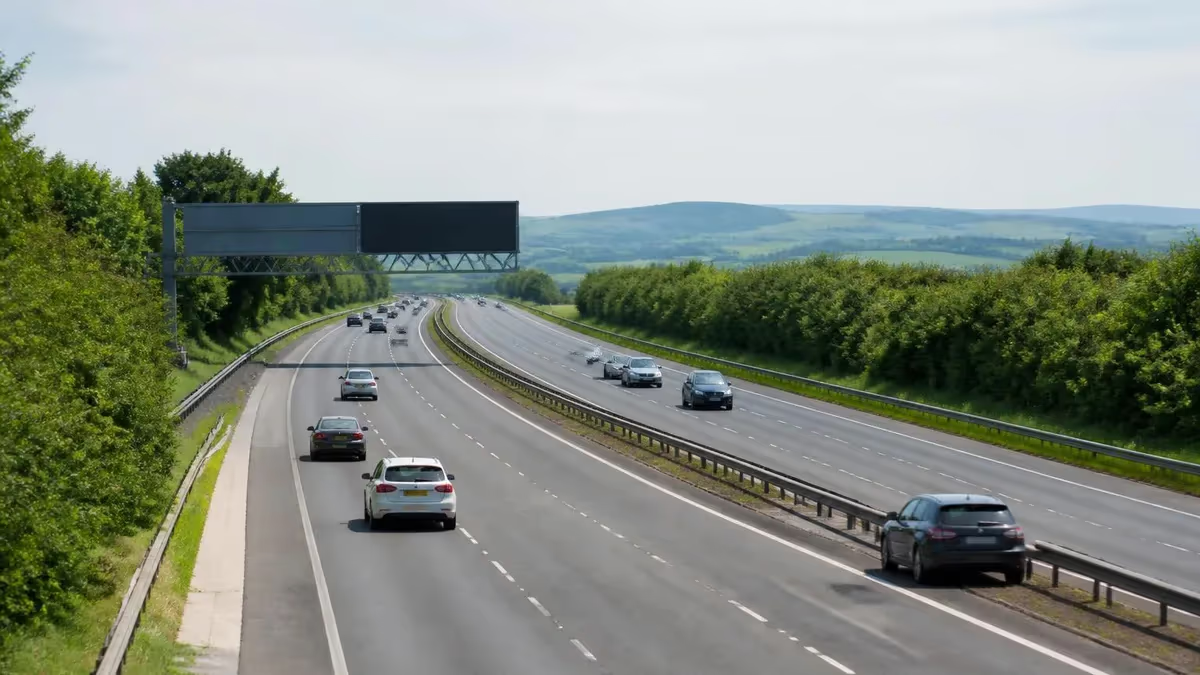
Understanding how to book practical driving test appointments through the DVSA is an essential step on every learner driver's journey in the UK. The process is straightforward when you know where to go, but many candidates waste time, lose deposits, or miss suitable test slots simply because they are unfamiliar with the booking system. Whether you have just passed your theory test or you are rebooking after an unfortunate fail, this guide walks you through every stage of the process clearly and concisely so you can secure a date with confidence. Practice with the free DVSA UK Driving Theory practice test on PracticeTestGeeks (7 questions with answer explanations).
The DVSA — the Driver and Vehicle Standards Agency — manages all practical driving tests in England, Scotland, and Wales. Tests are conducted at one of over 380 test centres spread across the country, and slots are released on a rolling basis roughly six months in advance. Demand at busy urban centres such as London, Manchester, and Birmingham can be intense, so understanding how to navigate the booking portal efficiently can make the difference between a short wait and a frustrating two-month delay before your preferred slot becomes available.
Before you can make any booking, you will need to have passed your theory test. DVSA rules require your theory test certificate to remain valid throughout the whole of your practical test, and that certificate expires two years from the date you passed. If it lapses before you sit the practical, you must retake the theory, so careful timing matters. Make sure you also have your provisional driving licence number ready, as the system cross-references it at the point of booking to verify your identity and eligibility.
The cost of a car practical driving test booked on a weekday is currently £62, rising to £75 for evenings, weekends, and bank holidays. These fees are non-refundable if you cancel with fewer than 10 full working days' notice, so it pays to book only when you are confident you will be ready. Many instructors recommend securing a test date early and using it as a motivational target, then rescheduling if your progress requires more time — this approach tends to result in better test-day preparation than waiting until the last possible moment.
One of the most common questions learners ask is whether it is possible to book a test without going through their instructor. The answer is yes — you can book entirely independently using the GOV.UK portal, and your instructor does not need to be involved in the administrative side of the booking at all.
You will, however, need to coordinate with your instructor to ensure they and their vehicle are available on the date you have chosen, since turning up to a test without an accompanied supervisor or in a vehicle that fails safety checks will result in an automatic forfeit of your fee.
Alongside the main practical car test, the DVSA also offers tests for motorcycles, lorries, buses, and specialist vehicles. While this article focuses primarily on the standard Category B car test, the booking principles apply broadly across all vehicle categories. Always check the specific requirements for your licence category on the official GOV.UK website before proceeding, as fees, test durations, and eligibility criteria vary. You can also find detailed guidance on how to book practical driving test prerequisites, including theory test arrangements, in our dedicated booking walkthrough.
Throughout this guide you will find detailed breakdowns of each booking step, advice on choosing the right test centre, strategies for finding earlier cancellation slots, and a full rundown of what to expect when you arrive on test day. By the time you finish reading, you will have a thorough understanding of the entire process and the practical knowledge needed to secure your test without stress or avoidable delays.
Free DVSA UK Driving Theory Study Tools
Interactive DVSA UK Driving Theory resources on PracticeTestGeeks, free to start:
- DVSA UK Driving Theory flashcards — review key terms and concepts card by card
- DVSA UK Driving Theory study guide — topic-by-topic overview of what the exam covers
- DVSA UK Driving Theory cheat sheet — one-page printable summary for last-minute review
DVSA Practical Test by the Numbers
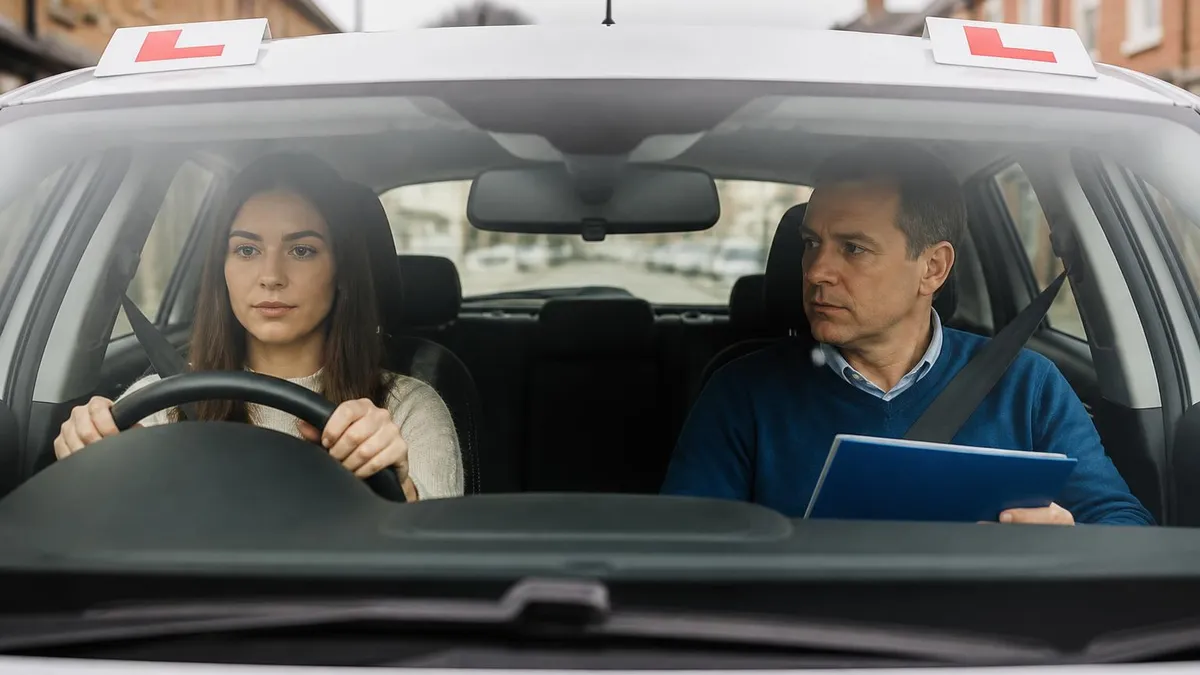
How to Book Your Practical Driving Test: Step by Step
Pass Your Theory Test
Visit the GOV.UK Booking Portal
Choose Your Test Centre and Date
Pay the Booking Fee
Confirm With Your Instructor
Review & Prepare for Test Day
Selecting the right test centre is more important than many candidates realise. While it might be tempting to simply choose the centre closest to your home address, the local traffic environment, the complexity of the surrounding road network, and the typical pass rates at different locations all play a meaningful role in your chances of success. Busy urban test centres in city centres tend to feature more complex junctions, higher pedestrian footfall, and multiple hazard-dense scenarios compared with suburban or rural centres, which often include more open road driving and simpler roundabout layouts.
Pass rates vary noticeably between test centres across the UK. Some rural centres historically record pass rates above 60%, while the most congested urban locations can fall below 40% for first-time candidates. The DVSA publishes annual pass rate statistics by test centre on GOV.UK, and consulting this data before you choose is a sensible step. Bear in mind, however, that a lower pass rate does not necessarily mean a harder test — it may simply reflect the profile of candidates sitting there, many of whom may be taking the test for the second or third time after earlier fails.
You are not required to take your test at the centre nearest to your home. You can book at any centre in England, Scotland, or Wales regardless of where you live. Some candidates choose to travel to a centre with shorter waiting lists or a slightly different road environment that suits their training better.
If your instructor has taken many students through a particular centre, their familiarity with the local roads and common test routes can also be a genuine advantage — experienced instructors know the tricky junctions, the unmarked crossings, and the spots where examiners frequently ask candidates to pull over.
When using the GOV.UK booking portal, enter your home postcode and the system will display the nearest centres along with their available slots. You can click on any centre to see a calendar view of available dates. Slots are often released at midnight, and popular centres can fill up within minutes of new dates going live. Setting a reminder for the early hours of the morning when new slots appear — typically around 8–12 weeks out from the current date — can help you secure a preferred time at a sought-after location.
The physical layout of test centre car parks also matters on the day itself. At some centres, the test begins with a manoeuvre in the car park itself, such as a forward bay park or a parallel park alongside other vehicles. Practising at or near your chosen test centre beforehand is strongly advised. Your instructor can usually identify which manoeuvres are most commonly requested at a given location and tailor your final lessons to cover those scenarios in realistic conditions.
Accessibility is another practical consideration. If you have a disability or medical condition that affects your driving, or if you require a vehicle with specialist adaptations, you should contact the DVSA directly before booking to discuss your requirements. Special arrangements can be made, including extended test times, interpreter support, and the use of your own adapted vehicle. These arrangements must be confirmed in advance and cannot be requested at the last minute on test day without risking a wasted journey.
Finally, if you are booking a test in Wales, be aware that you have the option to conduct your practical driving test through the medium of Welsh if that is your preferred language. This right is protected under Welsh language legislation, and Welsh-medium examiners are available at designated centres. Request this option at the point of booking to ensure the appropriate examiner is assigned to your test.
DVSA Practice Test Questions
Prepare for the DVSA - UK Driving Theory Test exam with our free practice test modules. Each quiz covers key topics to help you pass on your first try.
DVSA Eco-Friendly Driving and Vehicle Loading
DVSA Exam Questions covering Eco-Friendly Driving and Vehicle Loading. Master DVSA Test concepts for certification prep.
DVSA Hazard Awareness
Free DVSA Practice Test featuring Hazard Awareness. Improve your DVSA Exam score with mock test prep.
DVSA Incidents, Accidents and First Aid
DVSA Mock Exam on Incidents, Accidents and First Aid. DVSA Study Guide questions to pass on your first try.
DVSA Motorway Rules and Smart Motorways
DVSA Test Prep for Motorway Rules and Smart Motorways. Practice DVSA Quiz questions and boost your score.
DVSA Rules of the Road (Highway Code)
DVSA Questions and Answers on Rules of the Road (Highway Code). Free DVSA practice for exam readiness.
DVSA - UK Driving Theory Hazard Awareness ...
DVSA Mock Test covering - UK Driving Theory Hazard Awareness and Perception. Online DVSA Test practice with instant feedback.
DVSA - UK Driving Theory Motorway Rules an...
Free DVSA Quiz on - UK Driving Theory Motorway Rules and Regulations. DVSA Exam prep questions with detailed explanations.
DVSA - UK Driving Theory Road and Traffic ...
DVSA Practice Questions for - UK Driving Theory Road and Traffic Signs. Build confidence for your DVSA certification exam.
DVSA - UK Driving Theory Rules of the Road
DVSA Test Online for - UK Driving Theory Rules of the Road. Free practice with instant results and feedback.
Booking Costs, Rescheduling and Refund Rules
The standard DVSA practical driving test fee for a car is £62 for weekday daytime slots. Evening, weekend, and bank holiday slots are priced at £75. These fees are set by the DVSA and are the same regardless of which test centre you choose across England, Scotland, and Wales. Motorcycle tests carry different fees depending on the module, so always verify the current fee schedule on GOV.UK before completing your booking and payment.
Fees are paid at the time of booking via the GOV.UK portal using a debit or credit card. No cash payments are accepted, and no fee is payable to the test centre directly on the day. If your test is cancelled by the DVSA — for example due to examiner illness or extreme weather — you are entitled to a full refund or a free rescheduled appointment. Keep your booking confirmation email as proof of payment in case any dispute arises.
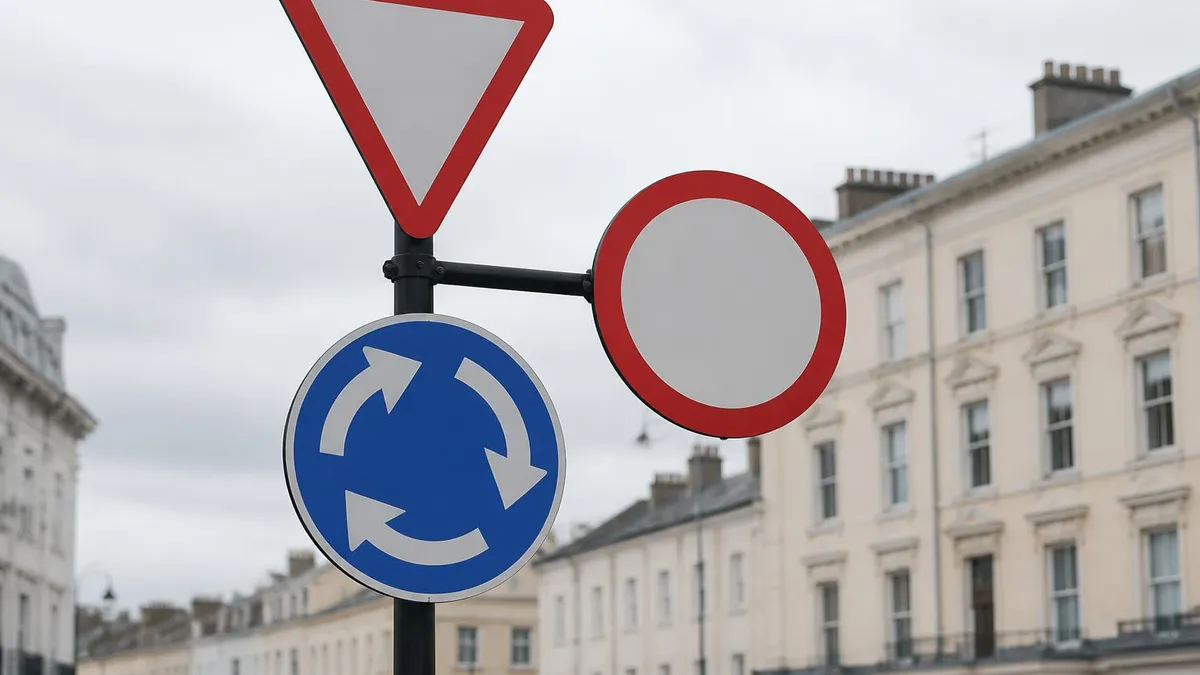
Booking Your Test Early vs Waiting Until You Feel Ready
- +Creates a firm deadline that motivates consistent practice sessions
- +Secures a preferred date and test centre before slots fill up
- +Allows time to reschedule without penalty if progress is slower than expected
- +Prevents long waits caused by high demand at popular urban centres
- +Gives you a psychological target that many learners find focusing
- +Allows your instructor to plan lessons strategically around the booked date
- −Risk of booking too early and not being ready by the chosen date
- −Fee may be lost if you cancel with fewer than 10 full working days' notice
- −Anxiety can build as the test date approaches, affecting performance
- −You may feel pressured to sit the test before you are truly confident
- −Poor test day conditions such as weather cannot be predicted months ahead
- −Changing test centres after booking requires rescheduling, adding admin time
Pros and Cons at a Glance
| Pros | Cons |
|---|---|
| Creates a firm deadline that motivates consistent practice sessions | Risk of booking too early and not being ready by the chosen date |
| Secures a preferred date and test centre before slots fill up | Anxiety can build as the test date approaches, affecting performance |
| Allows time to reschedule without penalty if progress is slower than expected | You may feel pressured to sit the test before you are truly confident |
| Prevents long waits caused by high demand at popular urban centres | Poor test day conditions such as weather cannot be predicted months ahead |
| Gives you a psychological target that many learners find focusing | Changing test centres after booking requires rescheduling, adding admin time |
Your Practical Driving Test Day Checklist
- ✓Bring your valid provisional photocard driving licence — no licence means no test and no refund.
- ✓Ensure your theory test pass certificate is valid and has not expired during the two-year window.
- ✓Confirm your instructor and their vehicle are available and meet DVSA roadworthiness requirements.
- ✓Check the vehicle has a working horn, clean mirrors, inflated tyres, and functioning brake lights.
- ✓Arrive at the test centre at least 10 minutes before your appointment time.
- ✓Wear comfortable footwear with a firm sole that allows you to feel the pedals clearly.
- ✓Revise the Show Me Tell Me vehicle safety questions the evening before your test.
- ✓Plan and practise the route from your starting point to the test centre the day before.
- ✓Eat a light meal and stay hydrated — hunger and thirst affect concentration significantly.
- ✓Switch off your mobile phone before entering the waiting room at the test centre.
Set a Midnight Reminder for New Slot Releases
The DVSA releases new test slots on a rolling six-month basis, often going live at midnight. At busy test centres, popular Saturday morning and mid-week daytime slots can sell out within minutes. Setting a phone alarm for 00:05 and checking the booking portal immediately can secure a sought-after slot that would otherwise disappear before the morning.
Cancellation slots — sometimes called short-notice slots or last-minute slots — are a popular way for candidates to secure an earlier test date than the standard booking calendar allows. These become available when other candidates cancel their bookings within the permitted window, and they appear on the GOV.UK portal immediately after the cancellation is processed. Checking the portal regularly, particularly in the early morning and late evening, can yield genuine opportunities to move your test forward by several weeks.
Several unofficial third-party websites and apps have emerged that monitor the DVSA booking portal and alert users when cancellation slots appear at specified centres. While these tools can save time compared with manual checking, you should exercise caution. The DVSA does not endorse any third-party services, and some of these platforms charge a subscription fee for what is essentially an automated version of a free manual check. Never provide your banking details or full account credentials to any site other than the official GOV.UK portal.
If you are flexible about which test centre you use, your chances of finding an earlier cancellation slot improve considerably. Candidates who are willing to travel 20 to 30 miles to a less popular centre often find that slots appear more frequently and with less competition. This is particularly useful in areas where the nearest centre has a multi-month waiting list due to high urban demand. Always weigh the travel time and cost against the benefit of an earlier test before making the switch.
Another strategy for reducing your waiting time is to check the booking portal at the start and end of each month, as administrative cycles sometimes trigger a batch release of new slots across multiple centres simultaneously. Instructors who book many tests annually often become familiar with these patterns at their local centres and can advise their students accordingly. Do not hesitate to ask your instructor when slots tend to become available at your preferred location — their practical experience is a genuinely valuable resource.
Once you have identified an earlier slot, switching from your existing booking is simple. Log into the GOV.UK system, navigate to your current booking, and select the option to change date or time. The system will ask you to confirm the new slot and will update your booking automatically, sending a revised confirmation email within a few minutes. Your original fee is simply transferred to the new date — there is no additional charge for this type of amendment as long as you are making the change within the cancellation notice window.
It is worth noting that the DVSA occasionally releases blocks of additional slots at high-demand centres during particularly busy periods, such as after a backlog caused by strike action or adverse weather closures. These releases are announced via the DVSA's official social media channels and GOV.UK news section. Following the DVSA on social media is a simple way to stay informed about slot releases, system maintenance windows, and any policy changes that might affect your booking or test format.
Ultimately, the most effective way to approach the waiting period is to treat any available slot as an opportunity rather than a fixed constraint. Candidates who remain flexible, stay vigilant about cancellation slots, and coordinate closely with their instructor tend to sit their practical test significantly sooner than those who simply book the first available date and wait passively. Proactive management of your booking is a skill in itself — and it starts the moment you decide you are ready to move forward.
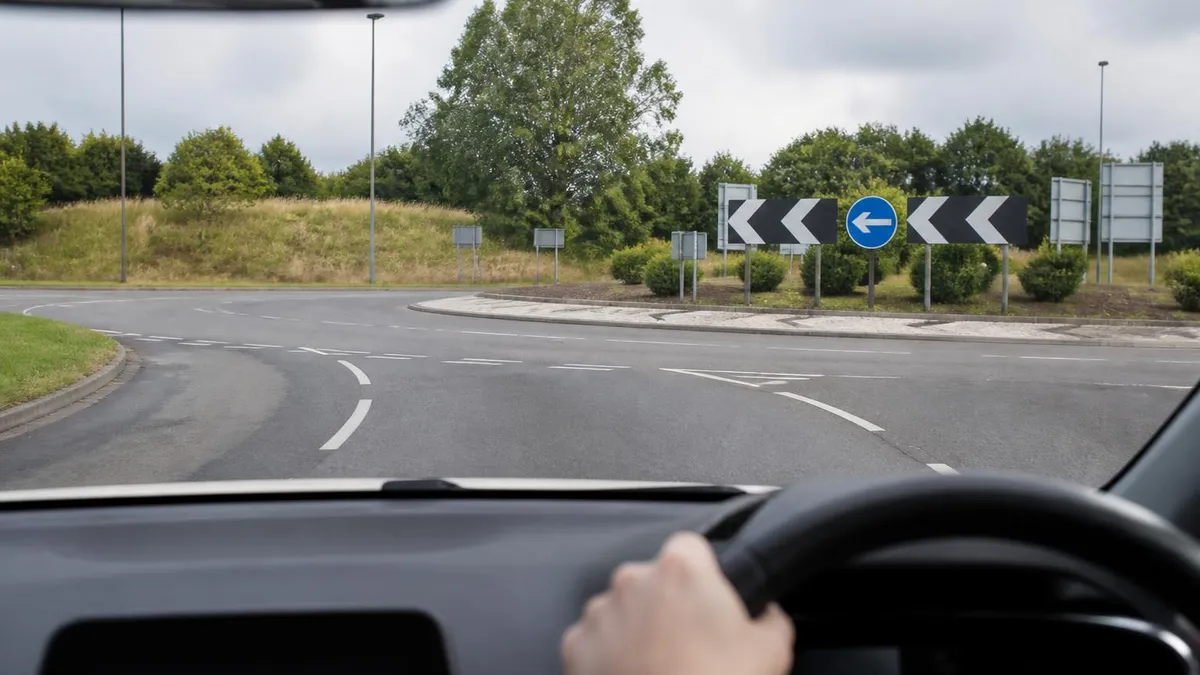
Your theory test pass certificate expires exactly two years from the date you passed. If this certificate lapses before you complete your practical test, your practical booking will be cancelled automatically and your fee will be forfeited. Always check your certificate expiry date before booking, and if you are close to the two-year mark, consider whether you have enough time to complete the practical before retaking the theory test becomes necessary.
Preparing thoroughly for the practical driving test is just as important as navigating the booking process successfully. Many candidates focus heavily on the administrative side and underestimate the value of structured, goal-oriented practice in the weeks leading up to the test. Your examiner will assess you across a range of competencies including general car control, awareness and planning, use of speed, following rules and road markings, and independent driving for approximately 20 minutes of the 40-minute test without turn-by-turn instruction from the examiner.
The independent driving section is the element that most surprises unprepared candidates. During this portion, the examiner will ask you to follow either a sat-nav device — which they will set up for you — or a series of road signs toward a destination. You will not be expected to memorise a specific route, and making a navigation error, such as taking a wrong turn, does not automatically mean a fault mark unless the error results in an unsafe driving decision. Focus on safe, confident driving regardless of minor navigational mistakes.
Show Me Tell Me questions are asked at the start of the test and account for one driving fault if both are answered incorrectly. There are currently 19 Tell Me questions, which are answered verbally before you pull away, and 19 Show Me questions, which require you to demonstrate a feature or operation while driving safely. Revising all 38 questions is straightforward and takes no more than a few focused study sessions. Flashcards, online quizzes, and revision apps all work well for this element of preparation.
Manoeuvres tested in the practical include pulling up on the right-hand side of the road and reversing two car lengths, forward or reverse bay parking, and parallel parking. The examiner will ask you to carry out one manoeuvre during your test, and it will be selected at random from the approved list. Each manoeuvre is assessed on accuracy, safety, and control — not on how quickly you complete it. Taking your time and checking mirrors and blind spots thoroughly will always score better than a rushed but imprecise attempt.
Emergency stop exercises are carried out on roughly one in three tests, decided by the examiner in advance based on randomisation. If you are asked to perform an emergency stop, the examiner will signal by tapping the dashboard, at which point you should brake firmly and progressively, keeping both hands on the wheel and avoiding locking the wheels if your vehicle does not have ABS. Practise this with your instructor until it feels natural and controlled, not panicked.
On the day of the test itself, nerves are entirely normal and to be expected. Research consistently shows that moderate arousal improves performance, so a degree of nervousness is actually beneficial. What matters is that the nervous energy translates into heightened alertness rather than rushed decision-making. Breathing exercises, a good night's sleep, and a familiar pre-test routine all help to manage anxiety levels effectively. Many candidates find that a final 30-minute practice drive with their instructor on the morning of the test settles their nerves considerably.
For additional structured preparation resources, including topic-specific practice questions covering hazard awareness, eco-friendly driving, and vehicle safety, PracticeTestGeeks offers a comprehensive library of free DVSA mock tests. These quizzes mirror the style and difficulty of real theory questions and provide an excellent complement to your on-road practice sessions. Building strong theoretical knowledge alongside practical skills is the most reliable route to a first-time pass.
Understanding what examiners look for during the practical test can significantly improve your chances of passing first time. Examiners record faults using two categories: driving faults (minor) and serious or dangerous faults. A serious or dangerous fault on any single item results in an automatic fail, regardless of how well you performed in every other part of the test.
You are allowed up to 15 driving faults in total — but accumulating 16 or more minor faults also results in a fail, even if none of them are classified as serious. Awareness of this threshold helps you avoid becoming complacent in areas where you consistently make small errors.
The most commonly failed elements of the practical driving test in the UK, according to DVSA data, are junctions — specifically observation at junctions and emerging unsafely. Mirrors, signalling, and moving off safely also appear consistently in the top failure reasons year after year. Knowing this allows you and your instructor to dedicate extra practice time to these high-risk areas rather than treating all elements of driving as equally important to rehearse. Targeted practice based on real failure data is far more efficient than generic repetition.
Weather conditions on test day can affect performance in unexpected ways. Driving in rain, glare, or fog introduces additional hazards that demand higher concentration and wider safety margins. If the conditions on your test day are significantly worse than anything you have practised in, it is worth asking your instructor during the pre-test lesson to incorporate the prevailing conditions into the session so that you are acclimatised before the examiner takes their seat. You cannot reschedule due to rain alone — tests proceed in all but the most extreme conditions.
After the test concludes, whether you pass or fail, the examiner will provide a debrief. If you pass, you will hand over your provisional licence and the examiner will arrange for your full licence to be issued — typically arriving by post within one to two weeks. If you do not pass, the examiner must give you a DL25 test report explaining every fault recorded. Reading this report carefully with your instructor is the most productive use of the time immediately after a failed test, as the specific fault codes give a precise picture of what to improve before rebooking.
Rebooking after a fail is done through the same GOV.UK portal. There is no mandatory waiting period before you can rebook, though most instructors recommend at least a few additional lessons focused on the areas highlighted in the DL25 report before attempting the test again. Statistically, candidates who rebook within four to six weeks and address specific feedback from the DL25 achieve significantly better outcomes than those who rebook immediately without adjusting their preparation strategy.
The practical driving test is ultimately a demonstration of safe, independent driving to a nationally consistent standard. Every element of the booking process, from choosing your test centre to understanding the assessment criteria, is designed to support that core objective. Approaching each step methodically — from initial booking through to post-test review — gives you the best possible platform to demonstrate your ability and achieve the full driving licence that opens up so many opportunities in work and personal life across the UK.
Remember that passing the practical test is not the end of the learning journey. The DVSA's Pass Plus scheme, available shortly after passing, offers six modules of additional training including motorway driving, driving in poor visibility, and rural road driving. Completing Pass Plus can reduce insurance premiums for new drivers and helps to bridge the gap between the controlled conditions of a driving test and the full range of challenges encountered in everyday driving across the UK road network.
Sample DVSA UK Driving Theory Practice Questions
Try these questions from our free DVSA UK Driving Theory practice tests. The correct answer and an explanation follow each question.
You are following a large lorry on a wet road. How should you adjust your following distance?
- A. Keep the standard two-second gap
- B. Allow at least a four-second gap
- C. Stay close so you can see the road ahead
- D. Flash your lights to signal the lorry to speed up
Answer: B. Allow at least a four-second gap
On wet roads, you should at least double the two-second gap to four seconds. Large vehicles also create spray that can reduce your visibility significantly, so extra distance gives you a clearer view and more time to react.
When driving in wet conditions, what is the minimum time gap you should leave between your vehicle and the one in front?
- A. A one-second gap
- B. A two-second gap
- C. A three-second gap
- D. A four-second gap
Answer: D. A four-second gap
The Highway Code advises that in wet weather, you should double the normal two-second gap to at least a four-second gap. This is because your vehicle will take longer to stop on a wet surface, and the increased distance provides a safer stopping margin.
You are driving on a 'smart motorway' and see a red 'X' displayed on the overhead gantry above your lane. What does this mean?
- A. The national speed limit applies to this lane.
- B. You should move into another open lane as soon as it is safe to do so.
- C. A temporary speed limit is in force for this lane.
- D. You should stop and wait for further instructions.
Answer: B. You should move into another open lane as soon as it is safe to do so.
A red 'X' shown on an overhead gantry on a motorway indicates that the lane is closed. You MUST NOT drive in a lane that is closed by a red 'X'. You should move into an open lane safely and promptly. Ignoring this sign is dangerous and illegal.
You will not be using your car for several months and plan to keep it in your garage. To avoid paying for vehicle tax and insurance, what must you officially do?
- A. Inform your local council.
- B. Cancel your direct debits for tax and insurance.
- C. Make a Statutory Off Road Notification (SORN) to the DVLA.
- D. Return the number plates to the DVLA.
Answer: C. Make a Statutory Off Road Notification (SORN) to the DVLA.
To legally keep an untaxed and uninsured vehicle off a public road, you must make a Statutory Off Road Notification (SORN) to the DVLA. This declares that the vehicle is not in use.
DVSA Questions and Answers
DVLA Theory Test Booking: Complete Step-by-Step Guide for UK Learners
Driving Theory Test App: The Complete Study Guide for UK Learners

DVSA Car Practical Test: Complete Guide to Passing First Time
General Driving Test: What to Expect, How It's Marked, and How to Pass
Book Driving Test: How to Schedule Your DVSA Test Online, Costs & What to Expect
About the Author
Licensed Driving Instructor & DMV Test Specialist
Penn State UniversityRobert J. Williams graduated from Penn State University with a degree in Transportation Management and has spent 20 years as a certified driving instructor and DMV examiner consultant. He has personally coached thousands of applicants through written knowledge tests, skills assessments, and commercial driver licensing programs across more than 30 states.