
What to Bring to Your Driving Test: The Complete UK Checklist 2026 September
What to bring to driving test day in the UK: ⏳ required documents, provisional licence, car requirements and a full checklist so you pass without delays.
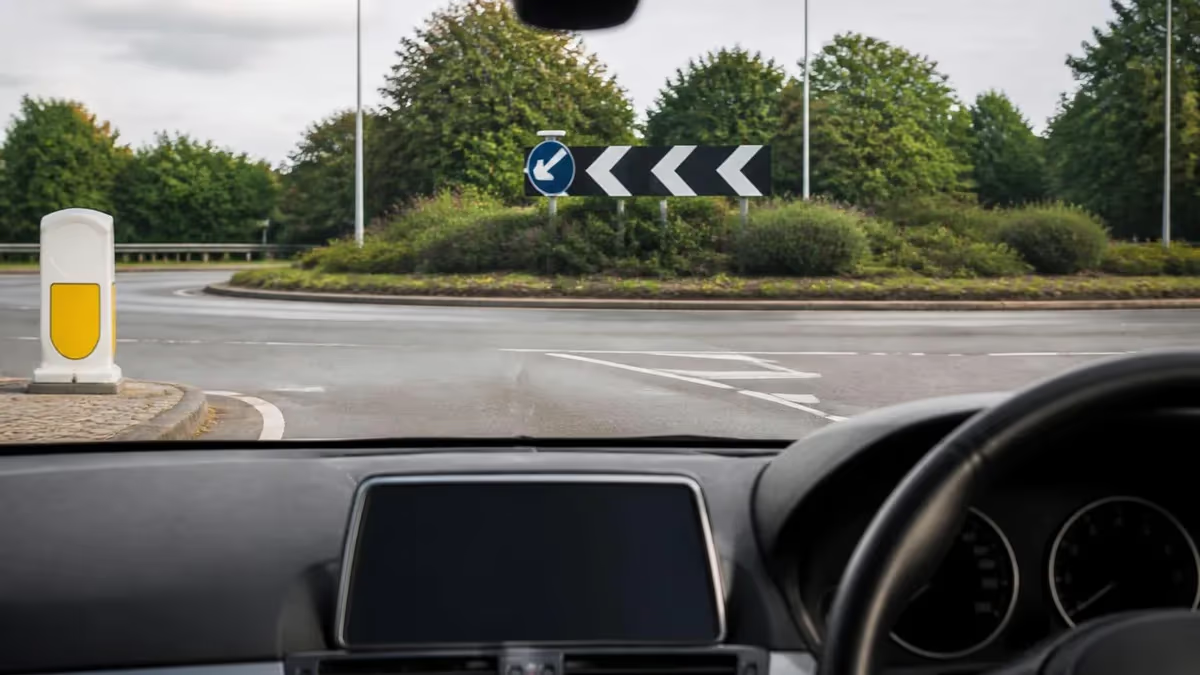
Knowing exactly what to bring to driving test day is one of the most overlooked parts of learning to drive in the UK, yet it is the single biggest reason candidates are turned away before they even reach the road. The DVSA examiner cannot legally start your practical test without the correct documents, and a missing provisional licence or an unroadworthy car means you forfeit the slot and your fee. This guide walks through every item, why it matters, and how to avoid the simple mistakes that cost thousands of learners their appointment each year.
The good news is that the list is short and entirely within your control. You will need your provisional driving licence photocard, your theory test pass certificate number, and a suitable car that meets DVSA roadworthiness standards. Some candidates also need glasses or contact lenses, proof of a recent eyesight check, or supporting documents if their name has changed. Preparing these the night before removes a huge source of test-day stress and lets you focus entirely on driving rather than scrambling for paperwork.
Many learners assume the examiner will be flexible if something is forgotten, but the rules are strict and applied consistently across every test centre in England, Scotland and Wales. If you turn up without your licence, the test is cancelled and you lose the £62 weekday fee. There is no appeal, no grace period, and no option to email a photo of your licence later. This is why building a reliable checklist matters more than almost any last-minute driving practice you could do.
Before you even reach test day, you should already have completed your booking correctly. If you are still arranging dates, our guide to what to bring to driving test bookings explains how the theory and practical stages connect and what reference numbers you will need to keep safe. Holding onto these numbers from the start makes the final preparation far smoother because the details are already in one place rather than scattered across emails.
The vehicle you use is just as important as your documents. Whether you drive your instructor's dual-control car or your own private vehicle, it must be taxed, insured for the test, display L-plates, have a valid MOT if over three years old, and be free of warning lights or dashboard faults. Examiners routinely refuse cars with bald tyres, cracked windscreens in the driver's line of sight, or a missing passenger seatbelt. A two-minute walk-around check the morning of the test prevents these avoidable rejections.
Finally, your physical and mental readiness counts too. Arriving with the right glasses, comfortable shoes that grip the pedals, and a calm mindset all contribute to a smoother experience. Throughout this article we cover the essential documents, the full vehicle requirements, a printable checklist, common reasons tests are cancelled, and practical day-of advice. By the end you will know precisely what to bring to driving test day and how to walk into the centre fully prepared and confident.
Driving Test Day by the Numbers

What You Must Bring to Your Driving Test
Your UK provisional photocard driving licence is the single non-negotiable item. Without it the examiner cannot legally start the test, your appointment is cancelled immediately, and your fee is lost with no refund or appeal available.
You must have passed your theory test and it must still be valid. The DVSA checks your theory certificate number on their system, so keep the pass email or note the certificate number before you travel to the centre.
The vehicle must be taxed, insured for the test, hold a valid MOT, display L-plates, and be mechanically roadworthy. Most learners use their instructor's dual-control car, which is checked and maintained for exactly this purpose.
If you need glasses or contact lenses to read a number plate at the required distance, you must wear them for the eyesight check and the whole test. Forgetting them can end your test before it begins.
Your provisional driving licence is the absolute foundation of test day. The examiner will ask for it the moment they call your name in the waiting room, and they physically inspect the photocard to confirm your identity and that it is genuine and in date. England, Scotland and Wales no longer require the paper counterpart, but the plastic photocard itself is mandatory. If your licence has expired, been lost, or never arrived from the DVLA, you cannot take the test, so check the expiry date on the front weeks in advance rather than on the morning.
The second pillar is your theory test pass. You cannot book or sit a practical test without having already passed the multiple-choice and hazard perception theory exam. Crucially, a theory pass is only valid for two years. If your practical test date falls even one day after that two-year window closes, the practical is cancelled and you must pass the theory again before rebooking. Thousands of learners lose tests this way each year, so always cross-check your theory expiry date against your practical appointment.
You no longer need to bring the physical theory certificate to the centre because the DVSA verifies your pass digitally using your licence details. However, it is sensible to keep your theory certificate number recorded somewhere accessible in case of a system query. Screenshot the confirmation email or save it to your phone notes. This small habit can resolve a rare administrative hiccup quickly and keep your test on track without an awkward delay at the desk.
If you have changed your name through marriage, deed poll or any other route, your licence must reflect your current legal name, or you should carry supporting documentation such as a marriage certificate. The name on your licence should match your booking. Discrepancies here can raise identity questions that the examiner is obliged to investigate, and in some cases they will refuse to proceed. Updating your licence with the DVLA well before the test removes this risk entirely and is free to do online.
Many candidates wonder whether a digital or photo copy of the licence is acceptable. It is not. The DVSA requires the original physical photocard, not an image on your phone, a photocopy, or a screenshot from your online DVLA account. This rule is applied without exception at every test centre. The same goes for international licences, which generally cannot be used to take a GB practical test unless specific exchange criteria have already been met through the DVLA.
To keep all of these details organised from the very beginning, it helps to centralise your reference numbers when you first book. Our walkthrough of driving theory test app resources shows how dedicated apps store your theory progress and pass details, making them easy to retrieve on the day. Having your provisional licence number, theory pass number and booking reference saved together means you are never hunting for paperwork in the final anxious hours before your appointment.
One last point on documents: arrive early enough to handle any surprises. Test centres recommend getting there ten minutes before your slot. That buffer gives you time to present your licence calmly, use the toilet, and settle your nerves. If a document problem does arise, a few extra minutes can occasionally be the difference between a quick resolution at the desk and a cancelled test, though serious issues like a missing licence cannot be fixed on the spot.
Car and Vehicle Requirements for the Driving Test
The car you bring must be fully roadworthy and meet DVSA standards. That means a valid MOT if the vehicle is over three years old, current road tax, and no warning lights showing on the dashboard. Tyres must have at least the legal 1.6mm tread depth, be correctly inflated, and show no visible damage. A car that fails any of these basic checks will be refused by the examiner before the test starts.
The windscreen must be free of cracks or chips in the driver's direct line of sight, and all windows must give a clear view. Mirrors, wipers, washers and lights must work correctly. Examiners do a quick visual check of the vehicle, so a faulty brake light or a cracked mirror can end your appointment instantly, costing you the full test fee with no refund.
Using Your Instructor's Car vs Your Own Vehicle
- +Dual controls let the instructor intervene safely if needed
- +Insurance for the test is already arranged and verified
- +L-plates and passenger mirror are correctly fitted
- +The car is familiar and you have practised in it
- +Maintenance and MOT are kept up to date by the instructor
- +Instructor can drive you to and from the test centre
- −Hire of the instructor's car for the test adds to the cost
- −Limited availability around the instructor's schedule
- −Your own car may feel more comfortable and familiar
- −Private cars can be cheaper if already insured correctly
- −You must arrange test insurance yourself for a private car
- −Private vehicles need their own L-plates and examiner mirror
Complete What to Bring to Driving Test Checklist
- ✓Your valid UK provisional driving licence photocard
- ✓Confirmation that your theory test pass is still in date
- ✓Your theory certificate number saved on your phone
- ✓Your practical test booking reference number
- ✓Glasses or contact lenses if you need them to drive
- ✓A taxed, insured and MOT-valid car for the test
- ✓Front and rear L-plates fitted securely to the vehicle
- ✓A passenger-side interior mirror for the examiner
- ✓Comfortable flat shoes that grip the pedals well
- ✓Arrival at the test centre ten minutes before your slot
Check your theory expiry date first
A theory test pass is valid for exactly two years. If your practical falls even one day after it expires, your test is cancelled and you must re-sit the theory. Always confirm both dates the moment you book your practical to avoid losing your fee and your slot.
The eyesight check is the very first part of your practical driving test, and it happens before you even get into the car. The examiner will ask you to read the number plate of a parked vehicle from a set distance. For new-style plates introduced after September 2001, this distance is 20 metres; for older-style plates it is 20.5 metres. If you cannot read the plate, the examiner stops the test immediately, records a fail, and the DVLA is notified, which can affect your licence until your vision is corrected.
This is why bringing the right glasses or contact lenses is so important. If you normally wear corrective lenses to drive, you must wear them for the eyesight test and keep them on for the entire practical. Forgetting your glasses at home is treated the same as failing the eyesight check, because you are not legally able to drive without them. Keep a spare pair in your bag if you are prone to misplacing them, and clean the lenses before you set off so smears do not blur the plate.
If you wear contact lenses, make sure they are comfortable and not likely to dry out during the test, especially if you are nervous and blinking less than usual. Carry a small bottle of rewetting drops if you use them. Should a lens become uncomfortable mid-test, it is far better to be prepared than to struggle with watering eyes while concentrating on a junction. Your vision needs to be reliably sharp for the full forty minutes of driving the examiner will assess.
Clothing and footwear matter more than many learners expect. Wear flat, comfortable shoes with thin, flexible soles that let you feel the pedals clearly. Chunky boots, high heels, flip-flops and bare feet all reduce your control and can cause clumsy clutch or brake work that costs you minors or even a serious fault. Many experienced drivers keep a dedicated pair of driving shoes in the car so they always have suitable footwear ready regardless of the weather or what they wore that day.
Dress in comfortable layers appropriate for the weather, because a test centre car park can be cold first thing and the car warm once the heater is on. Avoid anything that restricts your movement when checking mirrors, looking over your shoulder, or turning the wheel. Loose sleeves that could catch on controls, or hoods that limit your peripheral vision, are best avoided. The aim is to remove every small physical distraction so your full attention stays on safe, smooth driving throughout the assessment.
Hydration and energy also play a quiet role in performance. A light meal or snack beforehand keeps your blood sugar steady, and a small drink of water prevents a dry mouth from nerves. Avoid large amounts of caffeine, which can worsen jitters and make your hands less steady on the wheel. Use the toilet before the test begins, because a forty-minute drive with constant junctions and manoeuvres is not the time to be distracted by discomfort. Small comforts compound into calmer, clearer driving.
Finally, bring a positive, prepared mindset. You cannot pack confidence in a bag, but you can build it by arriving early, having every document ready, and knowing your car is roadworthy. When the practical side is fully sorted, your mind is free to focus on the driving itself. Examiners are not trying to trick you; they want to see safe, competent, independent driving. Walking in fully equipped, both physically and mentally, gives you the best possible chance of passing first time.
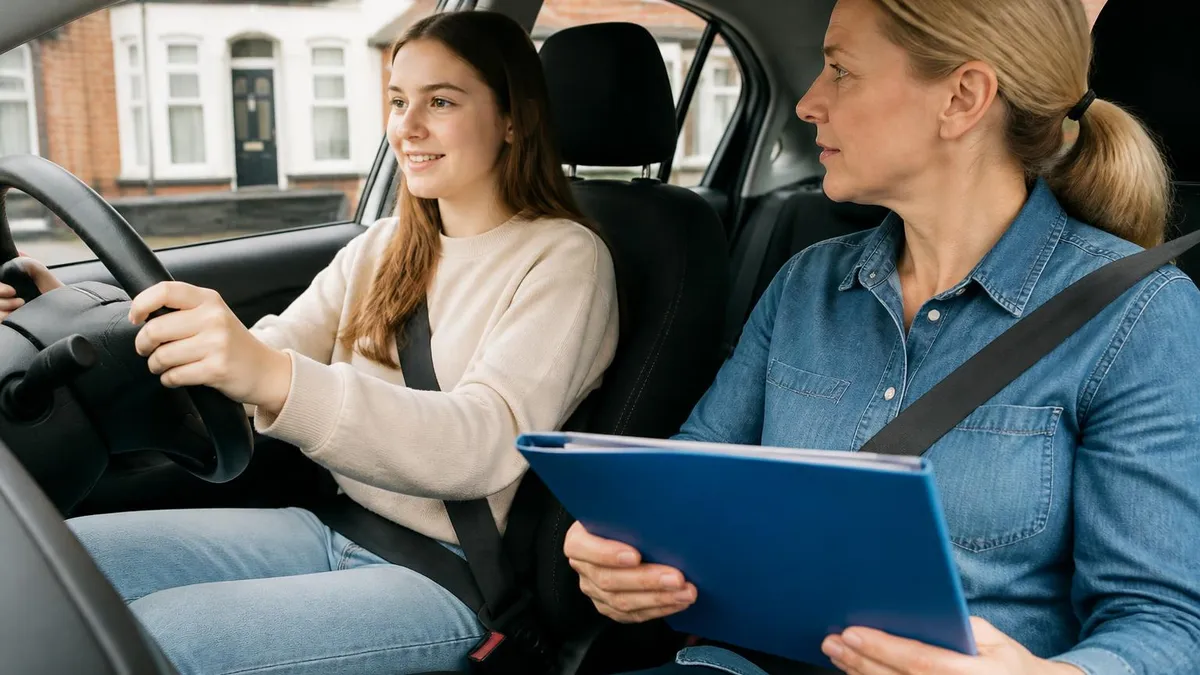
If you forget your provisional photocard, the examiner cannot start the test and you lose your fee with no refund. A photo or photocopy will not be accepted. Place your physical licence in your bag the night before so it is impossible to leave behind on the day.
Understanding why tests get cancelled helps you avoid joining the statistics. The most common reason is a missing or invalid provisional licence. Whether it has expired, been lost in the post, or simply left at home, the result is the same: an immediate cancellation and a forfeited fee. Examiners have no discretion here, because verifying identity is a legal requirement. Always confirm your licence is physically in your possession and in date before you travel, ideally checking it the evening before alongside your other documents.
An expired theory test is the second frequent cause of lost tests. Because the two-year validity window is fixed, learners who booked their practical many months ahead sometimes find their theory lapses just before the big day. The DVSA will not extend the window or make exceptions, even by a single day, and even though many learners feel the rule is unfair. The only fix is to re-sit and pass the theory again, then rebook the practical, which can add weeks of delay and extra cost.
Unroadworthy vehicles account for a large share of refused tests. A car arriving with an illuminated engine warning light, bald or damaged tyres, a cracked windscreen in the driver's view, or a broken brake light will be turned away during the examiner's pre-test check. If you use your own car rather than your instructor's, you carry full responsibility for this. A careful walk-around inspection the morning of the test, checking lights, tyres, fluid levels and warning lamps, prevents an embarrassing and expensive rejection.
Insurance problems catch out learners who bring a private vehicle. Many learner policies specifically exclude the driving test itself, so the car is uninsured at the exact moment it matters most. If the examiner asks and you cannot confirm valid test cover, the test will not proceed. Phone your insurer in advance, get written confirmation that the test is covered, and keep that confirmation accessible. This single check avoids one of the most frustrating and entirely preventable cancellation reasons.
Behavioural and safety issues can also stop a test. Arriving under the influence of alcohol or drugs, behaving aggressively, or a vehicle failing the examiner's safety standards will all halt proceedings. Severe weather such as fog, ice or flooding can lead the DVSA to cancel tests for safety, though in that case you are usually offered a free rebooking. Knowing the difference between cancellations within your control and those outside it helps you focus your preparation where it counts.
If you want to understand the wider booking process and how to secure a new slot quickly after any cancellation, our detailed guide to how to book practical driving test appointments explains the online system, cancellation checkers, and waiting-list tricks. The faster you can rebook, the less momentum you lose from your lessons. Pairing a solid understanding of what to bring with a clear rebooking plan means even a setback need not derail your progress toward a full licence.
The reassuring truth is that nearly every cancellation reason is preventable with a little planning. Documents in your bag the night before, a roadworthy car checked that morning, confirmed insurance, and the right glasses cover the vast majority of risks. None of these require driving skill, just a methodical approach. Treat your preparation checklist as seriously as your driving practice, and you remove the silent obstacles that sabotage otherwise well-prepared candidates before they reach the road.
With your documents and car sorted, the final layer of preparation is your routine on the morning itself. Lay everything out the night before: licence, glasses, comfortable shoes, your booking reference, and any insurance confirmation. A simple physical pile by the door means nothing can be forgotten in a last-minute rush. Set two alarms, plan your route to the centre, and build in extra time for traffic or parking. Arriving flustered and late raises your stress and harms your driving before you even begin.
If you are taking the test in your instructor's car, arrange to have a short warm-up lesson beforehand if your budget allows. Forty to sixty minutes of driving immediately before the test settles your nerves, gets you used to the conditions that day, and lets you practise any manoeuvres that worry you. Your instructor can also reassure you and remind you of common faults to avoid. This warm-up is one of the most effective last-minute confidence boosters available to learners.
On arrival, present your licence calmly at the desk and then wait for the examiner to call your name. Use the waiting time to breathe slowly and steady yourself rather than cramming facts. You are allowed to take your instructor or a supervisor along on the test if you wish, sitting in the back. Some learners find this reassuring; others prefer to go alone. There is no right answer, so choose whatever keeps you calmest and most focused on the road.
During the test, remember that minor faults are normal and do not automatically fail you. You can accumulate up to fifteen minor faults and still pass, provided none escalate into a serious or dangerous fault. If you make a small mistake, do not dwell on it; refocus immediately on the next junction or manoeuvre. Many learners fail not because of one error but because they let it shake their concentration for the rest of the drive. Calm recovery is a skill in itself.
The independent driving section, where you follow a sat-nav or road signs for around twenty minutes, often worries candidates most. Treat it as ordinary driving: if you miss a turn, it is not a fault as long as you do it safely. The examiner is assessing your ability to make your own decisions, not your perfect navigation. Staying relaxed and driving to the conditions matters far more than following the route flawlessly, so do not panic if the sat-nav confuses you momentarily.
To keep your wider learning on track, it is worth revisiting the fundamentals covered in our overview on how to learn to drive in the UK, which ties together theory, practical lessons and licensing in one place. A confident driver is one who understands the whole journey, not just the test moment. Combining solid documentation habits with genuine driving competence is the surest route to a first-time pass and a lifetime of safe motoring.
Once you pass, the examiner gives you a pass certificate and your minor fault count, and you can choose to have your full licence sent automatically. You may drive unaccompanied immediately, but consider further lessons such as motorway training to build experience. The habits you practised for test day, checking your vehicle, wearing the right glasses, and staying calm, are exactly the habits that make you a safe driver for years to come. Preparation is not just about passing; it is the foundation of good driving.
DVSA Questions and Answers
DVLA Theory Test Booking: Complete Step-by-Step Guide for UK Learners
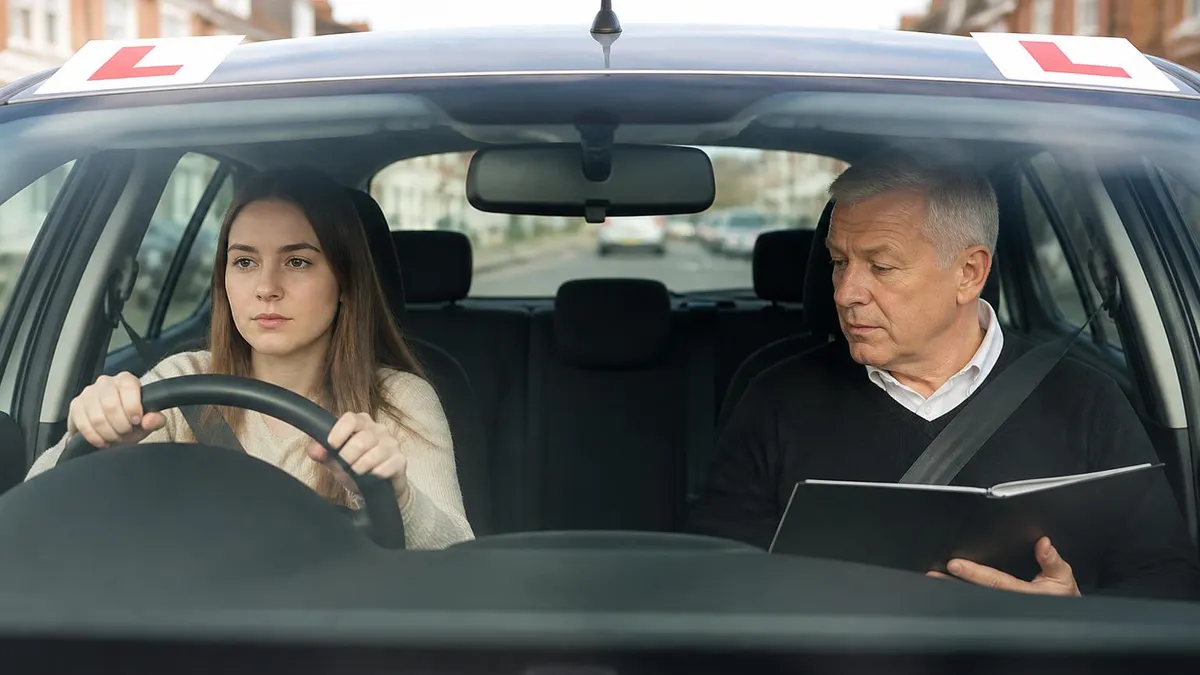
Driving Theory Test App: The Complete Study Guide for UK Learners
How to Book Your DVSA Practical Driving Test: Complete UK Guide

Learn to Drive in the UK: Complete Beginner's Guide to Getting Your Licence

DVSA Car Practical Test: Complete Guide to Passing First Time
About the Author

Licensed Driving Instructor & DMV Test Specialist
Penn State UniversityRobert J. Williams graduated from Penn State University with a degree in Transportation Management and has spent 20 years as a certified driving instructor and DMV examiner consultant. He has personally coached thousands of applicants through written knowledge tests, skills assessments, and commercial driver licensing programs across more than 30 states.