
Automatic Driving Instructors: Everything UK Learners Need to Know 2026
Find out everything about automatic driving instructors in the UK — 📚 costs, qualifications, how to choose one, and whether automatic lessons are right for you.
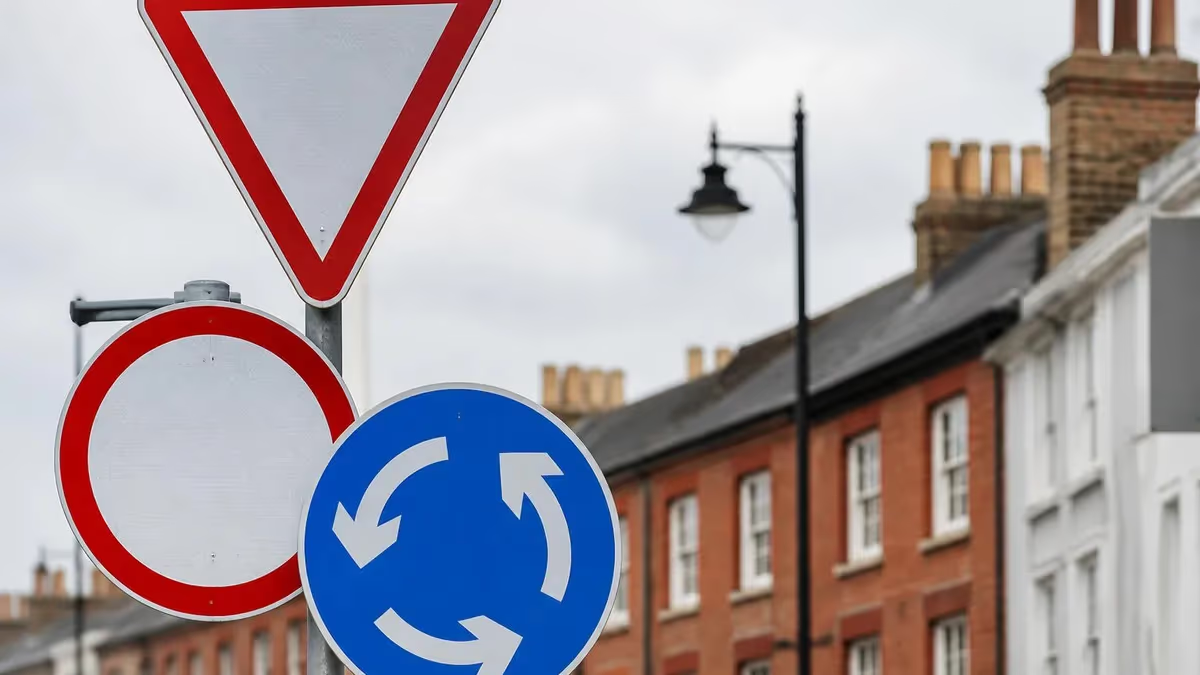
Choosing to learn in an automatic car is one of the most significant decisions a new driver can make, and finding the right automatic driving instructors is the key to turning that choice into a full UK driving licence as efficiently as possible. Unlike manual lessons, where learners must manage clutch control and gear changes simultaneously with steering, observation, and hazard perception, automatic tuition allows students to focus entirely on the core skills the DVSA examiner will assess during the practical test. The result is often a faster route to test readiness for many learners.
Automatic driving instructors are Approved Driving Instructors (ADIs) who specialise — or at minimum offer — tuition in cars fitted with automatic transmissions. In the UK, every legitimate instructor must hold a DVSA ADI badge, which is issued only after passing three rigorous qualifying examinations covering theory, hazard perception, and in-car instruction technique. The distinction between an instructor who teaches in both manual and automatic cars and one who exclusively teaches in automatic vehicles matters more than many learners realise, because the specialist instructor will have refined lesson plans, assessment techniques, and student-management strategies tailored to the automatic experience.
The demand for automatic tuition has grown considerably over the past decade. According to DVSA licensing data, the proportion of practical driving tests taken in automatic vehicles has risen year on year, reflecting broader changes in the UK car market — including the rapid expansion of hybrid and electric vehicles, virtually all of which use automatic or single-speed transmissions. This shift means that automatic driving instructors are no longer a niche option; they are an increasingly mainstream part of the UK's driver-training landscape.
Cost is often the first concern for prospective learners. Automatic lessons typically command a small premium over manual lessons, usually between £3 and £7 extra per hour, because automatic cars themselves are more expensive to purchase and maintain. However, many students who choose the automatic route require fewer total hours to reach test standard, which can offset or entirely cancel out that hourly premium. The average learner needs roughly 45 hours of professional tuition before passing, but those learning in automatic vehicles frequently report reaching test readiness in 30–38 hours.
Finding a qualified automatic driving instructor involves more than a quick internet search. Learners should verify the instructor's ADI registration number on the official DVSA register, read recent student reviews across multiple platforms, and ideally take a trial lesson before committing to a full block booking. The relationship between learner and instructor is personal and consequential — a mismatch in communication style or teaching approach can add hours of unnecessary tuition time and erode the learner's confidence behind the wheel.
It is also worth understanding that an automatic licence carries a legal restriction: if you pass your practical driving test in an automatic car, your licence will be endorsed to show that you are only entitled to drive automatic and semi-automatic vehicles. You cannot legally drive a manual car on a full automatic licence without either taking a further manual driving test or holding a pre-existing manual entitlement. This is a practical consideration that every learner should discuss candidly with their chosen instructor before committing to the automatic route.
This guide covers everything UK learners need to know about automatic driving instructors — from how they qualify and what to expect during lessons, to how to compare instructors, understand costs, and maximise your chances of passing the DVSA practical test at the first attempt. Whether you are a complete beginner, a mature learner returning after a long break, or someone who has struggled with manual lessons and wants a fresh start, the information here will help you make a confident, well-informed decision.
Automatic Driving in the UK by the Numbers
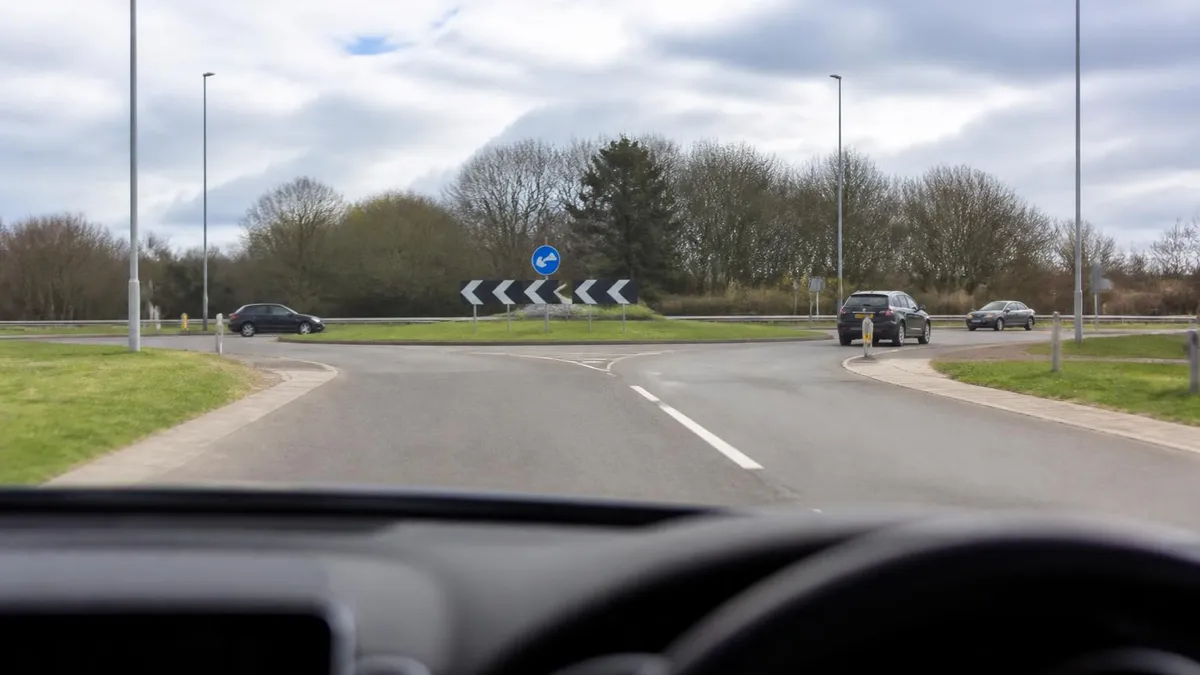
How Automatic Driving Instructors Qualify in the UK
Candidates must pass a 100-question multiple-choice theory examination covering road law, driver behaviour, and vehicle safety. A minimum score of 85 out of 100 is required. The test also includes a separate hazard perception element that assesses response to developing road hazards.
The examiner assesses the candidate's own driving to a standard well above that required of a normal licence holder. Routes include dual carriageways, complex junctions, and independent driving. The candidate must demonstrate consistent, safe, and controlled vehicle handling throughout the entire assessment.
The most demanding stage: a DVSA examiner role-plays as a learner driver while the candidate teaches. Examiners evaluate lesson planning, communication clarity, risk management, feedback quality, and the ability to adapt teaching style to the pupil's individual needs.
Before passing Part 3, candidates may apply for a trainee licence (pink badge) allowing supervised paid instruction for up to six months. This provides real-world teaching experience, but the trainee must be sponsored by a qualified ADI who accepts supervisory responsibility.
Qualified ADIs undergo a Standards Check every four years. An examiner rides along with a real pupil lesson and scores the instructor on lesson planning, risk management, and teaching ability. Failing to meet the minimum standard can result in badge removal.
Understanding the true cost of learning to drive in an automatic car requires looking beyond the headline hourly rate. Automatic driving instructors across the UK typically charge between £30 and £40 per hour, with London and the South East commanding the highest prices — often £38–£45 — while instructors in the North of England, Wales, and Scotland frequently sit at the £28–£34 range. These figures represent a premium of roughly £3–£7 over the equivalent manual lesson rate in the same area, which reflects the higher purchase and maintenance costs of automatic training vehicles.
Block booking is the most common way to reduce the effective per-lesson cost. Many automatic driving instructors offer packages of 10, 20, or even 30 hours at a discounted rate, sometimes saving learners £50–£120 compared with paying per lesson. Block bookings do carry a risk: if you and your instructor prove to be a poor fit, you may have difficulty obtaining a refund. Always read the cancellation and refund policy carefully before paying for more than two or three lessons upfront, especially with an instructor you have not previously worked with.
Intensive automatic driving courses represent a distinct category worth considering. These compressed programmes, sometimes called crash courses, condense an entire driving curriculum into one or two weeks of daily two-hour lessons. Prices for an intensive automatic course typically range from £600 to £1,200 depending on the total hours included and the region. While the time efficiency is appealing — particularly for learners with an urgent need to pass, such as those starting a new job requiring driving — the learning science is mixed. Many learners retain skills better when spread over weeks rather than days, because sleep consolidates procedural memory.
Test fees are separate from tuition costs. As of 2025, the DVSA practical driving test fee is £62 for tests taken on weekdays and £75 for evenings, weekends, and bank holidays. You will also need to factor in the cost of using your instructor's car for the test, which typically adds £30–£50 on top of the test fee. Some instructors include one test accompaniment fee within their course packages, so it is worth asking about this before you finalise any agreement.
There is also the matter of the theory test, which every learner must pass before booking the practical. The DVSA theory test costs £23 and consists of 50 multiple-choice questions plus a hazard perception component. While this fee is modest, the preparation materials — revision apps, practice test books, and online mock tests — can add another £10–£30. Many learners underestimate the theory test's difficulty; the hazard perception clip format in particular requires deliberate practice with genuine DVSA-standard clips rather than just reading the Highway Code.
When comparing instructor prices, be cautious about choosing the cheapest option without scrutiny. A newly qualified instructor may charge less but offer a less refined teaching approach; conversely, a highly experienced instructor with a strong pass-rate record may charge more and yet save you money overall by reducing the total hours required. Consider value per lesson rather than price per hour as your primary metric.
Financial assistance is available in limited circumstances. The Drive to Work scheme, operated through some job centres and employability charities, offers subsidised or funded driving lessons to people who need a licence to access employment. Some local councils also run transport-to-work initiatives. If you are in receipt of certain benefits and face a genuine barrier to employment due to not being able to drive, it is worth enquiring with your local job centre or Citizens Advice bureau about what support may be available in your area.
DVSA Practice Test Questions
Prepare for the DVSA - UK Driving Theory Test exam with our free practice test modules. Each quiz covers key topics to help you pass on your first try.
DVSA Eco-Friendly Driving and Vehicle Loading
DVSA Exam Questions covering Eco-Friendly Driving and Vehicle Loading. Master DVSA Test concepts for certification prep.
DVSA Hazard Awareness
Free DVSA Practice Test featuring Hazard Awareness. Improve your DVSA Exam score with mock test prep.
DVSA Incidents, Accidents and First Aid
DVSA Mock Exam on Incidents, Accidents and First Aid. DVSA Study Guide questions to pass on your first try.
DVSA Motorway Rules and Smart Motorways
DVSA Test Prep for Motorway Rules and Smart Motorways. Practice DVSA Quiz questions and boost your score.
DVSA Rules of the Road (Highway Code)
DVSA Questions and Answers on Rules of the Road (Highway Code). Free DVSA practice for exam readiness.
DVSA - UK Driving Theory Hazard Awareness ...
DVSA Mock Test covering - UK Driving Theory Hazard Awareness and Perception. Online DVSA Test practice with instant feedback.
DVSA - UK Driving Theory Motorway Rules an...
Free DVSA Quiz on - UK Driving Theory Motorway Rules and Regulations. DVSA Exam prep questions with detailed explanations.
DVSA - UK Driving Theory Road and Traffic ...
DVSA Practice Questions for - UK Driving Theory Road and Traffic Signs. Build confidence for your DVSA certification exam.
DVSA - UK Driving Theory Rules of the Road
DVSA Test Online for - UK Driving Theory Rules of the Road. Free practice with instant results and feedback.
Choosing the Right Automatic Driving Instructor
Every legitimate automatic driving instructor in the UK must hold a current ADI badge issued by the DVSA. You can verify any instructor's registration by entering their ADI number on the official DVSA register at gov.uk. The register confirms whether the instructor is fully qualified (green badge) or holds a trainee licence (pink badge). Never accept verbal assurances alone — a quick online check takes under two minutes and protects you from unqualified operators who occasionally advertise cheap lessons.
Beyond the ADI badge, look for membership of a professional body such as the Driving Instructors Association (DIA) or the Motor Schools Association (MSA). These organisations require members to adhere to codes of conduct, provide continuing professional development resources, and offer dispute resolution services. Membership is voluntary but signals professional commitment. Additionally, check whether the instructor holds a current enhanced DBS certificate, especially if you are under 18 or arranging lessons for a minor.

Automatic vs Manual Lessons: Key Considerations
- +Faster route to test readiness for many learners — fewer hours typically needed
- +Reduced cognitive load — no clutch or gear changes to manage simultaneously
- +Less stalling anxiety, boosting learner confidence from early lessons
- +Ideal for drivers with physical disabilities affecting left leg or left hand use
- +Increasingly relevant as hybrid and electric vehicles dominate new car sales
- +Many learners report lower lesson stress and greater enjoyment overall
- −Automatic licence restriction — cannot legally drive manual cars without separate test
- −Slightly higher hourly lesson costs due to more expensive training vehicles
- −Fewer automatic instructors available in rural areas, limiting choice
- −Automatic cars can be more expensive to insure as a new driver
- −Some employers or rental companies still require a manual licence for fleet vehicles
- −Perceived as less versatile if you ever travel and need to hire a manual car abroad
Pros and Cons at a Glance
| Pros | Cons |
|---|---|
| Faster route to test readiness for many learners — fewer hours typically needed | Automatic licence restriction — cannot legally drive manual cars without separate test |
| Reduced cognitive load — no clutch or gear changes to manage simultaneously | Slightly higher hourly lesson costs due to more expensive training vehicles |
| Less stalling anxiety, boosting learner confidence from early lessons | Fewer automatic instructors available in rural areas, limiting choice |
| Ideal for drivers with physical disabilities affecting left leg or left hand use | Automatic cars can be more expensive to insure as a new driver |
| Increasingly relevant as hybrid and electric vehicles dominate new car sales | Some employers or rental companies still require a manual licence for fleet vehicles |
| Many learners report lower lesson stress and greater enjoyment overall | Perceived as less versatile if you ever travel and need to hire a manual car abroad |
Before You Book an Automatic Driving Instructor: Complete Checklist
- ✓Verify the instructor's ADI number on the official DVSA register at gov.uk before any payment
- ✓Confirm the instructor's training vehicle is a fully automatic (not just semi-automatic or paddle-shift) car
- ✓Request the instructor's current first-time pass rate and compare it to the national average of around 47–50%
- ✓Read a minimum of 15 independent reviews across Google, Trustpilot, or a dedicated ADI review platform
- ✓Ask whether the instructor offers a trial lesson with no obligation to book a full block
- ✓Clarify the cancellation and rescheduling policy in writing before paying for any block booking
- ✓Confirm whether the lesson fee includes use of the car for the DVSA practical test appointment
- ✓Check that the instructor holds a current enhanced DBS certificate, especially for under-18 learners
- ✓Discuss your personal learning goals and timeline to ensure the instructor can accommodate your schedule
- ✓Ask about the instructor's approach to the independent driving section and mock tests before your real test date
Your Licence Will Show an Automatic Restriction
If you pass your DVSA practical driving test in an automatic car, your licence will be restricted to automatic and semi-automatic vehicles only. Code 78 will appear on your photocard licence. To drive a manual car legally, you must pass a further practical test in a manual vehicle. Discuss this restriction with your instructor before starting lessons if there is any chance you will need to drive a manual car in the future.
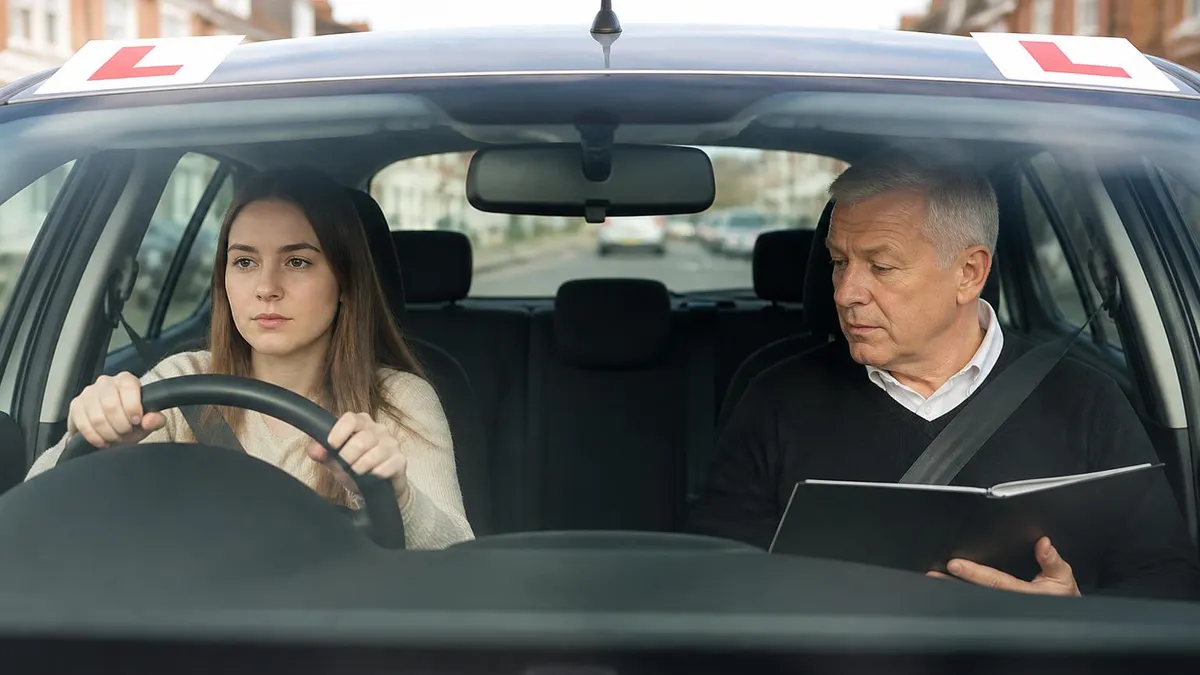
Understanding what actually happens during automatic driving lessons helps learners arrive better prepared and get more value from every hour of paid tuition. In the first one or two lessons, your instructor will assess your baseline level — whether you have driven before, your spatial awareness, your reaction to new situations, and your overall composure behind the wheel. Even if you have never touched a car's controls, a good automatic driving instructor will have you performing basic starts, stops, and straight-line driving within the first thirty minutes of your opening lesson.
The automatic gearbox removes the most mechanically complex element of car control, which means early lessons can progress to more challenging road environments faster than is typical with manual tuition. By lessons three or four, most automatic learners are navigating junctions, managing roundabouts at low speed, and beginning to develop smooth braking technique. The instructor uses dual controls — a secondary brake pedal fitted to the passenger side — to intervene if required, but a competent automatic instructor will use these sparingly, trusting the learner to build confidence through experience.
Manoeuvres are a core part of the practical test syllabus and your instructor will introduce these progressively throughout the course. The current DVSA test manoeuvres include pulling up on the right-hand side of the road and reversing, forward bay parking, reverse bay parking, and parallel parking. Your examiner will ask you to perform one of these during the test. In an automatic car, manoeuvres are generally considered easier to execute because the absence of clutch slipping allows for much finer, more consistent speed control — a particular advantage during parallel parking.
The independent driving section, introduced to the DVSA practical test in 2010 and expanded in 2017, now accounts for approximately 20 minutes of the 40-minute test. During this section, you must drive without turn-by-turn directions from the examiner, either following a sequence of road signs or using a satnav device. Your automatic driving instructor should dedicate specific lesson time to practising independent driving, including deliberate simulation of the satnav being mislaid or a sign being missed — both of which are common sources of test-day stress that good preparation can defuse entirely.
Motorway driving was added to the optional post-test training options in 2018, but many automatic instructors now incorporate dual-carriageway and faster-road driving into pre-test lesson plans as well. This is valuable preparation because learners who have only ever driven on urban roads can struggle with the speed differential and lane discipline required at 60–70 mph. If your test centre is near a dual carriageway, ask your instructor to include a session on faster roads in the weeks before your test date.
Night driving is another element that some learner drivers underestimate. While the practical test is never conducted in the dark, the ability to manage glare from oncoming headlights, read road markings in poor light, and adjust following distances for reduced visibility is a genuine road safety skill. Some automatic driving instructors offer twilight lessons at no extra charge during winter months when darkness falls before the end of standard lesson hours; others charge a small premium. Either way, at least one lesson in reduced-light conditions is a worthwhile addition to your overall programme.
Mock tests are the single most effective preparation tool available during the pre-test phase. A well-structured mock test mimics the exact format of the DVSA practical examination — including the eyesight check at the start, the show me tell me vehicle safety questions, the manoeuvre, and the full independent driving section.
Most automatic driving instructors conduct at least one formal mock test in the two weeks before a real test booking. Research consistently shows that learners who complete two or more mock tests before their actual test have higher first-time pass rates than those who go in without a formal practice run.
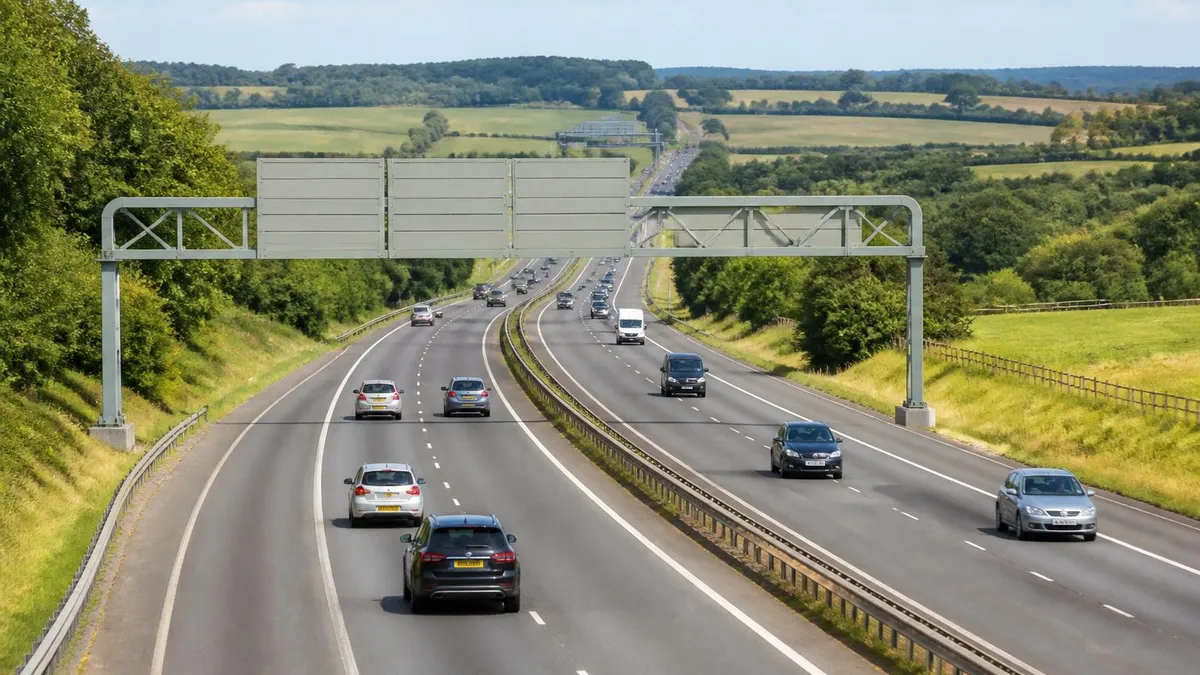
Passing your test in an automatic car means your photocard licence will carry restriction code 78, legally limiting you to automatic and semi-automatic vehicles. This restriction does not expire automatically — it remains on your licence until you pass a further practical test in a manual car. If your career, lifestyle, or travel plans may require manual driving in the future, discuss this with your instructor before committing to the automatic route.
Preparing for the DVSA practical test as an automatic learner involves both physical preparation — accumulating the right hours and skills — and mental preparation, which many learners neglect until it is too late. Test-day nerves are the most commonly cited reason for first-time failures that do not reflect a learner's true ability level. Your automatic driving instructor plays a crucial role here: their job is not only to teach car control but to build the psychological resilience that allows you to perform consistently under examination conditions rather than only during lessons.
The DVSA practical test lasts approximately 40 minutes and covers a circular route from the test centre. You will be assessed on your ability to drive safely and independently, respond correctly to hazards, perform one manoeuvre, answer a vehicle safety question, and complete the independent driving section. In an automatic car, the examiner expects the same quality of observation, planning, and decision-making as they would in a manual — the transmission type does not relax the assessment standard in any respect.
Serious faults — what the DVSA previously called major faults — result in an immediate test failure. These include pulling out into the path of oncoming traffic, running a red light, failing to yield correctly at a give-way line, and dangerous speed choices. Minor faults (previously called driver faults) are recorded individually; accumulating 16 or more minor faults also results in a failure, even if no single action was dangerous enough to warrant a serious fault. Understanding this scoring system helps learners prioritise the areas their instructor flags as generating repeated minor faults.
The show me tell me questions at the start of the test are often overlooked during preparation. The examiner will ask you to answer one vehicle safety question verbally (tell me) and demonstrate one safety check on the car (show me). In 2017, DVSA added a show me question to be answered while driving.
Typical questions cover topics such as how to check tyre pressure, how to top up screen wash, how to activate the rear fog lights, and how to check brake fluid level. Practise answering these questions calmly aloud during lessons — stumbling over a simple safety question can set a nervous tone for the rest of the test.
On the morning of your test, your automatic driving instructor will typically collect you for a 30–60 minute warm-up lesson before driving to the test centre. Use this time to settle into the car, run through your manoeuvres once each, and practise the test centre's immediate exit junction if you know the route. Arriving calm and warmed-up is significantly better than arriving cold straight from home. Eat a light meal, stay hydrated, and avoid excessive caffeine, which can amplify test anxiety rather than improving focus.
If you fail your first test — which is statistically likely, given that the national first-time pass rate is approximately 47–50% — treat the result as diagnostic data rather than a verdict on your driving ability. The examiner's debrief will identify whether the failure was caused by one serious fault or an accumulation of minors. Take that debrief seriously, share the result sheet with your instructor, and agree on a targeted plan to address the specific areas before rebooking. Most learners who fail once pass on their second or third attempt with focused remedial tuition.
Choosing to learn in an automatic car and selecting the right instructor are decisions that set the trajectory of your entire driving learning journey. The right automatic driving instructor brings structured lesson plans, genuine patience, a strong pass-rate record, and the ability to communicate complex concepts in ways that make sense to you specifically.
Take time to verify credentials, read reviews, ask the right questions, and take a trial lesson before committing. The investment of a few extra hours of research at the start will almost certainly pay dividends in faster progress, a calmer test-day experience, and ultimately a driving licence you can be proud of.
Once you have passed your practical test in an automatic car, the journey as a driver is just beginning. New drivers in the UK are subject to the New Drivers Act, which means that accumulating six penalty points within the first two years of holding a licence results in the licence being revoked.
You would then need to resit both the theory test and the practical test from scratch. This makes the immediate post-test period particularly important: the habits instilled during your lessons with your automatic driving instructor should be maintained rigorously, not abandoned the moment you drive independently for the first time.
Post-test development opportunities are worth considering even after you have passed. Pass Plus is a structured six-module training programme designed to reduce the risk of accidents in the first year of independent driving. Modules cover town driving, all-weather driving, out-of-town roads, dual carriageways, motorways, and night driving. Completing Pass Plus can also unlock insurance discounts with certain providers, making it financially attractive as well as safety-enhancing. Many automatic driving instructors offer Pass Plus as a natural continuation of the learning relationship they have built with their student.
The shift toward electric vehicles in the UK market has particular relevance for automatic licence holders. All mainstream electric cars use single-speed transmissions, which means they are classified as automatic vehicles. If you hold an automatic-only licence and purchase or lease an electric vehicle, you are entirely within your legal entitlement to drive it. As government targets for phasing out new petrol and diesel car sales approach, the practical disadvantage of an automatic-only licence will continue to diminish, since the next generation of UK drivers will increasingly grow up in a world where most cars are, by default, automatic.
For learners who complete their automatic driving course and subsequently decide they do want a manual entitlement, the conversion process is more straightforward than starting from scratch. Many instructors can take an experienced automatic driver to manual test standard in as few as 10–20 hours, since car control, hazard perception, road positioning, and traffic awareness are already well-established. The additional skills required are essentially clutch control, gear selection, and hill starts — all of which can be acquired efficiently when layered on top of an existing foundation of driving competence.
Refresher lessons after a long break from driving are another service that many automatic driving instructors offer. Adults who passed their test years ago but have not driven since — or who have driven only as passengers due to illness, life circumstances, or anxiety — can benefit enormously from a structured programme of refresher tuition with a patient automatic instructor. Because the automatic transmission removes the stalling risk that often triggers anxiety for returning drivers, automatic refresher lessons are particularly effective for those whose confidence has eroded over time.
Finally, for parents and carers arranging lessons for a young person, it is worth having an open conversation about the automatic restriction before lessons begin. A 17-year-old who learns in an automatic car and passes at 17 is legally restricted until they pass a manual test; if they later wish to drive a family manual car or borrow a friend's vehicle, they cannot do so legally.
Some families choose to start with automatic lessons to build early confidence and then switch to manual; others accept the restriction happily given the practical realities of modern car ownership. There is no universally correct answer, only the answer that best fits your learner's individual circumstances, timeline, and long-term driving goals.
Whatever path you choose, working with a qualified, experienced automatic driving instructor who understands your specific needs remains the single most important factor in your success. The DVSA's standards are consistent and demanding, and the preparation you put in before test day — guided by a skilled professional — is what separates learners who pass first time from those who need multiple attempts. Invest wisely, practise consistently, and approach each lesson with genuine intent to learn, and the driving licence will follow.
Sample DVSA UK Driving Theory Practice Questions
Try these questions from our free DVSA UK Driving Theory practice tests. The correct answer and an explanation follow each question.
What is the overall stopping distance at 60 mph on a dry road?
- A. 53 metres (175 feet)
- B. 73 metres (240 feet)
- C. 96 metres (315 feet)
- D. 120 metres (394 feet)
Answer: B. 73 metres (240 feet)
At 60 mph, the typical overall stopping distance on a dry road is 73 metres (240 feet). This includes 18 metres thinking distance and 55 metres braking distance. In wet conditions, these distances at least double.
What is the purpose of emergency refuge areas (ERAs) on smart motorways?
- A. For drivers to stop and make phone calls
- B. To provide a safe place to stop in an emergency when there is no hard shoulder
- C. For HGV drivers to take rest breaks
- D. For police speed checks
Answer: B. To provide a safe place to stop in an emergency when there is no hard shoulder
Emergency refuge areas are orange-surfaced bays on smart motorways that provide a safe place to stop when the hard shoulder has been removed. They contain an SOS phone connected to Highways England. They are spaced approximately every 1.5 miles.
A pelican crossing differs from a puffin crossing because:
- A. It has a flashing amber phase for drivers
- B. It detects pedestrians and adjusts the green light timing
- C. It is only used near schools
- D. It has no lights for pedestrians
Answer: A. It has a flashing amber phase for drivers
A pelican crossing has a flashing amber light phase, during which drivers may proceed if the crossing is clear of pedestrians. Puffin crossings use sensors to detect pedestrians and do not have a flashing amber phase — they go straight from red to green.
What do brown rectangular signs indicate on UK roads?
- A. Motorway service areas and fuel stations
- B. Industrial estates and business parks
- C. Tourist attractions and leisure facilities
- D. Diversion routes during road works
Answer: C. Tourist attractions and leisure facilities
Brown rectangular signs direct drivers to tourist attractions, historic sites, and leisure facilities.
DVSA Questions and Answers
DVLA Theory Test Booking: Complete Step-by-Step Guide for UK Learners
Driving Theory Test App: The Complete Study Guide for UK Learners
How to Book Your DVSA Practical Driving Test: Complete UK Guide

Learn to Drive in the UK: Complete Beginner's Guide to Getting Your Licence

DVSA Car Practical Test: Complete Guide to Passing First Time
About the Author

Licensed Driving Instructor & DMV Test Specialist
Penn State UniversityRobert J. Williams graduated from Penn State University with a degree in Transportation Management and has spent 20 years as a certified driving instructor and DMV examiner consultant. He has personally coached thousands of applicants through written knowledge tests, skills assessments, and commercial driver licensing programs across more than 30 states.