
Crash Course Driving Lessons: Everything UK Learners Need to Know 2026
🎯 Everything about crash course driving lessons in the UK — costs, timelines, pros and cons, and how to prepare for your theory and practical tests.
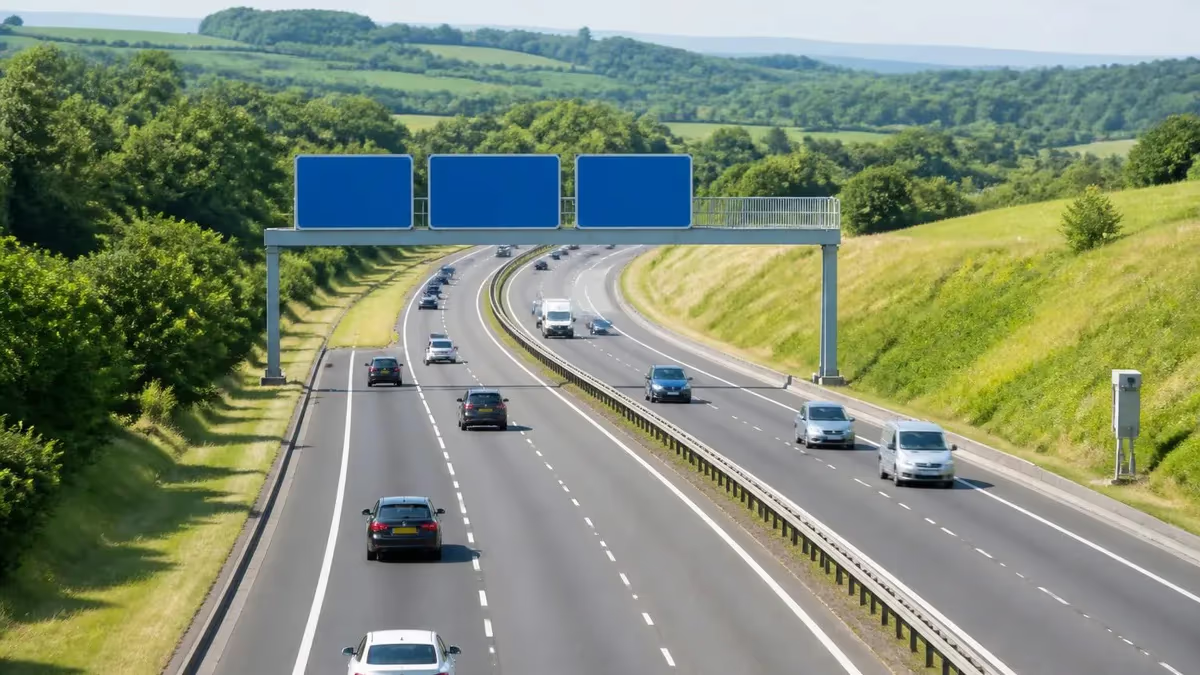
Crash course driving lessons — sometimes called intensive driving courses — have become one of the most popular ways to earn a full UK driving licence in a fraction of the time it would take through weekly lessons. Rather than spacing out an hour or two each week across many months, an intensive course condenses your entire learning journey into one or two weeks of full-day driving, followed by a practical test at the end. For motivated learners with a clear timeline, this format can be extraordinarily effective.
The appeal is obvious. Life circumstances change quickly: a new job requiring a car, a house move to a rural area, a gap in university studies, or simply a desire to stop depending on public transport. Whatever your reason, crash courses offer a way to achieve your licence goal on a tight schedule. Many providers offer packages that include theory test preparation, hazard perception training, and a guaranteed practical test slot booked at the end of the course.
However, it is important to approach intensive driving with realistic expectations. Crash courses are not a shortcut that bypasses skill development — they are an accelerated format that demands significant mental and physical stamina. You will be behind the wheel for six to eight hours per day in many cases, absorbing enormous amounts of information about road procedure, vehicle control, observation skills, and defensive driving technique. This kind of sustained concentration can be genuinely tiring, particularly in the first few days.
Before committing to an intensive course, it is worth honestly assessing your existing experience and aptitude. Complete beginners with zero prior driving experience will typically find a crash course more challenging than learners who have already had ten or twenty hours of standard lessons. That said, many schools offer semi-intensive options — perhaps three to four hours per day over two to three weeks — which balance pace with the need for rest and consolidation between sessions.
Cost is a major factor for most learners. A full crash course package from a reputable UK provider typically costs between £700 and £1,500 depending on the number of hours included, whether the test fee is bundled, and the geographic area. London and other major cities tend to be more expensive. You should always check exactly what is included in the quoted price, since some providers advertise low headline rates that exclude the practical test fee or additional hours if you need them.
The DVSA (Driver and Vehicle Standards Agency) sets and enforces the standards for the UK practical driving test regardless of how you learned — whether through weekly lessons or a crash course. This means your examiner on test day will apply exactly the same criteria. Understanding those standards, practising the required manoeuvres, and being genuinely road-safe are the only things that matter when it comes to passing.
This guide covers everything you need to know about crash course driving lessons in the UK: the structure of typical courses, their real costs, the honest pros and cons, what to look for in a provider, and how to complement your practical training with solid theory test preparation. Read on to make the most informed decision possible before spending your money.
Crash Course Driving Lessons by the Numbers
Key Facts at a Glance
| Item | Value | Details |
|---|---|---|
| Typical Course Duration | 1–2 wks | vs 12–18 months weekly |
| Driving Hours Included | 30–40 hrs | Most standard packages |
| Daily Driving Time | 6–8 hrs/day | Full intensive format |
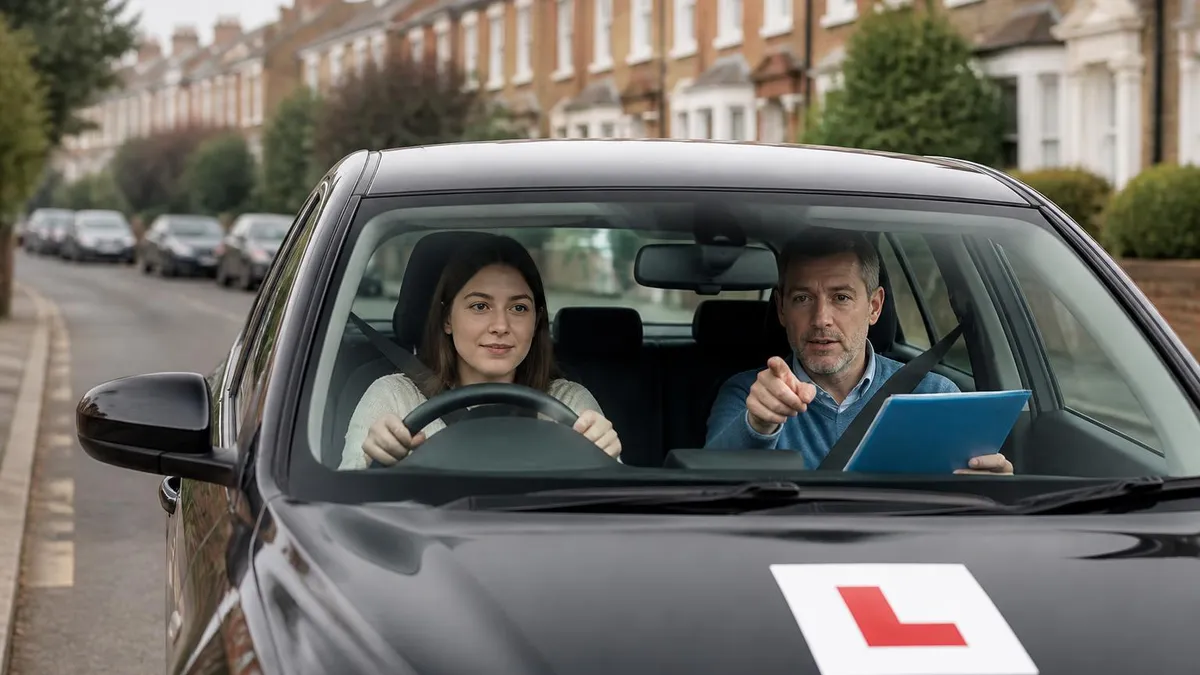
How a Typical Crash Course Is Structured
Enrol and Book Your Test Slot
Theory Test Preparation
Day 1–2: Vehicle Familiarisation and Basic Control
Days 3–5: Town Driving and Junctions
Days 6–8: Dual Carriageways, Rural Roads, and Manoeuvres
Final Day: Mock Test and Real Test
Understanding the true cost of crash course driving lessons requires looking beyond the headline price advertised by providers. A quoted figure of £800 might sound straightforward, but the reality often involves additional expenses that are not immediately obvious. The DVSA practical test fee itself currently stands at £62 for a weekday test and £75 for evenings or weekends. If this is not included in your package, add it on top. Similarly, some providers quote for a set number of hours and charge extra if you need more time before the test — which is common for complete beginners.
Typical crash course packages in the UK fall into three broad tiers. Entry-level packages of around 25 to 30 hours cost roughly £700 to £900 and are best suited to learners who already have some driving experience, perhaps from private practice with a parent. Mid-range packages of 30 to 40 hours, costing £900 to £1,200, are the most popular option for learners starting from scratch or with minimal experience. Premium packages exceeding 40 hours, costing £1,200 to £1,500 or more, often include additional test re-sits, extended support, and guaranteed pass schemes — though always read the small print on guarantees.
Geographic variation is significant. Instructors in London, the South East, and other major cities charge higher hourly rates than those in the North of England, Wales, or Scotland. In London, a single hour of driving instruction can cost £40 to £50; in many northern towns, the equivalent is £28 to £35. Because crash courses involve so many hours, this regional variation translates to a very large difference in total outlay. It is worth comparing several local providers rather than defaulting to a national brand.
One often-overlooked cost is accommodation if your course takes place away from home. Some learners travel to areas where test centre waiting times are shorter, booking a course in a location where practical tests are available quickly. The DVSA test centre waiting time varies enormously across the country — in some areas it is several months; in others, slots are available within a few weeks. Factoring in travel and accommodation can still make geographical flexibility worthwhile if you are in a hurry.
Insurance is another consideration. You must be insured to drive on UK roads, and your crash course instructor's vehicle will be covered under their professional insurance policy. However, if you intend to practise in a family member's car between sessions — which many learners do to consolidate learning — you will need learner driver insurance or to be added to that vehicle's policy. Short-term learner insurance products are available from providers like Marmalade and Collingwood for as little as a few pounds per day.
Payment terms also vary. Some providers require full payment upfront; others allow a deposit followed by the balance before the course begins. Be cautious about paying large sums to small providers without checking their reviews, credentials, and whether they hold DVSA Approved Driving Instructor (ADI) qualifications. Ask for written confirmation of everything included in your package, the name of your instructor, and the contingency plan if your test is cancelled or your instructor is unavailable.
When comparing quotes, always calculate the effective cost per hour of instruction. A seemingly expensive package that includes 40 hours, the test fee, theory materials, and a free re-sit guarantee may represent better value than a cheap package that leaves you exposed to significant additional costs. Total cost of ownership — not the headline price — is the correct metric for evaluating crash course value.
DVSA Practice Test Questions
Prepare for the DVSA - UK Driving Theory Test exam with our free practice test modules. Each quiz covers key topics to help you pass on your first try.
DVSA Eco-Friendly Driving and Vehicle Loading
DVSA Exam Questions covering Eco-Friendly Driving and Vehicle Loading. Master DVSA Test concepts for certification prep.
DVSA Hazard Awareness
Free DVSA Practice Test featuring Hazard Awareness. Improve your DVSA Exam score with mock test prep.
DVSA Incidents, Accidents and First Aid
DVSA Mock Exam on Incidents, Accidents and First Aid. DVSA Study Guide questions to pass on your first try.
DVSA Motorway Rules and Smart Motorways
DVSA Test Prep for Motorway Rules and Smart Motorways. Practice DVSA Quiz questions and boost your score.
DVSA Rules of the Road (Highway Code)
DVSA Questions and Answers on Rules of the Road (Highway Code). Free DVSA practice for exam readiness.
DVSA - UK Driving Theory Hazard Awareness ...
DVSA Mock Test covering - UK Driving Theory Hazard Awareness and Perception. Online DVSA Test practice with instant feedback.
DVSA - UK Driving Theory Motorway Rules an...
Free DVSA Quiz on - UK Driving Theory Motorway Rules and Regulations. DVSA Exam prep questions with detailed explanations.
DVSA - UK Driving Theory Road and Traffic ...
DVSA Practice Questions for - UK Driving Theory Road and Traffic Signs. Build confidence for your DVSA certification exam.
DVSA - UK Driving Theory Rules of the Road
DVSA Test Online for - UK Driving Theory Rules of the Road. Free practice with instant results and feedback.
Is a Crash Course Right for You?
Complete beginners with no prior driving experience can absolutely succeed on a crash course, but they need to choose their package carefully. A minimum of 35 to 40 hours is strongly recommended for someone who has never sat behind the wheel, and opting for a semi-intensive format — four or five hours per day over two to three weeks — gives the brain more time to consolidate skills between sessions. Research consistently shows that motor learning requires sleep to move from short-term to long-term memory, so back-to-back full days without rest can slow progress.
If you are a complete beginner, speak honestly to providers about your starting point. A good instructor will assess your progress daily and adjust the pace accordingly. Do not let anyone pressure you into booking a test before you or your instructor feel genuinely ready. The DVSA does not limit how many times you can retake the practical test, but each attempt costs money and time — passing on the first attempt after thorough preparation is always the most cost-effective outcome.
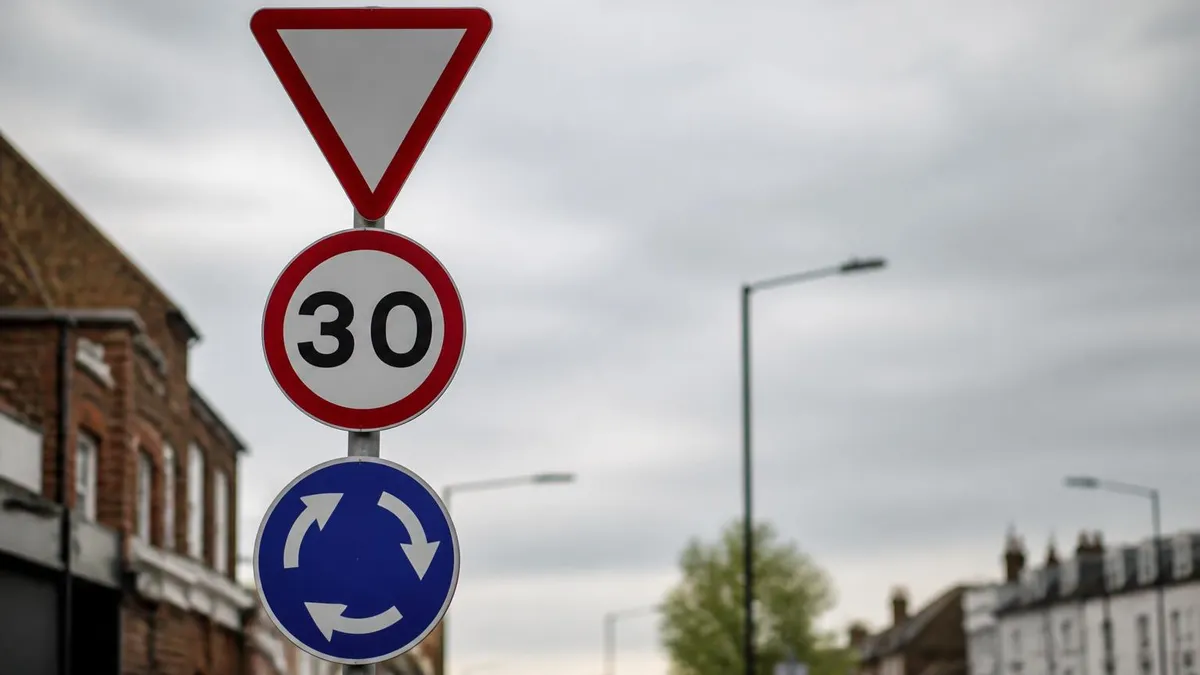
Crash Course Driving Lessons: Pros and Cons
- +Earn your licence in days or weeks rather than months, ideal for urgent timelines
- +Consistent daily practice accelerates skill consolidation and builds confidence faster
- +Test date is fixed in advance, creating a clear goal and eliminating indefinite waiting
- +Full-day immersion means skills stay fresh rather than fading between weekly sessions
- +Many packages include test fee, materials, and guaranteed resit — excellent overall value
- +Structured progression through a curriculum means nothing important is skipped or forgotten
- −Mental and physical fatigue after 6–8 hours daily behind the wheel can impair learning
- −Complete beginners may struggle to consolidate skills without rest days between sessions
- −Higher upfront cost compared to spreading lessons over several months
- −Limited time to overcome deep-rooted bad habits from previous informal practice
- −Provider quality varies enormously — poor instructors can leave you underprepared
- −If you fail the test, rebooking another slot and additional lessons adds further cost and delay
Crash Course Preparation Checklist
- ✓Apply for your provisional driving licence at least three weeks before your course start date
- ✓Pass your DVSA theory test before the practical course begins — book it as early as possible
- ✓Complete all hazard perception training using official DVSA mock clips and practice tests
- ✓Choose an ADI-qualified instructor and verify their badge number on the DVSA register
- ✓Confirm exactly what is included in your package price, in writing, before paying any deposit
- ✓Check the waiting times at your local test centre and consider travelling if queues are long
- ✓Arrange adequate rest between course days — good sleep consolidates driving skills significantly
- ✓Bring a valid photo ID (passport or photocard licence) to both the theory and practical tests
- ✓Review the Highway Code sections on road signs, markings, and speed limits before your course
- ✓Practise Show Me Tell Me vehicle safety questions — they form part of the practical test assessment
Your Theory Pass is Non-Negotiable Before the Practical
Many crash course packages book your practical test date first, then work backwards to schedule your theory test. If you fail the theory — or haven't booked it in time — your practical test cannot go ahead and you may lose your slot. Book and pass your theory test well in advance of your crash course to eliminate this risk entirely.
Choosing the right crash course provider is arguably the most important decision in the entire process. The UK intensive driving market includes everything from large national companies with standardised curriculums to sole-trader ADIs running high-quality boutique courses. Neither category is automatically better — what matters is the individual instructor's skill, patience, and ability to adapt their teaching style to your learning needs under significant time pressure.
Start by verifying that any instructor you consider holds a valid DVSA Approved Driving Instructor (ADI) badge. ADIs must display a green octagonal badge in the windscreen of their tuition vehicle. You can verify any ADI's registration status on the DVSA online register using their personal reference number. Unlicensed driving instructors — sometimes called PDIs (Potential Driving Instructors) in training — may legally teach under supervision but should not be leading intensive courses without declaring their status.
Online reviews are enormously valuable for evaluating crash course providers, but read them critically. Look at the recency and volume of reviews on Google, Trustpilot, and Facebook. Be wary of providers with a small number of suspiciously uniformly positive reviews, and pay particular attention to how companies respond to negative feedback. A provider that addresses complaints thoughtfully and professionally is demonstrating the kind of accountability that matters when you are handing over a large sum of money.
Ask potential providers directly about their first-time pass rate. Most reputable instructors will have a genuine figure to share, typically in the range of 40 to 65 percent for crash course students, which aligns broadly with the national DVSA average. Anyone claiming pass rates of 80 or 90 percent for complete beginners deserves scepticism — such claims are not impossible but are unusual and warrant scrutiny. Ask to speak with a recent past student if possible.
Instructor continuity matters enormously on a crash course. Some larger companies assign multiple instructors across a course, which can be genuinely disruptive — every new instructor needs time to assess your current level and adjust their feedback style, and inconsistent feedback on the same skill (such as mirror use or steering technique) can confuse rather than clarify. Whenever possible, insist on the same ADI for every day of your course. Put this in writing in your booking confirmation.
The vehicle used for your training also matters. You will sit your practical test in your instructor's vehicle, so spending your entire course in it means you are familiar with every aspect of its controls, mirrors, braking distances, and turning circle. Drivers who switch vehicles between lessons and test day introduce unnecessary uncertainty. Check the make and model of the training vehicle before booking, and ensure it is automatic or manual depending on your preference, since the licence categories differ.
Finally, consider the location of your test centre. Some crash course providers offer packages in areas with lower test centre waiting times and higher first-time pass rates. Test centres in rural areas and smaller towns often have lighter traffic conditions, more predictable test routes, and lower overall test-day stress than busy urban centres. If your schedule allows flexibility, researching pass rates by test centre via the DVSA's published statistics can be a genuinely useful strategy for improving your overall chances of success.
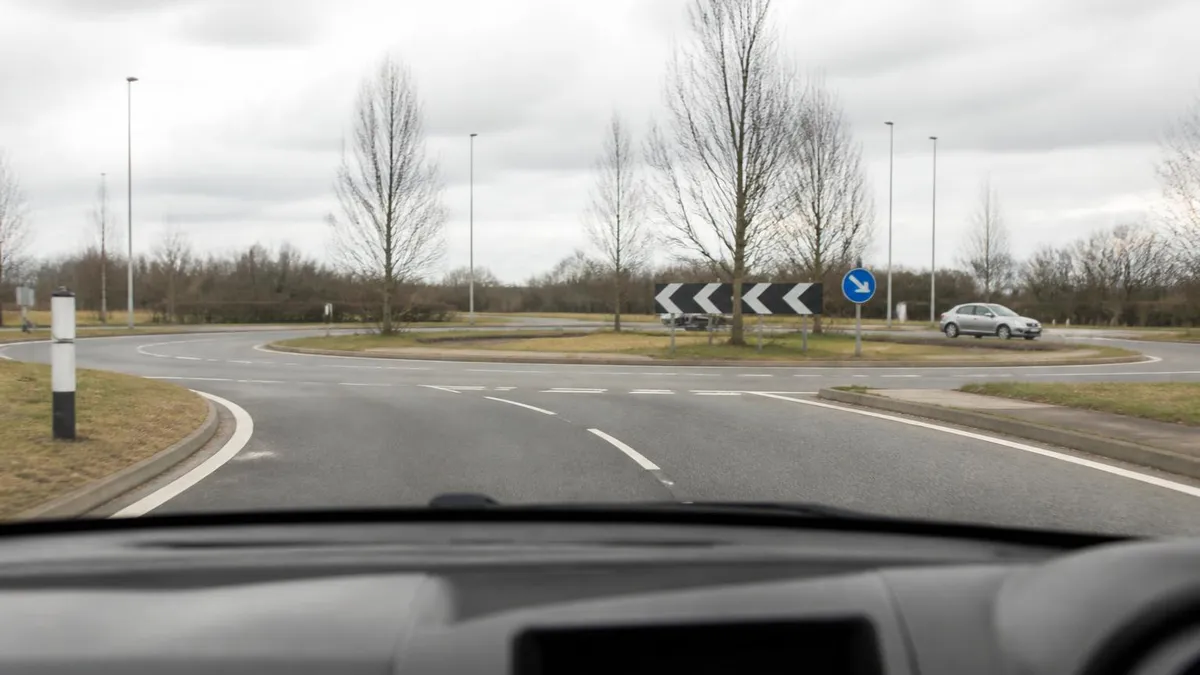
Not every company advertising intensive driving courses employs fully qualified ADIs. Always verify your instructor's badge number on the official DVSA register before paying any deposit. Teaching driving without a valid ADI qualification is illegal, and using an unqualified instructor leaves you with no regulatory recourse if your course falls below standard. Never pay in full before the course begins, and always get your booking terms in writing.
The theory test is a prerequisite for the practical driving test in the UK and must be passed before any practical instruction leading to a test can culminate in your licence. The theory test consists of two parts: a multiple-choice section of 50 questions drawn from 14 topic categories, and a hazard perception section of 14 video clips. You must score at least 43 out of 50 on the multiple-choice element and 44 out of 75 on the hazard perception element to pass both parts in the same sitting.
For crash course learners, the theory test represents a parallel preparation track that must be completed alongside — or ideally before — the intensive practical training begins. Many learners underestimate how much preparation the theory requires. The DVSA question bank contains over 700 possible questions, and while some topics are more heavily weighted than others, genuine mastery requires systematic study rather than last-minute cramming. Give yourself at least three to four weeks of daily practice before sitting the test.
The hazard perception component is often where learners struggle most. Unlike the multiple-choice questions, which test factual knowledge, hazard perception assesses your ability to identify developing hazards in real driving footage — the moments when a situation begins to require a driver response. Clicking too early or too late loses marks, and clicking in a pattern (to game the system) results in a score of zero for that clip. The only reliable preparation is watching large numbers of genuine practice clips and developing an instinct for the correct response timing.
There are excellent free and paid resources for theory test preparation. The official DVSA theory test practice app is available on iOS and Android and contains the complete, up-to-date question bank. Third-party providers like Theory Test Pro and Driving Test Success also offer high-quality mock tests and hazard perception simulators. Use multiple resources to avoid over-fitting to one provider's particular question phrasing and to ensure you have seen a wide variety of hazard scenarios.
One particularly useful revision strategy is topic-by-topic practice rather than random mixed questions. Work through all the questions in a single category — say, road signs, or motorway driving — until you are consistently scoring above 90 percent, then move on. This builds deep knowledge in each area rather than surface familiarity with a shuffled set of questions. Use practice tests to measure retention over time, spacing your revision sessions by a day or two to strengthen long-term memory.
It is also worth understanding how the theory test connects to the practical. Many practical test failures occur because learners have not internalised the Highway Code rules they passed in theory — things like the two-second following distance rule, the correct use of lanes on roundabouts, or the specific road markings that govern where you may or may not stop. Strong theory knowledge does not just help you pass the written test; it directly improves your practical driving by giving you the conceptual framework to understand why your instructor is teaching you specific behaviours.
When you feel ready, book your theory test via the official DVSA booking service. The current fee is £23. Test centres are located across the UK and slots can often be found within one to three weeks if you are flexible about location and time of day. Use the theory test as an early confidence milestone — passing it before your crash course begins means you can arrive at day one focused entirely on the road, without the theory test hanging over you as an additional source of anxiety.
Practical preparation for the DVSA driving test requires more than simply logging driving hours. Your examiner will assess you across five broad competency areas: controls, safety checks, general driving ability, manoeuvres, and independent driving. Understanding the specific fault categories — minor, serious, and dangerous — and knowing the thresholds (no more than 15 minor faults; zero serious or dangerous faults to pass) will help you and your instructor prioritise your training time on the skills that matter most on test day.
The four manoeuvres you may be asked to perform are: parallel parking behind a vehicle on the road, forward bay parking and reversing out, reverse bay parking, and pulling up on the right side of the road then reversing. You will only be asked to perform one of these during your test, chosen by the examiner at random, but you should be equally competent at all four. Poor manoeuvre execution accounts for a significant proportion of serious faults in practical tests, particularly in tight urban spaces where stalling or poor observation causes real safety concerns.
Independent driving forms 20 minutes of the 40-minute test. You will either follow road signs to a destination, follow a sat-nav device, or a combination of both. Sat-nav navigation has been part of the test since 2017 and catches many learners off guard because it requires dividing attention between the device and the road environment. Practise following a sat-nav during your lessons so it becomes familiar — the examiner provides and sets the device, so you do not need your own.
Show Me Tell Me vehicle safety questions open the test before you have moved the car. The examiner asks one Tell Me question (where you explain a vehicle check verbally, such as how to check tyre pressure) and one Show Me question (where you demonstrate a check with the car moving or stationary, such as using the rear demister). These questions are not difficult if you have prepared, but failing both results in one minor fault. Run through the complete DVSA Show Me Tell Me question list at least twice in the week before your test.
On test day itself, routine management matters as much as driving skill. Arrive at the test centre at least 15 minutes early. Bring your photocard driving licence — you cannot take the test without it. Your instructor will accompany you to the test centre and may sit in the back of the car during the test if you wish, though they cannot intervene or comment. Use the waiting period to calm your nerves with controlled breathing; anxiety is the single most common cause of minor faults among learners who are technically ready to pass.
If you receive a serious or dangerous fault on your first attempt, do not be disheartened. A large proportion of successful drivers needed more than one test sitting. Ask your examiner for a full debrief — they are legally required to explain the reasons for any failure — and use that feedback as a precise blueprint for your next training session. One targeted session focusing specifically on the fault that caused your failure is often sufficient preparation for a successful retest.
Finally, remember that passing your driving test is the beginning of your driving journey, not the end. New drivers are statistically at their highest risk during the first two years after passing, which is why the DVSA introduced the Pass Plus scheme — a voluntary six-module advanced training programme that covers motorways, all-weather driving, and other high-risk scenarios not always covered in standard tests. Consider completing Pass Plus after your crash course, since some insurance providers offer discounts to holders of the certificate.
Readers who want more detail usually continue with crash course driving lessons.
Sample DVSA UK Driving Theory Practice Questions
Try these questions from our free DVSA UK Driving Theory practice tests. The correct answer and an explanation follow each question.
Which driving technique most effectively reduces fuel consumption?
- A. Accelerating hard to reach the speed limit quickly then coasting
- B. Driving in the highest appropriate gear at a steady speed
- C. Keeping the engine revs as high as possible
- D. Using the brakes frequently to control speed
Answer: B. Driving in the highest appropriate gear at a steady speed
Driving in the highest suitable gear at a smooth, steady speed minimises fuel consumption and engine wear.
You are driving and an emergency vehicle approaches with blue flashing lights. What should you do?
- A. Stop immediately wherever you are
- B. Speed up to get out of its way
- C. Take appropriate action to let it pass without endangering others
- D. Flash your headlights to acknowledge it
Answer: C. Take appropriate action to let it pass without endangering others
When an emergency vehicle approaches, you should take appropriate action to let it pass. Do not panic, do not mount the kerb, do not brake harshly, and do not go through a red light. Only move aside when it is safe to do so.
You are driving on a single carriageway road and see a circular white sign with a single black diagonal stripe through it. What does this sign mean?
- A. National speed limit applies
- B. No entry for vehicular traffic
- C. End of motorway
- D. Waiting restrictions apply
Answer: A. National speed limit applies
A white circular sign with a single black diagonal stripe indicates that the national speed limit applies. For a car on a single carriageway, this is 60 mph. On a dual carriageway or motorway, it's 70 mph.
You are driving in queuing traffic and notice a motorcyclist filtering between the lanes. What is the most appropriate action to take?
- A. Move closer to the vehicle in front to block their path.
- B. Sound your horn to show you are aware of them.
- C. Maintain your position and check your mirrors and blind spots before manoeuvring.
- D. Flash your headlights to let them pass.
Answer: C. Maintain your position and check your mirrors and blind spots before manoeuvring.
Filtering (or lane splitting) by motorcyclists in slow-moving traffic is not illegal in the UK. Drivers should remain aware of their presence. The correct action is to hold your position and be vigilant, checking mirrors and blind spots frequently, especially before any change in position, as a motorcycle could be alongside you.
DVSA Questions and Answers
DVLA Theory Test Booking: Complete Step-by-Step Guide for UK Learners
Driving Theory Test App: The Complete Study Guide for UK Learners
How to Book Your DVSA Practical Driving Test: Complete UK Guide

Learn to Drive in the UK: Complete Beginner's Guide to Getting Your Licence

DVSA Car Practical Test: Complete Guide to Passing First Time
About the Author

Licensed Driving Instructor & DMV Test Specialist
Penn State UniversityRobert J. Williams graduated from Penn State University with a degree in Transportation Management and has spent 20 years as a certified driving instructor and DMV examiner consultant. He has personally coached thousands of applicants through written knowledge tests, skills assessments, and commercial driver licensing programs across more than 30 states.