
Book My Theory Test: How to Book Your UK Driving Theory Test 2026 September
Step-by-step guide to booking your UK driving theory test online through GOV.UK, including rescheduling, cancellations, test centres, and preparation tips. 💯
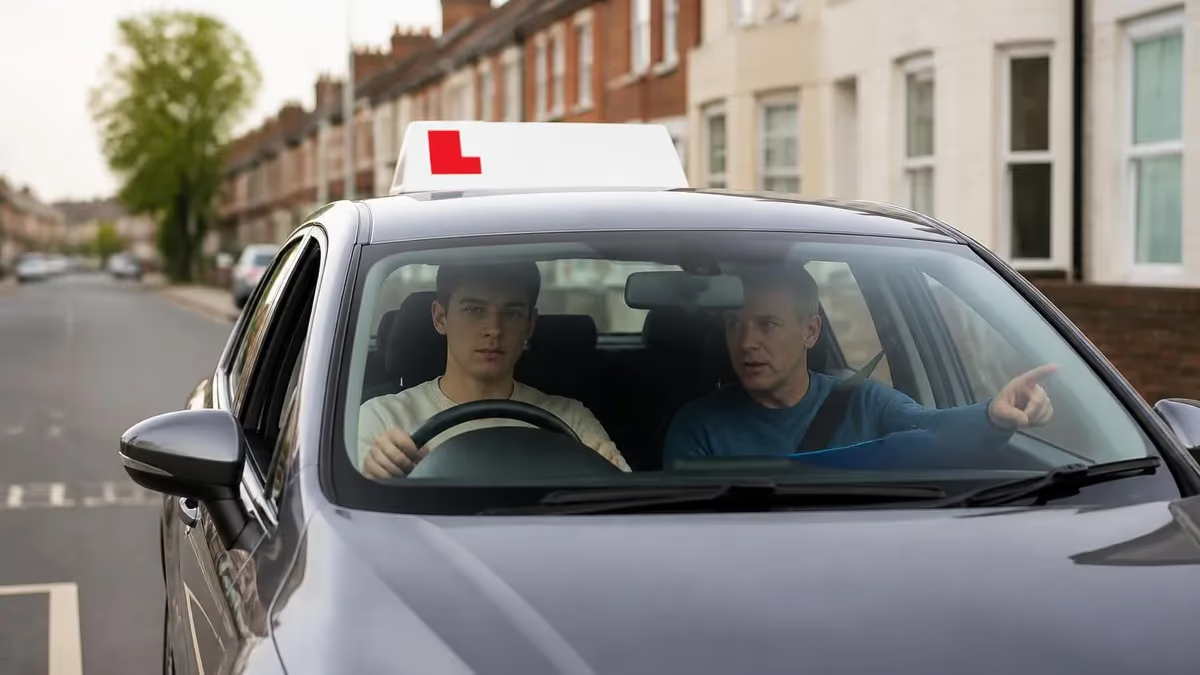
Booking your driving theory test is the first formal step in getting your UK driving licence, and it's simpler than many learner drivers expect. The process is handled entirely online through the official GOV.UK service — no phone calls, no forms to post, no in-person visits to a test centre to book. You need about 10 minutes, your provisional driving licence number, and a debit or credit card. That's genuinely all it takes.
The theory test itself consists of two parts: a multiple-choice question section (50 questions, 45-minute time limit, 43 correct answers needed to pass) and a hazard perception section (14 video clips, minimum 44 points out of 75 required). Both parts are sat in the same session at a DVSA theory test centre. You must pass both parts to pass the overall theory test — passing one and failing the other means you'll need to resit the full test. Your theory test pass certificate is valid for 2 years, giving you time to complete your practical test.
Why does booking early matter? Theory test availability at popular test centres can be limited, especially in cities. If you're aiming for a specific test date — perhaps to coordinate with a planned practical test booking, or to pass before a job start date — booking several weeks or months in advance secures your preferred slot. Last-minute bookings are possible at less busy centres in smaller towns, but urban centres like London, Manchester, Birmingham, and Edinburgh regularly have waits of several weeks for convenient appointment times.
The cost to book a theory test is currently £23. This is the standard fee set by DVSA. Be aware that the official booking must be done through GOV.UK — there are third-party booking services that charge higher fees for no additional benefit. The GOV.UK service is the only legitimate booking channel, and using it ensures your booking is registered correctly in DVSA's system. If you're offered a "guaranteed" booking service elsewhere at a higher price, that's not an official DVSA service.
Theory test pass rates are consistently around 47–50% for first-time candidates. This means roughly half of candidates who sit the test don't pass on their first attempt — which puts preparation into appropriate context. The test isn't trivially easy, and showing up without deliberate preparation is a common reason for unnecessary resits. Booking your test with adequate preparation time between booking and test date is the single best thing you can do to avoid paying the fee twice. We'll cover preparation later in this guide, but the booking decision itself affects your preparation timeline.
The 3-working-day notice requirement for free rescheduling is a detail worth understanding before you book. If you book a test for a Thursday and need to reschedule, you must do so by the Monday of that week — not Tuesday, not Wednesday morning. Three clear working days means three full business days not including the test day itself. Many candidates misunderstand this and end up losing their fee because they tried to reschedule two days before. When you book, mark the free-reschedule deadline in your calendar immediately.
The fee structure also means that failing the theory test is costly in two ways: the wasted £23 and the time cost of rebooking and waiting for the next available date. This is the practical argument for thorough preparation before your first attempt rather than treating it as a "trial run." At a 47% first-time pass rate, adequate preparation is clearly the differentiating factor between the candidates who pass and those who spend additional weeks and money on resits.
Theory Test Booking: Quick Facts
- Booking channel: GOV.UK (theorytest.direct.gov.uk) — official DVSA service only
- Cost: £23 per test attempt
- What you need: UK provisional driving licence number, email address, payment card
- Test format: 50 multiple choice (45 min) + 14 hazard perception clips
- Passing scores: 43/50 multiple choice + 44/75 hazard perception — both required to pass
- Certificate validity: 2 years from pass date to complete practical test
What You Need to Book Your Theory Test
You must hold a valid UK provisional driving licence before booking. Apply through DVLA online (£34). Your licence number is required to verify eligibility during booking.
Needed to receive booking confirmation, reminders, and results notifications. Use an email address you check regularly — confirmation emails include your booking reference.
Debit or credit card to pay the £23 test fee during booking. Payment is processed immediately at the time of booking. Refunds apply if you give sufficient notice of cancellation.
GOV.UK shows available centres near your postcode with dates and times. Having 2–3 acceptable centres in mind (not just your nearest) increases your date options.
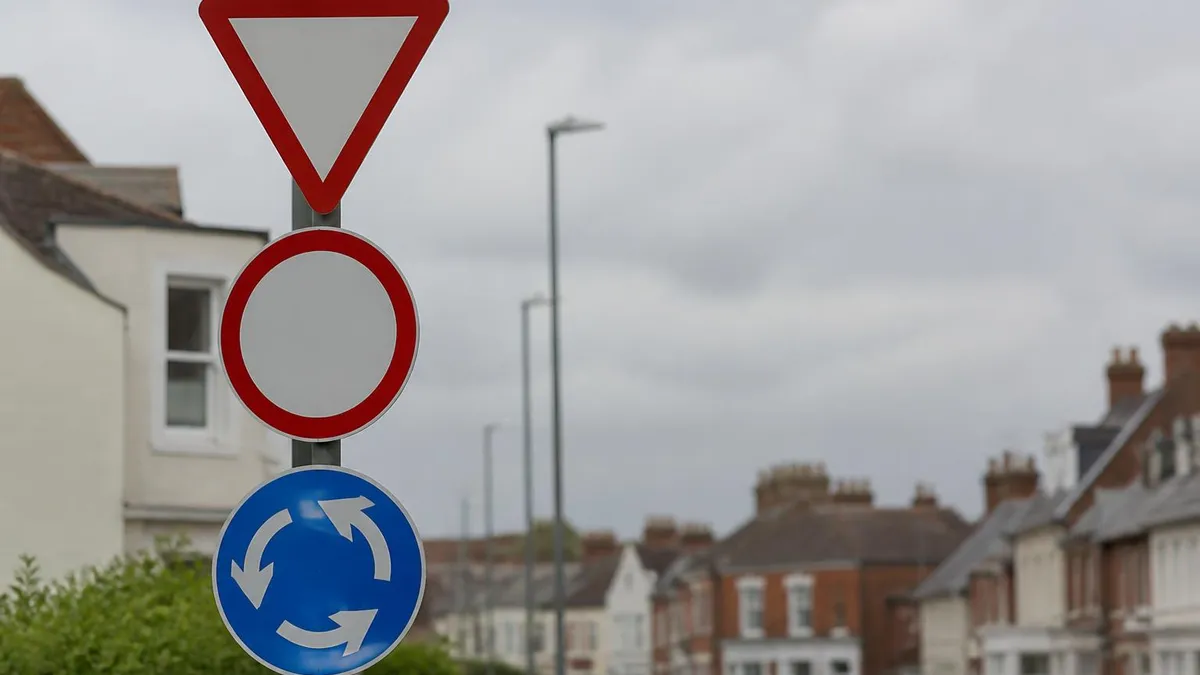
The booking process on GOV.UK is straightforward once you understand the steps. Go to gov.uk and search for "book theory test" — this takes you directly to the official booking service. Select the type of test (car theory test for most learners, though motorcycle, lorry, and other categories have separate booking options). Enter your provisional licence number — this is the 16-character number printed on your photocard licence.
The system uses your provisional licence number to verify your identity and check your eligibility. It confirms your name and date of birth from DVLA records. If the details don't match — which can happen if you've recently changed your name or address and DVLA records haven't been updated — the booking process will stall until the records are consistent. Ensuring your DVLA records are current before booking prevents this frustrating delay.
After verification, you select a test centre. The system shows centres within a radius of the postcode or town you enter, along with the earliest available date at each centre. Clicking on a centre shows the available times on each available date — you can browse forward through the calendar to find a date and time that works. If your nearest centre has poor availability, selecting a centre in a neighbouring town often shows significantly more options.
Once you've selected a date and time, you confirm your personal details, your email address for confirmation, and proceed to payment. The £23 fee is processed immediately. After payment, your confirmation appears on screen — save or print this, and an email confirmation also arrives within minutes. Your booking reference number is essential for any future changes or cancellations, so store it somewhere accessible.
You can also book a theory test through the DVSA app if you prefer mobile booking, though the website works well on mobile too. The app provides the same functionality as the website for booking, changing, or cancelling appointments.
The booking system doesn't require you to book both the theory test and practical test simultaneously — they're separate bookings. Most candidates book the theory test first, pass it, then book the practical test. Your theory test pass certificate number (which you receive immediately upon passing) is required when booking the practical test, so this sequence is mandatory anyway. Some candidates try to book both tests speculatively and then cancel one if needed, but this isn't necessary and creates the risk of losing fees.
If the test centre you want has no availability in the timeframe you need, set up an alert. Some third-party services (like driving test cancellations alert services) notify you when cancellation slots become available at your preferred centre. These notifications can help you get an earlier date if someone else cancels their booking. DVSA doesn't run this alert service officially, but legitimate notification services monitor public slot availability and alert subscribers — they're not booking on your behalf, just telling you when to check.
You can change your theory test date, time, or centre free of charge if you give at least 3 clear working days' notice. To reschedule:
- Go to gov.uk, search for "change theory test"
- Enter your driving licence number and booking reference
- Select a new date, time, or centre
- No additional fee is charged for rescheduling with sufficient notice
Important: If you change within 3 working days, you'll need to book and pay for a new test. The fee for the original booking is forfeited. Plan changes early to avoid this.
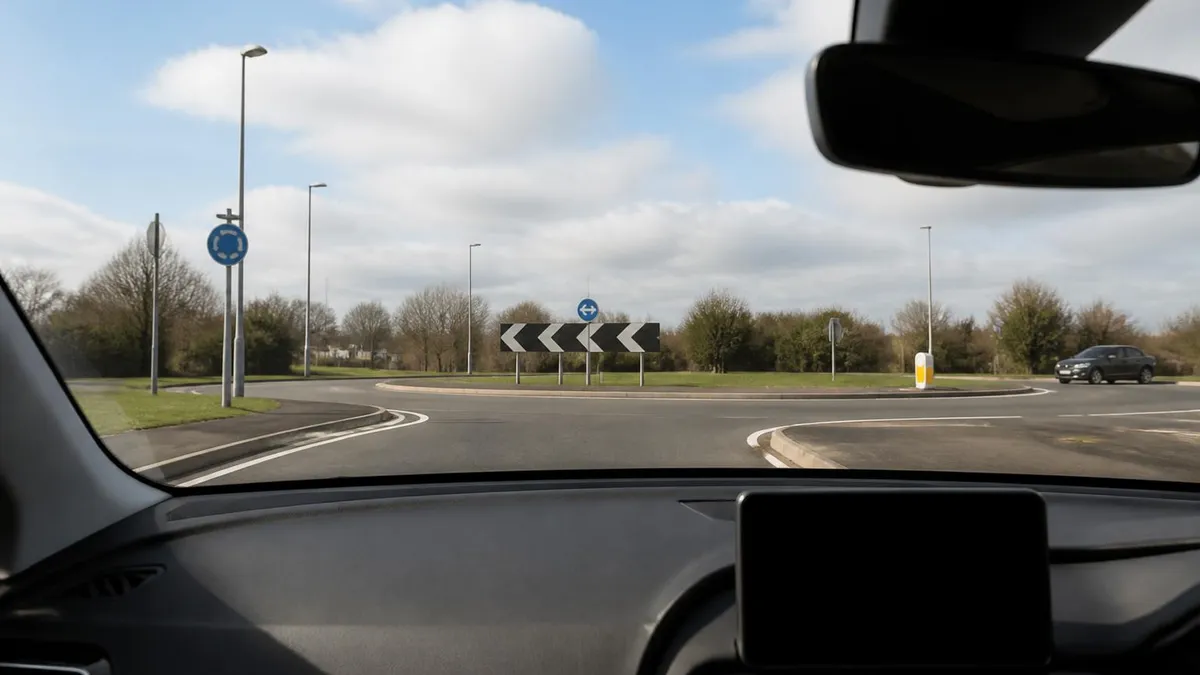
Choosing the right test centre isn't just about proximity. Test centres vary in ambience, parking availability, public transport access, and the practical details of the testing environment. The DVSA centre network includes around 160 centres across Great Britain — ranging from city-centre locations (often accessed via public transport) to out-of-town facilities (typically requiring a car). On your test day, you need to be on time and reasonably relaxed, which means the journey to the centre is worth thinking through carefully.
Test centre reviews are available from previous candidates through various forums and review sites, though the quality of the testing experience tends to be consistent across DVSA centres since the format is standardized. What varies more is practical matters: parking cost and availability nearby, proximity to public transport links, and whether the waiting area is comfortable. If you're particularly anxious about the test, visiting the test centre location in advance — even just identifying the building and the parking situation — can reduce day-of stress meaningfully.
The book theory test uk availability tool on GOV.UK lets you see real-time availability across all test centres. If you've selected your preferred centre and found poor availability, searching an adjacent postcode often reveals nearby centres with significantly more open dates. Many learners find that a 20-minute drive to a different town opens up several weeks of additional date options compared to their nearest city-centre location.
Accessibility requirements can be accommodated by DVSA if requested at the time of booking. Candidates who need additional time due to a learning difficulty (dyslexia, for example), or who require the test in a language other than English, should select these options during the booking process. Accommodations must be requested at booking, not on the day of the test. Contact DVSA customer services if the booking system doesn't fully accommodate your specific requirement — they process accessibility accommodation requests and can advise on what's available.
Candidates who are particularly nervous about the test environment sometimes benefit from taking a practice run to the test centre a day or two before their test. This sounds unnecessary but it's not — arriving at the test centre for the first time on your actual test day, unsure of parking, navigation, and building layout, adds avoidable stress. Knowing exactly where you're going, how long it takes, and what the parking situation looks like removes practical friction that can otherwise compound test anxiety.
If you have a registered disability or special educational need, contact DVSA before or during booking to discuss available accommodations. Eligible candidates can receive additional time (typically 100% extra time for candidates with dyslexia or other processing difficulties), the use of a screen reader, the test in British Sign Language, or a voiceover reading questions aloud. These accommodations must be arranged before the test — DVSA processes accommodation requests through their accessibility support service and verifies eligibility based on documentation you provide.
Third-party booking sites: Only use GOV.UK. Third-party sites charge more and provide no additional value. Incorrect licence number: Double-check the 16 characters of your provisional licence number — entering it incorrectly means the system can't verify your identity. Ignoring confirmation email: Your booking reference in the confirmation email is needed for any future changes — save it. Booking without preparation time: Don't book for next week if you haven't started revising — give yourself at least 4–6 weeks of preparation time before your test date. Wrong test type: Ensure you're booking the correct category (car, motorcycle, lorry) — booking the wrong category wastes the fee.
The period between booking and sitting your theory test is when preparation happens — and how seriously you approach this period largely determines whether you pass first time. The multiple-choice section tests knowledge of the Highway Code, road signs, vehicle safety, hazards, and driving situations. There are approximately 900 questions in the DVSA question bank from which the 50 questions on your test are drawn. Systematic coverage of these question banks — not just reading the Highway Code passively — is the preparation approach that works.
Question bank apps and websites (like Theory Test Pro, AA Theory Test, and the official DVSA revision apps) provide access to the full question pool with explanations for correct answers. Working through questions systematically, tracking which categories you're scoring low on, and focusing additional review there is more efficient than random practice. The hazard perception clips are a different cognitive challenge — you're looking for developing hazards, not memorizing facts, and this skill improves with deliberate practice using authentic clips.
Most instructors recommend booking your theory test when you've been having lessons regularly for a few months — when you have enough road experience to make the multiple-choice scenarios meaningful rather than purely abstract. Passing the theory test before your practical test is required, but the knowledge you gain from lessons makes the theory content more concrete. Some learners book the theory test early and use the revision process to accelerate their Highway Code knowledge before their first lesson; this works too, though you'll revisit the material as you gain driving experience.
Using theory test practice questions in the weeks before your appointment gives you an accurate sense of your current readiness level — and specifically identifies which topic areas need more work before test day. Scoring consistently above 45/50 on mock tests is a reasonable indicator that you're ready; scoring in the 38–42 range suggests you need another week or two of focused revision on your weak topic areas before sitting the real test.
The DVSA Highway Code is the foundational reference for theory test preparation. It's available free on GOV.UK and covers everything tested on the multiple-choice section — road signs, road markings, speed limits, rules for different road users, motorway driving, adverse conditions, and vehicle safety. Reading the Highway Code systematically once before beginning question bank practice builds the foundational understanding that makes individual questions meaningful rather than arbitrary. It's not a quick read — the full code is substantial — but it's the source material for the test.
Hazard perception scoring confuses many candidates because it feels subjective. The key insight is that the score rewards early identification of developing hazards, not just any click when something happens. A pedestrian standing on the pavement isn't a hazard yet; a pedestrian stepping toward the kerb is the beginning of a developing hazard — that's when to click. The distinction between static situations and things developing toward a hazard is what the section tests. Practicing with authentic clips and reviewing the explanations for why specific moments score builds the perceptual skill that the section requires.

Get Your Provisional Licence
Book Your Theory Test
Start Systematic Revision
Practice Hazard Perception
Take Mock Tests
Test Day
On the day of your theory test, what you bring and how you arrive matters. You must bring your photocard provisional driving licence as your identity document. The test centre staff verify your identity against DVSA records before admitting you to the testing area. If you bring the wrong identity document — or no licence at all — you won't be admitted to take the test, and the test fee is forfeited. Don't leave your licence behind.
The test is sat on a computer at an individual workstation. The multiple-choice section allows you to flag questions for review and return to them before submitting. There's no penalty for incorrect answers — only correct answers score points. If you're genuinely unsure about a question, eliminate the obviously wrong answers, make your best judgment from the remaining options, and flag it for review if time permits. Running through all 50 questions first and then reviewing flagged questions is a sound strategy that most preparation programs recommend.
The hazard perception section follows immediately after the multiple choice. Fourteen video clips are shown, each filmed from the driver's perspective. You watch for developing hazards and click when you see one beginning to develop. One clip has two scoreable hazards; the rest have one. The system scores how early you identify the hazard — earlier clicks score more points (up to 5), but clicking randomly or repeatedly gets you zero for that clip (the system detects random clicking patterns). Watch each clip attentively and click once decisively when you see a hazard developing.
Your results are given immediately on screen after completing both sections. If you pass, you receive a pass certificate number — write it down or photograph the screen. The physical certificate arrives by post but the number is what matters for booking your practical test. If you need to rebook, the DVSA provides information on the result screen about the minimum waiting period. The hazard perception test result is provided as a separate score so you know which section to focus on if you need to retake.
After you receive your theory test pass, your next step is booking the practical driving test through the same GOV.UK booking service. Your theory test certificate number (which appears on your result screen and in your email confirmation) is entered during the practical test booking as proof of theory pass. The practical test booking process is similar to the theory test booking — select a test centre, choose a date and time, pay the fee (£62 on weekdays, £75 evenings and weekends). Test availability for practical tests is even more variable than theory test availability, particularly in cities.
Your theory test pass is valid for 2 years, but that clock starts from your pass date — not from when you use the certificate number. If you pass the theory test in March and don't sit your practical test until the following April (13 months later), you're fine.
But if personal circumstances delay your practical test training for 2+ years, you'll need to resit the theory test. Plan accordingly — most candidates move from theory pass to practical test within 6–12 months, which is well within the validity window. The book driving theory test process you've completed is the first milestone; the practical test is the next.
- +Booking early secures your preferred test centre, date, and time — popular city centres fill up weeks in advance
- +A firm test date creates a revision deadline that motivates consistent preparation — most candidates study more effectively with a concrete goal
- +Early booking gives you maximum flexibility to reschedule if your preparation isn't complete or circumstances change, without losing the fee
- −Booking too far in advance (more than 3 months) can mean your revision knowledge fades before test day — peak readiness and test date need to align
- −Booking before you've started lessons or revision means your test date may arrive before you're genuinely prepared
- −If your circumstances change significantly after booking (illness, relocation), rescheduling requires action before the 3-day notice window
Book My Theory Test Questions and Answers
About the Author
Licensed Driving Instructor & DMV Test Specialist
Penn State UniversityRobert J. Williams graduated from Penn State University with a degree in Transportation Management and has spent 20 years as a certified driving instructor and DMV examiner consultant. He has personally coached thousands of applicants through written knowledge tests, skills assessments, and commercial driver licensing programs across more than 30 states.