
Driving Test Booking: Complete Guide to the DVSA Process 2026 September
Prepare for the Driving certification. Practice questions with answer explanations covering all exam domains. 📗

Getting your driving test booking right is one of the most important steps on the road to your licence. The DVSA (Driver and Vehicle Standards Agency) manages all practical and theory test appointments in the UK, and understanding how the system works saves you time, money, and a lot of frustration. From choosing a test centre to picking the right slot, every decision matters — and this complete guide walks you through all of it.
Whether you're making a booking for your first test or you've had to rearrange a previous slot, the process is straightforward once you know the steps. You'll book through the DVSA's official online portal, pay the fee (currently £62 for a weekday practical), and receive a confirmation with everything you need for test day. It's worth planning your driving lessons around your target booking date so you arrive fully prepared.
This guide covers the full booking process, what to expect on test day, how to handle rescheduling, and how to maximise your chances of passing first time. You'll also find targeted practice quizzes to help you stay sharp on theory knowledge right up to the day itself. Let's start with the key numbers that put the full driving test booking landscape in context.

Your test and booking journey starts at gov.uk/book-driving-test. You'll need your driving licence number, a debit or credit card, and your theory test pass certificate number (which you'll have received after passing the theory test). The online portal walks you through centre selection, date and time choice, and payment — the whole booking process takes about 10 minutes.
Before you get to the booking portal, make sure your theory test pass is still valid. Theory test certificates expire after two years, so if yours is coming up to that window, factor it into your scheduling. There's no point making a booking for a test date that falls after your theory certificate expires — you'd have to retake theory before the practical counts.
Test slot availability varies hugely by location. Major cities and popular test centres often have waiting times of 6–12 weeks or longer. If you want a sooner slot, check smaller centres within a reasonable drive — they frequently have more availability. The DVSA booking system lets you see availability at multiple centres side by side, so spend a few minutes comparing before you commit to a date.
It's also worth double-checking the test centre address before you arrive. DVSA centres are sometimes shared with or located near other government facilities, and a GPS search can occasionally pull up the wrong building. Search specifically for "DVSA test centre [town name]" and confirm the postcode matches your booking confirmation before you set off on test day.
Understanding the booking timeline helps you plan your lessons effectively. Most candidates aim for a booking date 6–8 weeks out — enough time to complete their lessons, address weak areas, and do a few mock tests before the real thing. Don't book too early (you'll burn through your prep time) or too late (you'll feel rushed and underprepared).
The DVSA sends your booking confirmation by email, which includes your test reference number, centre address, and reporting time. Arrive at least 10 minutes early on test day. You'll need to bring both parts of your driving licence — the photocard is essential. If you're using your own car, it must be roadworthy, insured, and have a valid MOT.
Your examiner will introduce themselves, ask you to confirm your identity, and walk you through the test format. The test includes an eyesight check, a vehicle safety questions section (the "show me, tell me" questions), approximately 40 minutes of driving, and an independent driving section where you follow either a sat-nav or road signs without instruction. The booking you've made is your entry point — what you do in the weeks leading up to it determines whether you leave with a pass certificate.
DVSA Booking Options Explained
Online booking at gov.uk/book-driving-test is the fastest and most flexible option. You can check availability at multiple test centres, filter by date range, and get instant confirmation. Payment is taken online by debit or credit card. You can also manage your booking online — rescheduling, cancelling, or checking your test details without calling anyone.
Life changes, and sometimes you need to reschedule your booking. The DVSA allows you to change your test date or centre online, provided you give at least 3 clear working days' notice. Within 3 days of your test, changes aren't permitted and you'll lose the fee if you don't attend. This rule exists to protect test slot availability for other candidates.
Rescheduling is free if done within the allowed window — you simply log into your booking account, find your test, and select a new date or centre. The DVSA doesn't charge an admin fee for this. If you need to cancel entirely and get a refund, the same 10 full working days rule applies. Refunds are processed back to the original payment method within a few days.
One important nuance: if the DVSA cancels your test (due to examiner illness, severe weather, or other exceptional circumstances), you'll receive a full refund and a priority rebooking option. Keep your contact details up to date in the booking portal so you receive any DVSA communications promptly — a test cancellation email you miss could mean losing your slot without realising it.
The period between making your booking and test day is when your preparation counts most. Use your confirmed date as a target and work backwards: how many lessons do you need? Which manoeuvres need more practice? Have you completed enough mock tests to feel confident with the independent driving section? A structured approach in the weeks after booking prevents last-minute cramming.
Mock tests are particularly valuable. Ask your instructor to run full, uninterrupted mock tests in conditions as close as possible to the real thing — same time of day, same routes near your test centre, same level of examiner-style instruction. The goal is to make test day feel familiar rather than novel. Nerves are normal, but familiarity with the format reduces their impact significantly.
Don't overlook theory knowledge in the lead-up either. Even though you've already passed the theory test, brushing up on highway code rules and hazard perception keeps your knowledge fresh. The examiner is watching your decision-making throughout the drive — not just your physical control of the car. Sharp theory knowledge underpins good on-road judgement, and that booking preparation window is the best time to consolidate both.
One practical tip many candidates miss: drive the route to your test centre during the week before your booking date, at the same time of day as your test. You'll spot any tricky junctions, unusual road markings, or areas with heavy traffic that might catch you off guard on the day. Familiarity with the local roads around the test centre is a genuine confidence advantage that costs you nothing but one extra drive.
Pros and Cons of Early vs Late Booking
- +More date and time slot choices when you book early
- +Longer prep window reduces pressure close to test day
- +Better chance of getting your preferred test centre
- +Time to reschedule if lessons reveal areas needing more work
- +Locks in current fee before any DVSA price changes
- +Gives you a concrete goal to structure your lesson plan around
- −Risk of booking before you're ready if done too early
- −More difficult to predict exactly when you'll be test-ready
- −Lesson costs may increase if test date is too far away
- −Earlier cancellation deadlines if plans change
- −Long wait between booking and test day can dent motivation
- −Availability at popular centres still limited even booking ahead
The week before your booking date, do a full mental rehearsal of test day. Know exactly where the test centre is, how long it takes to get there, and where you'll park. Arriving stressed and late is one of the most preventable ways to underperform. Plan to arrive with at least 10–15 minutes to spare, use that time to settle, and walk in composed.
On test day, your examiner will ask two vehicle safety questions — commonly called the "show me, tell me" section. One question will require you to demonstrate something (show me how you'd check the oil level), while the other is a verbal answer (tell me how you'd check tyre pressure). These are worth a minor fault if answered incorrectly but not an automatic fail. Revise the full list of DVSA show me tell me questions in the days before your booking date.
The independent driving section now takes up about 20 minutes of the 40-minute test. Most candidates follow a sat-nav provided by the examiner; occasionally you'll follow road signs instead. The examiner isn't testing your navigation — they're testing whether you can drive safely while managing directions. Minor navigation errors don't result in faults unless they affect driving safety. Stay calm, keep good observation habits, and trust your training throughout this section.
DVSA Test Day Booking Checklist
- ✓Confirm your test booking reference and test centre address the day before
- ✓Bring your UK photocard driving licence — this is mandatory
- ✓Ensure your car is roadworthy, taxed, insured, and has a valid MOT
- ✓Display L-plates front and rear on your vehicle for the test
- ✓Know the route to the test centre and allow extra travel time
- ✓Review the full DVSA show me tell me question list the night before
- ✓Practise the independent driving section following a sat-nav
- ✓Complete at least one full mock test in the week before your booking date
- ✓Check your theory test certificate is still valid on test day
- ✓Get a good night's sleep and eat before your test — fatigue affects concentration
One area many candidates overlook when preparing for their booking date is the manoeuvres section. You'll be asked to perform one set manoeuvre during your test: parallel parking, bay parking (reversing in or driving in), or pulling up on the right and reversing. You won't know in advance which one the examiner will ask for, so you need to be confident in all of them.
Bay parking in particular catches a lot of candidates out. Whether you're reversing into a bay or driving forward into one, the key is slow speed and frequent checks — look at your reference points, check all mirrors, and keep the car moving slowly enough that you can stop and correct at any point. Rushing manoeuvres is one of the most common sources of serious faults on the practical test.
As your booking date approaches, shift your focus from learning new techniques to consolidating what you already know. Consistency under pressure is what the practical test measures. Your examiner wants to see that you can drive safely and independently — not perfectly, but safely. A few minor faults won't fail you; a single serious or dangerous fault will. Know the difference, drive to the standard you've trained to, and trust your preparation going into that booking appointment.
If you fail your practical test, you can rebook immediately — there's no mandatory waiting period. The DVSA's policy allows you to make a new booking straight away, though most instructors recommend a debrief session first to understand your faults and address them before your next booking date. Use your result sheet (the DL25 form) to identify exactly where you picked up faults.
Your examiner marks every fault on the DL25 in real time during the test. After the test, they'll talk you through the result and explain any serious or dangerous faults. Pay close attention — this feedback is specific, accurate, and directly actionable. Candidates who treat a fail as detailed feedback rather than a setback typically pass their next booking attempt faster than those who just rebook without changing anything.
The driving test booking system is designed to be accessible and manageable. Book at the right time, prepare effectively in the window between booking and test day, know what to expect when you arrive, and you put yourself in the best possible position. The rest comes down to your driving standard, which targeted practice and good instruction will build in the weeks following your initial booking confirmation.
If you need to cancel or reschedule your driving test booking, you must give at least 10 full working days' notice or you'll lose your fee. 'Clear' means weekends and bank holidays don't count. For a Monday test, you'd need to cancel by the Wednesday before. Log into your DVSA booking account as soon as you know you need to change — don't leave it until the day before your appointment.
For many candidates, the theory test booking comes before the practical. You can book your theory test through a separate DVSA portal at gov.uk/book-theory-test. The booking process is similar — choose a Pearson VUE test centre, pick a date, pay the fee (currently £23), and receive confirmation. Theory test centres are separate from practical test centres and are typically located in major towns and cities.
Passing your theory test is a prerequisite for making a practical test booking. You can't book the practical without a valid theory pass certificate number. This creates a natural sequencing: build your theory knowledge, book and pass the theory test, then use the confirmation to make your practical booking while you continue developing your on-road skills with lessons.
Both bookings — theory and practical — are managed through your DVSA account. Keep your login details secure and your contact information current. The DVSA will send reminders and any important updates about your booking to the email address registered on your account, so make sure it's one you check regularly in the lead-up to test day.
Something else worth knowing: you can book your theory test and practical test simultaneously if you already have a theory pass. Some candidates get confused thinking they need to wait for theory results before starting the practical booking process. As long as your certificate number is valid, you can make both bookings in parallel — your practical is just conditional on the theory remaining valid when test day arrives.
DVSA Practice Test Questions
Prepare for the DVSA - UK Driving Theory Test exam with our free practice test modules. Each quiz covers key topics to help you pass on your first try.
DVSA Eco-Friendly Driving and Vehicle Loading
DVSA Exam Questions covering Eco-Friendly Driving and Vehicle Loading. Master DVSA Test concepts for certification prep.
DVSA Hazard Awareness
Free DVSA Practice Test featuring Hazard Awareness. Improve your DVSA Exam score with mock test prep.
DVSA Incidents, Accidents and First Aid
DVSA Mock Exam on Incidents, Accidents and First Aid. DVSA Study Guide questions to pass on your first try.
DVSA Motorway Rules and Smart Motorways
DVSA Test Prep for Motorway Rules and Smart Motorways. Practice DVSA Quiz questions and boost your score.
DVSA Rules of the Road (Highway Code)
DVSA Questions and Answers on Rules of the Road (Highway Code). Free DVSA practice for exam readiness.
DVSA - UK Driving Theory Hazard Awareness ...
DVSA Mock Test covering - UK Driving Theory Hazard Awareness and Perception. Online DVSA Test practice with instant feedback.
DVSA - UK Driving Theory Motorway Rules an...
Free DVSA Quiz on - UK Driving Theory Motorway Rules and Regulations. DVSA Exam prep questions with detailed explanations.
DVSA - UK Driving Theory Road and Traffic ...
DVSA Practice Questions for - UK Driving Theory Road and Traffic Signs. Build confidence for your DVSA certification exam.
DVSA - UK Driving Theory Rules of the Road
DVSA Test Online for - UK Driving Theory Rules of the Road. Free practice with instant results and feedback.
The DVSA continually reviews and updates the practical test to reflect modern driving conditions. Recent changes include greater emphasis on the independent driving section (now 20 minutes), the introduction of sat-nav following as the default, and updated show me tell me questions that reflect current vehicle technology. When you make your booking, check the DVSA's official guidance for any recent updates to test format or requirements.
Your instructor is your best resource for staying current. A good instructor will be aware of local test route patterns, recent examiner tendencies at your chosen test centre, and any format updates since your last lesson. Use every lesson in the run-up to your booking date as a targeted preparation session — specific simulation of test conditions, not just general driving practice.
The driving test booking process is ultimately just the beginning. The test itself is a snapshot of your driving standard on one day, in one set of conditions. But the habits you build during preparation — checking mirrors systematically, maintaining safe following distances, reading junctions early — are habits that will make you a safe driver for life, long after the booking confirmation is just a memory and you're driving independently every day — confident that your test preparation built real skill, not just a pass certificate.
DVSA Questions and Answers
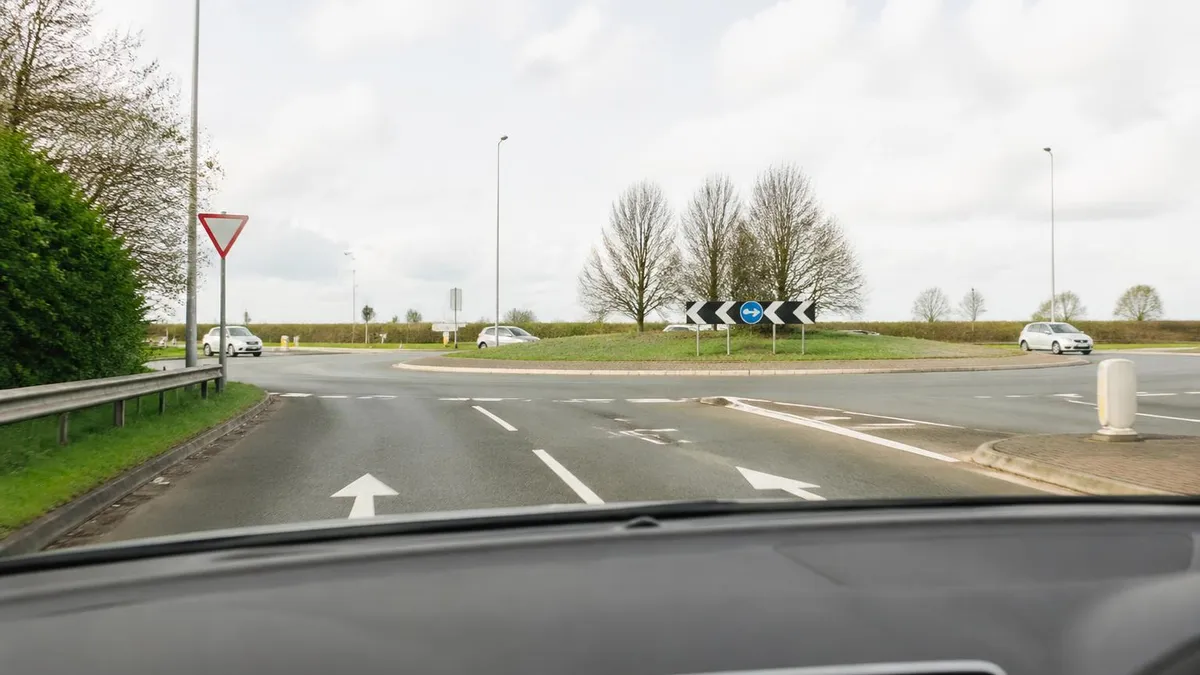
Practical Driving Test: Complete Guide to Passing Your DVSA Exam
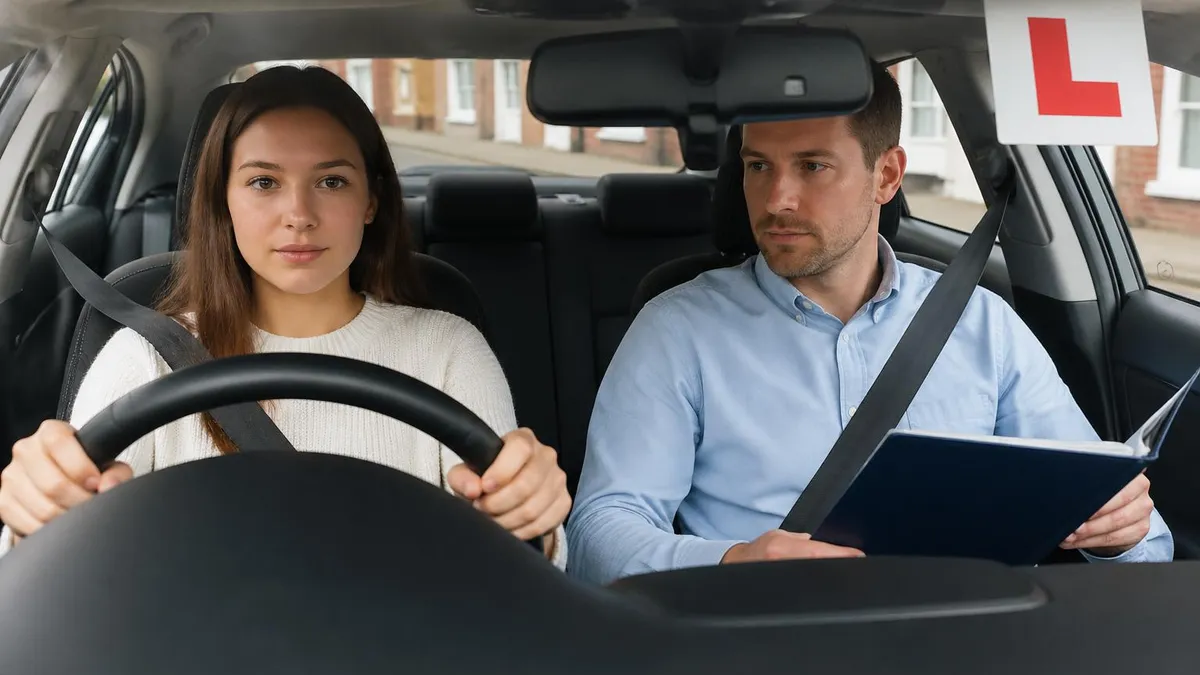
Book Practical Driving Test: How to Pass Your DVSA Exam First Time

Theory Test Practice: Complete DVSA Guide to Passing Your UK Driving Theory Test
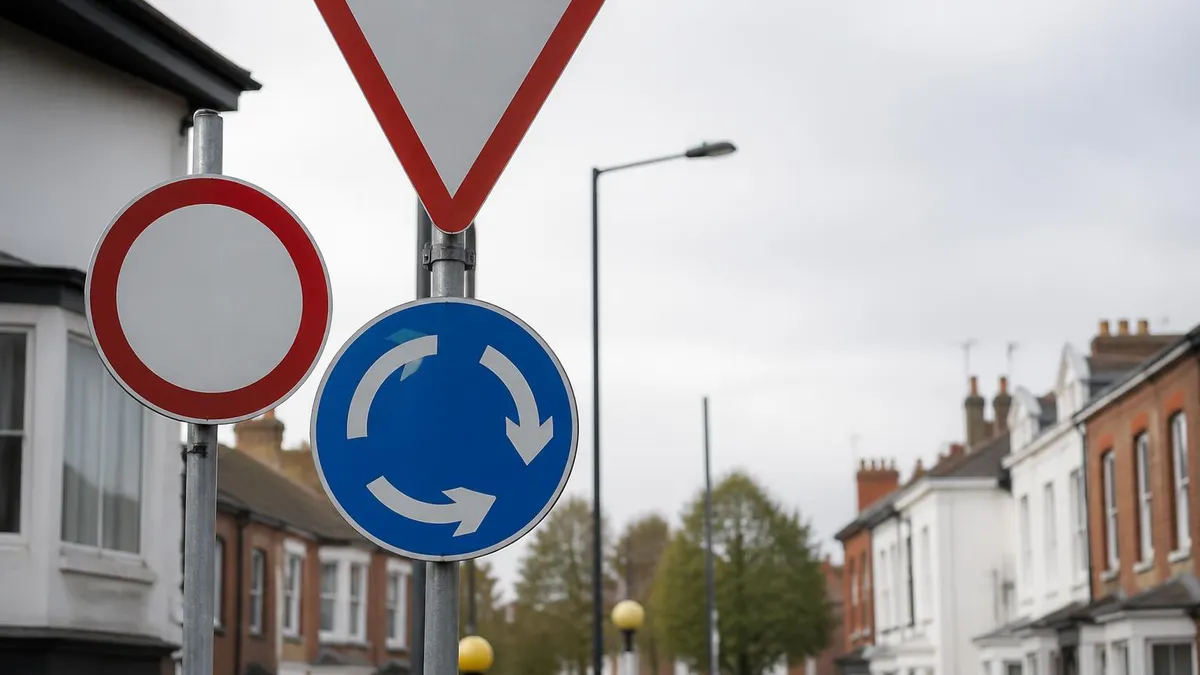
DVSA Driving Test: Full Format, Fault Categories, and How to Pass First Time
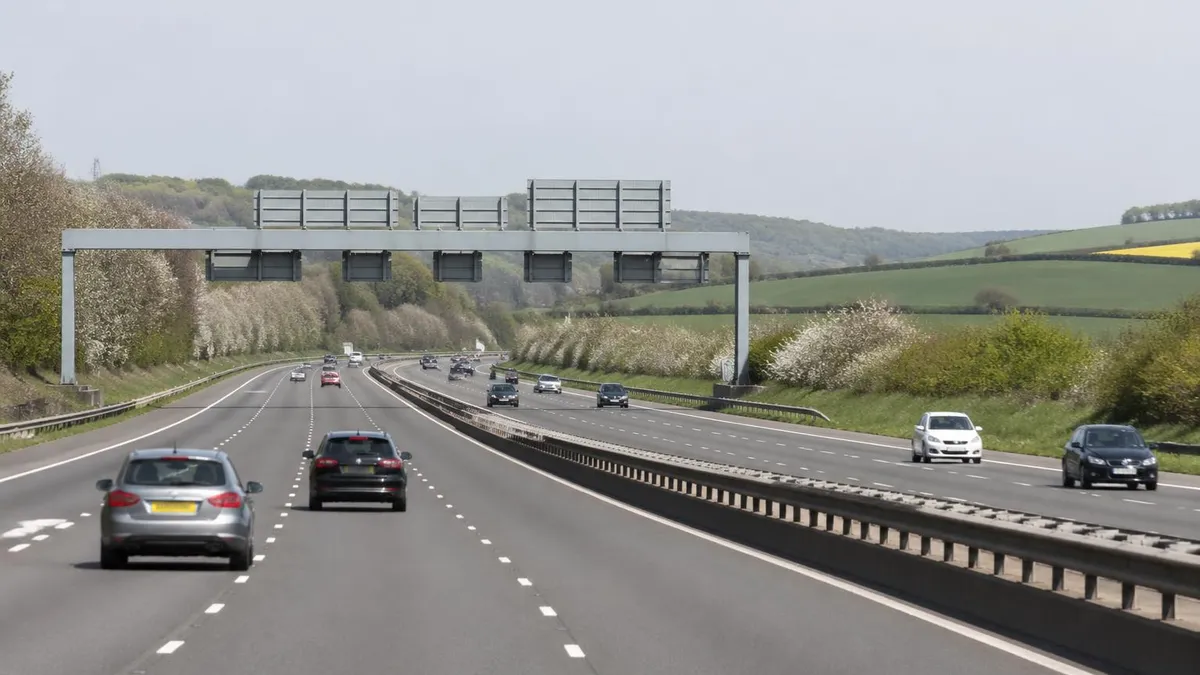
Change Driving Test Date: DVSA Rules, Process, and Finding Earlier Slots
About the Author

Licensed Driving Instructor & DMV Test Specialist
Penn State UniversityRobert J. Williams graduated from Penn State University with a degree in Transportation Management and has spent 20 years as a certified driving instructor and DMV examiner consultant. He has personally coached thousands of applicants through written knowledge tests, skills assessments, and commercial driver licensing programs across more than 30 states.