
Book Driving Exam: Complete UK Guide to DVSA Theory & Practical Test Booking (2026 October)
Book driving exam in the UK: 🧠 step-by-step DVSA booking guide for theory and practical tests, fees, eligibility, deadlines, and 2026 October updates.
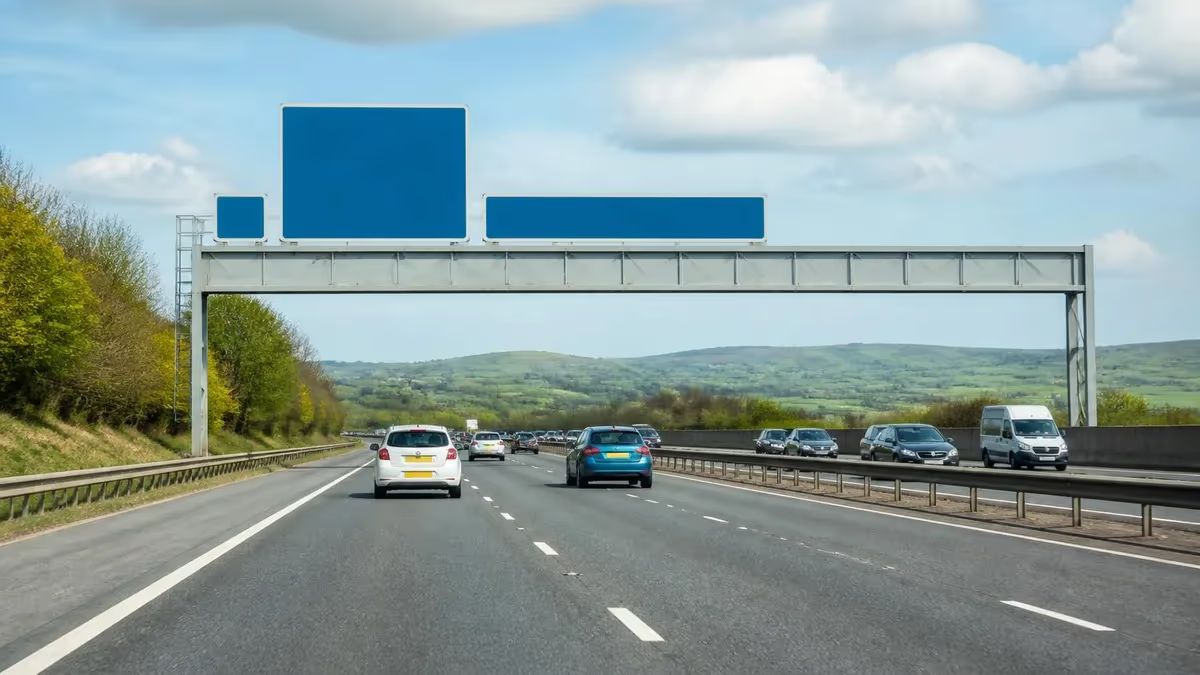
If you are ready to book driving exam slots in the UK, you are taking the first concrete step toward a full driving licence, and the process is more involved than simply picking a date. The Driver and Vehicle Standards Agency (DVSA) manages every theory and practical test, and the booking system has tightened in 2026 with new identity checks, refreshed pricing, and stricter rules about who can hold an appointment. Knowing the rules before you click confirm saves money, time, and a lot of stress.
The booking journey splits into two clear stages: the theory test, which combines a multiple-choice section with a hazard perception clip exam, and the practical test, where you demonstrate real-world driving under examiner supervision. You cannot book the practical until you have passed theory and hold a current pass certificate, so sequencing matters. Many learners try to book everything at once and end up forfeiting fees because they misunderstood the eligibility window.
Demand for slots remains exceptionally high in 2026. After the pandemic backlog and continued examiner shortages, average wait times for a practical test sit between 14 and 22 weeks in most regions, with some London and Home Counties centres pushed beyond six months. Theory slots are easier to find, often available within two to four weeks, but popular weekend appointments still vanish quickly. Booking early, with realistic expectations, is the most important strategic decision you will make.
This guide walks you through every step: confirming eligibility, gathering the documents you need, choosing a centre that matches your driving environment, paying the correct fee, and avoiding the scam websites that charge two or three times the official price. We also cover rescheduling, refunds, special accommodations, and what happens if you fail. Read it once before booking and refer back to specific sections as your test date approaches so nothing catches you out.
You can only book through the official GOV.UK service or through your approved driving instructor, who may hold a trade booking account. Third-party 'fast-track' sites charge mark-ups of £40 to £80 and offer no genuine queue priority. The DVSA has repeatedly warned about these operators, and many learners have lost money to them. Bookmark the genuine address and always check the URL before entering card details, especially on a mobile phone where the address bar truncates.
Before you go any further, make sure your provisional licence is valid, your card is ready, and you have a phone number for booking confirmation texts. If you need to DVSA theory test booking guidance specifically for theory, that walkthrough complements this overview. Otherwise, read on for the full picture, including fees, timeline, and the practical realities of getting a slot in 2026.
By the end of this guide you will know exactly what to do, in what order, with what documents, and at what price. The goal is to get you behind the wheel sooner, with confidence that your booking is genuine, your test centre is suitable, and your preparation is on track. The DVSA process rewards organised candidates, and a few minutes of planning now prevents weeks of avoidable delay later.
UK Driving Exam Booking by the Numbers
Key Facts at a Glance
| Item | Value | Details |
|---|---|---|
| Theory Test Fee | £23 | Standard 2026 price |
| Weekday Practical Fee | £62 | £75 weekends/evenings |
| Theory Pass Mark | 44/50 | Plus 44/75 hazard |
Step-by-Step Booking Journey
Apply for Provisional Licence
Book Theory Test
Pass Theory & Receive Certificate
Book Practical Driving Test
Sit Practical & Get Result
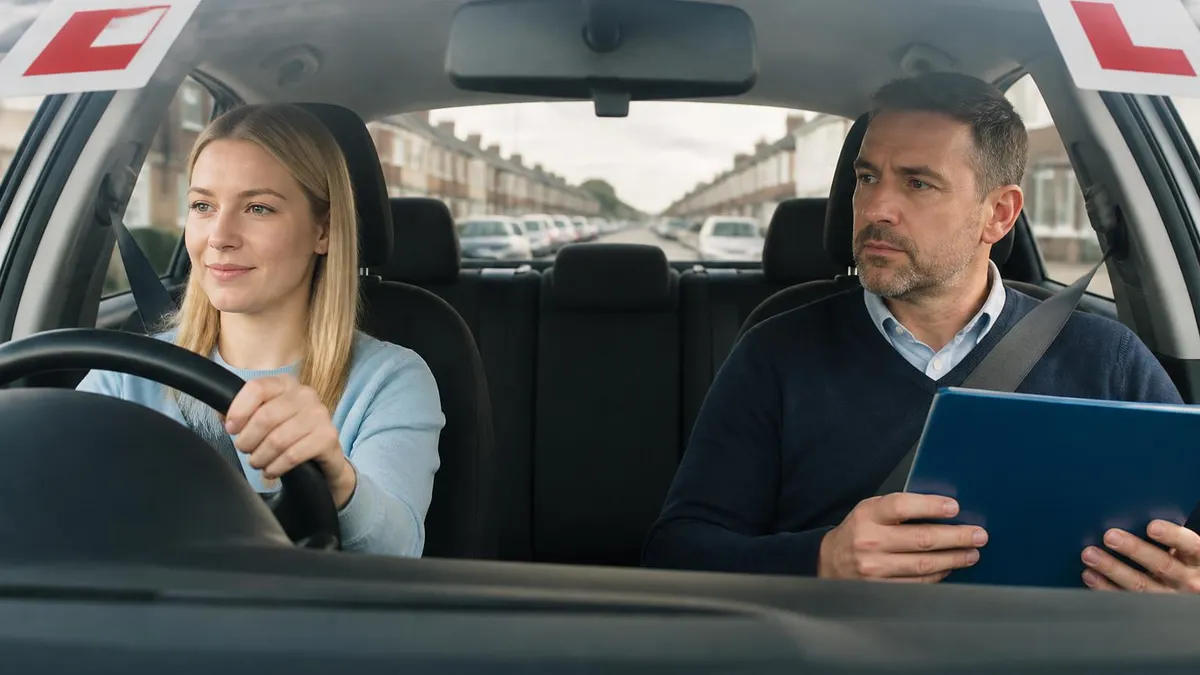
Before you book driving exam appointments, you must meet a few non-negotiable DVSA eligibility rules. You must hold a valid UK provisional driving licence, be at least 17 years old for a car test (16 if you receive Personal Independence Payment at the enhanced mobility rate), and be able to read a number plate from 20 metres in good daylight with corrective lenses if you wear them. Failing the eyesight check at the start of the practical results in an automatic, refundable termination of the test that still wastes your appointment.
The documents you need to book online are surprisingly minimal: your provisional licence number, your National Insurance number for ID verification, a debit or credit card, and an email address for confirmation. For the practical booking specifically you also need your theory test pass certificate number, which appears on the email and the printed certificate you receive when you pass. Save that number somewhere safe because losing it can delay your practical booking by several weeks while you request a duplicate.
On test day, the documents required are stricter. For the theory test you must bring your photocard provisional licence; the paper counterpart is no longer accepted as standalone ID. For the practical, you must bring the same photocard plus your provisional category entitlement intact. If your licence has expired, been revoked, or shows the wrong address, the examiner can refuse to proceed and you forfeit the entire fee with no refund whatsoever, which is one of the most common avoidable losses learners face.
Special requirements deserve attention well before booking. If English or Welsh is not your first language, you can take the theory test only in English or Welsh; voiceover and translator support was withdrawn years ago. If you have dyslexia, a hearing impairment, a learning difficulty, or a health condition that affects reading or concentration, you can request extra time, a British Sign Language interpreter, or a Welsh-language test by selecting the relevant options during booking and supplying supporting evidence to the DVSA in advance.
Your theory test centre choice can also influence the experience. Some sites are large, modern, and run multiple sessions per day, while others are small and quieter with more limited slot availability. The official booking system shows distance, but not facilities, so check reviews online if you are nervous or have accessibility needs. Most learners prefer to book the centre closest to their home or workplace, but if the next slot is six weeks away there, a centre 20 miles further might have availability next week.
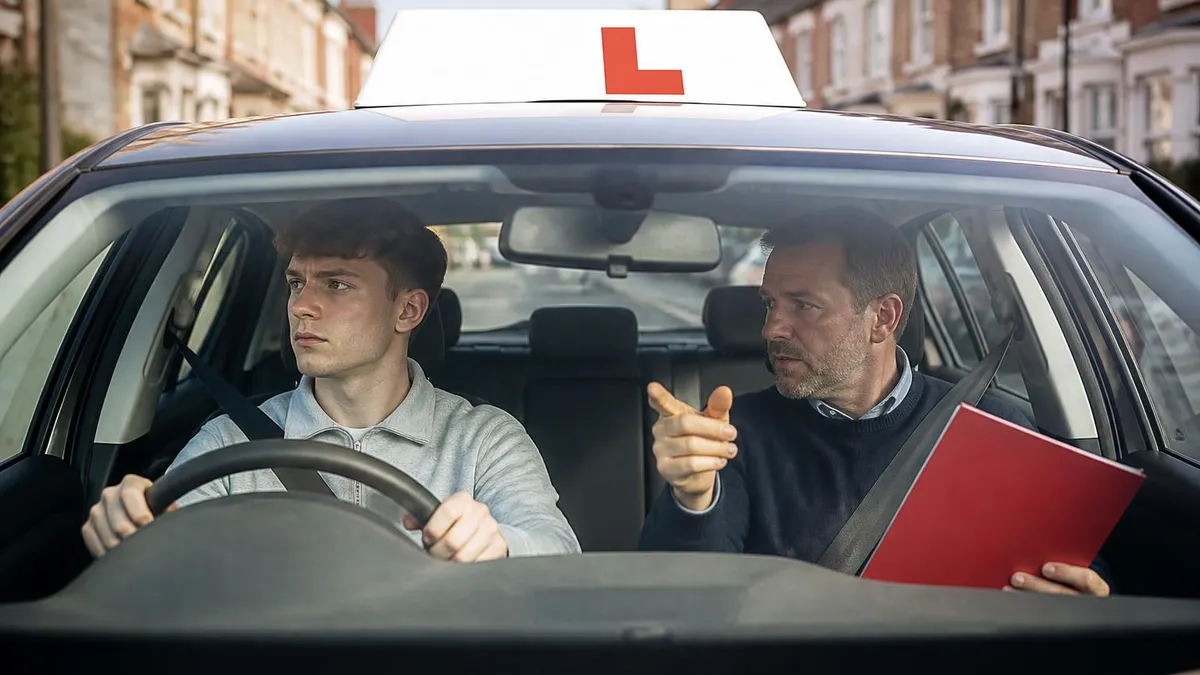
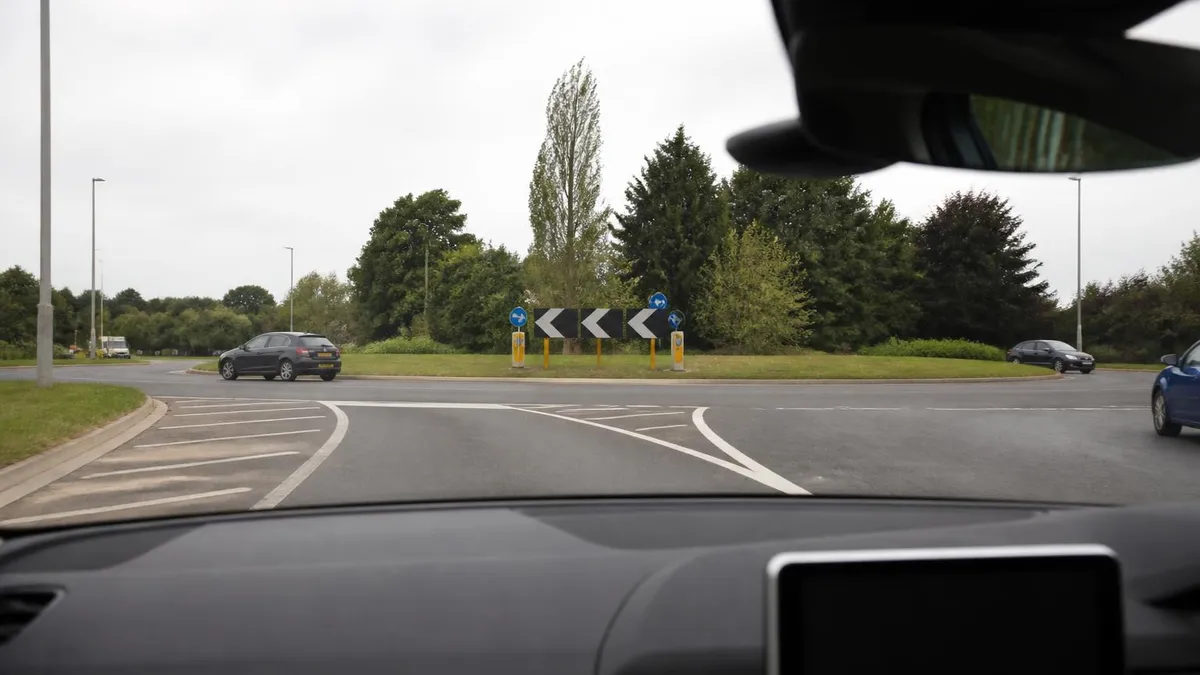
For the practical test, centre choice is far more strategic. Each centre has its own typical routes, with characteristic roundabouts, dual carriageways, and tricky junctions that local instructors know intimately. Your instructor will almost always recommend the centre they teach around because their car, route knowledge, and lesson plans are tuned to it. Booking a centre 30 miles away to get an earlier date sounds clever, but you arrive cold to unfamiliar roads and pass rates suffer accordingly — sometimes by 10 percentage points or more.
Finally, remember the theory pass certificate has a hard two-year expiry. If you pass theory in May 2026, you must take and pass your practical by May 2028. If the practical lapses, even by one day, you must retake and repay the theory test in full. Hundreds of learners are caught out every year by this rule, often after struggling to book a practical slot in their area. Plan backwards from your theory expiry date when setting your timeline.
DVSA Practice Test Questions
Prepare for the DVSA - UK Driving Theory Test exam with our free practice test modules. Each quiz covers key topics to help you pass on your first try.
DVSA Eco-Friendly Driving and Vehicle Loading
DVSA Exam Questions covering Eco-Friendly Driving and Vehicle Loading. Master DVSA Test concepts for certification prep.
DVSA Hazard Awareness
Free DVSA Practice Test featuring Hazard Awareness. Improve your DVSA Exam score with mock test prep.
DVSA Incidents, Accidents and First Aid
DVSA Mock Exam on Incidents, Accidents and First Aid. DVSA Study Guide questions to pass on your first try.
DVSA Motorway Rules and Smart Motorways
DVSA Test Prep for Motorway Rules and Smart Motorways. Practice DVSA Quiz questions and boost your score.
DVSA Rules of the Road (Highway Code)
DVSA Questions and Answers on Rules of the Road (Highway Code). Free DVSA practice for exam readiness.
DVSA - UK Driving Theory Hazard Awareness ...
DVSA Mock Test covering - UK Driving Theory Hazard Awareness and Perception. Online DVSA Test practice with instant feedback.
DVSA - UK Driving Theory Motorway Rules an...
Free DVSA Quiz on - UK Driving Theory Motorway Rules and Regulations. DVSA Exam prep questions with detailed explanations.
DVSA - UK Driving Theory Road and Traffic ...
DVSA Practice Questions for - UK Driving Theory Road and Traffic Signs. Build confidence for your DVSA certification exam.
DVSA - UK Driving Theory Rules of the Road
DVSA Test Online for - UK Driving Theory Rules of the Road. Free practice with instant results and feedback.
Theory vs Practical: How Booking Differs
The theory test is booked through the DVSA theory booking portal on GOV.UK. The standard car theory fee is £23, and slots are usually available within two to four weeks at most centres. You select your preferred test centre, then choose from available date and time slots displayed in a calendar grid. Payment is taken immediately by debit or credit card, and you receive a confirmation email with your booking reference.
The exam itself is 57 minutes long and has two sections: 50 multiple-choice questions with a pass mark of 43, followed by 14 hazard perception clips scoring up to 75 points where the pass mark is 44. Both sections must be passed in the same sitting. The result is given on-screen at the end and printed for you to take home — keep the certificate number safe because you will need it to book practical.
Booking Direct vs Through Your Instructor
- +Full control over centre, date, and time
- +Save instructor admin charges
- +Immediate confirmation in your own email
- +Direct access to reschedule or cancel
- +Builds personal familiarity with DVSA systems
- +Faster decision-making when slots open up
- −You must monitor cancellations yourself
- −No insider knowledge of local test centres
- −Cannot easily coordinate with lesson schedule
- −Risk of booking before you are truly ready
- −You bear full risk of forfeited fees
- −No automatic reminders or follow-up support
Pre-Booking Checklist Before You Pay
- ✓Valid UK provisional driving licence in your hand with the correct current address
- ✓Driver number from the photocard licence ready to enter at booking
- ✓Theory pass certificate number available if booking the practical stage
- ✓Debit or credit card with sufficient funds for £23 theory or £62-£75 practical
- ✓Working email address you can access for instant confirmation
- ✓UK mobile number for SMS reminders 48 hours before the test
- ✓Preferred test centre identified and a backup centre within 30 minutes
- ✓Three potential dates that work around lessons, work, or college commitments
- ✓Any special requirements such as extra time or BSL interpreter pre-arranged
- ✓Bookmark the official gov.uk booking URL to avoid third-party scam sites
Never book your practical until you can drive test-ready every single lesson
The biggest cause of forfeited practical fees is candidates booking when they think they are 'almost ready' and assuming a long wait will close the gap. Instructors consistently report that learners who book at test standard, then refine over the wait period, pass at far higher rates than those still ironing out major faults at booking. Honestly assess your readiness with your instructor before committing the £62.
Fees are the single most misunderstood part of the DVSA booking process. The 2026 theory test fee for a car is £23, unchanged from the previous year, and is paid in full at the moment of booking. The practical fee is £62 for slots Monday to Friday between 8am and 4:30pm, or £75 for evenings, weekends, and bank holidays. These prices apply only to car category B; motorbike, lorry, and trainer tests carry different fee structures published on GOV.UK.
The DVSA's refund policy is strict and based purely on notice given. To receive a full refund, or to reschedule without paying again, you must give at least 10 full working days' notice before your test date, excluding the day of the test and the day you cancel. Saturdays, Sundays, and bank holidays do not count as working days. Cancel within that window and you lose your entire fee — there is no proportional refund, no goodwill exception, and no appeals process under normal circumstances.
The exception covers DVSA-cancelled tests and certain medical or bereavement scenarios. If the DVSA cancels your test due to examiner sickness, bad weather, or an industrial dispute, you receive an automatic refund or rebooking, plus reasonable out-of-pocket expenses such as instructor hire on the day. To claim, complete the DVSA's out-of-pocket expenses form within 14 days, attach receipts, and expect a decision within four to six weeks. Most genuine claims succeed.
If you need to change theory test arrangements due to illness or family emergency, do it as early as possible through the same online portal you used to book. You can reschedule up to six times before your fee is forfeited entirely. Each change is free if made with sufficient notice. Some learners reschedule strategically when they realise they need more revision; this is legitimate and far cheaper than failing and rebooking from scratch, which costs another £23.
Beware of premium-rate phone lines and copycat websites that imitate the DVSA. A web search for 'book driving test' returns sponsored adverts from operators charging £80 or more for a service the official site provides for £62. They typically take your details, add a 'service fee', and book you the same slot you could have booked yourself. The official site is identifiable by the gov.uk address and the GOV.UK black-and-white crown logo. There is no legitimate fee uplift for booking online directly.
For learners with limited budgets, the DVSA does not currently offer discounted tests or payment plans, but some local authorities and charities run scholarship schemes for young people or care leavers that cover both theory and practical fees, plus a block of lessons. Check with your local council, Jobcentre Plus, or organisations such as The Prince's Trust, which operates schemes in many regions specifically targeting employability through a full driving licence for under-25s.
Finally, factor in the hidden costs around booking. Most learners use their instructor's car for the practical, which typically costs £30 to £45 for the test itself plus a pre-test lesson, so budget around £100 to £120 total on test day. If you fail and rebook quickly, you are looking at another £62 plus the car hire each time. Building realistic financial expectations from the outset helps you commit properly to preparation rather than rushing to book before you are ready.
Your theory pass certificate expires exactly two years after the date you passed, with no extensions granted for any reason — including pandemics, illness, or being unable to find a practical slot. If your certificate lapses, you must retake and repay the £23 theory test in full before booking any practical. Plan your practical booking from your certificate expiry date backwards.
Scam websites and unofficial 'booking concierges' cost UK learners millions of pounds every year. Search engines display sponsored adverts from operators with URLs like 'driving-test-booking.co.uk' or 'uk-tests-online.com' that look professional and accept your payment, but charge a premium of £20 to £80 over the official fee. The slot you receive is the exact same slot you could have booked directly on GOV.UK. Some of these sites are technically legal as 'agents'; others are outright fraudulent and have been investigated by Trading Standards.
The simple rule: the only official URL is gov.uk/book-driving-test or gov.uk/book-theory-test. The page should never request payment to a personal account, never ask you to message via WhatsApp, and never demand cryptocurrency or gift cards. Genuine DVSA emails come from no-reply@pearsonvue.com (theory) or no-reply@dvsa.gov.uk (practical). Any text or call asking for your booking reference plus card details is a phishing attempt — report it to Action Fraud and ignore it completely.
The second major pitfall is booking the wrong centre. Each test centre serves a defined catchment with characteristic routes. Asking a London-based instructor to drive you to a rural Welsh centre because the slot is sooner usually backfires: the routes, road types, and even local driving culture differ enough that pass rates can swing by 15 percentage points. Always book a centre your instructor regularly teaches around, and ideally one you have driven near during lessons in the months before your test.
The third pitfall is mis-timing the booking relative to your readiness. Booking the practical before you can confidently drive at test standard sets up a stressful countdown. Some learners argue the long wait gives time to improve, but this only works if you continue lessons consistently — a six-month gap with sporadic practice often means you arrive worse than when you booked. Discuss target readiness honestly with your instructor and use mock tests as your booking trigger.
The fourth and surprisingly common pitfall is bringing the wrong ID or having a licence with an outdated photo, expired entitlement, or wrong address. The examiner has zero discretion: if the ID does not match the booking record, the test is cancelled with no refund. Check your photocard licence at least four weeks before the test. If it expires within six months, renew it now — the £14 fee and ten-day turnaround is trivial compared with losing a £62 test slot you waited 18 weeks to obtain.
If you are working through practice theory test material consistently, you also avoid a quieter pitfall: under-preparing for hazard perception. Many learners pass the multiple-choice section easily but fail the clips because they have not built the timing instinct that comes from repeated practice. Hazard perception is the single most common cause of theory failure, and the only reliable cure is doing dozens of full clip sessions in conditions that mimic the real exam, including the inability to skip back or replay.
Finally, watch out for cancellation-checker apps that demand your DVSA login credentials. Legitimate ones use the public API and only need your booking reference and licence number to query. Anything asking for your password is breaching DVSA terms and could see your account locked or your booking voided. Stick to well-reviewed apps with transparent business addresses, modest one-off fees, and clear privacy policies, and you will gain a genuine edge in beating the queue safely.
With the booking secured, the focus shifts to making sure the test date itself delivers the best possible chance of passing. Treat the final fortnight as a structured taper. Lessons should move from teaching new skills to consolidating existing ones, running mock tests in real time, and rehearsing the parts of the route that consistently cause faults. If you are still being introduced to new manoeuvres a week out, you are not ready, and rescheduling with 10 full working days' notice remains an option to consider.
The night before the test deserves a clear, low-stress routine. Confirm the postcode of the centre, plan your route there, and decide where you will park if driving with an instructor. Lay out your photocard licence, theory certificate, and any glasses you need for the eyesight test. Avoid heavy meals, late-night revision, and anything that disrupts sleep. Most examiners report that candidates who arrive calm and well-rested outperform those who studied right up to bedtime.
On the morning, allow at least 30 minutes more than you think you need. Traffic, parking, and last-minute nerves all eat into your buffer, and arriving late often means losing your slot. Most learners book a one-hour warm-up lesson immediately before the test to settle into the car, drive around the centre's local routes, and practise the show-me-tell-me questions. This is one of the highest-value spends you can make on test day, and instructors include it as standard.
During the test itself, treat the examiner as a passenger to be carried safely rather than as an opponent grading every blink. Drive defensively, leave generous margins, check mirrors before every action, and signal clearly. Examiners want to see considered, deliberate driving rather than perfection; they expect minor wobbles and will not fail you for one. Do not assume a mistake means failure — many candidates pass with five, ten, or even fourteen minor faults if no single fault is serious or repeated.
If you fail, ask the examiner for a detailed debrief. They will point to the specific faults that mattered, where they happened on the route, and what they wanted to see instead. This information is more valuable than any third-party feedback and shapes the revision priorities for your next attempt. You can rebook another practical 10 working days later at minimum, which gives you a sensible window to address the issues highlighted without losing momentum.
For those who pass, the examiner offers an immediate pass and provides a paper certificate while uploading the result to the DVSA system. Your full licence usually arrives within three weeks. You can drive legally from the moment you pass, provided you have insurance in place, but most insurers require notification of the licence upgrade. New drivers are subject to the two-year probationary period under the Road Traffic (New Drivers) Act — accumulating six or more penalty points within those 24 months results in automatic licence revocation and retesting from scratch.
Whatever the outcome, the booking journey ends well when learners treat it as part of a longer driving career rather than a single hurdle. The discipline, planning, and self-assessment that get you through DVSA booking translate directly into safer, more confident driving for decades afterwards. Take the process seriously, respect the rules around fees and documents, and you will look back on it as a small, well-managed step rather than a stressful ordeal.
Sample DVSA UK Driving Theory Practice Questions
Try these questions from our free DVSA UK Driving Theory practice tests. The correct answer and an explanation follow each question.
You are driving at night on an unlit road. What should you do if you are dazzled by the headlights of an oncoming vehicle?
- A. Flash your headlights to signal the other driver
- B. Look towards the left-hand edge of the road
- C. Speed up to get past the oncoming vehicle quickly
- D. Stare directly at the headlights to judge their distance
Answer: B. Look towards the left-hand edge of the road
If dazzled by oncoming headlights, you should slow down or stop if necessary, and avoid looking directly at the lights. Looking towards the left-hand edge of the road helps you maintain your lane position without being blinded.
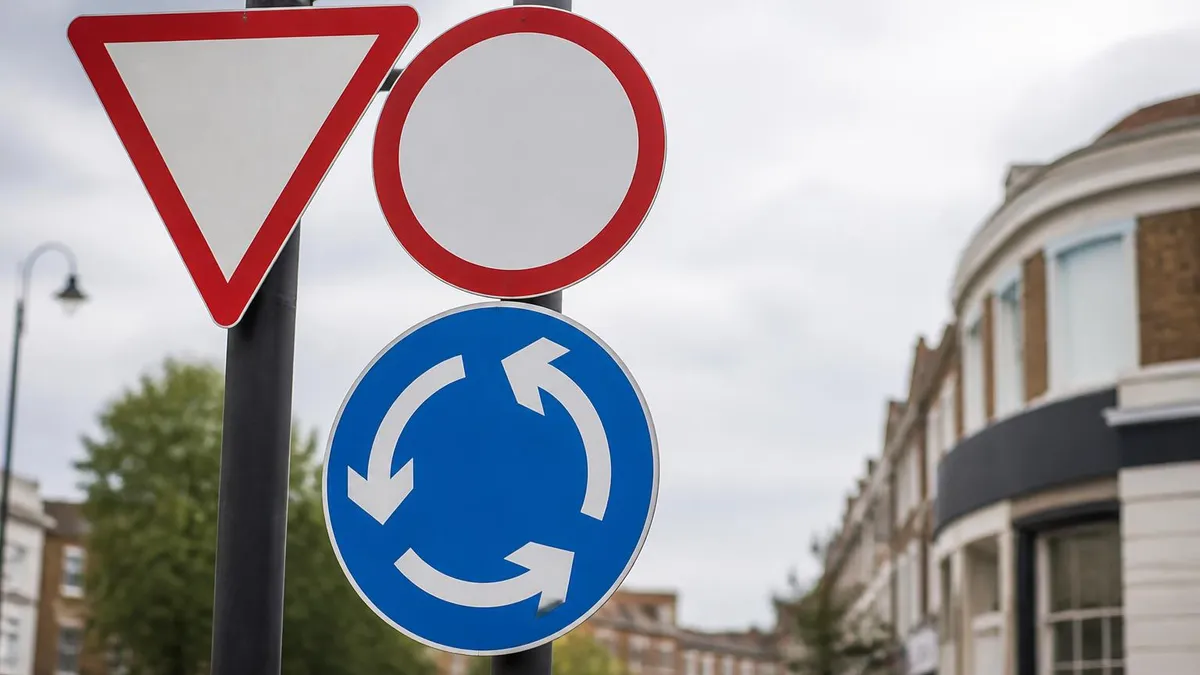
While driving, you approach a sign with a red triangle pointing downwards. What is the primary instruction of this sign?
- A. Warning of a hazard ahead
- B. Give way to traffic on the major road
- C. Stop, even if the road is clear
- D. Information about a tourist attraction
Answer: B. Give way to traffic on the major road
The inverted red triangle is the 'Give Way' sign. You must give way to traffic on the road you are joining. Unlike other triangular signs which warn of a potential hazard, this one gives a direct order to yield priority.
You are driving in heavy rain and your vehicle begins to aquaplane. What should you do?
- A. Brake hard to regain grip
- B. Steer sharply to the left
- C. Ease off the accelerator and avoid braking until you regain grip
- D. Accelerate to drive through the water
Answer: C. Ease off the accelerator and avoid braking until you regain grip
Aquaplaning occurs when water builds up under the tyres faster than the tread can disperse it, causing a loss of contact with the road. You should ease off the accelerator smoothly and avoid braking or steering until the tyres regain grip.
Which driving technique most effectively reduces fuel consumption?
- A. Accelerating hard to reach the speed limit quickly then coasting
- B. Driving in the highest appropriate gear at a steady speed
- C. Keeping the engine revs as high as possible
- D. Using the brakes frequently to control speed
Answer: B. Driving in the highest appropriate gear at a steady speed
Driving in the highest suitable gear at a smooth, steady speed minimises fuel consumption and engine wear.
DVSA Questions and Answers

About the Author
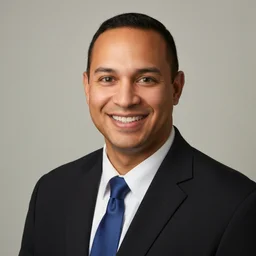
Licensed Driving Instructor & DMV Test Specialist
Penn State UniversityRobert J. Williams graduated from Penn State University with a degree in Transportation Management and has spent 20 years as a certified driving instructor and DMV examiner consultant. He has personally coached thousands of applicants through written knowledge tests, skills assessments, and commercial driver licensing programs across more than 30 states.