
DVSA Theory Test Booking: Step-by-Step Guide (2026 September)
🎯 Book your DVSA theory test online in minutes. Learn the fee, what to bring, how to reschedule, and what to expect on test day in the UK.
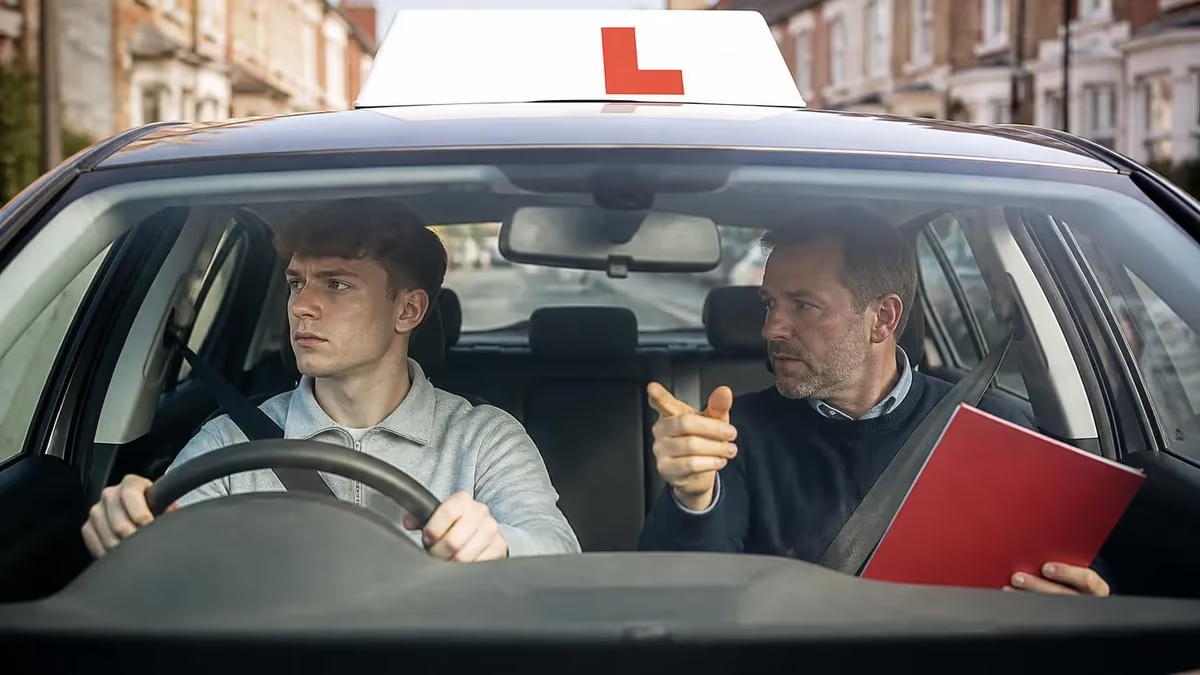
Before you can sit behind the wheel for your practical driving test, there's one essential step you can't skip — passing your theory test. The Driver and Vehicle Standards Agency (DVSA) administers this exam to ensure every new driver understands the rules of the road and can identify hazards before they ever drive independently. It's not just a box-ticking exercise. It's a genuine safety gate.
This guide walks you through everything you need to know about DVSA theory test booking: from checking your eligibility to choosing a test centre, understanding the fee, and knowing exactly what to bring on the day. Whether you're booking for the first time or rescheduling a missed slot, you'll find clear, up-to-date guidance here.
The booking process itself takes around 10 minutes if you have your licence details to hand. But the decisions you make when booking — which centre, which time slot, how far in advance — can make a real difference to your test-day experience. This guide covers all of that.
What Is the DVSA Theory Test?
The DVSA theory test is a computer-based assessment that tests your knowledge of driving theory and your ability to spot potential hazards on real roads. It's split into two parts: a multiple-choice section and a hazard perception section. You must pass both parts in the same sitting — failing one means failing the whole test, even if your other score was excellent.
The test is designed to reflect real driving situations. The multiple-choice questions draw from the Highway Code, road signs, vehicle safety, and general driving knowledge. The hazard perception clips are taken from real dashcam footage, showing everyday driving scenarios where developing hazards unfold in real time.
You need to pass the theory test before you can book your driving test. DVSA won't allow you to schedule a practical test without a valid theory test pass certificate. The certificate is valid for two years from the date you pass — so it's worth booking your practical test promptly once you've cleared the theory.
Eligibility: Who Can Book?
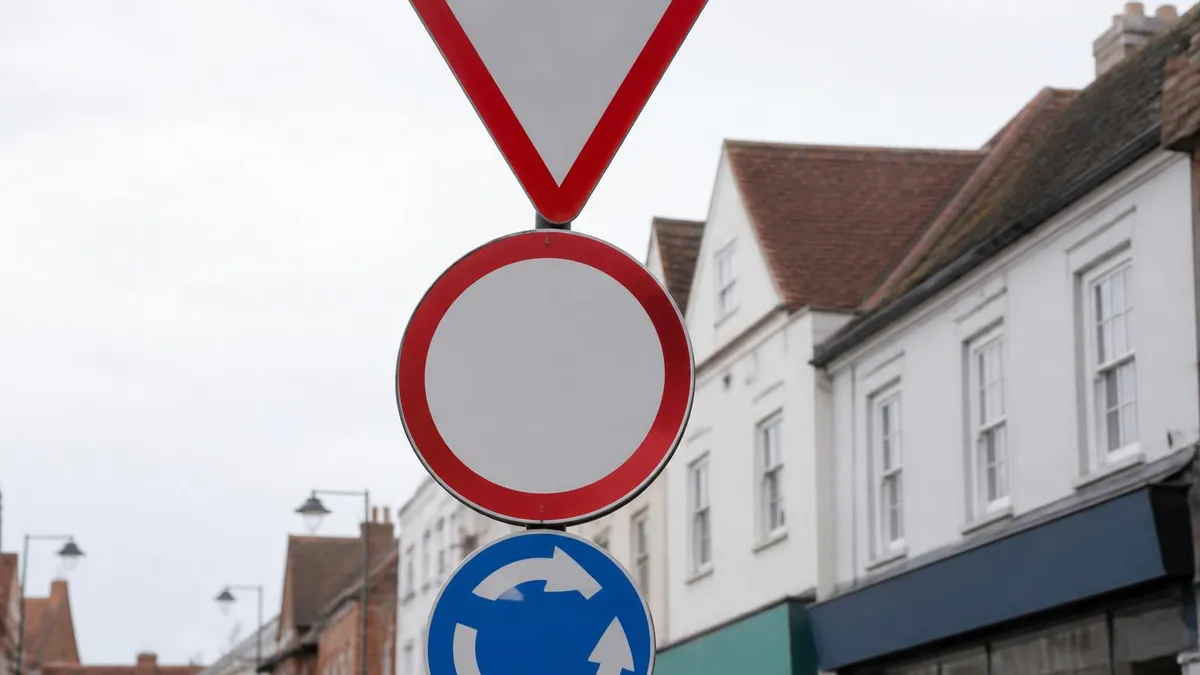
To book a theory test in the UK, you must hold a valid provisional driving licence. You can't book using a full driving licence from another country — you need the UK provisional. If you haven't got yours yet, apply through the DVLA before you attempt to book your theory test slot.
There's no minimum age requirement for booking ahead of time, but you can't actually sit the theory test until you're 17 (for cars). That said, you can book it in advance — so if your 17th birthday is coming up soon, you can secure a slot and sit the test from that date onwards. Booking ahead is a smart move if popular centres in your area have long waiting lists.
EU licence holders who've moved to the UK and need to convert their licence still need to pass the UK theory test as part of that process in most cases — check your specific situation on GOV.UK before booking. The rules differ slightly depending on how long you've held your EU licence and when you moved to the UK.
There's no upper age limit for sitting the theory test. Whether you're 17 or 70, the same booking process and fee applies. Older candidates who haven't driven before sometimes find the hazard perception section more challenging simply because it's a format they haven't encountered — practise before you book to avoid any surprises.
DVSA Theory Test Fee
The fee varies depending on what category of vehicle you're testing for. Here's what you need to know for the most common categories in 2025:
- Car (category B): £23
- Motorcycle (category A): £23
- Large vehicle / lorry / bus (category C/D): £26
Fees are set by the DVSA and are non-refundable if you don't give the required notice to cancel or reschedule. Always pay via the official GOV.UK booking portal to avoid third-party booking fees.
Be cautious of third-party websites that charge additional booking fees on top of the official DVSA rate. The only official booking portal is GOV.UK — you should never pay more than £23 for a standard car theory test. Some commercial sites make it look official whilst charging £5–£10 more. Always check the URL: it should be gov.uk. If in doubt, search for 'book theory test' on GOV.UK directly rather than clicking through a paid search result.
How to Book Your Theory Test Online
The process is straightforward once you know the steps. DVSA handles all bookings through the GOV.UK platform — there's no phone booking option for most candidates, and no need to visit a test centre in person. Here's exactly how to book theory test online:
Step-by-Step: How to Book Online
Go to GOV.UK
Enter your driving licence number
Enter your personal details
Choose your test category
Select a test centre
Choose a date and time
Pay the fee
After booking, DVSA will send you a confirmation to the email address you provided. This confirmation includes your booking reference, test centre address, and your appointment time. You don't need to print anything — but it's worth saving the email in case you need to reschedule or check your details. Save the reference number somewhere you can find it quickly.
If you have a disability or need special arrangements — such as a reading aid, extra time, or a translated version of the test — you can request these during the booking process. DVSA offers reasonable adjustments, but you'll need to indicate your requirements at the time of booking rather than on the day. If you're not sure what adjustments are available, call the DVSA theory test helpline before booking.
Can't find a suitable slot at your local centre? It's worth checking centres in nearby towns — even 15 minutes further away might have significantly more availability. Many candidates find that travelling slightly further gets them a test date weeks earlier than waiting for a local slot to open up.
Choosing a Test Centre and Slot
The UK has hundreds of approved theory test centres — most major towns and cities have at least one, and larger cities like London, Manchester, and Birmingham have several. When choosing a centre, consider:
- Distance and transport: You'll need to arrive on time with no stress. A centre you can reach easily by public transport is often better than a slightly closer one that requires a complicated drive.
- Availability: If you're aiming for a specific date, check multiple centres. Nearby centres may have very different availability, especially during school holidays.
- Parking: If you're being dropped off or driving, confirm parking options before you arrive.
How far ahead you can book varies — DVSA typically allows bookings up to 3 months in advance. Slots in city centres and near universities fill up fast, particularly on weekends and during the summer months when demand from young people peaks.
If you want a slot within the next week or two, check the system regularly. Cancellations do appear — sometimes only hours before the session — so if you're flexible on time, checking back daily can pay off.
What to Bring on Test Day
You don't need much, but what you do need is non-negotiable. Arrive without the right documentation and you won't be admitted — and you won't get your fee back.
Test Day Checklist
- ✓Your valid UK provisional photocard driving licence (the card itself — no paper counterpart needed)
- ✓Your booking confirmation email (on your phone or printed — they'll need your reference number)
- ✓EU/EEA photocard licence if that's your current licence (acceptable in some cases — confirm with DVSA)
- ✓Any DVSA-approved reading aid if you've arranged reasonable adjustments
- ✓Arrive at least 15 minutes early — late arrivals are typically turned away without a refund
The old paper counterpart to driving licences was abolished years ago — don't worry about bringing it. The plastic photocard is all you need. If your provisional licence has expired or the photo is more than 10 years old, renew it before your test date.
Arrive at least 15 minutes early. Test centres operate on tight schedules and late arrivals are typically turned away — even a few minutes late can result in losing your slot and your fee. Leave buffer time for traffic, parking, and finding the building entrance.
You'll be asked to place personal items in a locker before entering the testing room. You can't bring your phone, food, or notes inside. Water is usually permitted in a sealed bottle — check with your specific centre.
Rescheduling or Cancelling Your Theory Test
Life happens. If you need to move your theory test, you can reschedule or cancel online through the same GOV.UK portal where you booked. The critical rule: you must give at least 3 clear working days' notice, or you'll forfeit your £23 fee.
'Clear working days' means weekdays only, not counting the day you make the change or the day of the test itself. So if your test is on a Thursday, you'd need to cancel by midnight on the preceding Sunday at the very latest — and that's cutting it close. DVSA recommends giving as much notice as possible.
If you cancel with sufficient notice, you have two options:
- Rescheduling: Move to a different date or centre — you can do this online and it's free if you give proper notice.
- Refund: If you cancel outright rather than reschedule, you'll receive a refund of the £23 fee back to the original payment method, which typically takes 3–5 working days.
If you miss your test without giving notice — whether due to illness, traffic, or forgetting — you lose the fee and must book and pay again. DVSA doesn't offer discretionary refunds for missed appointments, regardless of the reason.
Theory Test: Both Parts Explained
50 Questions, 57 Minutes
The multiple-choice section covers the full range of UK driving knowledge. Questions are drawn from the official DVSA question bank and can cover road signs, the Highway Code, vehicle safety, motorway rules, and driving in adverse conditions. You'll answer on a computer screen — one question at a time — and you can flag any question to revisit before submitting.
Pass mark: 43 out of 50. You can afford to get 7 wrong, but no more. A small number of questions include photographs or images of real road situations.
Tips: Don't rush. Read every question carefully — some are designed to catch out candidates who skim. If you're unsure, flag and move on, then return when you've answered everything else.

Theory Test: Key Requirements at a Glance
- Licence needed: Valid UK provisional driving licence
- Minimum age to sit: 17 (for cars)
- Booking portal: GOV.UK only (gov.uk/book-theory-test)
- Advance booking: Up to 3 months ahead
- Payment method: Debit or credit card
- ID required: UK provisional photocard driving licence
- Arrive: At least 15 minutes before your slot
- Phones/notes: Not permitted in the testing room (lockers provided)
- Special arrangements: Must be requested at time of booking
- Water: Usually permitted in a sealed bottle
- Notice required: 3+ clear working days
- Refund: Full £23 refund with sufficient notice
- Reschedule fee: Free with sufficient notice
- Late cancellation: Fee forfeited — no exceptions
- Rebook after fail: 3 clear working days wait required
DVSA Theory Test Booking: Pros and Cons
- +You can book up to 3 months in advance — gives you time to prepare properly
- +Online booking is fast and available 24/7 through GOV.UK
- +Hundreds of test centres across the UK — most people have one nearby
- +Reasonable adjustments available for candidates with disabilities
- +Free rescheduling with sufficient notice (3+ clear working days)
- +Results are instant — no waiting days or weeks to find out if you passed
- −Forfeits the £23 fee if you cancel with less than 3 working days' notice
- −Weekend and city centre slots book up weeks in advance
- −No phone booking option for standard candidates — it's online only
- −Theory pass certificate only valid for 2 years — tight if delays stack up
- −Third-party booking sites add unnecessary fees and look deceptively official
- −Must pass both multiple-choice and hazard perception in the same sitting
How to Prepare for the Theory Test
The theory test is genuinely passable with the right preparation — most people who fail do so because they underestimate the hazard perception section or don't study the Highway Code thoroughly enough. Here's how to give yourself the best chance:
- Study the official Highway Code: Available free on GOV.UK and in print. Know it thoroughly — not just road signs, but priorities, stopping distances, and rules for different road types.
- Use the official DVSA revision app: The DVSA has an official app with the complete question bank. It's the best way to familiarise yourself with question formats and the style of wording used on the real test.
- Practise hazard perception regularly: This section trips up candidates who haven't practised clicking on real video footage. Use DVSA-licensed hazard perception training tools — they use the same type of footage as the real test.
- Take timed practice tests: Simulate exam conditions. 57 minutes for 50 questions sounds generous, but test anxiety can slow you down more than you'd expect.
- Aim above the pass mark: Target 47+ out of 50 in multiple choice and 60+ out of 75 in hazard perception so you have a comfortable margin.
Most candidates who revise consistently for 2–4 weeks pass on their first attempt. Don't rely on cramming the night before — spreading revision across multiple sessions is far more effective for retention. The morning of your test, do a light review rather than a full session; heavy last-minute revision can increase anxiety without adding much to your score.
If you want to book driving test slots as soon as possible after your theory result, start researching practical test availability in your area — popular driving test centres can have waits of 8–12 weeks, so knowing availability helps you plan your revision timeline accordingly.
Once you have your theory pass, you can also move forward with your driving test booking — something you'll want to do promptly so you don't lose your 2-year window. Understanding both processes together means you can manage your overall learning-to-drive journey more efficiently and avoid gaps where your skills go rusty.
After You Pass: Next Steps
Passing your theory test is a real milestone — congratulations in advance. You'll get your result immediately at the test centre, and you'll receive a pass certificate number by email. You'll need this number when you go to book your practical driving test — DVSA's system will verify your theory pass automatically when you enter the certificate reference.
Don't delay booking your practical test. Theory pass certificates are valid for 2 years, and if you let that window expire — perhaps due to illness, financial reasons, or simply getting distracted — you'll have to sit and pay for the theory test all over again. Book your practical test promptly and keep up your driving lessons consistently so your skills stay sharp.
If you fail, don't panic. You can rebook after a 3-day waiting period. Most candidates who fail note the specific areas where they lost marks — DVSA provides a breakdown after the test — and targeted revision on those areas often results in a pass on the next attempt. The theory test pass rate is around 50%, so failing on the first try is genuinely common. Use the feedback, adjust your revision, and go again.
DVSA Questions and Answers
Summary
Booking your DVSA theory test is a simple process when you know where to look and what to prepare. Use the official GOV.UK portal, have your provisional licence number ready, and choose a test centre with good availability. Pay the £23 fee, keep your confirmation email, and remember: give at least 3 clear working days' notice if you need to reschedule — otherwise that fee is gone.
On test day, bring your provisional photocard licence, arrive early, and leave your phone in the locker. The test itself — 50 multiple-choice questions and 14 hazard perception clips — is very passable with consistent preparation. Aim well above the pass mark so you've got a comfortable buffer. Most people who prepare properly for 2–4 weeks find both sections manageable.
Once you pass, move fast. Book your practical test immediately and keep those skills sharp. The 2-year window sounds long, but it goes quickly if your lessons stall. Your full driving licence is closer than you think — the theory test is just the first step in getting there.
About the Author
Licensed Driving Instructor & DMV Test Specialist
Penn State UniversityRobert J. Williams graduated from Penn State University with a degree in Transportation Management and has spent 20 years as a certified driving instructor and DMV examiner consultant. He has personally coached thousands of applicants through written knowledge tests, skills assessments, and commercial driver licensing programs across more than 30 states.