
Book Practical Test: How to Schedule Your DVSA Driving Exam 2026 September
Learn how to book your DVSA practical driving test online, ✍🏼 what you'll need, how much it costs, and what to do if you need to reschedule or cancel.
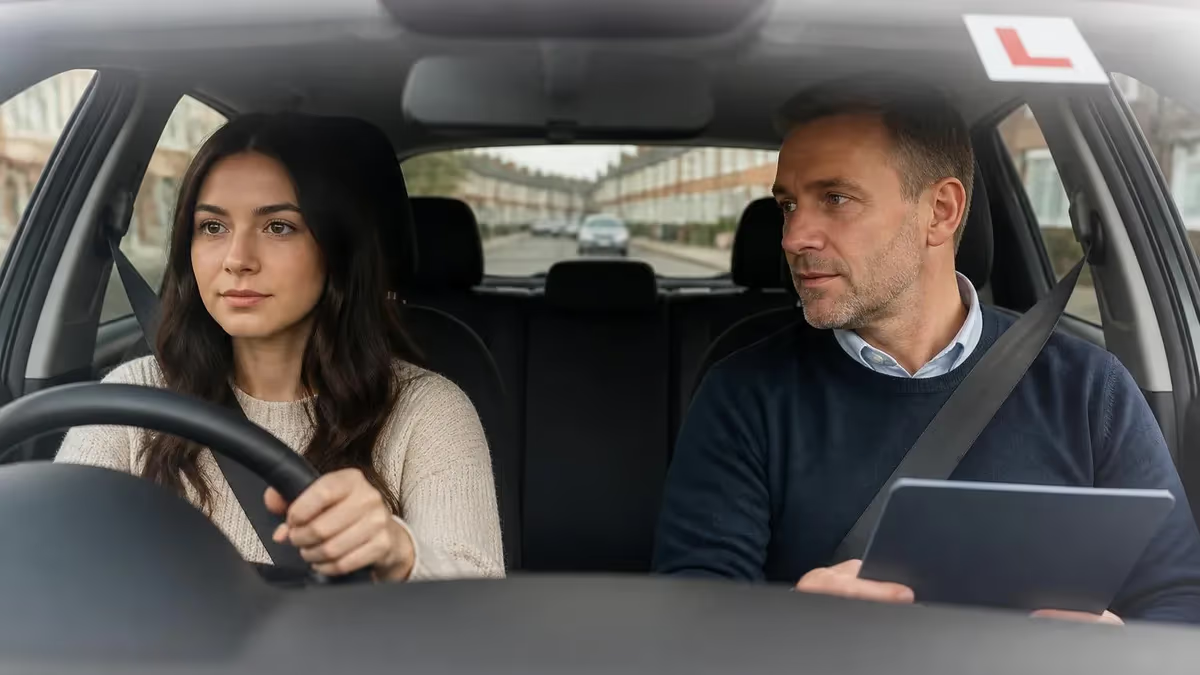
Booking your DVSA practical driving test is a specific, structured process — and doing it correctly the first time saves you the frustration of lost fees and delays. The Driver and Vehicle Standards Agency (DVSA) manages all practical driving tests in Great Britain, and bookings must go through the official GOV.UK platform. Third-party booking services exist but charge extra fees for no additional benefit, and some aren't authorized resellers. The official site is the only route that guarantees your booking is valid and that you pay the correct fee.
Before you can book, you need to have passed your theory test. The DVSA requires a valid theory test pass certificate — specifically the certificate number — before it will let you schedule a practical test. If you haven't passed the theory test yet, that comes first. Your theory test pass is valid for two years from the date you passed. If you don't pass your practical test within those two years, your theory test result expires and you'll have to sit the theory test again before booking the practical a second time.
The practical test can only be booked by the candidate themselves or by a driving instructor on the candidate's behalf. You'll need your provisional driving licence number, your theory test pass certificate number, a valid email address, and a debit or credit card for the booking fee. The booking system shows available slots at test centres in your area, and you can filter by date and time of day to find an option that works around your schedule.
Once you've prepared thoroughly with the theory test, learning to book practical test dates at the right time in your training — when your instructor confirms you're ready — is the most important timing decision in the process. Booking too early means arriving at the test not yet ready; booking too late means unnecessary delays in earning your full licence.
The DVSA tests around 1.5 million candidates per year across approximately 380 test centres in Great Britain. That volume means the system runs on strict rules: every booking is timestamped, every cancellation processed through the same portal, and every examiner follows the same standardised marking criteria. There's no flexibility in fees, no informal rescheduling, and no negotiating with a local office. Understanding how the system works from the start prevents avoidable mistakes that cost money and time.
One thing that surprises many first-time bookers: driving test slots are released on a rolling basis and aren't all available at once. The DVSA typically opens slots 6 months ahead. If you're looking for a test in the next 2–3 weeks and nothing appears, it doesn't mean test centres aren't operating — it may just mean the upcoming slots filled quickly.
Check the booking service regularly, or use the notification alert feature to get an email the moment a slot becomes available at your preferred centre. Patience and persistence in checking the booking system is often what separates candidates who get early slots from those who wait for months.
This complete step-by-step guide walks you through the entire process: the eligibility requirements, the step-by-step booking procedure, what the test itself involves, and how to handle rescheduling or cancellation if your plans change. It covers the UK car practical test specifically — motorcycle, lorry, and other vehicle categories follow different procedures and should be checked separately on GOV.UK.
Weekday fee: £62. Evening, weekend, or bank holiday: £75. You pay at the time of booking. If you cancel or reschedule with less than 3 clear working days notice, you lose the full fee. Cancelling with sufficient notice earns a full refund. If your examiner is unavailable on test day, you'll be offered a free replacement date.
To book online, go to gov.uk and search for "book a driving test" or navigate directly to the driving test booking service. You'll be asked to log in with a Government Gateway account — if you don't have one, you can create it during the booking process. Enter your provisional licence number, then your theory test pass certificate number when prompted. The system verifies both before showing available slots.
You then choose a test centre from a list. The system automatically shows centres closest to the postcode associated with your licence. You can change the search area if you want to test at a centre farther from home — sometimes centres in less-populated areas have shorter waiting times. Major urban test centres, particularly in London and other large cities, often have multi-week waits. If you're flexible on location, checking nearby centres can get you an earlier slot.
Once you've selected a centre, you choose a date and time. Weekday morning slots are most abundant. Evening and weekend slots carry the higher £75 fee and are often in higher demand. If no slots appear for your chosen centre, the booking system will notify you when new slots open — you can register for email alerts rather than checking the site manually every day.
After selecting your slot, you review your booking details, enter payment information, and confirm. You'll receive an email confirmation immediately. That email contains your booking reference, which you'll need if you want to change or cancel the booking later. Save it carefully — you'll also be asked to bring your driving licence on test day, so make sure the address on your licence is current before you arrive.
Driving instructors who hold an Approved Driving Instructor (ADI) badge can book tests on behalf of their pupils using their ADI number. If your instructor offers to handle the booking, they need your provisional licence number and theory pass certificate number. You should still confirm the booking details — test centre, date, and time — and ensure you receive the booking confirmation email so you have the reference. Even if your instructor books on your behalf, the test appointment is in your name and the fee is typically paid by you unless a different arrangement has been agreed.
Changing your test centre after booking is permitted with sufficient notice. If you've booked at one centre and want to switch — perhaps because you've moved, or because a closer centre suddenly has availability — log in and reschedule to the new centre. The fee is the same regardless of which centre you choose.
Note that each test centre serves a specific geographic area, and the roads on your test route will be local to that centre. If you're training in one area but testing at a different centre, familiarise yourself with the road types near that centre before test day to avoid surprises during independent driving.
After passing, your full UK driving licence is issued automatically — you don't need to apply separately. The DVLA sends your full licence to the address on your provisional licence, typically within three weeks. You can drive legally from the moment you receive your pass certificate, before the full physical licence arrives in the post. Your pass certificate is your evidence of a valid licence in the interim. Once you have a full licence, all provisional licence restrictions no longer apply to you — no learner plates, no requirement for a supervisor, no motorway restrictions.
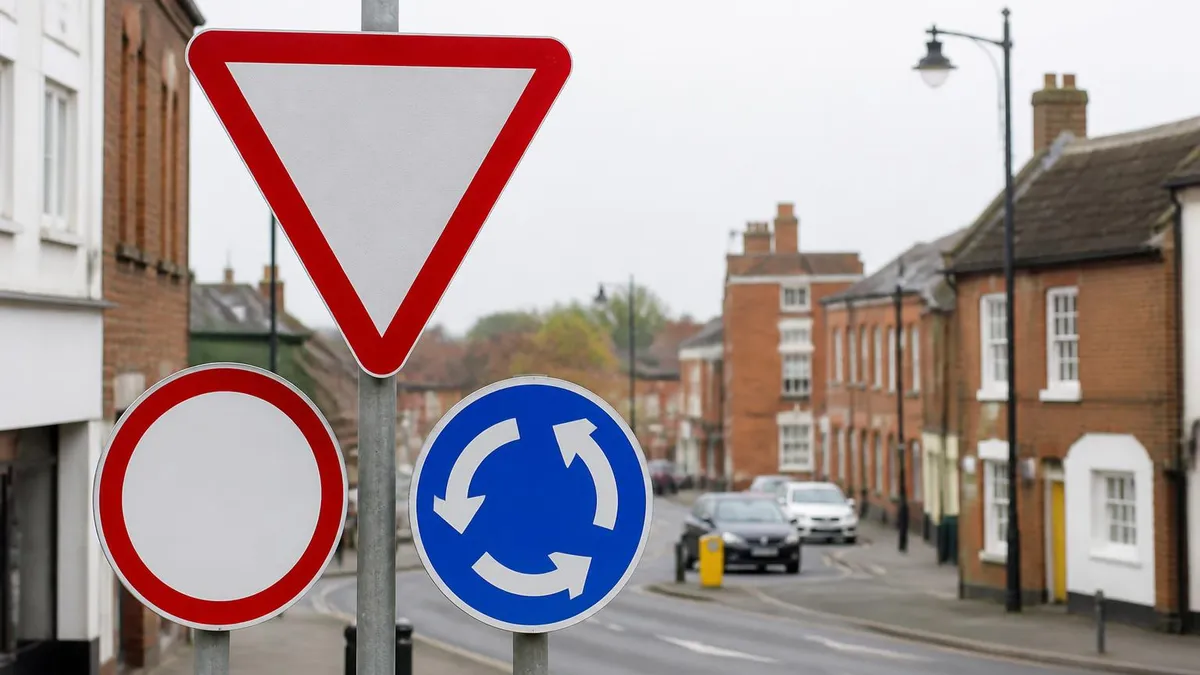
Four Steps to Book Your Practical Test
You need a valid provisional driving licence and a theory test pass certificate (valid within 2 years). You must be at least 17 years old for a car test. Have both your licence number and theory pass certificate number ready before starting.
Use the official DVSA booking service at gov.uk. Log in with your Government Gateway account or create one. Third-party booking sites charge extra fees for no added benefit — avoid them.
Select a test centre near you or elsewhere if shorter waits are available. Choose your preferred date and time. Weekday slots cost £62; evening/weekend/bank holiday slots cost £75.
Pay by debit or credit card. You'll receive an email confirmation with your booking reference immediately. Save this email — you'll need the reference to cancel, reschedule, or make any changes.
The DVSA practical driving test lasts approximately 40 minutes, though you should plan for around an hour at the test centre including pre-test checks and debrief. The test begins with eyesight check — you must read a number plate at 20 metres. Fail this, and the test ends immediately. Next comes the 'show me, tell me' vehicle safety questions: the examiner asks you two questions, one while you're stationary and one while driving, about checking and operating vehicle safety features. These are announced in advance — there are a finite list of questions published on GOV.UK, and they're worth memorising.
The driving portion includes general road driving (covering various road types and traffic scenarios), a period of independent driving following a sat-nav route or road signs, and one or two set-piece manoeuvres. Current manoeuvres include forward bay parking, reverse bay parking, parallel parking at the side of the road, and pulling up on the right side of the road and reversing back two car lengths.
The examiner selects which manoeuvres you perform — you won't know in advance which ones to expect. Emergency stop exercises are not carried out on every test but are mandatory for about one in three candidates.
Candidates who want to look up past practice questions and get comfortable with the format of the theory test that precedes the practical can use the book practical test study resources. Connecting theory learning with practical preparation is the most efficient way to move through the full licensing process without unnecessary retakes.
Minor faults — also called driving faults — are recorded for suboptimal but not dangerous actions. Accumulating 16 or more minor faults in a single test results in a fail, even if you haven't committed any serious or dangerous faults.
Common minor faults include not checking mirrors at precisely the right moments, taking a corner too wide, excessive hesitation at junctions, and incomplete observations at roundabouts. A single minor fault doesn't fail you, but patterns of the same fault — five instances of inadequate mirror use, for example — suggest a systemic issue and can tip you past the 16-fault threshold.
Serious faults — formerly called major faults — automatically fail the test, as do dangerous faults. A serious fault is a potentially dangerous error in judgement or control that required the examiner to be alert but didn't require them to act. A dangerous fault is one where the examiner had to take action — verbal intervention or physical use of the dual controls — to prevent an accident.
If you receive a dangerous fault, the examiner will stop the test immediately and explain what happened. Most serious and dangerous faults involve junctions (pulling out without adequate observation), roundabouts (failing to give way), and speed (driving significantly below or above the speed limit without cause).
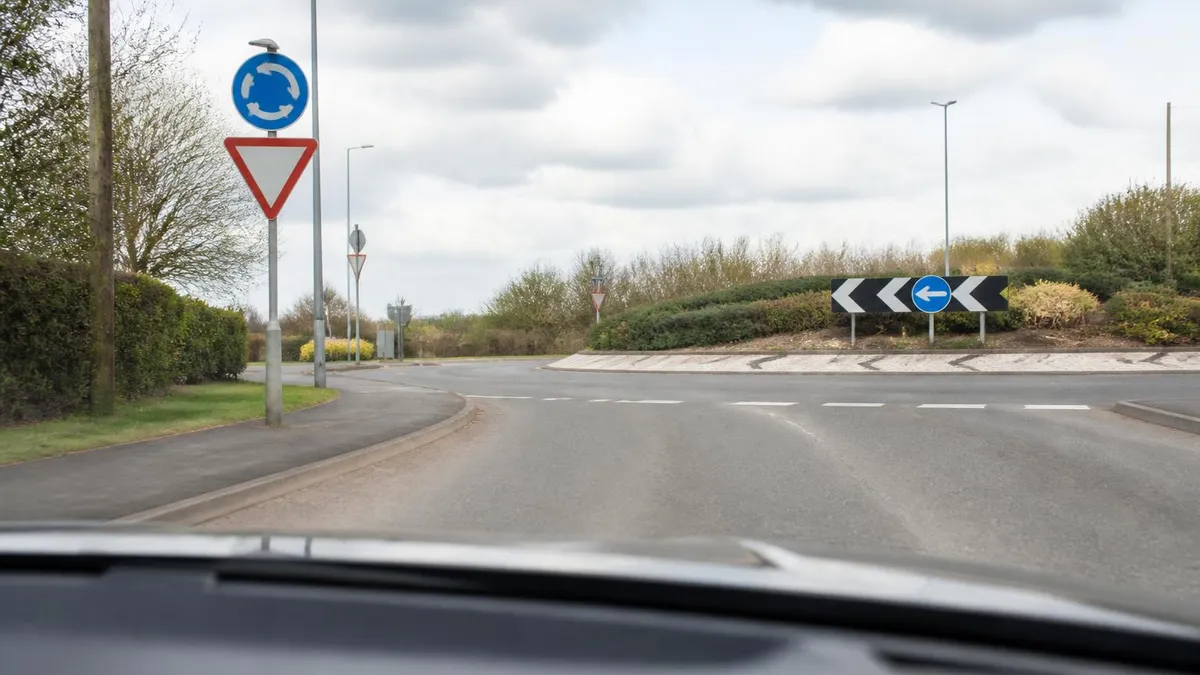
What the Practical Test Examines
Four manoeuvres are in the test bank, though you'll only perform one or two per test. Forward bay park: drive into a bay, park within the lines, and drive out. Reverse bay park: drive past a bay and reverse into it. Parallel park: park behind a parked car using reverse to position yourself within two car lengths of the kerb. Pull up on the right: pull up on the right side of the road, reverse two car lengths while keeping the vehicle straight, then rejoin traffic when safe.
Examiners assess accuracy — staying within the lines or parking close to the kerb — and safety, including observation checks throughout the manoeuvre. Making a manoeuvre mistake is serious but not automatically a test fail. Minor faults (driving faults) are recorded for each imprecision; serious or dangerous faults fail the test immediately. Most manoeuvre failures are serious faults — mounting the kerb, hitting an obstacle, or performing the manoeuvre in a way that required the examiner to intervene. Practice each manoeuvre until you can perform it cleanly in different conditions before your test date.
DVSA Practical Test Facts

Rescheduling or cancelling your practical test requires at least three clear working days before the test date. Three clear working days means the day of the test and the day you cancel don't count — if your test is on Monday, you need to cancel by the preceding Wednesday (not Thursday) to qualify for a refund. Missing this window forfeits the entire fee. To change your booking, log in to the GOV.UK booking service with your Government Gateway account, enter your booking reference, and follow the prompts. You can change the date, time, or test centre in a single session.
Test waiting times vary significantly by region and season. After major disruptions, waiting times can stretch to six to ten weeks in some urban areas. If you're hoping for a specific exam date, check availability regularly — cancellations appear as newly available slots and can be claimed. The DVSA also offers a short-notice cancellation service for candidates who've already booked but want an earlier date if one becomes available. Enable email notifications in your booking account to be alerted immediately when a slot opens at your preferred centre.
On test day, arrive at the test centre at least fifteen minutes early. Bring your photocard provisional driving licence — the examiner won't accept an old paper licence. If your licence address doesn't match your current address, update it before the test, as a discrepancy may create complications.
Your instructor typically accompanies you to the test centre and waits while you test; they're permitted to sit in the back of the car silently during the test if you and the examiner agree. Many candidates find this reassuring. After the test, the examiner will tell you whether you've passed or failed and provide a full breakdown of any faults recorded. If you've passed, you'll receive a pass certificate on the spot.
Those preparing for the UK driving test system can find a full breakdown of the preceding theory test at the book practical test study guides. Completing theory preparation thoroughly before starting practical lessons is the most efficient route to licence — it builds your knowledge base before any money is spent on expensive driving lessons.
The eyesight check at the start of the test catches a small but meaningful number of candidates each year. You must read a standard number plate at 20 metres in good daylight. If you normally wear glasses or contact lenses for driving, bring them — the examiner will ask whether you need corrective lenses, and you must use them if the answer is yes. Forgetting glasses on test day ends your test before it begins. If you have any doubt about your eyesight, get a vision check before your test booking, not after.
Candidates who find the waiting period anxiety-inducing often benefit from structured independent practice — what driving instructors call private practice — in addition to formal lessons. Private practice with a parent or other qualified driver counts toward your overall driving experience and builds confidence on familiar roads.
You can do private practice from the time you have your provisional licence, not just once you've started formal lessons. Some candidates cover hundreds of miles of private practice before their test, which translates into a calmer, more automatic performance on the day. The more familiar driving feels, the less the examiner's presence disrupts your natural performance.
Candidates who want to study the Highway Code and theory questions before booking their practical can use the DVSA theory preparation guides at the book practical test study centre. Getting comfortable with road rules and hazard perception before you start your practical training reinforces what your instructor teaches and accelerates your overall progress.
Booking Early vs. Waiting Until You're Ready
- +Booking early secures a slot before test waiting times extend further
- +Having a test date provides a concrete motivation to train consistently
- +Earlier booking gives you time to reschedule if you need more lessons
- +Some candidates perform better with a firm deadline to focus preparation
- −Booking before you're ready risks a failed test and losing your £62 booking fee
- −Rescheduling within 3 working days forfeits the full fee — no exceptions
- −Test anxiety can increase if you've booked with too much time to overthink
- −If your instructor isn't confident you're ready, their assessment is worth trusting
Book Practical Test Questions and Answers
About the Author
Licensed Driving Instructor & DMV Test Specialist
Penn State UniversityRobert J. Williams graduated from Penn State University with a degree in Transportation Management and has spent 20 years as a certified driving instructor and DMV examiner consultant. He has personally coached thousands of applicants through written knowledge tests, skills assessments, and commercial driver licensing programs across more than 30 states.