
How Much Is a Driving Test UK? Complete 2026 October Cost Breakdown
🎯 How much is a driving test UK? Full 2026 October breakdown of theory, practical, weekday and weekend DVSA fees, plus hidden costs and ways to save money.
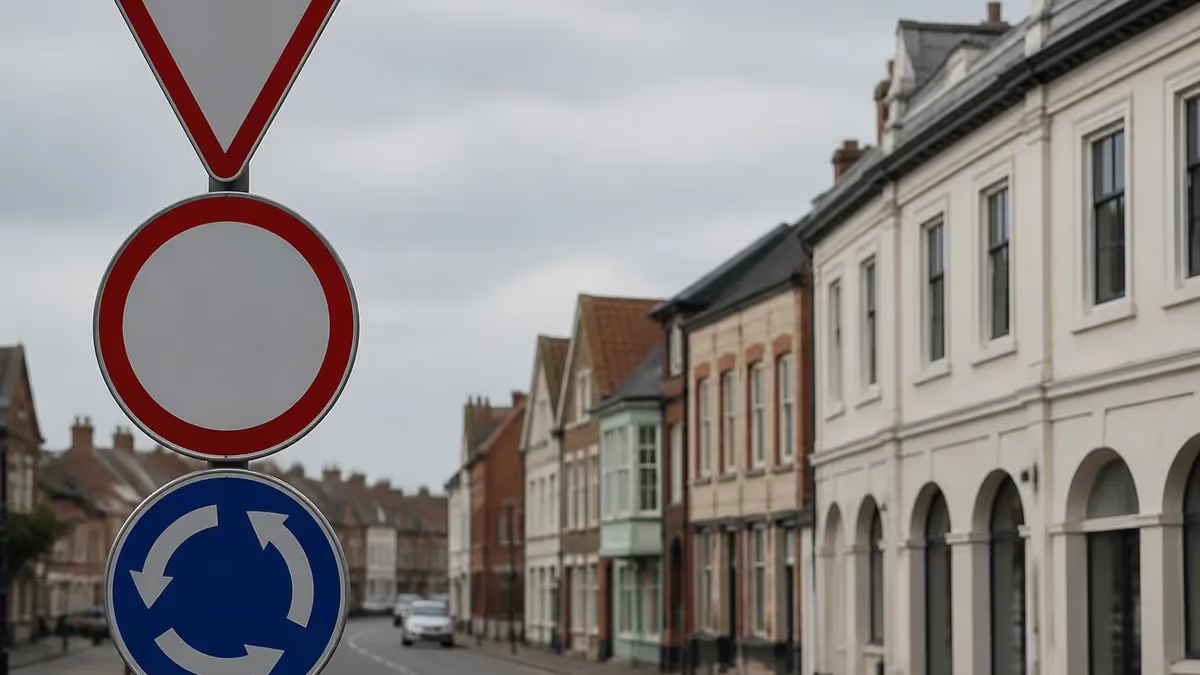
If you are learning to drive and planning your budget, the first question is almost always the same: how much is a driving test UK learners need to pay before they can hit the road legally? The honest answer is that there is no single price, because passing involves two separate DVSA tests, plus lessons, a provisional licence and a car to test in. In 2026 the headline government fees remain fixed, but the real cost of getting your licence stretches well beyond them.
The two official DVSA charges are the theory test, currently £23, and the practical driving test, which is £62 on a weekday and £75 in the evenings, on weekends or on bank holidays. These prices are set centrally and apply across England, Scotland and Wales, so you will pay exactly the same whether you book in Manchester, Cardiff or Inverness. Crucially, these fees only cover the tests themselves and nothing else you will need along the way.
Where the budget really grows is in driving lessons. The DVSA estimates the average learner needs around 45 hours of professional instruction plus roughly 22 hours of private practice before they are test-ready. With lesson prices ranging from £30 to £40 an hour depending on your region, tuition alone can easily run between £1,300 and £1,800. That single line item dwarfs the official test fees and is the main reason learning to drive feels expensive.
On top of tuition you must factor in your provisional licence, which costs £34 when you apply online through GOV.UK. You may also pay your instructor to use their car on test day, buy extra mock tests, or rebook a failed attempt. Each of these adds up quietly, and many learners are surprised by the total only after they have already committed to a course of lessons with their chosen school.
This guide breaks every cost down clearly so there are no nasty surprises. We will cover the exact theory and practical fees, the difference between weekday and weekend pricing, the hidden extras most people forget, and practical ways to keep your spending under control. By the end you will have a realistic figure for your own situation rather than a vague guess based on what a friend paid several years ago.
It is worth saying upfront that spending a little more on quality preparation usually saves money overall. The national first-time practical pass rate sits at roughly 48 percent, meaning more than half of candidates fail and have to pay the £62 or £75 fee again. Every retest also means more lessons while you wait for a new slot, so being genuinely ready before you book is the single smartest budgeting decision you can make as a learner driver.
UK Driving Test Cost by the Numbers
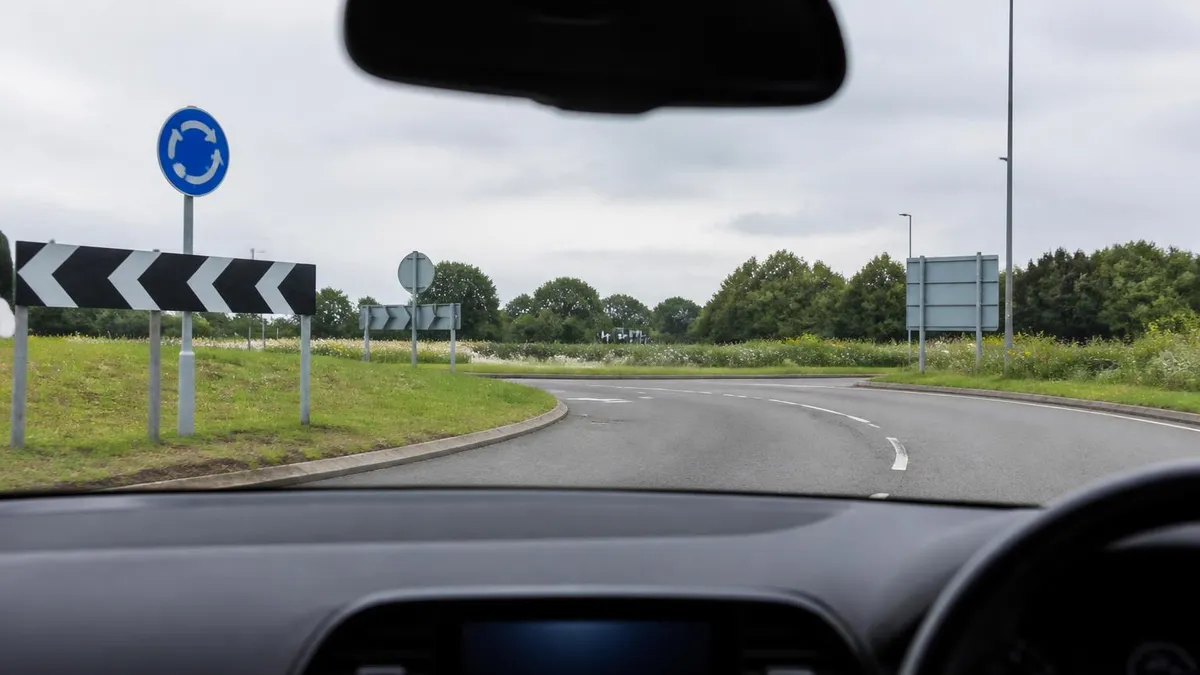
Official DVSA Fees in 2026
Understanding the gap between the theory test and the practical test is essential because they are charged, booked and sat completely separately. You cannot legally book a practical test until you have passed your theory, so the £23 theory fee is always your first official payment. The theory test combines 50 multiple-choice questions with a 14-clip hazard perception section, and you must pass both parts in the same sitting to receive your certificate, which then stays valid for two years.
If your theory certificate expires before you pass the practical, you have to retake the whole theory test and pay the £23 again. This catches out a surprising number of learners who pass theory early, take a long break, and then find their two-year window has closed. Booking lessons consistently and aiming to take your practical well inside that window protects you from paying twice for the same knowledge test, which is money no candidate wants to waste needlessly.
The practical test is where the larger fee sits, and the cost depends entirely on when you sit it. A standard weekday daytime slot costs £62, while any evening, weekend or bank holiday slot costs £75. That £13 difference exists because the DVSA pays examiners more to work outside normal hours, and those antisocial slots are also in high demand from working learners and students who cannot easily take time off during the week.
Both tests must be booked through the official GOV.UK service to guarantee you pay only the genuine government fee. Numerous third-party websites advertise booking help and charge a premium on top, sometimes adding £20 or more for a service you can do yourself in minutes for free. Always check the web address ends in gov.uk before entering any card details, and never assume a sponsored search result is the official channel you are looking for.
It also helps to think about the order of spending. Most learners start lessons on a provisional licence, sit the theory test a few weeks in, then continue practising until their instructor judges them ready for the practical. Spacing the payments this way spreads the financial load and means you are not committing to the most expensive stage before you know whether driving feels comfortable and achievable for you personally.
One common misconception is that the test fee includes the car. It does not. If you sit your practical in a driving school car, you typically pay your instructor for that car and for their time on the day, often as a two-hour block that includes a warm-up lesson beforehand. We cover that hidden cost in detail later, but it is worth flagging now so the £62 figure is never mistaken for the full out-of-pocket cost of practical test day.
Finally, remember that prices quoted by friends or older online articles may be out of date. The DVSA reviews fees periodically, and what someone paid five years ago may no longer apply. Always confirm the current figure on GOV.UK at the moment you book, because even a small increase changes your overall budget once you account for possible retests and the additional lessons that usually accompany them.
DVSA Practice Test Questions
Prepare for the DVSA - UK Driving Theory Test exam with our free practice test modules. Each quiz covers key topics to help you pass on your first try.
DVSA Eco-Friendly Driving and Vehicle Loading
DVSA Exam Questions covering Eco-Friendly Driving and Vehicle Loading. Master DVSA Test concepts for certification prep.
DVSA Hazard Awareness
Free DVSA Practice Test featuring Hazard Awareness. Improve your DVSA Exam score with mock test prep.
DVSA Incidents, Accidents and First Aid
DVSA Mock Exam on Incidents, Accidents and First Aid. DVSA Study Guide questions to pass on your first try.
DVSA Motorway Rules and Smart Motorways
DVSA Test Prep for Motorway Rules and Smart Motorways. Practice DVSA Quiz questions and boost your score.
DVSA Rules of the Road (Highway Code)
DVSA Questions and Answers on Rules of the Road (Highway Code). Free DVSA practice for exam readiness.
DVSA - UK Driving Theory Hazard Awareness ...
DVSA Mock Test covering - UK Driving Theory Hazard Awareness and Perception. Online DVSA Test practice with instant feedback.
DVSA - UK Driving Theory Motorway Rules an...
Free DVSA Quiz on - UK Driving Theory Motorway Rules and Regulations. DVSA Exam prep questions with detailed explanations.
DVSA - UK Driving Theory Road and Traffic ...
DVSA Practice Questions for - UK Driving Theory Road and Traffic Signs. Build confidence for your DVSA certification exam.
DVSA - UK Driving Theory Rules of the Road
DVSA Test Online for - UK Driving Theory Rules of the Road. Free practice with instant results and feedback.
Weekday vs Weekend Driving Test Cost UK
A weekday daytime practical test costs £62 and runs Monday to Friday during standard working hours. These are the most numerous slots, so availability is generally better, especially at quieter test centres outside major cities. If you can take a morning off work or school, the weekday option is the cheapest way to sit your practical and the one the DVSA expects most candidates to choose.
Weekday slots also tend to face less competition from other learners, which can mean shorter waiting times for a date. With practical waiting lists stretching for weeks or months in many areas, flexibility on a weekday morning can shave significant time off your wait and get your licence in your hand sooner without any premium added to the base fee.

Is Paying for More Lessons Worth It?
- +Higher chance of passing first time, avoiding repeat £62 fees
- +More confidence behind the wheel reduces test-day nerves
- +Instructor spots and fixes faults before an examiner does
- +Fewer total retests usually means lower overall spending
- +Better preparation for real-world driving after you pass
- +Access to a roadworthy car you already know for the test
- −Higher upfront cost that can strain a tight budget
- −Quality varies, so a poor instructor wastes money
- −Some learners are ready sooner and overpay for lessons
- −Weekly lessons can stretch the timeline over many months
- −Private practice in a family car is far cheaper per hour
- −Intensive courses bundle costs that are hard to compare
Pros and Cons at a Glance
| Pros | Cons |
|---|---|
| More confidence behind the wheel reduces test-day nerves | Higher upfront cost that can strain a tight budget |
| Instructor spots and fixes faults before an examiner does | Quality varies, so a poor instructor wastes money |
| Fewer total retests usually means lower overall spending | Some learners are ready sooner and overpay for lessons |
| Better preparation for real-world driving after you pass | Weekly lessons can stretch the timeline over many months |
| Access to a roadworthy car you already know for the test | Private practice in a family car is far cheaper per hour |
Driving Test Cost Checklist Before You Book
- ✓Confirm your provisional licence is valid and arrived (£34 online).
- ✓Pass and keep proof of your £23 theory test certificate.
- ✓Check your theory certificate has not expired (two-year limit).
- ✓Decide between a £62 weekday or £75 weekend practical slot.
- ✓Book only through the official GOV.UK website to avoid surcharges.
- ✓Budget for instructor car hire on practical test day.
- ✓Set aside funds in case a retest is needed.
- ✓Factor roughly £1,500 for around 45 hours of lessons.
- ✓Add fuel and parking costs if using your own car.
- ✓Save your booking reference and confirmation email safely.
A failed practical rarely costs just £62
When you fail, you pay the test fee again, but you also usually book more lessons while waiting for a new slot. With waiting lists often running several weeks, two or three extra lessons at £35 each can add £70 to £105 on top of the £62 retest. Being genuinely test-ready is the cheapest strategy of all.
Beyond the headline DVSA fees, several hidden costs catch learners off guard, and together they often add hundreds of pounds to the total. The biggest is car hire on practical test day. If you do not own an insured car, you will almost certainly use your driving instructor's vehicle. Most instructors charge for the test slot plus a warm-up lesson, commonly bundling it as a two-hour block costing £60 to £80 depending on your area and the time of day you have booked.
Insurance is another expense people forget when budgeting purely for the test. If you intend to practise in a family member's car, you need learner driver insurance, which can be arranged as a short-term policy lasting a few weeks or months. These policies typically cost between £40 and £120 depending on the car, your age and the cover length, and they are entirely separate from the policyholder's existing annual insurance arrangement.
Once you pass, the costs continue. You will want your own car insurance, which is notoriously expensive for newly qualified drivers under 25. Annual premiums for young drivers frequently exceed £1,500, and sometimes far more for those in higher-risk groups. While this is not a test fee, it is a genuine part of the cost of becoming an independent driver and deserves a line in any honest budget you put together.
Many learners also pay for extras during preparation. Mock theory tests, hazard perception training apps, and printed Highway Code materials all carry small charges, though plenty of high-quality free resources exist online. Some driving schools sell theory revision bundles, and intensive course providers package everything together, which can blur how much you are actually paying for each individual component of your learning journey.
Fuel and parking are minor but real costs if you use your own vehicle. Lessons in an instructor's car already include fuel in the hourly rate, but private practice does not, and modern fuel prices mean even short practice drives add up over many weeks. Parking near busy urban test centres can also cost a few pounds each visit, particularly if you arrive early to settle your nerves before the appointment.
Rebooking and cancellation charges are worth understanding too. The DVSA lets you move or cancel a practical test free of charge if you give at least 10 full working days' notice (tightened from three working days as of 8 April 2025; Saturdays count as working days, only Sundays and bank holidays don't). The theory test still only needs three working days' notice. Cancel later than that, or fail to attend, and you forfeit the full fee with no refund. Missing this window because of a minor diary mix-up is one of the most avoidable and frustrating ways to lose £62 or £75 entirely.
Finally, consider the opportunity cost of time. Taking repeated weekday mornings off work to sit tests or attend lessons may mean lost earnings or holiday days, which rarely appears in cost guides but matters to many adult learners. Planning your lessons and test dates efficiently, ideally clustering them, helps minimise this hidden drain and keeps the whole process as affordable and stress-free as your circumstances realistically allow.
Only book your theory and practical tests at the official GOV.UK website. Third-party sites often charge inflated fees and booking surcharges for a service that is free to do yourself. Always check the address ends in gov.uk before entering card details, and ignore sponsored search results that mimic the official service.
The good news is that there are plenty of legitimate ways to reduce the cost of getting your licence without compromising your chances of passing. The single most effective saving comes from passing first time, because every retest means another test fee plus extra lessons. Investing in solid preparation, learning to drive properly rather than rushing, almost always works out cheaper than a string of cheap, poorly planned attempts that end in failure.
Booking weekday practical slots instead of evenings or weekends saves £13 every time. If your schedule has any flexibility at all, choosing a Tuesday morning over a Saturday could save you that amount on each attempt, and the difference is even more meaningful if you unfortunately need more than one go. Over a typical learning journey, simply being flexible about timing can keep a noticeable chunk of money in your pocket.
Free practice resources are another easy win. The theory test rewards genuine understanding of the Highway Code, hazard perception and road safety, and you can revise all of this without spending a penny using free question banks and mock tests online. Practising regularly until you consistently score well above the pass mark means you are far less likely to fail the £23 theory test and need to pay for it a second time.
If you have access to a willing, fully licensed friend or family member with a suitable car, private practice between paid lessons can dramatically cut your tuition bill. The DVSA recommends around 22 hours of private practice alongside professional lessons, and every hour you practise for the cost of short-term insurance and a little fuel is an hour you are not paying an instructor £35 for. The savings compound quickly over a few months.
Comparing instructors and driving schools before committing also pays off. Hourly rates vary by region and by school, and some offer block-booking discounts where buying ten lessons upfront reduces the per-hour price. Read recent reviews, check pass rates if available, and make sure any discount genuinely reflects good teaching, because the cheapest instructor is a false economy if their pupils routinely need extra lessons and retests to get through.
For learners in a hurry, an intensive course can sometimes offer better value by compressing learning into a short, focused period, though you should compare the total package price carefully against pay-as-you-go lessons. Whichever route you choose, treating preparation seriously is the theme that ties every saving together: a well-prepared candidate spends less overall because they avoid the expensive cycle of repeated fees, additional lessons and the lost time that failing inevitably brings.
Lastly, keep a simple spreadsheet of everything you spend, from the provisional licence to each lesson and test fee. Seeing the running total in one place helps you make better decisions, spot where money is leaking, and stay motivated to prepare thoroughly. Knowing exactly what you have already invested is a powerful incentive to make every remaining lesson and every test attempt genuinely count toward passing.
With your budget mapped out, the final piece is making sure each pound you spend actually moves you closer to passing. Start by treating the theory test as the foundation it is. Examiners and instructors agree that learners who truly understand road rules, rather than memorising answers, perform better in the practical too, because the same knowledge underpins safe decisions on every junction, roundabout and motorway slip road you will encounter during your test route.
Build a steady revision habit rather than cramming the night before. Short, frequent practice sessions of twenty to thirty minutes are far more effective than a single panicked marathon, and they let the hazard perception timing become second nature. Aim to score comfortably above the pass marks on practice tests consistently across several sessions before booking, so that test-day nerves cannot easily drag a borderline score below the line and cost you another fee.
For the practical, ask your instructor for an honest mock test before you book the real thing. A good instructor will replicate the format, mark you against the official faults system, and tell you frankly whether you are ready. This single conversation can save you the £62 or £75 fee, because booking a real test purely on optimism, rather than evidence, is one of the most common and expensive mistakes learners make.
Familiarise yourself with the test centre and its surrounding roads in advance. Many learners take a lesson or two specifically around the centre's likely routes, practising the tricky junctions, common manoeuvres and unusual road layouts an examiner may include. Knowing what to expect reduces surprises on the day, calms nerves, and means the money you spend on those targeted lessons directly improves your odds of a first-time pass.
On test day itself, give yourself plenty of time. Arrive early, bring your provisional licence and theory pass confirmation, and make sure the car you are using is taxed, insured and roadworthy with legal tyres and working lights. A test can be cancelled at the centre if the vehicle does not meet requirements, and you will lose the fee, so a five-minute check the night before protects your investment completely.
If you do not pass, resist the urge to rebook immediately out of frustration. Read the examiner's feedback carefully, work through the specific faults with your instructor, and only book again once those weaknesses are genuinely fixed. Rushing back into a retest before addressing the problem usually just repeats the failure and the fee, whereas a short, focused block of corrective lessons turns the next attempt into a confident pass.
Above all, remember that the cost of a driving licence is an investment in lifelong independence. Spread the spending sensibly, prepare thoroughly, use free resources where you can, and choose test timings that suit both your schedule and your budget. Approach it methodically and the whole process becomes not only more affordable but far less stressful, turning what feels like a daunting expense into a series of manageable, well-planned steps toward your full licence.
Sample DVSA UK Driving Theory Practice Questions
Try these questions from our free DVSA UK Driving Theory practice tests. The correct answer and an explanation follow each question.
You are driving on a country road at 50 mph. How much distance should you allow for thinking distance alone?
- A. 9 metres (30 feet)
- B. 12 metres (40 feet)
- C. 15 metres (50 feet)
- D. 18 metres (60 feet)
Answer: C. 15 metres (50 feet)
At 50 mph, the thinking distance is approximately 15 metres (50 feet). A useful rule of thumb is that thinking distance in feet roughly equals your speed in mph — so at 50 mph, thinking distance is about 50 feet (15 metres).
On a smart motorway, what does a red X displayed above a lane mean?
- A. The lane is for emergency vehicles only
- B. The lane is closed — you must not drive in it
- C. There is a speed restriction in that lane
- D. The lane is reserved for HGVs
Answer: B. The lane is closed — you must not drive in it
A red X above a lane on a smart motorway means the lane is closed. You must not drive in a lane showing a red X as there may be a stranded vehicle, debris, or people in the lane. Driving in a closed lane is an offence enforceable by camera.
You see a circular sign with a red border and a symbol of a car and a motorcycle inside. What does this sign prohibit?
- A. Only cars and motorcycles are allowed
- B. No motor vehicles allowed
- C. Motorcycle and car racing prohibited
- D. Parking for cars and motorcycles only
Answer: B. No motor vehicles allowed
A circular sign with a red border indicates a prohibition. The symbols inside show what is prohibited. In this case, the car and motorcycle symbols mean that no motor vehicles are allowed on this road, which is likely reserved for pedestrians and cyclists.
While driving, you approach a sign with a red triangle pointing downwards. What is the primary instruction of this sign?
- A. Warning of a hazard ahead
- B. Give way to traffic on the major road
- C. Stop, even if the road is clear
- D. Information about a tourist attraction
Answer: B. Give way to traffic on the major road
The inverted red triangle is the 'Give Way' sign. You must give way to traffic on the road you are joining. Unlike other triangular signs which warn of a potential hazard, this one gives a direct order to yield priority.
DVSA Questions and Answers

DVSA Car Practical Test: Complete Guide to Passing First Time
How to Change Theory Test Date: Complete DVSA Rebooking Guide for 2026
Learn to Drive UK: The Complete 2026 Beginner's Guide to Lessons, Tests and Licence Success
Intensive Driving Course With Test: Complete UK Guide to Fast-Track Your Licence in 2026

Hazard Perception Pass Mark: The Complete UK Guide to Scoring 44/75 in 2026
About the Author
Licensed Driving Instructor & DMV Test Specialist
Penn State UniversityRobert J. Williams graduated from Penn State University with a degree in Transportation Management and has spent 20 years as a certified driving instructor and DMV examiner consultant. He has personally coached thousands of applicants through written knowledge tests, skills assessments, and commercial driver licensing programs across more than 30 states.