
Driving Crash Courses: Complete UK Guide to Intensive Learning (2026 October)
Driving crash courses explained: costs, duration, pass rates, DVSA rules and how to choose the right intensive driving course in the UK. 💡
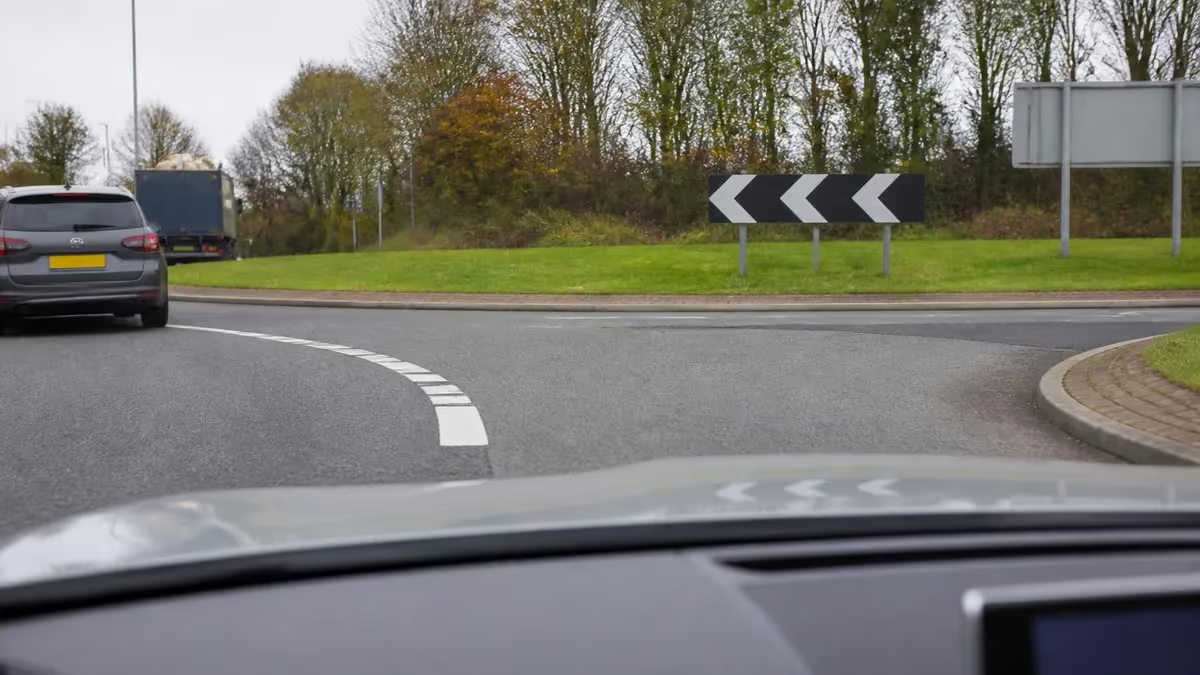
Driving crash courses have become one of the fastest-growing ways UK learners get behind the wheel and onto the road, compressing what traditionally takes six to twelve months into one or two intensive weeks. These courses bundle theory revision, hazard perception practice, practical driving tuition, and a pre-booked DVSA practical test into a single structured programme. For learners who can dedicate concentrated time, the appeal is obvious: faster results, fewer distractions between lessons, and a clearer financial commitment up front rather than a slow drip of weekly fees over many months.
The term covers a wide spectrum of programmes. At one end sit short five-day refresher courses for people who already hold a provisional licence and have some experience, while at the other end you'll find two-week immersive programmes designed for complete beginners who want to go from zero to full licence in a fortnight. Most UK driving schools tier their courses by total hours, typically ranging from 10 hours for confident learners up to 48 hours for absolute beginners, with daily sessions of four to six hours.
Cost is where many learners hesitate. A reputable intensive course in 2026 runs between £900 and £2,400 depending on hours, region, and whether your DVSA practical test fee is included. London, Manchester, and Birmingham command higher prices, while smaller market towns often deliver better value. Before you book, it pays to understand exactly what DVSA expects on test day; reviewing the official requirements via our DVSA Car Practical Test: Complete Guide to Passing First Time walkthrough can save you costly assumptions.
Pass rates for intensive learners are a hotly debated topic. DVSA's national first-time pass rate hovers around 47-49% across all learners, but reputable crash course providers publish first-time rates between 55% and 70%. The reason isn't magic; it's continuity. When you drive every day for ten days, muscle memory builds fast, hazard recognition becomes intuitive, and bad habits don't have a week to settle in. The trade-off is fatigue, mental overload, and the risk that gaps in fundamentals never get properly addressed.
Eligibility is straightforward but non-negotiable. You must hold a valid UK provisional driving licence, have passed your DVSA theory test before you can sit the practical, be able to read a standard number plate from 20 metres, and meet basic medical fitness standards. Some providers will book your theory test as part of the package and even arrange short-notice cancellations to speed things up, but the theory pass must be in hand before the practical is taken.
This guide explains every dimension of choosing, booking, and surviving a UK intensive driving course. We'll cover daily structures, what to bring, red flags to avoid, how examiners assess crash-course candidates, what happens if you fail, and how to make sure the money you invest delivers a licence rather than a refund request. By the end, you'll know whether an intensive course is the right route for you and how to make it work if it is.
Whether you're a 17-year-old eager to drive to college, an adult returning to learning after years of putting it off, or a worker needing a licence quickly for a new job, intensive courses can be significant when matched correctly to your learning style. The key is realistic self-assessment, honest provider research, and accepting that the fast lane still requires you to put in the work.
UK Driving Crash Courses by the Numbers
Key Facts at a Glance
| Item | Value | Details |
|---|---|---|
| Typical Course Length | 5-14 days | From beginner to test |
| Total Course Cost | £900-£2,400 | Hours and region dependent |
| Max Tuition Hours | 48 hrs | Complete beginner package |
| Daily Session Length | 4-6 hrs | Spread morning and afternoon |

Course Types and Hours Explained
Designed for learners with zero road experience. Spans 10-14 days with daily four-hour sessions, manoeuvres practice, and a mock test before your DVSA appointment.
Suited to learners who've had some lessons but stalled. Typically runs over five to seven days, focusing on weak areas, dual-carriageway confidence, and independent driving.
For nearly-test-ready learners who failed once or paused for months. Two to four days of polish on manoeuvres, mock tests, and examiner-route familiarisation.
For non-UK licence holders adjusting to British roads. Covers roundabouts, mini-roundabouts, narrow rural lanes, and DVSA-specific independent-driving requirements.
The real cost of a UK driving crash course extends well beyond the headline figure quoted on a school's website. Most reputable providers itemise their packages clearly, but the all-inclusive numbers you see advertised may or may not include test fees, theory bookings, insurance, fuel surcharges, and rebook protection. A genuinely transparent £1,500 package will state precisely what is and isn't covered; anything vaguer deserves a phone call before you transfer money.
Tuition itself is the biggest cost component. In 2026, hourly intensive rates range from £38 in the North East to £62 in Central London. A 40-hour beginner course at the higher end therefore costs £2,480 in tuition alone before any extras. Crash courses bundle these hours at a small discount per hour compared to weekly lessons, usually saving learners 10-15% versus piecemeal booking, which is one of the legitimate selling points beyond pure speed.
The DVSA practical test fee currently sits at £62 for a weekday slot and £75 for evenings, weekends, or bank holidays. Some schools include this fee in the headline price, others charge it separately, and a small minority will hold your test-fee money in escrow and only book the test once they're confident you're ready. That last approach is actually a good sign because it shows the school cares about your pass result rather than just pushing you through the system.
Theory test costs are another factor. The DVSA fee is £23, and you must pass theory before you can sit practical. If you haven't passed theory yet, expect crash-course providers to include theory revision sessions and sometimes even theory-test booking as part of the package. If you'd rather book it yourself, our walkthrough on DVSA Theory Test Booking: Step-by-Step Guide (2026) covers every step so you don't waste time or money on the wrong slot.
Hidden costs to watch for include car hire for test day (some schools charge £80-£120 extra for this), retest fees if you fail and need to rebook quickly, accommodation if you're travelling to a residential course, and refund handling fees that kick in if you cancel within fourteen days of starting. Always request a written quote with line items rather than accepting a verbal lump sum, and read the cancellation policy twice.
Payment plans are increasingly common. Klarna, Clearpay, and direct school instalment plans split the cost into three to six monthly payments, sometimes interest-free for the first three months. This is genuinely useful for learners on tight budgets, but verify that the school is FCA-registered if they're offering credit themselves, and never feel pressured into signing a finance agreement on the same call you're booking the course.
Finally, factor in the opportunity cost of taking time off work or college. Two solid weeks of daily four-hour sessions means you can't easily hold down a full-time job during the course. Some learners book during annual leave, others use study weeks, and shift workers sometimes split a course across two weekends. Whatever path you choose, the total cost is the course price plus your lost income or holiday allocation, and that bigger picture should drive your decision.
DVSA Practice Test Questions
Prepare for the DVSA - UK Driving Theory Test exam with our free practice test modules. Each quiz covers key topics to help you pass on your first try.
DVSA Eco-Friendly Driving and Vehicle Loading
DVSA Exam Questions covering Eco-Friendly Driving and Vehicle Loading. Master DVSA Test concepts for certification prep.
DVSA Hazard Awareness
Free DVSA Practice Test featuring Hazard Awareness. Improve your DVSA Exam score with mock test prep.
DVSA Incidents, Accidents and First Aid
DVSA Mock Exam on Incidents, Accidents and First Aid. DVSA Study Guide questions to pass on your first try.
DVSA Motorway Rules and Smart Motorways
DVSA Test Prep for Motorway Rules and Smart Motorways. Practice DVSA Quiz questions and boost your score.
DVSA Rules of the Road (Highway Code)
DVSA Questions and Answers on Rules of the Road (Highway Code). Free DVSA practice for exam readiness.
DVSA - UK Driving Theory Hazard Awareness ...
DVSA Mock Test covering - UK Driving Theory Hazard Awareness and Perception. Online DVSA Test practice with instant feedback.
DVSA - UK Driving Theory Motorway Rules an...
Free DVSA Quiz on - UK Driving Theory Motorway Rules and Regulations. DVSA Exam prep questions with detailed explanations.
DVSA - UK Driving Theory Road and Traffic ...
DVSA Practice Questions for - UK Driving Theory Road and Traffic Signs. Build confidence for your DVSA certification exam.
DVSA - UK Driving Theory Rules of the Road
DVSA Test Online for - UK Driving Theory Rules of the Road. Free practice with instant results and feedback.
How to Choose a Driving Crash Course Provider
Every legitimate UK driving instructor must be registered as an Approved Driving Instructor (ADI) with DVSA and display a green badge in the windscreen. A pink badge indicates a Potential Driving Instructor still in training, which isn't necessarily bad but means lower hourly rates should apply. Avoid any school that can't confirm ADI status on request.
School-level credentials matter too. Look for membership of the Driving Instructors Association (DIA), Motor Schools Association (MSA), or Approved Driving Instructor National Joint Council. These bodies enforce conduct codes, handle complaints, and require ongoing professional development. Membership badges should appear on the school website with verifiable membership numbers.
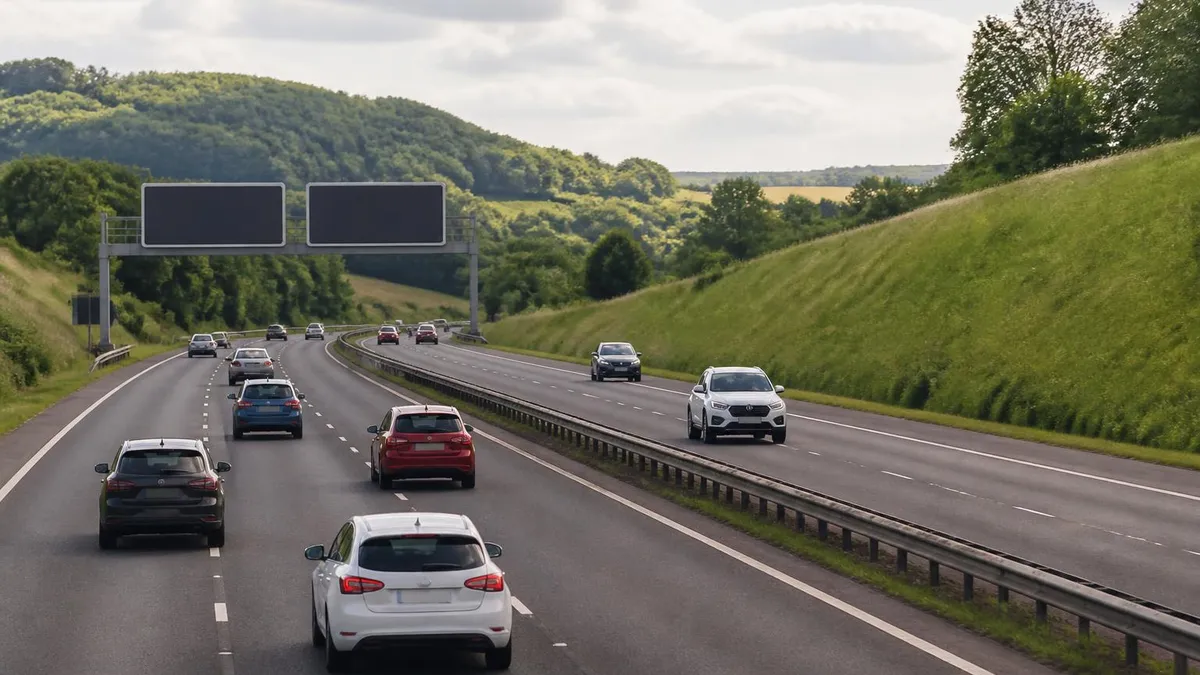
Are Driving Crash Courses Worth It?
- +Achieve a full licence in two weeks rather than six to twelve months
- +Daily repetition builds muscle memory and hazard recognition faster
- +Single upfront cost makes budgeting clearer than weekly lessons
- +Pre-booked practical test means you avoid DVSA appointment backlogs
- +Continuous instructor relationship improves trust and tailored feedback
- +Excellent for adult learners returning after long breaks from driving
- −Concentrated learning can overwhelm nervous or anxious students
- −Bad weather days can wipe out sessions with limited rescheduling options
- −Less time to absorb mistakes between lessons compared to weekly format
- −Higher upfront cost is harder to recover if you need a refund mid-course
- −Some examiners are statistically less generous with intensive candidates
- −Fatigue across consecutive days can affect performance on test day
Pre-Course Checklist Before You Start a Driving Crash Course
- ✓Confirm your provisional UK driving licence is valid and the photo is current
- ✓Pass your DVSA theory test before the first practical session begins
- ✓Have an eyesight check done and be able to read a number plate at 20 metres
- ✓Arrange time off work or college covering every scheduled course day
- ✓Read and sign the school's terms, cancellation policy, and refund conditions
- ✓Save instructor contact details and emergency rescheduling phone numbers
- ✓Pack a packed lunch, water bottle, and comfortable flat-soled driving shoes
- ✓Download the school's recommended hazard perception app for evening revision
- ✓Confirm practical test date, centre location, and arrival time in writing
- ✓Book a backup hotel or transport plan if your test centre is more than an hour away
Don't skip the mock test the night before
Learners who treat the final evening as a rest day often underperform on test day because hazard perception decays quickly without practice. Spend 45 minutes on a full mock test, then sleep eight hours and arrive an hour before your slot.
Understanding the daily structure of a UK intensive driving course helps you prepare mentally for what's actually a demanding fortnight. Most reputable schools follow a consistent rhythm that balances cockpit time, classroom theory, mock tests, and crucial rest periods. The first two days focus on cockpit drill, controls familiarisation, moving off and stopping smoothly, and basic junctions in quiet residential areas. Even experienced learners benefit from this reset because intensive instructors will spot bad habits within the first hour.
Days three through five typically expand into busier urban environments, introducing roundabouts, mini-roundabouts, multi-lane junctions, and gradual exposure to higher speed limits. By midweek you should be comfortable changing lanes, anticipating traffic light sequences, and reading pedestrian behaviour. Instructors progressively reduce their verbal guidance, expecting you to anticipate hazards rather than react to them. This shift from reactive to proactive driving is the single biggest skill jump in any crash course.
The second week brings the elements most learners find hardest: dual carriageways, country roads with national speed limits, complex one-way systems, and independent driving following sat-nav or signs without instructor prompting. By day eight you should be completing thirty-minute independent drives with minimal intervention. If you're still struggling, a responsible school will postpone the test rather than send you to almost-certain failure. The willingness to delay a booked test is actually one of the strongest signs of a quality provider.
Manoeuvres get dedicated sessions throughout the course. The four DVSA-tested manoeuvres are parallel parking, bay parking forward, bay parking reverse, and pulling up on the right then reversing two car lengths. Expect to practise each at least eight to ten times before test day. Show-me-tell-me vehicle safety questions also feature in every session because they're worth a minor fault on test if answered incorrectly, and they're entirely predictable from the DVSA published list.
Mock tests in the final two days simulate real DVSA conditions: a different instructor where possible, formal language only, no helpful prompts, and route choices similar to your local test centre. Treat mocks as if they're real because the mental rehearsal pays dividends on the actual day. Many schools film these mocks for review, which feels uncomfortable but reveals tiny habits you don't notice in real time, such as drifting hand positions or insufficient mirror checks at junctions.
If you need to change anything about your test booking partway through, your instructor can usually help, but the official route via the Change Theory Test Booking: Step-by-Step DVSA Guide covers theory-side adjustments. Practical test changes follow a similar DVSA portal flow with three working days' notice required to avoid losing the fee, so flag any concerns to your instructor as early as day three rather than waiting until the final weekend.
Rest, hydration, and sleep are non-negotiable across the course. Driving for four to six hours daily uses surprising amounts of mental energy, and learners who sacrifice sleep to revise theory often perform worse on the practical because fatigue degrades hazard perception faster than almost any other factor. Eight hours of sleep, a proper breakfast, and a calm morning routine beat any last-minute cramming the night before test day.
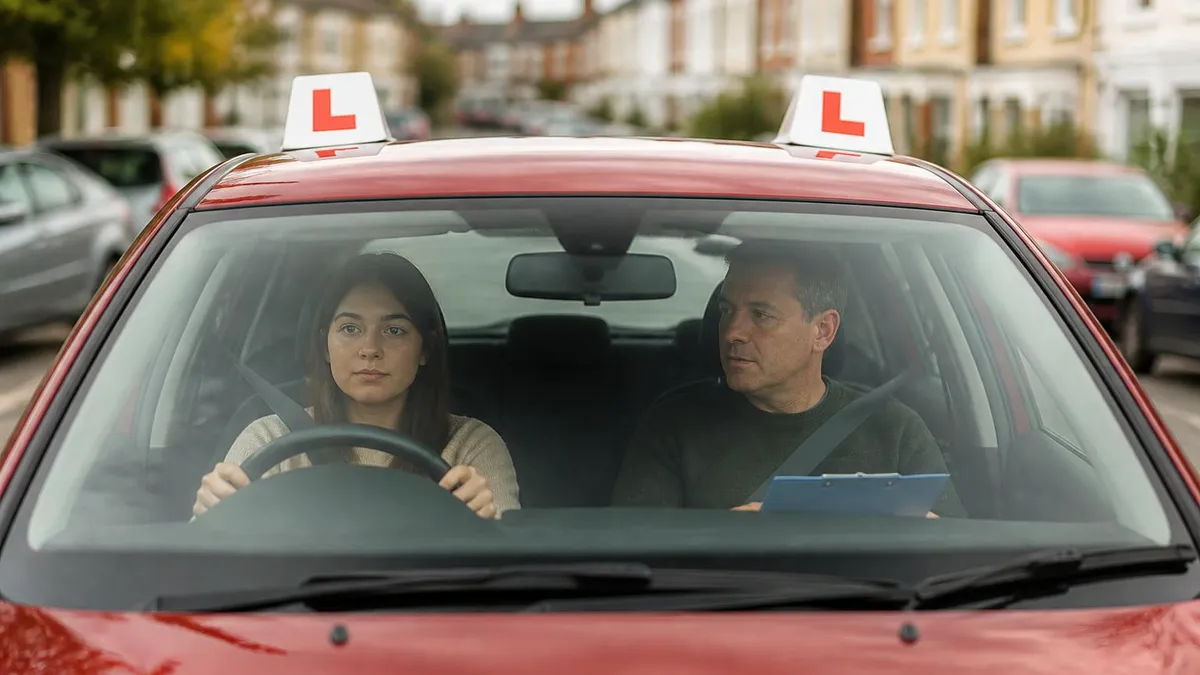
If you cancel your practical test with fewer than three clear working days' notice, you forfeit the full DVSA fee. Bank holidays don't count as working days. Always confirm your test date in writing with your school the moment it's booked and add it to two calendars.
Test day itself is where months of decision-making and two weeks of intensive training come together, and your approach to those two hours matters as much as the driving itself. Arrive at the test centre forty-five minutes early to settle your nerves, use the toilet, and run through your show-me-tell-me questions with your instructor. Most centres have a small waiting area where you can sit quietly; some have outdoor benches. Either way, avoid the temptation to scroll your phone aimlessly because it spikes anxiety and dries your eyes for the long drive ahead.
The examiner will call your name, check your provisional licence and theory pass certificate, and ask you to sign an insurance declaration. They'll then ask you to read a number plate from twenty metres in the car park; this is the eyesight test and failing it ends the entire appointment immediately. Wear your usual glasses or contacts if you need them, and don't be embarrassed to ask for the plate to be re-read if a car blocks your view briefly.
Inside the car, you'll be asked one tell-me question before driving and one show-me question while driving. Common tell-me questions include opening the bonnet and explaining oil checks, demonstrating brake pedal pressure, and pointing out where to check tyre tread depth. Show-me questions ask you to demonstrate something while moving, such as operating the rear demister or washing the windscreen. Get a single answer wrong and you collect one minor fault; get both wrong and it's still just one fault, so don't panic about either.
The drive itself lasts roughly forty minutes, including around twenty minutes of independent driving following either a sat-nav provided by the examiner or traffic signs. Examiners will instruct you to perform one manoeuvre randomly chosen from the four DVSA options, and roughly one in three tests now includes an emergency stop demonstration. Stay calm if you take a wrong turn; the examiner won't penalise you for navigation errors as long as you handle the recovery safely.
Minor faults, formally called driving faults, are forgivable up to fifteen across the test. Sixteen or more equals a fail. Any single serious or dangerous fault also fails the test regardless of how few minors you've collected. Common serious faults include rolling backward at hill starts, crossing solid white lines, and failing to check mirrors before changing lanes. Continuous safe observation and smooth, deliberate inputs prevent the vast majority of serious faults.
If you fail, you'll receive a printed fault sheet detailing every mark and an explanation from the examiner. Don't argue, don't cry in the car, and don't immediately rebook in anger. Most crash-course schools include a debrief session with your instructor to plan two or three targeted lessons before a retest, which DVSA allows you to book ten working days later. Pass rates on second attempts within four weeks are statistically higher than first attempts, so a fail is rarely the end of the road.
If you pass, the examiner hands you a pass certificate and asks whether you want them to send your provisional licence to DVSA for automatic upgrade to a full licence. Say yes; it's free, takes around three weeks, and means you can drive unaccompanied immediately using the pass certificate as proof. Congratulations are in order, and the £1,500 you spent suddenly feels like a bargain compared to taxis, lift shares, and the freedom you've just unlocked for the next sixty years.
Final preparation tips separate the learners who pass first time from those who collect retest fees. The single most valuable habit is keeping a daily driving journal across the two-week course. After each session, spend five minutes writing what went well, what your instructor flagged, and one specific thing to improve tomorrow. This deliberate reflection accelerates learning more than any extra hour behind the wheel because it forces your brain to consolidate lessons rather than blur them together into a fortnight-long haze.
Familiarise yourself with the specific test centre routes before the practical. DVSA no longer publishes official test routes, but YouTube creators and local Facebook groups have extensively documented common routes around most UK test centres. Ask your instructor to drive these routes with you in the final three days. You're not memorising turn-by-turn directions because the examiner can choose any route, but you'll recognise the tricky roundabouts, awkward junctions, and high-risk lane-change zones that recur on most routes.
Hazard perception remains the skill examiners scrutinise most heavily, and it's also the one most easily improved through deliberate practice. Spend fifteen minutes every evening on hazard clips, focusing on the moment you'd realistically respond rather than spamming clicks. Your free time between sessions is also better invested in five-minute videos of dashcam footage than in social media; this passive observation primes your visual scanning for the next day's drive without adding to your fatigue load.
Manage your nerves with simple breathing techniques rather than caffeine. A four-second inhale, seven-second hold, eight-second exhale repeated three times before pulling away from the test centre measurably lowers heart rate and improves decision-making. Avoid energy drinks and large coffees on test morning because the jittery hands and shallow breathing they cause undermine smooth clutch control and steering inputs more than tiredness alone would.
Communicate openly with your instructor throughout the course. If you're confused about a manoeuvre, say so on day three rather than discovering on day twelve that you've been doing it wrong. Good instructors welcome questions; they prefer addressing weakness early to discovering it five minutes before your test. If your instructor seems impatient with questions or rushes you through topics, raise it with the school manager rather than suffering in silence. You're paying for tuition, not endurance.
If you want extra theory and hazard practice between sessions, our free Practice Theory Test: Free UK Driving Practice (2026) covers all official DVSA topics with explanations and instant feedback. Twenty minutes per evening across the course delivers genuine improvement on both your theory recall and your practical hazard recognition, because the same scanning skills underpin both elements of the licensing process.
Finally, on the morning of your test, eat a proper breakfast with protein and complex carbohydrates, dress in layers because test centres vary in temperature, wear flat shoes with thin soles for proper pedal feel, and leave your house an hour earlier than feels necessary. Traffic, parking, and last-minute toilet stops conspire against the unprepared, and arriving rushed has ended more first-time attempts than any single driving fault. Calm, prepared, well-rested learners pass; everyone else gambles.
Sample DVSA UK Driving Theory Practice Questions
Try these questions from our free DVSA UK Driving Theory practice tests. The correct answer and an explanation follow each question.
A casualty at a crash scene is in shock. Which of these symptoms would you expect?
- A. A slow, strong pulse and flushed skin
- B. Rapid, weak pulse and pale, cold, clammy skin
- C. High body temperature and fast breathing only
- D. Dilated pupils and very slow breathing
Answer: B. Rapid, weak pulse and pale, cold, clammy skin
Shock is characterised by a rapid, weak pulse, pale and clammy skin, rapid breathing, and a feeling of faintness.
How does smooth, anticipatory driving reduce environmental impact compared to aggressive driving?
- A. It only reduces noise pollution, not exhaust emissions
- B. It reduces both fuel consumption and exhaust emissions by minimising unnecessary acceleration and braking
- C. It makes no difference to the environment
- D. It increases CO2 output because the engine runs longer
Answer: B. It reduces both fuel consumption and exhaust emissions by minimising unnecessary acceleration and braking
Smooth, planned driving reduces the number and severity of acceleration and braking events, directly lowering fuel burn and harmful exhaust emissions.
What colour are direction signs on primary routes (most A-roads) in the UK?
- A. Blue
- B. White
- C. Green
- D. Brown
Answer: C. Green
Primary route signs use a green background with white text, indicating A-roads and major through routes.
What does a 'No Entry' sign look like?
- A. A red triangle containing a white horizontal bar
- B. A red circle containing a white horizontal bar
- C. A blue circle with a white arrow pointing left
- D. A yellow triangle with a black cross inside
Answer: B. A red circle containing a white horizontal bar
The 'No Entry' sign is a red-filled circle with a white horizontal bar, prohibiting vehicles from entering.
DVSA Questions and Answers

About the Author

Licensed Driving Instructor & DMV Test Specialist
Penn State UniversityRobert J. Williams graduated from Penn State University with a degree in Transportation Management and has spent 20 years as a certified driving instructor and DMV examiner consultant. He has personally coached thousands of applicants through written knowledge tests, skills assessments, and commercial driver licensing programs across more than 30 states.