
CPR Certification Las Vegas: Complete Guide to ACLS Algorithm, PALS, and Life Support Training in 2026 September
Get CPR certification in Las Vegas — ACLS algorithm, PALS, infant CPR, AED training. Find classes, costs, and requirements for 2026 September. 🆕
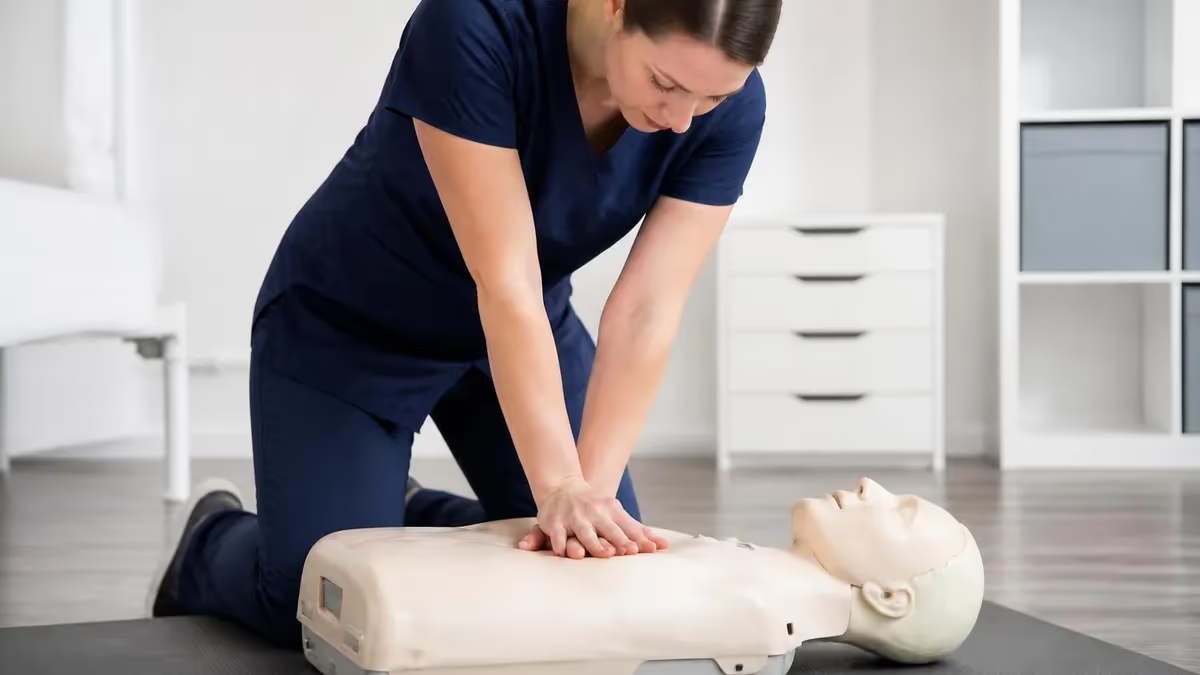
The ACLS algorithm sits at the heart of every advanced resuscitation protocol, and for Las Vegas residents who work in healthcare, hospitality, gaming, or public safety, mastering it through formal cpr certification las vegas training is both a professional necessity and a lifesaving skill.
Las Vegas hosts millions of visitors each year, runs one of the largest concentrations of hotel and entertainment staff in the United States, and operates a sprawling healthcare system across Southern Nevada — meaning demand for certified responders has never been higher. Whether you are a first-time learner or renewing an expiring card, understanding your local options puts you on the fastest path to certification.
Las Vegas offers a wide ecosystem of training providers, from American Heart Association-authorized training centers on the Strip to community organizations in Henderson, Summerlin, and North Las Vegas. Course formats range from fully in-person skills sessions to blended online-plus-skills hybrid programs, so scheduling around shift work or irregular hours is genuinely manageable. Most basic CPR and AED courses run two to four hours, while advanced certifications like ACLS and PALS require a full day or a multi-day commitment depending on your prior knowledge and the specific curriculum you choose.
Understanding what each certification level covers before you enroll saves both time and money. A basic Heartsaver CPR/AED course teaches chest compressions, rescue breathing, and AED operation for adult, child, and infant victims. A Basic Life Support (BLS) course adds team-based resuscitation scenarios and is typically required for nurses, paramedics, and other clinical staff. Advanced Cardiovascular Life Support builds on BLS by incorporating the full ACLS algorithm, medication protocols, rhythm interpretation, and post-cardiac arrest care — skills critical for physicians, advanced practice providers, and emergency personnel throughout Las Vegas hospitals and clinics.
PALS certification targets pediatric emergencies specifically, teaching providers how to recognize and manage respiratory distress, shock, and cardiac arrest in children and infants. Understanding infant CPR technique — including the two-finger chest compression method and proper head-tilt positioning for small airways — is a core component of both PALS and standard pediatric courses. Las Vegas hospitals, pediatric clinics, and childcare facilities routinely require staff to hold current PALS cards, making this one of the most in-demand certifications in the metro area alongside standard BLS renewal.
Knowing what does AED stand for helps clarify why the device appears in virtually every public space on the Las Vegas Strip. Automated External Defibrillator — AED — is a portable device that analyzes heart rhythm and delivers an electric shock when it detects ventricular fibrillation or pulseless ventricular tachycardia, the two rhythms most likely to respond to defibrillation. Nevada law requires AEDs in casinos, hotels over a certain size, and many public venues, so hospitality and security staff routinely include AED training as a mandatory component of their employment onboarding process throughout Clark County.
Life support training in Las Vegas also encompasses recovery position techniques, which are especially relevant for bystanders who encounter an unconscious but breathing victim. Placing a person in the correct position recovery keeps the airway open and reduces the risk of aspiration while waiting for emergency medical services. This skill is taught in every comprehensive CPR course and represents a critical bridge between initial assessment and definitive care, particularly in large-venue settings where EMS response times may be longer than in residential areas.
This guide walks you through every major aspect of CPR certification in Las Vegas: costs, class formats, provider options, renewal timelines, and how to prepare for both written knowledge checks and hands-on skills evaluations. Use the navigation links below to jump directly to the section most relevant to your goals, whether that is first-time certification, advanced life support training, or understanding how Las Vegas-specific regulations affect your requirements.
CPR Certification Las Vegas by the Numbers
Key Facts at a Glance
| Item | Value | Details |
|---|---|---|
| Course Cost Range | $65–$325 | Basic CPR to full ACLS |
| Class Duration | 2–8 hrs | BLS to advanced credentials |
| Certification Validity | 2 Years | AHA BLS, ACLS, and PALS |
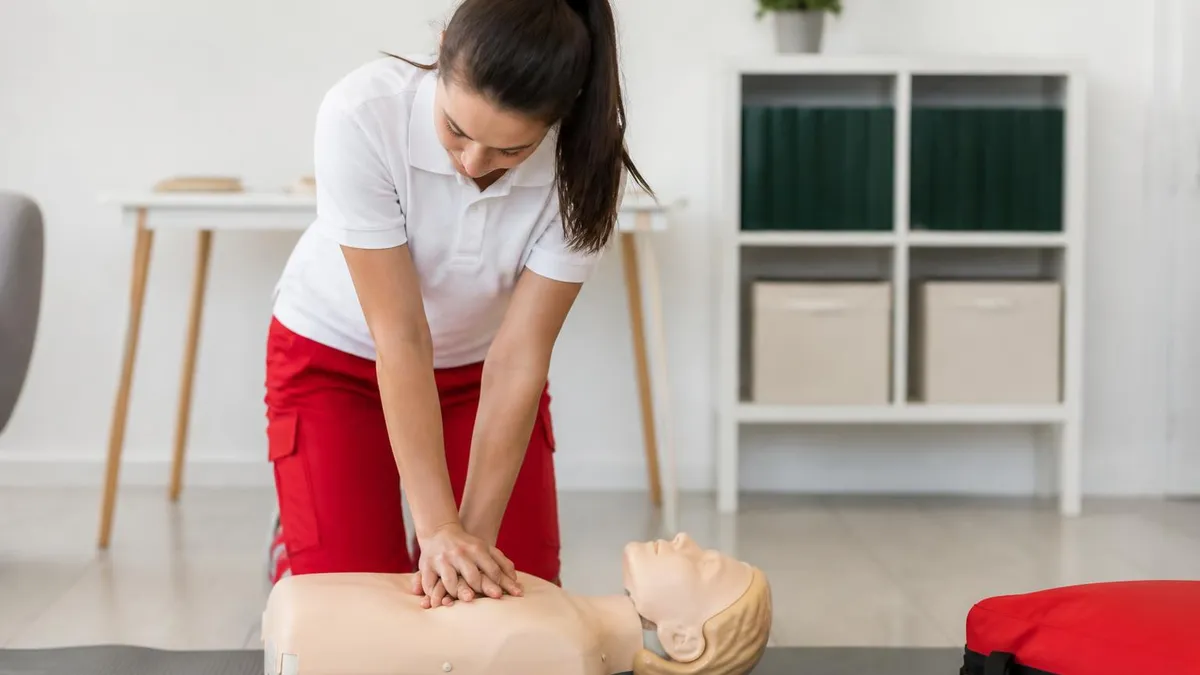
How to Get CPR Certified in Las Vegas
Choose Your Certification Level
Select a Format — In-Person or Hybrid
Register and Complete Pre-Course Work
Attend and Pass the Skills Station
Receive Your Certification Card
The cost of CPR certification in Las Vegas varies considerably depending on the certification level, the training organization, and whether you choose in-person or hybrid delivery. Basic Heartsaver CPR/AED courses through community organizations, fire departments, or employer-sponsored programs often run between $50 and $75 per person, while private training centers authorized by the American Heart Association or American Red Cross typically charge $65 to $95 for the same credential. Group rates for businesses can reduce per-person costs further, making it practical for hotels, casinos, and healthcare staffing agencies to certify entire departments at once.
BLS Provider certification — the standard clinical credential required by most Nevada hospitals, outpatient clinics, and allied health programs — generally costs between $75 and $120 at authorized Las Vegas training centers. The National CPR Foundation and similar online-hybrid providers sometimes offer lower prices for the cognitive portion, but bear in mind that any AHA or Red Cross BLS card requires in-person skills verification regardless of how the didactic content is delivered. Employers in the healthcare sector often reimburse BLS certification costs or cover them entirely as part of onboarding packages.
ACLS and PALS certification represent the highest cost tier for Las Vegas providers. Initial ACLS certification typically runs $175 to $325, reflecting the longer class time, more complex simulation scenarios, and higher instructor-to-student ratios required by the curriculum. PALS initial certification falls in a similar range, often $175 to $290.
Renewal courses for both credentials cost somewhat less — usually $130 to $220 — because participants are expected to arrive with foundational knowledge already in place. Some larger hospital systems in Las Vegas, including those operated by major health networks, conduct ACLS and PALS training in-house at no direct charge to employed providers.
When budgeting for certification, factor in more than the course fee alone. Parking at training centers near the Strip can add $10 to $20 to your expense. If your employer requires a specific card type — for instance, an AHA BLS card rather than a Red Cross equivalent — confirm compatibility before paying, since not all employers accept all issuing organizations. Some Las Vegas nursing schools and allied health programs also stipulate that students obtain certification through specific providers as part of their clinical admission requirements, so double-check those details early in your planning process.
Free and low-cost CPR training options do exist throughout Clark County. The American Heart Association periodically offers community training events and partners with local fire stations to provide no-cost Hands-Only CPR instruction. Nevada Health Centers and several nonprofit organizations host subsidized BLS courses for low-income residents, childcare workers, and school staff. While these programs typically do not yield the formal certification card required by clinical employers, they represent genuine lifesaving education for community members who want to be prepared for a cardiac emergency at home, in a public space, or on a crowded casino floor.
Online-only CPR certificates — the kind issued by platforms that have no skills component — are not accepted by Nevada-licensed healthcare facilities, the Nevada State Board of Nursing, or most employer credentialing offices. This is a critical distinction because internet searches for CPR certification can surface sites offering completion certificates after nothing more than a video quiz. The AHA, the Red Cross, and the American Safety and Health Institute all require a hands-on skills evaluation conducted by a certified instructor, and their cards include specific security features and verifiable ID numbers that distinguish them from unaccredited online-only credentials.
For Las Vegas residents who need rapid recertification after a card expiration, several training centers offer same-day or next-day scheduling for renewal courses. Renewal is generally shorter than initial certification — a BLS renewal session typically runs two to three hours — because participants review material they already know and demonstrate continued competency at the skills stations. Some providers allow online check-in and pre-payment to streamline the process further, which is particularly convenient for traveling healthcare workers and travel nurses who rotate through Las Vegas assignments on short notice.
CPR Practice Test Questions
Prepare for the CPR Cardiopulmonary Resuscitation Practice exam with our free practice test modules. Each quiz covers key topics to help you pass on your first try.
CPR Basic CPR
CPR Exam Questions covering Basic CPR. Master CPR Test concepts for certification prep.
CPR and First Aid
Free CPR Practice Test featuring and First Aid. Improve your CPR Exam score with mock test prep.
CPR (Cardiopulmonary Resuscitation) Adult ...
CPR Mock Exam on (Cardiopulmonary Resuscitation) Adult CPR and AED Usage. CPR Study Guide questions to pass on your first try.
CPR (Cardiopulmonary Resuscitation) Airway...
CPR Test Prep for (Cardiopulmonary Resuscitation) Airway Obstruction and Choking. Practice CPR Quiz questions and boost your score.
CPR (Cardiopulmonary Resuscitation) Cardio...
CPR Questions and Answers on (Cardiopulmonary Resuscitation) Cardiopulmonary Emergency Recognition. Free CPR practice for exam readiness.
CPR (Cardiopulmonary Resuscitation) Child ...
CPR Mock Test covering (Cardiopulmonary Resuscitation) Child and Infant CPR. Online CPR Test practice with instant feedback.
CPR (Cardiopulmonary Resuscitation) High-P...
Free CPR Quiz on (Cardiopulmonary Resuscitation) High-Performance Team Dynamics. CPR Exam prep questions with detailed explanations.
CPR (Cardiopulmonary Resuscitation) Legal ...
CPR Practice Questions for (Cardiopulmonary Resuscitation) Legal and Ethical Considerations. Build confidence for your CPR certification exam.
CPR for Specific Populations
CPR Test Online for for Specific Populations. Free practice with instant results and feedback.
CPR Airway & Breathing Management
CPR Exam Questions covering Airway & Breathing Management. Master CPR Test concepts for certification prep.
CPR Assessment & Recognition of Cardiac Ar...
Free CPR Practice Test featuring Assessment & Recognition of Cardiac Arrest. Improve your CPR Exam score with mock test prep.
CPR Chest Compressions & Defibrillation
CPR Mock Exam on Chest Compressions & Defibrillation. CPR Study Guide questions to pass on your first try.
CPR Post-Resuscitation Care & Recovery
CPR Test Prep for Post-Resuscitation Care & Recovery. Practice CPR Quiz questions and boost your score.
ACLS Algorithm and Advanced Life Support Training in Las Vegas
The ACLS algorithm is a structured decision tree that guides advanced providers through cardiac arrest, tachycardia, bradycardia, and post-cardiac arrest care. In Las Vegas training centers, students work through the full pulseless arrest algorithm — which branches based on whether the rhythm is shockable (ventricular fibrillation or pulseless ventricular tachycardia) or non-shockable (asystole or pulseless electrical activity). Providers learn to integrate CPR cycles, rhythm checks, defibrillation timing, and vasopressor administration into a coordinated team response that maximizes the chance of return of spontaneous circulation.
Mastering the ACLS algorithm also requires fluency with airway management, including bag-mask ventilation, supraglottic airway insertion, and waveform capnography interpretation. Las Vegas providers working in emergency departments, intensive care units, or cardiac catheterization labs must demonstrate not only correct algorithm sequencing but also effective team communication, role clarity, and closed-loop confirmation of orders. AHA ACLS courses in Las Vegas use high-fidelity simulation mannequins and scenario-based debriefs to build this integrated competency before participants encounter real emergencies.
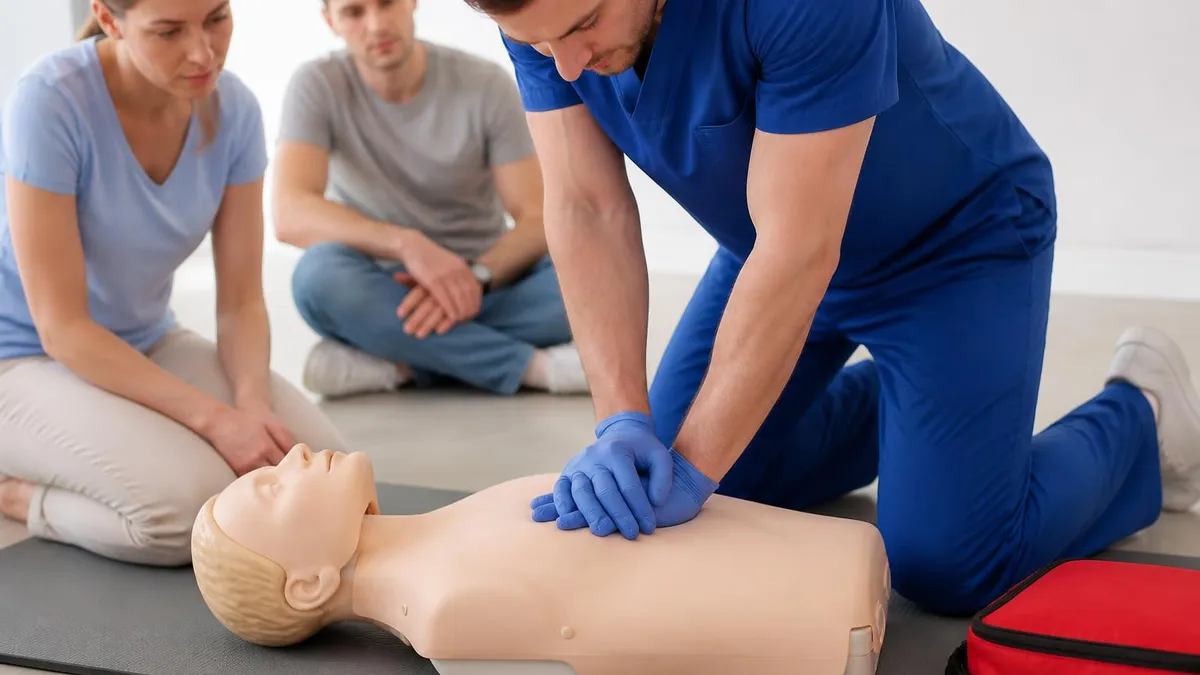
In-Person vs. Online-Hybrid CPR Certification: Which Is Right for You?
- +Hybrid courses reduce total on-site time to 60–90 minutes for busy shift workers
- +Fully in-person classes allow immediate Q&A and direct instructor feedback during skills practice
- +AHA eCards from hybrid courses are instantly verifiable by Las Vegas employers online
- +In-person group sessions build team coordination skills useful for clinical environments
- +Hybrid format lets you learn compression ratios and AED protocols at your own pace before the skills day
- +Same-day digital card issuance from many hybrid providers eliminates mail wait times
- −Hybrid courses require reliable internet and a device to complete online modules before class
- −Fully in-person schedules are less flexible and may conflict with 24-hour shift rotations
- −Online-only certificates (no skills component) are universally rejected by Nevada healthcare employers
- −Some Las Vegas employers specify AHA cards only, excluding Red Cross or ASHI equivalents
- −Group discount rates require minimum enrollment numbers that small practices may not meet
- −Renewal deadlines can sneak up on providers, leading to expensive lapsed-card scenarios
CPR Certification Renewal Checklist for Las Vegas Providers
- ✓Check your current card expiration date and note whether it expires within the next 90 days.
- ✓Confirm whether your employer requires an AHA, Red Cross, or ASHI-issued card specifically.
- ✓Register for a renewal course at least three weeks before your card expires to avoid a lapse.
- ✓Complete all online pre-course modules for hybrid BLS, ACLS, or PALS before the skills day.
- ✓Bring your current certification card to class — instructors may request it for renewal eligibility.
- ✓Review the ACLS algorithm decision trees for shockable and non-shockable rhythms before ACLS renewal.
- ✓Practice 30:2 compression-to-ventilation ratio on a mannequin or cushion before your skills session.
- ✓Confirm the training center is an authorized AHA Training Site to ensure card acceptance by Nevada employers.
- ✓Request your eCard or physical card within 24 hours of course completion and save the digital copy.
- ✓Update your employee or licensing credentialing record with the new card number and expiration date immediately after renewal.
Nevada Good Samaritan Law Protects CPR Responders
Nevada Revised Statute 41.500 shields any person who renders CPR or uses an AED in good faith during a medical emergency from civil liability, provided they do not act with gross negligence. This protection applies to both certified and uncertified bystanders, meaning Las Vegas casino employees, hotel staff, and tourists who step in during a cardiac emergency are legally protected when they act reasonably and in good faith to help the victim.
Infant CPR is one of the most emotionally charged and technically precise skills taught in any CPR curriculum, and Las Vegas providers working in pediatric units, neonatal intensive care, childcare facilities, or as new parents frequently seek this training specifically.
The fundamental difference between infant and adult CPR begins with assessment — you check for responsiveness in an infant by tapping the foot rather than shaking the shoulders, and you call 911 after providing two minutes of CPR first (rather than before starting CPR) when you are alone with an unresponsive infant, because respiratory causes are far more common in pediatric arrest than in adults.
Compression technique for infants requires two fingers placed on the lower half of the sternum, just below the nipple line, rather than the two-hand technique used for adults. Depth should reach at least 1.5 inches — approximately one-third of the infant's chest diameter — at a rate of 100 to 120 compressions per minute, the same rate as for adult victims. Full chest recoil between compressions is essential and often undertrained; providers must consciously lift their fingers slightly off the sternum after each compression to allow the heart to refill before the next compression cycle begins.
Respiratory rate monitoring plays an important role in infant assessment both before and after resuscitation. The normal respiratory rate for a newborn is 40 to 60 breaths per minute, declining to 30 to 40 for infants and 20 to 30 for toddlers — ranges that differ dramatically from the adult normal of 12 to 20 breaths per minute. Recognizing abnormal respiratory rate patterns, including tachypnea (elevated rate signaling respiratory distress) and bradypnea or apnea (reduced or absent rate signaling impending respiratory failure), is a core PALS competency that Las Vegas pediatric providers practice extensively during simulation scenarios.
Rescue breathing for infants differs from adult technique in two important ways. First, you cover both the infant's mouth and nose with your mouth during ventilation, rather than pinching the nose and sealing only the mouth as you would for an adult.
Second, you deliver just enough air to cause visible chest rise — typically a small puff lasting about one second — because over-ventilating an infant can cause gastric inflation, regurgitation, and aspiration, all of which complicate the resuscitation. Las Vegas instructors emphasize this subtlety because the instinct to breathe forcefully for a small, limp infant is strong and counterproductive.
Two-rescuer infant CPR uses the two-thumb-encircling-hands technique when a second provider is present, which research shows generates higher coronary perfusion pressure than the two-finger method used by a single rescuer. One provider encircles the infant's chest with both hands and uses both thumbs side by side over the sternum, while the second provider manages the airway and delivers ventilations. This technique is standard in Las Vegas neonatal and pediatric intensive care units and is tested during PALS and Neonatal Resuscitation Program (NRP) skills evaluations throughout Southern Nevada hospitals.
Foreign body airway obstruction in infants requires a different response than the Heimlich maneuver used for adults and older children. For a conscious choking infant, Las Vegas instructors teach five back blows delivered with the heel of the hand between the shoulder blades, followed by five chest thrusts performed with two fingers on the center of the chest — alternating these two sequences until the object is expelled or the infant loses consciousness.
Never perform abdominal thrusts on an infant; the liver is proportionally large and positioned much higher than in an adult, creating a high risk of organ laceration with even moderate abdominal pressure.
Parents and caregivers who complete infant CPR training in Las Vegas often report that the hands-on practice component — working through scenarios on infant-sized mannequins — is what solidifies their confidence most. Cognitive knowledge about compression depth or rescue breath volume is easy to forget under stress, but muscle memory developed through repeated practice is far more durable.
Las Vegas training centers offering pediatric CPR courses typically encourage parents to take a refresher course every year rather than waiting the full two-year renewal cycle, precisely because the emotional stakes of a family emergency are so much higher than a workplace response.
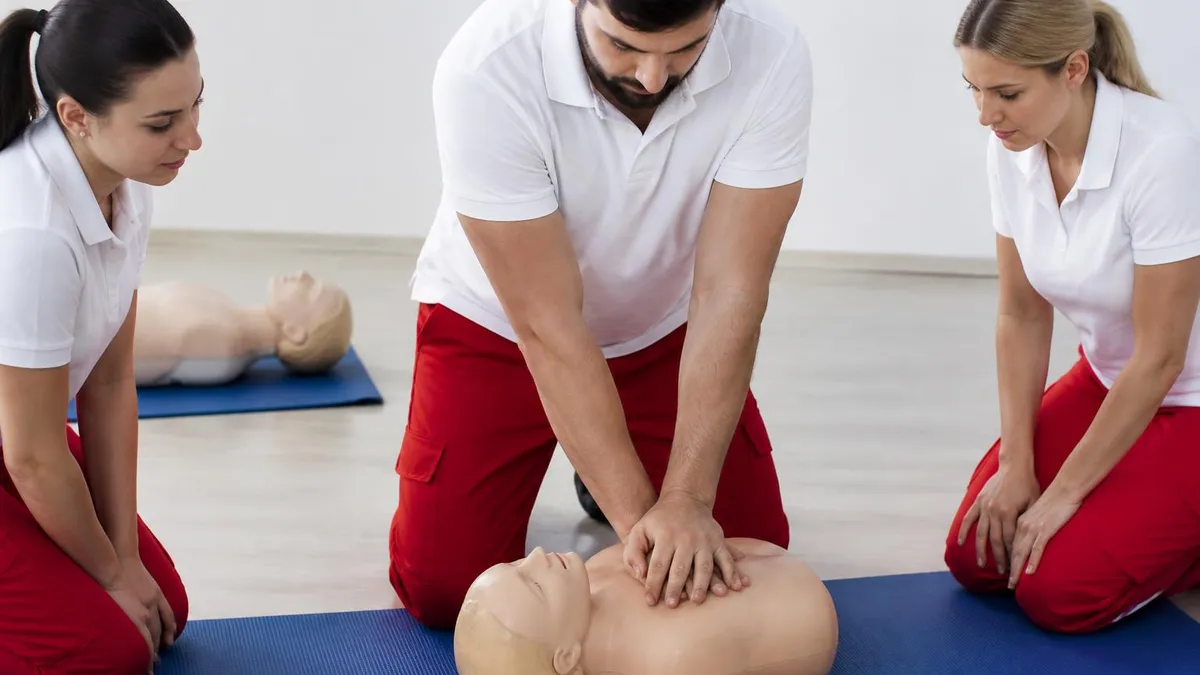
Many Las Vegas hospitals and staffing agencies require a valid CPR card with at least 30 days remaining before they will accept an assignment or approve a credentialing renewal. A lapsed card — even by one day — may require completing an initial certification course rather than a shorter renewal course, doubling your time and cost. Schedule your renewal course at least 60 to 90 days before your expiration date to give yourself scheduling flexibility and avoid gaps in your employment eligibility.
Preparing for the written knowledge component of your CPR certification course in Las Vegas requires focused review of several core topic areas, regardless of whether you are pursuing basic BLS, ACLS, or PALS credentials. The AHA's written assessments for ACLS and PALS are closed-book and typically consist of 50 multiple-choice questions with a passing threshold of 84 percent — meaning you can miss no more than eight questions on a 50-question exam. Understanding which content areas carry the most questions is the most efficient way to allocate your study time in the days before your scheduled class.
Rhythm recognition is consistently the highest-yield topic on ACLS written assessments. You need to reliably identify sinus rhythm, sinus bradycardia, sinus tachycardia, atrial fibrillation, atrial flutter, first-degree and second-degree (Mobitz I and II) AV blocks, third-degree AV block, supraventricular tachycardia, ventricular tachycardia, ventricular fibrillation, and asystole on a six-second rhythm strip. Las Vegas instructors recommend using flashcard-based rhythm drills in the week before class, cycling through strips until identification is automatic rather than deliberate. Several free mobile apps offer ECG rhythm libraries specifically designed for ACLS preparation.
The pharmacology section of ACLS covers epinephrine (1 mg IV/IO every 3 to 5 minutes for cardiac arrest), amiodarone (300 mg IV/IO for first dose, 150 mg for second dose in refractory VF/pVT), adenosine (6 mg then 12 mg for stable SVT), atropine (0.5 mg IV for symptomatic bradycardia, up to 3 mg total), and dopamine or epinephrine infusions for refractory bradycardia. Memorizing these doses and their indications — not just the drug names — is essential because exam questions frequently present a clinical scenario and ask which drug and dose is appropriate given the rhythm and patient condition described.
Post-cardiac arrest care has grown significantly in both clinical importance and examination weight over recent ACLS course updates. Key concepts include targeted temperature management (maintaining 32 to 36 degrees Celsius for 24 hours after return of spontaneous circulation in comatose survivors), avoiding hyperoxia (targeting SpO2 of 94 to 99 percent rather than 100 percent), optimizing hemodynamics with a target MAP of 65 mmHg or higher, and arranging emergent coronary angiography for patients with suspected cardiac cause. Las Vegas providers working in post-cardiac arrest ICU care will encounter these protocols daily, making them worth thorough review even beyond the examination context.
Practice tests are among the most effective tools available for ACLS and PALS preparation, and using them strategically — rather than simply completing them once — maximizes their benefit.
After each practice session, review every question you missed, read the rationale for the correct answer, and identify whether your error was a knowledge gap (you did not know the fact) or a reasoning gap (you knew the facts but applied them incorrectly). Knowledge gaps require additional content review; reasoning gaps benefit more from additional scenario practice, where you work through clinical vignettes that require synthesizing multiple pieces of information to reach the correct management decision.
The skills station evaluation at Las Vegas ACLS courses tests your ability to lead a simulated resuscitation team through a cardiac arrest scenario. You will be expected to direct compressions, call for rhythm checks at appropriate intervals, order correct medications with doses, defibrillate at correct energy levels, manage airway decisions, and communicate clearly with your simulated team — all while maintaining correct algorithm sequencing.
Practicing out loud, even alone, builds the verbal fluency and decisiveness that instructors look for, and reviewing the AHA ACLS provider manual's algorithm cards immediately before your skills day is one of the most reliable last-minute preparation strategies available to Las Vegas providers.
For those pursuing certification for the first time, the most important mindset shift is recognizing that CPR certification courses are designed to be passed, not failed — instructors want to send competent, confident responders back into the community. Ask questions during the cognitive sessions, request additional practice time at skills stations if you feel uncertain, and take advantage of the feedback your instructor provides after each simulation.
Las Vegas training centers are experienced at working with learners at all skill levels, from seasoned emergency physicians renewing ACLS to community members earning their first Heartsaver card, and the instructional approach is calibrated to build genuine competency rather than simply check a box on an employment form.
Understanding the role of AEDs in Las Vegas's public safety infrastructure helps both clinical and non-clinical providers appreciate why AED training is embedded in every CPR course from basic Heartsaver through advanced ACLS. The question of what does AED stand for — Automated External Defibrillator — points to the device's core function: it automates the analysis and delivery of defibrillation, removing the need for a provider to interpret the ECG and manually select an energy dose.
This automation makes the device genuinely usable by trained bystanders, hotel security staff, and casino floor employees who encounter a victim in cardiac arrest and need to act within the critical first minutes before EMS arrives.
Nevada's public access defibrillation requirements mandate AED placement in casinos, large hotels, convention centers, and many other high-occupancy public venues across Las Vegas and Clark County. The law also requires that designated staff members at these facilities receive training in AED operation, creating a large and ongoing training demand in the hospitality sector that drives enrollment at Las Vegas CPR training centers year-round. Some Strip properties conduct quarterly refresher drills that keep front-line staff ready to retrieve and deploy an AED within the three-minute window that research consistently identifies as critical for survival in witnessed ventricular fibrillation arrest.
When bystanders use an AED on a victim before EMS arrival, survival rates from ventricular fibrillation cardiac arrest can exceed 70 percent in some studies — compared to roughly 10 percent when defibrillation is delayed until paramedic arrival. This dramatic difference explains why CPR and AED training is treated as a genuine public health priority rather than simply a workplace compliance requirement in Las Vegas.
The Nevada Division of Public and Behavioral Health supports community CPR training initiatives precisely because widespread lay-responder competency has measurable, documented effects on out-of-hospital cardiac arrest survival in densely populated areas like the Las Vegas Strip corridor.
The recovery position — sometimes called the lateral recumbent or position recovery — is a component of CPR training that receives less attention than compressions and AEDs but is equally important in specific scenarios.
When a victim is unresponsive but breathing normally, placing them on their side in the recovery position prevents the tongue from blocking the airway, allows fluid or vomit to drain from the mouth rather than being aspirated into the lungs, and maintains a patent airway without requiring the provider to hold a head-tilt-chin-lift continuously until EMS arrives. Las Vegas BLS and Heartsaver courses include recovery position practice as a mandatory skills component for this reason.
Airway management beyond basic head-tilt-chin-lift and jaw thrust is covered in detail during BLS and ACLS courses at Las Vegas training centers. Proper bag-mask ventilation technique — forming an airtight seal with the mask, using a two-hand E-C grip for single-rescuer ventilation, and delivering each breath over one second to produce visible chest rise — is one of the most commonly failed skills station components because it requires both fine motor control and deliberate avoidance of over-ventilation.
Instructors at Las Vegas centers consistently observe that students who practice bag-mask technique before class day perform significantly better during the skills evaluation than those who rely solely on classroom demonstration.
CPR cell phone repair shops with similar-sounding names to CPR (the resuscitation acronym) occasionally appear in searches, and while CPR Phone Repair and cpr cell phone repair are entirely unrelated businesses, Las Vegas residents searching for certification courses should use specific search terms like 'BLS certification Las Vegas' or 'AHA training center Las Vegas' to navigate directly to legitimate medical training providers.
This search disambiguation is worth noting because several online review platforms list both types of businesses, and a misdirected click can waste time that is better spent registering for a class before your current card expires or before your employer's credentialing deadline arrives.
Finally, the National CPR Foundation and similar organizations offer CPR training resources and blended certification pathways that Las Vegas residents may encounter while researching their options. The National CPR Foundation provides AED training, BLS, and first aid courses with online components that can be completed before a local skills session. As with any hybrid provider, verify that the specific credential issued is accepted by your employer or licensing board before enrolling, since organizational names and branding can sometimes create false equivalences between credentials that have meaningfully different scope and recognition among Nevada healthcare employers and credentialing bodies.
CPR Questions and Answers
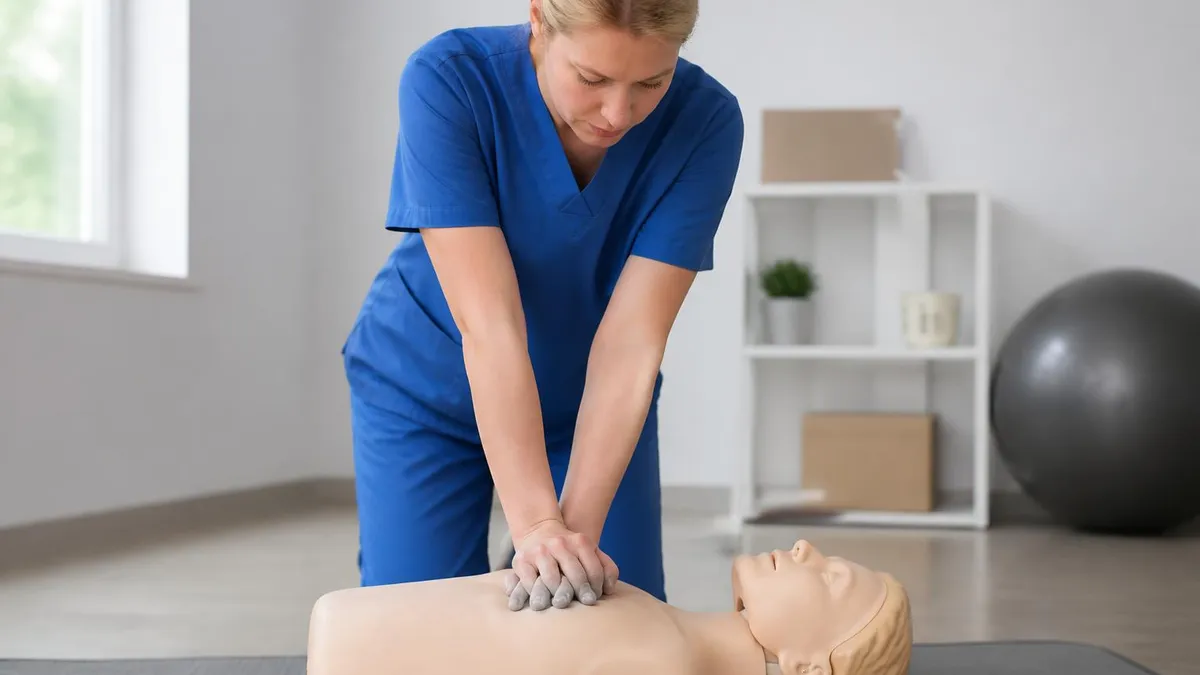
CPR Certification Classes: Complete Guide to ACLS Algorithm, PALS, and Life Support Training in 2026
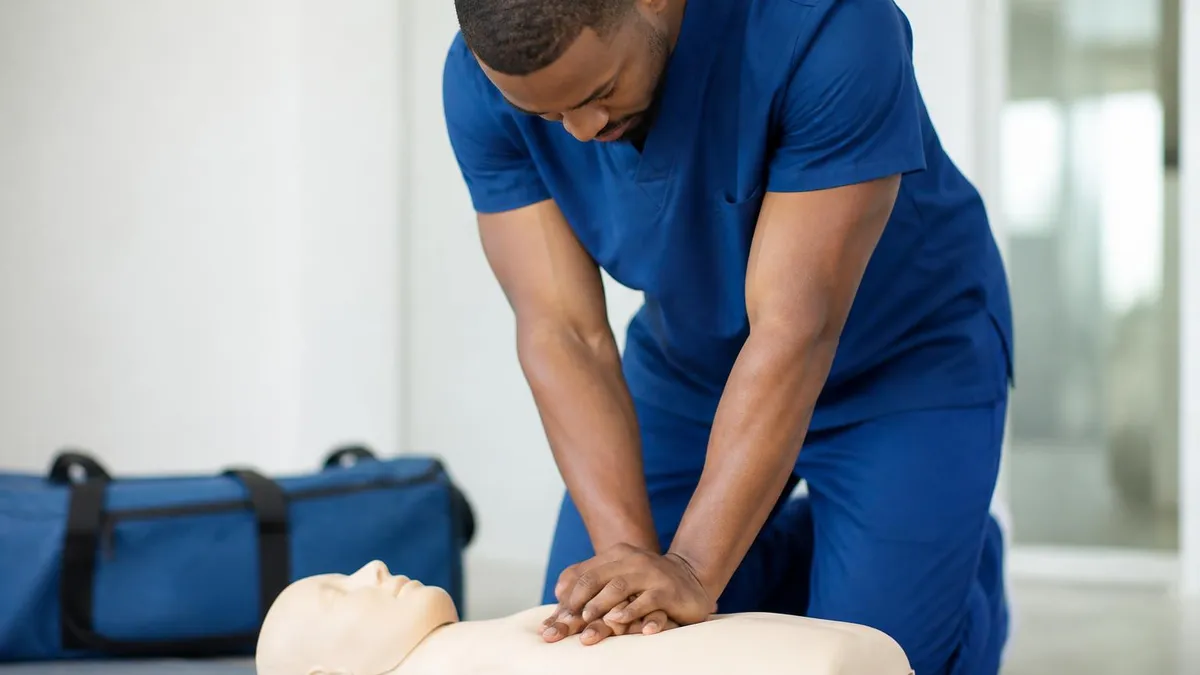
CPR Courses: Complete Guide to ACLS Algorithm, PALS Certification, and Life Support Training in 2026
CPR Face Shield: Complete Guide to ACLS Algorithm, Infant CPR, and Life Support Barrier Devices in 2026
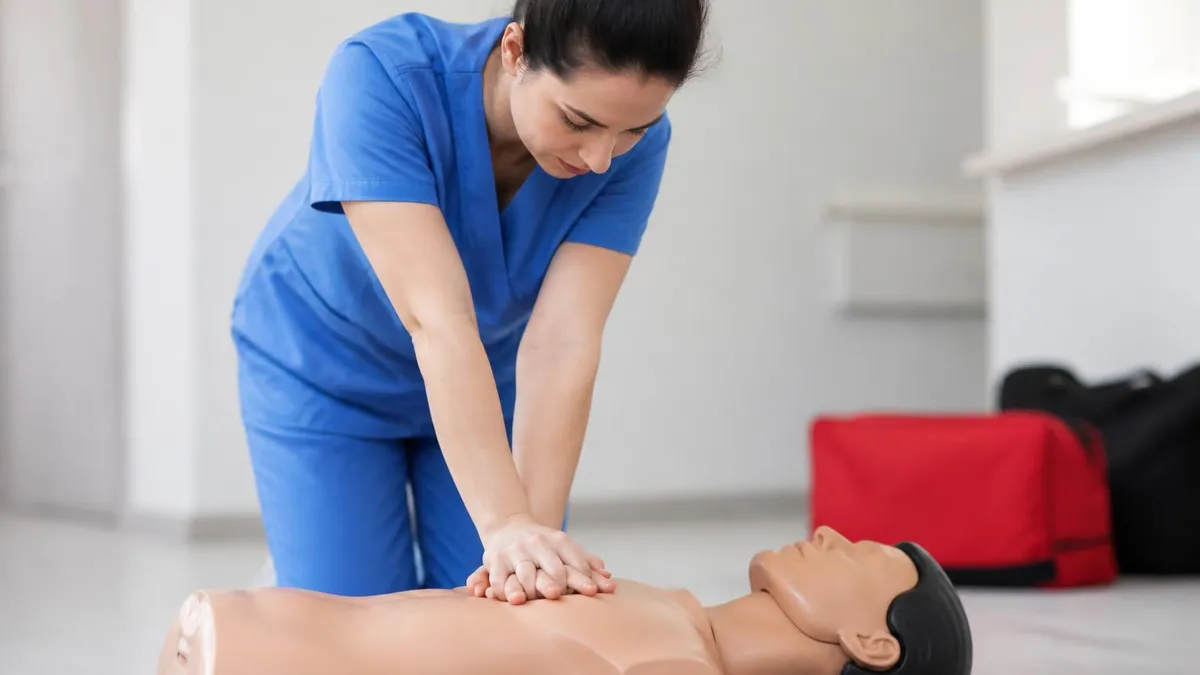
American Heart Association CPR Training: Complete Guide to ACLS Algorithm, PALS Certification, and Life Support in 2026
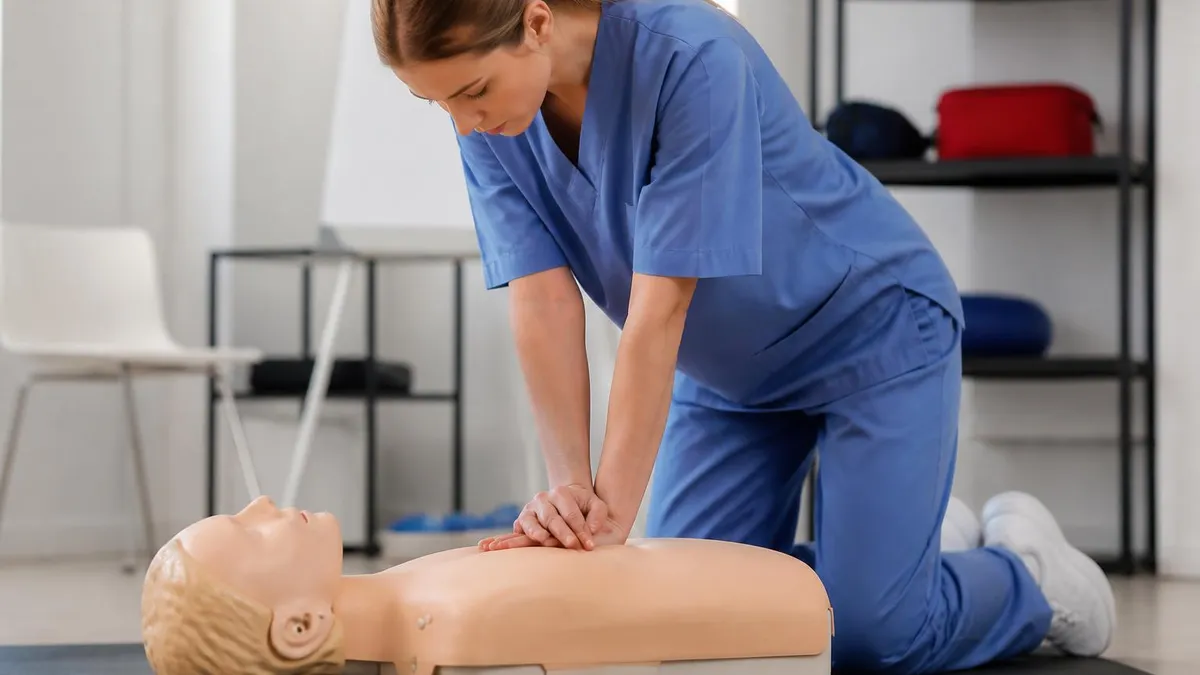
Types of CPR Training: From Basic Life Support to ACLS Algorithm Mastery in 2026
About the Author

Registered Nurse & Healthcare Educator
Johns Hopkins University School of NursingDr. Sarah Mitchell is a board-certified registered nurse with over 15 years of clinical and academic experience. She completed her PhD in Nursing Science at Johns Hopkins University and has taught NCLEX preparation and clinical skills courses for nursing students across the United States. Her research focuses on evidence-based exam preparation strategies for healthcare certification candidates.
Join the Discussion
Connect with other students preparing for this exam. Share tips, ask questions, and get advice from people who have been there.
View discussion (5 replies)