
BLS CPR Certification Online: Complete Study Guide for ACLS Algorithm, PALS Certification, and Life Support Training in 2026 September
Master BLS CPR certification online with ACLS algorithm breakdowns, ❓ PALS certification tips, infant CPR, AED use, and practice questions for 2026 September.

Earning your bls cpr certification online has never been more accessible, yet the knowledge required is more critical than ever. Basic Life Support is the foundation upon which advanced credentials like the ACLS algorithm and PALS certification are built, and understanding it thoroughly can mean the difference between life and death in a cardiac emergency. Whether you are a healthcare professional renewing your card or a first-time learner preparing to enter the clinical workforce, this comprehensive guide covers every major topic tested on BLS exams in 2026.
The ACLS algorithm — one of the most searched terms in emergency medicine education — describes the systematic, protocol-driven approach that Advanced Cardiac Life Support providers use when managing cardiac arrest, tachycardia, bradycardia, and post-cardiac arrest care. While BLS focuses on high-quality compressions and ventilation, understanding where BLS fits within the broader ACLS framework helps learners appreciate why every skill matters. Providers who internalize these algorithms perform better in high-stress clinical situations, saving more lives in real-world practice.
PALS certification, which stands for Pediatric Advanced Life Support, extends life support principles to infants and children. Infant CPR techniques differ meaningfully from adult procedures: compression depth, hand placement, respiratory rate targets, and acceptable heart rate ranges all shift when the patient is small. Nurses, paramedics, pediatric nurses, and emergency medical technicians frequently hold both BLS and PALS credentials simultaneously, requiring them to fluidly switch between adult and pediatric protocols depending on the patient presenting in front of them.
A common question among new learners is: what does AED stand for? AED stands for Automated External Defibrillator — a portable device that analyzes the heart's rhythm and delivers an electric shock to restore normal cardiac activity during ventricular fibrillation or pulseless ventricular tachycardia. AEDs are found in airports, schools, gyms, and public buildings across the United States, and BLS certification teaches both laypeople and professionals to use them with confidence. The device walks users through each step with audio and visual prompts, making it accessible even without formal training.
Monitoring a patient's respiratory rate is one of the most fundamental assessment skills in both BLS and advanced life support. A normal adult respiratory rate falls between 12 and 20 breaths per minute at rest. During CPR, rescuers delivering rescue breaths aim for approximately 10 to 12 breaths per minute in adults to avoid over-ventilation, which can increase intrathoracic pressure, reduce venous return, and compromise cardiac output. Understanding these numbers is not just exam material — it is life-critical clinical knowledge that shapes patient outcomes.
The recovery position — sometimes listed as position recovery in search queries — is a technique used to maintain an open airway in an unconscious but breathing patient. Placing the patient on their side prevents the tongue from blocking the airway and reduces the risk of aspiration if the patient vomits. BLS certifications teach this position as part of a broader initial assessment algorithm, alongside scene safety checks, responsiveness assessments, and the activation of emergency services. Mastering the recovery position is a core competency tested across all major certifying organizations.
This guide also addresses credentials offered by the National CPR Foundation, one of the United States' leading online CPR training platforms. The National CPR Foundation provides accredited BLS, CPR, AED, and first aid courses recognized by employers across healthcare, education, and public safety sectors. As you work through this article, you will find study schedules, skill breakdowns, practice quiz links, FAQs, and everything else you need to pass your certification exam on the first attempt in 2026.
BLS CPR Certification by the Numbers

BLS CPR Certification Study Schedule
- ▸Review how the heart's electrical system triggers mechanical contraction
- ▸Memorize the AHA Chain of Survival steps for adults and children
- ▸Study scene safety protocols and initial patient assessment steps
- ▸Complete one practice quiz on basic CPR recognition questions
- ▸Learn correct hand placement, compression depth (2–2.4 inches), and rate (100–120/min)
- ▸Practice proper head-tilt chin-lift and jaw-thrust techniques
- ▸Study 30:2 compression-to-ventilation ratio and when to change
- ▸Review over-ventilation risks and target respiratory rate during CPR
- ▸Learn to power on an AED, apply pads, clear the patient, and deliver a shock
- ▸Study infant CPR two-finger and two-thumb encircling hand techniques
- ▸Review pediatric compression depth (1.5 inches infant, 2 inches child)
- ▸Practice child and infant rescue breath volumes and rates
- ▸Study team CPR roles: compressor, ventilator, AED operator, team leader
- ▸Review CPR for drowning, trauma, pregnancy, and opioid overdose scenarios
- ▸Complete a timed 50-question practice exam under exam conditions
- ▸Review all missed questions and revisit weak areas before skills session
The ACLS algorithm is the set of evidence-based protocols that guide healthcare providers through the management of cardiopulmonary emergencies beyond the scope of Basic Life Support. Developed by the American Heart Association and updated every five years, ACLS algorithms cover cardiac arrest (both shockable and non-shockable rhythms), tachyarrhythmias, bradyarrhythmias, acute coronary syndromes, and post-cardiac arrest care. While BLS certification is the prerequisite for ACLS, understanding the algorithmic logic of advanced care helps BLS providers appreciate why the foundational skills they practice must be performed with precision and consistency.
In a shockable cardiac arrest — specifically ventricular fibrillation (VF) or pulseless ventricular tachycardia (pVT) — the ACLS algorithm calls for immediate high-quality CPR, rapid defibrillation, IV or IO access, and epinephrine administration every three to five minutes. Antiarrhythmic medications such as amiodarone or lidocaine are given after the third shock if VF or pVT persists.
Each two-minute cycle of CPR is followed by a rhythm check, and the team pivots between compression-focused rounds and medication or shock delivery based on what the monitor shows. BLS providers on a resuscitation team are most commonly responsible for delivering uninterrupted, high-quality chest compressions — making BLS technique the backbone of every ACLS algorithm run.
For non-shockable rhythms such as pulseless electrical activity (PEA) and asystole, the ACLS algorithm emphasizes CPR continuity and treating reversible causes through the Hs and Ts framework. The Hs include hypovolemia, hypoxia, hydrogen ion excess (acidosis), hypo- or hyperkalemia, and hypothermia. The Ts include tension pneumothorax, tamponade, toxins, and thrombosis (pulmonary or coronary). BLS learners who understand this framework gain insight into why scene assessment, oxygenation quality, and history-gathering matter even in cardiac arrest — each piece of information can unlock a treatable cause and change patient outcome.
Post-cardiac arrest care is the final phase of the ACLS algorithm, activated once return of spontaneous circulation (ROSC) is achieved. Priorities include targeted temperature management (TTM), optimizing oxygenation to a target SpO₂ of 94–98%, avoiding hyperventilation by targeting a PaCO₂ of 35–45 mmHg, hemodynamic optimization, and early coronary angiography for suspected STEMI. For BLS providers, the significance of post-arrest care reinforces why consistent, high-quality CPR matters from the very first compression: better perfusion during arrest leads to better neurological recovery after ROSC.
Life support training exists on a spectrum: BLS, ACLS, and PALS represent increasing levels of complexity and scope. The term life support itself encompasses any intervention that sustains a patient's cardiovascular and respiratory function during a critical emergency. BLS is the entry point, providing compressions, ventilation, and AED use. ACLS adds medications, rhythm interpretation, and airway management. PALS adds pediatric-specific protocols, weight-based dosing, and developmentally appropriate assessment tools. Healthcare facilities typically require their staff to hold the appropriate level of life support certification for their clinical role and patient population.
One practical aspect of preparing for both BLS and ACLS is understanding the role of teamwork. Modern resuscitation science recognizes that cardiac arrest outcomes improve when teams communicate clearly, assign roles proactively, and perform closed-loop communication — where orders are confirmed by repeat-back. BLS courses increasingly incorporate these team dynamics into their curriculum, exposing learners to concepts like the team leader role, constructive intervention, and sharing situational awareness. Candidates who practice with these communication structures during training adapt more quickly in actual emergencies.
Studying for ACLS while simultaneously mastering BLS is a highly efficient strategy for healthcare professionals who anticipate needing both credentials. Many online platforms allow learners to sequence their certifications so that BLS knowledge is solidified first, then ACLS content is layered on top during a focused advanced course. Reviewing ACLS algorithms during BLS prep — even at a conceptual level — reinforces BLS skills by giving them clinical context and urgency. Providers who understand what happens after the first responder arrives are more motivated to perform BLS with the precision that downstream clinical decisions depend upon.
CPR Practice Test Questions
Prepare for the CPR Cardiopulmonary Resuscitation Practice exam with our free practice test modules. Each quiz covers key topics to help you pass on your first try.
CPR Basic CPR
CPR Exam Questions covering Basic CPR. Master CPR Test concepts for certification prep.
CPR and First Aid
Free CPR Practice Test featuring and First Aid. Improve your CPR Exam score with mock test prep.
CPR (Cardiopulmonary Resuscitation) Adult ...
CPR Mock Exam on (Cardiopulmonary Resuscitation) Adult CPR and AED Usage. CPR Study Guide questions to pass on your first try.
CPR (Cardiopulmonary Resuscitation) Airway...
CPR Test Prep for (Cardiopulmonary Resuscitation) Airway Obstruction and Choking. Practice CPR Quiz questions and boost your score.
CPR (Cardiopulmonary Resuscitation) Cardio...
CPR Questions and Answers on (Cardiopulmonary Resuscitation) Cardiopulmonary Emergency Recognition. Free CPR practice for exam readiness.
CPR (Cardiopulmonary Resuscitation) Child ...
CPR Mock Test covering (Cardiopulmonary Resuscitation) Child and Infant CPR. Online CPR Test practice with instant feedback.
CPR (Cardiopulmonary Resuscitation) High-P...
Free CPR Quiz on (Cardiopulmonary Resuscitation) High-Performance Team Dynamics. CPR Exam prep questions with detailed explanations.
CPR (Cardiopulmonary Resuscitation) Legal ...
CPR Practice Questions for (Cardiopulmonary Resuscitation) Legal and Ethical Considerations. Build confidence for your CPR certification exam.
CPR for Specific Populations
CPR Test Online for for Specific Populations. Free practice with instant results and feedback.
CPR Airway & Breathing Management
CPR Exam Questions covering Airway & Breathing Management. Master CPR Test concepts for certification prep.
CPR Assessment & Recognition of Cardiac Ar...
Free CPR Practice Test featuring Assessment & Recognition of Cardiac Arrest. Improve your CPR Exam score with mock test prep.
CPR Chest Compressions & Defibrillation
CPR Mock Exam on Chest Compressions & Defibrillation. CPR Study Guide questions to pass on your first try.
CPR Post-Resuscitation Care & Recovery
CPR Test Prep for Post-Resuscitation Care & Recovery. Practice CPR Quiz questions and boost your score.
Infant CPR and PALS Certification: What You Need to Know
Infant CPR requires specific adaptations to account for the small size and fragile anatomy of patients under one year of age. Single rescuers use two fingers placed just below the nipple line on the center of the chest, compressing approximately 1.5 inches at a rate of 100 to 120 compressions per minute. Healthcare providers with two rescuers present use the two-thumb encircling technique, which generates higher coronary perfusion pressure and is now the preferred method in clinical settings. The compression-to-ventilation ratio for a single rescuer remains 30:2, while two healthcare providers shift to a 15:2 ratio.
Rescue breaths for infants require very small puffs of air — just enough to produce visible chest rise — delivered over one second each. Over-ventilation is a common error that increases intrathoracic pressure and reduces cardiac output during CPR. Providers should avoid forceful breaths and instead use a tight seal over the infant's mouth and nose simultaneously, using cheek puffs rather than full lung inflation. Monitoring the respiratory rate during rescue breathing helps ensure the correct 20-breaths-per-minute target is maintained without excessive or insufficient ventilation.

Online BLS Certification vs. In-Person Classroom Training
- +Complete didactic coursework at your own pace and on your own schedule
- +Lower course fees on average — many online providers charge 30–50% less than classroom-only programs
- +Immediate access to digital study materials, videos, and practice quizzes
- +Retake knowledge assessments as many times as needed before the in-person skills session
- +Convenient for shift workers, rural learners, and multi-credential candidates juggling ACLS or PALS simultaneously
- +National CPR Foundation and other accredited providers offer employer-recognized digital cards within 24 hours of completion
- −Skills competency still requires an in-person manikin session with a certified instructor
- −Self-paced format requires strong self-discipline; passive video watching without active practice is ineffective
- −Some hospital systems require AHA-branded cards specifically and do not accept all online providers
- −Screen fatigue can reduce retention compared to hands-on skill-building environments
- −No immediate feedback on compression depth or rate quality without an instrumented manikin or feedback device
- −Blended online formats may cost more total when travel to the skills session is factored in
BLS Certification Exam Preparation Checklist
- ✓Confirm your certifying organization (AHA, Red Cross, National CPR Foundation) and verify employer acceptance of that card
- ✓Complete all required online didactic modules and pass each chapter knowledge check before scheduling the skills session
- ✓Memorize compression rate (100–120/min), depth (2–2.4 in adult, 2 in child, 1.5 in infant), and 30:2 compression-to-ventilation ratio
- ✓Practice the head-tilt chin-lift and jaw-thrust techniques on a manikin or practice partner
- ✓Review AED pad placement for adults, children, and infants including anterior-posterior positioning for small patients
- ✓Study infant CPR two-finger and two-thumb encircling hand placement and know when each technique applies
- ✓Review the recovery position (position recovery) steps and the clinical situations where it is indicated
- ✓Know normal respiratory rate ranges for adults (12–20), children (20–30), and infants (30–60) at rest
- ✓Practice choking response algorithms for conscious and unconscious adults, children, and infants
- ✓Complete at least two full-length timed practice exams and score above 84% before attending your skills test

Start CPR Within 4 Minutes to Preserve Brain Function
Brain cells begin to die within four to six minutes of losing oxygenated blood flow. Every minute without CPR reduces survival rates by approximately 7–10%. High-quality, uninterrupted compressions at 100–120 per minute are the single most important intervention a bystander or BLS provider can deliver before the defibrillator and ACLS team arrive. Do not wait — start compressions immediately when a patient is unresponsive and not breathing normally.
Understanding what an AED stands for is only the first step — knowing how to deploy it effectively under pressure is what BLS certification truly demands. Automated External Defibrillators are designed to be operated by people with minimal training, but BLS providers need a deeper level of competency. They must understand the device's rhythm analysis logic, recognize which rhythms are shockable versus non-shockable, minimize interruptions to CPR around shock delivery, and know when to switch between adult and pediatric energy modes. This deeper understanding prevents common errors like excessive hands-off time or improper pad placement that reduce defibrillation effectiveness.
Respiratory rate is a vital sign that takes on special significance during CPR and life support. Under normal circumstances, clinicians monitor respiratory rate as a marker of respiratory distress, sepsis, and neurological function. During CPR, however, the target respiratory rate becomes a therapeutic parameter: providers delivering bag-mask ventilation during two-person CPR aim for 10 breaths per minute in adults (one breath every six seconds), carefully avoiding the hyperventilation that commonly occurs when providers are anxious or rushed. Excessive ventilation — rates above 12–15 per minute during CPR — has been associated with worse outcomes in multiple resuscitation studies.
For infants, the normal resting respiratory rate ranges from 30 to 60 breaths per minute, nearly three times the adult baseline. During infant CPR, rescue breathing is delivered at approximately 20 breaths per minute. This higher rate reflects the infant's greater metabolic demand and smaller functional residual capacity.
BLS providers working with neonates or infants in the NICU, PICU, or emergency department must internalize these pediatric-specific numbers to pass PALS certification and perform safely in clinical practice. Respiratory rate targets for children aged one to eight fall between adult and infant values, typically 12 to 20 breaths per minute during CPR.
The recovery position is a cornerstone skill in BLS that is frequently underemphasized compared to CPR and AED use, yet it is reliably tested on certification exams. A patient is placed in the recovery position when they are unresponsive but have a pulse and are breathing adequately.
The technique involves kneeling beside the patient, extending the near arm at a right angle, bringing the far arm across the chest, bending the far knee, and rolling the patient onto their side so the hand supports the cheek and the mouth faces downward. The top knee acts as a stabilizer to prevent the patient from rolling face-down. Rescuers monitor the patient closely and are prepared to begin CPR immediately if breathing stops.
The National CPR Foundation is one of several major organizations providing accredited online BLS and CPR certifications in the United States. Founded to improve public access to life-saving skills, the National CPR Foundation offers courses in CPR, AED, first aid, BLS, ACLS, and PALS that are accepted by hospitals, clinics, schools, and emergency services nationwide. Their online format allows learners to complete the cognitive portion at their own pace, then attend a brief in-person skills verification session to receive their certification card. Renewal courses are shorter and can often be completed in under two hours for previously certified providers.
An interesting search trend among CPR learners involves queries for cpr cell phone repair and cpr phone repair — terms that reflect a CPR franchise chain focused on device repair rather than life-saving skills. This illustrates the importance of being precise in your search terms when looking for CPR certification resources. While CPR Phone Repair is a legitimate business, it has no connection to cardiopulmonary resuscitation training. If you are searching for BLS or CPR certification courses, use specific search terms like BLS certification online, American Heart Association CPR course, or National CPR Foundation certification to find accredited providers quickly.
Combining BLS certification with an understanding of ACLS algorithm logic and PALS certification principles creates a well-rounded life support foundation that makes healthcare providers more effective across every clinical setting. The concepts reinforce one another: BLS precision drives ACLS success, PALS familiarity extends competency to the full age spectrum, and AED proficiency closes the gap between bystander intervention and advanced care arrival. Providers who study across this spectrum consistently outperform their peers on certification exams and — more importantly — in actual resuscitation events.
Not all CPR or BLS certifications are accepted by every employer. Many hospitals and healthcare systems specifically require American Heart Association (AHA) BLS cards and will not accept certifications from other providers, including the National CPR Foundation or Red Cross, for credentialing purposes. Always confirm your employer's accepted certification list before paying for a course. Completing an unaccepted course means you will need to recertify — adding both cost and delay to your onboarding or renewal process.
Choosing the right provider for your BLS CPR certification is one of the most important early decisions in your certification journey. The three most widely recognized providers in the United States are the American Heart Association, the American Red Cross, and the National CPR Foundation. The AHA's Heartsaver and BLS for Healthcare Providers courses are the most broadly accepted across hospitals and healthcare networks. The Red Cross offers similar curricula with slightly different skill station structures. The National CPR Foundation's courses are widely accepted outside traditional hospital settings, including schools, gyms, corporate offices, and community organizations.
When evaluating online BLS programs, look for courses that offer a blended learning format: an online didactic component followed by an in-person or virtual skills check. Pure online certifications that do not include a skills competency assessment are generally not accepted by healthcare employers, as hands-on skill verification is an accreditation requirement. Legitimate blended programs partner with local instructors, simulation centers, or hospital training departments to provide the skills portion. Before purchasing any course, verify that the skills check is included or easily schedulable in your geographic area.
Cost is another important factor when selecting a BLS program. AHA BLS courses through authorized training centers typically cost between $55 and $100 for initial certification and slightly less for renewal. The National CPR Foundation offers competitive pricing, often in the $30–$60 range depending on the course type and bundle. Red Cross courses are similarly priced. If you need multiple certifications — for example, BLS plus PALS certification — many providers offer bundle discounts that reduce the total investment significantly. Some employers reimburse certification costs or offer on-site group training, so always check your benefits before paying out of pocket.
Renewal timing is something many certified providers manage poorly, often waiting until their card has already expired. AHA and Red Cross BLS certifications are valid for two years from the date of issuance. Renewal courses are shorter than initial certification — typically two to three hours — and assume the provider retains prior knowledge. Expired certifications can create credential gaps that delay employment processing, affect clinical privileges, or trigger compliance issues in regulated healthcare environments. Set a calendar reminder six to eight weeks before your expiration date to allow adequate time to schedule and complete your renewal.
Group BLS training for clinical teams has been shown to improve team-based resuscitation performance beyond what individual certification alone achieves. Organizations like hospitals, fire departments, and corporate medical offices increasingly purchase site licenses or arrange on-site training days where entire departments certify together. This team-based approach allows staff to practice with the exact colleagues they will work alongside in actual emergencies, reinforcing communication patterns and role clarity in a safe training environment. If your workplace offers group training, prioritize it — the team dynamics practice alone is worth the coordination effort.
For learners seeking to take their CPR knowledge further after BLS, the next recommended step depends on your clinical setting. Emergency nurses, paramedics, respiratory therapists, and physicians typically pursue ACLS next. Pediatric nurses, NICU staff, and pediatric emergency providers benefit most from adding PALS certification. School nurses, athletic trainers, and non-clinical healthcare workers may benefit from an advanced first aid certification that builds on BLS skills without requiring full ACLS coursework. Many providers complete all three credential tiers — BLS, ACLS, and PALS — within the first two years of their clinical career.
Ultimately, the best preparation for any BLS or life support certification exam combines structured content review, active recall practice through quiz-based learning, and hands-on skill rehearsal. Passive video watching and reading alone are insufficient. Use the study schedule in this guide, work through all available practice quizzes, and arrive at your in-person skills session having already practiced every technique at least a dozen times. Providers who prepare this thoroughly pass their exams with confidence and, more importantly, carry that confidence into every patient interaction where these skills might be needed.
As you prepare for your BLS or advanced life support certification exam, one of the highest-yield study strategies is practicing under timed, exam-simulated conditions. Most BLS written assessments contain 25 to 50 multiple-choice questions and require a passing score of 84% or higher. The questions typically test recall of compression rates and depths, ventilation ratios, AED operation sequences, special situations like suspected spinal injury or drowning, and team communication concepts. Timing yourself on practice exams builds the paced reading speed needed to complete the actual test without rushing at the end.
Flashcard-based active recall is another highly effective method for retaining the dense factual content tested on BLS and PALS certification exams. Create cards for key numerical values — normal respiratory rate for adults (12–20/min), children (20–30/min), and infants (30–60/min); target CPR compression rate (100–120/min); acceptable compression depth by age group; and the timing sequences in the ACLS algorithm. Reviewing these cards daily in the week before your exam reinforces exact recall under pressure, reducing the hesitation that costs providers valuable seconds in real emergencies.
Video-based skill review is particularly helpful for kinesthetic learners who benefit from watching the correct technique before attempting it. The AHA, Red Cross, and National CPR Foundation all publish instructional videos on their websites and YouTube channels. Watch demonstrations of infant CPR two-thumb technique, recovery position placement, choking response for an infant, and AED pad placement to reinforce the procedural memory needed for the skills test. Pair these videos with your own practice on a manikin if possible — even a low-fidelity training manikin provides feedback on hand placement and body positioning that video alone cannot replicate.
Managing test anxiety is a practical skill that certifying candidates rarely prepare for but consistently benefit from. BLS skills tests can feel high-pressure, particularly when being observed by an instructor. Techniques that reduce performance anxiety include arriving early to familiarize yourself with the equipment, taking three slow diaphragmatic breaths before beginning, verbalizing your steps aloud as you perform them (which is also typically required during the assessment), and reminding yourself that the skills you are demonstrating are identical to those you have already practiced multiple times. Confidence built in preparation translates directly into composed, accurate performance during the skills check.
Post-certification, the most important thing you can do to maintain your BLS and life support competency is to participate in regular refresher practice. Skills decay significantly within six to twelve months without reinforcement, even among certified providers. Many healthcare facilities conduct quarterly or biannual code drills, megacode simulations, and skills stations precisely for this reason. If your workplace does not offer these, seek out opportunities at your local AHA training center, community college simulation lab, or through peer-practice groups with colleagues who hold the same certifications.
Staying current with guideline updates is another professional responsibility for certified providers. The AHA updates its CPR and ECC guidelines every five years, with the most recent major update published in 2020 and supplemental updates released through the interim years. Changes between guideline cycles can affect compression parameters, medication protocols, post-arrest care targets, and technology recommendations. Providers who only review guidelines at renewal time risk practicing based on outdated protocols. Subscribing to AHA Resuscitation Science newsletters or following accredited emergency medicine continuing education programs keeps you current between formal certification renewals.
Finally, consider teaching others as a reinforcement strategy for your own knowledge. CPR instructors consistently report that the process of preparing to teach a skill — breaking it into its component steps, anticipating common learner errors, and developing clear explanations — deepens their own mastery beyond what self-study alone achieves.
If you are interested in becoming a BLS instructor, the AHA's Instructor Essentials course is the entry point, and certified instructors can run community classes, workplace training sessions, and skills practice labs that expand CPR access in their communities while sharpening their own competency. Teaching is the highest form of learning, and in CPR, more knowledgeable providers save more lives.
CPR Questions and Answers
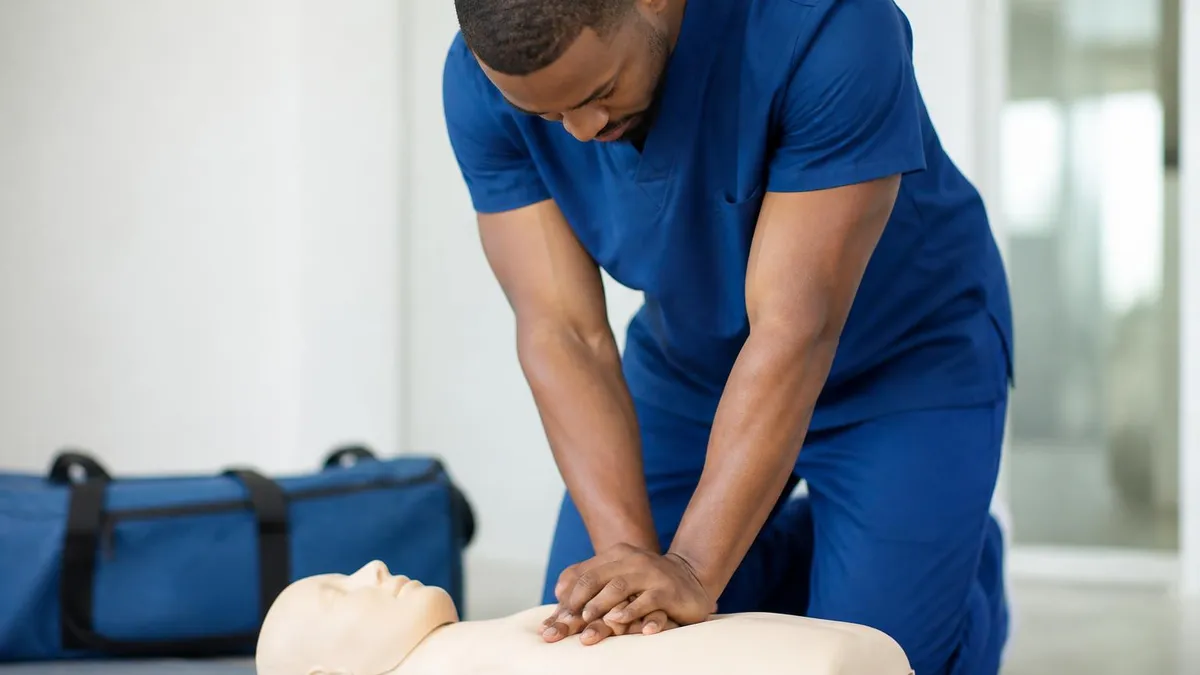
CPR Courses: Complete Guide to ACLS Algorithm, PALS Certification, and Life Support Training in 2026
CPR Face Shield: Complete Guide to ACLS Algorithm, Infant CPR, and Life Support Barrier Devices in 2026
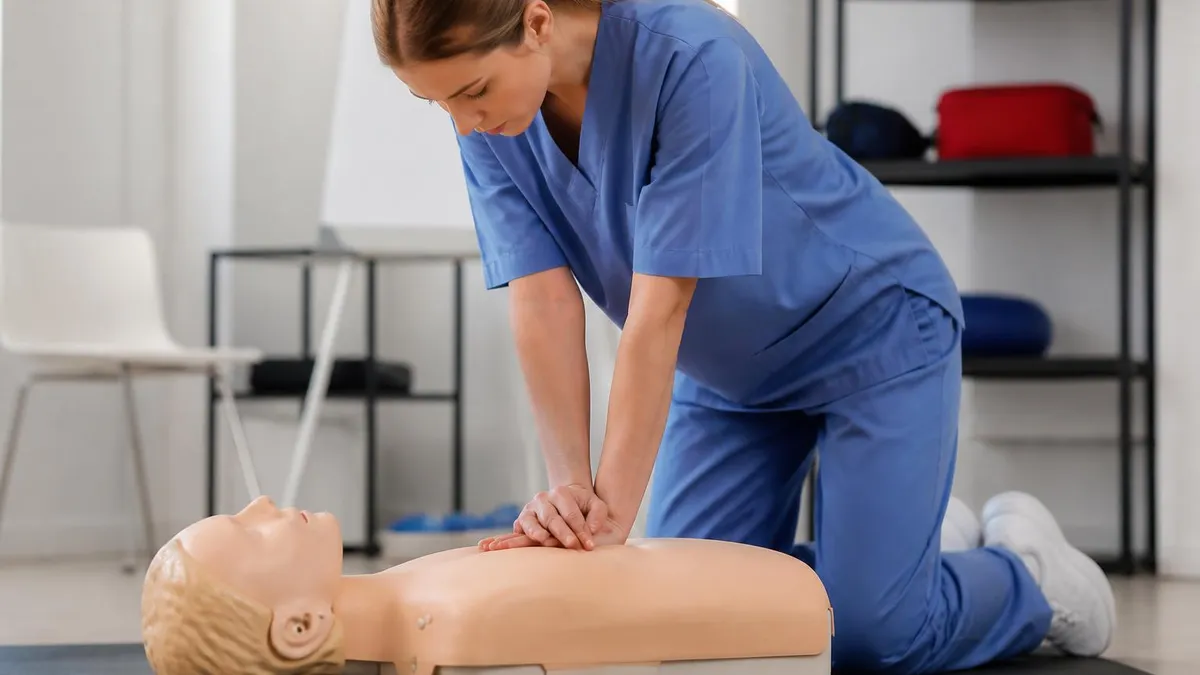
Types of CPR Training: From Basic Life Support to ACLS Algorithm Mastery in 2026
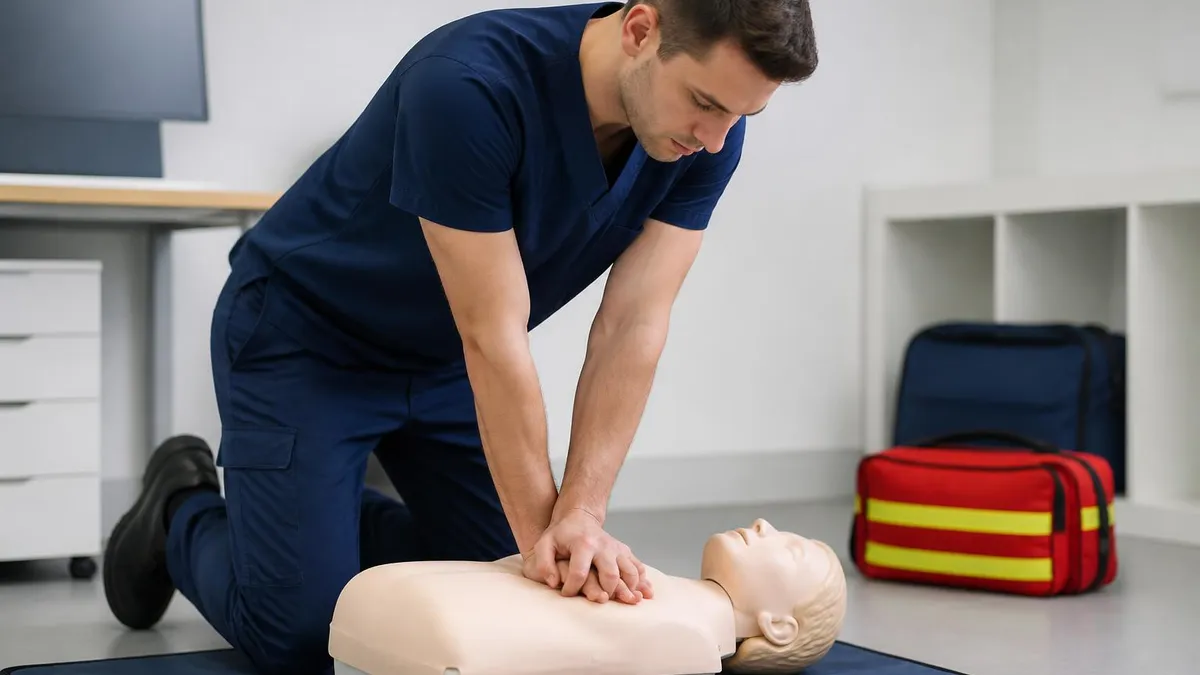
Adult CPR: Complete Step-by-Step Guide to Hands-Only and Standard CPR in 2026
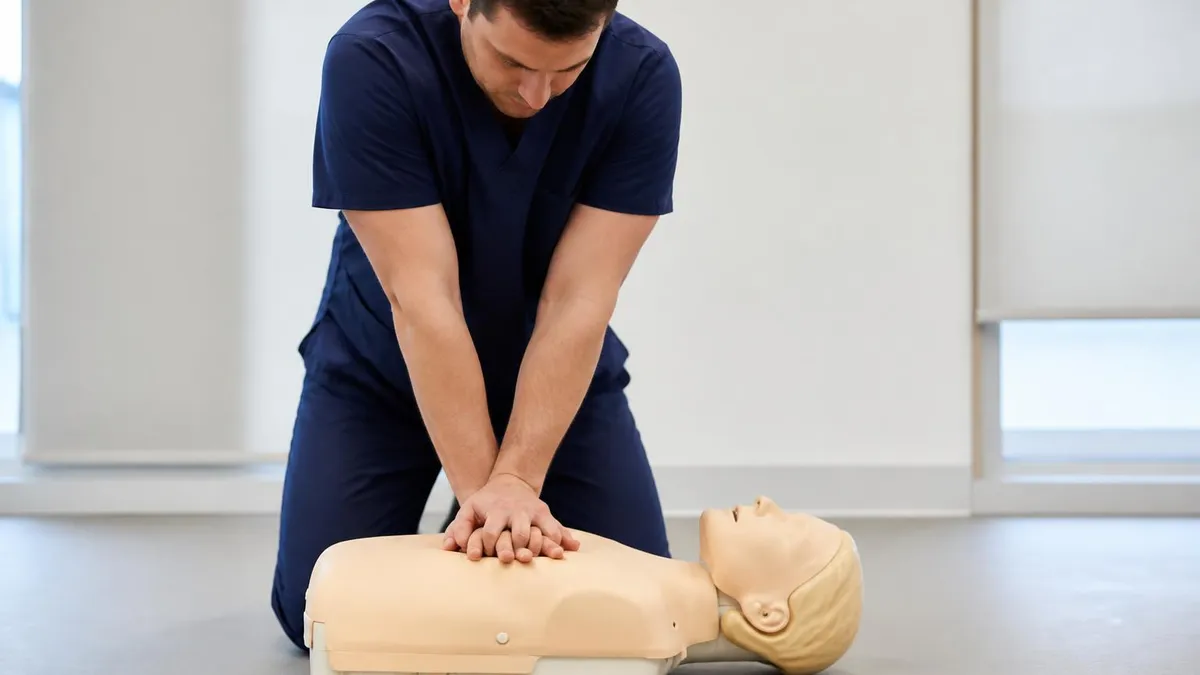
BLS vs CPR: Is BLS the Same as CPR? Complete 2026 Guide
About the Author

Registered Nurse & Healthcare Educator
Johns Hopkins University School of NursingDr. Sarah Mitchell is a board-certified registered nurse with over 15 years of clinical and academic experience. She completed her PhD in Nursing Science at Johns Hopkins University and has taught NCLEX preparation and clinical skills courses for nursing students across the United States. Her research focuses on evidence-based exam preparation strategies for healthcare certification candidates.
Join the Discussion
Connect with other students preparing for this exam. Share tips, ask questions, and get advice from people who have been there.
View discussion (5 replies)