
Forklift Manual: Complete Guide to Operation, Safety, and Certification
✅ Master the forklift manual: operation, safety rules, forklift rental tips, certification of forklift requirements, and training steps for US operators.
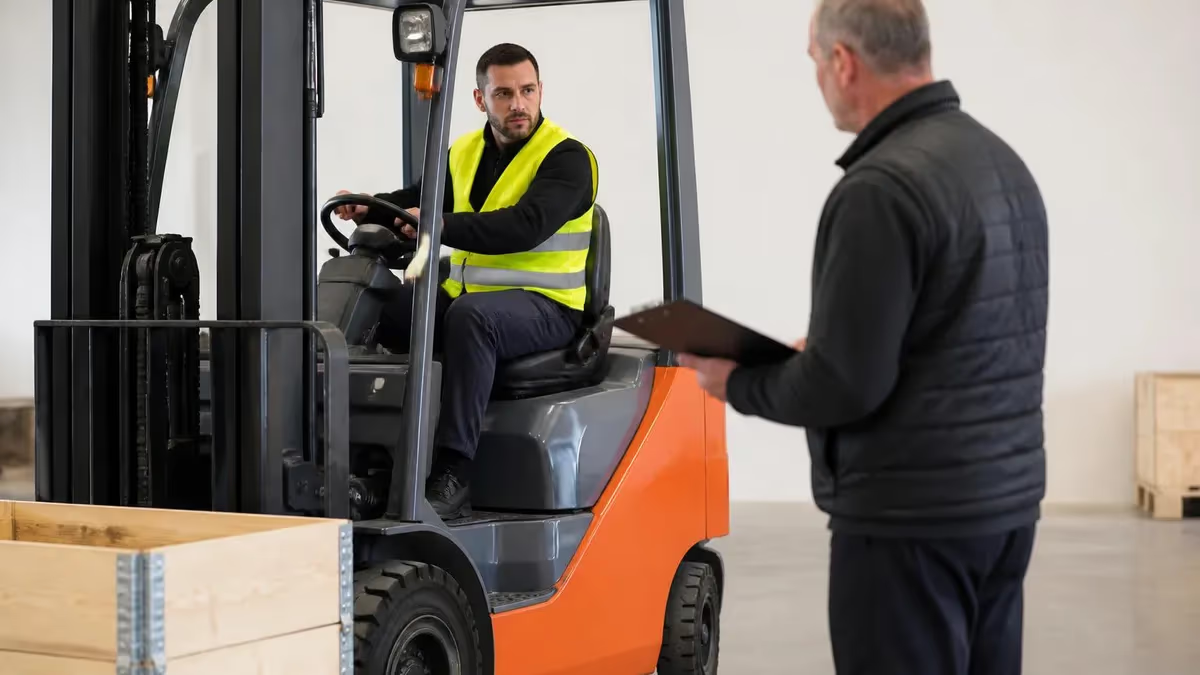
Whether you are exploring forklift rental options for a short-term project or preparing to become a licensed forklift operator, understanding the forklift manual is the single most important step you can take before ever touching the controls. The operator manual is not just a dry document filed away in the break room — it is the authoritative source of truth for how a specific machine works, what its rated capacity is, how to handle loads safely, and what pre-shift inspection steps are required.
OSHA 29 CFR 1910.178 mandates that every powered industrial truck operator be trained on the specific vehicle they will operate, and that training must reference the manufacturer's manual. Skipping this step is not only dangerous but also a compliance violation that can result in citations and fines.
Forklifts are among the most versatile and widely used pieces of industrial equipment in the United States. From distribution centers and manufacturing plants to construction sites and retail warehouses, forklifts move millions of tons of material every single day. Despite their ubiquity, they are responsible for roughly 85 fatal accidents and nearly 35,000 serious injuries annually according to OSHA data.
The majority of these incidents are preventable through proper training, consistent pre-operational checks, and a firm grasp of the machine's manual. Understanding load capacity charts, mast tilt angles, and stability triangle principles — all documented in the operator manual — can mean the difference between a safe shift and a catastrophic tip-over.
For new operators and seasoned warehouse veterans alike, the forklift manual covers far more than basic controls. It details the specific maintenance intervals required for the machine, explains what warning lights and gauges mean, and outlines load center calculations that affect how much weight the forklift can safely carry at various mast heights and tilt angles. When a company considers forklift rental as an alternative to purchasing, the rental agreement typically transfers responsibility for reading and following the operator manual to the lessee, making familiarity with these documents even more critical for businesses that rotate equipment frequently.
The certification of forklift operators in the United States is governed by OSHA standards, which require both formal instruction and practical evaluation. A core part of that evaluation involves demonstrating knowledge of the specific truck being used — information drawn directly from the manufacturer's manual.
Whether operators pursue forklift training through an employer-sponsored program, a community college, or a third-party safety organization, they will always return to the manual as a reference document. This guide will walk you through every major section of a typical forklift manual, explain why each section matters, and help you connect those fundamentals to real-world operation.
Choosing between an electric forklift and an internal combustion model, deciding whether a stand up forklift is right for your application, or evaluating a forklift for sale — all of these decisions require you to read and compare operator manuals. Specifications like battery voltage, load capacity, turning radius, and lift height are only found in the manual, not on a dealer's brochure.
Understanding how to read these documents empowers operators and fleet managers to make smarter equipment decisions and keeps workplaces safer. This article breaks down the manual section by section so you leave with a clear, actionable understanding of every component.
Throughout this guide we will reference key safety standards, share real numbers from OSHA and industry sources, and connect manual knowledge to the practical skills tested in forklift certification exams. You will also find links to free practice tests so you can verify your understanding of the concepts covered here.
For those who want a deeper dive into the mechanical side, our companion piece on forklift manual maintenance covers tires, wear patterns, and replacement schedules in full detail. By the end of this article, you will understand what every section of a forklift operator manual means, why it matters, and how to use it on the job every single day.
Forklift Industry by the Numbers
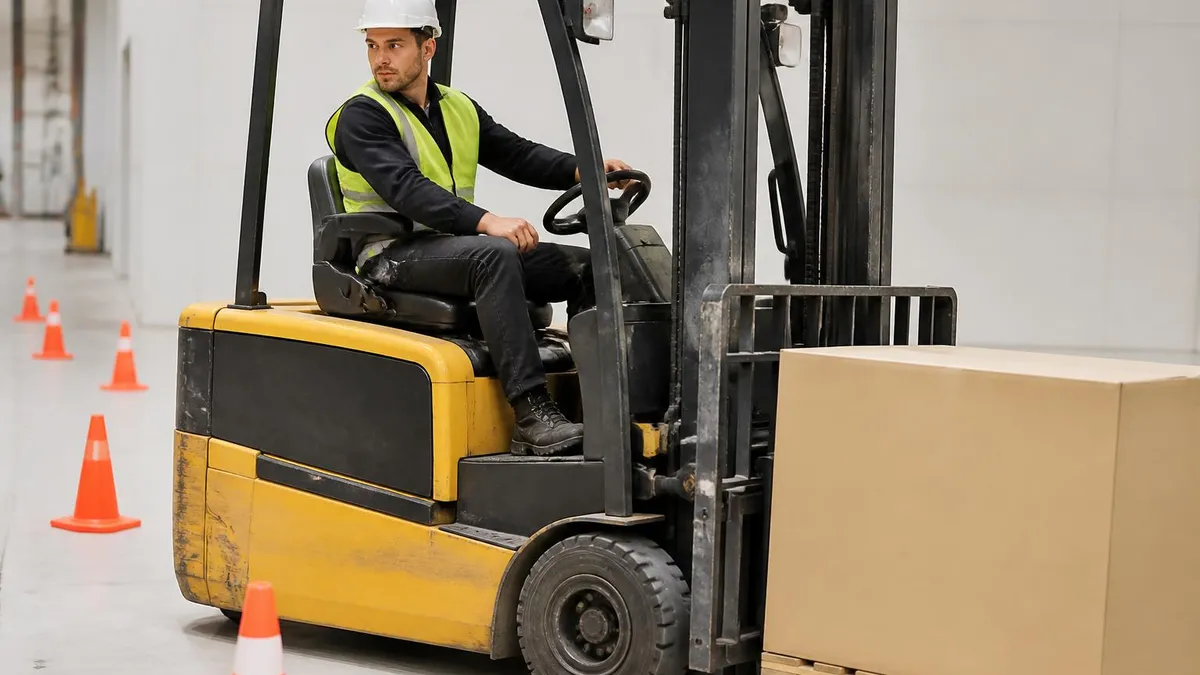
Key Sections of Every Forklift Operator Manual
The first pages of any forklift manual list critical safety warnings, required personal protective equipment, and explanations of all decals and labels found on the machine. Operators must read these before any other section.
This section diagrams every lever, pedal, button, and gauge in the operator compartment. It explains the function of each control, what each warning light means, and how to interpret load indicators and hour meters.
The capacity plate section explains how to read the data plate, understand load center distances, and calculate safe lifting weights at various mast heights and tilt positions. This is the most safety-critical section for daily operation.
OSHA requires a documented pre-shift inspection before every use. The manual defines exactly which fluid levels, tire conditions, brakes, lights, and safety devices must be checked and what action to take when defects are found.
Manufacturer-specified maintenance intervals for oil changes, filter replacements, hydraulic fluid checks, battery watering, and major service milestones are detailed here, along with torque specifications and lubrication points.
The safety section of a forklift manual is arguably the most important section for daily operators, and yet it is also the most frequently skimmed. Every manufacturer is required to document the specific hazards associated with their equipment, and these hazards vary significantly between a propane-powered counterbalance forklift, an electric forklift with a lithium-ion battery pack, and a stand up forklift designed for narrow-aisle applications.
An operator who transfers from one machine type to another without reading the new manual is essentially flying blind, even if they have years of experience on similar equipment. OSHA's standard makes this explicit: training must be specific to the truck type and the work environment.
The stability triangle is one of the foundational concepts covered in every forklift manual's safety section. Unlike a car with four contact points, a counterbalance forklift has only three: the two front drive wheels and the single rear steer axle pivot point. The machine's center of gravity must remain inside this triangle for the forklift to stay upright.
When a load is raised high on the mast, or when the forklift turns at speed, or when it travels on an uneven surface, the center of gravity shifts. Understanding how load weight, mast tilt, and travel speed interact to move that center of gravity is essential for preventing tip-overs, which account for roughly 24% of all forklift fatalities.
Load capacity is directly tied to the data plate, which every forklift manual explains in detail. The standard load center in the United States is 24 inches — meaning the rated capacity assumes the load's center of gravity is 24 inches from the face of the forks. When you carry an unusually deep pallet or an oversized load, the effective load center increases, which reduces the safe capacity.
For example, a forklift rated at 5,000 pounds at a 24-inch load center might only safely carry 3,800 pounds when the load center shifts to 36 inches. The manual includes a capacity reduction chart for exactly these scenarios, and operators who ignore it risk catastrophic tip-overs.
Traveling safely with a load is another area where the manual provides clear, specific guidance. Most manuals specify that loads should be carried with forks 4 to 6 inches above the ground, mast tilted back to stabilize the load, and at speeds not exceeding what is safe for the specific surface conditions.
On ramps and grades, the manual explains the proper direction of travel — loaded forklifts should travel upgrade forward and downgrade in reverse to keep the load on the uphill side of the forklift. These are not suggestions; they are engineering requirements based on the machine's center-of-gravity calculations, and they are tested on every forklift certification exam.
Blind spots and pedestrian safety represent another major theme in the safety section of forklift manuals. A typical sit-down counterbalance forklift has significant blind spots to the rear and sides, especially when carrying a full load that blocks forward visibility. The manual will specify under what circumstances the operator must travel in reverse, use a spotter, or slow to a near-stop before proceeding through an intersection. Many modern forklifts also include proximity sensors, blue safety lights, and audible alarms — the manual explains how to test and maintain these systems as part of the daily pre-shift inspection routine.
Fire safety and refueling procedures are critical safety topics unique to internal combustion forklifts. Propane and LPG forklifts require operators to understand safe cylinder exchange procedures, storage requirements, and what to do in case of a fuel leak. Diesel and gasoline models have their own refueling protocols that the manual outlines in detail, including prohibition of refueling in enclosed spaces due to carbon monoxide risk.
For electric forklifts, the manual covers battery charging safety: proper ventilation during charging to prevent hydrogen gas buildup, the correct use of personal protective equipment when checking electrolyte levels, and the danger of using a damaged or improperly matched charger.
Emergency procedures are documented in every forklift manual and cover scenarios that operators hope to never face but must be prepared for. These include what to do if the forklift tips over (stay in the seat, brace against the steering wheel, lean away from the direction of fall), how to handle a runaway forklift on a slope, and what steps to take immediately after a collision or near-miss.
OSHA requires employers to investigate and document all forklift incidents, and the manual's emergency procedures section forms the basis of that response protocol. Operators who know these procedures instinctively are better equipped to react correctly under the extreme stress of an actual emergency situation.
Forklift certification Practice Test Questions
Prepare for the Forklift certification Certification exam with our free practice test modules. Each quiz covers key topics to help you pass on your first try.
Forklift certification Certification Forkl...
Forklift certification Exam Questions covering Certification Forklift certification Maintenance and Repairs. Master Forklift certification Test concepts for certification prep.
Forklift certification Certification Forkl...
Free Forklift certification Practice Test featuring Certification Forklift certification Maintenance and Repairs Questions and Answers. Improve your Forklift certification Exam score with mock test prep.
Forklift certification Certification Forkl...
Forklift certification Mock Exam on Certification Forklift certification Operator Training and Certification Requirements. Forklift certification Study Guide questions to pass on your first try.
Forklift certification Certification Forkl...
Forklift certification Test Prep for Certification Forklift certification Operator Training and Certification Requirements Questions and Answers. Practice Forklift certification Quiz questions and boost your score.
Forklift certification Load Handling and S...
Forklift certification Questions and Answers on Load Handling and Stability. Free Forklift certification practice for exam readiness.
Forklift certification OSHA Regulations an...
Forklift certification Mock Test covering OSHA Regulations and Compliance. Online Forklift certification Test practice with instant feedback.
Forklift certification Pre-Operation Inspe...
Free Forklift certification Quiz on Pre-Operation Inspections. Forklift certification Exam prep questions with detailed explanations.
Forklift certification Refueling and Recha...
Forklift certification Practice Questions for Refueling and Recharging Procedures. Build confidence for your Forklift certification certification exam.
Forklift certification Safe Driving and Ma...
Forklift certification Test Online for Safe Driving and Maneuvering. Free practice with instant results and feedback.
Forklift certification Workplace Hazard Id...
Forklift certification Study Material on Workplace Hazard Identification. Prepare effectively with real exam-style questions.
Forklift certification Forklift Instructions
Free Forklift certification Test covering Forklift Instructions. Practice and track your Forklift certification exam readiness.
Forklift certification Forklift MCQ
Forklift certification Exam Questions covering Forklift MCQ. Master Forklift certification Test concepts for certification prep.
Forklift certification Forklift Employer R...
Free Forklift certification Practice Test featuring Forklift Employer Responsibilities. Improve your Forklift certification Exam score with mock test prep.
Forklift certification Forklift Penalties ...
Forklift certification Mock Exam on Forklift Penalties for Non-Compliance. Forklift certification Study Guide questions to pass on your first try.
Forklift Training and Certification of Forklift Operators
OSHA 29 CFR 1910.178(l) requires that every forklift operator receive formal instruction, practical training, and an evaluation before operating powered industrial trucks unsupervised. The formal instruction portion must cover topics including operating instructions from the manufacturer's manual, surface conditions, load manipulation, and pedestrian traffic. Employers are legally responsible for ensuring this training is completed and documented, regardless of whether an operator has prior experience at another job site.
The practical evaluation must be conducted by a trained evaluator in the specific type of equipment the operator will use. There is no OSHA-approved national forklift license — certification is employer-issued and site-specific. Recertification is required every three years or sooner if the operator is observed operating the forklift unsafely, is involved in an accident or near-miss, or is assigned to a different type of truck. Failure to comply can result in fines up to $15,625 per violation under OSHA's current penalty schedule.
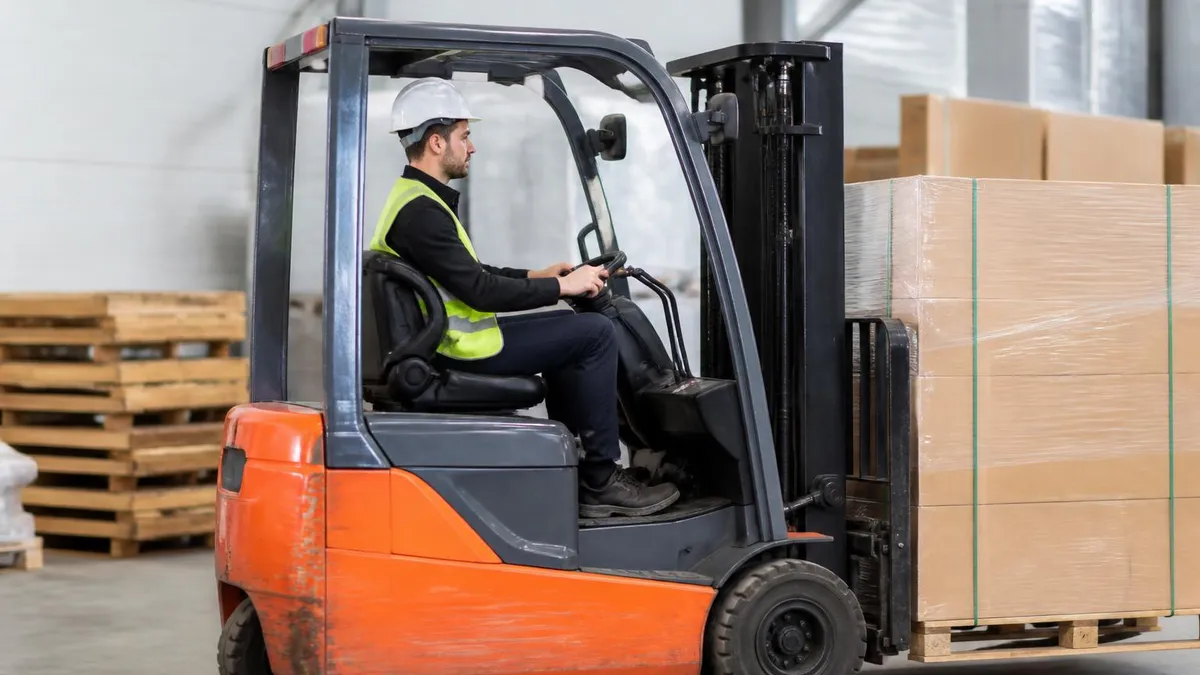
Forklift Rental vs. Buying: What the Manual Means for Each Option
- +Rental agreements transfer manual-reading responsibility clearly to the operator, encouraging compliance
- +Renting lets you choose the right forklift type — electric forklift, stand up forklift, or propane — for each project
- +Short-term forklift rental near me searches yield same-day availability in most metro areas
- +No long-term maintenance schedule obligations — the rental company handles major service intervals
- +Operators can gain hands-on experience with diverse equipment types across different manuals
- +Forklift rentals typically include basic operator familiarization from the rental company's staff
- −Operators must re-read a new manual every time a different rental unit is delivered to the site
- −Rental units may arrive with incomplete or worn-out manual documentation on board
- −Long-term forklift rental costs exceed purchase price within 18-24 months for high-use applications
- −Rental fleets may not have the specific forklift for sale configuration your workflow requires
- −Lack of ownership means no control over maintenance history or equipment condition between rentals
- −Operators unfamiliar with rental unit quirks face a steeper learning curve despite having a valid certification
Pre-Shift Forklift Inspection Checklist (Manual-Based)
- ✓Check engine oil, hydraulic fluid, and coolant levels before startup and top off as needed.
- ✓Inspect forks for cracks, bends, and heel wear — replace if fork thickness is worn more than 10%.
- ✓Test all lights, horn, and backup alarm to confirm they function correctly.
- ✓Check tire condition and inflation pressure according to manufacturer specs in the manual.
- ✓Inspect the mast, chains, and rollers for wear, cracks, and proper lubrication.
- ✓Test the service brakes and parking brake for proper engagement and stopping power.
- ✓Verify the battery charge level on electric forklifts and check for any swelling or leakage.
- ✓Confirm the capacity data plate is legible and matches the forklift being operated.
- ✓Check seatbelt or overhead guard condition and ensure they are undamaged and fully functional.
- ✓Complete and sign the daily inspection form — report any defects to the supervisor before use.
The Data Plate Is a Legal Document — Never Override It
The forklift's capacity data plate is not a suggestion — it is a load-rated engineering specification certified by the manufacturer. Operating a forklift with a missing, altered, or illegible data plate is an OSHA violation, and exceeding the rated capacity even once can cause irreversible structural damage to the mast and frame. Always verify the data plate matches the manual before each shift.
Understanding the financial landscape of forklifts helps operators, fleet managers, and business owners make smarter decisions about whether to rent, lease, or purchase equipment. Forklift rental costs in the United States range from about $200 to $500 per day, $800 to $1,800 per week, and $1,500 to $3,500 per month depending on the machine type, lift capacity, and region.
Forklift rental near me searches will typically return local dealers, national chains like United Rentals and BlueLine Rental, and equipment-specific specialists. In high-cost metro markets like New York, Los Angeles, and Chicago, expect to pay 20 to 30 percent above national averages due to demand and logistics costs.
Electric forklifts command a premium in both the rental and purchase markets. A new electric counterbalance forklift with a 5,000-pound capacity typically retails between $25,000 and $45,000, while equivalent propane or LPG models start around $18,000.
The higher upfront cost of electric models is partially offset by lower fuel costs — electricity costs roughly one-third as much as propane per operating hour — and reduced maintenance expenses since there is no engine, exhaust system, or transmission to service. Over a five-year ownership period, many electric forklift operators report total cost of ownership that is competitive with or lower than internal combustion alternatives.
Stand up forklifts, also called reach trucks or stand-up riders, are specialized machines designed for narrow-aisle warehouse environments. They are not the right tool for every job — their operator manuals specifically identify the surface conditions, aisle widths, and load types for which they are engineered.
A stand up forklift typically costs between $15,000 and $35,000 new, with rental rates running $1,200 to $2,500 per month. Their narrow turning radius and ability to work in aisles as tight as 8 to 10 feet wide make them indispensable in high-density storage facilities, but using one on rough outdoor terrain or for loads exceeding 3,500 pounds is both unsafe and likely to void the manufacturer warranty.
When evaluating a forklift for sale — whether new or used — the operator manual is one of the most important documents to request. A complete manual in good condition suggests the machine has been maintained according to manufacturer specifications. Missing or damaged manuals are a red flag indicating the previous owner may not have followed proper maintenance intervals. For used equipment, cross-referencing the forklift's hour meter reading with the maintenance log in the manual can reveal whether scheduled service milestones like hydraulic fluid changes, fork pin lubrication, and mast chain adjustments were completed on time.
Businesses that operate fleets of forklifts often develop a standardized internal manual library that includes both manufacturer documentation and site-specific operating procedures. This approach helps streamline the OSHA-required training for new operators while ensuring everyone on the floor is working from current, accurate information. Fleet managers should verify that the manual on board each forklift matches the serial number and configuration of that specific machine — a surprisingly common oversight in large warehouses where forklifts are regularly swapped between shifts and departments.
The forklift certification cost for a business with ten operators might range from $500 to $2,500 depending on whether training is conducted in-house or through a third party. Adding recertification every three years, plus costs for training new hires as turnover occurs, means safety training is a recurring line item in any serious warehouse operation budget. The return on that investment is measurable: OSHA data consistently shows that workplaces with up-to-date operator certification and consistent manual-based training experience 50 to 70 percent fewer forklift-related incidents than those with lapsed or informal programs.
For companies that use forklift rentals frequently — such as construction firms, event logistics operators, or businesses with seasonal peak demand — maintaining a file of operator manuals for commonly rented equipment types is a practical safety measure. When a forklift rental arrives on site, the operator can compare the in-cab manual against the reference copy, quickly identify any configuration differences, and complete the machine-specific familiarization required by OSHA before putting the machine into service. This process typically takes 15 to 30 minutes and is a direct application of the manual knowledge covered throughout this guide.
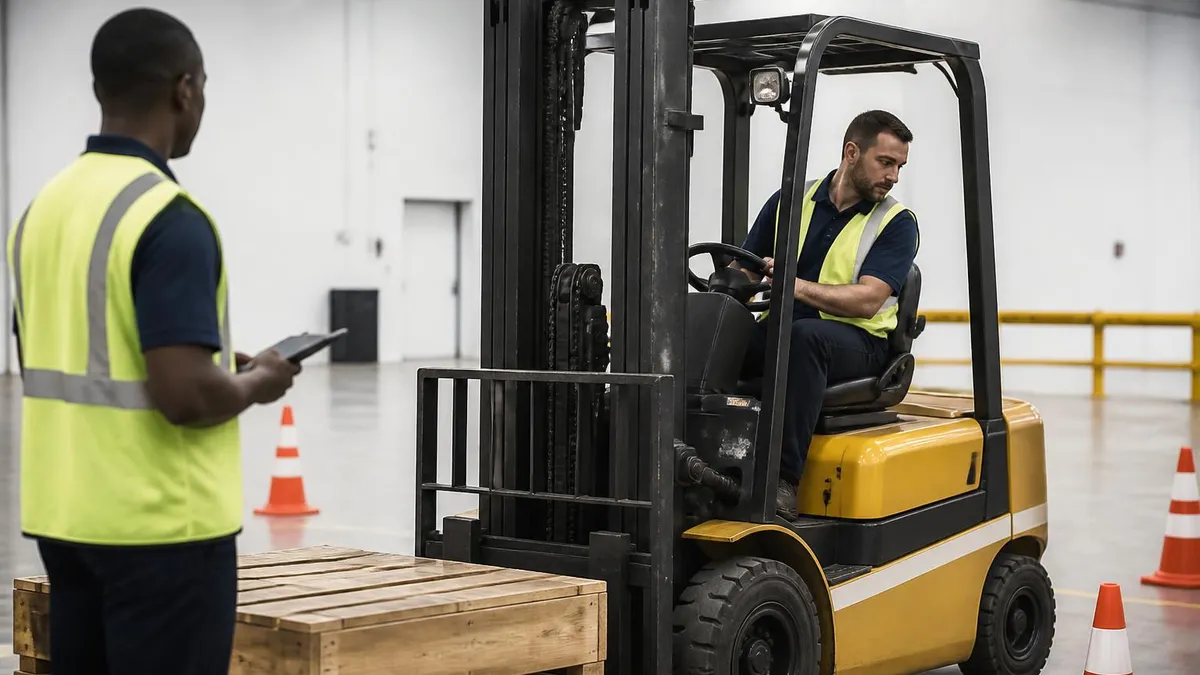
When you sign a forklift rental agreement, you typically accept responsibility for ensuring all operators have been trained and certified on that specific equipment type. If an untrained operator uses a rental forklift and causes an injury, both the employer and the individual may face OSHA citations and civil liability. Always verify operator certifications before allowing anyone to operate a rental unit — and keep copies of training records on file at your work site.
The maintenance section of a forklift operator manual is one of the most detailed and technically dense portions of the document. It covers scheduled service intervals, fluid specifications, torque values, and adjustment procedures for everything from fork pin clearances to chain stretch limits. For operators, the most relevant parts of this section are the daily and weekly checks they are expected to perform before and during each shift. For maintenance technicians and fleet managers, the monthly, quarterly, and annual service schedules determine when the machine needs to come out of service for professional inspection and repair.
Hydraulic system maintenance is a major focus of forklift manuals because the hydraulic circuit controls the lift, tilt, and auxiliary functions that make the machine useful. Contaminated or degraded hydraulic fluid is one of the leading causes of lift system failures and mast drift — a condition where a raised load slowly descends without operator input.
Manufacturer manuals specify the exact fluid type, viscosity grade, and change interval for the hydraulic system, as well as the procedure for bleeding air from the circuit after a fluid change. Using the wrong fluid or skipping a scheduled change can cause seal degradation, pump wear, and ultimately expensive component failures.
Battery maintenance is uniquely critical for electric forklifts and is documented extensively in their manuals. Flooded lead-acid batteries — still common in many warehouse fleets — require weekly water level checks using distilled water, equalization charging every 5 to 10 cycles, and specific storage temperature conditions. Operators who allow batteries to run below 20 percent state of charge regularly will experience premature cell sulfation and dramatically reduced battery life. A quality forklift battery costs $3,000 to $8,000 to replace, making proper maintenance a significant financial consideration beyond the safety implications.
Tire maintenance is another area where the forklift manual provides machine-specific guidance. Pneumatic tires require inflation pressure checks using the PSI specification listed in the manual — over- or under-inflation affects both load capacity and stability.
Solid cushion tires used on indoor forklifts don't require inflation checks but must be inspected for chunking, flat spots, and the wear indicator line that signals replacement is needed. The manual will specify whether the forklift is approved for cushion tires only, pneumatic tires only, or both, and using the wrong tire type can affect the machine's stability rating and void the capacity plate certification.
Chain inspection and adjustment is one of the more technically demanding maintenance tasks covered in forklift manuals. Lift chains stretch over time and must be measured against the specification in the manual to determine whether adjustment or replacement is needed. A chain worn beyond 3 percent elongation should be replaced — a stretched chain is weaker and can fail suddenly under load.
The manual also specifies the correct chain lubrication product and interval, since dry or corroded chains are prone to cracking and sudden failure. Many forklift accidents involving sudden load drops are caused by deferred chain maintenance, making this one of the highest-priority items in the inspection routine.
Mast and carriage inspection procedures are detailed extensively because these components experience enormous stress during normal operation. The mast rails, rollers, and weld points must be inspected for cracks, deformation, and wear according to the schedule in the manual. The carriage must move smoothly without binding or side play, and the fork latches or locking pins must engage fully to prevent accidental fork detachment. For forklifts equipped with attachments — side shifters, rotators, paper roll clamps — the manual will include additional inspection and lubrication requirements specific to those accessories.
Service records should always be maintained in alignment with the forklift manual's schedule and stored in a log book kept with the machine. When a forklift changes operators, shifts, or facilities, having a complete maintenance history allows the new custodian to immediately understand the machine's service status.
OSHA inspectors may request maintenance records during workplace audits, and gap-free records are one of the clearest demonstrations that an employer takes their powered industrial truck program seriously. Operators who notice any condition during pre-shift inspection that suggests maintenance has been skipped should remove the machine from service and notify their supervisor before it is used again.
Preparing for your forklift certification evaluation requires a combination of hands-on practice and solid knowledge of the concepts covered in the operator manual. The written or verbal knowledge component of most evaluations covers OSHA regulatory requirements, stability principles, load capacity calculations, and the specific rules for the type of forklift being used. Operators who spend time with the actual manual — not just a generic training handout — consistently perform better on evaluations because they understand the reasoning behind safety rules rather than just memorizing them as a list.
Practice tests are one of the most efficient ways to identify knowledge gaps before your evaluation. A good practice test will present questions drawn from the same regulatory content covered in your training, including OSHA 29 CFR 1910.178, manufacturer manual concepts, and real-world scenario questions that test judgment and decision-making. When you get a question wrong, use it as a prompt to return to the relevant section of the manual and understand the underlying concept. This active review process builds durable knowledge that holds up under the stress of an actual evaluation and transfers to real operating situations.
Hands-on preparation should mirror the practical evaluation format as closely as possible. That means practicing the full pre-shift inspection from memory, then verifying against the manual's checklist. It means picking up loads at varying heights, traveling on a defined course, and placing loads in rack positions — all while verbalizing your observations to develop the habit of narrating hazards that evaluators look for. Operators who practice with a peer observer and ask for feedback on specific manual-based criteria learn more quickly than those who practice alone without structured feedback.
Scenario-based learning is particularly valuable for preparing the judgment calls that evaluations and real operations demand. Work through scenarios like: the load you need to pick up is 6,000 pounds but your forklift is rated at 5,000 — what do you do? You are driving to the dock and a pedestrian steps in front of you unexpectedly — what is the correct response?
Your hydraulic warning light illuminates during a shift — what steps does the manual require? Thinking through these scenarios using the manual as your reference builds the mental frameworks that allow you to act correctly and quickly in high-pressure situations.
Understanding the recertification timeline is essential for maintaining compliance without lapses. OSHA requires recertification at least every three years, but also requires it sooner if specific triggering events occur: an unsafe operation observation, a near-miss or accident, a change in equipment type, or a change in workplace conditions. Keeping a personal record of your certification date and the specific equipment covered by that certification helps you stay ahead of renewal deadlines. Many operators set a calendar reminder 90 days before their three-year anniversary to allow time to schedule and complete recertification without a gap in their certification status.
The forklift certification landscape continues to evolve as technology changes the equipment. Electric forklifts with advanced lithium-ion battery systems, forklifts with integrated load weighing sensors, and autonomous guided vehicles (AGVs) that share warehouse space with manned forklifts all create new training requirements. Manufacturers are updating their operator manuals to address these technologies, and OSHA is actively developing guidance for autonomous industrial vehicles. Staying current with both the manual for your specific equipment and the broader regulatory environment is part of what separates a professional forklift operator from someone who simply passed a one-time evaluation years ago.
Finally, remember that the forklift operator manual is a living reference document, not a one-time read. Experienced operators return to the manual when they encounter an unfamiliar load type, when they are assigned to a piece of equipment they haven't used recently, or when a maintenance technician describes a repair that affects how the machine handles.
The operators with the best safety records are invariably those who treat the manual as their most reliable on-the-job resource — consulting it proactively rather than reactively. Making that habit part of your professional practice from day one is the single most impactful step you can take to build a long, safe, and successful forklift operating career.
Forklift Questions and Answers
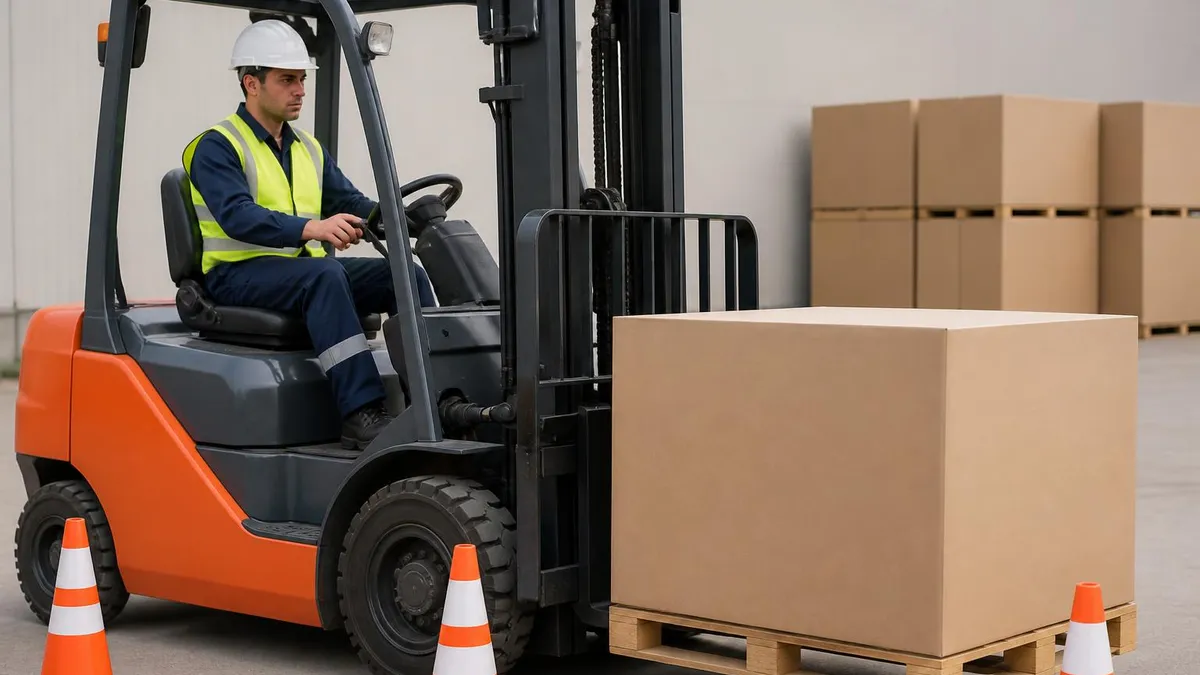
Forklift Tires: Complete Guide to Types, Sizing, Wear Patterns, and Replacement Costs
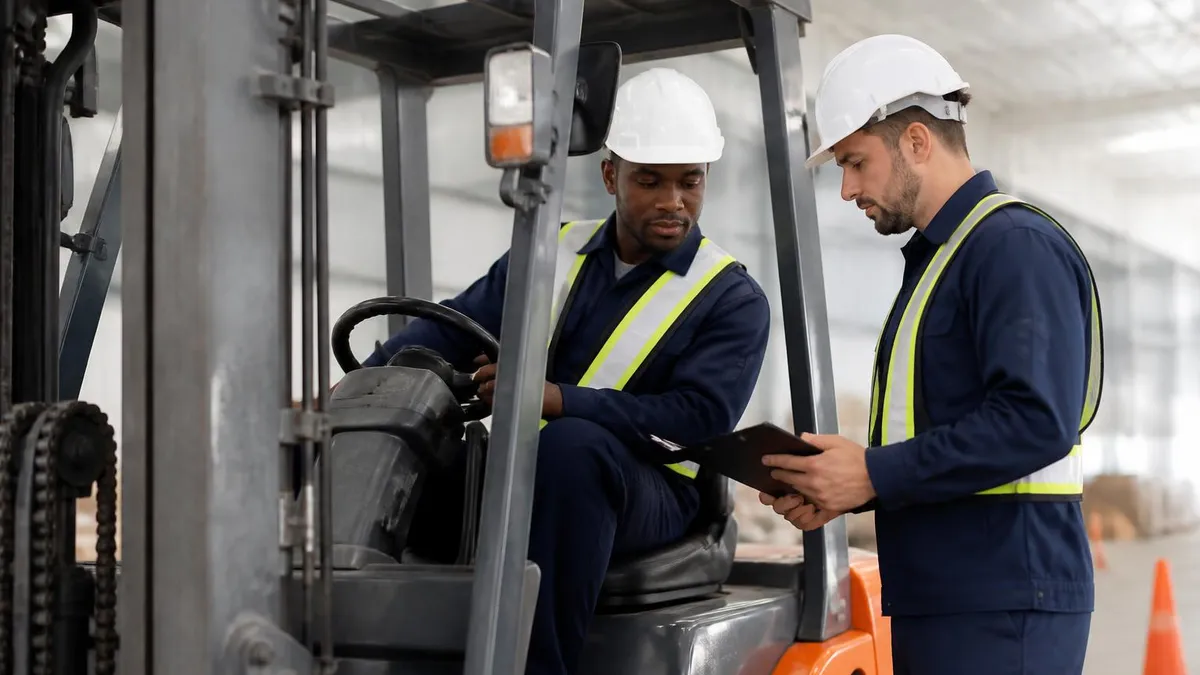
Forklift Operator Duties: Complete Guide to Daily Responsibilities, Safety Tasks, and Career Path for 2026
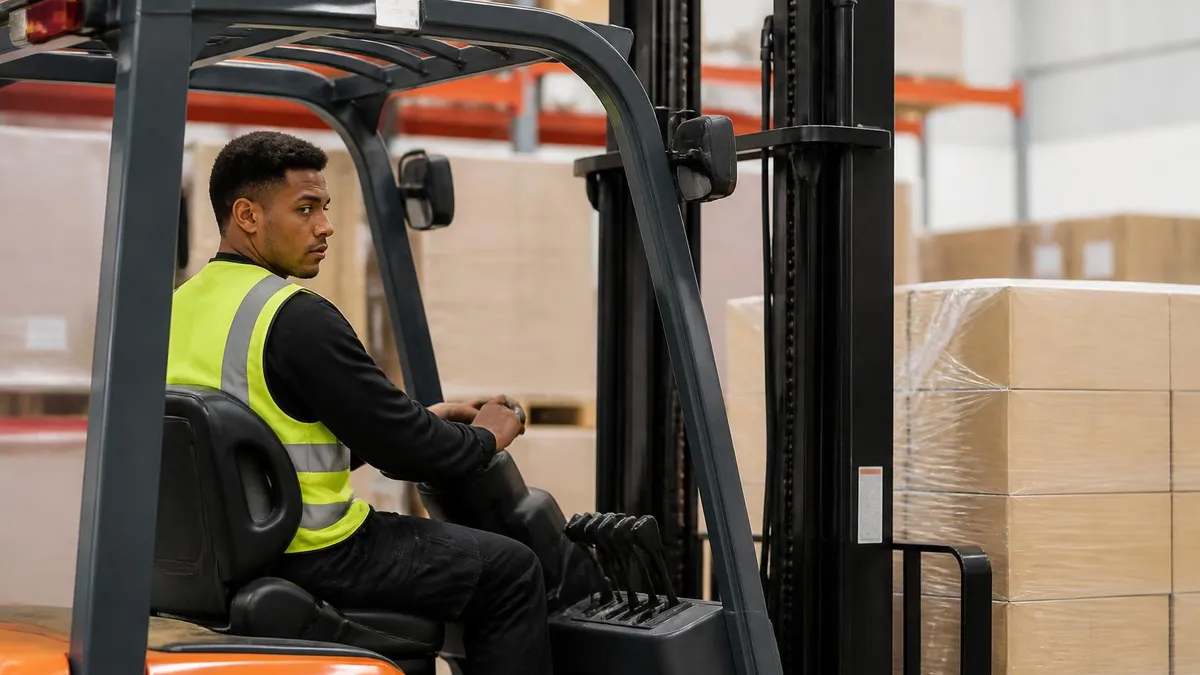
Forklift Course: Complete Training Guide, Certification Requirements, and Operator Tips for 2026
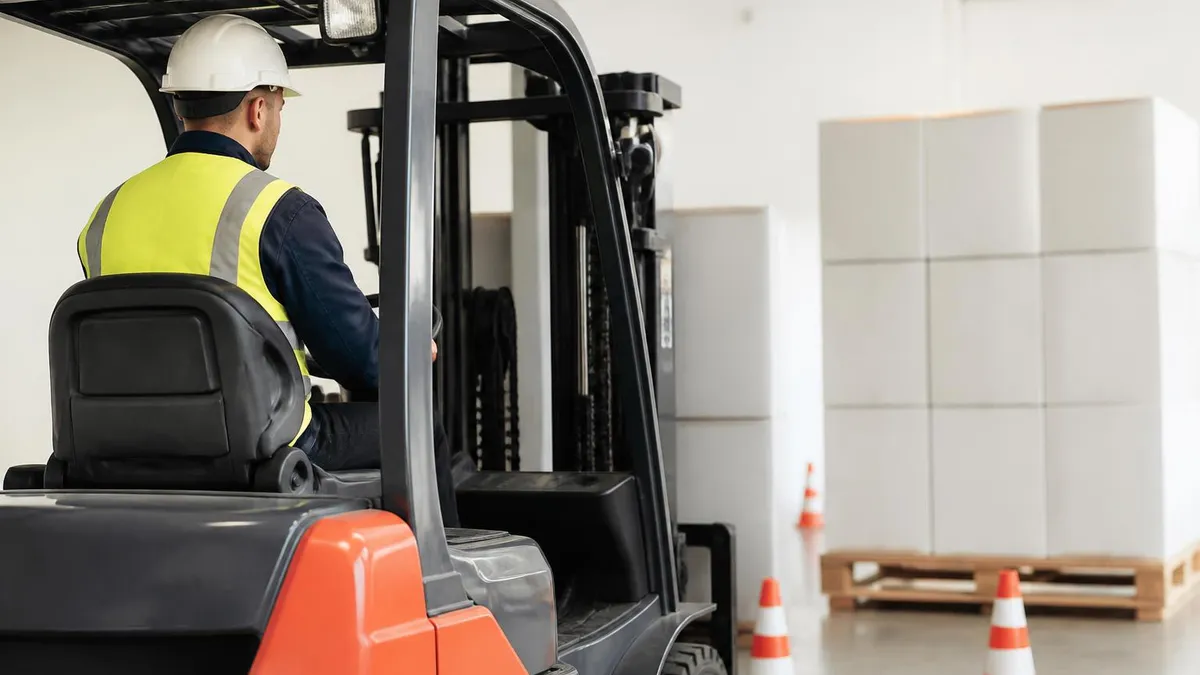
Forklift License Renewal: Complete Guide to Forklift License Expiry, OSHA Recertification, and Operator Requirements for 2026

Sit Down Forklift Jobs: Complete Guide to Careers, Pay, Training, and Hiring in 2026
About the Author

Certified Crane Operator & Skilled Trades Exam Specialist
Ferris State UniversityRobert Martinez is a Journeyman Ironworker, NCCCO-certified crane operator, and forklift trainer with a Bachelor of Science in Construction Technology from Ferris State University. He has 21 years of ironworking, rigging, and heavy equipment operation experience across high-rise and industrial construction sites. Robert prepares candidates for crane operator, rigger, forklift, and skilled trades certification examinations.