
Premier HVAC Services: Installation, Repair, Maintenance, and Choosing the Right Contractor
📗 Premier HVAC services explained: installation, repair, maintenance, costs, contractor vetting, energy efficiency, and how to choose the right provider.

Choosing premier HVAC services means partnering with a contractor who handles every aspect of your home or building's comfort system — from the initial load calculation to the final commissioning report. Quality HVAC work is not a commodity. The difference between an average install and a premier install can mean a 20 percent swing in energy bills, a decade of equipment lifespan, and the difference between rooms that feel balanced and rooms that never quite cool down. Understanding what separates excellent service from mediocre service is the first step toward making smart decisions about your system.
The HVAC industry covers a wide spectrum of work: residential split systems, commercial rooftop units, ductless mini-splits, geothermal heat pumps, hydronic boilers, and increasingly, hybrid systems that integrate solar and smart controls. Each of these has its own installation requirements, code obligations, and maintenance rhythm. Premier contractors invest in technician training across these categories so they can recommend the right solution rather than defaulting to whatever they happen to stock in the warehouse.
Homeowners typically engage HVAC services in one of four scenarios: a sudden breakdown during a heat wave or cold snap, a planned replacement of an aging system, a new construction or major renovation project, or routine seasonal maintenance. Each scenario calls for a different conversation with the contractor. Emergency calls focus on diagnosis and immediate fix; replacements demand careful sizing and equipment selection; new construction requires coordination with builders and electricians; maintenance is about catching small problems before they become expensive ones.
The cost of getting HVAC service wrong is significant. An oversized air conditioner short-cycles, never properly dehumidifying the home, and burns out compressors years ahead of schedule. An undersized furnace runs continuously in winter, racking up gas bills while still leaving the back bedrooms cold. Improperly sealed ductwork can leak 30 percent of conditioned air into attics and crawlspaces. Poor refrigerant charging cuts efficiency by 15 to 20 percent. Premier service exists precisely to prevent these expensive, invisible mistakes.
Regulation has tightened considerably in recent years. The 2023 transition to SEER2 efficiency standards changed minimum equipment ratings across all climate regions. The A2L refrigerant transition that began in 2025 introduced new safety codes for installers and required updated tools and training. Contractors who haven't invested in the necessary equipment, certifications, and continuing education cannot legally or safely perform many modern jobs. When you evaluate service providers, you are also evaluating their commitment to keeping up.
This guide walks through every aspect of evaluating, hiring, and working with HVAC service providers. We will cover the categories of service offered, what a thorough installation looks like, how to read and compare quotes, when to repair versus replace, the right maintenance cadence for different equipment types, contractor licensing and insurance requirements, warranty considerations, and the questions that separate informed homeowners from easy upsells. By the end, you should be able to walk into any contractor conversation with a clear sense of what excellent service looks like.
Whether you manage a single-family home, a small commercial building, or a multi-property portfolio, the principles are the same: hire licensed and insured contractors, demand documented load calculations, insist on commissioning reports, schedule preventive maintenance, and treat your HVAC system as the major capital investment it actually is. A premier provider will welcome that conversation and demonstrate value at every step.
HVAC Services by the Numbers
Categories of HVAC Service
Sizing, equipment selection, ductwork modifications, line set runs, electrical, refrigerant charging, and commissioning. The most consequential service category — mistakes here haunt the system for its entire life.
Troubleshooting no-cool, no-heat, airflow, or refrigerant issues. Premier contractors use manufacturer diagnostics, document findings, and explain repair-versus-replace tradeoffs honestly rather than defaulting to upsells.
Seasonal tune-ups including coil cleaning, filter replacement, refrigerant check, electrical tightening, condensate clearing, and combustion analysis on gas equipment. Catches 75 percent of issues before they become breakdowns.
Whole-home filtration, UV lights, humidifiers, dehumidifiers, ERVs and HRVs, and duct cleaning. Increasingly bundled with HVAC service because air quality and comfort are inseparable from system design.
Rooftop units, VRF systems, chillers, building automation, and refrigeration. Requires different licensing, larger crews, and ongoing service contracts that include emergency response SLAs and quarterly inspections.
A premier HVAC installation begins long before any equipment arrives on site. The first step is a Manual J load calculation — a room-by-room analysis that accounts for window orientation, insulation values, air infiltration, occupant counts, and local design temperatures. Contractors who skip this step and instead size equipment by square footage or by whatever was there before are setting up the homeowner for years of comfort complaints and inflated utility bills. A genuine Manual J takes several hours and produces a written report you should expect to see.
Manual S follows Manual J and matches specific equipment models to the calculated load. A premier contractor will not simply install the largest unit that fits the budget. They will look at sensible-to-latent ratios, blower performance curves, defrost behavior for heat pumps, and turndown ratios for two-stage and variable-speed equipment. The goal is matching the system to the home so that under typical conditions, the unit runs longer at lower output, which improves dehumidification, reduces noise, and extends component life.
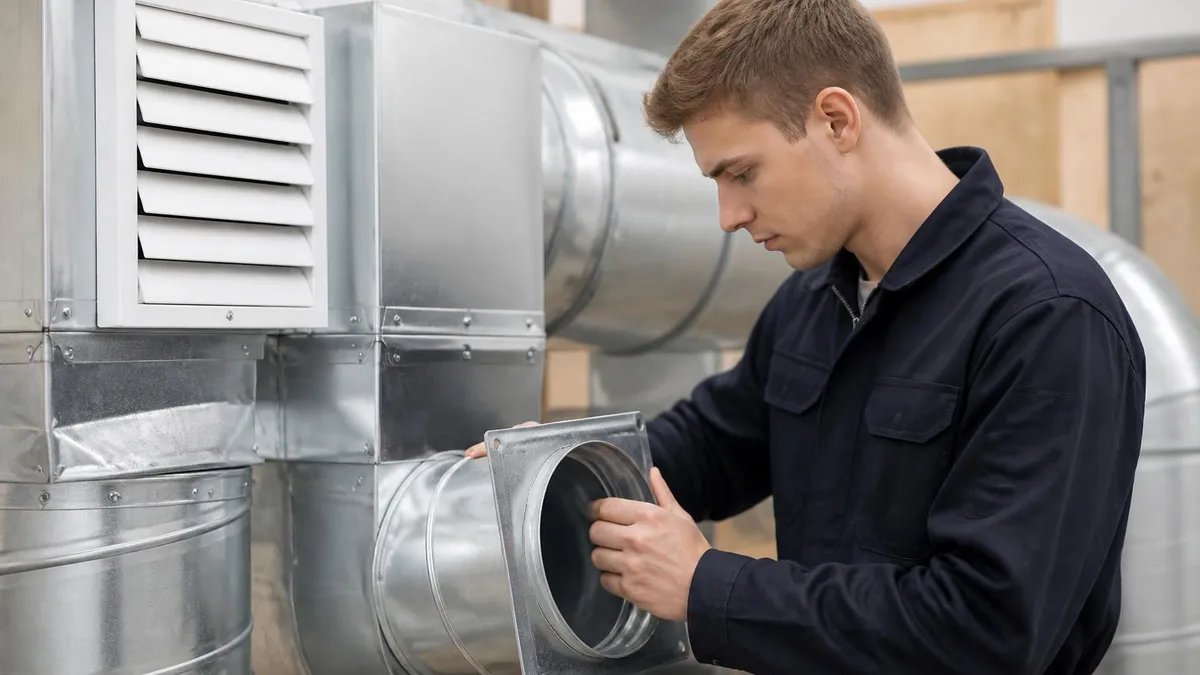
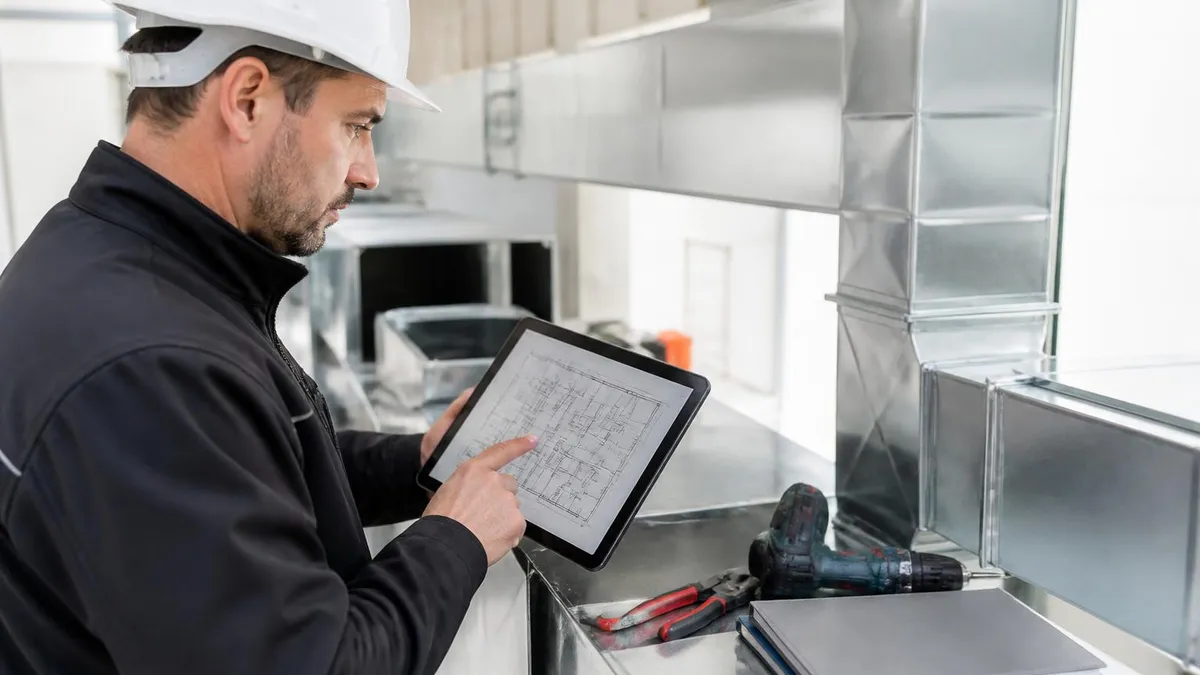
Manual D handles ductwork design. Existing duct systems are frequently undersized, leaky, or poorly balanced — and dropping a high-efficiency unit onto bad ducts wastes most of the benefit. Premier installers will measure static pressure at the air handler, test for leakage with a duct blaster, and either modify or replace problem sections. Done right, the ductwork delivers the rated airflow to every register, eliminates whistling and rumbling at higher speeds, and recovers the efficiency you paid for.
Refrigerant line sets deserve the same care. Lines that are too long, sized wrong, or poorly insulated reduce capacity and force the compressor to work harder. With the transition to A2L refrigerants, brazing technique, leak testing, and pressure-test protocols have all become more stringent. Premier installers nitrogen-purge during brazing, pull deep vacuum to verify dryness, weigh refrigerant charge to manufacturer specification, and document the entire process with timestamped readings on a commissioning report.
Electrical work matters more than most homeowners realize. High-efficiency variable-speed equipment is sensitive to voltage drop, ground faults, and undersized breakers. Premier contractors verify that the existing service can support the new load, install proper disconnects within sight of the equipment, and pull permits so the work gets inspected. They also configure communicating thermostats correctly, set staging parameters, and verify that all safety controls and limits function as designed before leaving the job.
Commissioning is the final and often skipped step. A real commissioning report includes superheat and subcooling measurements, supply and return temperature splits, static pressure readings, amp draw on the compressor and blower, gas pressure and combustion analysis on furnaces, and a list of any deviations from spec along with what was done to correct them. If the contractor cannot or will not produce this document, the install is incomplete. Pair this with the maintenance habits explained in our HVAC servicing guide for the best long-term outcome.
The difference between a two-day install that includes all of the above and a one-day install that skips half of it is roughly 20 to 30 percent of long-term operating cost and 5 to 10 years of equipment lifespan. Premier service costs more upfront and saves substantially more over the life of the system. When you compare quotes, you are not just comparing prices — you are comparing what is and is not included in the work.
HVAC Practice Test Questions
Prepare for the HVAC - Heating Ventilation and Air Conditioning exam with our free practice test modules. Each quiz covers key topics to help you pass on your first try.
HVAC Air Conditioning
HVAC Exam Questions covering Air Conditioning. Master HVAC Test concepts for certification prep.
HVAC Code Compliance
Free HVAC Practice Test featuring Code Compliance. Improve your HVAC Exam score with mock test prep.
HVAC Electrical Controls
HVAC Test Prep for Electrical Controls. Practice HVAC Quiz questions and boost your score.
HVAC Energy Efficiency
HVAC Questions and Answers on Energy Efficiency. Free HVAC practice for exam readiness.
HVAC Heating Systems
HVAC Mock Test covering Heating Systems. Online HVAC Test practice with instant feedback.
HVAC Load Calculations
Free HVAC Quiz on HVAC Load Calculations. HVAC Exam prep questions with detailed explanations.
HVAC Tools and Equipment
HVAC Practice Questions for HVAC Tools and Equipment. Build confidence for your HVAC certification exam.
HVAC Refrigeration
HVAC Test Online for Refrigeration. Free practice with instant results and feedback.
HVAC Safety Practices
HVAC Study Material on Safety Practices. Prepare effectively with real exam-style questions.
HVAC System Design
Free HVAC Test covering System Design. Practice and track your HVAC exam readiness.
HVAC Thermodynamics
HVAC Exam Questions covering Thermodynamics. Master HVAC Test concepts for certification prep.
Repair, Maintenance, and Replacement Decisions
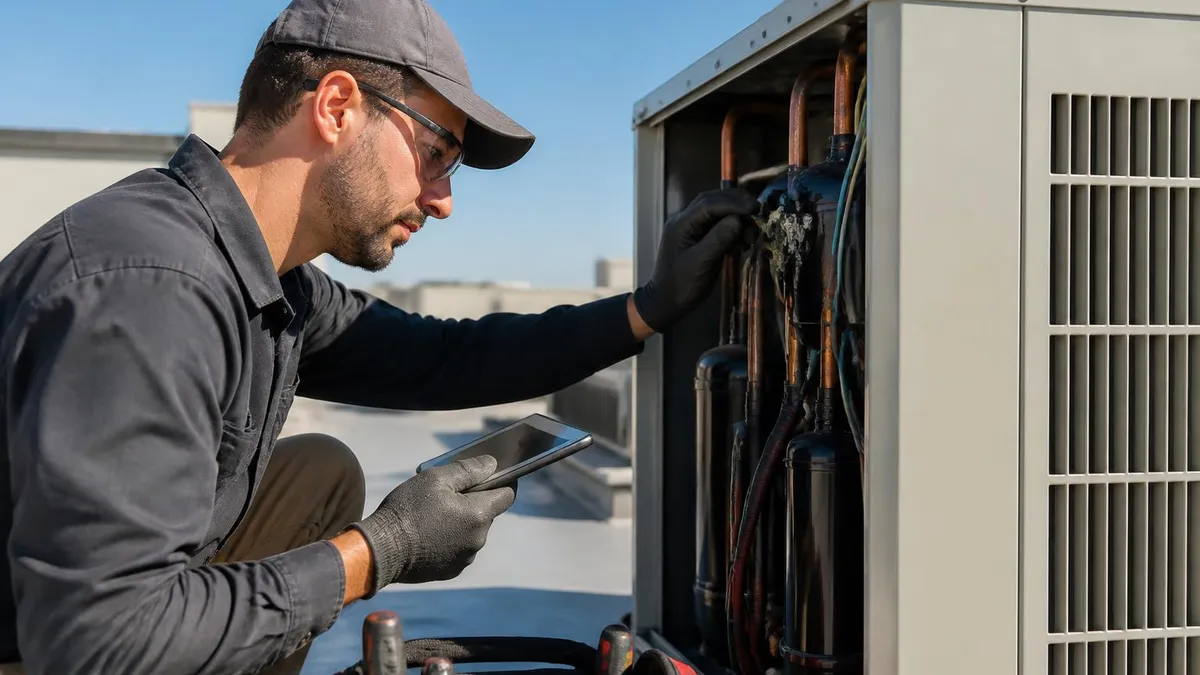
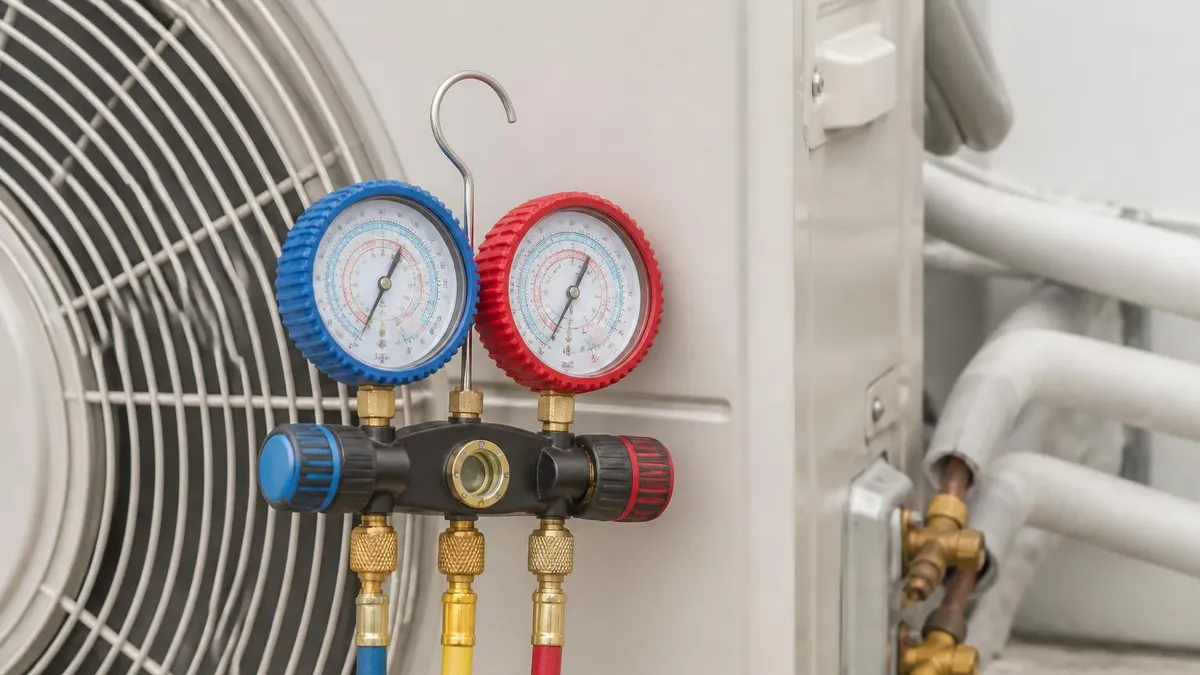
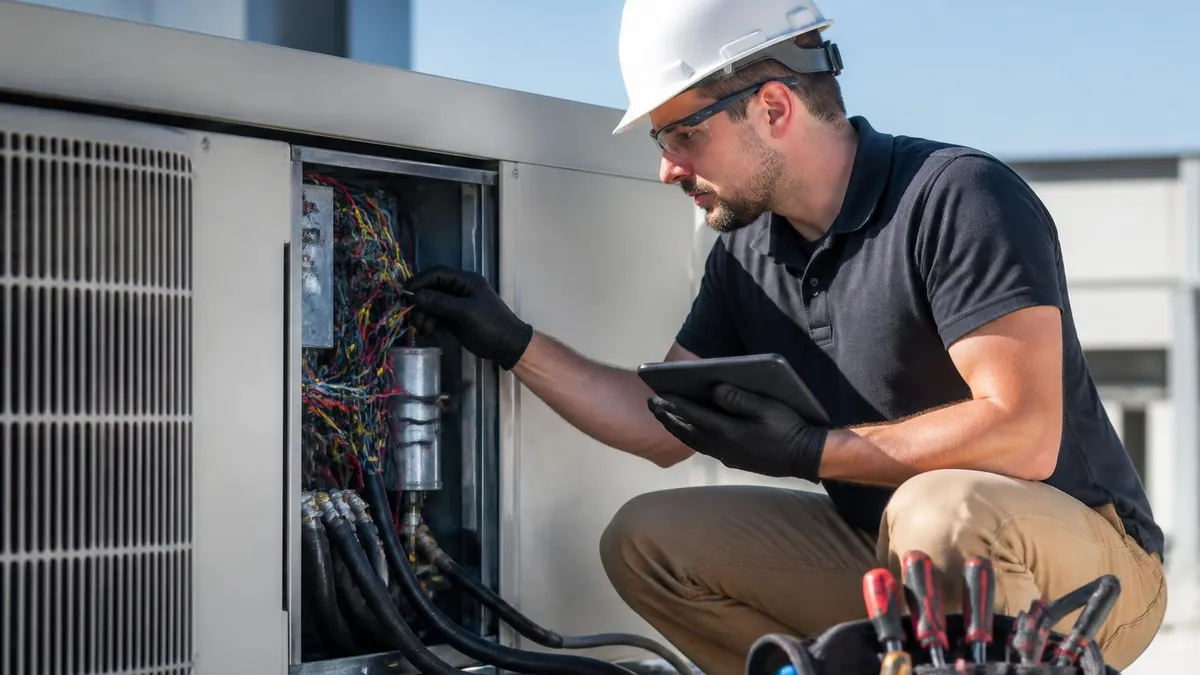
Repair service starts with diagnosis. Premier technicians arrive with manufacturer diagnostic tools, manifold gauges, multimeters, combustion analyzers, and infrared cameras. They check the simple things first — thermostat settings, breakers, filters, and condensate drains — before escalating to refrigerant pressures or board diagnostics. Charging a service fee to confirm a tripped breaker is acceptable; failing to find a bad capacitor and recommending compressor replacement is not.
Honest diagnostics produce written findings: what failed, why it failed, what the repair costs, and what the equipment's remaining useful life looks like. If the system is twelve years old and the compressor is dying, premier contractors will lay out repair-versus-replace economics rather than push whichever option pays them more. Get a second opinion if the diagnosis feels rushed or the recommendation jumps straight to a full replacement without explanation.
Hiring a Premier Full-Service HVAC Company vs. a Handyman or Low-Bid Contractor
- +Licensed, bonded, and insured — covers liability if anything goes wrong
- +Performs Manual J, S, and D calculations rather than guessing at sizing
- +Pulls permits and schedules inspections so work is code-compliant
- +Provides written commissioning reports with refrigerant and airflow readings
- +Offers manufacturer warranty registration and parts coverage support
- +Maintains EPA 608, NATE, and A2L refrigerant certifications
- +Provides 24/7 emergency response with documented response times
- −Higher upfront cost than uncertified or unlicensed alternatives
- −Lead times for installation can stretch 2 to 4 weeks in peak season
- −More paperwork, permitting steps, and inspection scheduling required
- −May recommend higher-end equipment that exceeds minimum requirements
- −Service call minimums often start at $99 to $150
- −Quote process takes longer because of in-home load calculations
- −Premium brands carried may limit options for budget-tier equipment
Pros and Cons at a Glance
| Pros | Cons |
|---|---|
| Licensed, bonded, and insured — covers liability if anything goes wrong | Higher upfront cost than uncertified or unlicensed alternatives |
| Performs Manual J, S, and D calculations rather than guessing at sizing | More paperwork, permitting steps, and inspection scheduling required |
| Pulls permits and schedules inspections so work is code-compliant | May recommend higher-end equipment that exceeds minimum requirements |
| Provides written commissioning reports with refrigerant and airflow readings | Quote process takes longer because of in-home load calculations |
| Offers manufacturer warranty registration and parts coverage support | Premium brands carried may limit options for budget-tier equipment |
Vetting an HVAC Contractor Checklist
- ✓Verify state contractor license number is active and in good standing
- ✓Confirm general liability insurance of at least $1 million and workers' comp coverage
- ✓Check EPA 608 universal certification for any refrigerant handling work
- ✓Look for NATE certification on lead installers and service technicians
- ✓Request three local references for jobs completed in the last 12 months
- ✓Ask for a written Manual J load calculation before any sizing recommendation
- ✓Demand a detailed written quote with equipment model numbers and SOW
- ✓Confirm the company pulls permits and includes inspection in the price
- ✓Verify manufacturer authorized dealer status for warranty registration
- ✓Ask about commissioning documentation and what readings will be recorded
- ✓Read recent Google and BBB reviews — focus on complaint resolution patterns
- ✓Get at least three competitive quotes before signing any contract
They measure before they quote
Any contractor willing to quote a new system without performing a Manual J load calculation, inspecting your ductwork, and measuring static pressure is gambling with your money. Sizing by square footage or by the existing unit's tonnage is how homes end up with oversized, short-cycling equipment that costs more and lasts less. The measurement step takes one to two hours and is the clearest signal you are working with a real professional.
HVAC pricing varies widely based on equipment tier, system type, regional labor rates, and the scope of ductwork and electrical modifications required. A straightforward residential split system replacement typically runs between $6,000 and $12,000 installed, with high-efficiency variable-speed systems and heat pumps reaching $15,000 to $25,000. Ductless mini-split installations range from $3,500 for a single zone to $20,000 for a whole-house multi-zone setup. Commercial rooftop units start around $8,000 per ton installed and escalate with controls integration.
Equipment warranties almost always separate parts coverage from labor coverage. Most manufacturers offer 10-year parts warranties on registered equipment, with some extending to lifetime compressor coverage on premium tiers. Labor warranties from the contractor typically run one to two years on the install, with optional extended labor protection plans available. Read the fine print: warranties are often voided if maintenance is not documented, if non-OEM parts are used in repairs, or if the original installer was not factory authorized.
Financing has become a standard part of HVAC service. Premier contractors partner with lenders to offer 0 percent promotional financing for 12 to 24 months, or longer-term loans at competitive rates. Avoid in-house financing arrangements that bury high interest rates inside inflated equipment pricing. The cleanest approach is to negotiate the cash price first, then evaluate financing separately as you would any other major purchase.
Rebates and tax credits can dramatically change the math. The federal Energy Efficient Home Improvement Credit covers up to 30 percent of qualifying heat pump installations, capped at $2,000 per year for heat pumps and additional amounts for electrical work. Many state and utility programs stack on top of federal credits, with rebates reaching $8,000 to $10,000 for income-qualified households under the Inflation Reduction Act's HEEHRA program. A premier contractor should be fluent in available incentives and handle paperwork.
Service contracts and maintenance plans typically cost $150 to $400 per year and include two tune-up visits, priority scheduling, and discounts on repairs and parts. The economics are favorable when you commit to performing maintenance anyway — you essentially prepay at a discount. Be wary of plans that promise unlimited service calls but cap repair coverage, or that auto-renew at higher rates after the first year. Read the renewal terms carefully.
Hidden costs often surprise homeowners during installation. Code upgrades to electrical panels, ductwork replacement, condensate pump installation, smart thermostat wiring, refrigerant line replacement, and removal of old equipment can each add $500 to $5,000 to a project. Premier contractors identify these during the in-home assessment and include them in the quote; lower-bid contractors often surface them as change orders after work begins. The honest upfront quote almost always costs less than the cheap quote plus surprises.
When comparing quotes, normalize what is included. One quote at $9,500 that covers permits, commissioning, smart thermostat, code-compliant disconnect, condensate pump, ten-year parts warranty registration, and two years of maintenance is almost always a better deal than a $7,800 quote that excludes those line items. Build a side-by-side spreadsheet of inclusions before comparing prices. Premier contractors welcome this scrutiny because they know they win on apples-to-apples comparisons.
As of 2025, new residential HVAC systems sold in the United States use A2L refrigerants such as R-454B or R-32 instead of R-410A. These refrigerants are mildly flammable and require contractors with updated tools, leak detection equipment, and certification. If a contractor proposes installing leftover R-410A inventory in 2026 or beyond, verify it complies with EPA rules. Mixing refrigerant types or using non-certified installers risks safety hazards and voided warranties.
Energy efficiency is where modern HVAC service delivers the largest financial return. The current SEER2 standard requires minimum efficiency ratings of 13.4 to 14.3 SEER2 for split systems depending on region, but premier installations frequently target 16 to 20 SEER2 to capture rebates and reduce operating costs. Heat pumps add HSPF2 ratings for heating performance, with premium cold-climate models maintaining efficiency at temperatures well below zero. The right equipment choice depends on local climate, electricity rates, and gas availability.
Variable-speed compressors and ECM blowers are the two technologies that transform comfort and efficiency. Variable-speed compressors run at low capacity most of the time, providing better dehumidification and quieter operation while consuming a fraction of the power of single-stage units. ECM blowers adjust airflow continuously, eliminate the abrupt on-off cycling of older units, and use roughly 75 percent less electricity than PSC blowers. Together they justify their premium for most homeowners within five to seven years.
Smart thermostats and zoning controls amplify efficiency further. Learning thermostats reduce energy use by an estimated 10 to 15 percent through scheduling optimization and geofencing. Zoning systems let you condition occupied spaces while idling unused areas — a particularly powerful upgrade for two-story homes, finished basements, or homes with home offices. Premier contractors integrate these systems during installation so wiring, dampers, and bypass requirements are handled correctly from day one.
Ductwork sealing and insulation often deliver more energy savings than equipment upgrades. Leaky ducts in unconditioned spaces can waste 25 to 40 percent of conditioned air. Aeroseal and traditional mastic sealing reduce leakage to under 6 percent of total airflow, and proper insulation of supply trunks in attics prevents heat gain that would otherwise overwhelm the system. These improvements typically pay back in two to four years and qualify for additional utility rebates in many regions.
Heat pumps deserve a closer look for homeowners considering electrification. Modern cold-climate heat pumps deliver heating capacity at minus 15 degrees Fahrenheit and beyond, eliminating the need for backup fossil fuel in most regions. The IRA tax credits and state rebate stacking can reduce net installed costs by 40 to 60 percent for qualifying households. Pair with a smart thermostat and time-of-use electric rates and the operating cost often beats natural gas heating. Browse HVAC industry news to track evolving rebate programs and refrigerant rules.
Indoor air quality has become inseparable from HVAC service. MERV 13 filtration removes particles down to 0.3 microns and is now considered the baseline for new installs. UV lights at the evaporator coil reduce biological growth and odors. ERVs and HRVs introduce filtered outdoor air without losing conditioned energy, which is critical in tightly built modern homes. Premier contractors design these elements into the system rather than tacking them on as aftermarket accessories.
Commissioning and verification close the energy efficiency loop. A properly installed system meeting its rated SEER2 and AFUE numbers might consume 30 percent less energy than the same equipment installed poorly. Premier contractors deliver this performance through documented airflow testing, refrigerant charge verification, combustion analysis, and post-install monitoring. The equipment label promises efficiency; the installer delivers it.
Practical tips for getting the most from your HVAC service relationship start with timing. Schedule maintenance in shoulder seasons — typically March and April for cooling systems, September and October for heating — when contractors have availability and rates are lower. Emergency calls during heat waves and cold snaps cost two to three times more and often involve waitlists. Premier contractors offer service agreements that lock in maintenance schedules ahead of demand spikes and guarantee priority response for plan members.
Keep documentation organized. Create a folder — physical or digital — for your HVAC system that includes the installation contract, equipment model and serial numbers, commissioning report, warranty registration confirmations, permit documentation, and every service ticket since installation. When something goes wrong, having this history available speeds diagnosis and protects warranty claims. When you eventually sell the home, this documentation supports your asking price and reassures buyers.
Be a good customer to get great service. Replace filters on the schedule the contractor recommends — typically every 1 to 3 months for standard filters and every 6 to 12 months for high-efficiency media filters. Keep the outdoor condenser clear of leaves, grass clippings, and shrubs growing within two feet. Watch for warning signs like rising humidity, longer run times, unusual noises, or rising bills, and report them early. Small problems are cheap; ignored problems become catastrophic ones.
Learn your system. You don't need to be a technician, but knowing where the air handler is, how to shut off power at the disconnect, where the condensate drain terminates, and how to change a thermostat battery prevents many false-alarm service calls. Premier contractors will walk you through this orientation at the end of an install and answer questions during maintenance visits. A 15-minute homeowner tutorial pays back many times over.
Use diagnostic data when available. Many modern systems include connected controls that report runtime, fault codes, and performance data to homeowners and contractors. These systems can flag refrigerant leaks, dirty coils, or failing components before they cause comfort problems. If your equipment supports it, enable contractor monitoring as part of your maintenance agreement. The contractor sees issues remotely and can dispatch before you notice anything wrong.
Plan for the next replacement before you need it. Equipment lifespans are predictable enough that you can budget for replacement starting around year 10 to 12. Track utility rebate program calendars, federal tax credit eligibility windows, and contractor off-season pricing. A planned replacement scheduled in October at the contractor's slower season with full rebate stacking can cost 20 to 30 percent less than the same job booked in July during an emergency. Premier contractors will help you think this far ahead.
Finally, trust but verify. Even the best contractors occasionally have an off day or send a technician who skips steps. Walk through the work at completion. Ask for the commissioning numbers. Verify permits get inspected and signed off. Test the system in both heating and cooling modes before final payment. A confident professional welcomes scrutiny and uses it to demonstrate their work. The relationship you build with a premier HVAC provider should feel collaborative, transparent, and worth every dollar over the system's lifetime.
Sample HVAC Practice Questions
Try these questions from our free HVAC practice tests. The correct answer and an explanation follow each question.
What does 'boiler sequencing' refer to in a multi-boiler installation?
- A. The order in which boiler sections are fired within a single boiler
- B. Staging multiple boilers to operate in sequence to match system heat demand efficiently
- C. Alternating fuel types between boilers
- D. The sequence of startup checks performed during boiler commissioning
Answer: B. Staging multiple boilers to operate in sequence to match system heat demand efficiently
Boiler sequencing controls multiple boilers to fire in sequence based on load demand—starting additional boilers as load increases and shutting down boilers as load decreases, optimizing efficiency and equalizing run hours.
Which type of EPA 608 certification covers service on centrifugal chillers using low-pressure refrigerants like R-123?
- A. Type I
- B. Type II
- C. Type III
- D. Universal
Answer: C. Type III
Type III certification is required for low-pressure appliances, including centrifugal chillers that use refrigerants like R-123 and R-11 which operate at below-atmospheric pressures.
During a pre-job safety briefing for an HVAC installation requiring work at heights, which topic must be addressed according to OSHA standards?
- A. The estimated completion time for the project
- B. Fall hazards, fall protection methods, and proper use of fall protection equipment
- C. The customer's preference for equipment placement
- D. The warranty terms for the equipment being installed
Answer: B. Fall hazards, fall protection methods, and proper use of fall protection equipment
OSHA requires that workers be trained on the nature of fall hazards, the correct use of fall protection systems, and the procedures for erecting, maintaining, and dismantling fall protection systems.
Which of the following is a leading cause of injury during HVAC service calls that involves sheet metal work?
- A. Vibration from power tools causing tendinitis
- B. Cuts from sharp sheet metal edges that have not been deburred or protected
- C. Chemical burns from duct sealant contact
- D. Back strain from lifting duct sections overhead
Answer: B. Cuts from sharp sheet metal edges that have not been deburred or protected
Sharp, unfinished sheet metal edges are a primary cause of lacerations during HVAC ductwork installation and service, requiring cut-resistant gloves.
HVAC Questions and Answers


How this page was made: written with AI tools. We have not yet matched this exam's facts to an official source, so confirm fees, dates and rules with the exam body. Not reviewed by a subject-matter expert. Editorial policy