
HVAC Maintenance Near Me: How to Find Reliable Local Tune-Ups, Pricing, and Service Plans That Actually Protect Your System
HVAC maintenance service near me: compare local pricing, service plans, seasonal tune-ups, and red flags so you hire the right pro for your system. 📗

Searching for an hvac maintenance service near me usually means one of three things: your system is making noises you have never heard, your last bill doubled without explanation, or you just bought a home and want a professional baseline before something breaks. Whatever brought you here, local HVAC maintenance is the single highest-ROI service most homeowners ignore until it is too late, and the difference between a great local technician and a bad one can be thousands of dollars and ten years of equipment life.
Annual maintenance is not a sales gimmick invented by HVAC companies. Manufacturers like Carrier, Trane, Lennox, and Goodman explicitly require documented yearly service to keep your parts warranty valid, and most warranty claims are denied because homeowners cannot produce service records. A single skipped tune-up can void five to ten years of coverage on a compressor that costs $2,200 to replace, which is why the math on a $129 maintenance visit always favors the homeowner who shows up consistently.
Local matters more in HVAC than in almost any other home service. Climate zones dictate refrigerant pressures, humidity levels change blower speed calibration, and regional utility rebates can knock hundreds of dollars off a tune-up package if your technician knows how to file the paperwork. A national chain dispatching a flat-rate technician from forty miles away cannot match a neighborhood company that has serviced your block for fifteen years and recognizes the quirks of homes built by the same developer.
The hard part is filtering signal from noise. Search results are dominated by lead-aggregator sites that sell your contact info to whichever contractor pays most, not necessarily the best one. Reviews are gamed, BBB ratings are paid placements, and the cheapest $49 tune-up coupon almost always converts into a $1,400 upsell on capacitors and coil cleanings that were never needed. You need a framework, not just a phone number.
This guide gives you that framework. We will walk through what real maintenance includes, how to spot a legitimate local company versus a sales-funnel-in-a-truck, what fair pricing looks like in 2026 across different regions, when to choose a one-time tune-up versus an annual plan, and the exact questions to ask before you let anyone open your air handler. You will finish reading knowing more than 90 percent of the people calling for service this week. If you eventually want to compare contractors more broadly, our guide to Certified HVAC Contractors covers vetting for installs and major repairs too.
One more reality check before we dive in: maintenance is preventive, not magical. A good tune-up will catch a failing capacitor, a dirty coil, a low refrigerant charge, or a cracked heat exchanger before it strands you in July or poisons you with carbon monoxide in January. It will not resurrect a twenty-two-year-old unit running on R-22, and any technician who promises otherwise is selling you something. Set expectations correctly and maintenance becomes the best insurance policy in your home.
By the end of this article you will know exactly what to type into the search bar, who to call back, what to pay, and what to refuse. Let us get into the specifics that local HVAC companies hope you never learn before they show up in your driveway.
HVAC Maintenance Near Me By The Numbers
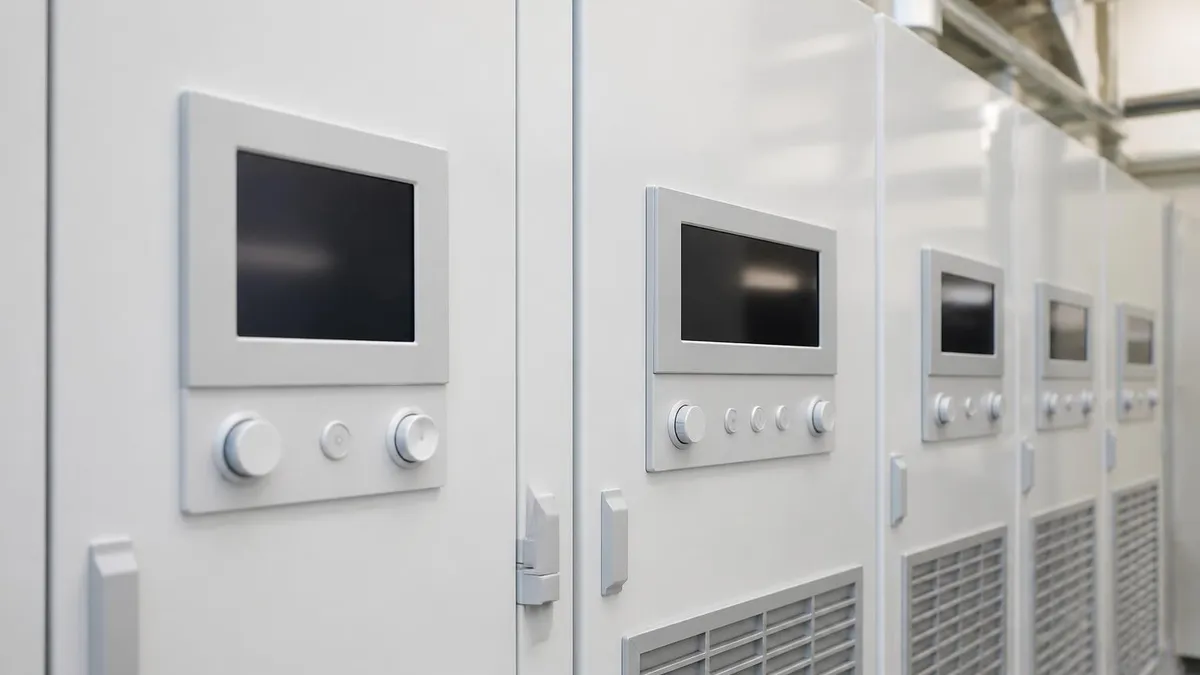
What a Real Local HVAC Maintenance Visit Includes
For gas furnaces, the tech checks burner ignition, flame pattern, gas pressure with a manometer, and inspects the heat exchanger with a camera or mirror for cracks that leak carbon monoxide. This single step justifies the entire visit cost in winter climates.
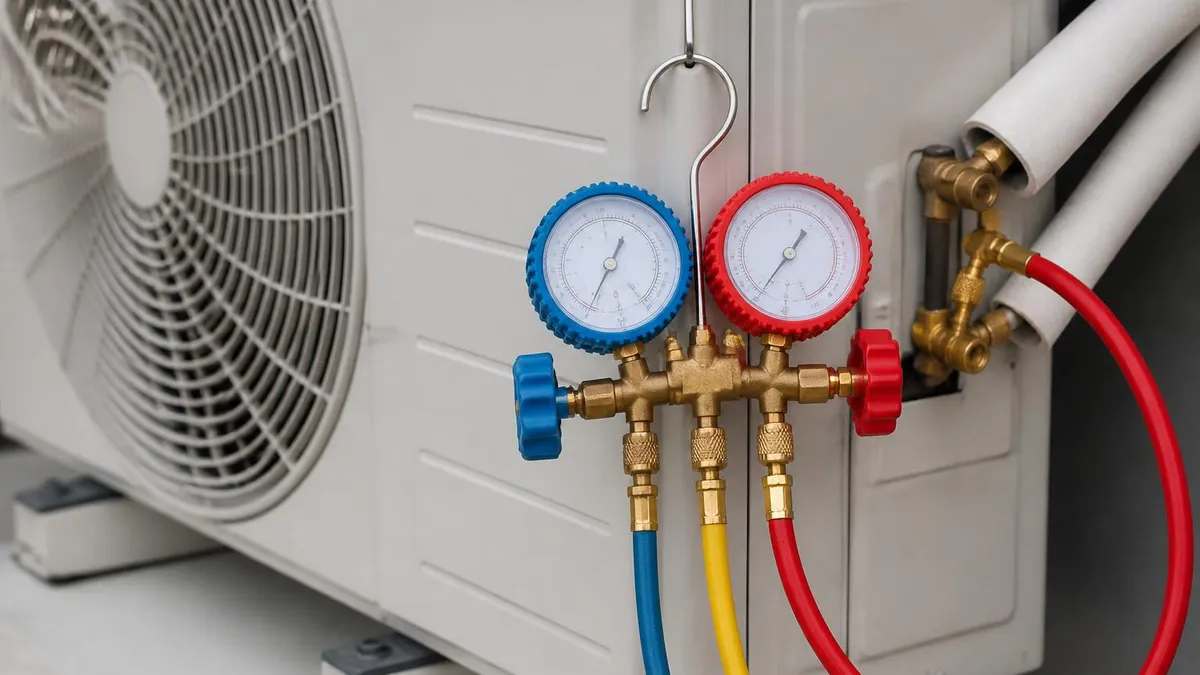
A proper AC tune-up measures superheat and subcooling, not just suction pressure. The tech washes the outdoor condenser coil, clears the indoor evaporator drain line, and verifies static pressure across the air handler to confirm correct airflow.
Capacitors are the number-one summer failure point. A good tech uses a multimeter to measure microfarads against the rated value, tightens all electrical lugs to torque spec, and inspects contactors for pitting before they weld shut on a 95-degree afternoon.
The technician measures temperature split across the coil, replaces or recommends the correct filter MERV rating, inspects accessible ductwork for disconnects or crushed flex, and confirms the blower wheel is clean enough to move rated CFM.
Limit switches, pressure switches, flame sensors, and float switches are all tested under load. The visit ends with a written report listing measured values, any deficiencies, and parts that may need replacement within twelve months.
Finding a trustworthy local HVAC company starts with rejecting the easy path. The first three Google results for any maintenance search are usually paid ads from lead aggregators, national franchises, or private equity roll-ups that bought out the neighborhood shop you remember from a decade ago. None of those are automatically bad, but none of them are automatically good either. You need verifiable signals, not just a polished website and a stock photo of a smiling technician.
Start with state licensing. Every state with an HVAC license requirement publishes a free lookup tool — type the company name, the technician name, and the license number into your state board portal. A legitimate local company will display their license number on their truck, their invoices, and the footer of their website. If the number is missing, expired, or registered to a different business entity, end the conversation. License lookups take ninety seconds and screen out roughly a third of the dispatch outfits operating in most metros.
NATE certification is the next tier. North American Technician Excellence is the industry standard credential for individual technicians, and a company that pays for their team to maintain NATE status is signaling investment in training. EPA Section 608 certification is legally required for anyone handling refrigerant, so verify that too. Ask which specific technician will arrive and what certifications they personally hold — vague answers about the company being certified are a soft flag.
Reviews are useful only if you read them correctly. Ignore the star average and read the two-star reviews specifically. A company with mostly five-star reviews and a cluster of two-star complaints about surprise billing, no-show appointments, or aggressive upselling is telling you exactly how the bad days go. Pay special attention to how the company responds — a calm, factual response to a negative review reveals more than a thousand glowing testimonials. Check Google, Yelp, and Better Business Bureau, then weight Google highest because verification standards are tighter.
Ask for local references in your specific neighborhood. A real local company can name three streets within five miles where they have customers, and many will share addresses or general intersections with permission. National franchises and out-of-area dispatchers rarely can. This single question separates contractors who actually work your area from sales operations using a local phone number forwarded to a call center two states away. For broader hiring guidance on bigger projects, our deep dive on Commercial HVAC Contractors Near Me applies many of the same vetting principles to commercial work.
Insurance documentation is non-negotiable. A legitimate HVAC contractor carries general liability insurance of at least one million dollars and workers compensation coverage for every employee on your property. Ask for a certificate of insurance emailed directly from the insurance carrier, not a photo from the contractor. If the contractor balks, refuses, or sends a document with a recent issue date and no carrier contact information, they are either uninsured or hoping you will not check. Either answer is disqualifying.
Finally, time your evaluation. Call three companies, ask the same five questions to each, and notice who answers the phone live versus who routes you to voicemail. Notice who quotes a flat tune-up price versus who insists on coming out to give a quote. Notice who pressures you to commit on the call versus who emails written information. The contractor who treats a maintenance inquiry with patience and transparency will treat a 2 a.m. emergency the same way. That consistency is what you are actually paying for.
HVAC Practice Test Questions
Prepare for the HVAC - Heating Ventilation and Air Conditioning exam with our free practice test modules. Each quiz covers key topics to help you pass on your first try.
HVAC Air Conditioning
HVAC Exam Questions covering Air Conditioning. Master HVAC Test concepts for certification prep.
HVAC Code Compliance
Free HVAC Practice Test featuring Code Compliance. Improve your HVAC Exam score with mock test prep.
HVAC Electrical Controls
HVAC Test Prep for Electrical Controls. Practice HVAC Quiz questions and boost your score.
HVAC Energy Efficiency
HVAC Questions and Answers on Energy Efficiency. Free HVAC practice for exam readiness.
HVAC Heating Systems
HVAC Mock Test covering Heating Systems. Online HVAC Test practice with instant feedback.
HVAC Load Calculations
Free HVAC Quiz on HVAC Load Calculations. HVAC Exam prep questions with detailed explanations.
HVAC Tools and Equipment
HVAC Practice Questions for HVAC Tools and Equipment. Build confidence for your HVAC certification exam.
HVAC Refrigeration
HVAC Test Online for Refrigeration. Free practice with instant results and feedback.
HVAC Safety Practices
HVAC Study Material on Safety Practices. Prepare effectively with real exam-style questions.
HVAC System Design
Free HVAC Test covering System Design. Practice and track your HVAC exam readiness.
HVAC Thermodynamics
HVAC Exam Questions covering Thermodynamics. Master HVAC Test concepts for certification prep.
HVAC Maintenance Service Near Me: Pricing Tiers Explained
The entry-level tune-up covers visual inspection, filter check, basic electrical test, and a refrigerant pressure reading. It typically lasts thirty to forty-five minutes and is fine for newer systems under five years old that are operating normally. Expect a one-page checklist, no coil cleaning, and no extended diagnostics. This tier works as a quick health check between deeper service intervals.
Coupon pricing in this range is common during spring and fall promotional windows. Be cautious — the lowest advertised tune-ups are often loss leaders designed to put a technician in your home for upsell opportunities. The service itself is legitimate, but ask in advance what is and is not included so you can decline add-ons confidently when the recommendations start flowing during the visit.

Annual Maintenance Plan vs One-Time Tune-Up: Which Wins?
- +Locks in two visits per year so you never forget seasonal service
- +Priority dispatch during peak heat waves and cold snaps when wait times exceed a week
- +Repair discounts of 15-20 percent often cover the plan cost after one breakdown
- +No diagnostic or trip fees for covered visits keeps surprise bills off the calendar
- +Documented maintenance record satisfies manufacturer warranty requirements automatically
- +Locked-in pricing protects against annual rate increases for several years
- +Some plans include filter delivery, drain treatments, and minor parts at no extra cost
- −Total annual cost is higher than a single tune-up if nothing breaks
- −Some plans auto-renew with no email reminder, locking you in another year
- −Cancellation fees on multi-year contracts can erase the savings if you move
- −Discounted repair pricing is often discounted off inflated book rates
- −You are tied to one company even if service quality drops over time
- −Coverage gaps for specific parts or system types may not be obvious until you file a claim
Pros and Cons at a Glance
| Pros | Cons |
|---|---|
| Locks in two visits per year so you never forget seasonal service | Total annual cost is higher than a single tune-up if nothing breaks |
| Priority dispatch during peak heat waves and cold snaps when wait times exceed a week | Some plans auto-renew with no email reminder, locking you in another year |
| No diagnostic or trip fees for covered visits keeps surprise bills off the calendar | Cancellation fees on multi-year contracts can erase the savings if you move |
| Documented maintenance record satisfies manufacturer warranty requirements automatically | Discounted repair pricing is often discounted off inflated book rates |
| Locked-in pricing protects against annual rate increases for several years | You are tied to one company even if service quality drops over time |
| Some plans include filter delivery, drain treatments, and minor parts at no extra cost | Coverage gaps for specific parts or system types may not be obvious until you file a claim |
Pre-Visit Checklist Before You Book HVAC Maintenance
- ✓Verify the company holds an active state HVAC contractor license and write down the number
- ✓Confirm at least one NATE-certified technician is on staff and ask who will be dispatched
- ✓Request a current certificate of general liability and workers compensation insurance by email
- ✓Read every two-star Google review and note how the company responded to complaints
- ✓Ask for two local references from your neighborhood or zip code
- ✓Get the flat tune-up price in writing including what coil cleaning and capacitor testing are included
- ✓Confirm whether a written report with measured values is delivered after the visit
- ✓Ask about trip charges, overtime fees, and minimum service call costs in case repairs are needed
- ✓Check whether the company services your specific brand and refrigerant type
- ✓Clarify cancellation and rescheduling policy if weather forces a reschedule
- ✓Pull your filter, equipment model numbers, and last service record before the technician arrives
- ✓Clear three feet of access around indoor and outdoor units to avoid extra labor charges
A $200 tune-up protects a $7,000 system and a $2,500 compressor warranty.
The average central AC system costs $5,500 to $9,000 installed in 2026, and the compressor alone runs $1,800 to $2,800 in parts plus labor when it fails out of warranty. Manufacturers will deny warranty claims without documented annual maintenance roughly nineteen times out of twenty. A $200 yearly tune-up is the cheapest insurance product in your house — it is not optional spending, it is the line item that keeps every other HVAC dollar from going to waste.
Now the uncomfortable part: HVAC maintenance is one of the most common upsell vectors in the home services industry, and the cheapest tune-up coupons are statistically the most likely to generate a four-figure repair recommendation. Understanding the playbook protects your wallet without turning you into a paranoid customer who refuses legitimate repairs. Most technicians are honest. A meaningful minority are not, and the patterns are consistent enough to spot.
The most common scam is the capacitor swap. Capacitors do fail and they do cost real money — but a healthy capacitor reading within six percent of its rated microfarad value does not need replacement. Some technicians will test a capacitor, get a fine reading, then tell you it is weak and needs replacement at $280. A fair price for a run capacitor installed is $90 to $180. Ask to see the meter reading and the rated value printed on the part before agreeing to any swap.
Refrigerant top-offs are the second classic move. A properly charged AC system does not lose refrigerant — it is a sealed system. If your technician says you are two pounds low, the correct response is leak detection, not a $400 recharge that masks the symptom. A legitimate technician will recommend electronic leak detection or a dye test before adding refrigerant, especially on R-410A and R-32 systems where pound pricing has climbed sharply over the past three years.
The cracked heat exchanger claim deserves special scrutiny. Real cracks exist and they are dangerous, but some operations photograph a normal expansion joint, factory weld, or surface rust spot and label it a crack to justify a $6,000 furnace replacement. Always ask to see the alleged crack on a borescope or photo, get a second opinion before agreeing to red-tag the unit, and check whether the technician offered a heat exchanger replacement or only a full system swap.
Mold and indoor air quality upsells follow a similar pattern. UV lights, polarized media filters, and duct cleaning all have legitimate use cases, but they are sold aggressively because margins are huge and the homeowner cannot easily verify the problem. If a technician finds dramatic mold or biological contamination during a routine tune-up, ask for photos, request a written report, and get an independent indoor air quality test before spending $1,200 on a UV system you may not need.
Pressure tactics are the universal red flag. Limited-time-today pricing, sales managers who appear on FaceTime to push a financed system swap, and refusal to leave written quotes overnight are all signs you are inside a sales-engineered visit, not a maintenance call. A legitimate company emails or hands you a written quote, gives you time to think, and never makes the price contingent on signing before they leave. If you feel cornered, end the visit and call someone else.
Finally, watch the trip-charge shuffle. Some companies advertise a $59 tune-up, then add a $79 trip charge, a $49 diagnostic fee, and a $35 capacitor test fee on top of the base price. The advertised number is meaningless until you confirm the all-in price in writing before booking. A fair local company tells you exactly what the visit costs, what is included, and what would trigger additional charges, all before the truck leaves the shop.
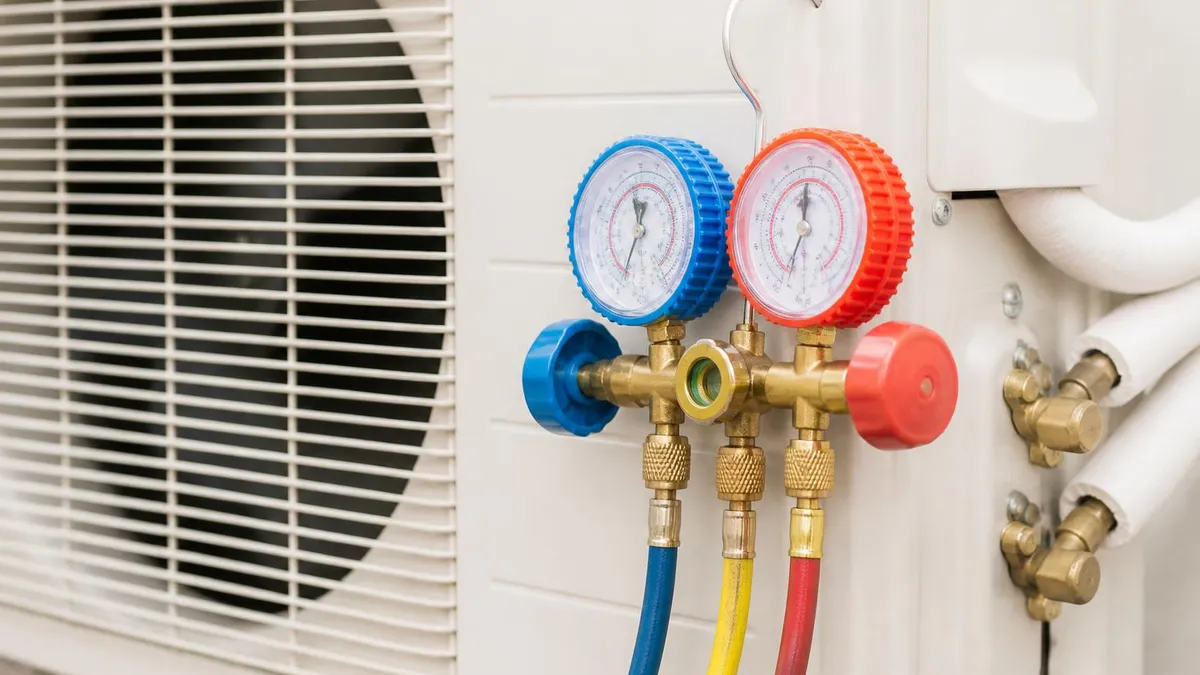
If a maintenance visit turns into a high-pressure pitch to replace your entire system today, stop the conversation and get two more written quotes within seventy-two hours. Equipment replacement is a $7,000 to $18,000 decision that deserves at least three competitive bids, an independent load calculation, and twenty-four hours of sleep. Any company that loses interest when you ask for a written estimate to consider overnight has just told you everything you need to know.
Timing your maintenance correctly multiplies its value. The two-visit cadence — spring for cooling, fall for heating — exists because it spreads load across the year and catches seasonal failure modes before peak demand. Booking your AC tune-up in March or April means you get a relaxed appointment window, a technician with time to do thorough work, and a fix-it window before the first ninety-degree day. Calling in July guarantees a one-week wait, overtime pricing, and a rushed visit between emergency calls.
Fall furnace service follows the same logic. Book between mid-September and mid-October, before the first hard freeze drives demand. Combustion analysis is more accurate when outdoor temperatures are mild, the technician has time to clean the burner assembly properly, and any parts orders arrive before the heating season is in full swing. Homes with gas furnaces or heat pumps that run dual fuel especially benefit from early fall service because the changeover logic depends on properly calibrated controls.
Between visits, homeowner maintenance does most of the work. Filter changes are the single highest-impact task — a clogged filter restricts airflow, freezes coils, overworks blowers, and raises energy bills by ten to fifteen percent within a single season. Set a phone reminder for filter changes every thirty to ninety days depending on filter thickness, household pets, and dust load. One-inch filters in dusty homes with shedding pets may need changing every thirty days, while five-inch media filters can stretch to six months.
Clear the outdoor condenser monthly during cooling season. Two feet of clearance on all sides, no overgrown shrubs, no lawn clippings, no pollen mats coating the coil fins. A garden hose on low pressure rinsing the coil from the inside out — never high-pressure power washing — keeps heat transfer efficient and saves the technician twenty minutes during the next professional visit. The drain line gets a cup of distilled vinegar every two months to prevent algae blockage and overflow shutoffs.
Thermostat habits matter more than most homeowners realize. Setting back the thermostat seven to ten degrees for eight hours a day saves roughly ten percent on heating and cooling costs annually. Smart thermostats automate this without sacrificing comfort, and many local utilities offer rebates of fifty to one hundred dollars for installing eligible models. Ask your maintenance technician which thermostats are compatible with your system and which utility rebates are currently active in your service area.
Keep documentation. A simple folder — physical or digital — containing every invoice, equipment model number, serial number, install date, and warranty registration is worth its weight in deferred replacement costs. When you sell the home, organized maintenance records add real value to a buyer's inspection. When you file a warranty claim, those records are the difference between approval and denial. If you eventually want to dig into how airflow and sizing affect your system between visits, our guide on CFM HVAC Basics walks through the fundamentals.
One last habit: listen. New noises, new smells, new short-cycling patterns, or new humidity issues are early warnings. Write down what you notice and share it with your technician at the next visit. A vague "it sounds funny sometimes" is harder to diagnose than "the outdoor unit makes a grinding noise for ten seconds when it starts up, but only after it rains." Specific observations cut diagnostic time and often turn a $400 emergency call into a $90 part swap during a scheduled visit.
Putting all of this into practice starts with one concrete next step: open three browser tabs, search your zip code plus "HVAC maintenance," and start a short spreadsheet. Columns for company name, license number, NATE status, base tune-up price, plan price, response speed, and any red flags. Fifteen minutes of comparison work produces a much better outcome than calling the first ad you see. The companies that survive your filter are the ones who deserve a phone call.
When you call, lead with information rather than questions. Tell the dispatcher your equipment age, brand, and last service date. Ask the five vetting questions from the checklist earlier in this guide. Notice whether the conversation feels like a sales script or a real diagnostic conversation. The dispatcher is your first signal — if the front desk cannot answer basic questions about included services, the technician will not be better.
Prepare the home before the visit. Replace or remove the current filter so the technician can see what you are running. Clear access to the indoor air handler, outdoor condenser, and any zone dampers. Pull last year's energy bills so you can show the technician any unexplained spikes. Make sure pets are secured and the work area has lighting. Small preparation steps shave fifteen to thirty minutes off the visit and signal to the technician that you take the system seriously.
During the visit, be present for at least the opening conversation and the closing report. You do not need to hover, but a homeowner who asks calm, informed questions sets the tone for the entire service relationship. Ask to see meter readings on capacitors, refrigerant pressures, and combustion analyzer outputs. Ask for the written report before the technician leaves so you can clarify any line items in person rather than over the phone three days later.
After the visit, file the paperwork immediately. Scan the invoice, save it to a labeled folder, and add the next service date to your calendar with a thirty-day reminder. Update your warranty registration if anything has changed. If repairs were recommended, get a second opinion only on items over four hundred dollars — small fixes from a trusted technician are usually faster and cheaper to authorize on the spot than to re-shop.
Build the relationship over time. The third or fourth visit with the same company is where you start getting real value — the technician knows your system, the dispatcher knows your address, and emergency response times drop because you are a known customer. Loyalty has measurable returns in HVAC service, and the homeowner who churns through providers every year never gets the benefit of accumulated institutional knowledge about their specific equipment.
Finally, treat maintenance as a permanent calendar item, not a discretionary expense. The cheapest HVAC system you will ever own is the one you already have, maintained properly, running into its eighteenth or twentieth year. Every skipped tune-up nudges that timeline backward and every faithful visit pushes it forward. Five hundred dollars a year in maintenance over twenty years is ten thousand dollars — but the replacement system you defer is fifteen thousand. The math is not complicated. Show up for the appointment.
Sample HVAC Practice Questions
Try these questions from our free HVAC practice tests. The correct answer and an explanation follow each question.
What is the maximum system pressure that technicians must achieve before opening a low-pressure chiller system for service according to EPA regulations?
- A. 0 psig (must be evacuated to atmospheric pressure)
- B. The pressure must be at or above atmospheric (0 psig)
- C. 15 psig above atmospheric
- D. Vacuum of 1 inch Hg
Answer: B. The pressure must be at or above atmospheric (0 psig)
Before opening a low-pressure system for service, the pressure must be raised to at or above atmospheric pressure (0 psig / 14.7 psia) to prevent air infiltration, which could cause moisture and non-condensable gas contamination.
A technician notices that a system's high-side pressure is normal but the low-side pressure is higher than expected with low superheat. What is the most likely diagnosis?
- A. Restricted filter drier
- B. Overcharged refrigerant system
- C. Metering device stuck open or failed open
- D. Undersized condensing unit
Answer: C. Metering device stuck open or failed open
A metering device stuck open floods the evaporator, raising suction pressure and lowering superheat significantly.
A hydronic system is experiencing 'ghost flow' through a zone that is supposed to be off. What is the most likely cause?
- A. Oversized circulator pump
- B. Failed zone valve not fully closing
- C. Air locked in the zone circuit
- D. Undersized expansion tank
Answer: B. Failed zone valve not fully closing
Ghost flow occurs when a zone valve fails to close completely, allowing hot water to bypass the zone thermostat control and heat an unintended area.
Superheat in the suction line of a refrigeration system indicates that the refrigerant is:
- A. Partially liquid
- B. Fully liquid with added heat
- C. Fully vaporized with additional heat above saturation
- D. At its dew point
Answer: C. Fully vaporized with additional heat above saturation
Superheat means the vapor has absorbed heat beyond its saturation point, ensuring no liquid enters the compressor.
HVAC Questions and Answers
Certified HVAC Contractors: How to Find, Vet, and Hire the Right Professional for Your Home or Business

Commercial HVAC Contractors Near Me: How to Find, Vet, and Hire the Right Local Pro for Your Building
CFM HVAC Basics: How Airflow, Sizing, and System Performance Work Together
HVAC Technician Jobs Near Me: How to Find, Land, and Grow in Local HVAC Careers

Ameristar HVAC: Complete Guide to Units, Reliability, Costs, and Buyer Considerations
About the Author

NATE Certified HVAC Technician & Licensing Exam Trainer
Universal Technical InstituteMike Johnson is a NATE-certified HVAC technician and EPA 608 universal-certified refrigerant handler with a Bachelor of Science in HVAC/R Technology. He has 19 years of commercial and residential HVAC installation and service experience and specializes in preparing technicians for NATE certification, EPA 608, A2L refrigerant safety, and state HVAC contractor licensing examinations.