
Certified HVAC Contractors: How to Find, Vet, and Hire the Right Professional for Your Home or Business
🗨️ Learn how certified HVAC contractors are licensed, vetted, and hired. Compare credentials, costs, warranties, and what to expect from professional
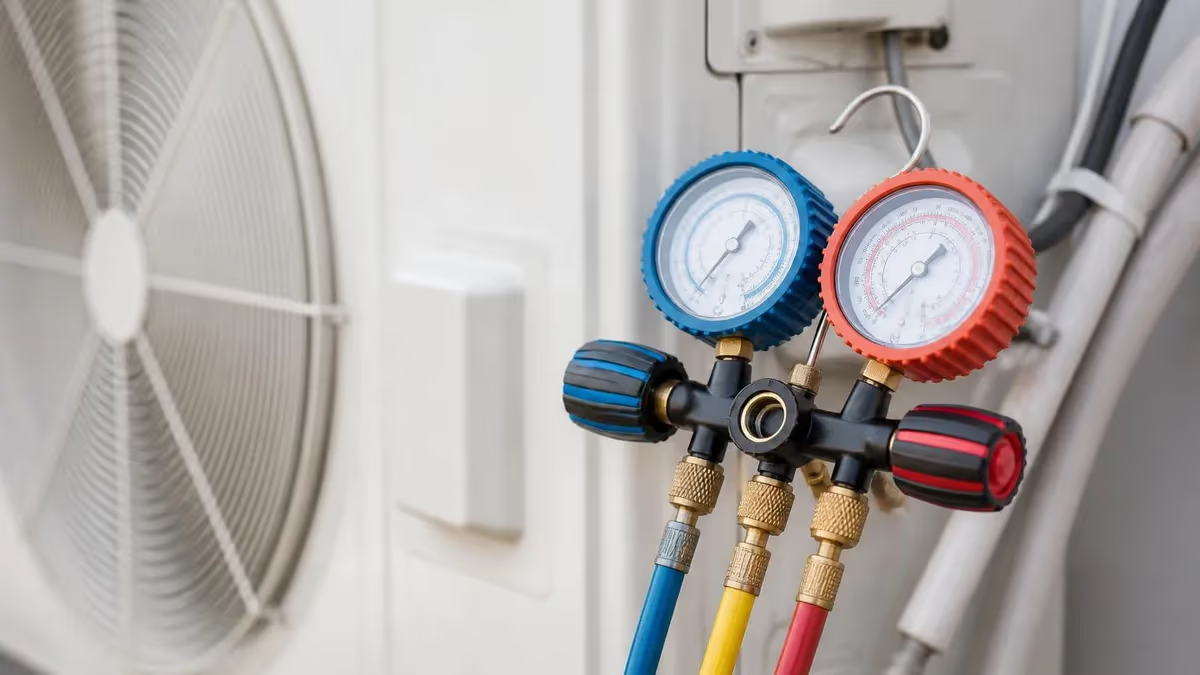
Finding qualified, certified HVAC contractors is one of the most important decisions a homeowner or facility manager will make, especially when a furnace fails in January or a rooftop unit quits during a July heatwave. The cost of heating and cooling equipment is significant, but the cost of a poorly installed system is even higher in the form of premature failures, high utility bills, indoor air quality problems, and voided manufacturer warranties. Knowing how to identify a true professional separates a smooth project from years of regret.
The HVAC industry is regulated at the state, county, and sometimes city level, which means licensing requirements vary widely. A contractor who is fully licensed in Texas might not legally operate in Massachusetts without additional credentials. On top of state licenses, technicians often hold certifications from organizations like NATE, EPA Section 608, HVAC Excellence, and various manufacturer training programs. Each credential signals a different skill area, and reputable contractors typically hold several stacked together.
Beyond paperwork, certified contractors are expected to follow load calculation standards like ACCA Manual J, duct design standards like Manual D, and equipment selection guidelines like Manual S. These industry standards are not optional best practices for high-quality installs — they are the difference between a system that runs efficiently for fifteen years and one that short-cycles, freezes coils, and burns out compressors. Homeowners rarely see this work, but it shapes every aspect of system performance.
This guide walks through what certification actually means, how to verify it, what questions to ask before signing a contract, the red flags that indicate a contractor should be avoided, and how the bidding and installation process should flow. Whether you are replacing a thirty-year-old furnace, building new construction, or running a commercial property with multiple hvac rtu 3d cad york the same principles apply. The right contractor protects your investment; the wrong one quietly drains it.
We will also cover pricing benchmarks, warranty considerations, financing options, and the documentation you should receive at the end of any major project. Permits, equipment registration, AHRI match certificates, and load calculation worksheets all serve as long-term records you will need someday — for resale, insurance claims, or warranty disputes. Contractors who casually skip these steps are telling you something important about how they operate.
Finally, this article is written for U.S. homeowners and small business owners navigating a fragmented contractor market where reviews can be manipulated, ads can be misleading, and pressure tactics are common. The goal is to give you a framework you can use in any state, in any climate, with any equipment brand. By the end, you will know exactly what to look for, what to ask, and what to walk away from.
HVAC Contracting by the Numbers
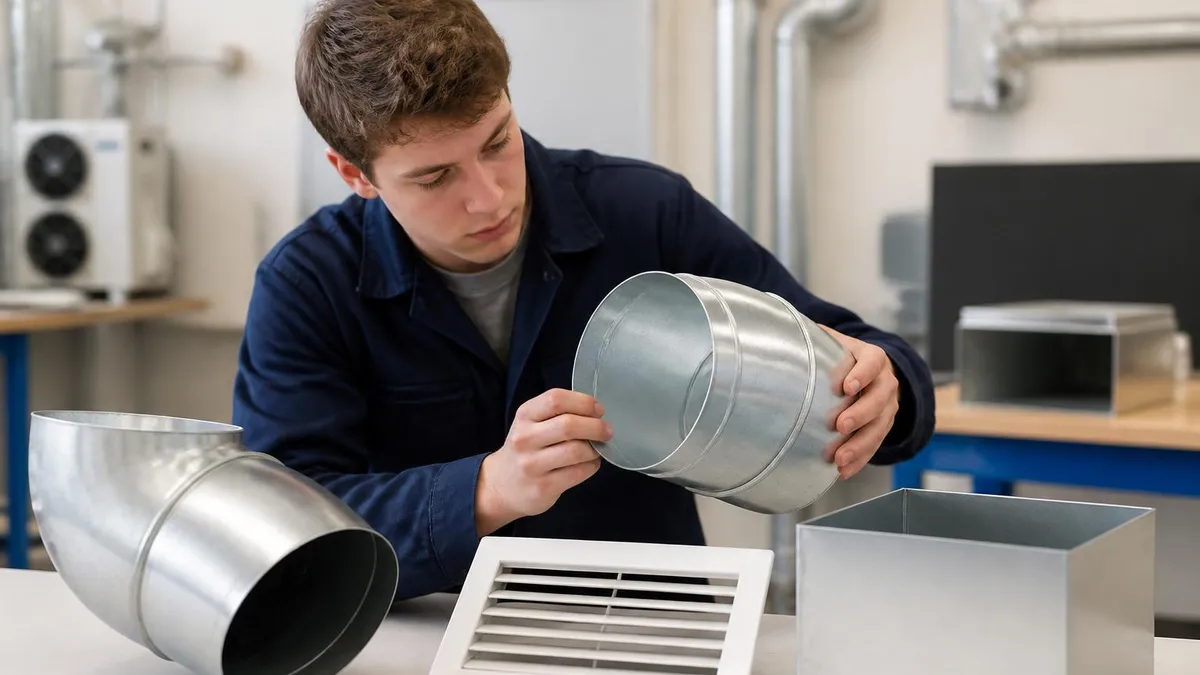
Key Credentials Every HVAC Contractor Should Hold
Issued by the state contractor licensing board, this is the legal authorization to perform HVAC work. Requirements typically include experience hours, passing trade and business exams, and proof of insurance and bonding.
Federally required for anyone who handles refrigerants. Comes in Type I, II, III, and Universal levels. Without it, a technician legally cannot recharge an air conditioner or service a heat pump compressor.
North American Technician Excellence certification is the gold standard for technical competence. NATE-certified technicians pass rigorous exams covering installation, service, and specialty areas like heat pumps and gas furnaces.
Brands like Carrier, Trane, Lennox, and Daikin operate factory authorized dealer programs. These badges signal product-specific training plus access to extended parts and labor warranties not offered to unaffiliated installers.
General liability insurance protects your property; workers compensation protects you from liability if a technician is injured on site. A surety bond provides financial recourse if the contractor fails to complete contracted work.
Verifying a contractor's license sounds straightforward, but the process varies dramatically by state. In some states like California, the Contractors State License Board offers a clean online lookup that displays license status, bond information, workers comp coverage, and any complaints or disciplinary actions. In others, you may need to call a county clerk or check a separate plumbing and mechanical board. Always confirm the license is active, in the correct classification (HVAC or mechanical), and held by the actual person running the business.
Beyond the state license, ask the contractor for proof of insurance and request a Certificate of Insurance sent directly from their insurer. This is standard practice in commercial work and increasingly common in residential. The certificate should list general liability limits of at least one million dollars per occurrence and active workers compensation coverage. Contractors who balk at providing this documentation are not contractors you want working in your home.
EPA 608 certification is verified through the certifying organization, not through any government database. Reputable contractors will keep copies of their technicians' 608 cards on file and provide them on request. NATE certifications are searchable through the NATE website using the technician's last name. Manufacturer factory authorized dealer status can usually be confirmed through the manufacturer's dealer locator tool — if the contractor claims a brand affiliation that does not appear on the official locator, that is a meaningful red flag.
Online reviews matter, but they should be read carefully. Look for patterns rather than individual horror stories. A contractor with five hundred reviews averaging 4.6 stars is more reliable than one with twelve perfect reviews dated within a single week. Pay attention to how the company responds to negative feedback — professional, solution-focused responses signal a healthy company culture. Defensive or aggressive responses signal future conflict if anything goes wrong with your job.
Better Business Bureau accreditation, while not a guarantee of quality, provides another layer of verification. The BBB tracks complaints and resolution rates, and accredited businesses agree to a code of conduct. Local contractor associations, like Air Conditioning Contractors of America (ACCA) chapters, often list member companies that voluntarily commit to industry best practices. These memberships cost money, and contractors who invest in them generally take their profession seriously.
For larger jobs or commercial projects, consider requesting references from three recent customers with similar scope to your project. Actually call them. Ask about timeliness, cleanliness, change orders, warranty follow-through, and whether they would hire the contractor again. A contractor who cannot produce three willing references for a sixty thousand dollar commercial install is not the contractor you want. A good background check before signing rivals a thorough HVAC inspection in protecting your investment.
Finally, verify that the contractor pulls permits when required. Skipping permits is a shortcut that saves the contractor time but transfers significant risk to the homeowner. Unpermitted work can complicate home sales, void insurance claims, and create code compliance nightmares years later. Reputable contractors include permit fees in their quote and handle the inspection process as part of their service. If a contractor offers a discount for skipping the permit, decline and look elsewhere.
HVAC Practice Test Questions
Prepare for the HVAC - Heating Ventilation and Air Conditioning exam with our free practice test modules. Each quiz covers key topics to help you pass on your first try.
HVAC Air Conditioning
HVAC Exam Questions covering Air Conditioning. Master HVAC Test concepts for certification prep.
HVAC Code Compliance
Free HVAC Practice Test featuring Code Compliance. Improve your HVAC Exam score with mock test prep.
HVAC Electrical Controls
HVAC Test Prep for Electrical Controls. Practice HVAC Quiz questions and boost your score.
HVAC Energy Efficiency
HVAC Questions and Answers on Energy Efficiency. Free HVAC practice for exam readiness.
HVAC Heating Systems
HVAC Mock Test covering Heating Systems. Online HVAC Test practice with instant feedback.
HVAC Load Calculations
Free HVAC Quiz on HVAC Load Calculations. HVAC Exam prep questions with detailed explanations.
HVAC Tools and Equipment
HVAC Practice Questions for HVAC Tools and Equipment. Build confidence for your HVAC certification exam.
HVAC Refrigeration
HVAC Test Online for Refrigeration. Free practice with instant results and feedback.
HVAC Safety Practices
HVAC Study Material on Safety Practices. Prepare effectively with real exam-style questions.
HVAC System Design
Free HVAC Test covering System Design. Practice and track your HVAC exam readiness.
HVAC Thermodynamics
HVAC Exam Questions covering Thermodynamics. Master HVAC Test concepts for certification prep.
Common Services Certified HVAC Contractors Provide
Equipment installation is the most consequential service a contractor performs. A proper install starts with a Manual J load calculation that determines exactly how many BTUs of heating and cooling the structure requires. From there, Manual S guides equipment selection within five percent of that load, and Manual D drives duct design. Skipping these steps leads to oversized systems that short-cycle and undersized systems that run constantly.
Installation also covers refrigerant line set sizing, electrical disconnect work, condensate drainage, gas piping for furnaces, venting for combustion appliances, and thermostat wiring or smart controls integration. Quality contractors test the system after install with manifold gauges, anemometers, and combustion analyzers to verify the equipment is operating within manufacturer specifications before they leave the property.
Hiring a Large Company vs. Independent Contractor
- +Larger companies typically offer 24/7 emergency service with dispatchers and on-call rotations
- +Bigger fleets mean faster response times during peak heating and cooling season
- +Established companies often hold multiple manufacturer factory authorized dealer credentials
- +Stronger warranty backing because the company is less likely to go out of business
- +Standardized training programs and quality control across all technicians
- +Easier financing options through partnerships with lenders like Synchrony or GreenSky
- +Multiple technicians available means second opinions are easier within the same company
- −Higher overhead costs translate to higher hourly rates and equipment markups
- −Less personalized service since you may see a different technician each visit
- −Commission-based sales pressure can lead to unnecessary upgrade recommendations
- −Independent contractors often have decades of personal experience on every call
- −Smaller shops typically charge lower diagnostic fees and labor rates
- −Independents may offer more flexible scheduling and direct phone access to the owner
- −Local contractors usually have deeper relationships with local permit offices and inspectors
Pros and Cons at a Glance
| Pros | Cons |
|---|---|
| Bigger fleets mean faster response times during peak heating and cooling season | Higher overhead costs translate to higher hourly rates and equipment markups |
| Established companies often hold multiple manufacturer factory authorized dealer credentials | Less personalized service since you may see a different technician each visit |
| Stronger warranty backing because the company is less likely to go out of business | Commission-based sales pressure can lead to unnecessary upgrade recommendations |
| Standardized training programs and quality control across all technicians | Independent contractors often have decades of personal experience on every call |
| Easier financing options through partnerships with lenders like Synchrony or GreenSky | Smaller shops typically charge lower diagnostic fees and labor rates |
| Multiple technicians available means second opinions are easier within the same company | Independents may offer more flexible scheduling and direct phone access to the owner |
Pre-Hire Checklist for Certified HVAC Contractors
- ✓Verify the state contractor license number is active and in the correct mechanical classification
- ✓Request a Certificate of Insurance sent directly from the contractor's insurance carrier
- ✓Confirm EPA 608 certification for every technician who will handle refrigerants on your job
- ✓Ask whether technicians hold NATE certification and request their certification numbers if possible
- ✓Confirm factory authorized dealer status with the manufacturer whose equipment you are buying
- ✓Request at least three references from jobs of similar scope completed in the past twelve months
- ✓Get a written, itemized quote that lists equipment model numbers, AHRI match number, and labor
- ✓Confirm permit pulling is included in the quote and that final inspection is part of the scope
- ✓Read the warranty terms carefully, including labor warranty length and exclusions like maintenance requirements
- ✓Ask whether a Manual J load calculation will be performed and request a copy of the results
Always get three written bids — and never sign on the first visit.
Reputable contractors expect homeowners to gather multiple quotes for any major HVAC project. High-pressure tactics like "this price is only good today" or "if you sign now I'll include a free thermostat" are designed to short-circuit comparison shopping. A real professional will leave the quote with you, answer questions for days afterward, and welcome the opportunity to explain why their proposal differs from competitors.
Pricing for HVAC work covers an enormous range, and understanding what drives the cost helps you evaluate whether a bid is reasonable. A basic 3-ton single-stage 14 SEER2 air conditioner replacement using existing ductwork typically runs between $5,500 and $8,500 installed in most U.S. markets. A high-efficiency variable-speed heat pump with new line sets and electrical upgrades can easily exceed $15,000. Complete system replacements including furnace, coil, condenser, and significant ductwork can reach $25,000 or more for premium equipment.
When you receive a bid, look at the line items carefully. The quote should specify the exact model numbers for the condenser, evaporator coil, and air handler or furnace, along with the AHRI match certificate number. AHRI matched systems are tested as a complete assembly and qualify for full manufacturer warranties; mismatched equipment may operate but loses both efficiency ratings and warranty protection. If a contractor will not provide model numbers in writing, that is a signal to walk away.
Labor charges vary by market and project complexity. Hourly service rates typically range from $90 to $175 in most U.S. metros, with emergency after-hours rates often double the standard rate. Flat-rate pricing is increasingly common — the contractor consults a pricing book and quotes a fixed price for the repair regardless of how long it takes. Flat-rate pricing protects you from surprise bills but can result in higher charges for simple repairs that take less than an hour.
Financing has become a major part of the residential HVAC sales process. Most large dealers offer zero-percent introductory financing through partners like Wells Fargo, Synchrony, or GreenSky. These programs can be genuinely useful, but read the fine print. Deferred interest plans charge retroactive interest on the entire balance if you do not pay it off within the promotional window. Standard installment loans are more predictable. Either way, the equipment markup may be slightly higher to fund the financing program — ask whether a cash discount is available.
Warranties have two components: the manufacturer's equipment warranty and the contractor's labor warranty. Equipment warranties typically run five to twelve years depending on the brand, the component, and whether the equipment was registered within sixty to ninety days of installation. Labor warranties are entirely set by the contractor and range from one year on the low end to ten or twelve years for premium installs through manufacturer-backed programs.
Always read the warranty fine print before signing. Most manufacturer warranties require documented annual maintenance and registration within a tight window after installation. Failure to register the equipment can cut a ten-year warranty down to five. Reputable contractors handle registration as part of the install closeout package. Ask specifically: "Will you register my equipment and send me confirmation?" Get the answer in writing.
Finally, beware of the absolute lowest bid in any group of three. There is a reason it is the lowest — usually skipped permits, undertrained labor, generic replacement parts, lower-tier equipment, or shaved warranty coverage. The middle bid is often the best value, but the right answer depends on the specific scope and credentials behind each quote. Price is one factor among many, not the decisive one.
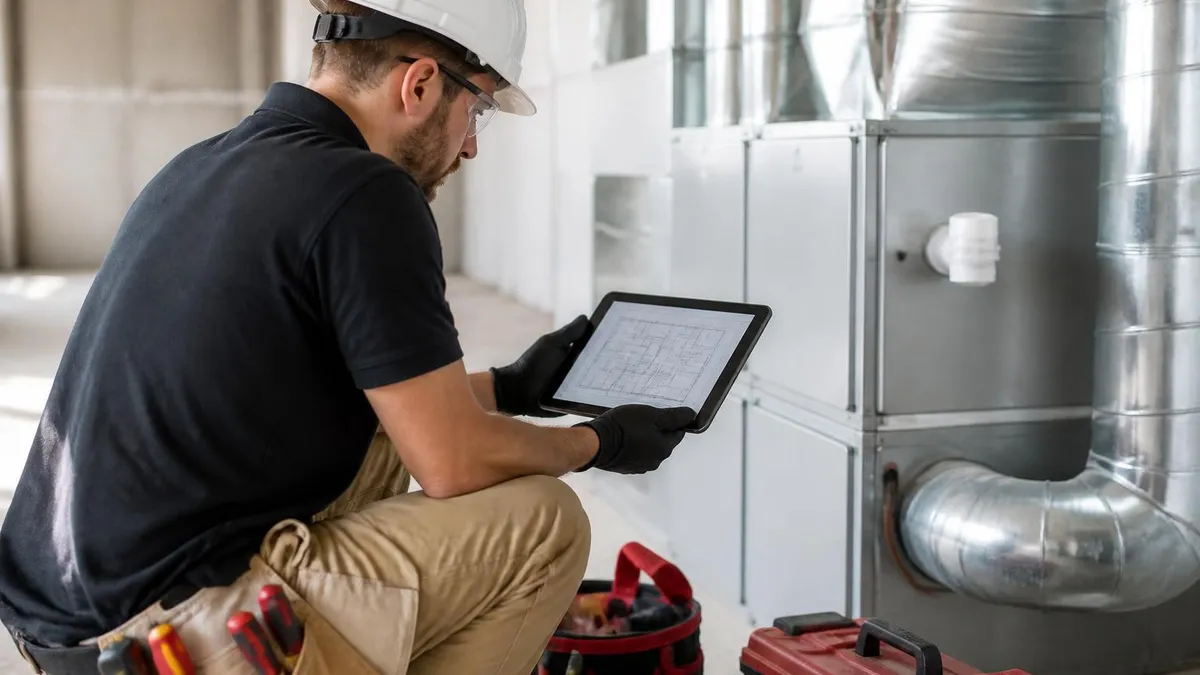
Some unscrupulous contractors quote a system as using one refrigerant but install equipment using an older or cheaper refrigerant blend. R-454B and R-32 are the current low-GWP standards for new equipment as the industry phases out R-410A. Verify the refrigerant type matches the quote, and confirm it is listed on the equipment nameplate before signing the final invoice. Mismatches can affect both warranty coverage and long-term service costs.
The HVAC industry, like any service trade, has its share of bad actors. Recognizing red flags early saves money, stress, and sometimes safety. The most common scam is the unnecessary replacement push — a technician arrives for a service call, claims the heat exchanger is cracked or the compressor is dying, and quotes a complete system replacement before you can blink. Always demand to see the alleged damage personally, photographed with timestamps, before agreeing to anything beyond the original service request.
Cracked heat exchanger scams are particularly common because the homeowner usually cannot inspect the component themselves. Reputable contractors use combustion analyzers and CO testing equipment to verify a heat exchanger problem objectively, not just visual claims. They will also show you the actual crack, often using a small camera that displays on a screen. A technician who cannot show you the problem is asking you to take a five-figure replacement on faith.
Pricing scams take many forms. Door-to-door sales targeting elderly homeowners with claims that their system has been recalled or is dangerously inefficient is a recurring pattern. So is the "free inspection" that invariably finds thousands of dollars of needed repairs. Reputable contractors do not advertise free inspections as lead generation — they charge a fair diagnostic fee, deliver an honest report, and let you decide what to do next without pressure.
Permit avoidance is a quieter but equally serious red flag. A contractor who suggests skipping the permit to save money is telling you they do not want their work inspected. Permits exist because HVAC mistakes can kill people through carbon monoxide poisoning, electrical fires, and gas leaks. The inspector is your free third-party reviewer. Insist on permits being pulled and inspections being scheduled, even if the contractor pushes back.
Subcontracting without disclosure is another common practice that creates risk. The company you signed with may not be the company actually doing the work. Ask explicitly: "Will your employees perform this work, or will it be subcontracted?" If the answer is subcontractor, verify the subcontractor's license, insurance, and credentials separately. Liability gaps appear in subcontracted work when something goes wrong and the prime contractor disclaims responsibility for the subcontractor's actions.
Watch for technicians who arrive without a uniform, an identifying truck wrap, or a business card. Professional companies invest in branding because it builds trust and accountability. Technicians who arrive in unmarked vehicles and cannot produce identification are sometimes not employees at all but day laborers hired through informal channels.
This is especially common during peak season when companies are short on staff. You have every right to ask for ID and to call the office to verify the technician was actually dispatched. For homeowners just learning the basics, our guide on CFM HVAC basics can help you ask sharper questions during the bidding process.
Finally, trust your instincts. A contractor who makes you uncomfortable, who pressures you to sign immediately, who refuses to put things in writing, or who becomes defensive when asked routine questions about licensing and insurance is showing you who they are. Believe them and find someone else. The HVAC market is competitive in most U.S. metros, and you have use as the customer. Use it.
Once you have hired the right contractor, the work is not finished — your role shifts to managing the project and documenting everything for the long term. On the day of installation, expect a crew of two to four technicians, depending on the scope. A residential full-system replacement typically takes one to two days. The crew should protect your floors with drop cloths or shoe covers, remove and dispose of old equipment, and clean the work area at the end of each day.
Stay reachable during the install but do not hover. Quality crews work efficiently when given space. That said, you have every right to ask questions and watch key steps like the brazing of refrigerant lines, the pressure test, the vacuum pull-down, and the startup procedure. Photograph the equipment nameplates before the install closeout — these photos become essential evidence if there is ever a warranty dispute about exactly which equipment was installed.
At the end of the job, you should receive a closeout packet that includes the signed permit, the AHRI match certificate, equipment registration confirmation, manufacturer warranty documents, the contractor's labor warranty, startup data including refrigerant charge and combustion analysis readings, and operating manuals for any thermostats or control systems. If anything is missing, request it in writing within thirty days. Documentation gaps become harder to close as time passes.
Schedule the local inspection through the permit office and be present if possible. The inspector will verify code compliance items like proper venting clearances, condensate disposal, electrical disconnects, and gas piping. If the inspector identifies issues, the contractor is responsible for correcting them at no additional cost. Do not pay the final invoice balance until the permit is closed out with a passing inspection.
In the weeks after installation, pay close attention to system performance. Monitor your utility bills for the first full heating and cooling season to confirm the efficiency gains you were promised. Watch for unusual noises, short cycling, uneven room temperatures, or condensation on ducts. Small issues caught early are usually quick warranty fixes; the same issues ignored for six months become serious problems. Most reputable contractors offer a no-charge follow-up visit within the first ninety days to address any concerns.
Build a long-term relationship with your contractor through a maintenance plan. The same crew that installed your equipment is best positioned to service it. They have the system history, the original installation photos, and the relationships with the manufacturer for warranty claims. Switching contractors after a major install often creates finger-pointing if anything goes wrong, with the new contractor blaming the original install and the original contractor refusing to honor labor warranty without continuous service records.
Finally, keep all HVAC documentation in a dedicated folder — physical, digital, or both. Future homeowners, real estate agents, insurance adjusters, and warranty claim reviewers will all eventually ask for this paperwork. The few hours you spend organizing it now save dozens of hours of frustration later. A complete, well-documented hvac installation leeds increases home value, simplifies sales, and reduces the friction of every future repair or replacement decision for the next fifteen years.
Sample HVAC Practice Questions
Try these questions from our free HVAC practice tests. The correct answer and an explanation follow each question.
What is the most important professional competency for HVAC certification in electrical controls?
- A. Speed of task completion
- B. Deep knowledge combined with practical application skills
- C. Ability to work alone exclusively
- D. Memorization of all reference materials
Answer: B. Deep knowledge combined with practical application skills
Professional competency requires both deep knowledge of the subject matter and the ability to apply that knowledge in practical situations.
Which professional attribute is most valued in thermodynamics within the HVAC field?
- A. Working in isolation
- B. Accountability and commitment to standards
- C. Avoiding challenging situations
- D. Prioritizing personal convenience
Answer: B. Accountability and commitment to standards
Accountability and commitment to professional standards build trust and ensure consistent, high-quality practice.
Which professional attribute is most valued in ductwork within the HVAC field?
- A. Working in isolation
- B. Accountability and commitment to standards
- C. Avoiding challenging situations
- D. Prioritizing personal convenience
Answer: B. Accountability and commitment to standards
Accountability and commitment to professional standards build trust and ensure consistent, high-quality practice.
What is the recommended first step when a HVAC professional identifies a compliance violation?
- A. Ignore it if minor
- B. Document and report through proper channels
- C. Discuss on social media
- D. Wait for someone else to report it
Answer: B. Document and report through proper channels
All compliance violations should be documented and reported through established channels to ensure proper investigation and resolution.
HVAC Questions and Answers
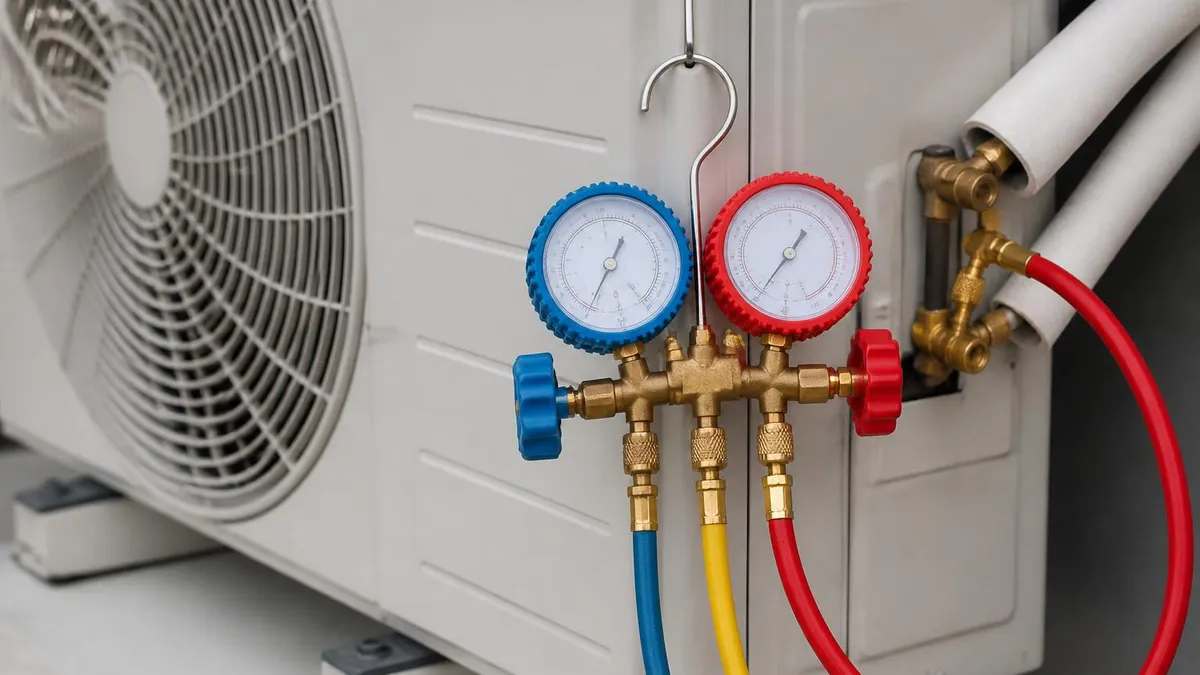
HVAC Technician Jobs Near Me: How to Find, Land, and Grow in Local HVAC Careers

Ameristar HVAC: Complete Guide to Units, Reliability, Costs, and Buyer Considerations
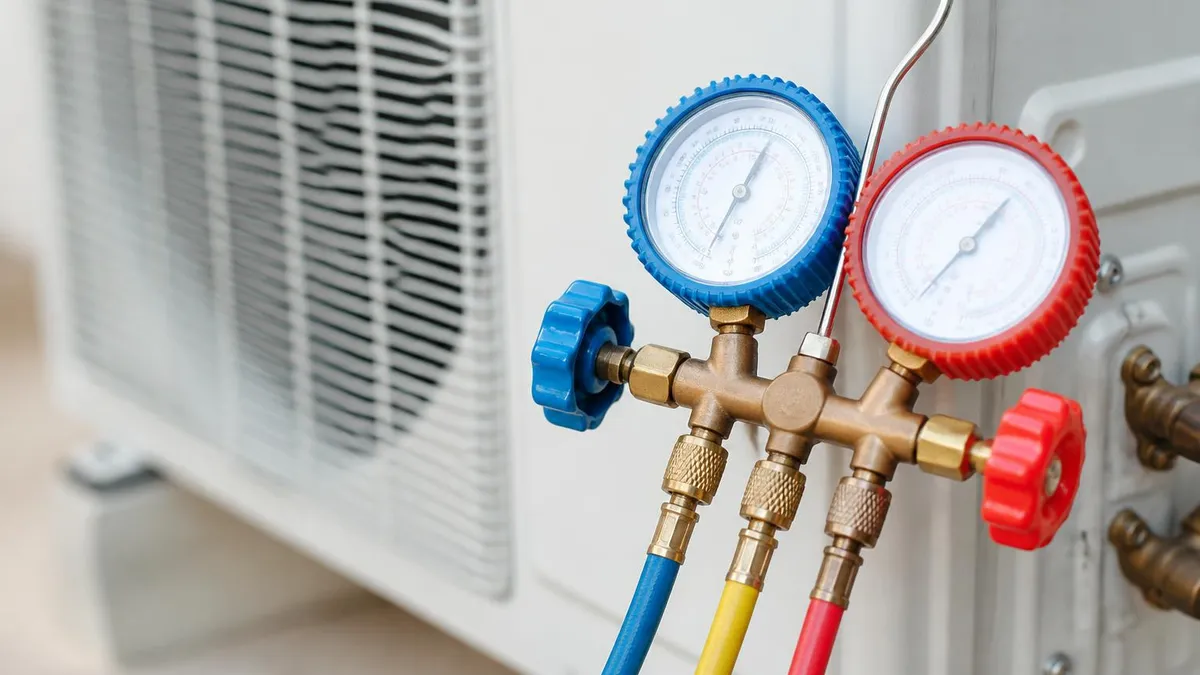
CFM HVAC Basics: How Airflow, Sizing, and System Performance Work Together
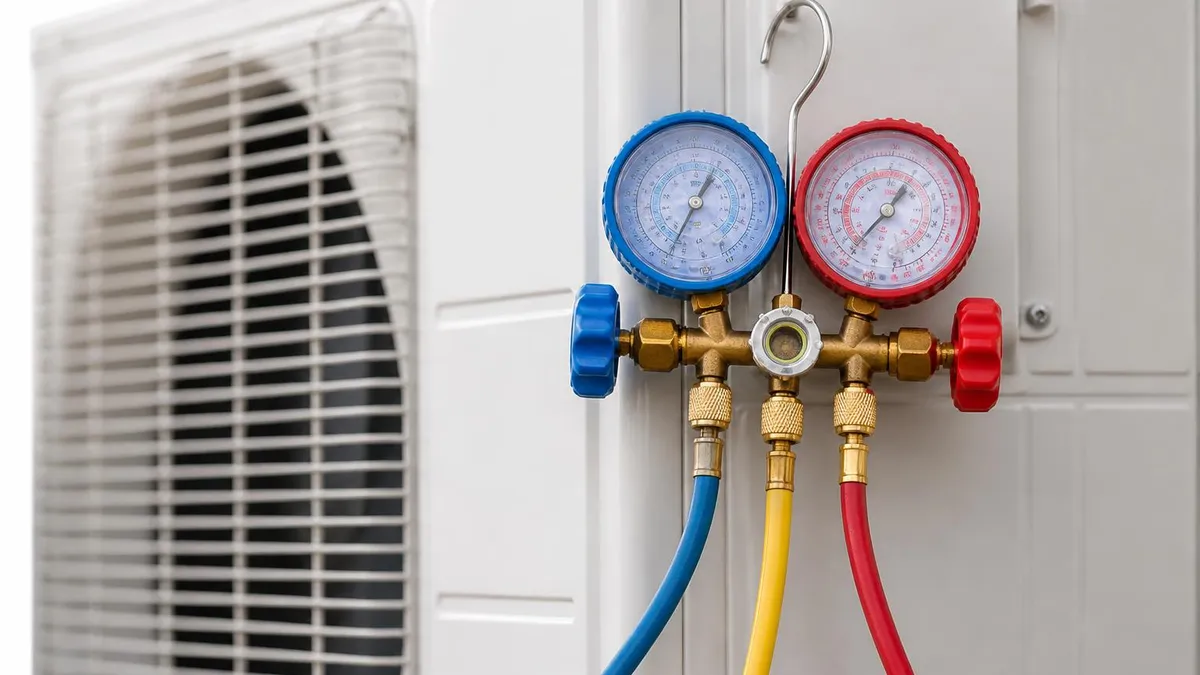
HVAC Duct Installation: Materials, Sizing, Sealing and Best Practice
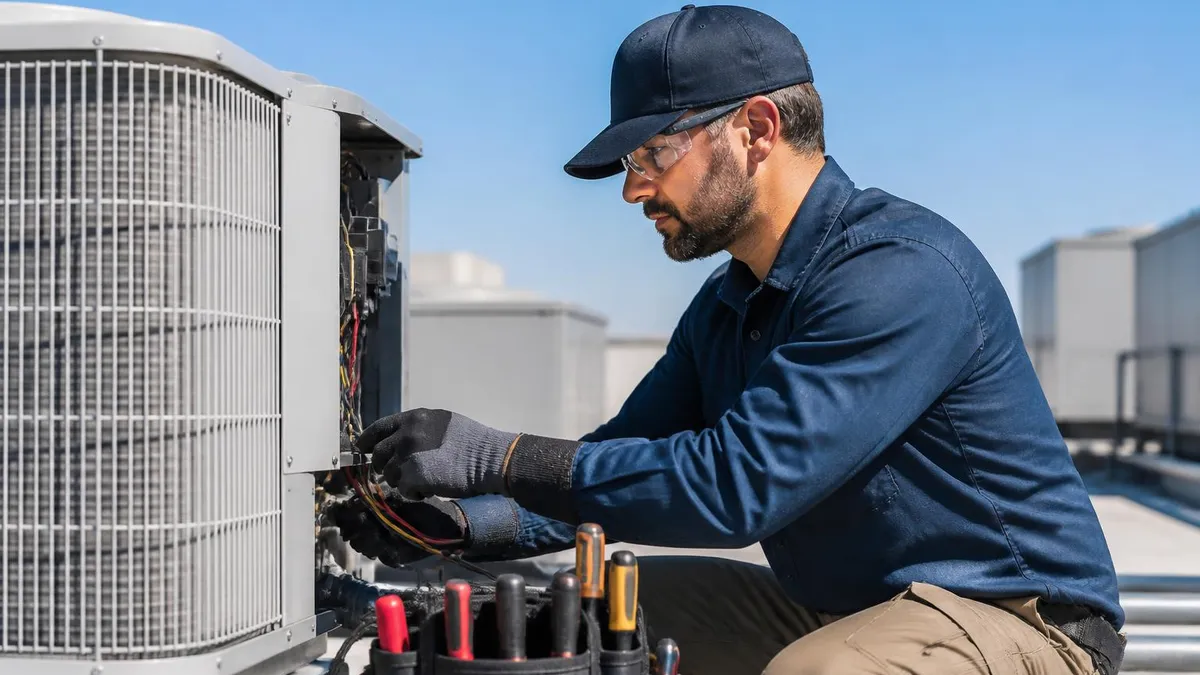
HVAC Inspection: What's Included and Why It Matters
About the Author

NATE Certified HVAC Technician & Licensing Exam Trainer
Universal Technical InstituteMike Johnson is a NATE-certified HVAC technician and EPA 608 universal-certified refrigerant handler with a Bachelor of Science in HVAC/R Technology. He has 19 years of commercial and residential HVAC installation and service experience and specializes in preparing technicians for NATE certification, EPA 608, A2L refrigerant safety, and state HVAC contractor licensing examinations.