
HVAC Inspection: What's Included and Why It Matters 2026 October
✍🏼 HVAC inspection covers furnace, AC, ductwork, controls, and safety checks. Schedule, cost, what's tested, and signs you need an inspection.
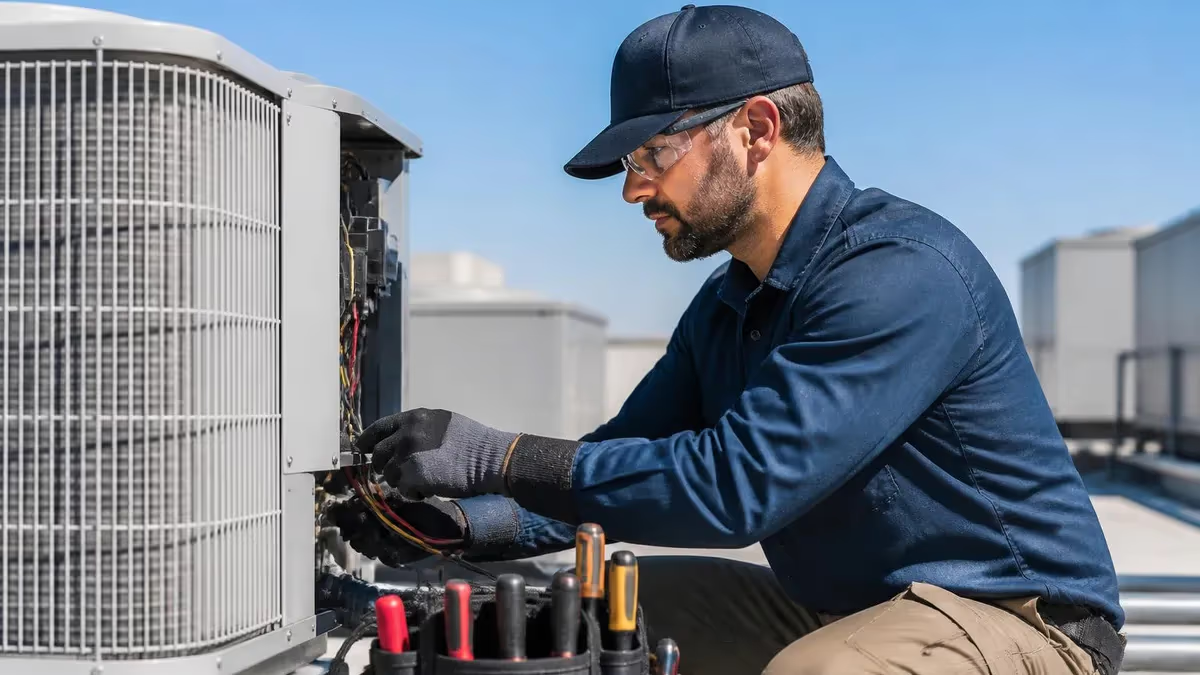
HVAC inspection is a systematic professional evaluation of your heating, ventilation, and air conditioning equipment to verify safe operation, identify maintenance needs, and catch problems before they cause major failures. A thorough HVAC inspection examines combustion equipment for safety hazards, checks electrical components for wear and proper operation, evaluates refrigerant levels and system performance, tests airflow and duct integrity, and verifies thermostats and controls function correctly. Done annually as part of routine maintenance, HVAC inspections extend equipment lifespan, reduce energy costs, prevent unexpected breakdowns, and verify safety of combustion appliances.
The reason regular HVAC inspection matters more than many homeowners realize is that HVAC equipment is genuinely dangerous when it malfunctions. Carbon monoxide leaks from cracked heat exchangers kill people every winter. Electrical faults cause fires. Refrigerant leaks reduce efficiency and contribute to environmental damage. Failed combustion appliances release smoke and combustion products. Most of these failures are detectable months or years before they cause harm, but only through systematic inspection by trained technicians using appropriate diagnostic equipment. Skipping inspection saves modest immediate cost but creates substantial risk of expensive failures and potential safety incidents.
HVAC Inspection Quick Facts
Frequency: Annually (twice yearly for combination heating/cooling systems — heating in fall, cooling in spring). Cost: $75-$200 per visit typically; service plans often $150-$300 annually for heating + cooling. Duration: 60-90 minutes per system. What's checked: Combustion safety, electrical, refrigerant, airflow, controls, ducts, drain lines. Why: Safety, efficiency, equipment lifespan, manufacturer warranty compliance.
A standard HVAC inspection covers multiple system components systematically. The technician verifies thermostat operation and calibration. Examines air filter condition and replaces if needed (or recommends replacement). Tests blower motor operation, checks belt condition and tension if applicable, verifies proper airflow.
For furnaces, inspects heat exchanger for cracks (potential carbon monoxide source), tests gas valve operation, verifies proper combustion through flame characteristics or combustion analysis, checks venting for proper draft and safe exhaust paths. For air conditioners and heat pumps, measures refrigerant levels, checks compressor operation, cleans condenser coils, tests defrost cycle (heat pumps), verifies proper temperature drop across evaporator. Examines all electrical connections for tightness and signs of overheating.
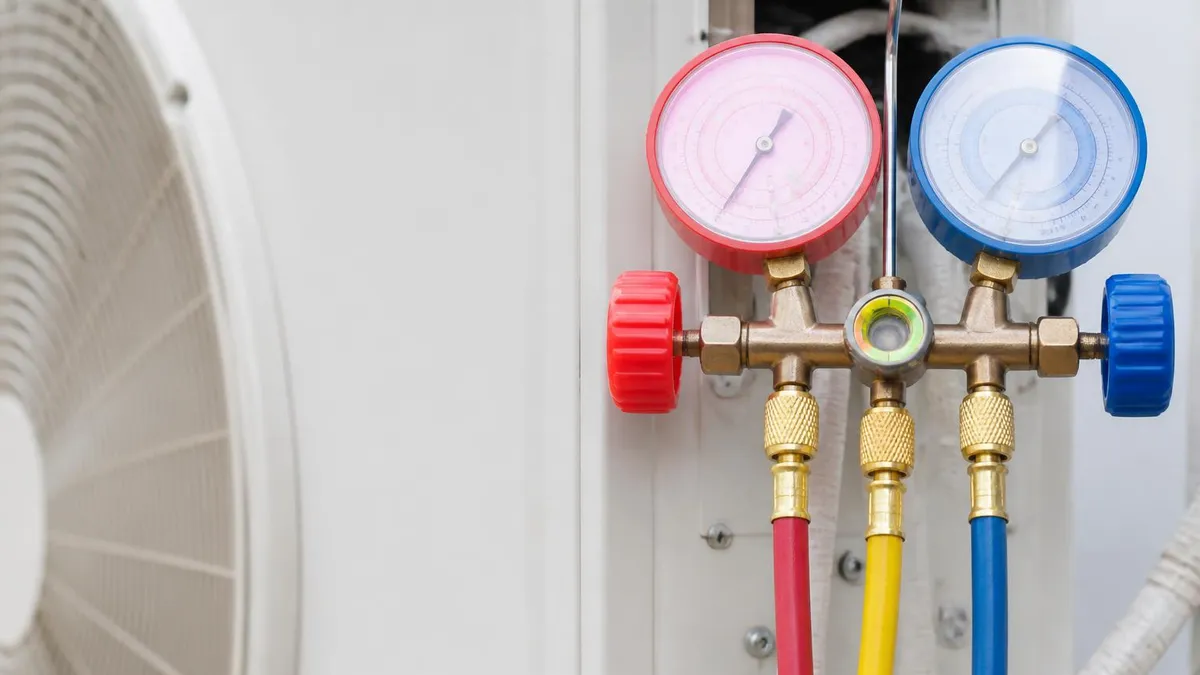
What an HVAC Inspection Covers
Heat exchanger inspection (carbon monoxide source if cracked), gas valve, draft, vent system, flame characteristics.
Capacitors, contactors, relays, wiring connections, motor amp draw, control board operation.
Refrigerant levels, suction and discharge pressures, superheat/subcooling, leak inspection.
Filter condition, blower motor amp draw, static pressure measurements, register airflow.
Thermostat calibration, control board diagnostics, sensor operation, schedule programming.
Condensate drain lines, primary/secondary drain pans, drain tile condition, float switch operation.
Heat exchanger inspection deserves specific emphasis because cracked heat exchangers are responsible for carbon monoxide poisoning incidents that kill people every winter. The heat exchanger separates combustion gases from the air circulating through your home. When cracks develop (from thermal stress over years), combustion gases including carbon monoxide can leak into the supply air, distributing through the home.
CO poisoning symptoms (headache, nausea, confusion, eventually unconsciousness and death) overlap with flu symptoms, making poisoning sometimes hard to recognize. Annual heat exchanger inspection using cameras or other diagnostic methods identifies cracks before they become hazardous. Carbon monoxide detectors throughout the home provide additional protection, but inspection prevents the underlying cause rather than just detecting consequences.
Refrigerant level evaluation is more involved than just checking pressures. Modern systems use specific refrigerants with specific operating characteristics that must match design specifications. Low refrigerant indicates a leak that needs to be found and repaired before recharging — adding refrigerant to a leaking system just delays the inevitable while wasting expensive refrigerant and damaging the environment.
R-22 (Freon) was phased out for new equipment in 2010 and now costs over $100/pound when available, making leak repair on R-22 systems particularly important. Newer R-410A systems also need leak repair before recharge. Some refrigerant leaks are obvious (oil staining, hissing sounds) while others require electronic leak detectors, ultraviolet dye, or pressure testing to find.
Static pressure measurement during inspection identifies duct system problems that visual inspection can't detect. The technician installs a manometer on supply and return plenums, measures static pressures during normal operation, and calculates total external static pressure. The result is compared with equipment manufacturer specifications. Excessive static pressure (above 0.5" w.c. for typical residential equipment) indicates problems: dirty filter, undersized ducts, kinked flex duct, dirty evaporator coil, closed dampers, or other obstructions. High static pressure causes reduced airflow, reduced efficiency, increased noise, and shortened equipment lifespan. The measurement takes minutes and provides diagnostic information that no visual inspection can match.
Annual heating inspection (best in fall before heating season): Furnace combustion check including heat exchanger camera inspection, draft testing, combustion analysis. Gas valve and safety controls testing. Pilot or igniter operation. Burner cleaning if needed. Blower motor and belt inspection. Filter replacement. Thermostat calibration. Vent system inspection (rust, blockage, proper slope). Combustion air supply verification. Carbon monoxide test of conditioned space air. Heat anticipator setting. Temperature rise verification.
Frequency recommendations for HVAC inspection depend on equipment type and age. Combination systems with separate heating and cooling equipment ideally receive inspection twice yearly — heating system in fall before heating season, cooling system in spring before cooling season. Heat pumps used year-round benefit from twice-yearly inspection covering both heating and cooling modes. Older equipment (10+ years) typically benefits from more frequent inspection because component degradation accelerates with age. Newer equipment under manufacturer warranty often requires annual inspection for warranty compliance — check your warranty documentation for specific requirements.
Cost considerations for HVAC inspection vary by region, contractor, and inspection scope. Single-system inspection (just furnace or just AC) typically runs $75-$150 in most markets. Combined inspections cost $150-$300 for both heating and cooling. Annual service plans often bundle two inspections plus discounts on repairs and priority service for $150-$400 yearly, which works out cheaper than separate inspections plus repair markups. New equipment installation packages often include first-year inspection. Some utility programs offer rebates for inspection or maintenance services as part of efficiency programs.
Service plans are common offerings from HVAC contractors that include scheduled inspections plus discounts on additional services. The economics depend on usage. Homeowners who would pay for inspections anyway typically benefit from service plans because the bundled price is usually lower than à la carte. Homeowners who skip inspections without the plan accountability sometimes find themselves paying for a plan they don't use. Service plans also typically include priority service when emergencies happen — useful in extreme weather when service queues become long. Read the fine print on what's included versus what triggers additional charges.
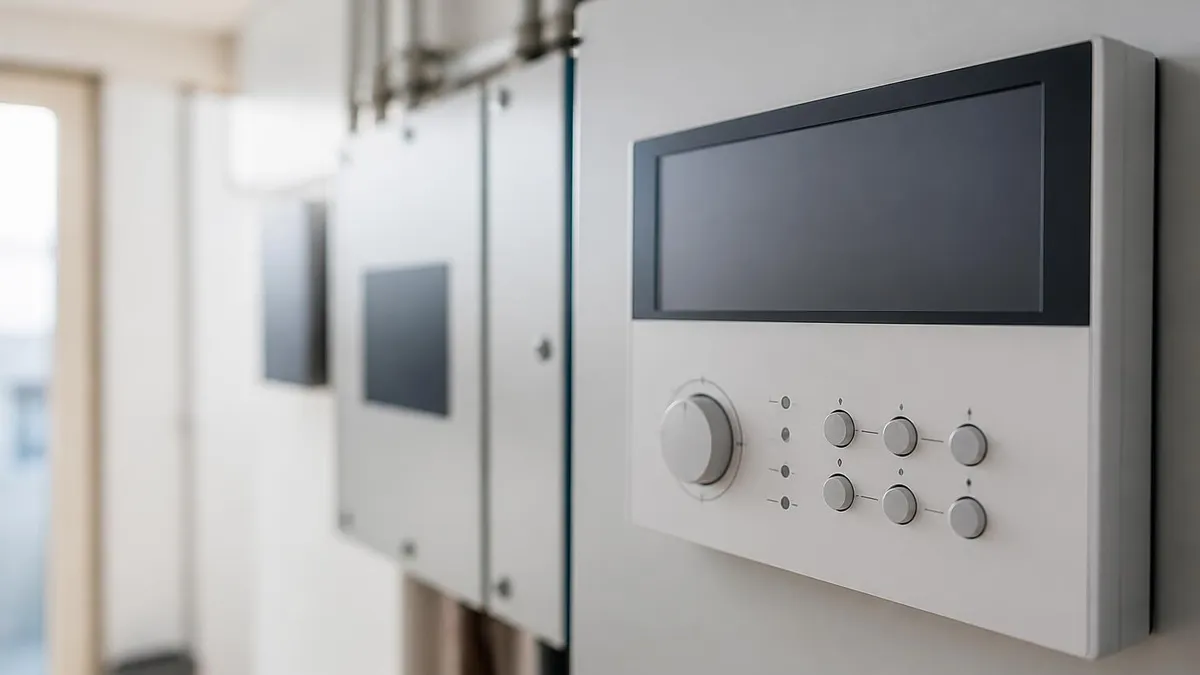
Schedule immediate inspection if you notice: Unusual smells (especially burning, gas, or musty), strange noises (banging, screeching, repeated cycling), visible smoke or soot near vents, yellow furnace flame instead of blue, water leaks around equipment, sudden energy bill increases, ineffective heating or cooling, or carbon monoxide detector activation. Don't ignore these signs — equipment failures are often dangerous, and waiting allows damage to escalate.
What to expect during inspection helps homeowners prepare and verify quality work. Allow 60-90 minutes for thorough inspection of a single system. Provide access to equipment locations including furnace closets, attics, basements, outdoor units. Move stored items away from equipment if needed. Have account information available if utility rebates apply. Watch the technician work if interested — most welcome questions and explanations. Request written documentation of findings, measurements, and recommendations. Verify the technician is properly licensed and insured for HVAC work in your jurisdiction. Get explanations of any recommended repairs and ask for second opinions on major suggested work.
What thorough inspection reveals beyond simple maintenance status is whether equipment is operating efficiently relative to its design. Equipment can be operating without obvious problems but consuming far more energy than necessary due to gradual deterioration. Static pressure too high reduces airflow. Refrigerant slightly low reduces capacity. Burners slightly out of adjustment reduce combustion efficiency. Each individual issue may not cause obvious symptoms but cumulatively wastes substantial energy. Inspection identifies these issues for correction, restoring efficiency that would otherwise gradually degrade over years.
Documentation from inspection visits creates valuable history over equipment lifespan. Year-over-year comparison reveals trends — refrigerant levels gradually decreasing, static pressure rising, combustion efficiency declining, electrical components aging. These trends help predict when major service or replacement will be needed, supporting financial planning and avoiding emergency replacements during equipment failures. Many homeowners discard inspection paperwork after each visit; keeping records in a binder or digital folder organized by year provides reference data that becomes increasingly valuable over equipment lifetime.
Choosing an HVAC Inspector
- ✓Verify proper state licensing for HVAC work
- ✓Confirm insurance coverage (general liability + workers comp)
- ✓Check Better Business Bureau rating and online reviews
- ✓Ask about NATE (North American Technician Excellence) certification
- ✓Verify experience with your specific equipment brand and type
- ✓Get written estimates including specific work scope
- ✓Ask about inspection report format and what's documented
- ✓Avoid contractors who push aggressive sales tactics during inspection
Quality contractor selection is one of the most important factors in inspection value. Skilled experienced technicians find issues that less experienced ones miss, and provide accurate diagnosis with appropriate recommendations. Less experienced technicians may either miss problems entirely or recommend unnecessary repairs to generate work.
Verify technician qualifications including state licensing, NATE certification, and equipment-specific manufacturer training. Look for established companies with strong online reviews and Better Business Bureau ratings. Avoid extremely cheap inspection prices ($50 or below) which often indicate the visit is primarily a sales call rather than genuine inspection — they recoup the loss-leader price through unnecessary recommended repairs.
Aggressive sales tactics during inspections are unfortunately common in the HVAC industry. Some companies train technicians to find expensive problems on every visit and pressure homeowners into immediate decisions. Common tactics include claims that equipment is dangerous and must be replaced immediately, exaggeration of minor issues, suggestion that warranties will be voided without specific repairs, and time-limited "discount" pricing. Real safety issues do exist (cracked heat exchangers, severe electrical problems, refrigerant leaks) but these are usually diagnosable with specific evidence rather than vague claims. Get second opinions for any recommended repair over $1,000 unless evidence is overwhelming.
For commercial buildings, HVAC inspection is more involved due to system complexity. Commercial inspections include all residential elements plus chiller examinations, cooling tower water treatment review, large air handler operations, variable air volume (VAV) box calibration, building automation system review, and energy management system functions. Commercial inspections take longer (4-8 hours minimum) and cost substantially more ($500-$2,000+) but identify issues that affect occupant comfort, energy costs, and equipment lifespan in ways that meaningfully affect business operations. Tenant-occupied commercial spaces particularly benefit from regular inspection because comfort complaints translate directly into lease retention concerns.
For HVAC technicians and apprentices, inspection skills represent a fundamental career capability. Trade education programs vary in their treatment of inspection methodology. NATE certifications include service categories that test inspection-relevant skills. Manufacturer training programs typically cover inspection of specific equipment types. ACCA (Air Conditioning Contractors of America) provides industry standards and training for service work including inspections. Building expertise in inspection requires combining formal training with extensive field experience under guidance from senior technicians who can show what to look for and how to interpret findings.
Diagnostic instruments transform inspection from visual examination into measurement-based assessment. Combustion analyzers measure flue gas composition revealing combustion efficiency and safety. Manometers measure static pressure identifying duct system performance. Clamp-on ammeters measure motor amp draw revealing electrical condition. Temperature probes measure delta-T across coils confirming proper refrigerant operation. UV dye injection identifies refrigerant leak locations. Camera inspection of heat exchangers verifies integrity. Modern inspection without these instruments is dramatically less effective than visual examination supplemented with measurements; insist that inspections include actual measurements rather than just looking.
Looking ahead at HVAC inspection evolution, technology continues changing how inspections are performed. Smart equipment with built-in self-diagnostics increasingly reports problems through cloud connections before failures occur. Connected sensors monitor equipment continuously rather than during periodic visits. Predictive algorithms analyze operating data to predict failures weeks or months in advance. Augmented reality systems guide technicians through complex inspections with overlay information. Machine learning systems identify patterns in inspection data that human technicians miss. These capabilities are starting to roll out in commercial systems and gradually moving into residential equipment, eventually reducing reliance on periodic on-site inspections by professionals.
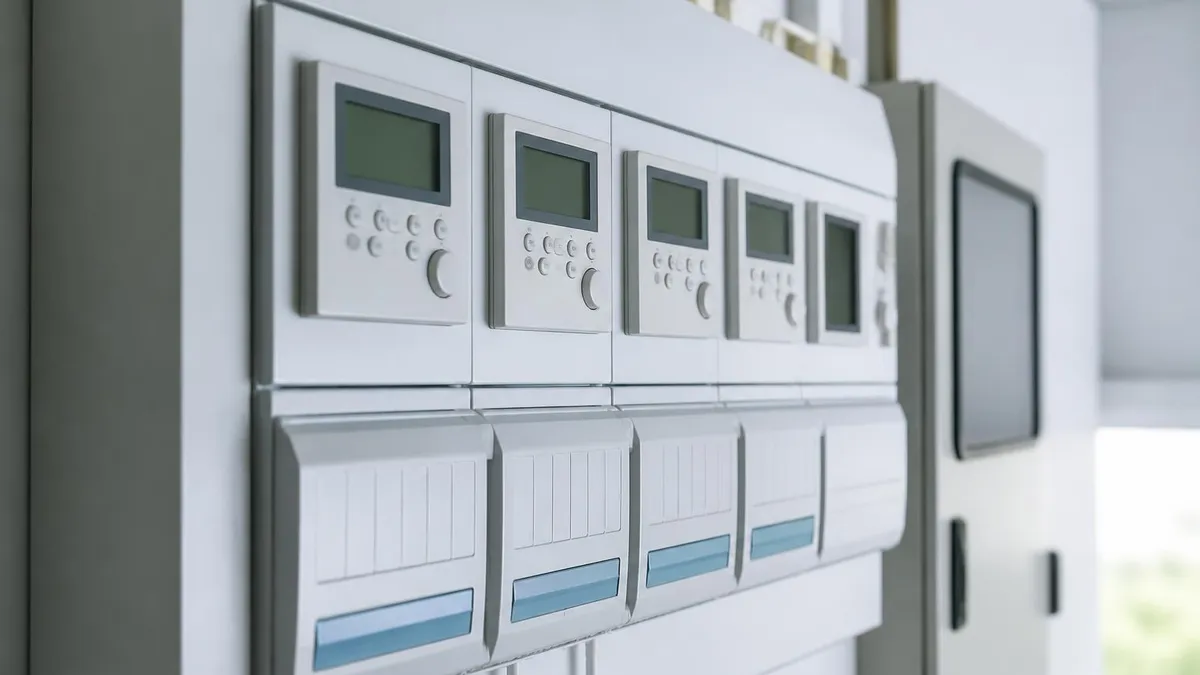
HVAC Inspection Quick Numbers
When You Specifically Need Inspection
Before buying a home — comprehensive inspection of equipment age, condition, and remaining lifespan informs negotiation and budget.
Within 90 days of moving in — establishes baseline of system condition under your ownership.
Regular preventive maintenance — heating in fall, cooling in spring.
Catches combustion safety issues before extended use — particularly important for older furnaces.
Construction debris and modified ductwork need verification before continued use.
Strange noises, smells, ineffective operation, or rising energy bills warrant inspection rather than waiting for failure.
The relationship between HVAC inspection and equipment warranty deserves attention. Most manufacturer warranties specify regular maintenance (typically annual inspection by qualified technicians) as a condition of warranty coverage. Warranty claims for failures may be denied if maintenance records can't demonstrate compliance. Save inspection reports as warranty documentation. Some manufacturers require manufacturer-authorized service technicians for warranty work; others accept any qualified HVAC contractor. Read warranty terms when equipment is installed and follow specified maintenance requirements to preserve warranty coverage. Equipment fails often during warranty periods, and properly documented maintenance protects your investment.
Insurance and code considerations also relate to HVAC inspection. Some homeowner insurance policies require equipment maintenance for full coverage. Some local codes require annual inspection of certain equipment types (particularly commercial). Insurance claims for HVAC-related damage (water leaks, fire damage from electrical faults) may be reduced if maintenance records don't show appropriate care. Compliance with manufacturer maintenance schedules and code requirements protects you legally and financially beyond the equipment value alone.
Real estate transactions often involve HVAC inspection as part of the due diligence process. Buyers commission home inspections that include limited HVAC examination, but specialized HVAC inspection by qualified technicians provides much more thorough assessment. Sellers sometimes obtain inspection before listing to identify and address issues that would otherwise emerge during buyer inspection, potentially derailing or complicating sale. The cost of pre-listing inspection is often recovered through smoother sale processes and avoided last-minute repair negotiations. Buyers should always include HVAC-specific inspection rather than relying solely on general home inspector evaluation, particularly for older homes or homes with complex systems.
Energy audits incorporate HVAC inspection as one component of broader home energy assessment. Audits also examine insulation, air sealing, water heating, lighting, and appliances. The HVAC component typically includes equipment inspection, duct testing, combustion safety, and recommendations for improvements. Federal and state programs sometimes offer free or subsidized energy audits. The Inflation Reduction Act includes various incentives for energy efficiency improvements that benefit from documented baseline conditions. Energy audits provide valuable comprehensive view that pure HVAC inspection alone doesn't deliver, and the documentation supports accessing rebates and tax credits available for efficiency improvements.
Smart thermostats and connected HVAC systems are changing inspection by providing continuous data that simplifies many diagnostic steps. Modern smart thermostats track equipment runtime, on/off cycling patterns, indoor humidity, and other metrics. Connected HVAC equipment increasingly includes self-diagnostic functions that report problems through cloud connections. Combined data from these sources provides ongoing operational view that supplements periodic in-person inspection. Some smart thermostat services include automated diagnostics that flag suspected issues and recommend professional service when patterns suggest problems. The technology doesn't fully replace physical inspection but reduces the need for purely diagnostic visits.
Combining all these factors, regular HVAC inspection delivers protection across multiple dimensions: safety (carbon monoxide, electrical fires), efficiency (10-15% energy savings), reliability (avoiding emergency failures during weather extremes), warranty preservation, and equipment longevity. The annual cost is modest compared to potential consequences of skipped maintenance. Treat HVAC inspection as essential home maintenance rather than optional service, scheduling it like other essential appointments throughout the year.
Annual HVAC Inspection: Worth It?
- +Catches safety issues (CO leaks, electrical hazards) before harm
- +Maintains warranty coverage on covered equipment
- +Reduces emergency repair costs through early detection
- +Maintains efficiency reducing operating costs
- +Extends equipment lifespan through proper maintenance
- +Documents system condition for insurance and warranty claims
- −Annual cost ($75-300) without immediately visible benefit
- −Time required to schedule and accommodate visits
- −Quality varies dramatically by contractor
- −Some inspections are sales calls rather than genuine maintenance
- −Recommendations may include unnecessary work to drive revenue
- −Older equipment often gets repair-vs-replace pressure
Pros and Cons at a Glance
| Pros | Cons |
|---|---|
| Catches safety issues (CO leaks, electrical hazards) before harm | Time required to schedule and accommodate visits |
| Maintains warranty coverage on covered equipment | Quality varies dramatically by contractor |
| Reduces emergency repair costs through early detection | Some inspections are sales calls rather than genuine maintenance |
| Maintains efficiency reducing operating costs | Recommendations may include unnecessary work to drive revenue |
| Extends equipment lifespan through proper maintenance | Older equipment often gets repair-vs-replace pressure |
Sample HVAC Practice Questions
Try these questions from our free HVAC practice tests. The correct answer and an explanation follow each question.
What is the value of continuing education in troubleshooting for HVAC professionals?
- A. It is only needed for recertification
- B. It keeps professionals current with evolving standards and practices
- C. It is primarily a social activity
- D. It replaces workplace experience
Answer: B. It keeps professionals current with evolving standards and practices
Continuing education ensures professionals stay current with the latest developments, standards, and best practices in their field.
What is the standard gauge thickness for residential HVAC supply ductwork in low-pressure systems?
- A. 26 gauge
- B. 22 gauge
- C. 18 gauge
- D. 30 gauge
Answer: A. 26 gauge
26 gauge galvanized steel is the standard minimum thickness for residential low-pressure supply ductwork per SMACNA guidelines.
If an HVAC system has a higher outdoor ambient temperature, what typically happens to the condensing pressure?
- A. It decreases
- B. It remains unchanged
- C. It increases
- D. It drops to evaporating pressure
Answer: C. It increases
Higher ambient temperatures reduce the temperature difference available for heat rejection, requiring higher condensing pressure and temperature.
What role does collaboration play in thermodynamics for HVAC professionals?
- A. It slows down work unnecessarily
- B. It enhances outcomes through diverse perspectives and shared expertise
- C. It is only needed in emergencies
- D. It reduces individual accountability
Answer: B. It enhances outcomes through diverse perspectives and shared expertise
Collaboration leverages diverse perspectives and combined expertise to achieve better outcomes than any individual could alone.
HVAC Questions and Answers
About the Author

NATE Certified HVAC Technician & Licensing Exam Trainer
Universal Technical InstituteMike Johnson is a NATE-certified HVAC technician and EPA 608 universal-certified refrigerant handler with a Bachelor of Science in HVAC/R Technology. He has 19 years of commercial and residential HVAC installation and service experience and specializes in preparing technicians for NATE certification, EPA 608, A2L refrigerant safety, and state HVAC contractor licensing examinations.