
Cost of HVAC Replacement: The Complete 2026 October Homeowner Pricing Guide
Cost of HVAC replacement explained: equipment, labor, ductwork, permits, and ways to save. Real 2026 October price ranges for every system type. 🏆
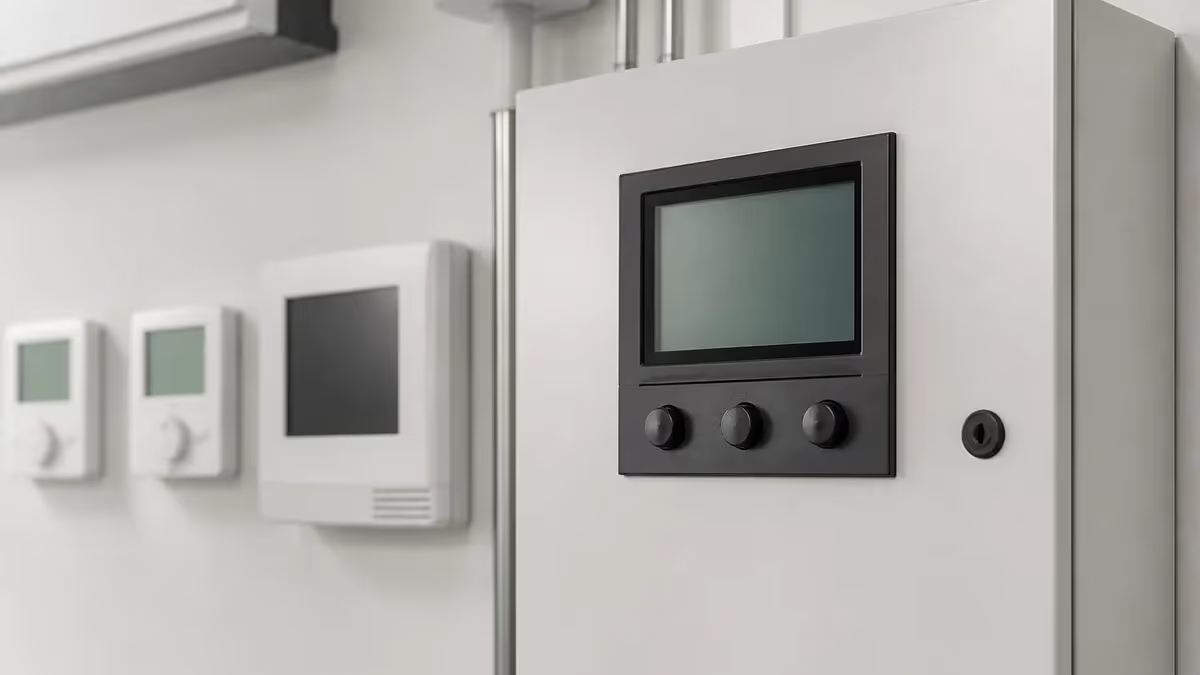
Understanding the cost of HVAC replacement is the single most important step before you sign a contract or pick a system, because the wrong assumptions can add thousands to your final bill. In 2026, full HVAC replacement in a typical American home ranges from roughly $7,500 to $16,000, with high-efficiency dual-fuel systems and homes needing new ductwork pushing well past $25,000. The wide range reflects real differences in equipment tier, regional labor rates, home size, fuel type, and the condition of your existing ducts and electrical service.
Most homeowners only replace an HVAC system two or three times in a lifetime, so it pays to slow down and learn how pricing actually works. Contractors quote a single number, but that number bundles equipment, refrigerant, line sets, thermostats, permits, disposal, warranty registration, and labor. When you understand each line item, you can compare bids fairly and negotiate from a position of knowledge rather than fear or guesswork from a stressful sales pitch.
The biggest cost driver is almost always the equipment tier you select. A baseline 14.3 SEER2 single-stage air conditioner with an 80% AFUE furnace will cost dramatically less than a 20 SEER2 variable-speed heat pump paired with a modulating furnace. The premium tier can deliver real comfort and utility savings, but only when the home is properly sealed, ducted, and sized. Spending top dollar on equipment that's installed into leaky 1970s ductwork wastes most of the efficiency you paid for.
Labor is the second-largest variable. Replacement labor typically runs $2,000 to $5,000 depending on accessibility, attic or crawlspace conditions, refrigerant line routing, electrical upgrades, condensate drainage, and local prevailing wages. Markets like the Northeast, California, and parts of the Pacific Northwest routinely see labor costs 30–50% above the national median, while the Southeast and Midwest tend to land below it. A good certified HVAC contractor will itemize labor clearly.
Fuel type and home configuration also shape the total. All-electric heat pump conversions cost more upfront than like-for-like replacements because they often require panel upgrades, new circuits, and outdoor pads. Dual-fuel systems combining a heat pump with a gas furnace land somewhere in the middle and can be the most cost-effective long-term choice in mixed climates where winter temperatures regularly dip below 35°F and electric resistance backup would otherwise dominate operating costs.
Finally, timing matters more than most homeowners realize. Replacing in shoulder seasons—March through April and September through October—usually nets the best pricing because demand is lower and contractors are competing for work. Emergency replacements during a July heat wave or January cold snap can carry a 10–25% premium, plus rushed equipment availability that limits your choice of brand or efficiency tier. Planning ahead, even just two months, almost always saves money on parts, labor, and rebates.
This guide walks through every cost line item, system type, financing option, and rebate program available in 2026 so you can budget accurately, ask the right questions, and avoid the most expensive mistakes. By the end, you'll know how to read a quote line by line, what to push back on, when premium efficiency actually pays off, and how to stretch federal tax credits and utility rebates to cut thousands off your bottom line.
HVAC Replacement Cost by the Numbers

Replacement Cost Breakdown by System Type
The headline price on any HVAC quote is shaped by a small number of high-impact variables, and once you understand them, you can predict pricing for your own home within a few hundred dollars. The four biggest drivers are home size, equipment efficiency tier, fuel type, and existing infrastructure condition. Together they account for roughly 80% of the price variance you'll see between bids, with the remaining 20% coming from contractor overhead, warranty package, and regional labor costs.
Home size determines the tonnage you need, and tonnage is the single largest equipment cost factor. A 2-ton system covers roughly 1,000–1,400 square feet, a 3-ton system handles 1,500–2,100 square feet, and a 5-ton system serves 2,500–3,300 square feet under typical insulation conditions. Every half-ton step up adds $400–$900 to equipment cost, plus larger line sets, larger breakers, and heavier evaporator coils. Proper sizing through a Manual J load calculation prevents costly oversizing.
Efficiency tier drives the next biggest chunk of cost. Baseline SEER2 14.3 equipment is the minimum legal standard in northern states; 16 SEER2 is common mid-tier; 18–22 SEER2 represents premium variable-speed inverter equipment. Moving from baseline to premium typically adds $2,500–$5,000 to the equipment line. The payback period depends on local utility rates, cooling hours, and rebates. In hot, expensive electricity markets like Texas or Arizona, premium tiers often pay back in 6–9 years.
Fuel and configuration changes are where surprises happen. Switching from a gas furnace to an all-electric heat pump may require a 200-amp panel upgrade ($1,800–$4,500), a new 240V circuit, and possibly a service entrance change. Conversely, switching from oil to gas requires a new gas line, meter, and venting. These conversion costs are easy to overlook in early budgeting but can add 20–35% to a baseline replacement quote, so always confirm them before signing.
Ductwork condition is the most underestimated cost driver. Studies show that roughly 25–40% of homes have ducts leaking 20% or more of conditioned air. Sealing existing ducts costs $500–$1,500; partial replacement runs $2,000–$5,000; full replacement on a typical 1,800 sq ft home lands between $4,000 and $10,000. A reputable contractor inspects ducts before quoting equipment because new high-efficiency systems perform poorly on undersized or leaky duct runs.
Permits, disposal, and refrigerant are smaller but unavoidable line items. Most jurisdictions require an HVAC permit ($75–$400) plus a final inspection. Old equipment disposal is typically $75–$200, and R-410A or R-454B refrigerant top-offs can add $100–$300. New refrigerant regulations under the AIM Act are reshaping pricing in 2025–2026 as the industry transitions to lower-GWP refrigerants like R-454B and R-32, which can add $300–$700 to equipment costs depending on the brand.
Finally, contractor reputation and warranty package quietly shape pricing. A well-established contractor with NATE-certified technicians, factory-authorized dealer status, and a 10-year parts-and-labor warranty will quote 10–20% higher than a low-bid installer—but the long-term cost of ownership is usually lower because installation quality is the single biggest predictor of equipment lifespan. The cheapest quote almost never represents the lowest total cost of HVAC installation over the system's useful life.
HVAC Practice Test Questions
Prepare for the HVAC - Heating Ventilation and Air Conditioning exam with our free practice test modules. Each quiz covers key topics to help you pass on your first try.
HVAC Air Conditioning
HVAC Exam Questions covering Air Conditioning. Master HVAC Test concepts for certification prep.
HVAC Code Compliance
Free HVAC Practice Test featuring Code Compliance. Improve your HVAC Exam score with mock test prep.
HVAC Electrical Controls
HVAC Test Prep for Electrical Controls. Practice HVAC Quiz questions and boost your score.
HVAC Energy Efficiency
HVAC Questions and Answers on Energy Efficiency. Free HVAC practice for exam readiness.
HVAC Heating Systems
HVAC Mock Test covering Heating Systems. Online HVAC Test practice with instant feedback.
HVAC Load Calculations
Free HVAC Quiz on HVAC Load Calculations. HVAC Exam prep questions with detailed explanations.
HVAC Tools and Equipment
HVAC Practice Questions for HVAC Tools and Equipment. Build confidence for your HVAC certification exam.
HVAC Refrigeration
HVAC Test Online for Refrigeration. Free practice with instant results and feedback.
HVAC Safety Practices
HVAC Study Material on Safety Practices. Prepare effectively with real exam-style questions.
HVAC System Design
Free HVAC Test covering System Design. Practice and track your HVAC exam readiness.
HVAC Thermodynamics
HVAC Exam Questions covering Thermodynamics. Master HVAC Test concepts for certification prep.
AC, Furnace, and Heat Pump Replacement Compared
Central air conditioning replacement is the most common HVAC project and typically lands between $4,500 and $8,500 for a 2- to 3-ton system in the 14.3–16 SEER2 range. The price includes the outdoor condenser, indoor evaporator coil, line set, refrigerant charge, thermostat, and labor. Higher tiers with variable-speed compressors push into the $9,000–$13,000 range, especially when paired with communicating thermostats and zoning equipment.
Cost-saving moves include replacing only the condenser if the coil and air handler are recent and compatible, choosing a mid-tier 16 SEER2 unit instead of premium, and timing the install for spring shoulder season. Watch out for refrigerant mismatches—a system using older R-410A may need full replacement rather than a coil-only swap as the industry shifts to R-454B in 2025 and beyond, which affects compatibility and rebate eligibility.
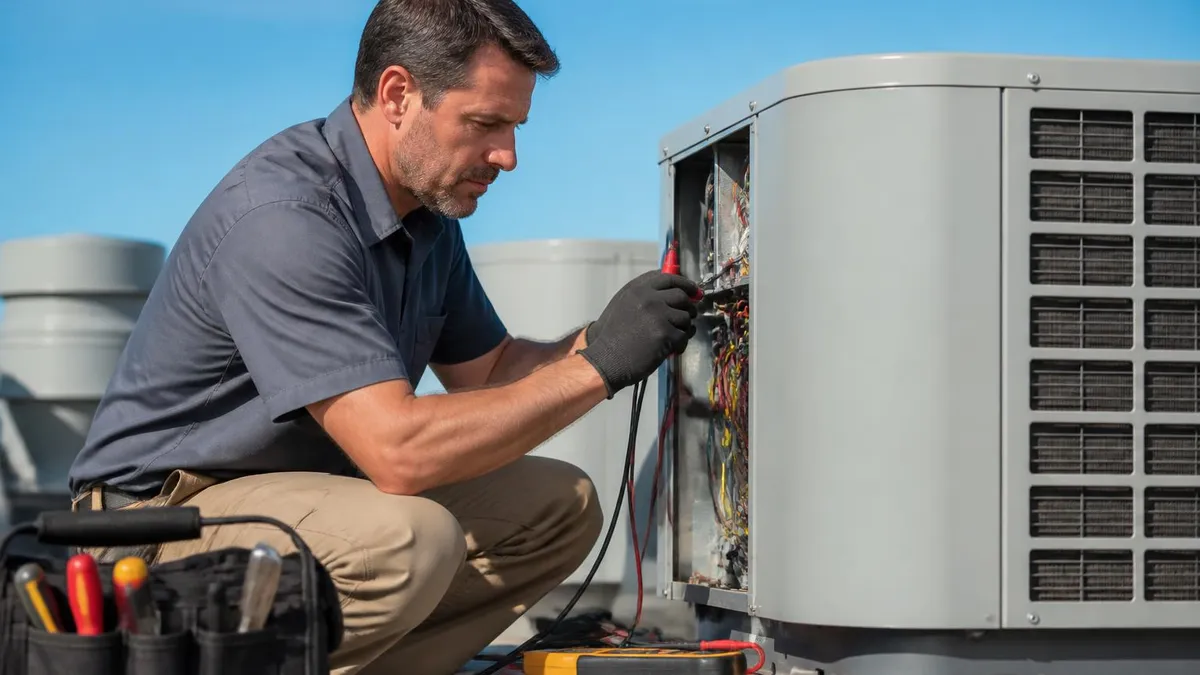
Is It Worth Paying for Premium HVAC Equipment?
- +Variable-speed inverters cut electricity use 25–40% versus single-stage baseline
- +Quieter operation, often 55–65 dB versus 72–78 dB for single-stage condensers
- +Better humidity control improves comfort and indoor air quality
- +Longer equipment life when paired with proper installation and maintenance
- +Larger federal and utility rebates available for high-efficiency tiers
- +Higher resale value and stronger appeal in energy-conscious housing markets
- +Smart controls integrate with home automation, geofencing, and demand-response programs
- −Upfront premium of $2,500–$5,000 over baseline equipment
- −Repair parts cost more and require specialized technicians
- −Payback period can exceed 10 years in mild climates with cheap utilities
- −Communicating thermostats lock you into proprietary brand ecosystems
- −More electronic components mean more potential failure points
- −Diminishing returns above 18 SEER2 for most U.S. climates
- −Improperly sized premium equipment underperforms baseline equipment
Pros and Cons at a Glance
| Pros | Cons |
|---|---|
| Better humidity control improves comfort and indoor air quality | Repair parts cost more and require specialized technicians |
| Longer equipment life when paired with proper installation and maintenance | Communicating thermostats lock you into proprietary brand ecosystems |
| Larger federal and utility rebates available for high-efficiency tiers | More electronic components mean more potential failure points |
| Higher resale value and stronger appeal in energy-conscious housing markets | Improperly sized premium equipment underperforms baseline equipment |
Pre-Replacement Homeowner Checklist to Control Cost
- ✓Get at least three written, itemized quotes from licensed local contractors
- ✓Confirm each bid includes Manual J load calculation, not square-footage rule-of-thumb sizing
- ✓Verify proposed equipment matches your climate zone and federal efficiency minimums
- ✓Request line-item pricing for equipment, labor, permit, disposal, and warranty
- ✓Ask for proof of liability insurance, workers' comp, and state HVAC contractor license
- ✓Confirm refrigerant type (R-410A vs R-454B) and 2026 compatibility for repairs
- ✓Check eligibility for the federal 25C tax credit and state or utility rebates
- ✓Inspect existing ductwork condition and budget for sealing or partial replacement
- ✓Review electrical panel capacity if converting to a heat pump or larger system
- ✓Compare 10-year parts-and-labor warranty terms across all bids before deciding
Always get the Manual J done before signing
A proper Manual J load calculation costs $200–$600 but routinely saves homeowners $2,000–$4,000 by preventing oversized equipment. Oversized systems short-cycle, fail earlier, and run less efficiently than properly sized units. If a contractor refuses to perform a load calculation and quotes based on square footage alone, walk away — it's the single clearest signal of an installation that will cost more over its lifetime than a competing bid.
The federal Inflation Reduction Act, state energy programs, and utility incentive funds make 2026 one of the best years in a generation to replace your HVAC system. Stacked correctly, these programs can cut $3,000–$10,000 off a heat pump replacement, and even traditional AC and furnace upgrades qualify for meaningful incentives in many markets. The trick is knowing which credits and rebates apply to your equipment, your income bracket, and your utility territory before you finalize the project.
The federal 25C Energy Efficient Home Improvement Credit covers 30% of project cost up to $2,000 per year for qualifying heat pumps and heat pump water heaters, and up to $600 for high-efficiency central AC, furnaces, and boilers. The credit resets annually, so spreading a heat pump installation in one tax year and a furnace tune-up the next can stack benefits. The system must meet CEE Tier 2 efficiency requirements, so confirm the model number with your contractor before signing.
The HEEHRA program—the High-Efficiency Electric Home Rebate Act—provides point-of-sale rebates up to $8,000 for heat pumps for low- and moderate-income households, plus up to $4,000 for electrical panel upgrades and $2,500 for wiring. Rollouts vary by state, with most active programs launching through 2025 and 2026. Households earning under 80% of area median income receive 100% of equipment cost up to caps; those between 80% and 150% receive 50%. Income documentation is required.
Utility rebates layer on top of federal incentives and typically range from $200 to $2,500 depending on equipment tier, region, and program funding. Check your utility's energy efficiency portal before getting quotes, because many rebates require pre-approval or specific qualified contractor lists. Examples include $1,000–$2,000 from Mass Save in Massachusetts, $1,200 from ComEd in Illinois, and $1,500 from BPA territories in the Pacific Northwest for cold-climate heat pumps.
State income tax credits and property tax exemptions add another layer. New York's NYS Clean Heat program, California's TECH initiative, Maine's Efficiency Maine, and Colorado's Heat Pump Income Tax Credit each offer thousands more in stackable incentives. Property tax exemptions in states like Texas, Connecticut, and Vermont prevent your assessed home value from rising because of the energy upgrade, which can save hundreds annually for the life of the system without any additional application paperwork.
Financing options have also expanded. Manufacturer financing through Carrier, Trane, Lennox, and Goodman commonly offers 0% APR for 12–24 months or low-interest 60-month terms. PACE financing—property assessed clean energy—lets you finance the project through your property tax bill in approved jurisdictions, with the cost tied to the home rather than your personal credit. HELOCs and home equity loans typically offer the lowest rates if you have available equity and a strong credit score.
Stack strategy matters. Always apply rebates first, then federal credits, then state credits, and finally finance the remainder. Pay attention to whether rebates reduce your federal credit basis (most don't, but some do). A qualified local HVAC repair and replacement professional familiar with your area's incentive landscape can often save you more than the cheapest bid does, simply by knowing which paperwork to file and which qualified equipment to specify on the proposal.
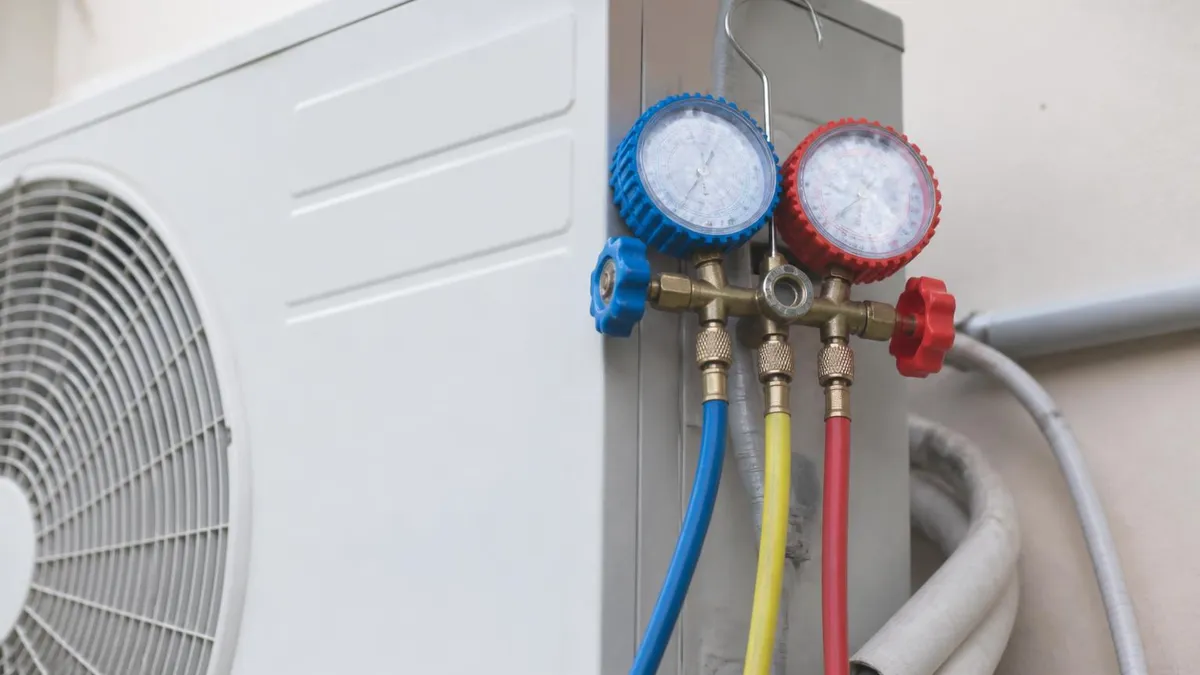
The 25C federal tax credit requires the manufacturer's AHRI certificate and the qualified product identification number (PIN) when filing IRS Form 5695. Missing or incorrect PINs are the leading cause of denied credits. Ask your contractor to provide the AHRI match certificate at install — not later — and keep it with your tax records for at least five years in case of audit. Some 2026 rebates also require pre-installation enrollment.
Even careful homeowners make expensive mistakes during HVAC replacement, and most of them are avoidable with a little upfront homework. The single most common error is treating HVAC replacement like a commodity purchase and choosing the lowest bid. Equipment from major manufacturers is largely interchangeable in performance; what differs dramatically is installation quality. A premium 20 SEER2 system installed badly will underperform a baseline 14.3 SEER2 system installed correctly, and it will fail faster too.
The second common mistake is oversizing. Salespeople sometimes upsell larger systems because tonnage is easy to explain and easier to sell than nuanced efficiency upgrades. Oversized AC units cool a room quickly but shut off before removing humidity, leaving a clammy feel. Oversized furnaces short-cycle, causing temperature swings and accelerated wear on igniters, blowers, and heat exchangers. Both increase utility bills and shorten equipment life by years. Always insist on a Manual J load calculation and Manual S equipment selection.
Skipping ductwork inspection is another expensive shortcut. Many homeowners replace equipment without ever opening an attic panel or measuring static pressure. If your existing ducts are undersized, disconnected, or leaking 20%+, your shiny new system will struggle to deliver rated airflow, trip safety switches, and never reach advertised efficiency. Budget for at minimum a duct leakage test and visual inspection, and be prepared to invest $1,000–$4,000 in sealing or modification if needed.
Underestimating electrical work is a heat pump conversion pitfall. Many homes built before 1990 have 100- or 150-amp panels that lack the capacity for a modern heat pump plus an EV charger, induction range, or heat pump water heater. A panel upgrade adds $1,800–$4,500. Some homeowners receive a quote, sign happily, and only learn about the panel issue after demolition begins. Demand an electrical capacity review before committing to all-electric conversion.
Ignoring warranty registration is the silent profit killer for manufacturers and a hidden cost for owners. Most equipment ships with a 5-year parts warranty by default, which extends to 10 years only if registered within 60–90 days of installation. Many contractors forget this step or assume the homeowner will do it. Confirm registration is complete and ask for written proof before final payment. Otherwise you'll discover the lapse during a compressor failure in year seven.
Choosing the wrong fuel transition can also haunt you for decades. Going all-electric in a region with expensive winter electricity and cheap natural gas may increase total cost of ownership by 30–50% over fifteen years, even with rebates. Dual-fuel systems often deliver the best balance in mixed climates. Run an honest fifteen-year operating cost comparison using your local utility rates before deciding, not a generic national average pulled from a marketing brochure or a vague payback claim.
Finally, hiring an unlicensed or uninsured installer is the most catastrophic mistake. State licensing exists because HVAC work involves combustion, refrigerant, and high-voltage electrical—all life-safety systems. Unlicensed work voids manufacturer warranties, fails inspections, complicates home sales, and can leave you uncovered if a fire or carbon monoxide event occurs. Pulling permits, verifying NATE certification, and reading recent reviews adds an hour to your shopping process and can save tens of thousands in long-term consequences.
With the cost framework, rebates, and pitfalls clear, the final step is converting that knowledge into a smooth, predictable replacement project. The most successful homeowners treat replacement as a six-to-eight week process, not a single phone call. They start by gathering utility bills, taking photos of the existing equipment, and listing comfort complaints—uneven rooms, humidity issues, noisy operation, or rising bills. That documentation lets every contractor diagnose accurately and quote against the same brief.
Schedule three in-home consultations. A real consultation lasts 45–90 minutes and includes a duct inspection, panel check, load calculation discussion, and refrigerant or fuel review. If a contractor offers a verbal quote in fifteen minutes from the driveway, politely thank them and move on. Detailed proposals should arrive in writing within three to five business days and list equipment model numbers, AHRI match numbers, scope of work, exclusions, payment schedule, and warranty terms in clear language.
Compare quotes line by line rather than by total. Two bids may both say $11,000 but differ by $3,000 in actual value once you align equipment tier, warranty length, accessories, and included extras like surge protectors, smart thermostats, or condensate float switches. Build a simple spreadsheet with rows for equipment make/model/SEER2, indoor coil, line set, thermostat, electrical work, ductwork, permits, disposal, labor, warranty, and any rebates the contractor will file on your behalf.
Ask each contractor the same five questions: who pulls the permit, what's the labor warranty, how do you handle commissioning after install, do you provide a written start-up report, and what's your callback policy in the first year. The answers reveal more about installation quality than any brochure. Reputable contractors commission systems with refrigerant charge verification, airflow measurement, static pressure checks, and a printed report you keep with the manual.
Negotiate where it makes sense. Equipment markup typically runs 30–60%, so there's real room on the equipment line, especially in shoulder season. Labor is less negotiable because skilled HVAC technicians are scarce. Instead of pushing labor down, ask for value-adds: a free first-year tune-up, an upgraded thermostat, a surge protector, or extended labor warranty. These cost the contractor little but add real value to the project for you.
Plan the install window thoughtfully. A typical replacement takes one day for like-for-like, two days for a fuel switch or ductwork modification, and three days for full system plus electrical upgrade. Clear access to indoor and outdoor units, secure pets, and confirm a payment schedule that ties the final 10–20% to a successful inspection and start-up report. Never pay 100% upfront. A 30–40% deposit with the balance on completion is standard practice in most states.
Once installed, register the warranty within the manufacturer's window, file rebate paperwork promptly, store all documentation in a single folder, and book the first annual maintenance visit. Maintained systems run at advertised efficiency, hold their warranty, and reach or exceed expected lifespan. Skipping annual service is the fastest way to lose the value you just paid for. Treat your new HVAC system as a fifteen-year asset, not a one-time purchase, and the return on investment becomes much easier to see month after month.
HVAC Questions and Answers
HVAC Technician Jobs Near Me: How to Find, Land, and Grow in Local HVAC Careers
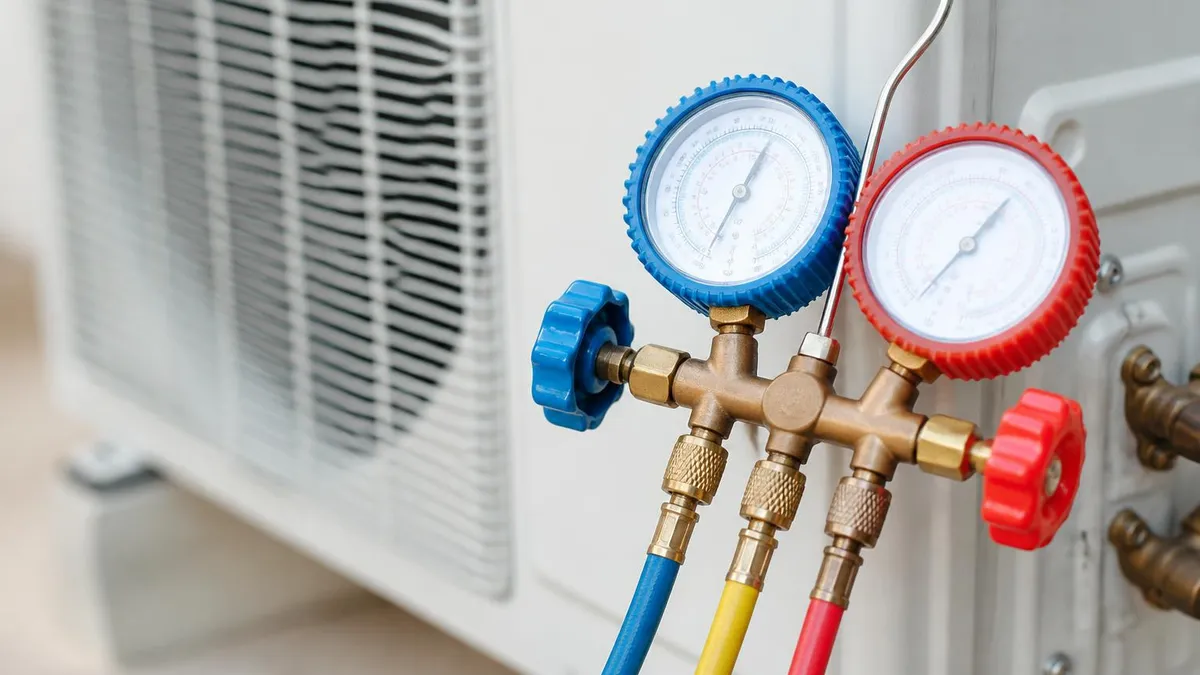
CFM HVAC Basics: How Airflow, Sizing, and System Performance Work Together
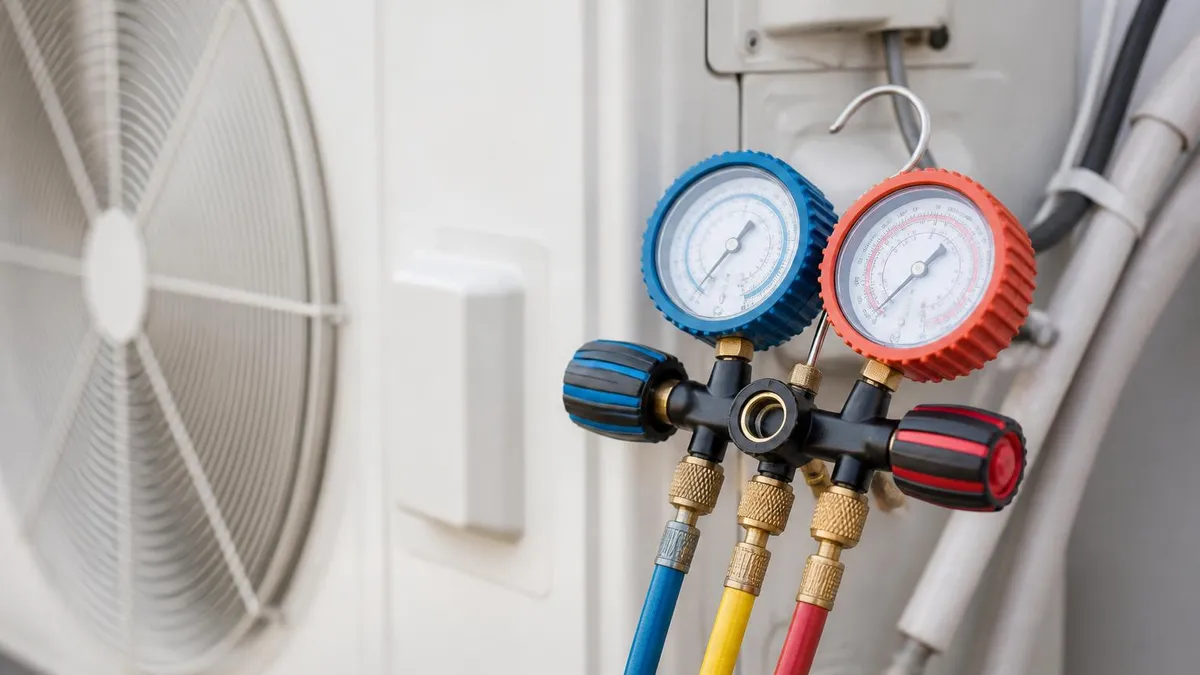
Certified HVAC Contractors: How to Find, Vet, and Hire the Right Professional for Your Home or Business

Best HVAC Repair in Bandon, OR: Local Services Near Me Guide
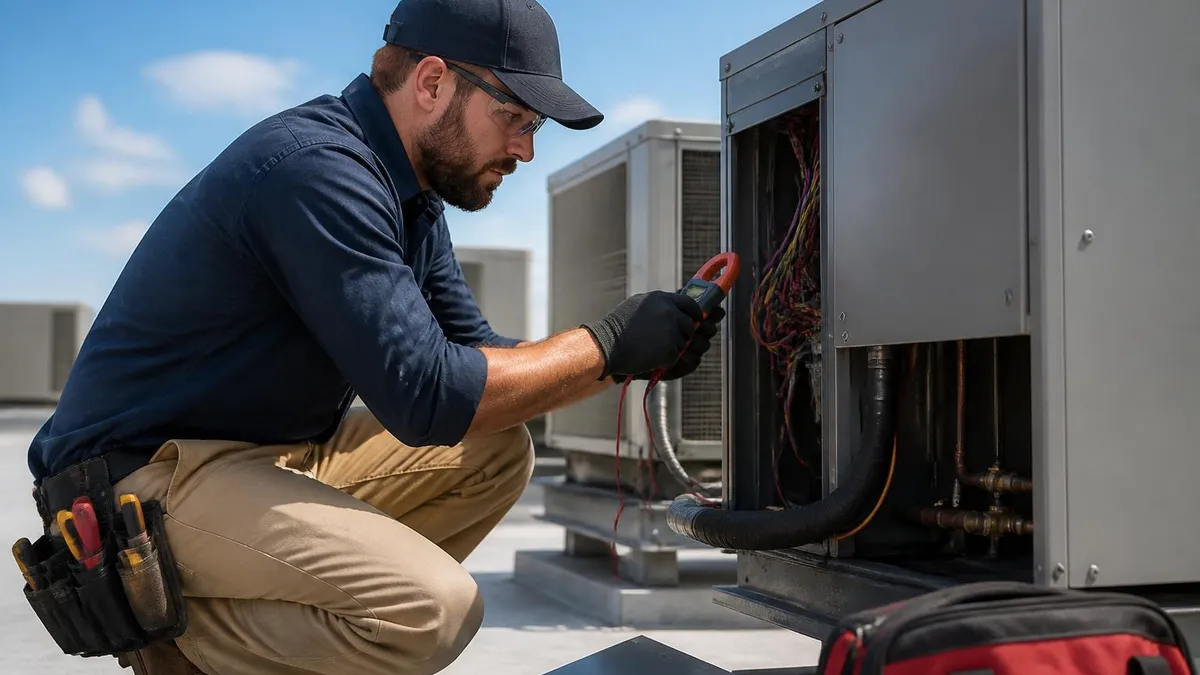
HVAC Installations: The Complete Guide to Planning, Pricing, and Getting It Right the First Time
About the Author

NATE Certified HVAC Technician & Licensing Exam Trainer
Universal Technical InstituteMike Johnson is a NATE-certified HVAC technician and EPA 608 universal-certified refrigerant handler with a Bachelor of Science in HVAC/R Technology. He has 19 years of commercial and residential HVAC installation and service experience and specializes in preparing technicians for NATE certification, EPA 608, A2L refrigerant safety, and state HVAC contractor licensing examinations.