
HVAC Chicago: Complete Guide to Heating, Cooling and Service in the Windy City
HVAC Chicago guide covering furnace repair, AC installation, costs, permits, top contractors and seasonal maintenance for Windy City homeowners. 🔎

Finding reliable HVAC Chicago service is one of the most consequential decisions a homeowner in the Windy City will ever make, and the reasoning is purely climatic. Chicago endures brutal winters where wind chills routinely plunge below minus twenty, followed by humid summers that push heat indices past ninety-five. Your heating and cooling system is not a luxury here, it is the line between comfort and a frozen pipe disaster. This guide walks through what Chicago homeowners need to know about service, repair, replacement and ongoing maintenance.
The HVAC market in Chicago is shaped by two major forces, the age of the housing stock and the severity of seasonal swings. Roughly forty percent of Chicago homes were built before 1940, meaning boilers, radiators and retrofit ductwork are everywhere. Bungalows in Portage Park, two-flats in Pilsen and brick three-flats in Logan Square all present distinct retrofit challenges. A contractor who understands these building types will diagnose problems faster and recommend systems that actually fit the home rather than forcing a one-size-fits-all furnace into an undersized utility closet.
Permits and code compliance also play an oversized role in Chicago compared with surrounding suburbs. The Chicago Department of Buildings requires permits for any furnace, boiler or central air installation, and inspections are mandatory before final occupancy approval. Cook County and the city follow the Chicago Energy Conservation Code, which has stricter envelope and efficiency thresholds than baseline national codes. Skipping a permit might save a few hundred dollars upfront, but it will surface during a future home sale or insurance claim and cost far more.
Cost is another factor that surprises newcomers. A standard ninety-five percent efficiency gas furnace installation in Chicago runs between four thousand and seven thousand dollars including labor, venting and permits. Central air conditioning installation typically lands between five thousand and nine thousand dollars depending on tonnage, ductwork condition and SEER rating. High efficiency heat pumps with cold climate ratings now cost twelve thousand to twenty thousand, though federal tax credits and ComEd rebates substantially soften the blow for qualifying households.
Choosing between repair and replacement is rarely obvious. A common rule of thumb is the fifty percent rule, which says if a repair will cost more than half the price of a new system and the existing equipment is over ten years old, replacement makes more sense. Chicago furnaces typically last fifteen to twenty years, central air units last ten to fifteen, and boilers can last thirty years with proper maintenance. Knowing where your equipment sits in its lifespan changes the math considerably.
This guide covers everything from finding licensed contractors and pulling permits to seasonal maintenance, emergency repair, energy efficiency upgrades and the specific challenges of Chicago neighborhoods. Whether you live in a single family home in Beverly, a condo in Streeterville or a vintage walk-up in Wicker Park, the principles translate. We will also touch on training pathways for anyone considering the trade, since Chicago consistently ranks among the top metros for HVAC technician demand and pay.
By the end you will have a clear framework for evaluating contractors, understanding quotes, scheduling preventive service and recognizing when to call an emergency technician. The goal is not to make you an HVAC expert, it is to make you a confident consumer who cannot be pressured into unnecessary work or oversold equipment. Chicago HVAC contractors are generally excellent, but the market has its share of high-pressure sales operations, and knowing the basics protects your wallet.
HVAC Chicago by the Numbers
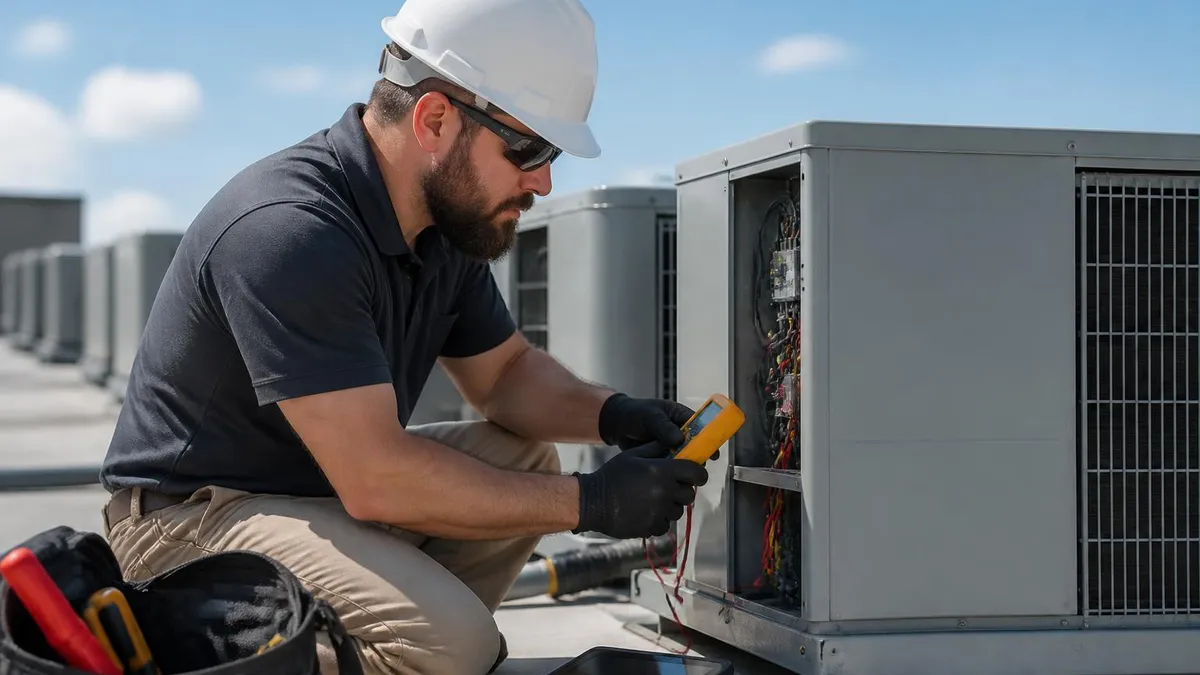
Major HVAC Service Categories in Chicago
Forced air furnaces dominate newer construction while hot water and steam boilers still heat thousands of vintage buildings. Service includes annual cleaning, burner adjustment, heat exchanger inspection and combustion analysis to catch carbon monoxide risks early.
Tonnage calculations matter in Chicago because oversized units short cycle and underperform on humid days. Quality installs include refrigerant line set replacement, condensate handling and Manual J load calculations rather than rule-of-thumb sizing.
Older homes often have leaky, undersized or asbestos-wrapped ductwork. Modern service includes pressure testing, sealing with mastic, adding returns and integrating MERV 13 filtration or HEPA systems for allergy and wildfire smoke protection.
Cold climate heat pumps rated for Chicago winters are gaining traction thanks to federal tax credits and ComEd rebates. Hybrid setups pair a heat pump with a gas furnace, switching modes based on outdoor temperature for cost optimization.
Frozen pipes, no-heat calls and refrigerant leaks demand same-day response. Reputable Chicago contractors maintain 24/7 dispatch with priced service call fees ranging from $89 to $179 plus parts, with diagnostics typically completed within ninety minutes.
Selecting an HVAC contractor in Chicago starts with verifying licenses. Illinois does not issue a state-level HVAC license, but the City of Chicago requires contractors to hold a Chicago Refrigeration Contractor License or Stationary Engineer License depending on the work, plus a current business license and bond. Always ask for the license number and verify it through the Chicago Department of Business Affairs and Consumer Protection portal before signing any contract. Unlicensed work voids manufacturer warranties and home insurance claims.
Insurance verification matters just as much. A legitimate contractor carries general liability of at least one million dollars and workers compensation covering every technician who steps onto your property. If a worker is injured on an uninsured contractor's job, the homeowner can be held liable through their own policy. Request a Certificate of Insurance directly from the insurance carrier, not from the contractor, since these certificates are easily forged and the verification call takes two minutes.
Reviews and references provide the next filter. Look beyond star ratings on Google or Yelp and read the actual text of three-star reviews where customers explain mixed experiences. Pay attention to how the company responds to complaints, since professional and specific responses suggest accountability while defensive or absent responses are red flags. Ask for three references from jobs completed in the last twelve months and actually call them, focusing on whether the contractor returned for warranty issues without complaint.
Quotes should be itemized rather than lump sum. A proper Chicago HVAC quote breaks out equipment model numbers, labor hours, permit fees, disposal of old equipment, refrigerant charges, electrical work, ductwork modifications and warranty terms. If a contractor refuses to itemize or pressures you to sign on the spot with a limited-time discount, walk away. Reputable installers will give you a written quote that remains valid for thirty days while you compare three to five bids.
Manual J load calculation is the single best test of contractor competence. A proper load calc measures square footage, window orientation, insulation levels, air leakage and occupancy to determine exact heating and cooling needs. Contractors who skip this step and size systems based on the existing equipment or square footage rules of thumb routinely oversize by twenty to forty percent, causing comfort problems and shortened equipment life. Ask specifically for a Manual J printout before signing.
Brand allegiance can be a red flag in either direction. Contractors who only sell one brand often have volume contracts that incentivize pushing inventory rather than matching equipment to your home. On the other hand, contractors with no preferred brands may not have the training certifications needed to install warranty-eligible equipment correctly. Look for dealers with manufacturer certifications like Carrier Factory Authorized, Trane Comfort Specialist or Lennox Premier Dealer that prove ongoing training.
Finally, consider service contracts and ongoing relationships. Many Chicago contractors offer annual maintenance plans ranging from one hundred fifty to three hundred dollars per year that include two seasonal tune-ups, priority emergency service and discounts on repairs. These plans pay for themselves if you would otherwise pay separately for spring AC and fall furnace inspections, and they keep the same technician familiar with your equipment year after year, leading to faster and more accurate diagnostics when problems arise.
HVAC Practice Test Questions
Prepare for the HVAC - Heating Ventilation and Air Conditioning exam with our free practice test modules. Each quiz covers key topics to help you pass on your first try.
HVAC Air Conditioning
HVAC Exam Questions covering Air Conditioning. Master HVAC Test concepts for certification prep.
HVAC Code Compliance
Free HVAC Practice Test featuring Code Compliance. Improve your HVAC Exam score with mock test prep.
HVAC Electrical Controls
HVAC Test Prep for Electrical Controls. Practice HVAC Quiz questions and boost your score.
HVAC Energy Efficiency
HVAC Questions and Answers on Energy Efficiency. Free HVAC practice for exam readiness.
HVAC Heating Systems
HVAC Mock Test covering Heating Systems. Online HVAC Test practice with instant feedback.
HVAC Load Calculations
Free HVAC Quiz on HVAC Load Calculations. HVAC Exam prep questions with detailed explanations.
HVAC Tools and Equipment
HVAC Practice Questions for HVAC Tools and Equipment. Build confidence for your HVAC certification exam.
HVAC Refrigeration
HVAC Test Online for Refrigeration. Free practice with instant results and feedback.
HVAC Safety Practices
HVAC Study Material on Safety Practices. Prepare effectively with real exam-style questions.
HVAC System Design
Free HVAC Test covering System Design. Practice and track your HVAC exam readiness.
HVAC Thermodynamics
HVAC Exam Questions covering Thermodynamics. Master HVAC Test concepts for certification prep.
HVAC Chicago Service Types Explained
Chicago heating service centers on natural gas forced air furnaces for newer homes and hot water or steam boilers for vintage buildings. Annual service includes burner cleaning, ignition system testing, heat exchanger inspection using a borescope camera, blower motor amperage check and combustion analysis with a digital flue gas analyzer to verify carbon monoxide levels stay below safe thresholds.
Boiler service is more specialized and often requires a stationary engineer license for larger systems. Service includes flushing sediment, checking expansion tanks, testing low water cutoffs, inspecting pressure relief valves and bleeding radiators. Steam boilers add complexity with skimming, water level controls and one-pipe versus two-pipe distribution diagnostics that require specific training many forced-air-only contractors lack.
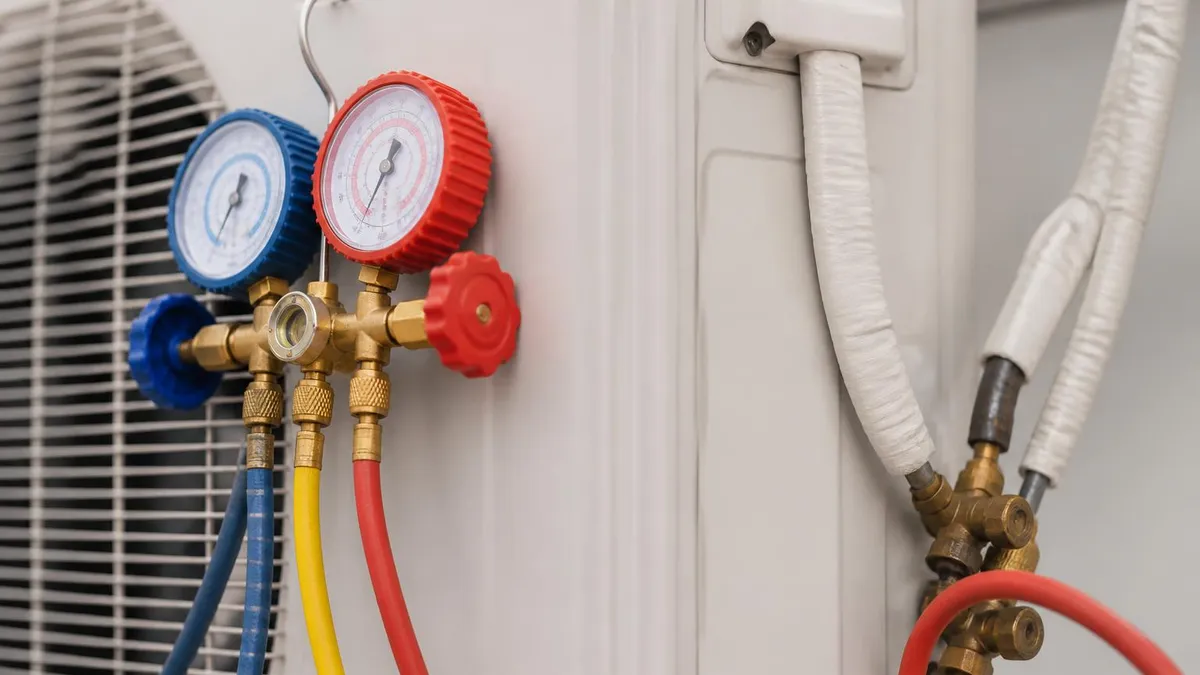
Heat Pump vs Gas Furnace in Chicago: Which Wins?
- +Federal tax credit up to $2,000 for qualifying cold climate heat pumps
- +ComEd and Nicor rebates can stack for additional $1,000-$2,000 savings
- +Single system handles both heating and cooling, simplifying maintenance
- +Lower carbon footprint aligns with Chicago Climate Action Plan goals
- +Modern cold climate models maintain capacity down to -15°F outdoor temps
- +Electric rates more stable than natural gas prices in recent years
- −Higher upfront installation cost, often $12,000-$20,000 vs $5,000-$7,000 for gas
- −Backup heat strips or hybrid gas furnace usually required for sub-zero days
- −Larger outdoor unit footprint can be a challenge in narrow Chicago lots
- −Electrical service upgrade to 200 amp sometimes needed for older homes
- −Fewer experienced installers compared to traditional gas furnace technicians
- −Performance varies significantly by brand, requiring careful product selection
Pros and Cons at a Glance
| Pros | Cons |
|---|---|
| Single system handles both heating and cooling, simplifying maintenance | Backup heat strips or hybrid gas furnace usually required for sub-zero days |
| Lower carbon footprint aligns with Chicago Climate Action Plan goals | Larger outdoor unit footprint can be a challenge in narrow Chicago lots |
| Electric rates more stable than natural gas prices in recent years | Fewer experienced installers compared to traditional gas furnace technicians |
Annual HVAC Chicago Maintenance Checklist
- ✓Schedule furnace tune-up in September before first cold snap arrives
- ✓Replace one-inch filters monthly during heating and cooling seasons
- ✓Schedule AC tune-up in April before summer humidity hits
- ✓Test all carbon monoxide detectors and replace batteries each daylight saving change
- ✓Inspect outdoor condenser for leaves, cottonwood fluff and winter debris
- ✓Clear three feet around outdoor units for proper airflow and service access
- ✓Check condensate drain lines for clogs and pour cup of bleach into pan annually
- ✓Inspect attic and basement ductwork for disconnects, leaks and missing insulation
- ✓Verify thermostat schedules and replace batteries in non-hardwired models
- ✓Test sump pump and battery backup before spring rain season begins
- ✓Review utility bills for unusual spikes that signal efficiency loss
- ✓Document service history with dates, parts replaced and technician notes
Carbon Monoxide Detectors Save Lives
Chicago code requires CO detectors within fifteen feet of every sleeping area in any home with fuel-burning appliances. Replace units every five to seven years since sensors degrade. A furnace tune-up including combustion analysis is the cheapest insurance against silent CO leaks from cracked heat exchangers.
HVAC costs in Chicago vary widely based on equipment, home characteristics and contractor pricing structures. A baseline eighty percent efficiency gas furnace installation costs three thousand to four thousand five hundred dollars, but Chicago code increasingly favors ninety-five percent or higher efficiency condensing furnaces that run four thousand to seven thousand installed. The price difference is recovered through lower gas bills within seven to ten years for most households, longer for homes with mild use.
Central air conditioning installation depends heavily on whether usable ductwork already exists. A simple condenser and coil swap on existing ductwork lands between four thousand and six thousand dollars for a fourteen SEER two ton system. Add new line sets, electrical and condensate handling and the price climbs to seven thousand. A full from-scratch ducted system in a previously boiler-heated bungalow can exceed fifteen thousand dollars once you factor in soffit construction and register placement.
Boiler replacement remains expensive due to specialized labor. A standard cast iron gas boiler with eighty-five percent efficiency runs six thousand to nine thousand installed, while high efficiency modulating condensing boilers cost nine thousand to fourteen thousand. The premium equipment can deliver thirty to forty percent gas savings in well-insulated homes, but cold-running radiators in vintage homes sometimes require additional retrofits to extract the full efficiency benefit from condensing operation.
Federal tax credits introduced under the Inflation Reduction Act remain available through 2032. Heat pumps qualify for up to two thousand dollars annually, high efficiency furnaces and boilers for six hundred dollars, and electrical panel upgrades supporting new equipment for six hundred dollars. Households below specific income thresholds also qualify for HEEHRA rebates covering up to one hundred percent of project costs for low-income and fifty percent for moderate-income families on qualifying electrification projects.
Utility rebates from ComEd, Nicor Gas and Peoples Gas add another layer of savings. Heat pump rebates from ComEd range from three hundred to twelve hundred dollars depending on efficiency tier. Nicor and Peoples Gas offer up to three hundred dollars for high efficiency furnaces and boilers, plus smart thermostat rebates of fifty to one hundred dollars. These rebates stack with federal tax credits, meaning a heat pump install can effectively cost three to five thousand less than the sticker price.
Financing is widely available through manufacturer partnerships with companies like Synchrony and Wells Fargo, typically offering eighteen to twenty four month no-interest promotional periods if paid in full. Beware deferred interest traps where the full retroactive interest applies if any balance remains at the end of the promo. Home equity lines of credit and the Illinois Energy Efficient Home Improvement Loan Program provide longer-term options with lower rates for larger projects exceeding twenty thousand dollars.
Comparing financing apples to apples requires looking at total cost of ownership rather than monthly payment. A twenty thousand dollar heat pump financed at zero percent for two years saves nothing if the alternative gas system costs seven thousand cash. Calculate the breakeven point using your actual utility rates and expected lifespan, factor in projected utility increases, and include the value of consistent comfort and reduced repair frequency that newer equipment delivers in your decision framework.
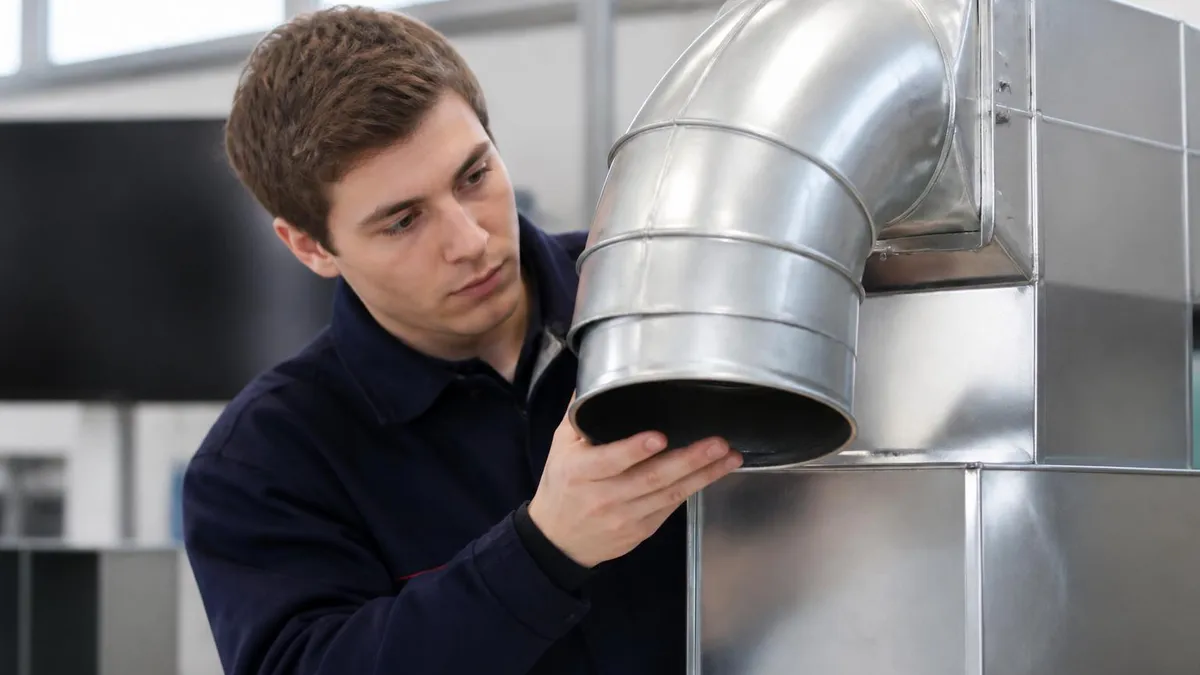
Chicago Department of Buildings requires permits for furnace, boiler and central air installations. Unpermitted work surfaces during home sales, voids insurance claims after equipment fires, and can result in fines plus removal orders. Always confirm your contractor pulls the permit in their name, not yours.
Chicago neighborhoods present distinct HVAC challenges shaped by their architectural era and lot configurations. North Side bungalow belts in Portage Park, Jefferson Park and Norwood Park feature compact homes with narrow utility closets, often with original gravity-converted furnaces and undersized ductwork in attic chases. Retrofits here typically involve sealed combustion sidewall venting since traditional chimneys may not pass current code for new high efficiency equipment, and contractors familiar with bungalow quirks pay dividends.
Pilsen, Bridgeport and other South Side neighborhoods are dominated by two-flats and three-flats, where shared mechanical systems and tenant-landlord cost dynamics complicate decisions. A landlord paying for heat through a single boiler has different priorities than separate-metered units. Modernizing usually means individual unit conversions to forced air or ductless mini-splits, allowing utility cost shifting to tenants while improving efficiency. Permit and zoning rules for two-unit and three-unit work differ slightly from single family.
Wicker Park, Logan Square and Bucktown feature Victorian-era walk-ups and converted industrial loft conversions with exposed brick, high ceilings and minimal insulation. These spaces challenge cooling because of large window areas and heat-radiating masonry, while heating struggles with stratification and drafty original windows. Multi-zone ductless mini-splits often outperform attempts to retrofit central systems, and high-CFM ceiling fans help destratify air during heating season for noticeable comfort gains.
Downtown high rises and condos along the lakefront present another category entirely, with central water source heat pump systems, fan coil units and through-wall PTAC units predominating. Repair work here requires building engineer coordination and often the use of specific approved vendors. Replacement of individual unit equipment must match building specifications, and unauthorized changes can violate condo declarations leading to fines or forced removal at the owner's expense, so verify rules before signing any contractor agreement.
Far north and northwest suburbs technically outside Chicago city limits like Skokie, Evanston, Niles and Park Ridge follow their own municipal codes layered on Illinois state requirements. Permits, inspections and licensed contractor requirements vary substantially. A contractor licensed in Chicago may not be licensed in your specific suburb, so always verify local credentials. For continuing education and trade entry, our guide to HVAC trade school options covers Chicago area programs in detail.
Beverly, Mount Greenwood and the Bungalow Belt areas on the far southwest side feature single-family ranch and bungalow homes built between 1920 and 1960, often with original gravity furnaces converted to forced air decades later. Ductwork in these conversions is frequently undersized and poorly balanced, with cold back bedrooms a chronic complaint. A duct redesign as part of a furnace replacement project often delivers more comfort improvement than the new furnace itself, justifying the additional investment.
Finally, Hyde Park and the South Shore lakefront have a distinct microclimate with cooler summer temperatures from lake breezes but harsher winter winds. AC sizing here can be slightly smaller than inland Chicago neighborhoods, while heating systems face higher infiltration losses. University of Chicago institutional buildings have driven a sophisticated local contractor pool experienced with both vintage residential and complex commercial systems, giving homeowners access to higher-than-average technical depth when shopping for service.
Preparing your Chicago home for each season requires specific actions timed to the weather rhythm. Late August through early October is furnace prep season, when smart homeowners schedule tune-ups before contractor calendars fill and before the first cold snap reveals a broken igniter at the worst possible moment. Costs run one hundred twenty to two hundred dollars for a standard inspection and combustion analysis, often included free as part of annual maintenance contracts that pay for themselves through repair discounts and priority dispatch.
Filter discipline is the single highest-impact homeowner habit. A one-inch pleated filter lasts thirty to ninety days depending on home conditions, pets and outdoor air quality. During wildfire smoke episodes that have become more common in recent summers, filters can clog in two weeks. A clogged filter forces blowers to work harder, drops efficiency ten to fifteen percent and eventually damages motors. Keep a stack of correctly sized filters on hand and mark replacement dates on your phone calendar.
Thermostat strategy directly affects bills. The Department of Energy recommends sixty-eight degrees when home in winter and setting back seven to ten degrees overnight or during workday absences. Summer guidance flips to seventy-eight degrees when home with setup during absences. Smart thermostats from Ecobee, Nest and Honeywell automate these schedules and often qualify for utility rebates of fifty to one hundred dollars, with payback usually under two years through energy savings alone.
Knowing when to call for service versus DIY is its own skill. Tripped breakers, dirty filters, clogged drain lines and dead thermostat batteries are homeowner-fixable. Refrigerant issues, gas valve problems, control board failures, blower motor diagnostics and any combustion-related symptoms require a licensed technician. Trying to recharge a leaking AC system or replacing a furnace gas valve without proper training is dangerous and almost always voids warranty coverage on remaining components.
Recognizing warning signs before total failure saves money and discomfort. Unusual noises like banging from boilers, screeching from furnace blowers or repeated outdoor unit short-cycling all indicate developing problems. Yellow flames in gas burners instead of blue, rising utility bills without behavior changes, uneven temperatures between rooms and excessive humidity in cooling season all warrant a service call. Catching issues early often turns a five hundred dollar repair into a two hundred dollar fix.
Emergency preparation matters in Chicago winters when no-heat calls can take a full day to schedule during cold snaps. Keep a few space heaters on hand for backup, know how to drain plumbing systems to prevent burst pipes if heat fails for extended periods, maintain a relationship with at least one contractor who offers true 24/7 service, and check that carbon monoxide detectors have fresh batteries before each heating season. Preparation costs nothing and prevents thousands in damage.
Documentation pays off when selling your home or filing warranty claims. Keep a folder with original installation paperwork, permit records, manufacturer warranty registration confirmations, every service invoice and any photographs of equipment model and serial plates. Buyers and home inspectors look favorably on well-documented maintenance, and most equipment warranties require proof of annual professional service to remain valid for the full ten to twelve year parts coverage period offered by major brands.
HVAC Questions and Answers
HVAC Duct Installation: Materials, Sizing, Sealing and Best Practice
HVAC UV Light: How It Works, Types and What the Evidence Shows
HVAC Rancho Cucamonga CA: Complete Guide to Repair, Service, and System Care
Tax Credit for Installing New HVAC: 2026-2026 Rules

HVAC Trade School: How to Choose the Right Program
About the Author

NATE Certified HVAC Technician & Licensing Exam Trainer
Universal Technical InstituteMike Johnson is a NATE-certified HVAC technician and EPA 608 universal-certified refrigerant handler with a Bachelor of Science in HVAC/R Technology. He has 19 years of commercial and residential HVAC installation and service experience and specializes in preparing technicians for NATE certification, EPA 608, A2L refrigerant safety, and state HVAC contractor licensing examinations.