
What Does HVAC Stand For? A Complete Guide to Heating, Ventilation, and Air Conditioning
What is HVAC stand for? Learn the full meaning of HVAC, how heating, ventilation, and air conditioning systems work, and why they matter for every building. 🟢
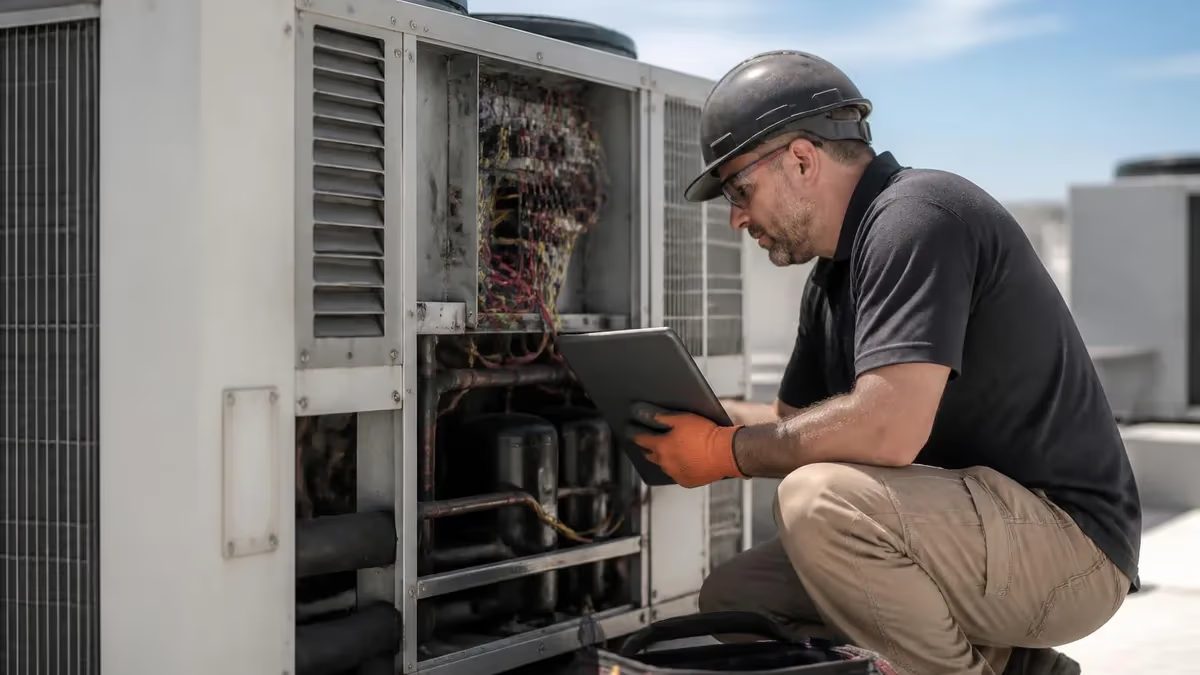
If you have ever wondered what is HVAC stand for, you are far from alone. The acronym appears on service vans, job postings, utility bills, and building permits across the United States every single day, yet most homeowners and even some new technicians cannot fully explain what all four letters mean or why the system behind them matters so much. HVAC stands for Heating, Ventilation, and Air Conditioning — three interconnected disciplines that work together to control the temperature, humidity, and air quality inside any enclosed space, from a small apartment to a massive hospital complex.
The heating component of an HVAC system is responsible for generating and distributing warmth throughout a building during colder months. This can take many forms: a gas furnace burning natural gas or propane, an electric heat pump extracting warmth from outdoor air, a boiler circulating hot water through radiators, or even radiant floor heating panels embedded in concrete. Each technology has its own efficiency profile, installation cost, and ideal climate application, and understanding those differences is the first step toward making smart decisions about residential or commercial comfort systems.
Ventilation is arguably the most overlooked letter in the HVAC acronym, yet it is absolutely critical to occupant health and building longevity. Ventilation covers everything from simple exhaust fans that remove cooking odors to sophisticated energy recovery ventilators that pre-condition incoming fresh air before it enters the conditioned space. Without adequate ventilation, carbon dioxide builds up, moisture levels spike, and volatile organic compounds from furniture, paints, and cleaning products accumulate to concentrations that can cause headaches, fatigue, and long-term respiratory problems. Modern building codes now mandate minimum ventilation rates precisely because poorly ventilated buildings make people sick.
Air conditioning rounds out the acronym and covers the cooling side of the equation. A central air conditioner uses a refrigerant cycle — compression, condensation, expansion, and evaporation — to move heat from inside a building to the outdoors. Window units, mini-split systems, and large commercial chillers all operate on the same thermodynamic principles, differing mainly in scale, efficiency, and the sophistication of the controls used to regulate them.
In humid climates like the American Southeast, air conditioning also performs the critical function of dehumidification, removing moisture from indoor air to prevent mold growth and maintain comfort even when temperatures are only moderately warm.
Understanding what HVAC means in a practical sense goes well beyond memorizing three words. It means recognizing that comfort in any building is the result of carefully balanced systems working in concert. When your furnace runs but your home still feels cold, the problem might actually be inadequate ventilation pulling conditioned air out of the building.
When your air conditioner runs constantly but humidity stays high, the issue could be oversized equipment that short-cycles before completing a dehumidification pass. Diagnosing these problems requires understanding how all three components interact, which is why skilled HVAC technicians command competitive salaries and enjoy strong job security across every region of the country.
For students preparing for HVAC certification exams, grasping the foundational meaning of the acronym is just the starting point. Licensing bodies across the country — including state contractor boards and national credentialing organizations — test candidates on the full spectrum of HVAC knowledge, from basic thermodynamic principles to refrigerant handling regulations under EPA Section 608. If you want to explore how what does hvac stand for connects to real-world career opportunities in the industry, the sales and business development side of HVAC offers some of the most rewarding paths for technically minded professionals who also enjoy working with people.
The HVAC industry in the United States employs more than 400,000 technicians and generates over $150 billion in annual revenue, and that figure is growing steadily as aging building stock requires upgrades, energy efficiency standards tighten, and new construction continues in Sun Belt states. Whether you are a homeowner trying to make sense of a contractor's proposal, a student considering a trade career, or a facilities manager responsible for keeping a commercial property comfortable year-round, developing a solid understanding of HVAC fundamentals will pay dividends for years to come.
HVAC Industry by the Numbers
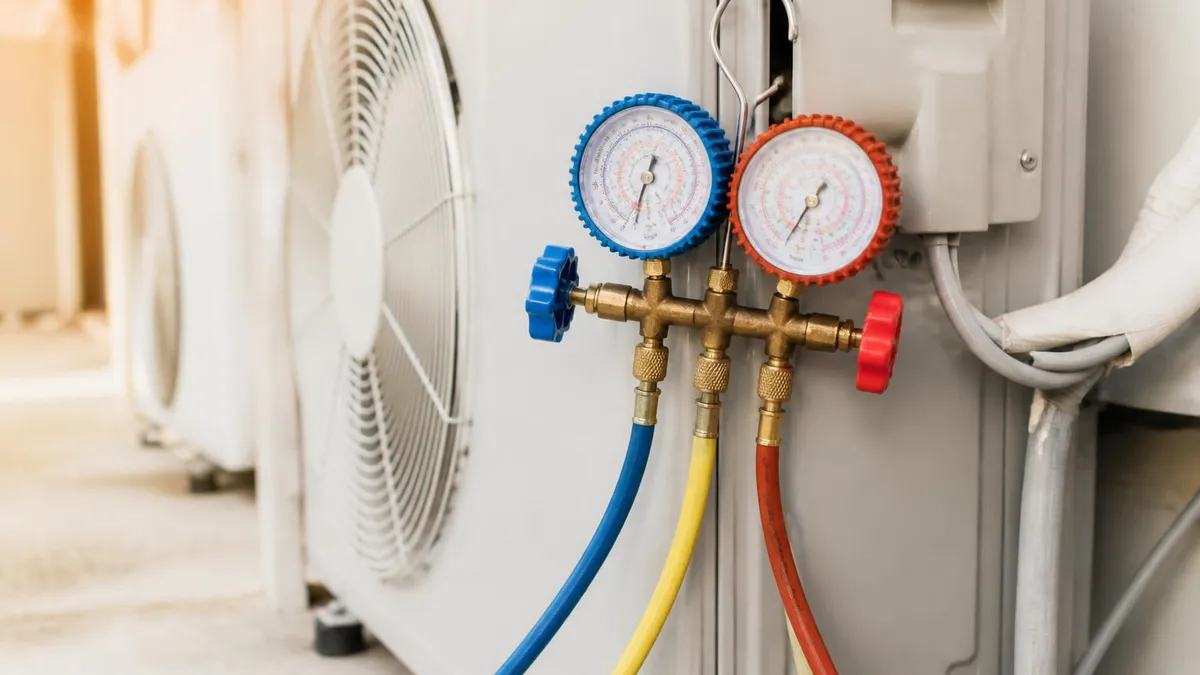
The Four Core Components of Every HVAC System
Furnaces, boilers, heat pumps, and radiant systems generate and distribute warmth. Gas furnaces dominate US residential installs, but heat pumps are rapidly gaining market share due to their ability to both heat and cool efficiently.
Mechanical and natural ventilation systems exchange stale indoor air with fresh outdoor air, control moisture levels, and remove contaminants. Energy recovery ventilators pre-condition incoming air, reducing the load on heating and cooling equipment.
Central split systems, packaged units, mini-splits, and commercial chillers remove heat and humidity from indoor spaces using a refrigerant cycle. Proper sizing is critical — oversized equipment short-cycles and fails to dehumidify effectively.
Thermostats, sensors, building automation systems, and smart home integrations tie all three mechanical systems together. Modern controls can optimize energy use in real time, monitor equipment health, and alert occupants to maintenance needs before failures occur.
Understanding how HVAC systems actually work together requires a basic familiarity with thermodynamics — the science of heat transfer. Heat naturally moves from warmer objects to cooler ones, and every HVAC system either accelerates that process or temporarily reverses it using mechanical energy. A furnace burns fuel to produce heat, which is then transferred to air flowing over a heat exchanger and distributed through ductwork. An air conditioner essentially runs this process in reverse, using a compressor and refrigerant to absorb heat from indoor air and reject it outside through the condenser coil.
Refrigerant is the lifeblood of any air conditioning or heat pump system, and its behavior under different pressures and temperatures is what makes the entire cooling process possible. When refrigerant is compressed by the system's compressor, its temperature rises dramatically — sometimes exceeding 100°F above ambient air temperature — allowing it to reject heat to the outdoors even on a hot summer day.
As it expands through the metering device and enters the evaporator coil, it drops to temperatures well below the indoor air temperature, causing moisture to condense on the coil fins and heat to transfer from the air into the refrigerant. This is why air conditioning both cools and dehumidifies simultaneously.
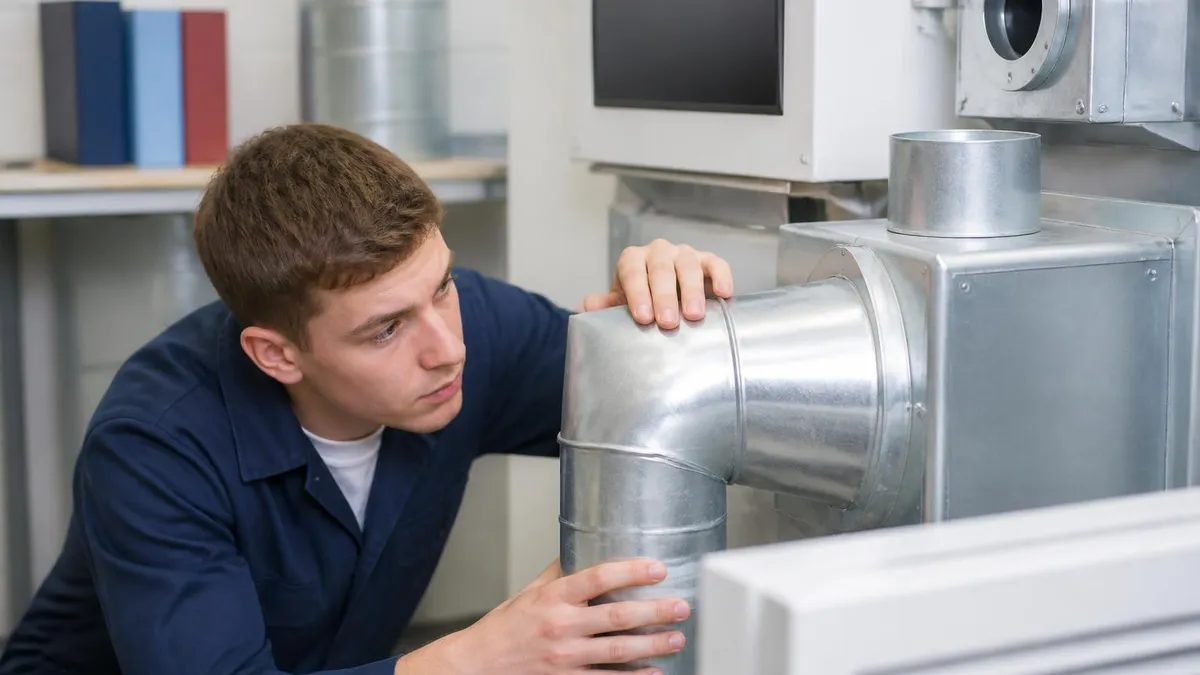
Ductwork is the distribution network that connects the mechanical equipment to the living or working spaces it serves, and it deserves far more attention than most homeowners give it. Studies by the Department of Energy have found that typical residential duct systems lose 20 to 30 percent of conditioned air through leaks, gaps, and poor connections before it ever reaches the intended rooms.
That wasted energy translates directly into higher utility bills, uneven temperatures, and accelerated equipment wear. Sealing and insulating ductwork — especially in unconditioned spaces like attics and crawl spaces — is often the single highest-return HVAC improvement a homeowner can make.
The thermostat and control system serve as the brain of the entire HVAC setup, and advances in control technology over the past decade have been remarkable. Basic bimetallic strip thermostats from the 1970s have given way to programmable digital units, and those have been largely superseded by learning smart thermostats that track occupancy patterns, integrate with smartphone apps, and respond to real-time utility pricing signals. In commercial buildings, full building automation systems monitor hundreds of sensors simultaneously, optimizing fresh air delivery based on actual CO2 levels rather than fixed schedules, reducing energy consumption without sacrificing occupant comfort.
Refrigerant regulations have had a profound impact on the HVAC industry over the past three decades. The 1987 Montreal Protocol and subsequent US EPA regulations phased out ozone-depleting refrigerants like R-22 (Freon), which was common in residential air conditioners installed before 2010.
Technicians who work on systems using regulated refrigerants must hold an EPA Section 608 certification, which tests their knowledge of safe handling, leak detection, and proper recovery procedures. Systems using R-22 are now extremely expensive to recharge because the refrigerant is no longer manufactured in the US, making replacement with modern R-410A or R-32 equipment economically sensible for older systems.
Heat pumps represent one of the most significant technological developments in the modern HVAC industry, and their market share is growing rapidly across the United States as energy efficiency standards tighten and electricity prices become more competitive with natural gas in many regions. A heat pump does not generate heat by burning fuel — instead, it moves heat from one place to another using a refrigerant cycle, just like an air conditioner.
In heating mode, it extracts heat energy from outdoor air (even at temperatures as low as -13°F in cold-climate models) and transfers it indoors. This process can deliver two to four times more heat energy than the electrical energy consumed, resulting in efficiency ratings that no combustion-based system can match.
Indoor air quality has emerged as a central concern for HVAC professionals and building owners alike, driven by increased awareness of how airborne pathogens, allergens, and chemical contaminants affect occupant health and productivity.
The COVID-19 pandemic accelerated investment in air filtration and ventilation upgrades across commercial and institutional buildings, with many facility managers upgrading from standard MERV-8 filters to MERV-13 or HEPA-grade filtration systems capable of capturing particles as small as 0.3 microns. UV-C germicidal irradiation systems mounted inside air handlers have also gained popularity as a supplemental tool for inactivating viruses and bacteria that pass through the filter media on the coil surface.
HVAC Practice Test Questions
Prepare for the HVAC - Heating Ventilation and Air Conditioning exam with our free practice test modules. Each quiz covers key topics to help you pass on your first try.
HVAC Air Conditioning
HVAC Exam Questions covering Air Conditioning. Master HVAC Test concepts for certification prep.
HVAC Code Compliance
Free HVAC Practice Test featuring Code Compliance. Improve your HVAC Exam score with mock test prep.
HVAC Electrical Controls
HVAC Test Prep for Electrical Controls. Practice HVAC Quiz questions and boost your score.
HVAC Energy Efficiency
HVAC Questions and Answers on Energy Efficiency. Free HVAC practice for exam readiness.
HVAC Heating Systems
HVAC Mock Test covering Heating Systems. Online HVAC Test practice with instant feedback.
HVAC Load Calculations
Free HVAC Quiz on HVAC Load Calculations. HVAC Exam prep questions with detailed explanations.
HVAC Tools and Equipment
HVAC Practice Questions for HVAC Tools and Equipment. Build confidence for your HVAC certification exam.
HVAC Refrigeration
HVAC Test Online for Refrigeration. Free practice with instant results and feedback.
HVAC Safety Practices
HVAC Study Material on Safety Practices. Prepare effectively with real exam-style questions.
HVAC System Design
Free HVAC Test covering System Design. Practice and track your HVAC exam readiness.
HVAC Thermodynamics
HVAC Exam Questions covering Thermodynamics. Master HVAC Test concepts for certification prep.
Types of HVAC Equipment and Systems
Residential HVAC systems are designed to serve single-family homes and small multi-family buildings, typically ranging from one to five tons of cooling capacity (12,000 to 60,000 BTUs per hour). The most common configuration in the US is a split system: an outdoor unit containing the compressor and condenser coil paired with an indoor air handler or furnace that houses the evaporator coil and blower. These systems use central ductwork to distribute conditioned air and return it to the equipment for reconditioning, providing whole-home comfort from a single piece of equipment.
Ductless mini-split systems have gained enormous popularity in residential applications over the past decade, particularly for room additions, older homes without existing ductwork, and efficiency-focused renovations. A single outdoor unit can serve up to eight indoor air-handling heads in different zones, with each zone independently controlled for temperature and fan speed. Mini-splits eliminate duct losses, allow occupants to condition only occupied rooms, and can achieve SEER ratings exceeding 30, making them among the most efficient residential cooling options available in the current market.
Pros and Cons of Different HVAC System Types
- +Central split systems provide whole-home comfort from a single, easy-to-service unit with straightforward controls
- +Heat pumps deliver two to four times more heat energy than the electricity they consume, dramatically cutting heating bills
- +Mini-split ductless systems eliminate duct losses and allow precise room-by-room temperature control
- +Modern smart thermostats can learn occupancy patterns and reduce energy use by 10 to 15 percent automatically
- +High-efficiency MERV-13 filtration integrated into central systems improves indoor air quality for allergy sufferers
- +Variable-speed equipment operates at lower capacity most of the time, reducing noise, improving humidity control, and extending equipment life
- −Central duct systems require significant installation labor in homes without existing ductwork, adding thousands to project costs
- −Heat pumps lose efficiency in extreme cold below 0°F without supplemental electric resistance or gas backup heat
- −Mini-split systems require multiple indoor heads for whole-home coverage, making upfront costs higher than single-system alternatives
- −High-MERV filters can restrict airflow if HVAC equipment is not rated for the increased static pressure they create
- −Smart thermostats require WiFi connectivity and occasional software updates, adding a layer of technology complexity for some homeowners
- −Variable-speed inverter-driven systems cost significantly more upfront than single-speed equivalents, extending payback periods in mild climates
Pros and Cons at a Glance
| Pros | Cons |
|---|---|
| Central split systems provide whole-home comfort from a single, easy-to-service unit with straightforward controls | Central duct systems require significant installation labor in homes without existing ductwork, adding thousands to project costs |
| Heat pumps deliver two to four times more heat energy than the electricity they consume, dramatically cutting heating bills | Mini-split systems require multiple indoor heads for whole-home coverage, making upfront costs higher than single-system alternatives |
| Mini-split ductless systems eliminate duct losses and allow precise room-by-room temperature control | High-MERV filters can restrict airflow if HVAC equipment is not rated for the increased static pressure they create |
| Variable-speed equipment operates at lower capacity most of the time, reducing noise, improving humidity control, and extending equipment life | Smart thermostats require WiFi connectivity and occasional software updates, adding a layer of technology complexity for some homeowners |
HVAC System Maintenance Checklist for Homeowners and Technicians
- ✓Replace or clean air filters every 30 to 90 days depending on filter type, pet ownership, and local air quality conditions
- ✓Inspect and clean evaporator and condenser coils annually to maintain heat transfer efficiency and prevent acid corrosion
- ✓Check refrigerant charge every two years or immediately if cooling capacity seems reduced — low charge is almost always a sign of a leak
- ✓Clean condensate drain lines and pans each spring before cooling season to prevent clogs that can cause water damage
- ✓Lubricate blower motor bearings and inspect belts annually on older systems with belt-driven fan assemblies
- ✓Test all safety controls including high-pressure cutouts, low-pressure switches, and limit switches every service visit
- ✓Inspect ductwork for visible leaks, disconnections, and damaged insulation at least every three to five years
- ✓Verify thermostat calibration and check that all wiring connections are tight and free of corrosion annually
- ✓Clear at least 18 inches of clearance around all outdoor condenser units and remove debris from coil fins each season
- ✓Document all service visits, refrigerant amounts added, and parts replaced in a logbook kept with the equipment
HVAC Systems Account for 48% of All US Building Energy Use
According to the US Department of Energy, heating, cooling, and ventilation systems consume nearly half of all energy used in American buildings — more than lighting, water heating, and appliances combined. This massive energy footprint makes HVAC efficiency improvements the single highest-impact lever available for reducing both operating costs and carbon emissions in the built environment. Every percentage point of efficiency gain across the installed base of HVAC equipment in the US represents billions of dollars in annual savings and millions of tons of avoided greenhouse gas emissions.
A career in HVAC offers some of the most stable and well-compensated opportunities in the skilled trades sector. The Bureau of Labor Statistics reported a median annual wage of approximately $57,000 for HVAC technicians in 2024, with experienced journeymen and master technicians in high-cost metros often earning $80,000 or more including overtime and benefits.
Unlike many office-based careers that can be performed remotely or outsourced overseas, HVAC work requires physical presence at the job site — every piece of equipment must be installed, serviced, and repaired by a trained technician working with their hands in the building where the equipment lives.
The path to becoming a licensed HVAC technician typically begins with completion of a formal training program at a vocational school, community college, or technical institute. Most programs run between six months and two years, covering thermodynamics fundamentals, electrical theory, refrigeration principles, duct design, and hands-on equipment installation and troubleshooting. Graduates of accredited programs often earn college credit and may be eligible for apprenticeship programs sponsored by contractor associations or union locals that provide paid on-the-job training alongside classroom instruction over a three to five year period.
Certification plays a crucial role in the HVAC career landscape, and technicians who pursue multiple credentials increase their earning potential and career flexibility significantly. The EPA Section 608 certification for refrigerant handling is federally required for anyone who purchases or works with regulated refrigerants, and it comes in four types: Type I (small appliances), Type II (high-pressure systems), Type III (low-pressure systems), and Universal (covers all categories). Beyond the federal EPA requirement, many states require contractor licensing that includes journeyman and master technician designations tested through state-specific exams covering local code requirements and trade practices.
Industry certifications from organizations like North American Technician Excellence (NATE) have become a gold standard signal of competency in the residential and commercial HVAC market. NATE-certified technicians must demonstrate practical knowledge through rigorous written exams covering specific equipment types and specialty areas, and the certification must be renewed periodically through continuing education. Many HVAC contractors actively advertise their NATE-certified staff as a marketing differentiator, and homeowners are increasingly aware that hiring a NATE-certified technician reduces the risk of misdiagnosis, improper repairs, and unnecessary equipment replacement recommendations.
The commercial HVAC sector offers additional specialization opportunities that can significantly boost earning potential. Technicians who develop expertise in building automation systems, commercial refrigeration, chiller plant operation, or clean room HVAC can command daily rates that approach or exceed those of engineers in some markets. Commercial service contracts with large institutional clients — hospitals, universities, government facilities — provide stable recurring revenue for employers and reliable schedules for technicians, contrasting with the highly seasonal demand swings that characterize residential HVAC service work in many regions.
Continuing education has never been more important for HVAC professionals than it is today. The rapid adoption of variable refrigerant flow (VRF) systems, the transition to low-global-warming-potential refrigerants like R-454B and R-32, the proliferation of smart building controls, and the integration of HVAC with solar and battery storage systems are all reshaping what a competent technician needs to know.
Manufacturers offer factory training programs, often at no cost, for technicians who work with their equipment. Trade associations like ACCA (Air Conditioning Contractors of America) and ASHRAE (American Society of Heating, Refrigerating and Air-Conditioning Engineers) provide technical publications, online courses, and local chapter events that help professionals stay current.
For those interested in the business side of the HVAC industry, opportunities in sales, estimating, project management, and contracting offer career paths that use technical knowledge without requiring daily hands-on service work. HVAC sales professionals who understand system design can build strong relationships with contractors, builders, and facility managers, earning commission-based incomes that often exceed those of field technicians. Project managers who can coordinate large commercial installation projects — managing subcontractors, scheduling equipment deliveries, and communicating with building owners and general contractors — are in particularly short supply in markets experiencing strong construction growth.
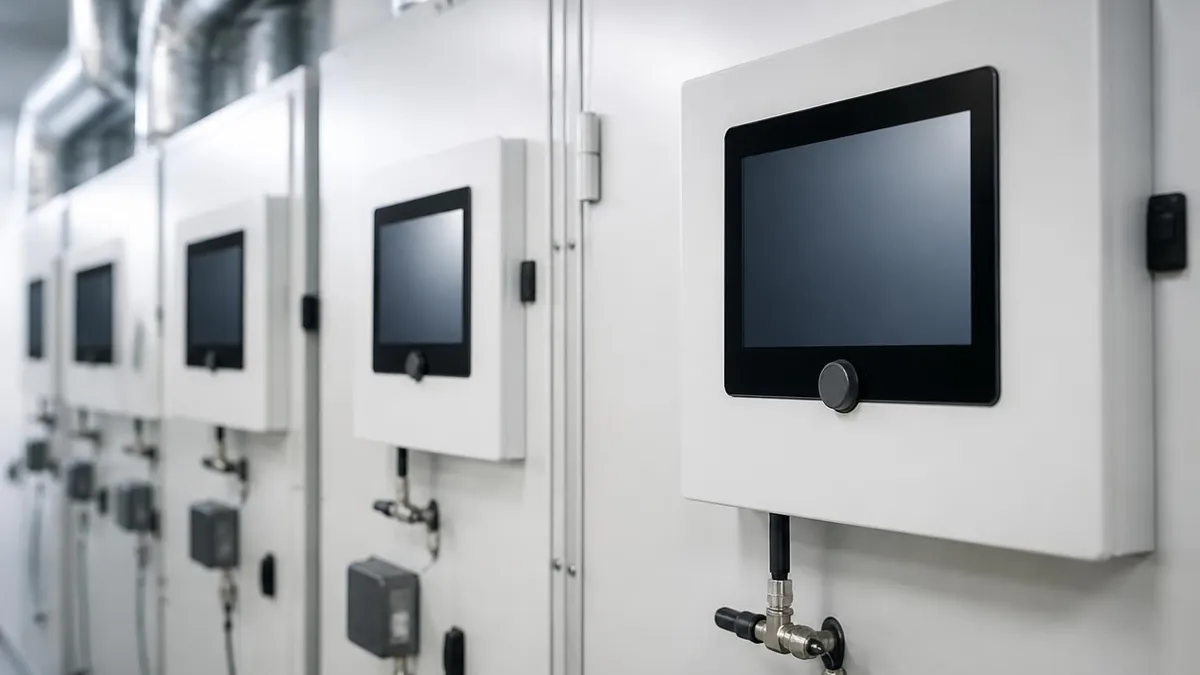
Under Section 608 of the Clean Air Act, any technician who purchases or works with regulated refrigerants (including R-22, R-410A, and newer HFO blends) must hold a valid EPA 608 certification. Purchasing refrigerant without certification or venting refrigerant to the atmosphere carries civil penalties of up to $44,539 per day per violation. If you are studying for the HVAC licensing exam, make sure EPA 608 is one of your first credentials — it is a prerequisite in many states for obtaining a contractor license.
The cost of HVAC equipment and installation varies enormously based on system type, home size, local labor rates, and the complexity of the installation. A straightforward replacement of an existing central split system in a home with functional ductwork might cost $5,000 to $10,000 all-in, while a complete HVAC system installation in a new construction home with custom ductwork, a high-efficiency heat pump, and a whole-home ventilation system could easily reach $20,000 or more. Understanding these costs — and the factors that drive them — is essential for homeowners evaluating contractor proposals and for HVAC professionals building accurate estimates.
Equipment efficiency ratings directly affect both upfront cost and long-term operating expenses. For air conditioners, the Seasonal Energy Efficiency Ratio (SEER2) measures cooling efficiency under a standardized test protocol — higher numbers indicate more efficient operation.
Federal minimum standards require new residential air conditioners installed in the US to meet at least SEER2 13.4 in northern states and 14.3 in southern and southwestern states as of 2023. Premium units reach SEER2 ratings of 20 or higher, and while they cost significantly more at purchase, the energy savings over a 15-year equipment life often justify the premium in climates with long, hot cooling seasons.
Heating efficiency is measured differently depending on equipment type. Gas furnaces are rated by Annual Fuel Utilization Efficiency (AFUE), which expresses what percentage of fuel energy is converted to useful heat — a 95% AFUE furnace wastes only 5% as flue gases. Heat pumps use the Heating Seasonal Performance Factor (HSPF2) for heating efficiency, which reflects average performance across a range of outdoor temperatures.
The distinction matters enormously for comparing heating costs between fuel types: an electric heat pump with HSPF2 of 9 operating in a region with electricity at $0.12 per kilowatt-hour may cost significantly less to operate annually than a 95% AFUE gas furnace in that same location depending on local gas prices.
Financing options have become an increasingly important part of the HVAC purchasing decision for residential customers. Many utility companies offer on-bill financing or rebate programs for high-efficiency equipment, allowing homeowners to pay for upgrades through their monthly energy bills using the savings generated by the new system.
The federal Inflation Reduction Act, signed in 2022, extended and expanded tax credits for energy-efficient home improvements including heat pumps (up to $2,000 per year), air sealing and insulation (up to $1,200), and electrical panel upgrades needed to support new HVAC equipment. These incentives can substantially reduce the net cost of upgrading to modern, efficient systems.
Regular professional maintenance is the most cost-effective investment a building owner can make in their HVAC system, yet it remains chronically underperformed in both residential and commercial settings. Industry data consistently shows that well-maintained HVAC equipment lasts 30 to 50 percent longer than neglected equipment and operates at 10 to 25 percent lower energy cost throughout its service life. A typical residential preventive maintenance visit costs $100 to $200 per system and takes one to two hours — representing extraordinary value when compared to the $5,000 to $15,000 cost of premature equipment replacement that deferred maintenance often causes.
Indoor air quality improvements often represent the highest-return HVAC upgrade available to homeowners concerned about health and comfort. Upgrading from a MERV-4 fiberglass filter to a MERV-13 pleated filter costs about $30 per filter change and captures the vast majority of airborne particles including dust, pollen, mold spores, pet dander, and many bacteria.
Adding a whole-house dehumidifier controlled by a standalone humidistat — not the thermostat — can dramatically improve summer comfort while reducing air conditioning runtime, since people feel cooler at the same temperature when relative humidity drops from 70% to 50%. These improvements compound over time, contributing to a healthier indoor environment and lower long-term healthcare costs for building occupants.
For anyone considering the financial dimensions of HVAC as a career or business venture, the numbers are compelling. A skilled independent HVAC technician running a sole proprietorship in a mid-sized US market can gross $150,000 to $300,000 annually on residential service and replacement work, with net margins of 20 to 35 percent after parts, vehicle costs, insurance, and licensing.
Small HVAC contracting firms with two to five technicians can scale revenues into the millions while building equity in a business with real, demonstrable value — trained technicians, a customer list, service contract revenue, and equipment and vehicles that can be appraised and sold. Understanding the financial structure of the HVAC business is as important as understanding the mechanical systems themselves for anyone with entrepreneurial ambitions in the trades.
Preparing for an HVAC certification or licensing exam requires a strategic approach that goes well beyond simply reading a textbook. The most effective candidates combine conceptual understanding with repeated practice on exam-style questions, identifying their weak areas early and dedicating focused study time to mastering those specific topics before test day. National credentialing exams like NATE and state contractor licensing exams both draw from broad content domains, and no candidate can afford to be weak in any major area — questions from refrigeration principles, electrical theory, load calculation, code compliance, and safety protocols all appear on the same exam.
Building a solid study schedule is the foundation of effective exam preparation. Most candidates preparing for a comprehensive HVAC licensing exam benefit from 60 to 120 hours of dedicated study spread over eight to twelve weeks.
Begin with a diagnostic pass through all major content domains using practice questions to identify where your knowledge gaps are most significant, then allocate more study time to those areas while maintaining review of topics you already understand. Cramming in the final days before an exam is far less effective than consistent daily study sessions of one to two hours over a longer preparation period.
Practice exams serve a dual purpose in HVAC exam preparation: they both test your knowledge and train you to perform under timed conditions. Many candidates who understand the material thoroughly still struggle on actual exams because they are not accustomed to the time pressure and the specific way that multiple-choice questions test conceptual understanding. Working through hundreds of practice questions in exam format — with a timer running and no access to notes or references — builds the test-taking fluency that separates candidates who pass on their first attempt from those who require multiple tries.
Understanding the refrigeration cycle at a deep conceptual level is perhaps the single most important preparation task for any HVAC technician or aspiring license holder. Examiners at all levels — from EPA 608 to state master contractor — design questions that test whether candidates truly understand why refrigerant behaves the way it does under varying pressure and temperature conditions, not just whether they have memorized a few formulas.
Being able to trace refrigerant through a complete system cycle, explaining what happens at the compressor, condenser, metering device, and evaporator in thermodynamic terms, will equip you to answer correctly even unfamiliar question phrasings that you have not seen before on practice tests.
Electrical theory and control wiring represent the area where many HVAC candidates feel least confident, particularly those who came to the trade from a mechanical background rather than through an electrical apprenticeship. The fundamentals — Ohm's Law, series and parallel circuits, voltage drop calculations, motor starting and running current, control transformer sizing — are tested consistently on virtually every HVAC licensing exam in the country.
Investing time in mastering these electrical fundamentals pays dividends not just on the exam but throughout your career, since electrical faults account for a large percentage of real-world equipment failures and diagnostic challenges that field technicians encounter daily.
Load calculation methodology — specifically Manual J for residential and Manual N for commercial applications — is tested on many state contractor licensing exams and is a critical skill for anyone designing or selling HVAC systems. Properly sized equipment is fundamental to achieving comfort, efficiency, and equipment longevity, yet industry surveys consistently find that a large percentage of installed systems are significantly oversized because contractors estimate loads by rule of thumb rather than performing proper calculations.
Understanding the factors that drive heating and cooling loads — building envelope insulation levels, window area and orientation, local design temperatures, infiltration rates, and internal gains from occupants and equipment — positions you as a more competent and credible professional in any HVAC role.
The day before your HVAC exam, resist the temptation to cram additional material. Instead, review your notes from the topics you found most challenging during your preparation, get a full night of sleep, and arrive at the test center early enough to avoid rushing.
Bring required identification and any permitted materials, and approach each question methodically — read the entire question and all answer choices before selecting your response, and flag questions you are uncertain about for review if the exam format permits. Post-exam, regardless of outcome, take time to identify which content areas the questions focused on most heavily, as this intelligence will inform your continuing education priorities as you advance in your HVAC career.
Sample HVAC Practice Questions
Try these questions from our free HVAC practice tests. The correct answer and an explanation follow each question.
What does EER stand for in air conditioning ratings?
- A. Energy Efficiency Rating
- B. Energy Efficiency Ratio
- C. Electrical Energy Requirement
- D. Equipment Efficiency Ratio
Answer: B. Energy Efficiency Ratio
EER stands for Energy Efficiency Ratio, which is the cooling output in BTU/hr divided by electrical input in watts at a specific test condition.
What does 'demand-controlled ventilation' (DCV) do?
- A. Varies supply air temperature based on occupancy using motion sensors
- B. Modulates outdoor air intake based on actual occupancy, typically using CO2 sensors
- C. Controls ventilation fan speed based on outdoor air temperature
- D. Schedules ventilation only during occupied hours using time clocks
Answer: B. Modulates outdoor air intake based on actual occupancy, typically using CO2 sensors
DCV adjusts outdoor air ventilation rates in real time based on actual occupancy, using CO2 sensors as a proxy for occupant density, saving significant energy in variable-occupancy spaces.
What does 'Delta T' (ΔT) mean in a hydronic heating system?
- A. The maximum pressure difference between supply and return
- B. The temperature difference between supply and return water
- C. The temperature rise across the boiler only
- D. The difference between indoor and outdoor design temperatures
Answer: B. The temperature difference between supply and return water
Delta T (ΔT) is the temperature difference between supply water and return water as it circulates through the heat emitters, representing how much heat is extracted.
What is 'heat recovery ventilation' (HRV) and how does it save energy?
- A. It transfers heat between exhaust and incoming fresh air streams, reducing the energy needed to condition ventilation air
- B. It recovers waste heat from the compressor to heat domestic water
- C. It recirculates exhaust air back into the occupied space
- D. It uses outdoor air only when temperatures are within a setpoint range
Answer: A. It transfers heat between exhaust and incoming fresh air streams, reducing the energy needed to condition ventilation air
HRVs use a heat exchanger to pre-condition incoming fresh air with energy from the outgoing exhaust air, reducing the heating or cooling load on the HVAC system.
HVAC Questions and Answers
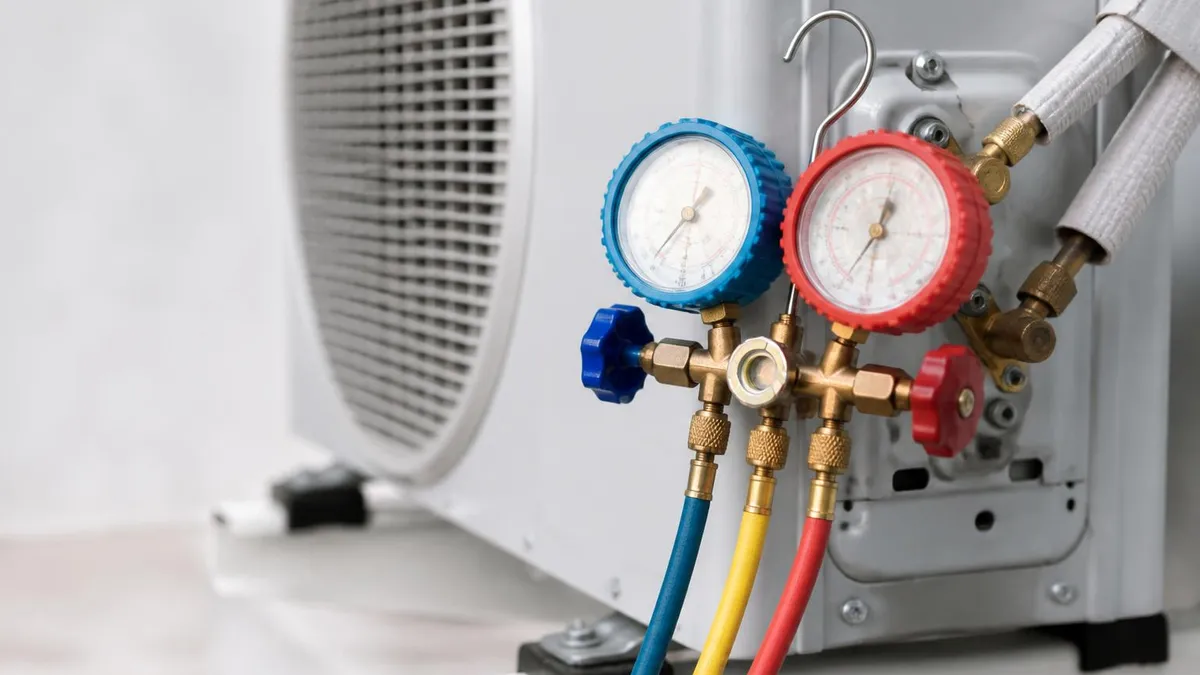
HVAC Sales: The Complete Guide to Selling Heating and Cooling Systems, Building Customer Trust, and Closing More Deals
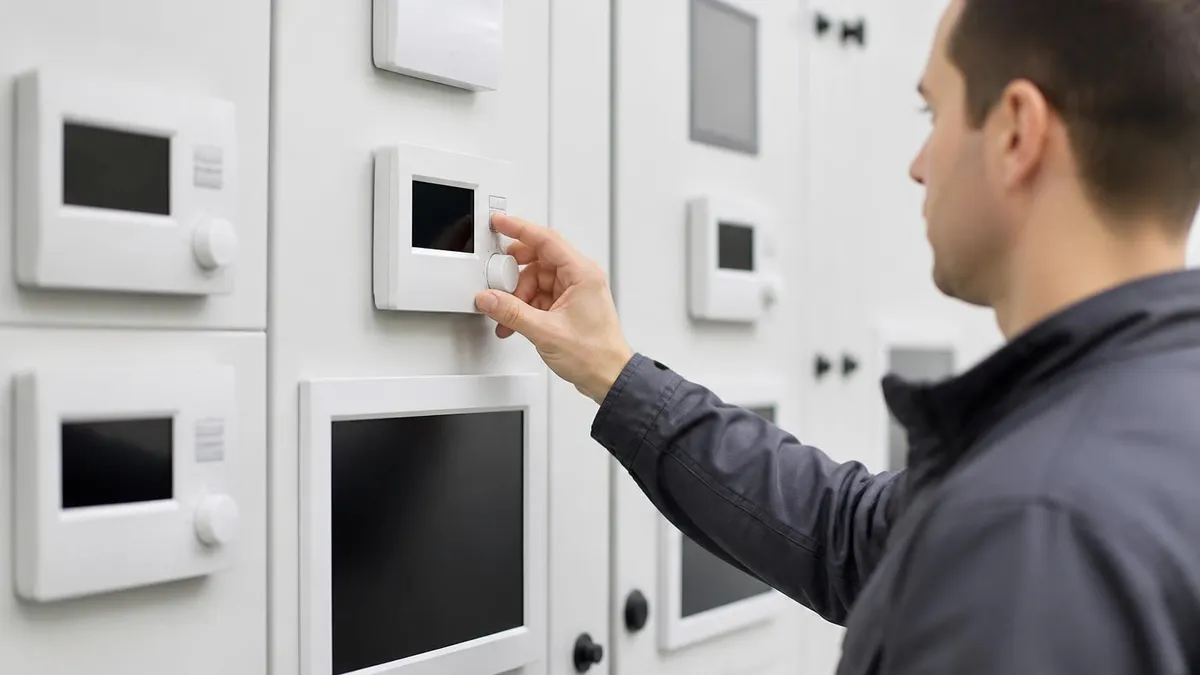
HVAC Air Duct Sealing: The Complete Homeowner and Contractor Guide to Sealing Ductwork for Efficiency, Comfort, and Indoor Air Quality
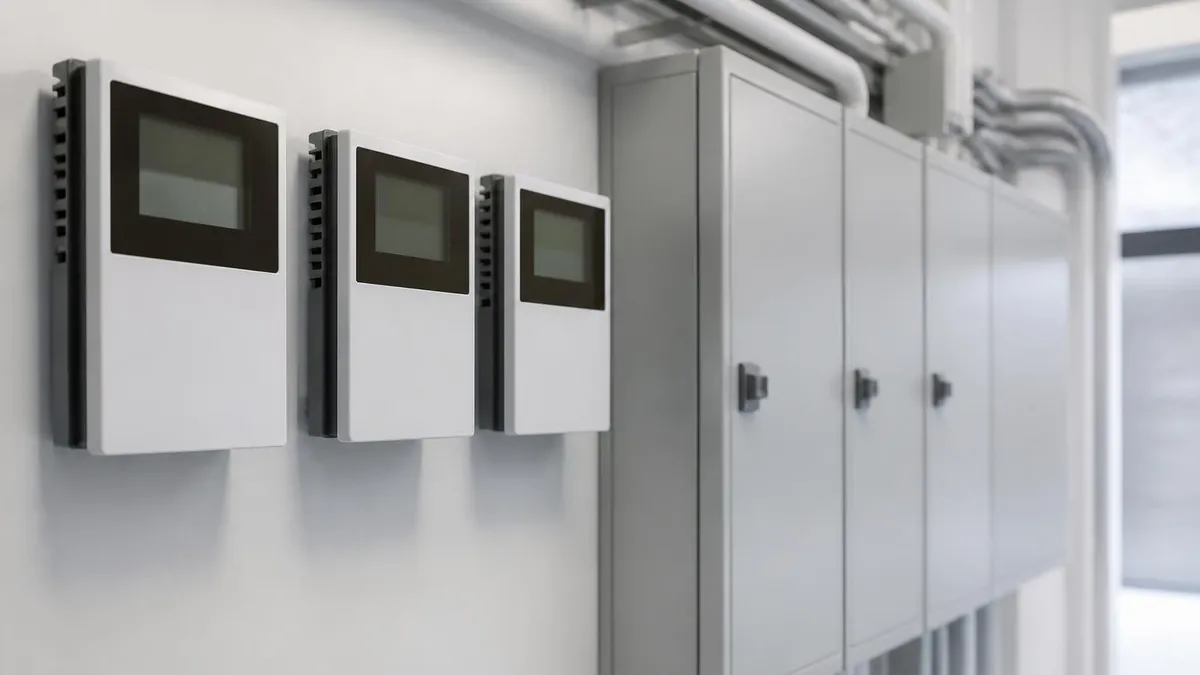
HVAC Solutions: The Complete Guide to Heating, Cooling, and Indoor Air Quality Systems for Homes and Buildings

Commercial HVAC Repair: Systems, Costs, and Service Strategies
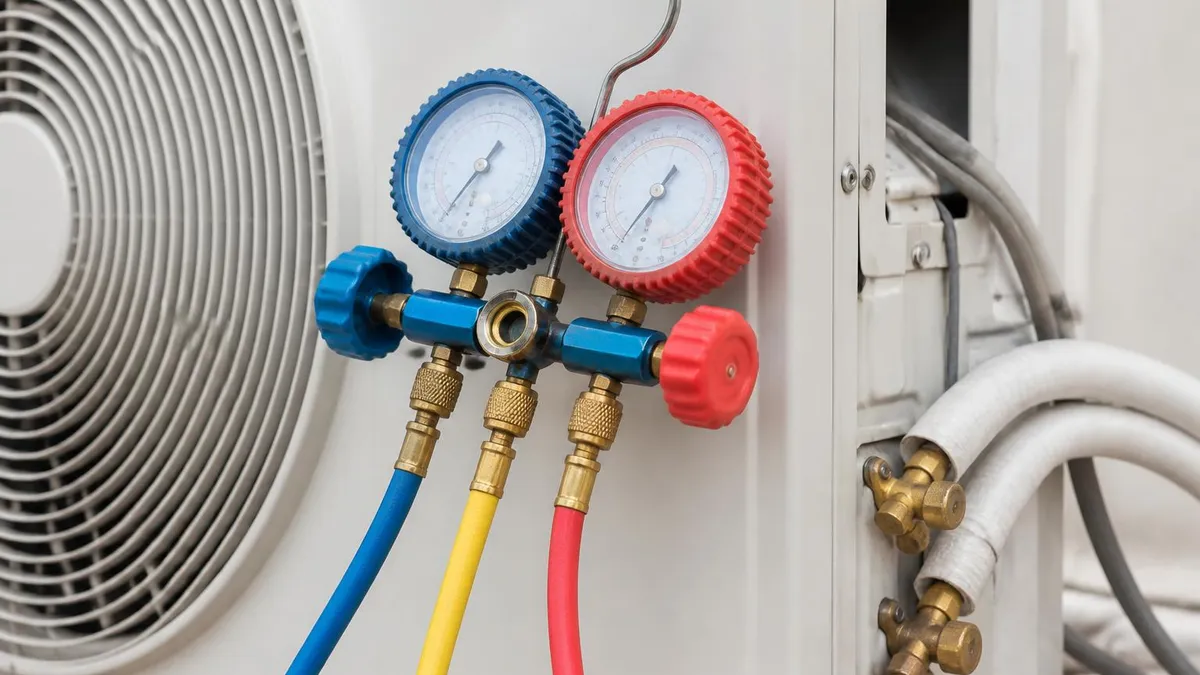
HVAC Schooling: Complete Training Guide, Program Requirements, and Career Pathways
About the Author

NATE Certified HVAC Technician & Licensing Exam Trainer
Universal Technical InstituteMike Johnson is a NATE-certified HVAC technician and EPA 608 universal-certified refrigerant handler with a Bachelor of Science in HVAC/R Technology. He has 19 years of commercial and residential HVAC installation and service experience and specializes in preparing technicians for NATE certification, EPA 608, A2L refrigerant safety, and state HVAC contractor licensing examinations.