
Local HVAC Service: How to Find, Hire, and Get the Best Work from a Heating and Cooling Technician Near You
local hvac service guide: how to find, vet, and hire a trusted technician near you — costs, red flags, and pro tips. ✅
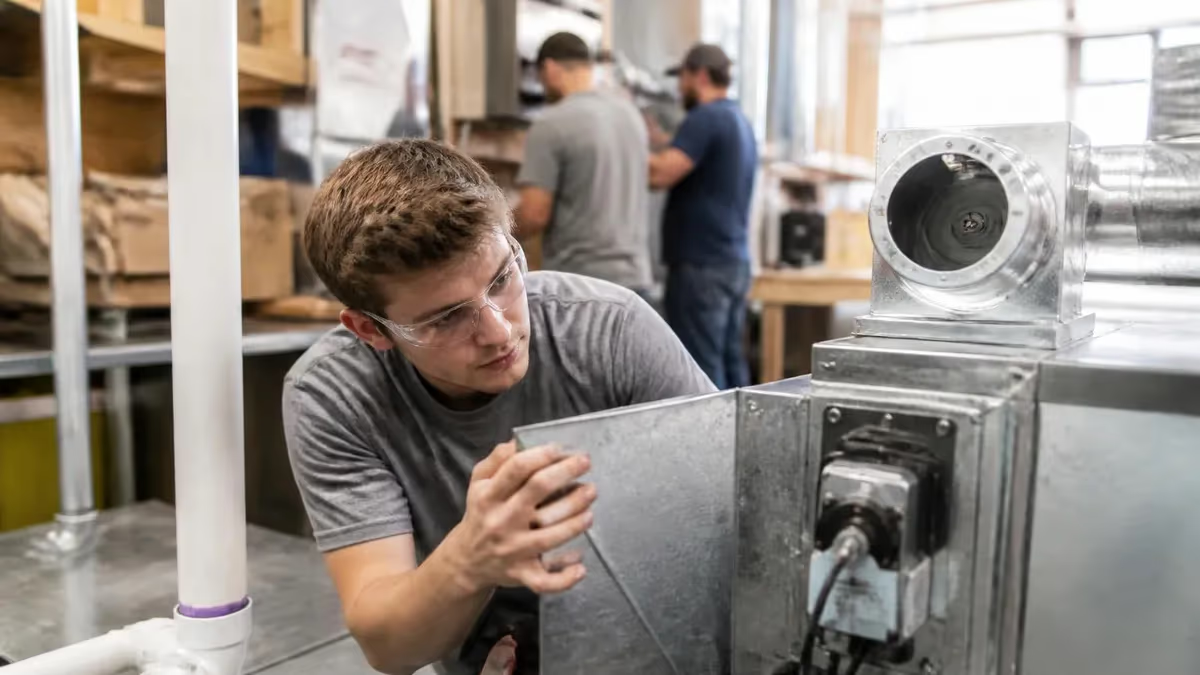
Finding a reliable local hvac service provider is one of the most consequential home-maintenance decisions you will make. A quality technician keeps your heating and cooling system running efficiently through scorching summers and frigid winters, while a careless one can void warranties, damage equipment, and leave you with a repair bill that dwarfs the original service call. Understanding what separates trustworthy contractors from the rest — before an emergency strikes at 11 p.m. on a holiday weekend — is the single best investment of your time when it comes to home comfort.
The HVAC industry in the United States employs more than 380,000 technicians, yet demand consistently outpaces supply in most metro areas. That imbalance gives unscrupulous contractors cover to overcharge, recommend unnecessary replacements, or perform shoddy work that fails inspection. Knowing how the market works, what licenses to ask for, and which questions reveal a contractor's true competence will help you navigate the landscape confidently, regardless of whether you live in a dense urban neighborhood or a rural county with only two service providers.
HVAC systems are among the largest energy consumers in any home, accounting for roughly 40 to 50 percent of a typical household's annual electricity and gas bills according to the U.S. Department of Energy. Even a modest tune-up — cleaning coils, checking refrigerant charge, lubricating motors — can improve system efficiency by 5 to 15 percent. That translates directly into lower utility bills every month, meaning a professional seasonal maintenance visit often pays for itself within one or two billing cycles, especially on older equipment running at degraded efficiency.
Emergency breakdowns are the most stressful scenario homeowners face, and they are also when unscrupulous contractors most commonly take advantage of desperate customers. A compressor failure on a 100-degree afternoon creates urgency that overrides careful decision-making. The solution is preparation: vet and bookmark two or three reputable local providers before you need them. When the crisis arrives, you call a contractor you already trust rather than whoever answers a frantic Google search at midnight.
Seasonal demand cycles heavily influence pricing and availability. Late spring and early fall are ideal windows to schedule maintenance because most HVAC companies have open appointment slots and are more willing to negotiate pricing on service agreements. Waiting until the first heat wave of June or the first freeze of November means competing with thousands of other homeowners for the same limited pool of technicians, which drives up emergency service call fees — sometimes to two or three times the standard rate.
This guide walks you through every stage of the process: researching and screening contractors, understanding licensing and certification requirements, interpreting quotes, scheduling maintenance proactively, and recognizing the warning signs that a technician is cutting corners. Whether you need a routine tune-up, a refrigerant recharge, a full system replacement, or emergency diagnostics, the frameworks here will help you make informed decisions, communicate effectively with technicians, and protect both your home and your budget throughout the entire service relationship.
We will also cover what to expect during a standard service visit — the specific tasks a technician should perform, the measurements they should record, and the documentation you should receive at the end of the appointment. Armed with that knowledge, you become an informed customer rather than a passive bystander, which dramatically reduces the likelihood of being upsold on services you do not need or having legitimate problems go undiagnosed because the tech rushed through the inspection.
Local HVAC Service by the Numbers
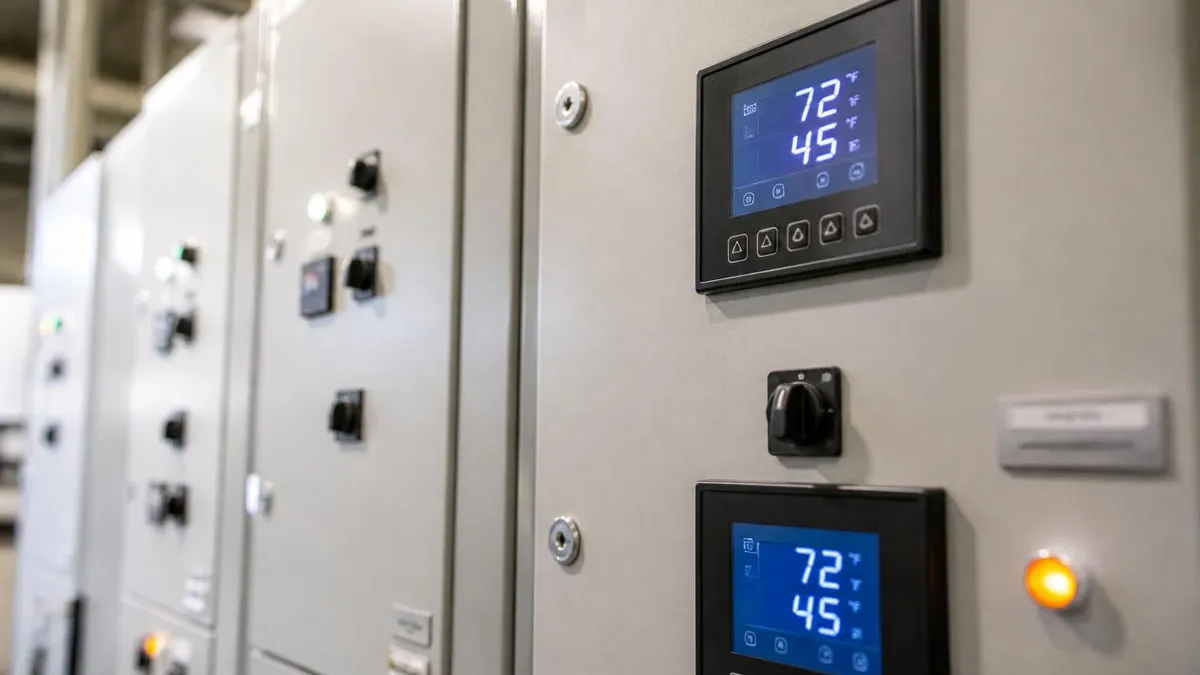
Types of Local HVAC Services You May Need
Seasonal tune-ups covering filter replacement, coil cleaning, refrigerant checks, thermostat calibration, and electrical connection tightening. Performed twice yearly — spring for cooling, fall for heating — to maximize efficiency and catch problems before they escalate.
Technician identifies the root cause of a specific symptom — inadequate cooling, short cycling, unusual noise, or high energy bills — and performs targeted repairs including component replacement, refrigerant recharging, or control-board troubleshooting.
Full removal of aging equipment and installation of a new furnace, air conditioner, heat pump, or complete HVAC system. Includes load calculation (Manual J), duct assessment, permit pulling, and commissioning to factory specifications.
Removal of accumulated dust, mold, and debris from ductwork, followed by inspection and sealing of leaks using mastic or metal tape. Improves air quality, reduces allergens, and can cut duct energy losses by up to 30 percent.
Installation and maintenance of UV germicidal lights, whole-home humidifiers and dehumidifiers, high-efficiency air purifiers, and energy-recovery ventilators — all aimed at improving the health and comfort of your indoor environment.
Before hiring any HVAC contractor, the single most important verification step is confirming their licensing status with your state's contractor licensing board. Every state except Kansas currently requires HVAC contractors to hold a state-issued license, and most municipalities layer additional local permits on top of that. A license number is publicly searchable online in seconds — if a contractor hesitates to provide it or claims exemptions you cannot verify, that is an immediate disqualifying red flag. Licensed contractors have passed trade exams, carried the required insurance, and agreed to comply with local building codes.
Beyond state licensure, look for technicians who hold EPA Section 608 certification. This federal certification is legally required for anyone who purchases, handles, or recovers refrigerants — the chemicals that make air conditioning possible. An uncertified technician cannot legally buy refrigerant, which means they are either working with reclaimed refrigerant of unknown purity or operating outside the law entirely. Neither scenario is acceptable when you are trusting someone with equipment that costs thousands of dollars and chemicals that must be handled safely.
NATE certification — North American Technician Excellence — is the gold standard credential in the HVAC industry. It is a voluntary, third-party exam that tests technicians on specific systems and service categories: air conditioning, heat pumps, gas furnaces, and more. NATE-certified technicians consistently complete fewer callbacks, diagnose problems more accurately on the first visit, and demonstrate measurably better technical outcomes than non-certified counterparts according to independent research. Ask specifically whether the technician who will be in your home holds active NATE certification, not just whether the company employs some NATE techs.
Insurance is non-negotiable. Every HVAC contractor you hire should carry general liability insurance (minimum $1 million per occurrence) and workers' compensation coverage for all employees and subcontractors. General liability protects your property if the technician accidentally damages something — a refrigerant leak onto your landscaping, a dropped tool through a ceiling tile, an electrical fault caused by improper wiring. Workers' comp protects you from liability if a technician is injured on your property. Request certificates of insurance directly from the contractor's insurance company, not just a document the contractor provides themselves.
Manufacturer training and authorization adds another credibility layer worth asking about. Major manufacturers like Carrier, Trane, Lennox, and Daikin operate dealer programs that require contractors to meet minimum training, installation, and customer satisfaction standards. An authorized dealer can offer manufacturer-backed labor warranties in addition to parts warranties, which significantly strengthens your protection if something goes wrong after installation. These programs are also tied to extended warranty registrations — installing a new system with an unauthorized contractor can void the manufacturer's extended warranty entirely, turning a 10-year warranty into a standard 5-year parts-only policy.
Finally, check the contractor's standing with the Better Business Bureau and read reviews on Google, Yelp, and the Nextdoor neighborhood app. Online reviews should not be your only vetting tool, but patterns across dozens of reviews reveal consistent strengths and weaknesses. Pay particular attention to how the company responds to negative reviews — a professional, solution-oriented response to a complaint tells you far more about company culture than a wall of five-star ratings. Ask neighbors, coworkers, or community groups for personal referrals, which remain the single most reliable source of contractor recommendations in most communities.
For anyone studying toward an HVAC technician career or seeking to understand exactly what credentials your own service provider should hold, building familiarity with industry standards is essential. Reviewing practice materials that cover refrigerant handling, electrical controls, and code compliance gives you a working vocabulary to have intelligent conversations with contractors and recognize when answers do not add up. The more you understand the technical standards technicians are held to, the harder it becomes for unscrupulous operators to mislead you with confident-sounding but inaccurate explanations.
Understanding HVAC Service Costs by Job Type
A standard preventive maintenance visit for a central air conditioning system runs between $75 and $200 depending on your region, the size of the system, and whether the company charges a flat rate or hourly fee. Service agreement packages — typically covering two visits per year plus priority scheduling and discounts on parts — average $150 to $350 annually and almost always deliver better value than paying per-visit rates. Always ask what specific tasks are included in a maintenance quote before comparing prices between contractors.
Heat pump and dual-fuel system maintenance costs slightly more than standard AC tune-ups because the technician must service both the heating and cooling components in a single visit. Expect to pay $100 to $250 for a comprehensive heat pump tune-up that covers defrost controls, reversing valve operation, refrigerant charge, and auxiliary heat verification. Geothermal systems carry the highest maintenance costs at $200 to $400 per visit due to the complexity of the ground loop, pump, and desuperheater components that require specialized knowledge to service correctly.
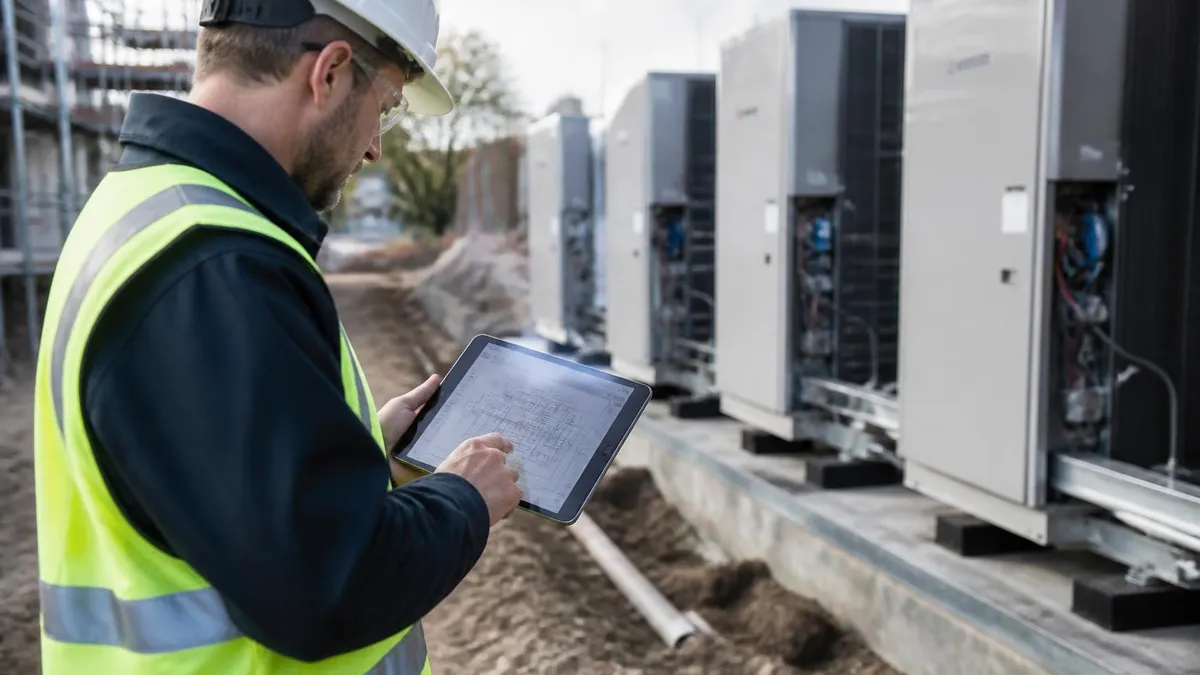
Local HVAC Service Agreements: Are They Worth It?
- +Priority scheduling during peak season emergencies when appointment slots fill quickly
- +Discounts of 10 to 20 percent on parts and labor for any repair during the contract period
- +Two professional maintenance visits per year included at no additional per-visit charge
- +Documented service records that support warranty claims and increase home resale value
- +Technicians become familiar with your specific system over time, improving diagnostic speed
- +Preventive maintenance catches failing components before they cause expensive emergency breakdowns
- −Annual cost of $150 to $350 requires upfront commitment before you know what repairs arise
- −Agreement may auto-renew and be difficult to cancel without advance written notice
- −Coverage terms vary widely — some exclude refrigerant, electrical components, or filter costs
- −Contract locks you into a single company even if you later receive better pricing elsewhere
- −Benefit diminishes on newer equipment under full manufacturer warranty with few repair needs
- −Some companies use maintenance visits as a sales opportunity to pitch unnecessary upgrades
Hiring Checklist: Vet Any Local HVAC Contractor Before Booking
- ✓Verify the contractor's state license number on your state licensing board's website before scheduling.
- ✓Confirm the technician holds current EPA Section 608 certification for refrigerant handling.
- ✓Ask whether the technician who will visit your home holds active NATE certification.
- ✓Request certificates of insurance showing general liability ($1M+) and workers' compensation.
- ✓Check the company's BBB rating and read at least 20 Google reviews from the past 12 months.
- ✓Ask for at least three references from customers with similar system types and job scopes.
- ✓Obtain an itemized written quote before authorizing any work costing more than $200.
- ✓Confirm that any required permits will be pulled and inspections scheduled by the contractor.
- ✓Ask whether the company offers a written labor warranty of at least one year on repairs.
- ✓Clarify the after-hours and emergency service policy, including weekend and holiday rates.
Spring and Fall Save You Money
Scheduling HVAC maintenance in March–April or September–October — before peak cooling and heating demand hits — can reduce your wait time from days to hours and often unlocks off-season pricing discounts of 10 to 20 percent. Many service agreement customers also receive scheduling priority during summer heat waves, making a fall sign-up one of the best investments in home comfort you can make before winter.
Understanding exactly what should happen during a professional HVAC service visit puts you in a far stronger position to evaluate whether you received good value. A comprehensive cooling system tune-up should take 60 to 90 minutes and include a specific set of measurements and tasks — not a 20-minute walkthrough that results in a filter swap and a vague recommendation to consider a new system. Knowing the expected scope lets you ask pointed questions if the technician seems to be rushing, and it gives you a benchmark for comparing service quality across multiple contractors.
The technician should begin by inspecting the air handler or furnace cabinet, checking the blower wheel for dust buildup, examining the evaporator coil for debris or ice formation, and testing the condensate drain for blockages. A clogged condensate line is one of the most common and easily preventable causes of water damage — a thorough tech will flush the line and verify that the safety float switch is functional.
They should also check all electrical connections for corrosion, measure voltage and amperage on motors and the compressor, and test capacitors with a capacitance meter rather than guessing at condition based on appearance.
Refrigerant charge verification is one of the most technically important tasks in a tune-up. An improperly charged system — whether undercharged or overcharged — operates inefficiently, stresses the compressor, and can cause premature failure. The technician should measure system pressures with calibrated gauges, calculate superheat and subcooling values appropriate for your specific equipment, and document the findings in a written service report. Any refrigerant added must be logged with the EPA as required by Section 608 regulations, and the technician should be able to explain where the measured charge stands relative to manufacturer specification.
Outdoor condenser unit inspection should include straightening bent fin coils, cleaning condenser coil surfaces if fouled, checking fan blade condition and motor operation, inspecting refrigerant line insulation for deterioration, and verifying that the disconnect box, contactor, and capacitor are all functioning properly. Dirty condenser coils are one of the most common causes of reduced system efficiency — a layer of debris as thin as a credit card can reduce heat transfer efficiency by 10 to 30 percent, forcing the compressor to work harder and consume more electricity to deliver the same cooling output.
For gas furnaces and heat pumps serving the heating function, the service checklist expands to include heat exchanger inspection for cracks (a safety-critical check), burner ignition testing, flue gas analysis to verify combustion efficiency, checking gas valve operation and manifold pressure, and inspecting the inducer motor and pressure switches. A cracked heat exchanger is a carbon monoxide hazard that requires immediate system shutdown — any technician who identifies one should provide photo documentation and a clear written explanation of the risk before recommending replacement.
At the conclusion of every service visit, you should receive a written service report documenting every task performed, every measurement recorded, and any items the technician observed that may need attention in the future. This documentation is your record for warranty purposes, and it lets a different technician quickly understand your system's history if you switch providers. A contractor who performs a full inspection but leaves without providing written documentation has not completed the job — always insist on a report before signing any invoice or making payment.
Thermostat and controls verification rounds out the standard service visit. The technician should confirm that the thermostat is reading room temperature accurately (within one degree of a reference thermometer), that all heating and cooling modes switch correctly, that auxiliary and emergency heat functions activate on heat pump systems, and that programmable or smart thermostat schedules are executing as intended. A miscalibrated thermostat can cause the system to short-cycle, overshoot temperature targets, or fail to reach setpoint — all symptoms that homeowners commonly misattribute to equipment problems when the real fix is a $25 calibration adjustment.
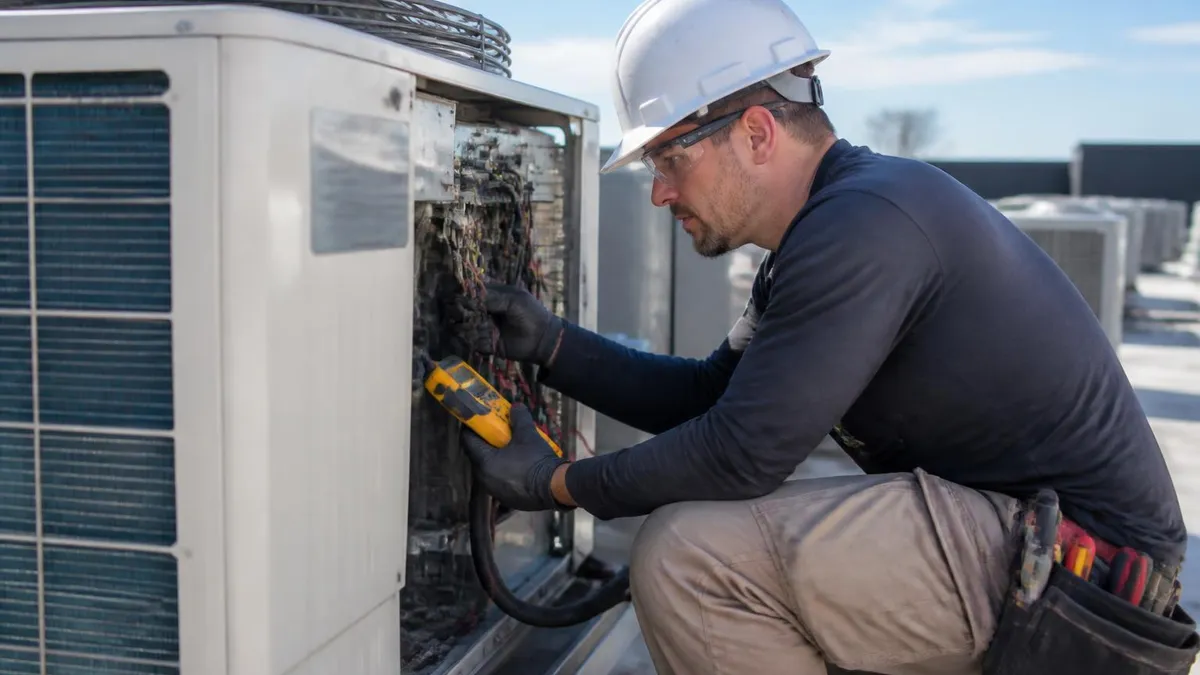
Installing a new HVAC system without a building permit is illegal in virtually every U.S. jurisdiction and can create serious problems when you sell your home — an unpermitted installation may require removal or costly retrofitting to pass a buyer's inspection. It also voids most manufacturer extended warranties and may invalidate your homeowner's insurance coverage for equipment-related damage claims. Always confirm that your contractor will pull the required permit before installation begins.
Recognizing contractor warning signs before work begins — or before a bad situation becomes worse — can save you thousands of dollars and significant frustration. The HVAC industry has a well-documented problem with unscrupulous operators who use high-pressure tactics, manufactured urgency, and misleading technical jargon to extract maximum revenue from homeowners who lack the knowledge to push back. Learning to identify these patterns is just as important as knowing what good service looks like.
The most common scam in the residential HVAC industry involves a technician claiming that your system has a refrigerant leak without providing any documentation of where the leak is located, how it was tested for, or what repair is needed to fix it.
Adding refrigerant to a leaking system is not a repair — it is a temporary measure that masks the underlying problem and generates repeat service revenue. A legitimate technician will perform a leak search using electronic detectors or UV dye, identify the specific leak location, and provide a written estimate to repair the leak rather than simply billing you for refrigerant every season.
Another warning sign is a contractor who immediately recommends full system replacement without first attempting diagnosis or repair. While system age (10 to 15 years for most equipment) and repair-to-replacement cost ratios are legitimate factors in the replacement decision, a contractor who arrives, spends five minutes in the equipment room, and announces that you need a new $8,000 system without running a single diagnostic test is almost certainly motivated by commission rather than your best interest. Always get a second opinion before authorizing any replacement quote above $3,000.
Verbal-only quotes and pressure to sign same-day are hallmarks of high-pressure sales tactics. Reputable contractors provide itemized written quotes that break out equipment costs, labor, permit fees, and any accessories separately, and they give you time to review and compare. A contractor who says the price is only valid if you sign today — especially on a non-emergency system replacement — is manufacturing urgency to prevent you from getting competitive bids. Take the time you need regardless of the pressure applied.
Unlicensed or underinsured contractors represent perhaps the greatest financial risk. If an unlicensed technician damages your system or property, you have limited legal recourse because the contract may be unenforceable. If an uninsured worker is injured on your property, your homeowner's insurance may be required to cover their medical expenses and lost wages — a potentially enormous liability. The five minutes it takes to verify a license and request a certificate of insurance is among the highest-return risk-management activities available to any homeowner hiring a contractor.
Watch for technicians who cannot or will not explain their findings in plain language. Technical jargon is sometimes necessary when discussing complex systems, but a skilled communicator can translate any finding into terms a homeowner can understand. If a technician deflects every question with dismissive comments about complexity or criticizes your ability to understand the issue, that is often a sign of either genuine incompetence or deliberate obfuscation designed to prevent you from evaluating whether the recommended work is actually necessary.
Finally, be alert to contractors who push you hard toward specific financing products immediately after diagnosing an expensive problem. High-pressure in-home financing pitches, especially those that minimize monthly payment while burying total cost, are structured to maximize contractor revenue rather than serve your financial interests. Always compare the total cost of any financed offer against paying with a personal loan, home equity line of credit, or credit card with a promotional rate before signing a financing agreement with a contractor's preferred lender.
For homeowners seeking to better understand the technical side of HVAC systems — so they can have more informed conversations with their service provider and recognize when explanations do not hold up — exploring structured practice materials covering electrical controls, refrigerant systems, and energy efficiency builds the foundation of knowledge that makes you a difficult target for misleading claims. The more technically literate you are, the faster you can identify when a contractor's story does not match what you know about how the equipment actually works.
Building a long-term relationship with a single reputable HVAC contractor delivers compounding benefits that occasional one-off service calls cannot replicate. When a technician has serviced your system multiple times over several years, they develop a precise understanding of your equipment's history — what parts have been replaced, what repair trends have emerged, and what the system's baseline performance measurements look like. That historical context makes diagnostics faster, more accurate, and less expensive, because the technician is not starting from zero every visit.
Loyalty to a quality contractor also typically unlocks informal benefits that do not appear on any price list. When a summer heat wave creates a backlog of emergency calls, a customer with a multi-year service history is more likely to receive priority scheduling than a new caller with no relationship. When parts availability is tight after a supply chain disruption, established customers often get the first allocation. These intangible advantages of relationship-based service are difficult to quantify but very real in practice, especially during high-demand periods when system failures create genuine hardship.
Preventive maintenance investments made consistently over the life of an HVAC system dramatically extend equipment longevity and reduce total cost of ownership. Industry data consistently shows that well-maintained systems last 15 to 20 years, while neglected systems often fail after 8 to 12 years. The difference represents tens of thousands of dollars in deferred replacement costs. A $300 annual maintenance agreement over 15 years costs $4,500 — a fraction of the $8,000 to $12,000 replacement cost it helps you avoid by keeping the equipment running reliably to its full useful life.
Energy efficiency gains from regular maintenance are a direct, measurable financial return that many homeowners undervalue. A clean, properly charged, well-lubricated HVAC system operating with calibrated controls can reduce annual energy consumption by 10 to 20 percent compared to a neglected system of the same vintage. For a home spending $2,400 per year on HVAC energy costs, that efficiency improvement translates to $240 to $480 in annual savings — more than enough to cover the cost of a comprehensive maintenance agreement on most systems.
Home sale preparation is another context where HVAC service records deliver concrete value. Buyers and their home inspectors increasingly scrutinize HVAC condition and maintenance history as a major factor in purchase decisions and price negotiations. A seller who can produce three to five years of documented professional maintenance records is in a significantly stronger negotiating position than one who cannot demonstrate that the system has been properly cared for. In competitive markets, documented HVAC maintenance history can even tip a buyer's decision in a seller's favor when comparing otherwise equivalent properties.
Smart home integration is a rapidly growing area where local HVAC service providers are adding value beyond traditional maintenance and repair. Connected thermostats, zone control systems, humidity monitoring, and remote diagnostics platforms require both HVAC expertise and network configuration skills. Contractors who invest in smart-home training can configure these systems to maximize comfort and efficiency in ways that DIY installation rarely achieves. If home automation is a priority for you, ask prospective contractors specifically about their experience with the connected-home platforms you use or plan to install.
As HVAC technology continues to evolve — with heat pump adoption accelerating due to federal incentives, refrigerant transitions underway as older R-22 and R-410A refrigerants phase out, and variable-speed and inverter-driven equipment becoming mainstream in new installations — the value of working with a continuously trained technician increases. Ask contractors you are considering how their team stays current with evolving equipment technology, refrigerant regulations, and efficiency standards. A contractor who invests in ongoing technician education is demonstrably more capable of servicing the equipment that will define the next decade of residential HVAC installations.
HVAC Questions and Answers
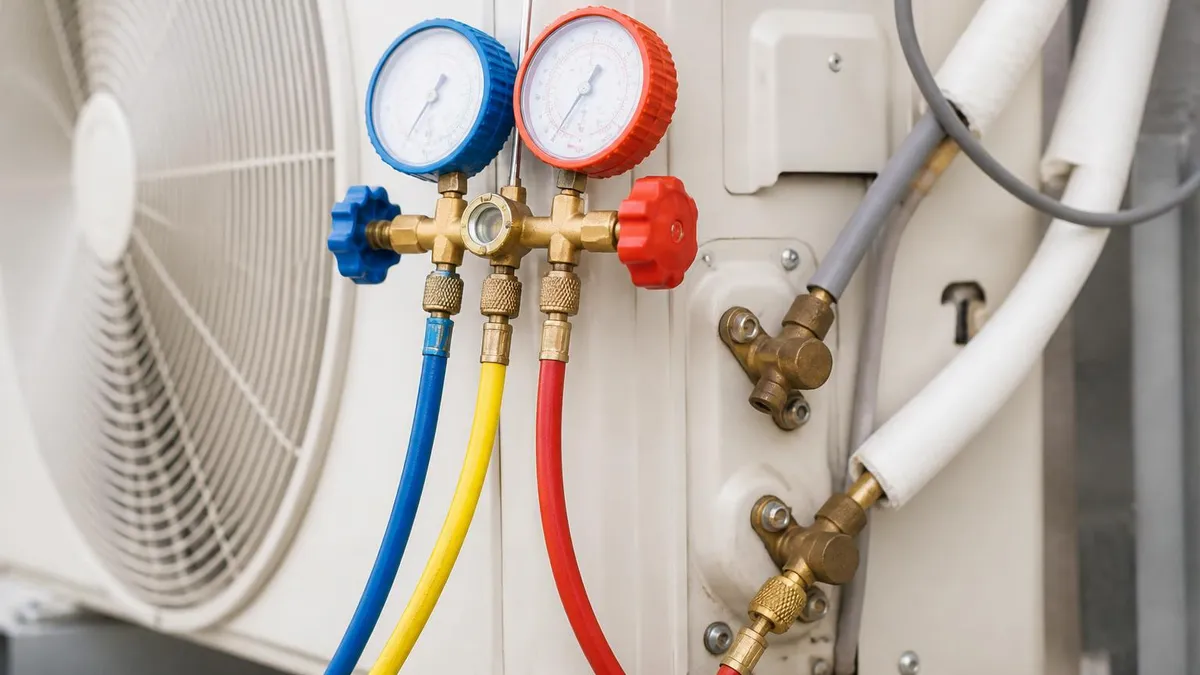
FCU HVAC: The Complete Guide to Fan Coil Units, How They Work, Where They Excel, and How to Choose the Right System
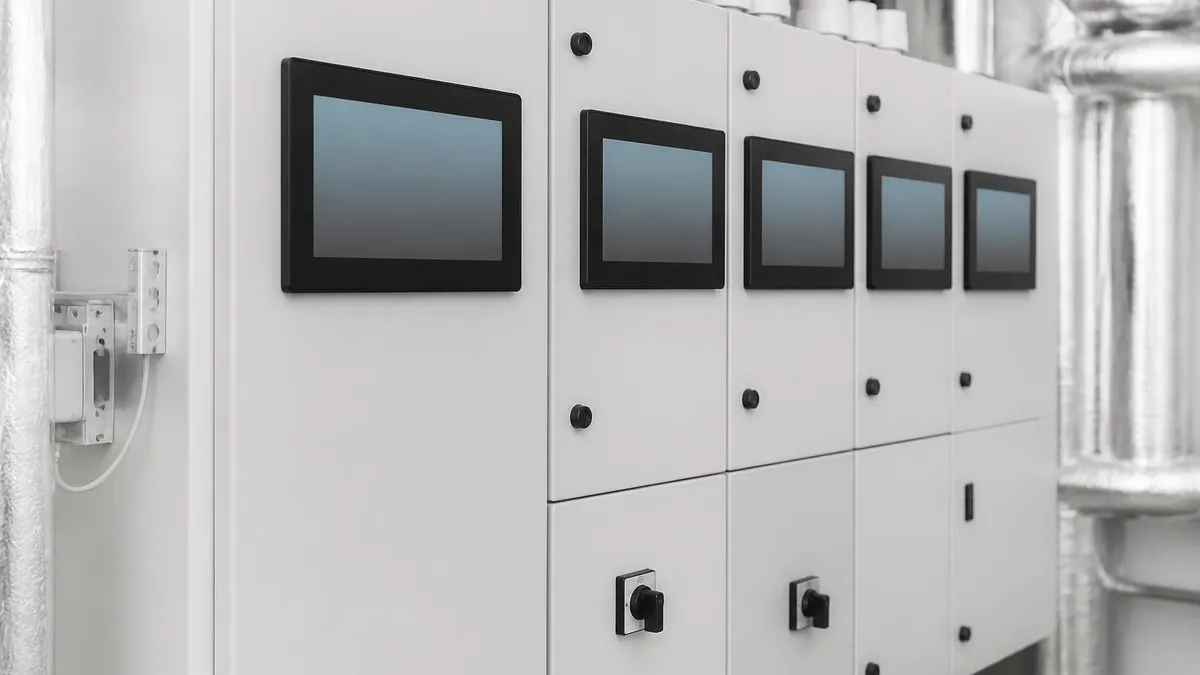
Finance a New HVAC System: 2026 Loans, 0% APR, and Rebates
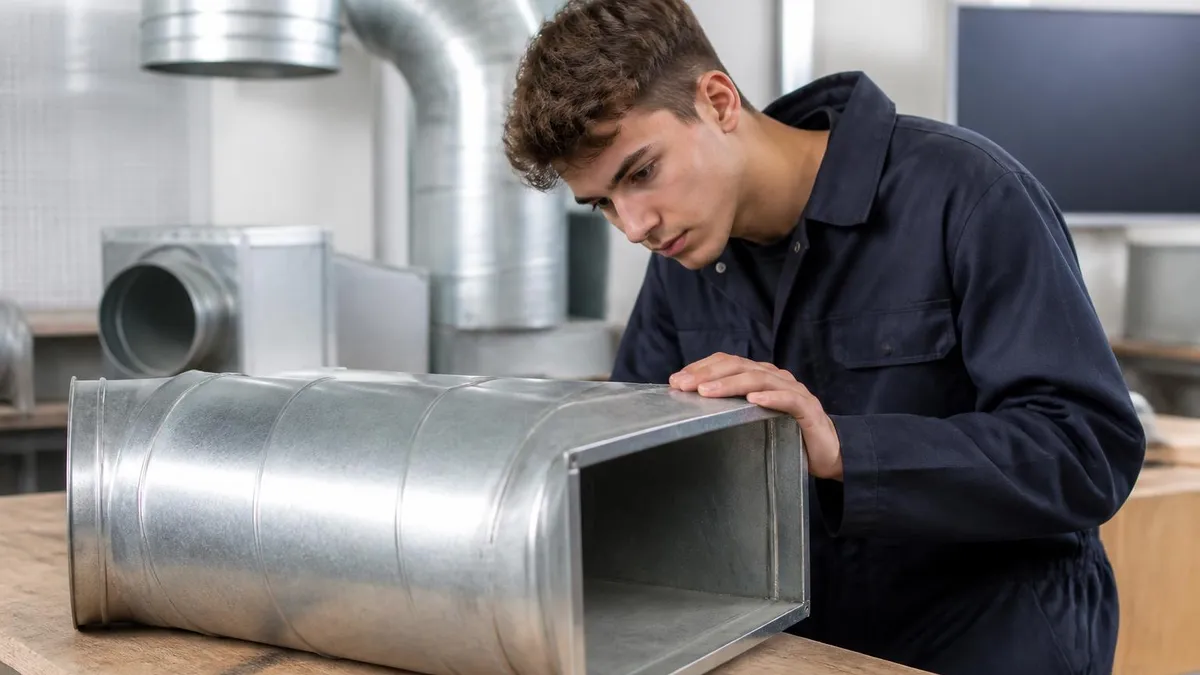
HVAC Duct Repair: Common Issues, Costs, and DIY vs Professional
HVAC School -- Programs, Costs, and Career Paths in 2026
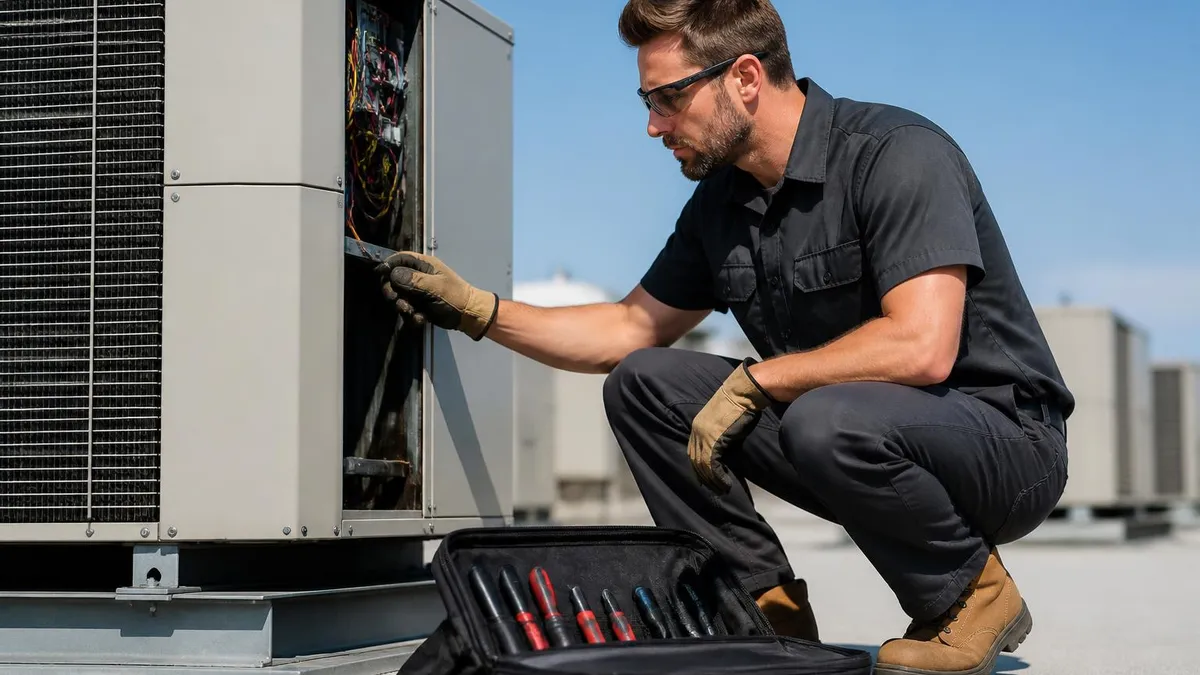
HVAC Advertising: The Complete Playbook for Generating Leads, Booking Calls, and Growing Your Heating and Cooling Business
About the Author

NATE Certified HVAC Technician & Licensing Exam Trainer
Universal Technical InstituteMike Johnson is a NATE-certified HVAC technician and EPA 608 universal-certified refrigerant handler with a Bachelor of Science in HVAC/R Technology. He has 19 years of commercial and residential HVAC installation and service experience and specializes in preparing technicians for NATE certification, EPA 608, A2L refrigerant safety, and state HVAC contractor licensing examinations.