
First Aid CPR Certification: Complete 2026 October Guide to Courses, Requirements, and Recertification
Complete first aid CPR certification guide covering ACLS algorithm, ⏳ PALS, infant CPR, AED use, costs, recertification, and how to choose the right course.
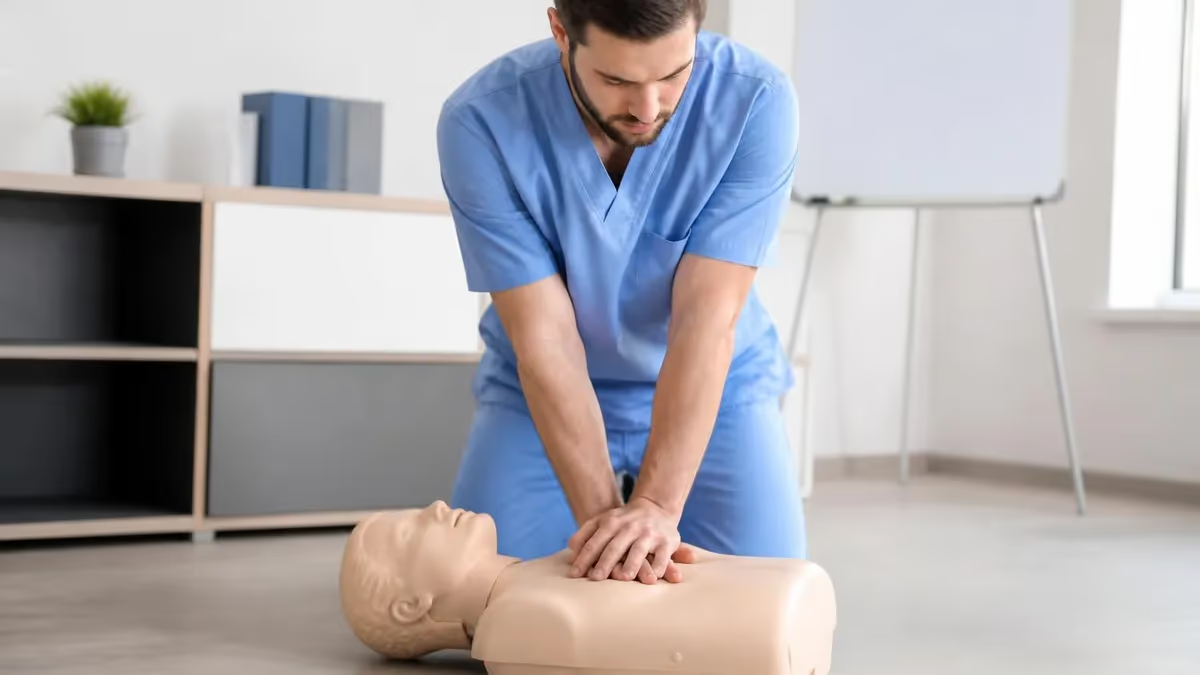
Earning your first aid CPR certification is one of the most practical decisions you can make in 2026, whether you are a nurse renewing credentials, a teacher meeting district requirements, a personal trainer satisfying gym policies, or a parent who simply wants to be ready when seconds matter. The certification verifies that you can recognize a cardiac or respiratory emergency, deliver high-quality chest compressions, use an automated external defibrillator, and manage common injuries from severe bleeding to anaphylaxis until professional help arrives on scene.
The modern course landscape is broader than ever. The American Heart Association still leads the clinical world, but the American Red Cross, the Health and Safety Institute, and the national cpr foundation each issue widely accepted cards for workplace compliance. Each provider aligns with the 2025 International Liaison Committee on Resuscitation guidelines, so the core skills you learn — 30:2 compression-to-ventilation ratio, 2.0 to 2.4 inch compression depth, and 100 to 120 compressions per minute — remain consistent across brands.
What does vary is delivery format, price, and the credential's acceptance by employers. A blended online plus in-person skills check typically costs $60 to $95, while a fully instructor-led classroom course runs $75 to $130. Some specialty programs like pals certification or ACLS layer on advanced algorithms, pharmacology, and team dynamics that go well beyond the lay-rescuer scope. Picking the right tier depends entirely on who is signing your paycheck and what scope of practice you operate under.
This guide walks you through every angle: course tiers, eligibility, registration steps, exam structure, skills testing, retake policies, recertification windows, and the small but important differences between leather cpr style training kits and standard manikin-based instruction. We will also cover hands-on technique for adults, children, and infants, choking response, recovery position, and the latest evidence on bystander CPR survival rates.
By the end you will know exactly which course matches your role, how much you should budget, how to verify a provider's legitimacy, and how to study so the written exam and the skills test feel routine rather than nerve-wracking. We have pulled current pricing data from the four largest national providers and cross-referenced it with state-level Department of Health requirements for healthcare licensure, education, childcare, and food service industries.
The stakes are real. Out-of-hospital cardiac arrest survival rates remain near 10 percent nationally, but communities with high bystander CPR rates more than double that figure. Every certified rescuer measurably moves that needle. Whether your motivation is professional, parental, or purely civic, finishing this article means you will start your training with a clear plan and finish it with a credential you understand inside and out.
Let's dig into the specifics so you can register with confidence, prepare efficiently, and leave class genuinely ready to act when the next emergency unfolds in front of you.
First Aid CPR Certification by the Numbers

Certification Pathways & Tiers
The community and workplace standard. Covers adult, child, and infant CPR, AED operation, choking relief, and common first aid emergencies including bleeding, burns, fractures, and allergic reactions. Best for teachers, coaches, parents, and corporate safety teams.
Healthcare-level certification for nurses, EMTs, medical assistants, dental staff, and clinical students. Adds two-rescuer CPR, bag-mask ventilation, and team-based resuscitation. Required by most hospitals, clinics, and nursing programs as a condition of employment.
Advanced cardiac life support for RNs, paramedics, and physicians. Teaches the full acls algorithm for cardiac arrest, bradycardia, tachycardia, and post-arrest care with pharmacology, rhythm interpretation, and airway management. Two-year validity with rigorous megacode testing.
Pediatric advanced life support for clinicians treating critically ill infants and children. Covers respiratory distress, shock, and arrhythmias in pediatric populations. Required for pediatric ICU, ED, and many outpatient pediatric practices nationwide.
Train-the-trainer pathways through AHA, ARC, or ASHI that authorize you to teach Heartsaver, BLS, or higher courses. Requires current provider card, monitored teaching sessions, and ongoing alignment fees with your training center of record.
The classroom hours cover far more than the iconic chest-compression manikin scene. A standard Heartsaver first aid CPR AED course opens with scene safety, personal protective equipment, and the activation of emergency response — how to dial 911, what to communicate, and how to dispatch a bystander to retrieve an AED. Instructors emphasize that recognition often matters more than technique, because a rescuer who hesitates for two minutes loses roughly 20 percent of the victim's survival probability before compressions ever begin.
Adult CPR instruction focuses on the compression-only approach for untrained bystanders and the full 30:2 cycle for certified rescuers. You will practice hand placement on the lower half of the sternum, locked elbows, vertical force transfer through the shoulders, and complete chest recoil between compressions. Many courses now include real-time feedback manikins that beep when depth or rate falls outside the target window, and graduates trained with feedback devices deliver measurably better compressions for at least six months afterward.
Infant cpr requires a fundamentally different technique. You will learn two-finger compressions for lone rescuers, the two-thumb encircling-hands method for healthcare providers, and the 1.5-inch compression depth that protects fragile ribs while still generating perfusion. The course also covers back blows and chest thrusts for choking infants, since the Heimlich maneuver is contraindicated under one year of age. Instructors typically dedicate a full hour to pediatric scenarios because the cognitive load of switching ratios and depths is real.
AED training answers the perennial student question: what does aed stand for? Automated external defibrillator. You will practice pad placement, the universal voice-prompt workflow, and the critical safety call of "clear" before shock delivery. Modern AEDs analyze rhythm in 6 to 12 seconds and will refuse to shock asystole or pulseless electrical activity, but rescuers must still resume compressions immediately after any shock or no-shock advisory to maintain coronary perfusion pressure.
The first aid block covers severe bleeding control with direct pressure and tourniquets, burn classification and cooling, suspected fractures and splinting, environmental emergencies including hypothermia and heat stroke, and medical emergencies like stroke, seizure, diabetic crisis, and anaphylaxis. Students practice using epinephrine auto-injectors on training devices and learn the FAST stroke recognition mnemonic. Tracking the patient's respiratory arrest warning signs — agonal gasps, cyanosis, and absent chest rise — is a recurring theme woven through every scenario.
Recovery position technique closes out the practical block. You will learn how to roll an unconscious but breathing patient onto their side with the lower arm extended and upper leg bent to stabilize the airway, prevent aspiration, and maintain a patent passage until EMS arrives. The position recovery sequence is simple but consistently under-practiced, so instructors run repeated drills with timed checks for breathing every two minutes.
By the time you complete the written exam, you should be able to verbalize the chain of survival, demonstrate compressions at correct depth and rate, operate an AED on adult and pediatric pads, manage a choking patient through all severity stages, and apply first aid to the most common workplace and home emergencies without prompting.
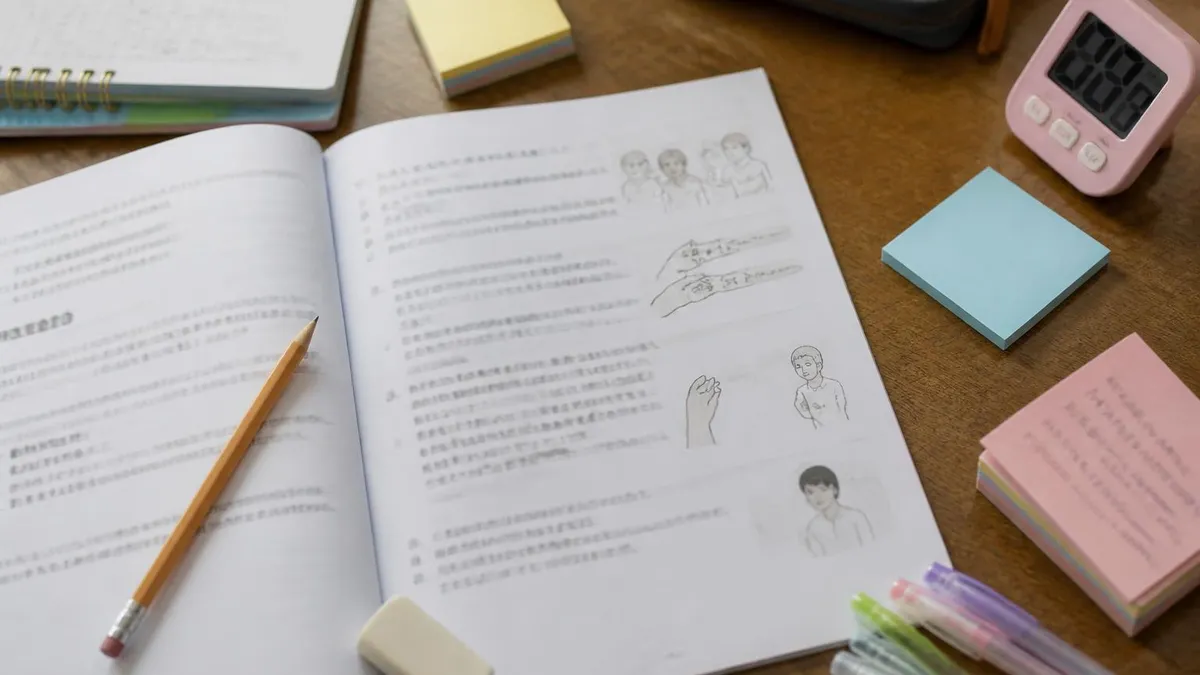
CPR Practice Test Questions
Prepare for the CPR Cardiopulmonary Resuscitation Practice exam with our free practice test modules. Each quiz covers key topics to help you pass on your first try.
CPR Basic CPR
CPR Exam Questions covering Basic CPR. Master CPR Test concepts for certification prep.
CPR and First Aid
Free CPR Practice Test featuring and First Aid. Improve your CPR Exam score with mock test prep.
CPR (Cardiopulmonary Resuscitation) Adult ...
CPR Mock Exam on (Cardiopulmonary Resuscitation) Adult CPR and AED Usage. CPR Study Guide questions to pass on your first try.
CPR (Cardiopulmonary Resuscitation) Airway...
CPR Test Prep for (Cardiopulmonary Resuscitation) Airway Obstruction and Choking. Practice CPR Quiz questions and boost your score.
CPR (Cardiopulmonary Resuscitation) Cardio...
CPR Questions and Answers on (Cardiopulmonary Resuscitation) Cardiopulmonary Emergency Recognition. Free CPR practice for exam readiness.
CPR (Cardiopulmonary Resuscitation) Child ...
CPR Mock Test covering (Cardiopulmonary Resuscitation) Child and Infant CPR. Online CPR Test practice with instant feedback.
CPR (Cardiopulmonary Resuscitation) High-P...
Free CPR Quiz on (Cardiopulmonary Resuscitation) High-Performance Team Dynamics. CPR Exam prep questions with detailed explanations.
CPR (Cardiopulmonary Resuscitation) Legal ...
CPR Practice Questions for (Cardiopulmonary Resuscitation) Legal and Ethical Considerations. Build confidence for your CPR certification exam.
CPR for Specific Populations
CPR Test Online for for Specific Populations. Free practice with instant results and feedback.
CPR Airway & Breathing Management
CPR Exam Questions covering Airway & Breathing Management. Master CPR Test concepts for certification prep.
CPR Assessment & Recognition of Cardiac Ar...
Free CPR Practice Test featuring Assessment & Recognition of Cardiac Arrest. Improve your CPR Exam score with mock test prep.
CPR Chest Compressions & Defibrillation
CPR Mock Exam on Chest Compressions & Defibrillation. CPR Study Guide questions to pass on your first try.
CPR Post-Resuscitation Care & Recovery
CPR Test Prep for Post-Resuscitation Care & Recovery. Practice CPR Quiz questions and boost your score.
Course Formats Compared: In-Person, Blended, and Online Life Support Training
The traditional 4 to 6 hour classroom course delivers everything in a single sitting with an authorized instructor watching every compression and ventilation. You receive immediate corrective feedback, hands-on AED practice with simulated rhythms, and group debriefs after scenario drills. This format suits visual and tactile learners and is often the only option for first-time learners working toward healthcare licensure.
Cost ranges from $75 to $130 and the card is issued the same day. Downsides include limited scheduling flexibility, occasional cancellations when minimum enrollment is not met, and the need to commute. For corporate groups of eight or more, many training centers will travel onsite, which often reduces the per-student cost to $55 to $70 and eliminates productivity loss from travel time.
Is First Aid CPR Certification Worth It?
- +Required for most healthcare, education, childcare, and fitness jobs in the United States
- +Doubles or triples cardiac arrest survival rates when delivered promptly by bystanders
- +Two-year validity gives long shelf life relative to the modest time investment
- +Blended formats let you complete cognitive work on your own schedule
- +Skills transfer directly to home, family, and community emergencies
- +Good Samaritan laws in all 50 states protect certified rescuers acting in good faith
- +Often reimbursed by employers as a job-related training expense
- −Annual or biennial recertification creates ongoing cost and time obligations
- −Skills decay measurably within 6 to 12 months without periodic practice
- −Fully online courses are widely rejected by regulated employers
- −Pediatric and infant techniques require separate practice that some courses rush
- −Card replacement fees of $10 to $25 add up if you lose paper records
- −Provider differences (AHA vs ARC vs ASHI) occasionally cause acceptance confusion
- −Specialty courses like ACLS or PALS add significant cost and study time
Pros and Cons at a Glance
| Pros | Cons |
|---|---|
| Required for most healthcare, education, childcare, and fitness jobs in the United States | Annual or biennial recertification creates ongoing cost and time obligations |
| Doubles or triples cardiac arrest survival rates when delivered promptly by bystanders | Fully online courses are widely rejected by regulated employers |
| Two-year validity gives long shelf life relative to the modest time investment | Pediatric and infant techniques require separate practice that some courses rush |
| Blended formats let you complete cognitive work on your own schedule | Provider differences (AHA vs ARC vs ASHI) occasionally cause acceptance confusion |
| Skills transfer directly to home, family, and community emergencies | Specialty courses like ACLS or PALS add significant cost and study time |

Pre-Class Preparation Checklist for First Aid CPR Certification
- ✓Confirm with your employer or licensing board which provider (AHA, ARC, HSI) is accepted
- ✓Verify course level matches your scope: Heartsaver, BLS, ACLS, or PALS
- ✓Register at least one week ahead to lock in a seat and instructor
- ✓Complete any pre-course online module fully before the skills session
- ✓Print or save the e-book PDF and skim the algorithm pages
- ✓Wear comfortable clothing that allows kneeling on the floor for skills practice
- ✓Bring photo ID and the registration confirmation email to class
- ✓Eat a real meal beforehand; manikin work is more physical than students expect
- ✓Review the chain of survival and the 30:2 ratio the night before
- ✓Arrive 10 minutes early to settle in and pair with a practice partner
Time-to-compression is the single strongest predictor of survival
Studies from the Resuscitation Outcomes Consortium show that every one-minute delay in starting bystander CPR reduces the probability of neurologically intact survival by roughly 10 percent. A certified rescuer who begins compressions within 60 seconds of collapse, at a depth of at least 2 inches and a rate of 100 to 120 per minute, can preserve coronary and cerebral perfusion long enough for an AED or EMS arrival to convert the rhythm. Speed beats perfection — start now, refine as you go.
The written exam structure varies modestly by provider, but the format is reassuringly predictable. AHA Heartsaver and BLS use a 25-question multiple-choice exam with an 84 percent passing threshold; ARC issues a similar 25 to 30 question test scored at 80 percent. Most questions are scenario-based: you read a short case, decide whether to compress, ventilate, shock, or call for help, and select the correct sequence. Pure recall items focus on numbers — depth, rate, ratio, and time intervals.
The skills test is where careful preparation pays the largest dividend. Instructors use checklist-based evaluations covering scene safety, response check, activation of EMS, pulse and breathing assessment, compression quality, AED operation, and team handoff. You typically have two attempts at each station. Common failure points include shallow compressions, slow rate, incomplete recoil, and forgetting to clear the patient before AED shock delivery. None of these are gotchas — they are exactly what your instructor demonstrated.
Pulse and breathing checks should take no more than 10 seconds combined. Spending longer than that on assessment is one of the most common skills-test deductions. The current guidance is to check carotid pulse and chest rise simultaneously, and if you are at all uncertain, default to starting compressions. The 2020 guideline revision explicitly stated that the risk of compressions on a patient with a pulse is dramatically lower than the risk of delayed compressions on a patient in arrest.
For two-rescuer scenarios in BLS, switch compressors every two minutes — typically after each AED rhythm analysis — to maintain compression quality. Fatigue degrades depth measurably after about 90 seconds, even in fit rescuers, and victims do worse when compressors push through fatigue rather than rotating. Practicing the verbal handoff so the transition takes under five seconds is the single highest-yield drill for healthcare-level testing.
The acls algorithm and PALS megacode tests add layers that lay-rescuer courses skip entirely. ACLS candidates must verbalize the cardiac arrest algorithm — CPR, rhythm check, shock if indicated, epinephrine 1 mg every 3 to 5 minutes, amiodarone or lidocaine for refractory VF/pVT — while simultaneously running a six-person team. PALS adds pediatric pharmacology weights, bradycardia and tachycardia branches, and post-arrest temperature management. Both require dedicated study beyond the provider manual.
Retake policies are generous. Most providers allow one same-day retake on the written exam at no cost, and a skills retake within 30 days for a nominal fee of $25 to $50. If you fail both attempts at the skills station, you typically need to repeat the full course. Real-world failure rates on first attempts hover near 16 percent, with the vast majority of those students passing on retake after focused practice on the deficient skill.
Once you pass, your card is issued either as a digital QR-coded e-card (AHA, ARC) or as a printed wallet card (some HSI affiliates and the cpr index registry). Save a PDF copy to your phone and email, and add a calendar reminder 90 days before expiration so you can renew without a lapse in coverage. Lapsed cards usually require a full course rather than the shorter renewal pathway.
Several budget online-only programs market themselves aggressively but issue cards that hospitals, schools, and licensing boards reject. Always confirm acceptance with the specific entity that will review your credential before paying. The American Heart Association, American Red Cross, Health and Safety Institute, and ASHI are universally accepted; many others have meaningful gaps in industry recognition.
Recertification is the part most professionals underestimate. AHA, ARC, and HSI cards expire exactly two years from the issue date — not the end of the month, not the calendar year. If your card lapses by even one day, most providers require you to retake the full initial course rather than the abbreviated renewal pathway. A surprising number of nurses and EMTs lose shift eligibility for a week or two each year because of avoidable expiration timing errors.
The renewal course itself runs about half the length of the initial course — typically 2 to 3 hours for Heartsaver and 3 to 4 hours for BLS. Content focuses on changes to guidelines since your last certification and on skills refresh rather than full introductory teaching. The exam remains the same length and passing threshold. Costs are nearly identical to initial certification, which surprises some learners who expect a renewal discount.
Skills decay is real and well documented. Studies show that compression depth and rate drift toward inadequate ranges within 6 to 9 months even among rescuers who passed initial testing flawlessly. The most effective countermeasure is brief, frequent practice — five minutes on a manikin every 90 days outperforms a single two-hour refresher annually. Many hospitals now require quarterly competency check-ins specifically because of this evidence.
If you are pursuing instructor-level certification, the recertification cycle layers on additional requirements: monitored teaching sessions, current provider card, alignment with a training center of record, and continuing education credits. Instructor cards typically run two years as well but require documented teaching activity — usually four courses minimum — to renew. The financial upside is meaningful: experienced instructors charge $40 to $90 per student and routinely earn $300 to $700 per evening course. Browse current leather cpr style instructor kit reviews before you invest in your own teaching equipment.
For specialty cards like ACLS and PALS, the renewal calculus is slightly different. The full acls algorithm review course is dense, and many candidates underestimate the pharmacology refresh required. Plan on 8 to 12 hours of self-study beyond the course itself. The good news is that ACLS and PALS renewals can often be combined with BLS in a single training day at many large centers, saving 30 to 40 percent versus separate courses.
Track your renewal dates in one central calendar across every credential you hold. Nursing license, BLS, ACLS, PALS, state-specific first aid mandates, and any specialty endorsements can each have their own clock. A shared spreadsheet with 90, 60, and 30 day reminders prevents the all-too-common scramble where a clinician realizes mid-shift that one card expired three days earlier.
Finally, do not assume your hospital or employer is tracking on your behalf. Many institutions delegate that responsibility back to the individual employee, with audit consequences ranging from being pulled off the schedule to formal disciplinary action. Owning your own credential timeline is the single most reliable way to avoid surprises.
Practical preparation for class day comes down to a few high-yield habits. Sleep well the night before — physical stamina genuinely matters for the compression drills, and instructors have seen otherwise capable students struggle simply because they were running on four hours of sleep and a coffee. Hydrate the morning of class but avoid heavy caffeine that can make the manikin feedback sensors trigger jitter warnings on your compression rate.
Practice the rhythm before you arrive. The classic cpr songs approach — Stayin' Alive, Another One Bites the Dust, Baby Shark — sets your internal metronome to roughly 100 to 110 beats per minute, squarely in the target zone. Many instructors now use audible metronomes during testing, but having the rhythm pre-loaded in your head makes the test feel like muscle memory rather than counting.
Review the numbers cold: compression depth 2.0 to 2.4 inches for adults, about 2 inches for children, 1.5 inches for infants. Compression rate 100 to 120 per minute across all ages. Ratio 30:2 for single rescuer at any age, 15:2 for two healthcare rescuers in pediatric. Respiratory rate for ventilation-only rescue breathing is one breath every 6 seconds for adults and every 2 to 3 seconds for children and infants. These specifics show up on virtually every written exam.
When you arrive at class, introduce yourself to whoever you partner with for skills practice. You will be checking each other's compressions and rotating during scenarios, and a few seconds of rapport pays off when you are debriefing a tough drill 90 minutes later. Most instructors group students by experience level intentionally, so first-timers often pair with first-timers and healthcare professionals pair with each other.
For the written exam, read each question completely before scanning answers. Heartsaver and BLS exams are full of two-part questions where the correct response depends on a detail in the second sentence — patient age, rescuer count, AED availability. Watch for absolute words like "always" and "never," which usually flag incorrect distractors. If you are unsure, eliminate two obviously wrong choices first and weigh the remaining two against the algorithm logic.
After certification, keep your skills sharp with periodic practice. Free CPR practice question banks, scenario drills with family or coworkers, and quick five-minute manikin sessions at your gym or workplace AED cabinet all help. Some employers offer quarterly skills refreshers; if yours does not, ask. The cost is minimal and the institutional risk reduction is well documented in patient safety literature.
If you are tempted by deeply discounted offers — "$19 lifetime CPR certification!" — pause and verify with the entity that will accept the card. National brand recognition is not just marketing; it is the difference between a card that opens doors and one that triggers an HR phone call. The few extra dollars for a Heartsaver or BLS course from a major provider are among the highest-value safety investments most adults can make.
CPR Questions and Answers
CPR vs BLS: Complete Comparison Guide for 2026 — Which Certification Do You Need?
CPR Card Lookup: How to Verify, Replace, and Access Your CPR Certification in 2026
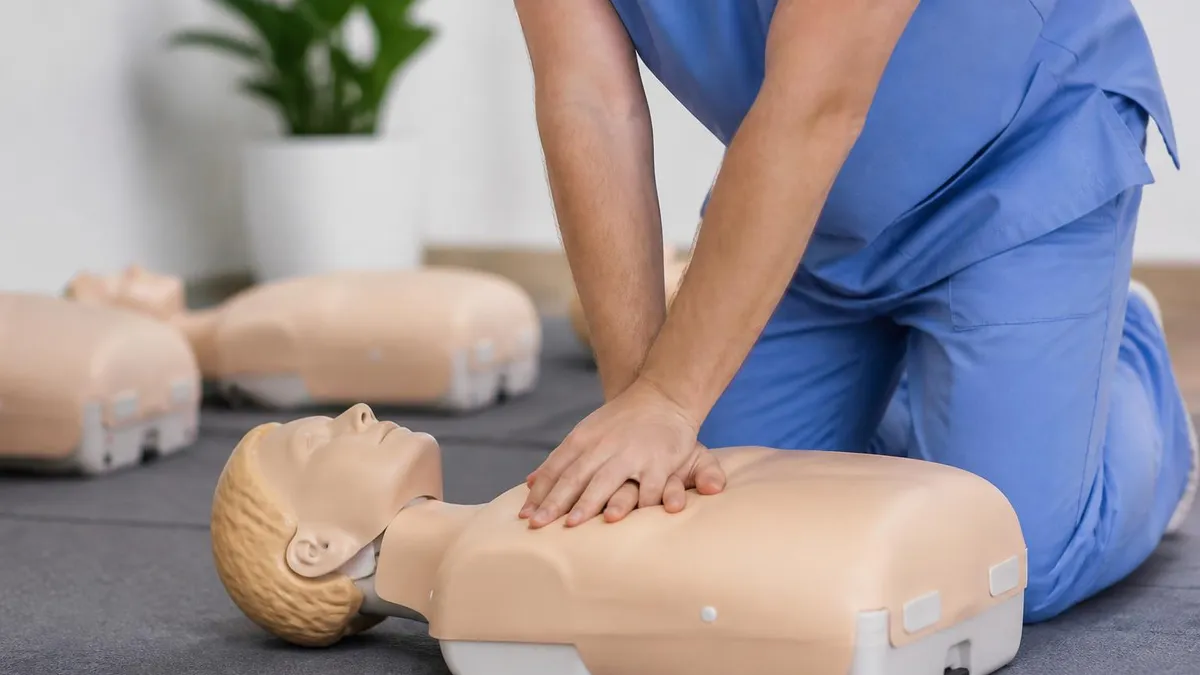
AHA CPR: What It Is, Which Course You Need, and How to Get Certified
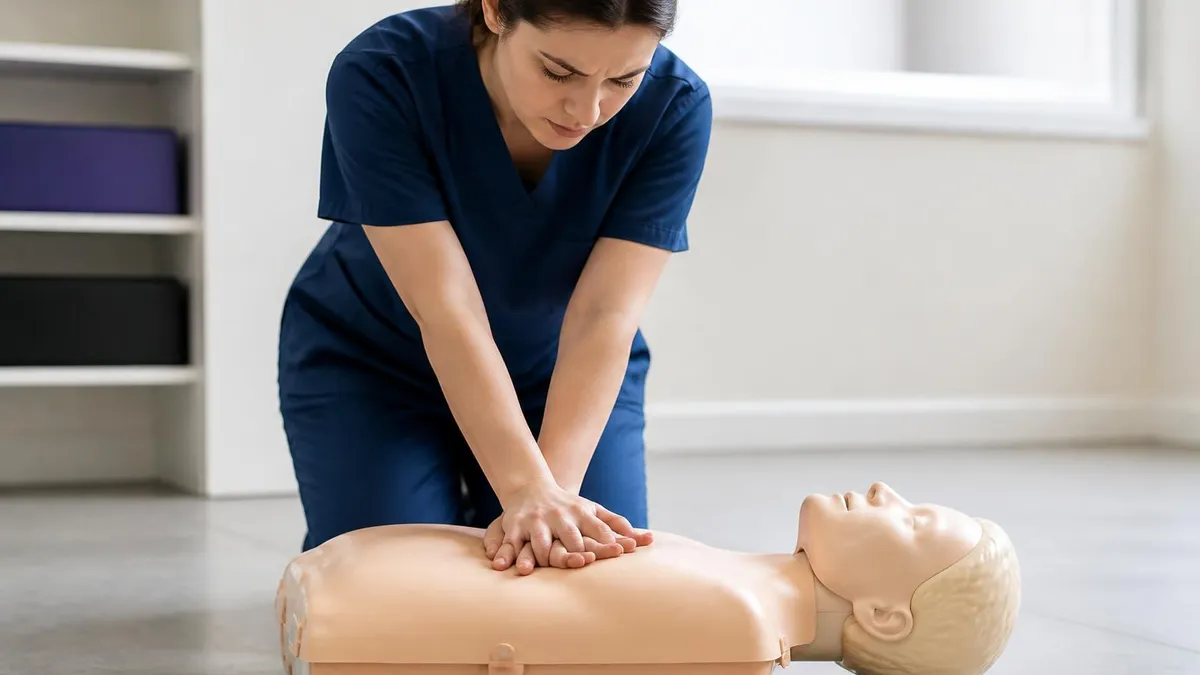
CPR Instructor Jobs 2026: How to Become a Certified Instructor, Salary Expectations, and Career Pathways
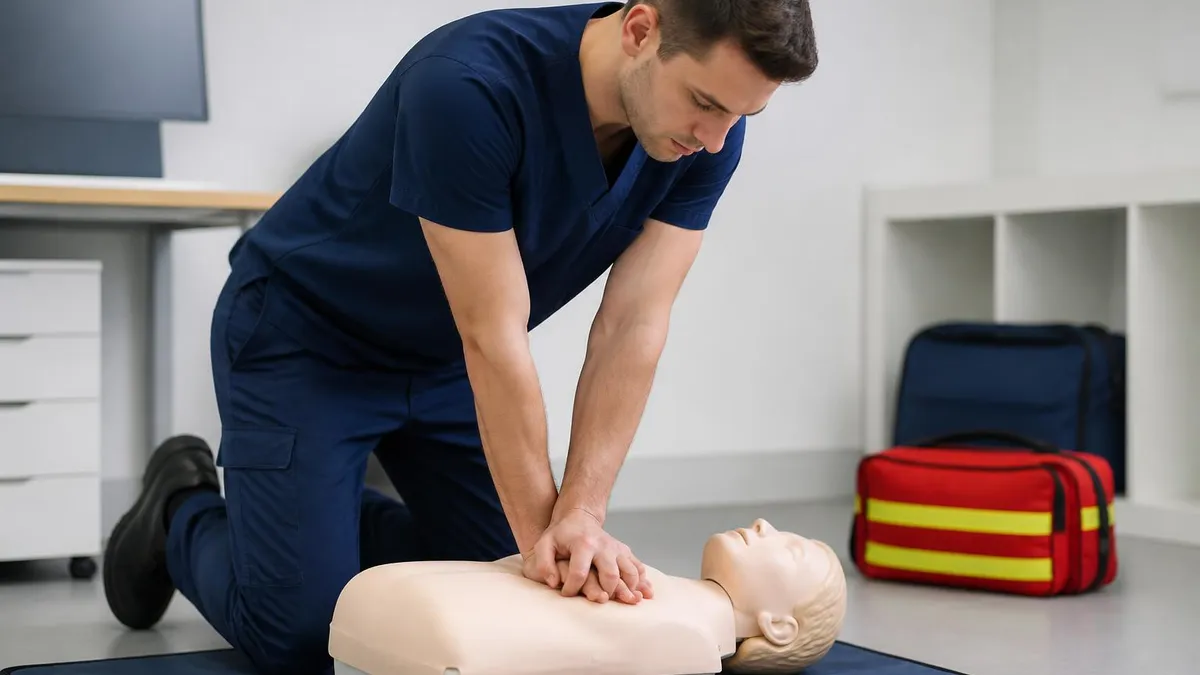
Adult CPR: Complete Step-by-Step Guide to Hands-Only and Standard CPR in 2026
About the Author

Registered Nurse & Healthcare Educator
Johns Hopkins University School of NursingDr. Sarah Mitchell is a board-certified registered nurse with over 15 years of clinical and academic experience. She completed her PhD in Nursing Science at Johns Hopkins University and has taught NCLEX preparation and clinical skills courses for nursing students across the United States. Her research focuses on evidence-based exam preparation strategies for healthcare certification candidates.
Join the Discussion
Connect with other students preparing for this exam. Share tips, ask questions, and get advice from people who have been there.
View discussion (5 replies)