
CNA vs Caregiver 2026 September: Certification, Pay, and Job Differences
✍🏼 Pass your CNA vs Caregiver 2026 September: Certification, exam on the first attempt. Practice questions with detailed answer explanations, hints, and instant
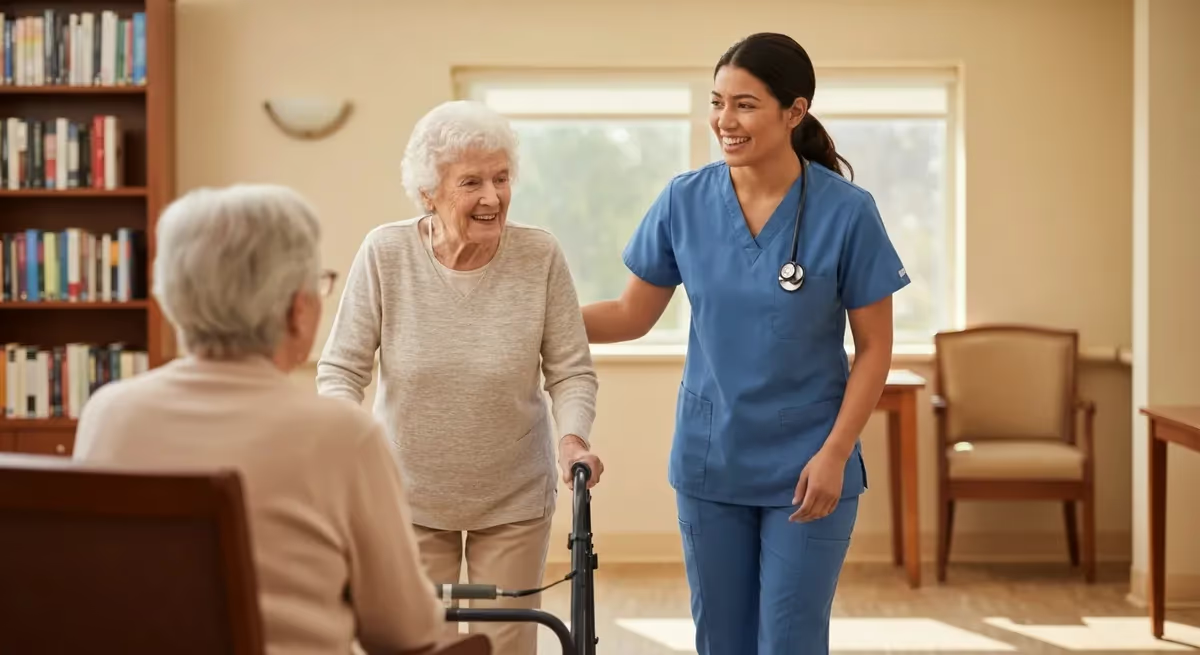
The terms CNA and caregiver are often used interchangeably, but they describe different roles with distinct qualifications. A CNA (Certified Nursing Assistant) holds a state-recognized credential earned through formal training and a competency exam. A caregiver is a broader term that includes both informal (family) caregivers and paid professional caregivers who may or may not hold certifications.
Understanding the CNA vs PCA and CNA vs caregiver distinctions helps you choose the right entry point into healthcare based on your goals, timeline, and budget.

A Certified Nursing Assistant is a healthcare professional who has completed a state-approved CNA training program and passed both a written knowledge exam and a CNA skills test. CNAs are listed on their state's nurse aide registry and work under the supervision of licensed nurses in clinical settings.
The CNA requirements include 75 to 180 hours of training depending on the state, a clean background check, and successful completion of the certification exam. This formal credential distinguishes CNAs from unlicensed caregivers.
CNA vs Caregiver: Key Advantages of Each Role
- +State certification provides a portable, nationally recognized credential that transfers between employers and states through <a href="/cna/reciprocity">CNA reciprocity</a> agreements
- +Broader scope of practice allows CNAs to perform clinical tasks like catheter care, wound observation, and specimen collection under nurse supervision
- +Higher average salary — CNAs earn $3,000 to $7,000 more per year than non-certified caregivers in comparable settings
- +Greater career advancement opportunities including bridge programs from <a href="/cna/cna-to-rn">CNA to RN</a> and CNA to LPN
- +Federal and state regulations guarantee standardized training quality, continuing education, and accountability
- +Eligible for more job openings since hospitals, skilled nursing facilities, and home health agencies specifically require CNA certification
- −Faster entry into healthcare — caregiver roles often require no formal training, allowing you to start working within days
- −Lower upfront cost since many caregiver positions require no training investment or certification exam fees
- −Greater scheduling flexibility — private-duty caregivers often negotiate their own hours and working conditions
- −No certification exam means less test preparation stress and no renewal requirements or continuing education mandates
- −Private-duty caregivers can build direct client relationships and set competitive independent rates
- −Family caregiving experience counts as valuable healthcare exposure when later pursuing CNA or nursing programs
Pros and Cons at a Glance
| Pros | Cons |
|---|---|
| State certification provides a portable, nationally recognized credential that transfers between employers and states through <a href="/cna/reciprocity">CNA reciprocity</a> agreements | Faster entry into healthcare — caregiver roles often require no formal training, allowing you to start working within days |
| Broader scope of practice allows CNAs to perform clinical tasks like catheter care, wound observation, and specimen collection under nurse supervision | Lower upfront cost since many caregiver positions require no training investment or certification exam fees |
| Greater career advancement opportunities including bridge programs from <a href="/cna/cna-to-rn">CNA to RN</a> and CNA to LPN | Greater scheduling flexibility — private-duty caregivers often negotiate their own hours and working conditions |
| Federal and state regulations guarantee standardized training quality, continuing education, and accountability | No certification exam means less test preparation stress and no renewal requirements or continuing education mandates |
| Eligible for more job openings since hospitals, skilled nursing facilities, and home health agencies specifically require CNA certification | Private-duty caregivers can build direct client relationships and set competitive independent rates |
The certification gap is the most significant difference between CNAs and caregivers. CNA certification is regulated at the state level with specific CNA certification requirements that include approved training hours, background checks, and a two-part competency exam.
Caregivers face a patchwork of state regulations. Some states require home care aides to complete 40 to 75 hours of basic training, while others have no training requirements at all for non-medical personal care workers.

The salary gap between CNAs and caregivers reflects the difference in credentials and clinical responsibilities. CNAs who work in hospital settings or travel assignments can earn significantly more, with some positions exceeding $50,000 annually. Caregivers working through agencies typically earn $13 to $17 per hour, while independent private-duty caregivers can charge $18 to $25 per hour but must manage their own taxes and benefits.
Geographic location plays a major role. States like California, New York, and Massachusetts offer the highest CNA pay rates, while rural areas may see smaller differences between CNA and caregiver wages.
The CNA scope of practice is defined by state nursing boards and includes clinical tasks that non-certified caregivers cannot legally perform in most jurisdictions. Understanding these boundaries is critical for both career planning and regulatory compliance.
Scope of Practice Comparison
- +Vital signs measurement (blood pressure, pulse, temperature, respiration rate, oxygen saturation) with documentation in medical records
- +Catheter care including insertion assistance, drainage monitoring, and perineal care under nurse supervision
- +Wound care observation, dressing changes as delegated, and detailed condition reporting to nursing staff
- +Blood glucose monitoring using glucometers and reporting results to the supervising nurse
- +Specimen collection (urine, stool, sputum) using proper infection control and labeling protocols
- +Restorative nursing programs including range-of-motion exercises, ambulation assistance, and repositioning schedules
- −Bathing, grooming, and personal hygiene assistance including oral care, hair care, and nail care
- −Meal preparation, feeding assistance, and monitoring dietary intake for general wellness
- −Light housekeeping, laundry, and maintaining a clean living environment for the client
- −Companionship, emotional support, and social engagement including conversation and recreational activities
- −Medication reminders (NOT administration) — caregivers can remind clients to take medications but cannot dispense or administer them
- −Transportation to appointments, errands, and social outings including mobility assistance getting in and out of vehicles
Where you work is one of the most practical differences between these roles. CNAs have access to a wider range of clinical environments, while caregivers primarily work in home and community settings.
CNAs are employed in hospitals, skilled nursing facilities (SNFs), long-term care facilities, rehabilitation centers, home health agencies, hospice, and outpatient clinics. The variety of settings means CNAs can specialize in areas like memory care, pediatrics, or surgical recovery.
Professional caregivers typically work in private homes, assisted living communities, adult day care centers, and through home care agencies. Some private-duty positions blur the line, with experienced caregivers taking on responsibilities similar to CNAs in states with less regulation.
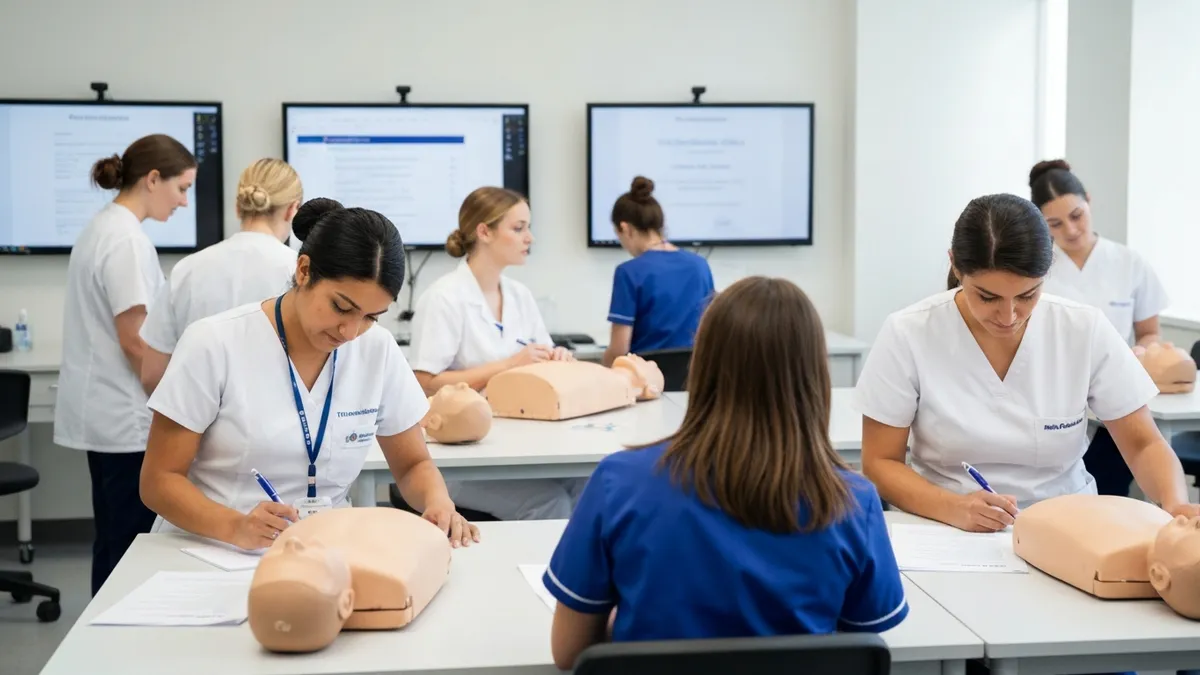
Yes — and many healthcare workers are. A CNA who provides non-medical personal care in a home setting is functioning as both a certified nursing assistant and a caregiver. In fact, having CNA certification makes you a more competitive caregiver candidate because agencies and families prefer credentialed workers.
Many CNAs supplement their facility income with private-duty caregiver shifts on weekends or evenings. Some CNA scholarship programs even cover the cost of certification for existing caregivers looking to formalize their credentials.
The reverse is also common: working as a caregiver while preparing for the CNA skills test gives you hands-on patient care experience that builds confidence before the clinical exam.
Your decision depends on your career goals, timeline, and financial situation. Here is how to think through the choice.
Choose CNA If You...
- ✓Want a portable credential recognized in all 50 states
- ✓Plan to advance into nursing (LPN or RN) using bridge programs
- ✓Prefer working in clinical settings like hospitals and skilled nursing facilities
- ✓Want higher earning potential with overtime and shift differentials
- ✓Are willing to invest 4-12 weeks in a formal training program
- ✓Want employer-provided benefits including health insurance and retirement
Choose Caregiver If You...
- ✓Need to start earning income in healthcare immediately
- ✓Prefer home-based work with one-on-one client relationships
- ✓Want maximum scheduling flexibility and independence
- ✓Cannot invest in training costs upfront (or want to test healthcare first)
- ✓Are caring for a family member and want to formalize that role
- ✓Plan to pursue CNA certification later with real-world experience
Related CNA Study Resources

CNA Skills: Complete Test Guide, Skills List, and Step-by-Step Checklist

CNA Reciprocity: How to Transfer Your Certification Between States
Free CNA Classes Near Me: Online & Local Options for 2026

CNA Registry: How to Search, Verify & Maintain Your License by State

CNA to RN: How to Transition From Nursing Assistant to Registered Nurse

CNA Requirements: What You Need to Start Your Career

CNA Careers: Where You Can Work and How to Advance in 2026

CNA Cover Letter Sample: Examples and Templates for Every Career Stage

CNA vs PCA: Key Differences in Training, Pay & Career Path
CNA Charting: POC Documentation, Report Sheets & Templates Explained
CNA Scholarships: How to Fund Your Certification Training

Private Duty CNA: Jobs, Pay, and How to Get Started
CNA vs Caregiver Questions and Answers
About the Author

Registered Nurse & Healthcare Educator
Johns Hopkins University School of NursingDr. Sarah Mitchell is a board-certified registered nurse with over 15 years of clinical and academic experience. She completed her PhD in Nursing Science at Johns Hopkins University and has taught NCLEX preparation and clinical skills courses for nursing students across the United States. Her research focuses on evidence-based exam preparation strategies for healthcare certification candidates.
Join the Discussion
Connect with other students preparing for this exam. Share tips, ask questions, and get advice from people who have been there.
View discussion (8 replies)