
Goodwill CNA Program: Free Classes, Costs, and How to Enroll 2026
💡 Learn about the Goodwill CNA program, free CNA classes, training costs, and enrollment steps. Find Goodwill CNA programs near you and start your
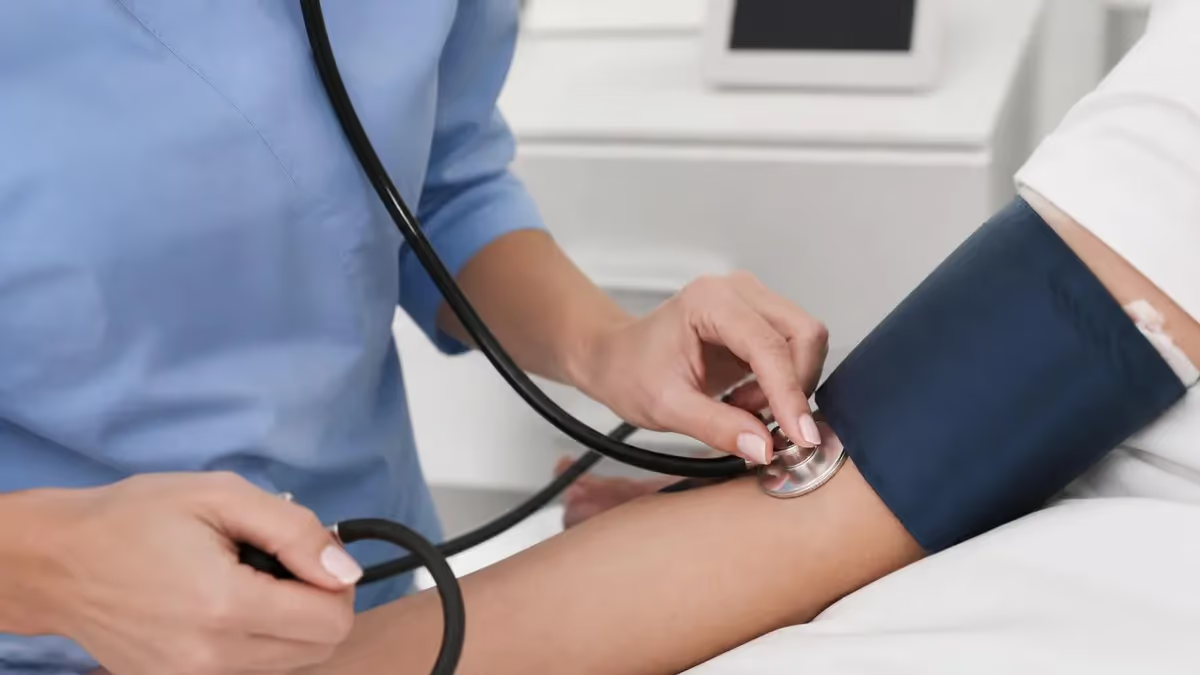
If you're looking for an affordable path into healthcare, the goodwill cna program might be exactly what you need. Goodwill Industries has built a reputation for workforce development — and their certified nursing assistant training is one of the most accessible options out there. Whether you're switching careers, entering the workforce for the first time, or just looking for stable employment with real growth potential, this program opens doors that stay open.
What makes goodwill cna classes stand apart from other training options? Cost, mostly. Many locations offer reduced tuition or completely free training through grants, scholarships, and community partnerships. You won't find that kind of deal at most private training schools. The programs typically run four to twelve weeks, cover both classroom instruction and hands-on clinical hours, and prepare you to sit for your state's CNA certification exam right after completion.
Throughout this guide, you'll get the full picture — what Goodwill's CNA training actually looks like, how much it costs (spoiler: sometimes nothing), where to find programs near you, and what to expect from application through certification. We've broken down every detail so you can make a confident decision without second-guessing yourself. The healthcare industry added over 300,000 CNA positions last year alone, and demand keeps climbing. Getting certified now puts you in a strong position for years to come, and Goodwill makes that certification more reachable than most alternatives.
CNA: upcoming dates and official changes
- Aug 1, 2026: Connecticut (Prometric) implements new exam pricing: $48 for written only, $48 for oral only, $125 for bundled written and clinical skills, effective August 1, 2026.[4]
- Jul 1, 2026: Idaho (Prometric) raises CNA exam fees to $34 each for written and oral exams, plus test site fees, effective July 1, 2026.[5]
- Passing score (written or oral): Set per state; no national percentage published.[1]
- Retake policy: Minimum 3 attempts required; aides must be told which areas they failed before each retake.[1]
- Validity: 2 years from issuance in most states.[2]
- Renewal: State-specific; typically 2-year cycles with continuing education requirements (12–24 hours per year) and paid-work requirements.[3]
All verified CNA facts and sources
Numbers in brackets link to the official sources listed under Sources & last verified. Dates that have passed are removed automatically.
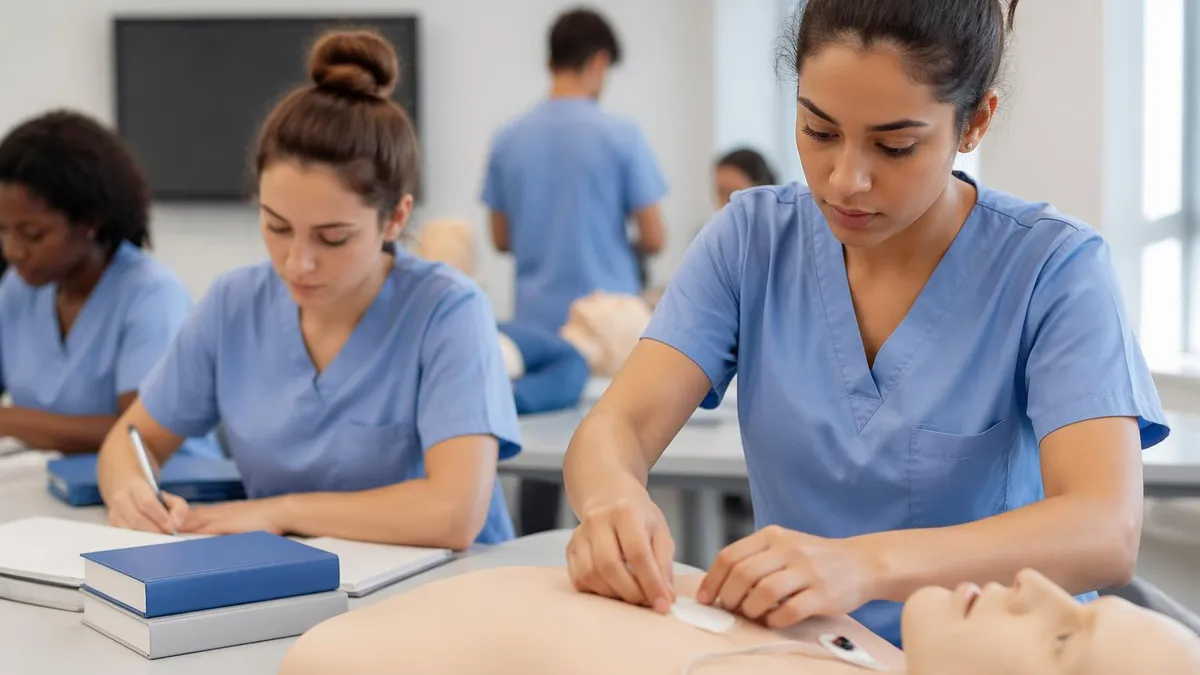
The structure of goodwill cna classes varies by location, but most programs follow a predictable pattern. You'll spend the first few weeks in a classroom setting learning anatomy basics, infection control, patient rights, and vital sign measurement. After that, you move into supervised clinical rotations at a local healthcare facility — usually a nursing home or long-term care center. This hands-on portion is where things click for most students. You'll work directly with real patients under instructor supervision, which builds confidence fast and prepares you for what the job actually feels like day to day.
Here's what really matters: goodwill free cna classes exist in dozens of cities across the country. Goodwill partners with state workforce agencies, community colleges, and healthcare employers to subsidize training costs. In some states, Temporary Assistance for Needy Families (TANF) recipients qualify for fully funded seats. Other locations use Workforce Innovation and Opportunity Act (WIOA) grants to cover everything from tuition to scrubs and textbooks.
Don't assume you won't qualify for free training just because you have some income. Many Goodwill locations set their income thresholds higher than federal poverty guidelines. It's worth calling your local career center and asking directly — the worst they can say is no, and you might be surprised at the answer. Even if you don't get full funding, partial scholarships can knock the price down significantly. Some students end up paying just $100-$200 out of pocket after stacking multiple assistance programs together.
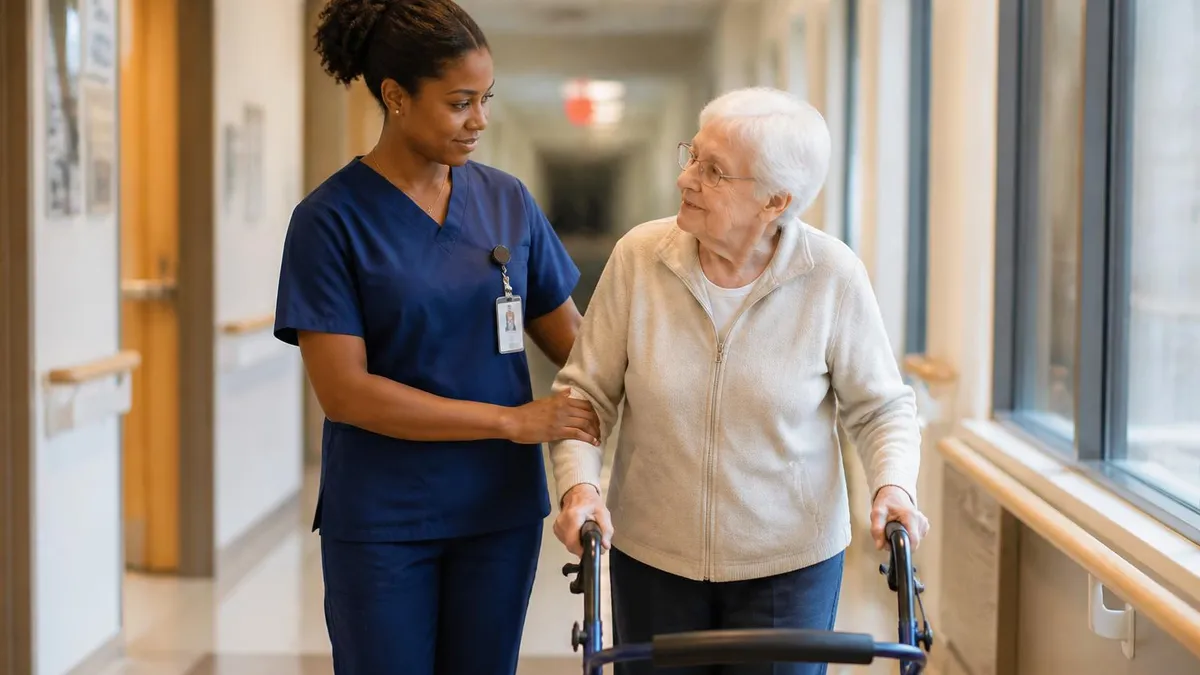
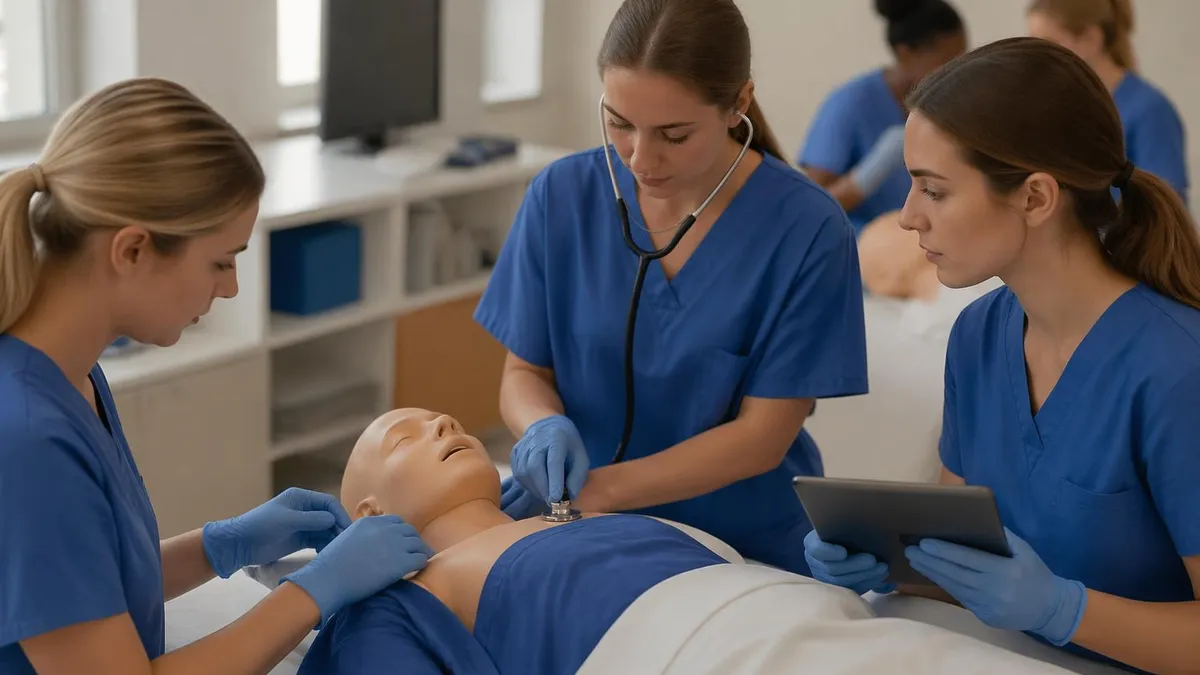
When you take cna classes at goodwill, you're not just learning from a textbook. Goodwill's training model emphasizes practical skills because that's what employers actually care about. You'll practice bed-making, patient transfers, range-of-motion exercises, and feeding assistance in a simulated environment before ever touching a real patient. That repetition builds muscle memory — and confidence.
The goodwill cna program also typically includes soft skills training that other programs skip entirely. Communication with patients and families, time management on the floor, handling difficult situations — these aren't optional skills in healthcare. They're the difference between a CNA who lasts six months and one who builds a real career. Goodwill cna training programs understand this, which is why their graduates tend to have strong employment rates.
Class sizes at Goodwill tend to be smaller than what you'd find at community colleges or large vocational schools. That means more one-on-one time with instructors during skills labs and clinical rotations. If you're someone who learns better with individual attention, this matters. Most Goodwill CNA cohorts cap at 15-20 students, compared to 30+ at some larger institutions. Smaller cohorts also mean faster feedback on skills checkoffs, so you're not waiting around while an instructor works through a crowd of students during lab sessions.
What You'll Learn in the Program
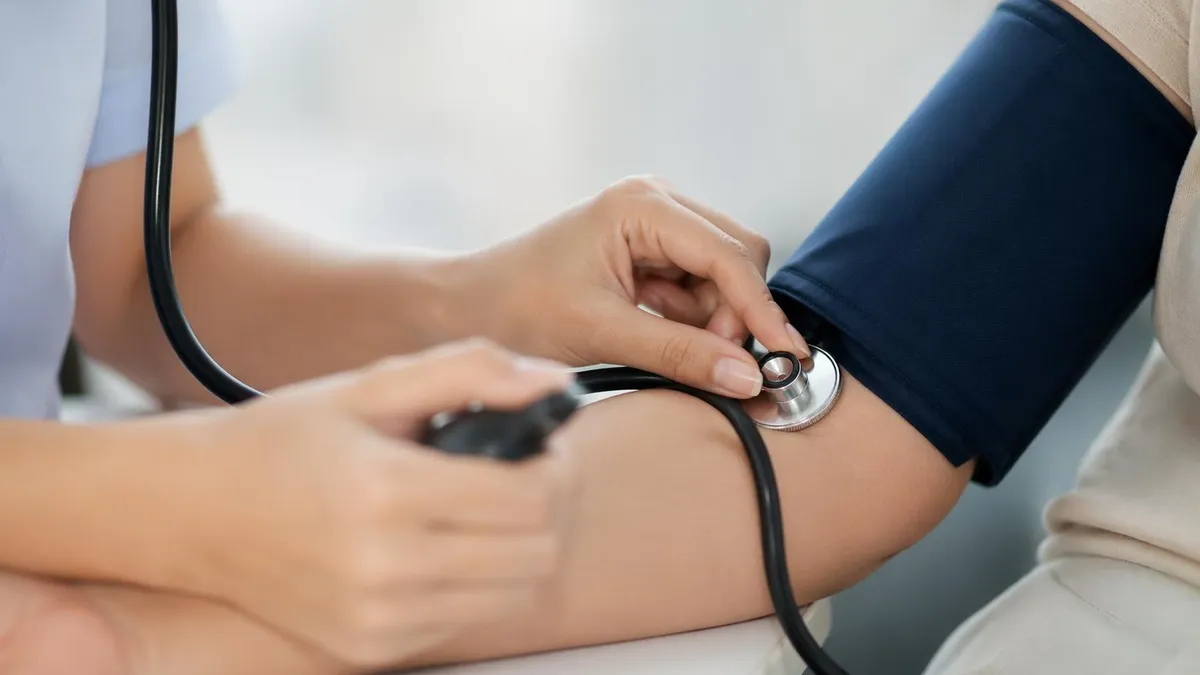
The classroom portion covers foundational medical knowledge — anatomy and physiology basics, medical terminology, infection control protocols, HIPAA regulations, and patient rights documentation. You'll also learn to measure vital signs accurately, including blood pressure, pulse, respiration, and temperature. Written exams test your retention throughout the program.
Picking the right goodwill cna class comes down to schedule, location, and what's included in tuition. Some programs run Monday through Friday during business hours — great if you don't have work or childcare conflicts. Others offer evening and weekend options specifically designed for people who need to keep working while they train. Goodwill cna training schedules are typically posted on your local Goodwill's website or available by phone.
Most programs include your textbook, skills lab supplies, and clinical placement. A few also cover background checks, drug screenings, CPR certification, and scrubs. These extras can add $200-$400 to your out-of-pocket costs if they're not included, so always ask for a complete list of what's covered and what isn't before you sign up. Getting surprised by hidden fees halfway through training isn't fun for anyone.
One thing worth noting: Goodwill CNA programs generally have prerequisite requirements. You'll need a high school diploma or GED, a clean background check (some felonies may disqualify you depending on state law), and a current TB test or physical exam. A few locations also require basic reading and math assessments to make sure you can handle the coursework. None of this is unusual — every CNA program has similar requirements. Just make sure you start gathering these documents early so you're not scrambling at the last minute when a spot opens up.
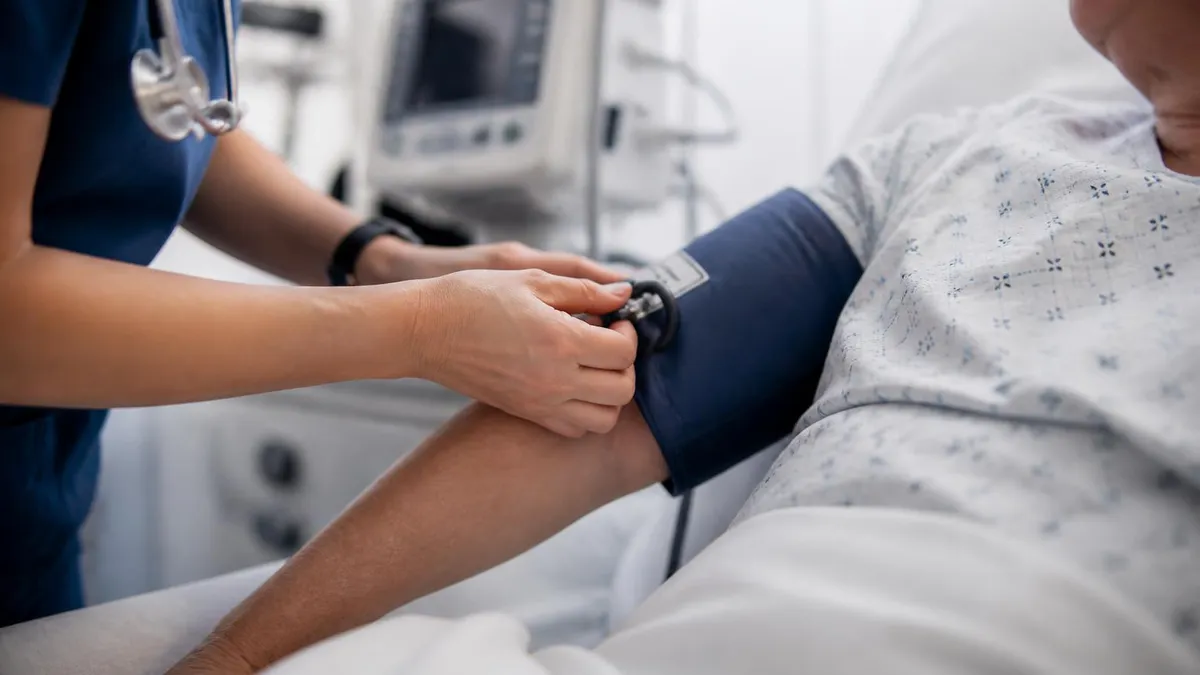
Finding free cna classes through goodwill takes a bit of research, but it's absolutely doable. The cna goodwill program model works because Goodwill operates as a nonprofit — they reinvest revenue from their retail stores into community programs, including workforce training. That funding structure is what makes free or reduced-cost CNA classes possible in the first place.
Start by visiting your goodwill free cna classes near me — search on Goodwill.org's location finder to identify career centers in your area. Not every Goodwill location offers CNA training, so you may need to check a few. Call each one directly and ask about their healthcare training programs, upcoming class start dates, and financial assistance options. The website doesn't always reflect current offerings accurately.
If your nearest Goodwill doesn't offer CNA classes, ask about referrals. Many Goodwill career centers have partnerships with other training providers and can point you toward affordable alternatives in your community. They might also know about employer-sponsored training programs at local hospitals or nursing facilities that you wouldn't find through a Google search.
Pros and Cons of Goodwill CNA Training
- +Free or heavily discounted tuition at many locations through grants and workforce funding
- +Small class sizes give you more direct access to instructors during skills practice
- +Job placement assistance connects you with employers actively hiring CNAs
- +Flexible schedules with evening and weekend options for working students
- +Wraparound services like career coaching, resume help, and interview prep
- +Nonprofit model means the program exists to help you — not to make a profit
- −Not available at every Goodwill location — you may need to travel
- −Program start dates can be limited to a few times per year
- −Wait lists are common at popular locations, sometimes 2-3 months long
- −Some locations only offer daytime classes, which doesn't work for everyone
- −Facility and equipment quality varies significantly between locations
- −Clinical placement sites may be far from your home or the training center
Searching for a goodwill free cna classes near me or a goodwill cna program near me? Your best starting point is Goodwill.org — use their location finder to pull up career centers within driving distance. Each Goodwill affiliate operates independently, so program availability, pricing, and schedules differ from one location to the next. What's offered in Houston might be completely different from what's available in Denver.
Once you've identified potential locations, call each career center and ask these specific questions: Do you currently offer CNA training? When does the next cohort start? What financial assistance is available? What are the prerequisites? Is there a wait list? Getting answers to all five saves you from wasted trips and surprises down the road. Most career center staff are happy to walk you through everything over the phone.
Some Goodwill affiliates list their training programs on third-party job training databases too. Check your state's workforce development website, CareerOneStop.org, and local community college continuing education catalogs. You might find Goodwill CNA programs listed there that aren't prominently featured on Goodwill's own website. Cast a wide net when searching — the more sources you check, the better your chances of finding an upcoming class that fits your timeline.
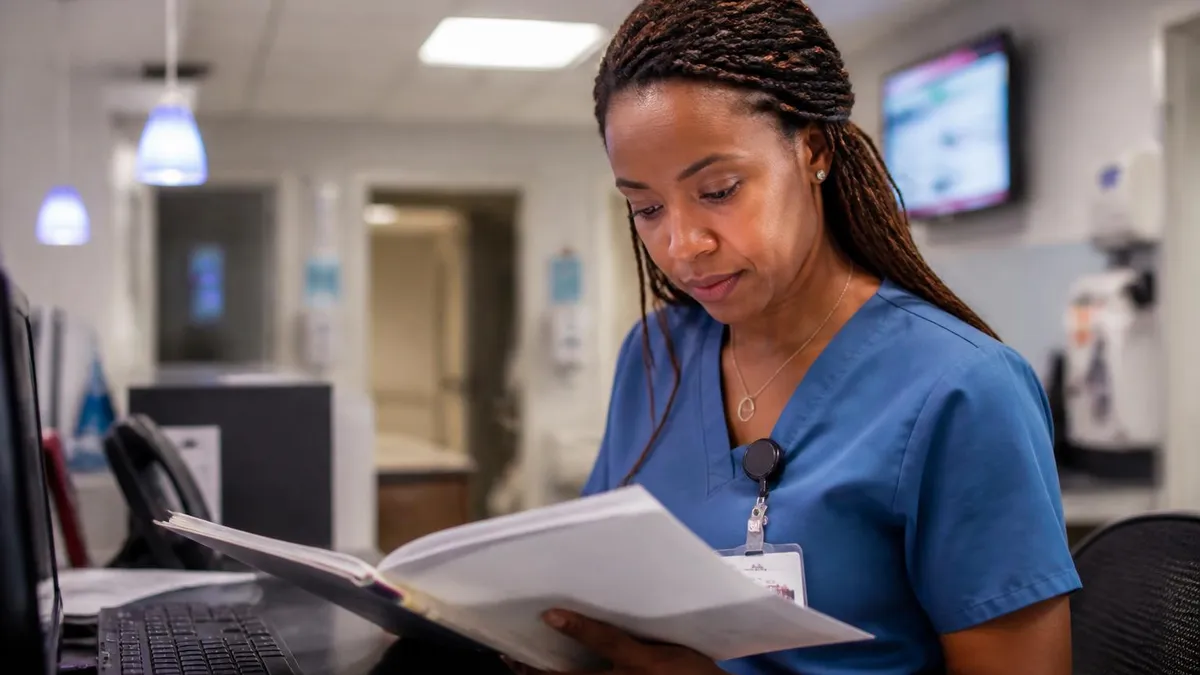
Enrollment Checklist for Goodwill CNA Programs
- ✓Locate your nearest Goodwill career center offering CNA training
- ✓Verify you meet age requirements (typically 16-18+ depending on state)
- ✓Obtain your high school diploma or GED transcript
- ✓Complete a criminal background check through an approved vendor
- ✓Get a current TB skin test or chest X-ray from your doctor
- ✓Submit a physical exam form signed by a licensed physician
- ✓Apply for financial assistance through WIOA, TANF, or Goodwill scholarships
- ✓Attend the mandatory orientation or information session
- ✓Purchase required supplies (scrubs, stethoscope, watch with second hand)
- ✓Register for the program and confirm your start date in writing
Many students ask about goodwill cna programs near me and whether it's worth traveling to attend one versus picking a closer school. The answer depends on cost savings. If your local Goodwill offers free training but it's a 30-minute drive, that's almost certainly worth it compared to paying $1,000+ at a school down the street. Factor in gas costs and time — then compare to the tuition difference. The math usually favors Goodwill, especially when you include the job placement services and career coaching that come bundled with their programs at no extra cost.
When looking at cna classes goodwill offers versus other providers, pay attention to the clinical component. Some programs partner with high-quality facilities where students get excellent hands-on experience. Others place students at facilities that are understaffed and chaotic — which is realistic training, sure, but not ideal for learning foundational skills. Ask where clinical rotations happen and look up those facilities on Medicare's Care Compare website to check their ratings.
Geography also matters for job placement after graduation. Goodwill career centers often have the strongest employer connections in their immediate area. If you plan to work near where you train, you'll benefit from those local relationships. But if you're willing to relocate after certification, the location of your training matters less than the quality of instruction and clinical experience you receive.
Let's talk about the cna goodwill program and what the goodwill cna program cost actually looks like in real numbers. At some locations, training is completely free — funded through grants and partnerships that cover every expense from tuition to testing fees. At others, you'll pay anywhere from $400 to $1,200 out of pocket. That range is still well below most private CNA schools, where tuition frequently hits $1,500 to $3,000.
The cost breakdown typically includes tuition (the biggest chunk), textbooks and study materials, liability insurance for clinical rotations, a background check fee, drug screening, CPR certification, and state exam registration. Some programs bundle all of this into one flat fee. Others charge tuition separately and list everything else as additional costs. Always get the all-in number before committing so you can budget accurately.
Payment plans are available at most Goodwill locations that charge tuition. You might be able to split the cost into monthly installments that align with your pay schedule. Some locations also accept employer tuition reimbursement if you're already working in healthcare and your employer supports professional development. It's worth checking with HR — many hospitals and nursing homes will reimburse CNA training costs for existing employees, even housekeeping or dietary staff.
CNA training hour requirements differ by state — ranging from 75 to 180 hours total. Your Goodwill program will be designed to meet your state's specific minimum. Before enrolling, verify that the program is approved by your state's nursing board or health department. Training from a non-approved program won't qualify you to take the certification exam, and you'd have to start over. Check your state board's website or call them directly to confirm program approval status.
If you've been searching for goodwill cna classes near me, you're not alone — it's one of the most common searches from people entering healthcare. The demand for affordable CNA training has grown steadily over the past five years, and Goodwill has expanded their healthcare programs in response. More locations now offer nursing assistant training than at any point in the organization's history.
The goodwill career center cna program model works particularly well for career changers. If you're coming from retail, food service, or another industry, Goodwill's career counselors understand that transition. They'll help you translate transferable skills onto your resume, prep for healthcare-specific interview questions, and connect you with employers who value diverse work backgrounds. This wraparound support is what sets Goodwill apart from standalone training schools.
After certification, your Goodwill career center remains a resource. Many offer alumni services like continuing education workshops, job fair access, and referrals for advanced training. If you decide to pursue LPN or RN schooling later, your career counselor can help you navigate that next step too. The relationship doesn't end when you pass your state exam — it's designed to be an ongoing support system for your entire healthcare career trajectory. That long-term support is something most private training schools simply don't offer, and it's a real advantage when you're navigating the early stages of a new career in healthcare.
CNA Practice Test Questions
Prepare for the CNA - Certified Nursing Assistant exam with our free practice test modules. Each quiz covers key topics to help you pass on your first try.
CNA Activities of Daily Living
CNA Exam Questions covering Activities of Daily Living. Master CNA Test concepts for certification prep.
CNA Aging Process
Free CNA Practice Test featuring Aging Process. Improve your CNA Exam score with mock test prep.
CNA Anatomy and Physiology Basics
CNA Mock Exam on Anatomy and Physiology Basics. CNA Study Guide questions to pass on your first try.
CNA Assisting with Daily Living
CNA Test Prep for Assisting with Daily Living. Practice CNA Quiz questions and boost your score.
CNA Assisting with Range of Motion Exercises
CNA Questions and Answers on Assisting with Range of Motion Exercises. Free CNA practice for exam readiness.
CNA Basic Human Anatomy and Age-Related Ch...
CNA Mock Test covering Basic Human Anatomy and Age-Related Changes. Online CNA Test practice with instant feedback.
CNA Basic Nursing Skills
Free CNA Quiz on Basic Nursing Skills. CNA Exam prep questions with detailed explanations.
CNA Basic Nursing Skills 10
CNA Practice Questions for Basic Nursing Skills 10. Build confidence for your CNA certification exam.
CNA Basic Nursing Skills 11
CNA Test Online for Basic Nursing Skills 11. Free practice with instant results and feedback.
CNA Basic Nursing Skills 1
CNA Study Material on Basic Nursing Skills 1. Prepare effectively with real exam-style questions.
CNA Basic Nursing Skills 12
Free CNA Test covering Basic Nursing Skills 12. Practice and track your CNA exam readiness.
CNA Basic Nursing Skills 13
CNA Exam Questions covering Basic Nursing Skills 13. Master CNA Test concepts for certification prep.
CNA Basic Nursing Skills 14
Free CNA Practice Test featuring Basic Nursing Skills 14. Improve your CNA Exam score with mock test prep.
CNA Basic Nursing Skills 15
CNA Mock Exam on Basic Nursing Skills 15. CNA Study Guide questions to pass on your first try.
CNA Basic Nursing Skills 16
CNA Test Prep for Basic Nursing Skills 16. Practice CNA Quiz questions and boost your score.
CNA Basic Nursing Skills 17
CNA Questions and Answers on Basic Nursing Skills 17. Free CNA practice for exam readiness.
CNA Basic Nursing Skills 18
CNA Mock Test covering Basic Nursing Skills 18. Online CNA Test practice with instant feedback.
CNA Basic Nursing Skills 19
Free CNA Quiz on Basic Nursing Skills 19. CNA Exam prep questions with detailed explanations.
CNA Basic Nursing Skills 20
CNA Practice Questions for Basic Nursing Skills 20. Build confidence for your CNA certification exam.
CNA Basic Nursing Skills 21
CNA Test Online for Basic Nursing Skills 21. Free practice with instant results and feedback.
CNA Basic Nursing Skills 2
CNA Study Material on Basic Nursing Skills 2. Prepare effectively with real exam-style questions.
CNA Basic Nursing Skills 3
Free CNA Test covering Basic Nursing Skills 3. Practice and track your CNA exam readiness.
CNA Basic Nursing Skills 4
CNA Exam Questions covering Basic Nursing Skills 4. Master CNA Test concepts for certification prep.
CNA Basic Nursing Skills 5
Free CNA Practice Test featuring Basic Nursing Skills 5. Improve your CNA Exam score with mock test prep.
CNA Basic Nursing Skills 6
CNA Mock Exam on Basic Nursing Skills 6. CNA Study Guide questions to pass on your first try.
CNA Basic Nursing Skills 7
CNA Test Prep for Basic Nursing Skills 7. Practice CNA Quiz questions and boost your score.
CNA Basic Nursing Skills 8
CNA Questions and Answers on Basic Nursing Skills 8. Free CNA practice for exam readiness.
CNA Basic Nursing Skills 9
CNA Mock Test covering Basic Nursing Skills 9. Online CNA Test practice with instant feedback.
CNA Basic Restorative Services
Free CNA Quiz on Basic Restorative Services. CNA Exam prep questions with detailed explanations.
CNA Basic Restorative Services 1
CNA Practice Questions for Basic Restorative Services 1. Build confidence for your CNA certification exam.
CNA Bathing and Dressing
CNA Test Online for Bathing and Dressing. Free practice with instant results and feedback.
CNA Body Mechanics
CNA Study Material on Body Mechanics. Prepare effectively with real exam-style questions.
CNA Career Advancement and Opportunities
Free CNA Test covering Career Advancement and Opportunities. Practice and track your CNA exam readiness.
CNA Career Opportunities and Benefits
CNA Exam Questions covering Career Opportunities and Benefits. Master CNA Test concepts for certification prep.
CNA Care for Residents with Cognitive Impa...
Free CNA Practice Test featuring Care for Residents with Cognitive Impairment. Improve your CNA Exam score with mock test prep.
CNA Care of Cognitively Impaired Residents
CNA Mock Exam on Care of Cognitively Impaired Residents. CNA Study Guide questions to pass on your first try.
CNA Care of Cognitively Impaired Residents 1
CNA Test Prep for Care of Cognitively Impaired Residents 1. Practice CNA Quiz questions and boost your score.
CNA Care Of Cognitively Impaired Residents 4
CNA Questions and Answers on Care Of Cognitively Impaired Residents 4. Free CNA practice for exam readiness.
CNA Common Medical Terms and Abbreviations
CNA Mock Test covering Common Medical Terms and Abbreviations. Online CNA Test practice with instant feedback.
CNA Communication and Interpersonal Skills
Free CNA Quiz on Communication and Interpersonal Skills. CNA Exam prep questions with detailed explanations.
CNA Communication and Interpersonal Skills 1
CNA Practice Questions for Communication and Interpersonal Skills 1. Build confidence for your CNA certification exam.
CNA Communication And Interpersonal Skills 4
CNA Test Online for Communication And Interpersonal Skills 4. Free practice with instant results and feedback.
CNA Eligibility and Qualifications
CNA Study Material on Eligibility and Qualifications. Prepare effectively with real exam-style questions.
CNA Emergency Procedure
Free CNA Test covering Emergency Procedure. Practice and track your CNA exam readiness.
CNA Ethics and Professionalism
CNA Exam Questions covering Ethics and Professionalism. Master CNA Test concepts for certification prep.
CNA Exam Structure and Content
Free CNA Practice Test featuring Exam Structure and Content. Improve your CNA Exam score with mock test prep.
CNA Feeding and Hydration
CNA Mock Exam on Feeding and Hydration. CNA Study Guide questions to pass on your first try.
CNA Infection Control
CNA Test Prep for Infection Control. Practice CNA Quiz questions and boost your score.
CNA Infection Control and Safety
CNA Questions and Answers on Infection Control and Safety. Free CNA practice for exam readiness.
CNA Isolation Precautions
CNA Mock Test covering Isolation Precautions. Online CNA Test practice with instant feedback.
CNA Legal & Ethical Behaviours
Free CNA Quiz on Legal & Ethical Behaviours. CNA Exam prep questions with detailed explanations.
CNA Legal & Ethical Behaviours 1
CNA Practice Questions for Legal & Ethical Behaviours 1. Build confidence for your CNA certification exam.
CNA Legal & Ethical Behaviours 4
CNA Test Online for Legal & Ethical Behaviours 4. Free practice with instant results and feedback.
CNA Mental Health and Social Services Needs
CNA Study Material on Mental Health and Social Services Needs. Prepare effectively with real exam-style questions.
CNA Mental Health and Social Services Needs 1
Free CNA Test covering Mental Health and Social Services Needs 1. Practice and track your CNA exam readiness.
CNA Mental Health And Social Services Needs 4
CNA Exam Questions covering Mental Health And Social Services Needs 4. Master CNA Test concepts for certification prep.
CNA Nutrition and Hydration Management
Free CNA Practice Test featuring Nutrition and Hydration Management. Improve your CNA Exam score with mock test prep.
CNA Patient Care Procedure
CNA Mock Exam on Patient Care Procedure. CNA Study Guide questions to pass on your first try.
CNA Personal Care Skills
CNA Test Prep for Personal Care Skills. Practice CNA Quiz questions and boost your score.
CNA Personal Care Skills 1
CNA Questions and Answers on Personal Care Skills 1. Free CNA practice for exam readiness.
CNA Personal Care Skills 4
CNA Mock Test covering Personal Care Skills 4. Online CNA Test practice with instant feedback.
CNA Personal Care Skills 5
Free CNA Quiz on Personal Care Skills 5. CNA Exam prep questions with detailed explanations.
CNA Personal Hygiene and Grooming
CNA Practice Questions for Personal Hygiene and Grooming. Build confidence for your CNA certification exam.
CNA Practice Test - Basic Nursing Skills #2
CNA Test Online for Practice Test - Basic Nursing Skills #2. Free practice with instant results and feedback.
CNA Practice Test - Basic Nursing Skills #2 1
CNA Study Material on Practice Test - Basic Nursing Skills #2 1. Prepare effectively with real exam-style questions.
CNA Preventing Patient Falls and Injuries
Free CNA Test covering Preventing Patient Falls and Injuries. Practice and track your CNA exam readiness.
CNA Promoting Resident Independence and Ch...
CNA Exam Questions covering Promoting Resident Independence and Choice. Master CNA Test concepts for certification prep.
CNA Proper Hand Hygiene and PPE Usage
Free CNA Practice Test featuring Proper Hand Hygiene and PPE Usage. Improve your CNA Exam score with mock test prep.
CNA Resident Rights and Communication
CNA Mock Exam on Resident Rights and Communication. CNA Study Guide questions to pass on your first try.
CNA Resident’s Rights
CNA Test Prep for Resident’s Rights. Practice CNA Quiz questions and boost your score.
CNA Resident's Rights 1
CNA Questions and Answers on Resident's Rights 1. Free CNA practice for exam readiness.
CNA Resident's Rights 4
CNA Mock Test covering Resident's Rights 4. Online CNA Test practice with instant feedback.
CNA Roles and Responsibilities
Free CNA Quiz on Roles and Responsibilities. CNA Exam prep questions with detailed explanations.
CNA Safety and Emergency Procedures
CNA Practice Questions for Safety and Emergency Procedures. Build confidence for your CNA certification exam.
CNA Safety and Emergency Procedures 1
CNA Test Online for Safety and Emergency Procedures 1. Free practice with instant results and feedback.
CNA Safety And Emergency Procedures 4
CNA Study Material on Safety And Emergency Procedures 4. Prepare effectively with real exam-style questions.
CNA Safety and Infection Control
Free CNA Test covering Safety and Infection Control. Practice and track your CNA exam readiness.
CNA Scope of Practice
CNA Exam Questions covering Scope of Practice. Master CNA Test concepts for certification prep.
CNA Skills and Competencies
Free CNA Practice Test featuring Skills and Competencies. Improve your CNA Exam score with mock test prep.
CNA Supporting Rehabilitation Activities
CNA Mock Exam on Supporting Rehabilitation Activities. CNA Study Guide questions to pass on your first try.
CNA The Nurse Aide's Role and Responsibili...
CNA Test Prep for The Nurse Aide's Role and Responsibilities. Practice CNA Quiz questions and boost your score.
CNA Time Management and Prioritization
CNA Questions and Answers on Time Management and Prioritization. Free CNA practice for exam readiness.
CNA Toileting and Elimination
CNA Mock Test covering Toileting and Elimination. Online CNA Test practice with instant feedback.
CNA Using Adaptive Devices
CNA Practice Questions for Using Adaptive Devices. Build confidence for your CNA certification exam.
You might wonder about goodwill free cna classes online — and the answer is complicated. Some Goodwill affiliates shifted portions of their training online during recent years, offering hybrid models where classroom instruction happens virtually and clinical hours are completed in person. Fully online CNA programs through Goodwill are rare because state regulations require hands-on clinical training that can't be replicated on a screen.
That said, goodwill programs cna offerings have expanded to include more flexible delivery formats. Blended learning — where you watch recorded lectures and complete assignments online, then attend in-person skills labs and clinicals — is becoming more common. This works well if you have reliable internet access and prefer studying at your own pace. The clinical hours are still mandatory and in person, but the classroom portion becomes more manageable around your existing commitments.
For students who can't find a Goodwill CNA program nearby, look into Goodwill's referral network. Many career centers maintain lists of vetted training partners in the broader region. You might find a community college, vocational school, or healthcare employer offering similar programs at comparable prices.
Goodwill career counselors can often negotiate discounted rates or connect you with funding sources that apply to partner programs — so even if Goodwill doesn't run the training directly, they can still help you access affordable education. The key is making that initial contact with your nearest career center — they're resourceful, and they genuinely want to help you find a path forward regardless of whether their own program fits your situation.
If you want more targeted practice, the cna test practice page covers the same material with additional questions and explanations.
If you want more targeted practice, the free printable cna practice exam page covers the same material with additional questions and explanations.
If you want more targeted practice, the cna prometric practice test page covers the same material with additional questions and explanations.
CNA Questions and Answers
Sources & last verified
- Centers for Medicare & Medicaid Services — passing score, retake policy (official source). “The State shall establish the passing standard for the written or oral examination and for the skills demonstration.” Verified Oct 14, 2026.
- archive.regulations.delaware.gov — validity (official source). “CNA certification shall be effective for 2 years following the date of issue and shall expire 2 years following such date” Verified Oct 14, 2026.
- cdph.ca.gov — renewal (official source). “Certificates are renewed every two years, and the required training is 48 hours of in-service training or continuing education” Verified Oct 14, 2026.
- prometric.com — other (official source). “Effective August 1, 2026, the following exam pricing will be implemented” Verified Oct 14, 2026.
- prometric.com — other (official source). “Effective July 1, 2026, the following exam pricing will be implemented: $34 written, $34 oral, plus test site fees” Verified Oct 14, 2026.
How we verify: editorial & fact-checking policy. Report an error: contact us.
Restorative CNA: Duties, Training, Salary & How to Get Started
CNA Hospital Jobs Near Me: How to Find, Apply & Get Hired in 2026
Hospice CNA: Duties, Salary, Per Diem Work & How to Get Started
4-Week CNA Program: Online Options, State Programs & How to Enroll

CNA in a Hospital: Duties, Pay, Patient Ratios & How to Get Hired
How this page was made: written with AI tools and published by Nathan Beja, founder of Practice Test Geeks, who is responsible for its content. Exam facts are checked against the official sources listed below. Not reviewed by a subject-matter expert. Editorial policy
Sources & references
Exam facts on this page (fees, format, dates, passing scores) are checked against these official sources; the date is our last check. Editorial policy
- floridasnursing.gov — Test delivery, exam format, retake policy, time limit · verified Oct 2026
- law.cornell.edu — Test delivery, retake policy · verified Oct 2026
- prometric.com — Fees, exam information · verified Oct 2026