
CNA vs LPN: Scope, Training, Salary, and Career Paths Compared 2026
✍🏼 Pass your CNA vs LPN: Scope, Training, Salary, exam on the first attempt. Practice questions with detailed answer explanations, hints, and instant scoring.
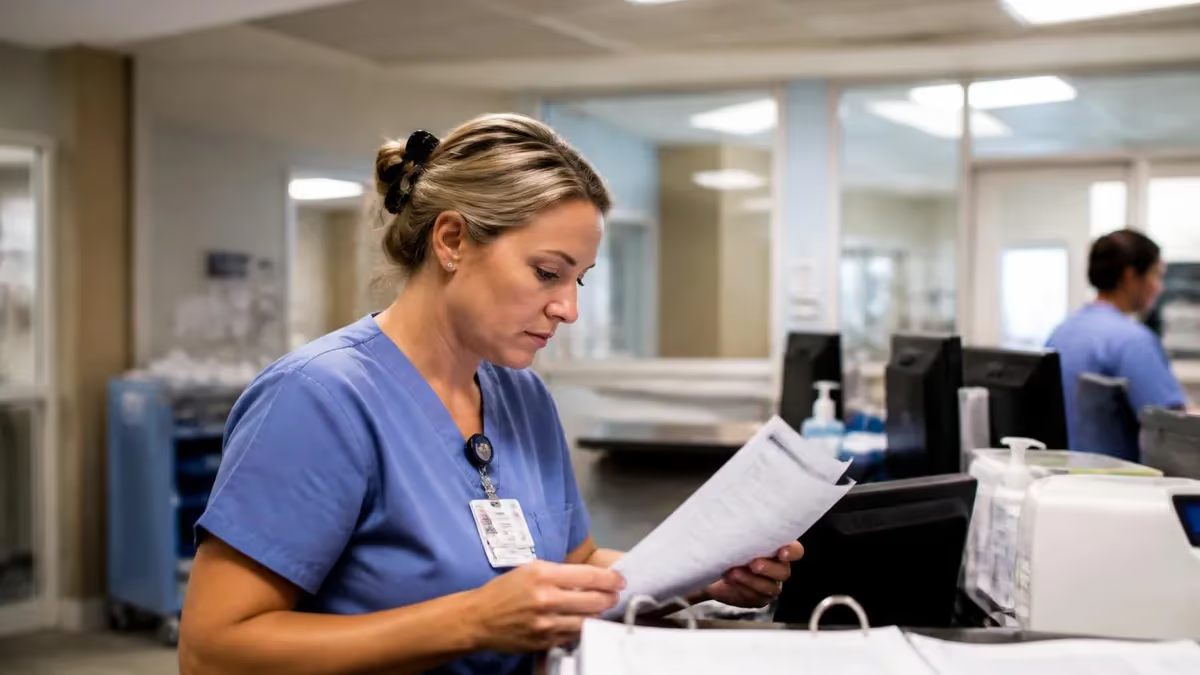
If you're weighing CNA vs LPN, you're really asking one question: how much training do you want before you start working bedside? Both roles put you in direct patient contact — but the scope, pay, and daily responsibilities look different once you're on the floor. CNAs handle hands-on care like bathing, feeding, and mobility assistance. LPNs do all that plus administer medications, change wound dressings, and monitor vital signs under an RN's supervision.
Here's the thing: searching for cna jobs near me pulls up thousands of openings in every state. That's not hype — it's a workforce shortage that's been building since 2020 and isn't slowing down. Hospitals, nursing homes, home health agencies, and rehab centers are all hiring. The Bureau of Labor Statistics projects 4% job growth through 2032 for nursing assistants alone, and LPN demand looks even stronger in rural and long-term care settings.
So which path makes sense for you? That depends on your timeline, your budget, and how quickly you want to move into higher-paying roles. Some people start as CNAs, work for a year, then bridge into an LPN program — using their clinical experience to skip ahead. Others go straight to LPN school because they already know they want medication administration and a broader scope of practice from day one.
Looking for cna classes near me is the fastest on-ramp. CNA programs run 4 to 12 weeks in most states, cost between $500 and $2,000, and many community colleges or Red Cross chapters offer them. LPN programs take 12 to 18 months and run $5,000 to $20,000 — a bigger commitment, but the salary bump justifies it for a lot of people. We'll break down every angle below so you can decide which certification fits your life right now.
CNA: upcoming dates and official changes
- Aug 1, 2026: Connecticut (Prometric) implements new exam pricing: $48 for written only, $48 for oral only, $125 for bundled written and clinical skills, effective August 1, 2026.[4]
- Jul 1, 2026: Idaho (Prometric) raises CNA exam fees to $34 each for written and oral exams, plus test site fees, effective July 1, 2026.[5]
- Passing score (written or oral): Set per state; no national percentage published.[1]
- Retake policy: Minimum 3 attempts required; aides must be told which areas they failed before each retake.[1]
- Validity: 2 years from issuance in most states.[2]
- Renewal: State-specific; typically 2-year cycles with continuing education requirements (12–24 hours per year) and paid-work requirements.[3]
All verified CNA facts and sources
Numbers in brackets link to the official sources listed under Sources & last verified. Dates that have passed are removed automatically.
Finding cna classes near you is easier than most people expect. Community colleges, vocational schools, the American Red Cross, and even some nursing homes run CNA programs — often with rolling enrollment so you don't have to wait for a fall semester. Many states require only 75 hours of combined classroom and clinical training, though some set the bar higher. California requires 150 hours. New York mandates 130. Check your state's nurse aide registry for exact requirements before enrolling.
CNA jobs open up the moment you pass your state competency exam. That exam has two parts: a written or oral knowledge test and a hands-on skills demonstration where you perform tasks like measuring blood pressure, transferring a patient from bed to wheelchair, and proper handwashing technique. Most people pass on the first try. Fail once and you get a second attempt — fail three times and you'll need to retake the training program.
The job market itself is massive. Long-term care facilities employ roughly 40% of all CNAs. Hospitals account for about 27%. Home health agencies, rehabilitation centers, and assisted living communities make up the rest. Travel positions exist too — more on those later. Whether you're in a metro area or a rural county, CNA jobs rarely go unfilled for long because patient-to-staff ratios are legally mandated in most states.
Don't overlook employer-sponsored programs either. Some hospitals and nursing homes offer free CNA training in exchange for a 6- to 12-month work commitment after certification. That's zero tuition, paid clinical hours, and a guaranteed job on completion. Worth investigating if cost is a barrier — and for a lot of people, it is.
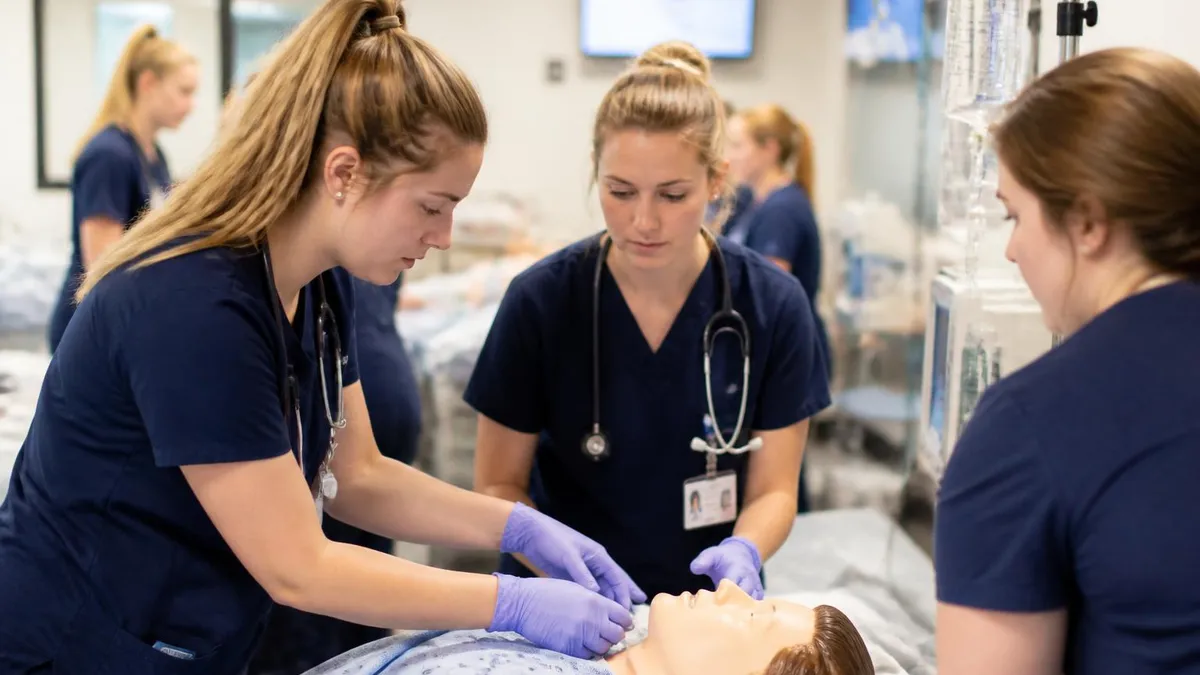
Let's talk money. The median cna salary sits around $38,200 per year nationally — that's about $18.37 per hour. But averages hide a lot of variation. Hospital CNAs in metropolitan areas often earn $42,000 to $48,000. Rural nursing home CNAs might see $28,000 to $32,000. State matters enormously: Alaska, California, and New York pay the highest CNA wages, while southern states tend to sit near the federal minimum for the role.
LPNs earn significantly more. The median LPN salary nationally is $59,730 — roughly $28.72 per hour. That's a $21,000 annual gap between the two roles. The difference comes down to scope: LPNs can administer oral and injectable medications, start IVs in some states, and manage care plans under RN supervision. CNA programs don't cover any of that. More training equals more responsibility equals more pay. Simple math.
Here's where it gets interesting for career planners. CNA-to-LPN bridge programs exist specifically for working CNAs who want to level up without starting from scratch. These programs credit your CNA clinical hours toward the LPN curriculum, cutting 2 to 4 months off the standard timeline. Some employers even pay tuition for bridge programs — especially in underserved areas where LPN shortages are acute.
Wages for a CNA also vary by shift. Night shifts and weekends typically pay a differential of $1 to $3 per hour above base rate. Holiday differentials can hit $5 or more. If you're willing to work the less popular shifts, your effective hourly rate climbs fast. Many CNAs working nights in hospital settings clear $22 to $25 per hour when you factor in differentials and overtime.
CNA vs LPN: Side-by-Side Comparison
CNA Training: 4–12 weeks, 75–150 hours depending on state. Covers vital signs, patient hygiene, mobility assistance, infection control, and basic communication. Cost: $500–$2,000. Many free programs available through employers and community organizations.
LPN Training: 12–18 months in an accredited diploma or certificate program. Covers pharmacology, IV therapy, wound care, patient assessment, and care plan management. Cost: $5,000–$20,000. Financial aid and employer sponsorship often available.
CNA training covers the fundamentals — and only the fundamentals. You'll learn how to take blood pressure readings, assist patients with bathing and dressing, help people transfer from beds to wheelchairs, and document observations for the nursing team. Every state requires you to pass a competency exam after completing your program. That exam proves you can perform these skills safely and consistently. No shortcuts.
The wages for a CNA reflect this focused scope. You're not making clinical decisions or administering drugs. You're providing essential hands-on care that keeps patients clean, comfortable, and safe — work that's physically demanding and emotionally taxing. Most CNA shifts run 8 to 12 hours, and you'll spend the majority of that time on your feet, lifting, turning, and walking patients.
LPN training digs deeper. Pharmacology alone takes months — you need to understand drug interactions, dosage calculations, administration routes, and documentation requirements before anyone lets you give a patient so much as an aspirin. Add wound care protocols, catheterization procedures, and patient assessment frameworks on top of that. It's a lot. That's why LPN programs run 12 to 18 months instead of 12 weeks.
One thing both roles share: continuing education requirements. Most states require CNAs to complete 12 to 48 hours of in-service training annually. LPNs typically need 20 to 30 continuing education units (CEUs) every two years for license renewal. Neither certification is a one-and-done deal — you'll be learning for as long as you're working in healthcare. That's actually a good thing if you plan to advance.
So what is a CNA, really? A Certified Nursing Assistant — sometimes called a nurse aide or patient care technician — is the healthcare worker closest to the patient for the longest stretches. You're the person who notices when someone's skin color changes, when they're not eating, when they seem confused in a way they weren't yesterday. Doctors see patients for minutes. Nurses see them for check-ins. CNAs are there for hours. That proximity matters clinically even though it's rarely acknowledged.
CNA classes teach you the technical skills, but the job itself teaches you observation and instinct. Experienced CNAs spot early signs of urinary tract infections, pressure injuries, and cognitive decline before anyone else on the care team. That's not in the textbook — it comes from repetition and close contact. It's also why many nursing schools value CNA experience in applicants. You've already seen what patient care actually looks like.
CNA training programs typically split time between classroom instruction and supervised clinical hours. The classroom portion covers anatomy basics, infection control, communication with patients and families, nutrition, and legal/ethical responsibilities. Clinical hours put you in a real healthcare facility — usually a nursing home — where you practice skills on actual patients under an instructor's supervision.
The clinical component is where most students decide if this career is right for them. You'll handle bodily fluids. You'll work with patients who are confused, angry, or in pain. You'll lift people who weigh more than you. None of this is glamorous, but it's necessary — and if you can handle the clinical rotation without burning out, you'll almost certainly do fine on the job. Most CNA students who drop out do so during clinicals, not during lectures.
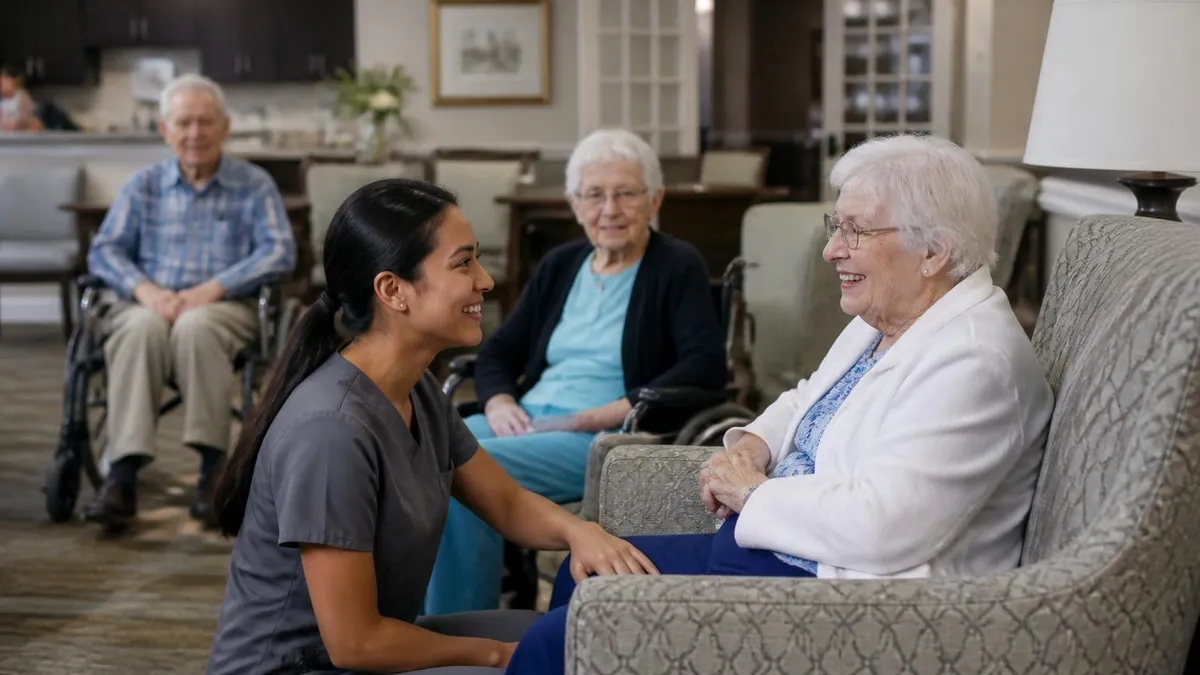
CNA Career: Pros and Cons
- +Fast entry — working in healthcare within 4 to 12 weeks
- +Low training cost — many programs under $1,000 or free through employers
- +High demand in every state with strong job security
- +Hands-on patient interaction builds clinical instincts for future nursing
- +Flexible scheduling with day, evening, night, and weekend shifts available
- +Stepping stone to LPN, RN, or specialized healthcare roles
- −Physically demanding — heavy lifting, long shifts on your feet
- −Lower pay than LPNs, RNs, and most other clinical staff
- −Emotional toll from working with chronically ill or dying patients
- −Limited scope — cannot administer medications or perform clinical procedures
- −High burnout and turnover rates in understaffed facilities
- −Continuing education required annually with no pay increase guaranteed
Pros and Cons at a Glance
| Pros | Cons |
|---|---|
| High demand in every state with strong job security | Physically demanding — heavy lifting, long shifts on your feet |
| Hands-on patient interaction builds clinical instincts for future nursing | Lower pay than LPNs, RNs, and most other clinical staff |
| Flexible scheduling with day, evening, night, and weekend shifts available | Emotional toll from working with chronically ill or dying patients |
| Stepping stone to LPN, RN, or specialized healthcare roles | Limited scope — cannot administer medications or perform clinical procedures |
Getting your cert CNA involves more than just finishing a training program. After you complete your state-approved course, you register for the competency evaluation — usually administered by Pearson VUE or a state-designated testing vendor. The evaluation has two parts: a written (or oral) knowledge test with 60 to 100 multiple-choice questions, and a clinical skills test where you demonstrate 3 to 5 randomly selected nursing assistant skills in front of an evaluator.
A CNA practice test is the single best way to prepare for the knowledge portion. The questions cover infection control, patient rights, communication techniques, safety procedures, body mechanics, nutrition, and basic anatomy. Most state exams pull from the same federal content areas, so national practice tests work well regardless of where you're testing. You need a score of 70% to 80% to pass, depending on your state — don't go in cold.
The skills demonstration trips up more candidates than the written test. You'll draw skills at random from a pool of about 25 — meaning you might get blood pressure measurement and handwashing (easy) or catheter care and range-of-motion exercises (harder). Practice every single skill, not just the ones you're comfortable with. Many testing sites provide 30 minutes for the skills portion, which sounds like a lot until you're nervous and your hands are shaking.
After passing both parts, your name goes on the state nurse aide registry. That's your credential. Employers verify it before hiring you. Keep it active by working at least one paid shift as a CNA within every 24-month period and completing your state's required in-service training hours. Let it lapse and you'll need to retest — some states make you retake the entire program if your certification has been expired for more than a year.
CNA Certification Checklist
- ✓Research your state's specific training hour requirements (75–150 hours)
- ✓Find a state-approved CNA training program — check community colleges, Red Cross, or employer-sponsored options
- ✓Complete all required classroom instruction hours
- ✓Finish supervised clinical rotation at an approved healthcare facility
- ✓Study with CNA practice tests covering all content areas
- ✓Register for the state competency evaluation (Pearson VUE or state vendor)
- ✓Pass the written or oral knowledge examination
- ✓Pass the clinical skills demonstration — practice all 25 potential skills
- ✓Verify your name appears on the state nurse aide registry
- ✓Set calendar reminders for annual continuing education and 24-month renewal deadlines
The pay rate for a CNA varies wildly by geography, setting, and experience. Entry-level CNAs in Mississippi or Arkansas might start at $12 to $13 per hour. The same entry-level position in San Francisco or Seattle pays $20 to $24 per hour. Cost of living explains some of that gap, but not all of it — state Medicaid reimbursement rates directly affect what nursing homes can afford to pay their staff. States that reimburse facilities better tend to pay CNAs better. Period.
Free CNA classes near me is one of the most-searched phrases in healthcare education — and for good reason. Between tuition, textbooks, scrubs, a stethoscope, and the certification exam fee, out-of-pocket costs add up quickly. But free options genuinely exist. The federal government funds CNA training through the Workforce Innovation and Opportunity Act (WIOA). Nursing homes that receive Medicare/Medicaid funding often offer free training as a recruitment tool. Some community organizations and nonprofits — like the Red Cross and Goodwill — run no-cost programs in select cities.
Experience bumps pay significantly. A CNA with three years of experience typically earns $2 to $4 more per hour than a new grad. Specialty certifications help too — becoming a Certified Medication Aide (CMA) or a Restorative Nursing Assistant (RNA) can add $1 to $3 per hour on top of your base rate. These credentials require additional training (usually 40 to 80 hours) but open up responsibilities that many CNAs find more engaging than basic ADL care.
Overtime is real in this field. Staffing shortages mean extra shifts are almost always available. Many facilities pay time-and-a-half after 40 hours per week — and some offer double-time on holidays. A CNA earning $18 per hour base who picks up 8 hours of overtime weekly adds about $700 per month to their take-home. That's not theoretical; it's how most experienced CNAs actually earn closer to $45,000 than the official $38,200 median.
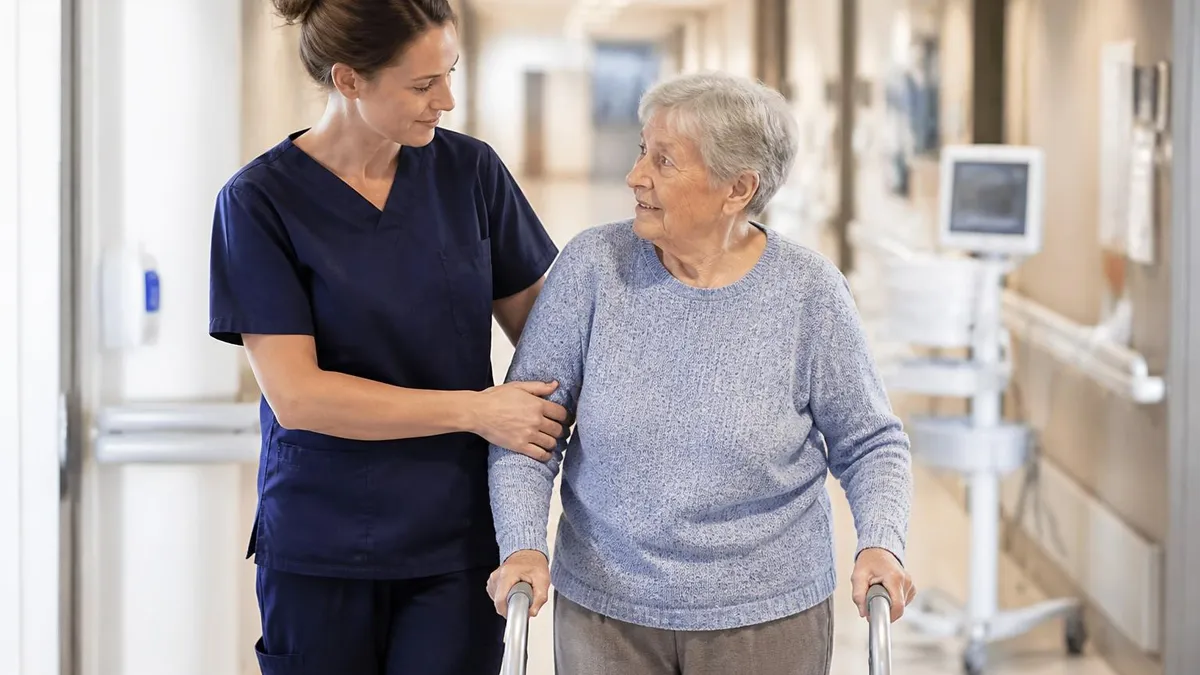
Travel CNA jobs are the wild card in this career field. Travel CNAs work 8- to 13-week contracts at facilities dealing with staffing crises — usually in states they don't live in. Agencies like IntelyCare, Clipboard Health, and ShiftKey connect CNAs with these gigs. Pay ranges from $22 to $35 per hour depending on location and urgency, and most agencies provide housing stipends or furnished apartments on top of the hourly rate.
The catch: travel positions require at least one year of CNA experience and an active certification in the state where you'll be working. Some states have reciprocity agreements that let you transfer your certification without retesting. Others require a separate application and background check — which can take 4 to 8 weeks. Plan ahead if you're considering the travel route.
CNA courses near me is another search worth doing early in your decision process. Not all programs are equal. Look for programs approved by your state board of nursing — unapproved programs won't qualify you for the competency exam, and you'll have wasted time and money. Check pass rates too. Programs with low pass rates are either teaching poorly or admitting students who aren't prepared. A good program should be able to show you a strong first-time pass rate, so ask for its recent results.
Online CNA programs do exist, but they're hybrid at best — the classroom theory portion might be online, but you'll still need in-person clinical hours at an approved facility. Any program claiming to be 100% online for CNA certification is a scam. Full stop. The clinical component requires hands-on patient contact, and no state board waives that requirement. Don't waste money on something that won't lead to a valid certification.
Every state sets its own CNA training hour minimums, exam formats, and renewal cycles. Federal law requires a minimum of 75 hours, but 29 states exceed that — some by double. Always verify requirements through your state's board of nursing or nurse aide registry before enrolling in any program. A program approved in Texas may not satisfy California's requirements.
Free CNA training near me searches spike every January and every September — right when people are making career-change decisions. If you're looking during those windows, act fast. Free programs fill up quickly because demand far outstrips supply. Employer-sponsored programs at nursing homes are the most reliable free option because the facility benefits directly from training you: they get a committed employee for 6 to 12 months, and you get zero-cost training plus a guaranteed job.
CNA on the job looks different depending on where you work. In a hospital, you might be assigned to 6 to 8 patients on a med-surg floor, working alongside RNs and LPNs as part of a care team. In a nursing home, your patient load could hit 10 to 15 — which is where burnout risk goes up. Home health CNAs typically see 3 to 5 patients per day but drive between houses, adding transportation time and costs to the equation.
The emotional side of CNA work doesn't get talked about enough. You'll build relationships with patients — especially in long-term care — and some of them will die. That's not a maybe; it's a certainty. Facilities vary in how much grief support they offer staff, but most don't offer enough. If you're considering this career, honest self-assessment about your emotional resilience matters as much as your physical stamina. Good CNAs care deeply about their patients. That's what makes the job meaningful and what makes it hard.
Night shift CNAs face a different set of challenges. Fewer staff members, more independent decision-making, and patients who may be confused or agitated in the dark. The trade-off is higher pay, quieter stretches between rounds, and a schedule that works for people with daytime obligations like school or childcare. Many CNA-to-LPN bridge students specifically choose night shifts so they can attend classes during the day.
CNA Practice Test Questions
Prepare for the CNA - Certified Nursing Assistant exam with our free practice test modules. Each quiz covers key topics to help you pass on your first try.
CNA Activities of Daily Living
CNA Exam Questions covering Activities of Daily Living. Master CNA Test concepts for certification prep.
CNA Aging Process
Free CNA Practice Test featuring Aging Process. Improve your CNA Exam score with mock test prep.
CNA Anatomy and Physiology Basics
CNA Mock Exam on Anatomy and Physiology Basics. CNA Study Guide questions to pass on your first try.
CNA Assisting with Daily Living
CNA Test Prep for Assisting with Daily Living. Practice CNA Quiz questions and boost your score.
CNA Assisting with Range of Motion Exercises
CNA Questions and Answers on Assisting with Range of Motion Exercises. Free CNA practice for exam readiness.
CNA Basic Human Anatomy and Age-Related Ch...
CNA Mock Test covering Basic Human Anatomy and Age-Related Changes. Online CNA Test practice with instant feedback.
CNA Basic Nursing Skills
Free CNA Quiz on Basic Nursing Skills. CNA Exam prep questions with detailed explanations.
CNA Basic Nursing Skills 10
CNA Practice Questions for Basic Nursing Skills 10. Build confidence for your CNA certification exam.
CNA Basic Nursing Skills 11
CNA Test Online for Basic Nursing Skills 11. Free practice with instant results and feedback.
CNA Basic Nursing Skills 1
CNA Study Material on Basic Nursing Skills 1. Prepare effectively with real exam-style questions.
CNA Basic Nursing Skills 12
Free CNA Test covering Basic Nursing Skills 12. Practice and track your CNA exam readiness.
CNA Basic Nursing Skills 13
CNA Exam Questions covering Basic Nursing Skills 13. Master CNA Test concepts for certification prep.
CNA Basic Nursing Skills 14
Free CNA Practice Test featuring Basic Nursing Skills 14. Improve your CNA Exam score with mock test prep.
CNA Basic Nursing Skills 15
CNA Mock Exam on Basic Nursing Skills 15. CNA Study Guide questions to pass on your first try.
CNA Basic Nursing Skills 16
CNA Test Prep for Basic Nursing Skills 16. Practice CNA Quiz questions and boost your score.
CNA Basic Nursing Skills 17
CNA Questions and Answers on Basic Nursing Skills 17. Free CNA practice for exam readiness.
CNA Basic Nursing Skills 18
CNA Mock Test covering Basic Nursing Skills 18. Online CNA Test practice with instant feedback.
CNA Basic Nursing Skills 19
Free CNA Quiz on Basic Nursing Skills 19. CNA Exam prep questions with detailed explanations.
CNA Basic Nursing Skills 20
CNA Practice Questions for Basic Nursing Skills 20. Build confidence for your CNA certification exam.
CNA Basic Nursing Skills 21
CNA Test Online for Basic Nursing Skills 21. Free practice with instant results and feedback.
CNA Basic Nursing Skills 2
CNA Study Material on Basic Nursing Skills 2. Prepare effectively with real exam-style questions.
CNA Basic Nursing Skills 3
Free CNA Test covering Basic Nursing Skills 3. Practice and track your CNA exam readiness.
CNA Basic Nursing Skills 4
CNA Exam Questions covering Basic Nursing Skills 4. Master CNA Test concepts for certification prep.
CNA Basic Nursing Skills 5
Free CNA Practice Test featuring Basic Nursing Skills 5. Improve your CNA Exam score with mock test prep.
CNA Basic Nursing Skills 6
CNA Mock Exam on Basic Nursing Skills 6. CNA Study Guide questions to pass on your first try.
CNA Basic Nursing Skills 7
CNA Test Prep for Basic Nursing Skills 7. Practice CNA Quiz questions and boost your score.
CNA Basic Nursing Skills 8
CNA Questions and Answers on Basic Nursing Skills 8. Free CNA practice for exam readiness.
CNA Basic Nursing Skills 9
CNA Mock Test covering Basic Nursing Skills 9. Online CNA Test practice with instant feedback.
CNA Basic Restorative Services
Free CNA Quiz on Basic Restorative Services. CNA Exam prep questions with detailed explanations.
CNA Basic Restorative Services 1
CNA Practice Questions for Basic Restorative Services 1. Build confidence for your CNA certification exam.
CNA Bathing and Dressing
CNA Test Online for Bathing and Dressing. Free practice with instant results and feedback.
CNA Body Mechanics
CNA Study Material on Body Mechanics. Prepare effectively with real exam-style questions.
CNA Career Advancement and Opportunities
Free CNA Test covering Career Advancement and Opportunities. Practice and track your CNA exam readiness.
CNA Career Opportunities and Benefits
CNA Exam Questions covering Career Opportunities and Benefits. Master CNA Test concepts for certification prep.
CNA Care for Residents with Cognitive Impa...
Free CNA Practice Test featuring Care for Residents with Cognitive Impairment. Improve your CNA Exam score with mock test prep.
CNA Care of Cognitively Impaired Residents
CNA Mock Exam on Care of Cognitively Impaired Residents. CNA Study Guide questions to pass on your first try.
CNA Care of Cognitively Impaired Residents 1
CNA Test Prep for Care of Cognitively Impaired Residents 1. Practice CNA Quiz questions and boost your score.
CNA Care Of Cognitively Impaired Residents 4
CNA Questions and Answers on Care Of Cognitively Impaired Residents 4. Free CNA practice for exam readiness.
CNA Common Medical Terms and Abbreviations
CNA Mock Test covering Common Medical Terms and Abbreviations. Online CNA Test practice with instant feedback.
CNA Communication and Interpersonal Skills
Free CNA Quiz on Communication and Interpersonal Skills. CNA Exam prep questions with detailed explanations.
CNA Communication and Interpersonal Skills 1
CNA Practice Questions for Communication and Interpersonal Skills 1. Build confidence for your CNA certification exam.
CNA Communication And Interpersonal Skills 4
CNA Test Online for Communication And Interpersonal Skills 4. Free practice with instant results and feedback.
CNA Eligibility and Qualifications
CNA Study Material on Eligibility and Qualifications. Prepare effectively with real exam-style questions.
CNA Emergency Procedure
Free CNA Test covering Emergency Procedure. Practice and track your CNA exam readiness.
CNA Ethics and Professionalism
CNA Exam Questions covering Ethics and Professionalism. Master CNA Test concepts for certification prep.
CNA Exam Structure and Content
Free CNA Practice Test featuring Exam Structure and Content. Improve your CNA Exam score with mock test prep.
CNA Feeding and Hydration
CNA Mock Exam on Feeding and Hydration. CNA Study Guide questions to pass on your first try.
CNA Infection Control
CNA Test Prep for Infection Control. Practice CNA Quiz questions and boost your score.
CNA Infection Control and Safety
CNA Questions and Answers on Infection Control and Safety. Free CNA practice for exam readiness.
CNA Isolation Precautions
CNA Mock Test covering Isolation Precautions. Online CNA Test practice with instant feedback.
CNA Legal & Ethical Behaviours
Free CNA Quiz on Legal & Ethical Behaviours. CNA Exam prep questions with detailed explanations.
CNA Legal & Ethical Behaviours 1
CNA Practice Questions for Legal & Ethical Behaviours 1. Build confidence for your CNA certification exam.
CNA Legal & Ethical Behaviours 4
CNA Test Online for Legal & Ethical Behaviours 4. Free practice with instant results and feedback.
CNA Mental Health and Social Services Needs
CNA Study Material on Mental Health and Social Services Needs. Prepare effectively with real exam-style questions.
CNA Mental Health and Social Services Needs 1
Free CNA Test covering Mental Health and Social Services Needs 1. Practice and track your CNA exam readiness.
CNA Mental Health And Social Services Needs 4
CNA Exam Questions covering Mental Health And Social Services Needs 4. Master CNA Test concepts for certification prep.
CNA Nutrition and Hydration Management
Free CNA Practice Test featuring Nutrition and Hydration Management. Improve your CNA Exam score with mock test prep.
CNA Patient Care Procedure
CNA Mock Exam on Patient Care Procedure. CNA Study Guide questions to pass on your first try.
CNA Personal Care Skills
CNA Test Prep for Personal Care Skills. Practice CNA Quiz questions and boost your score.
CNA Personal Care Skills 1
CNA Questions and Answers on Personal Care Skills 1. Free CNA practice for exam readiness.
CNA Personal Care Skills 4
CNA Mock Test covering Personal Care Skills 4. Online CNA Test practice with instant feedback.
CNA Personal Care Skills 5
Free CNA Quiz on Personal Care Skills 5. CNA Exam prep questions with detailed explanations.
CNA Personal Hygiene and Grooming
CNA Practice Questions for Personal Hygiene and Grooming. Build confidence for your CNA certification exam.
CNA Practice Test - Basic Nursing Skills #2
CNA Test Online for Practice Test - Basic Nursing Skills #2. Free practice with instant results and feedback.
CNA Practice Test - Basic Nursing Skills #2 1
CNA Study Material on Practice Test - Basic Nursing Skills #2 1. Prepare effectively with real exam-style questions.
CNA Preventing Patient Falls and Injuries
Free CNA Test covering Preventing Patient Falls and Injuries. Practice and track your CNA exam readiness.
CNA Promoting Resident Independence and Ch...
CNA Exam Questions covering Promoting Resident Independence and Choice. Master CNA Test concepts for certification prep.
CNA Proper Hand Hygiene and PPE Usage
Free CNA Practice Test featuring Proper Hand Hygiene and PPE Usage. Improve your CNA Exam score with mock test prep.
CNA Resident Rights and Communication
CNA Mock Exam on Resident Rights and Communication. CNA Study Guide questions to pass on your first try.
CNA Resident’s Rights
CNA Test Prep for Resident’s Rights. Practice CNA Quiz questions and boost your score.
CNA Resident's Rights 1
CNA Questions and Answers on Resident's Rights 1. Free CNA practice for exam readiness.
CNA Resident's Rights 4
CNA Mock Test covering Resident's Rights 4. Online CNA Test practice with instant feedback.
CNA Roles and Responsibilities
Free CNA Quiz on Roles and Responsibilities. CNA Exam prep questions with detailed explanations.
CNA Safety and Emergency Procedures
CNA Practice Questions for Safety and Emergency Procedures. Build confidence for your CNA certification exam.
CNA Safety and Emergency Procedures 1
CNA Test Online for Safety and Emergency Procedures 1. Free practice with instant results and feedback.
CNA Safety And Emergency Procedures 4
CNA Study Material on Safety And Emergency Procedures 4. Prepare effectively with real exam-style questions.
CNA Safety and Infection Control
Free CNA Test covering Safety and Infection Control. Practice and track your CNA exam readiness.
CNA Scope of Practice
CNA Exam Questions covering Scope of Practice. Master CNA Test concepts for certification prep.
CNA Skills and Competencies
Free CNA Practice Test featuring Skills and Competencies. Improve your CNA Exam score with mock test prep.
CNA Supporting Rehabilitation Activities
CNA Mock Exam on Supporting Rehabilitation Activities. CNA Study Guide questions to pass on your first try.
CNA The Nurse Aide's Role and Responsibili...
CNA Test Prep for The Nurse Aide's Role and Responsibilities. Practice CNA Quiz questions and boost your score.
CNA Time Management and Prioritization
CNA Questions and Answers on Time Management and Prioritization. Free CNA practice for exam readiness.
CNA Toileting and Elimination
CNA Mock Test covering Toileting and Elimination. Online CNA Test practice with instant feedback.
CNA Using Adaptive Devices
CNA Practice Questions for Using Adaptive Devices. Build confidence for your CNA certification exam.
CNA classes online have exploded since 2020. The theory portion — anatomy, infection control, patient rights, medical terminology — translates well to video lectures and online quizzes. But here's what matters: the clinical portion still happens in person. Most hybrid programs partner with local healthcare facilities to arrange your clinical placement, and you'll need to coordinate schedules, pass a background check, and provide proof of immunizations before setting foot on the floor.
Every CNA job posting lists specific requirements, but they all share a baseline: active state certification, current CPR/BLS card, clean background check, and physical ability to lift at least 35 to 50 pounds. Some facilities add drug screening. Hospitals increasingly require a high school diploma or GED, though nursing homes often don't. If you're comparing roles, an LPN job posting adds: graduation from an accredited LPN program, passing the NCLEX-PN exam, and an active state nursing license.
The CNA-to-RN pipeline is worth mentioning because it changes the entire salary conversation. A CNA earning $38,000 who completes a two-year ADN (Associate Degree in Nursing) program becomes an RN earning $77,000 to $85,000 — more than doubling their income. The LPN-to-RN bridge is faster: usually 12 months of additional coursework. Either way, starting as a CNA gives you clinical hours, patient interaction experience, and a paycheck while you figure out your next move. That's not a consolation prize — it's a strategy.
Bottom line: CNA vs LPN isn't about which role is better. It's about which role fits where you are right now. CNAs get to work faster, earn sooner, and test whether healthcare is their calling without a massive financial commitment. LPNs invest more time and money upfront but earn significantly more from day one and have a broader scope of practice. Either credential opens doors — and neither one locks you in permanently. The healthcare ladder has a lot of rungs, and both CNA and LPN are solid places to start climbing.
Sample CNA Practice Questions
Try these questions from our free CNA practice tests. The correct answer and an explanation follow each question.
How should the CNA handle a wound during a dressing change (if within scope of practice per facility policy)?
- A. Use clean gloves only and bare hands to hold dressing in place
- B. Use sterile technique with sterile gloves and sterile supplies as required
- C. Use the same gloves worn during personal care
- D. Apply dressing without gloves for better feel
Answer: B. Use sterile technique with sterile gloves and sterile supplies as required
Wound care typically requires sterile or at minimum clean technique depending on wound type and facility policy, always with appropriate gloves to prevent infection.
Which of the following tasks falls within the CNA's scope of practice?
- A. Changing sterile wound dressings independently
- B. Administering intravenous medications
- C. Measuring and recording vital signs
- D. Diagnosing a resident's skin condition
Answer: C. Measuring and recording vital signs
Measuring and recording vital signs (temperature, pulse, respiration, and blood pressure) is within the CNA's scope of practice. Tasks such as sterile dressing changes, IV medications, and diagnoses require higher licensure.
A newly certified CNA is negotiating their first job offer. Which of the following employer benefits is most directly valuable to a new healthcare worker's long-term career development?
- A. Free parking at the facility
- B. Tuition reimbursement for nursing education
- C. Discounts at the facility cafeteria
- D. Flexible dress code on non-patient care days
Answer: B. Tuition reimbursement for nursing education
Tuition reimbursement directly funds further education toward nursing licensure, dramatically reducing the financial barrier to career advancement and enabling the CNA to grow professionally while working.
A resident grimaces and says 'ouch' during a ROM exercise. What is the FIRST action the CNA should take?
- A. Stop the exercise immediately and notify the nurse
- B. Continue the exercise since some discomfort is expected
- C. Apply a warm compress to the area
- D. Document the complaint and finish the session
Answer: A. Stop the exercise immediately and notify the nurse
Pain during ROM is a signal to stop immediately and report to the nurse before continuing.
Take the full CNA practice test
If you want more targeted practice, the cna jobs indianapolis page covers the same material with additional questions and explanations.
If you want more targeted practice, the cna jobs nyc page covers the same material with additional questions and explanations.
If you want more targeted practice, the point care click cna page covers the same material with additional questions and explanations.
CNA Questions and Answers
Sources & last verified
- Centers for Medicare & Medicaid Services — passing score, retake policy (official source). “The State shall establish the passing standard for the written or oral examination and for the skills demonstration.” Verified Oct 14, 2026.
- archive.regulations.delaware.gov — validity (official source). “CNA certification shall be effective for 2 years following the date of issue and shall expire 2 years following such date” Verified Oct 14, 2026.
- cdph.ca.gov — renewal (official source). “Certificates are renewed every two years, and the required training is 48 hours of in-service training or continuing education” Verified Oct 14, 2026.
- prometric.com — other (official source). “Effective August 1, 2026, the following exam pricing will be implemented” Verified Oct 14, 2026.
- prometric.com — other (official source). “Effective July 1, 2026, the following exam pricing will be implemented: $34 written, $34 oral, plus test site fees” Verified Oct 14, 2026.
How we verify: editorial & fact-checking policy. Report an error: contact us.
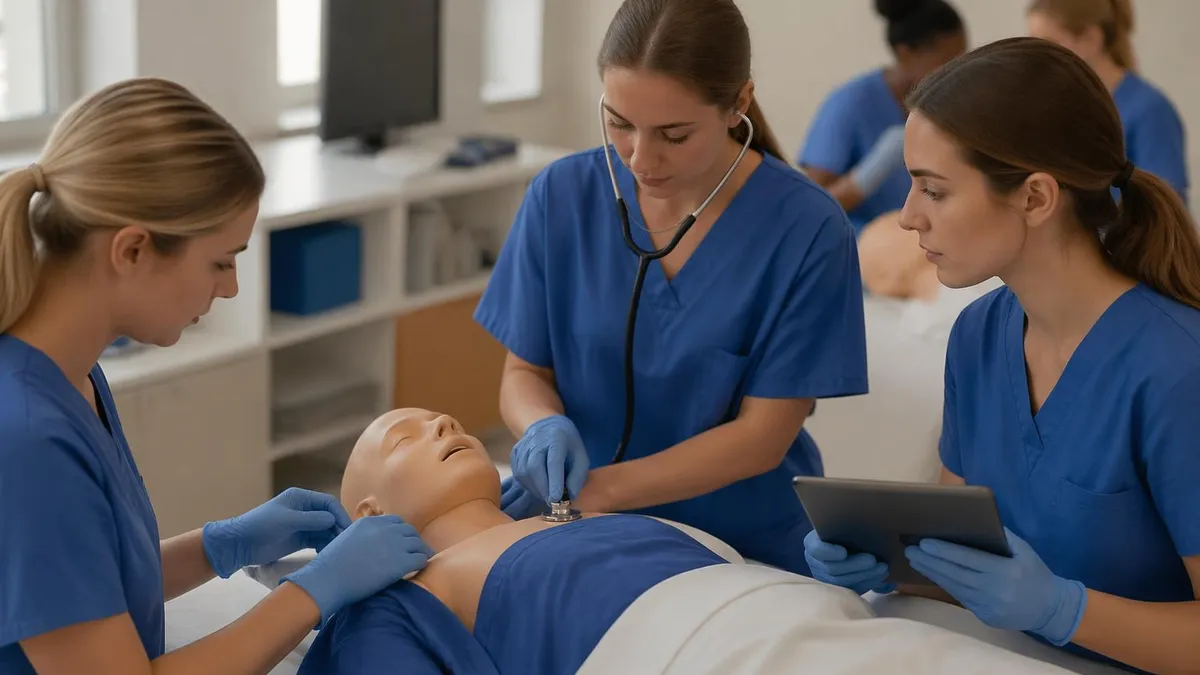
Restorative CNA: Duties, Training, Salary & How to Get Started
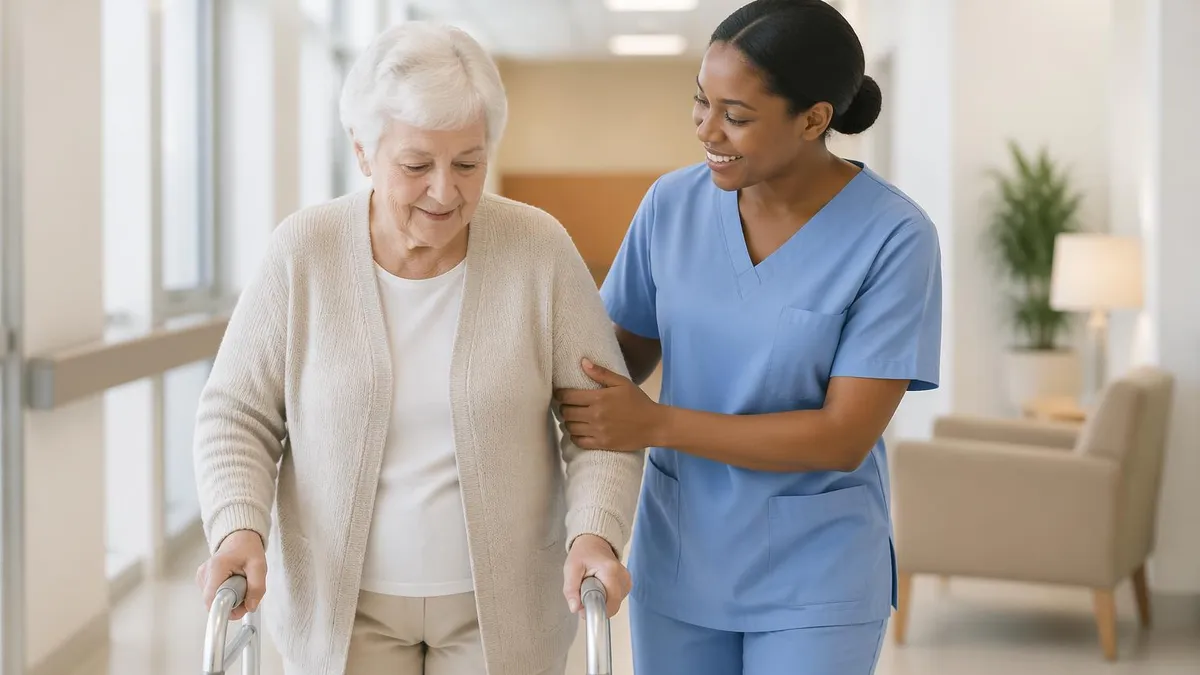
CNA Hospital Jobs Near Me: How to Find, Apply & Get Hired in 2026

Goodwill CNA Program: Free Classes, Costs, and How to Enroll

Hospice CNA: Duties, Salary, Per Diem Work & How to Get Started
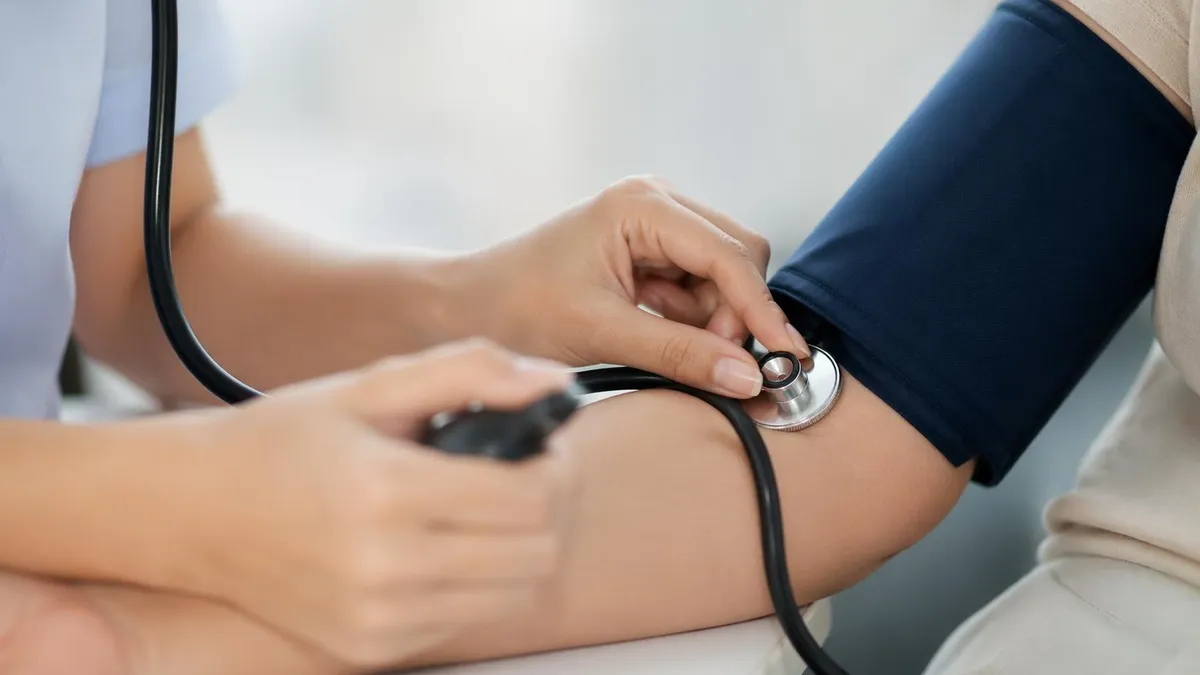
4-Week CNA Program: Online Options, State Programs & How to Enroll
How this page was made: written with AI tools. Exam facts are checked against the official sources listed below. Not reviewed by a subject-matter expert. Editorial policy
Sources & references
Exam facts on this page (fees, format, dates, passing scores) are checked against these official sources; the date is our last check. Editorial policy
- floridasnursing.gov — Eligibility, exam format · verified Oct 2026
- law.cornell.edu — Eligibility · verified Oct 2026
- law.cornell.edu — Test delivery · verified Oct 2026
- prometric.com — Exam information · verified Oct 2026