
Forklift Rental Near Me: Complete Guide to Hiring Forklifts in Hillsdale NY and Beyond
Forklift rental near me: complete guide to hiring forklifts in Hillsdale NY. Compare daily rates, electric vs LP models, operator certification, and 🗨️
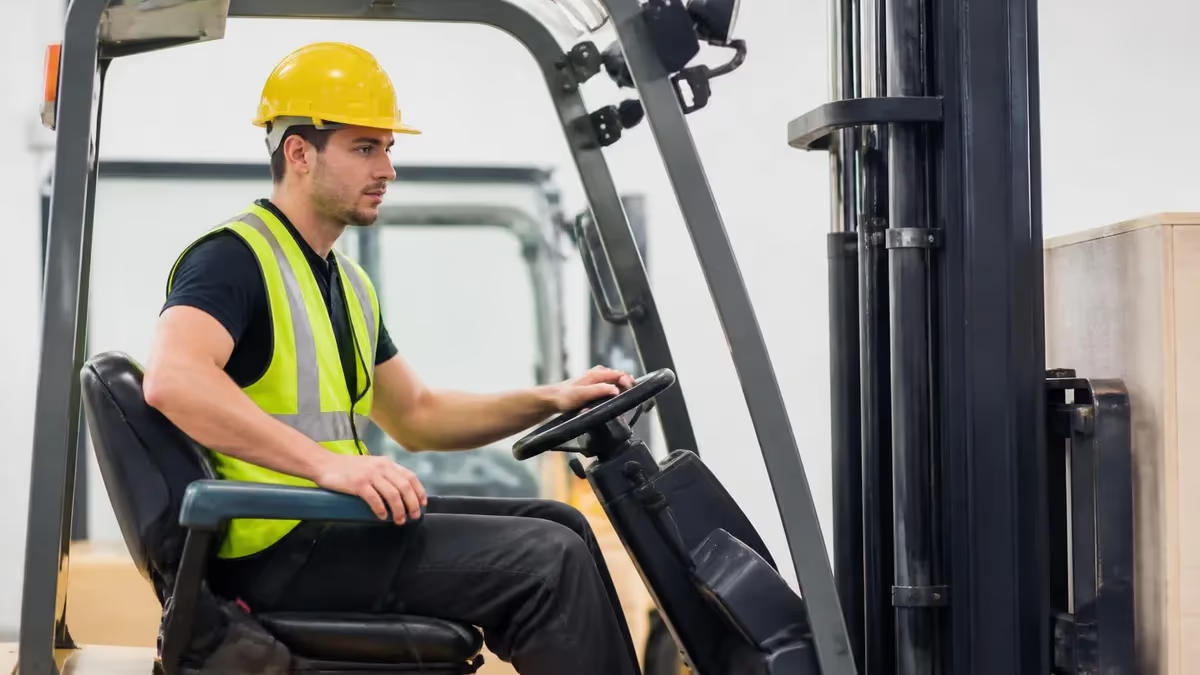
Finding the right forklift rental in Hillsdale NY can feel overwhelming when you are juggling project deadlines, budget constraints, and operator certification requirements all at once. Whether you run a small warehouse off Route 22, manage a construction project in Columbia County, or need temporary lift capacity for a single weekend job, the local rental market offers more flexibility than most operators realize. This guide walks through every angle of forklift rental, from daily rates to operator training, so you can make an informed decision the first time.
The phrase forklift rental near me gets searched nearly 10,000 times every month in the United States, and for good reason. Buying a new forklift outright costs anywhere from $20,000 to $60,000 depending on capacity, fuel type, and attachments. For seasonal businesses, contractors handling one-off projects, or warehouses experiencing temporary inventory spikes, renting makes far more financial sense than tying up capital in equipment that will sit idle for months at a time.
Hillsdale NY sits in a sweet spot for rental availability. The town is within easy driving distance of major rental hubs in Hudson, Pittsfield MA, and Albany, which means delivery fees stay reasonable and equipment selection is broad. Most regional rental yards stock everything from 3,000-pound electric walkies to 15,000-pound diesel pneumatic-tire machines built for rough outdoor terrain, so you rarely have to compromise on the right tool for the job.
Beyond just the truck itself, smart renters also think about forklift rentals near me in terms of total cost of ownership during the rental window. That includes delivery and pickup charges, fuel or charging arrangements, damage waivers, and whether the rental house offers a certified operator if you do not have one on staff. Skipping any of these conversations upfront leads to surprise charges on the final invoice, which we see complaints about constantly in local trade groups.
OSHA regulations under 29 CFR 1910.178 still apply even when you rent rather than buy. That means every operator must hold a current certification of forklift training specific to the class of truck they are using. A renter cannot legally hand the keys to an uncertified worker, and the equipment supplier is not responsible for verifying that your operators have the proper credentials. Enforcement audits target rental users specifically because the paper trail is often thin.
Throughout this guide we will cover rental rates by class, the differences between electric forklifts and internal combustion models, what to expect on delivery day, how to handle minor breakdowns mid-rental, and which questions to ask before signing any contract. We also pulled real data from rental houses serving the Hudson Valley and Berkshires to give you accurate pricing benchmarks rather than national averages that rarely reflect what you will actually pay in Columbia County.
By the end of this guide you will know exactly how to compare quotes, when to choose a stand up forklift over a sit-down model, how to schedule operator training alongside your rental, and what red flags to watch for in rental agreements. Hillsdale operators, contractors, and warehouse managers should walk away with a clear action plan and the confidence to negotiate fair terms with any local rental provider.
Forklift Rental Near Me by the Numbers

Forklift Rental Options and Truck Classes
Cushion-tire electric forklifts ideal for indoor warehouse work on smooth floors. Quiet operation, zero emissions, and capacities from 3,000 to 12,000 pounds. Most popular rental for food, pharma, and retail distribution applications.
Stand up forklift designed for tight warehouse aisles and tall racking up to 30 feet. Common rental choice when retailers reorganize inventory or contractors need temporary high-bay capacity during expansions.
LP, gas, or diesel powered units with capacities from 5,000 to 35,000 pounds. Class IV uses cushion tires for indoor surfaces, while Class V pneumatic tires handle gravel lots, construction sites, and outdoor lumber yards.
Heavy-duty pneumatic-tire trucks built for construction sites, masonry yards, and unimproved outdoor work. Often rented alongside scaffolding for short-duration building projects in rural Columbia County and the Berkshires.
Rental rates for forklifts in the Hillsdale NY corridor follow a predictable structure once you understand the three tiers: daily, weekly, and monthly. A 5,000-pound cushion-tire propane forklift typically rents for $175 to $225 per day, $625 to $750 per week, and $1,800 to $2,200 per month. The longer your commitment, the lower the effective daily cost, which is why most contractors recommend booking a full week even if your project only spans four working days.
Electric forklifts in the same capacity range run slightly higher on the daily rate, usually $200 to $250, because the rental yard has to factor in battery wear and charger drop-off logistics. However, electric units save money on the back end since you avoid propane refills that can add $30 to $50 per tank over a busy week. For indoor jobs lasting more than three days, the math almost always favors electric rentals when you total all the consumable costs.
Rough terrain forklifts and high-capacity units above 10,000 pounds carry premium pricing. Expect $350 to $500 per day for a 10,000-pound pneumatic-tire truck, and rates climb steeply from there. A 15,000-pound diesel unit can easily hit $750 per day or $2,800 per week. These are specialty rentals, so call at least a week ahead to lock in availability, especially during peak construction season from April through October.
Delivery charges deserve careful scrutiny because they vary wildly between rental houses. Some quote a flat round-trip fee like $175 for anywhere within a 25-mile radius, while others charge by the mile at $4 to $6 each way. For Hillsdale customers ordering from Albany-based yards, that 35-mile haul can add $280 or more to your invoice if billed by mileage. Always ask for an itemized quote that separates equipment rental, delivery, fuel, and any environmental surcharges.
Damage waivers and protection plans typically add 10 to 15 percent on top of the base rental rate. While optional, they are usually worth the cost given how easily forks, masts, and overhead guards can take damage from inattentive operators. Without a waiver, even a bent fork can cost $400 to $600 to replace at retail. Read the waiver carefully because most exclude tire damage from running over debris, operator misuse, and damage from overloading beyond rated capacity.
Fuel and battery policies create the second-biggest source of unexpected charges. Propane units must be returned with a full tank or you will pay a $40 to $75 refill fee plus the fuel itself at retail rates. Electric units must come back fully charged, and some contracts allow the rental yard to charge a recharge fee plus battery wear assessments if the battery was deeply discharged. Document the fuel or charge level on delivery photos to prevent disputes.
Finally, factor in operator wage costs if you do not have certified staff. Some rental yards offer operator services at $55 to $85 per hour with a four-hour minimum, which can quickly outpace the equipment rental itself. If your project will last more than two weeks, investing in forklift training for one or two of your own employees almost always pays back faster than continuously paying for outside operators.
Forklift certification Practice Test Questions
Prepare for the Forklift certification Certification exam with our free practice test modules. Each quiz covers key topics to help you pass on your first try.
Forklift certification Certification Forkl...
Forklift certification Exam Questions covering Certification Forklift certification Maintenance and Repairs. Master Forklift certification Test concepts for certification prep.
Forklift certification Certification Forkl...
Free Forklift certification Practice Test featuring Certification Forklift certification Maintenance and Repairs Questions and Answers. Improve your Forklift certification Exam score with mock test prep.
Forklift certification Certification Forkl...
Forklift certification Mock Exam on Certification Forklift certification Operator Training and Certification Requirements. Forklift certification Study Guide questions to pass on your first try.
Forklift certification Certification Forkl...
Forklift certification Test Prep for Certification Forklift certification Operator Training and Certification Requirements Questions and Answers. Practice Forklift certification Quiz questions and boost your score.
Forklift certification Load Handling and S...
Forklift certification Questions and Answers on Load Handling and Stability. Free Forklift certification practice for exam readiness.
Forklift certification OSHA Regulations an...
Forklift certification Mock Test covering OSHA Regulations and Compliance. Online Forklift certification Test practice with instant feedback.
Forklift certification Pre-Operation Inspe...
Free Forklift certification Quiz on Pre-Operation Inspections. Forklift certification Exam prep questions with detailed explanations.
Forklift certification Refueling and Recha...
Forklift certification Practice Questions for Refueling and Recharging Procedures. Build confidence for your Forklift certification certification exam.
Forklift certification Safe Driving and Ma...
Forklift certification Test Online for Safe Driving and Maneuvering. Free practice with instant results and feedback.
Forklift certification Workplace Hazard Id...
Forklift certification Study Material on Workplace Hazard Identification. Prepare effectively with real exam-style questions.
Forklift certification Forklift Instructions
Free Forklift certification Test covering Forklift Instructions. Practice and track your Forklift certification exam readiness.
Forklift certification Forklift MCQ
Forklift certification Exam Questions covering Forklift MCQ. Master Forklift certification Test concepts for certification prep.
Forklift certification Forklift Employer R...
Free Forklift certification Practice Test featuring Forklift Employer Responsibilities. Improve your Forklift certification Exam score with mock test prep.
Forklift certification Forklift Penalties ...
Forklift certification Mock Exam on Forklift Penalties for Non-Compliance. Forklift certification Study Guide questions to pass on your first try.
Electric Forklift vs Internal Combustion Rental
Electric forklifts dominate indoor warehouse rentals because they emit zero exhaust, run quietly, and cost less to operate over the long haul. A typical 5,000-pound electric sit-down rental in the Hillsdale NY area runs $200 to $250 per day, with weekly rates between $750 and $900. Battery runtime on a full charge typically covers a single eight-hour shift, and most rental units come with on-board chargers that plug into standard 240-volt outlets.
The trade-off is charging logistics. You need somewhere to park the truck overnight with access to a properly rated outlet, and opportunity charging during breaks extends battery life significantly. Cold storage facilities and food distributors prefer electric exclusively because there is no risk of carbon monoxide contamination. For any indoor application longer than a few days, an electric forklift typically delivers the lowest total cost of operation despite the slightly higher base rental rate.

Should You Rent or Buy a Forklift?
- +No upfront capital outlay of $20,000 to $60,000 per unit
- +Maintenance and repairs are the rental company's responsibility
- +Flexibility to match truck class to specific project requirements
- +Easy to scale up during seasonal peaks without long-term commitment
- +Newer equipment with current safety features and ergonomics
- +Try different models before committing to a long-term purchase decision
- +No depreciation, insurance overhead, or storage costs to manage
- −Higher cost per hour if you need a forklift for daily ongoing operations
- −Limited customization options compared to purchasing your own equipment
- −Subject to availability during peak season when rental demand spikes
- −Damage liability can be significant if waivers are declined or excluded
- −Operator certification still required even on rented equipment
- −Delivery and pickup logistics add cost and scheduling complexity
Pre-Rental Forklift Inspection Checklist
- ✓Verify the hour meter reading matches the rental contract documentation
- ✓Inspect forks for cracks, bending, or excessive heel wear beyond 10 percent
- ✓Test all hydraulic functions including lift, tilt, side shift, and any attachments
- ✓Confirm horn, backup alarm, headlights, and strobe lights all operate correctly
- ✓Check tire condition for chunking, cuts, or excessive wear on pneumatic models
- ✓Photograph the entire truck from all four sides to document existing damage
- ✓Verify the data plate matches the truck and lists correct capacity ratings
- ✓Test parking brake engagement and service brake responsiveness before driving
- ✓Confirm the seat belt is present, functional, and free from cuts or fraying
- ✓Review the operator manual location and emergency shutdown procedures with the delivery driver
Book by Friday for Monday Delivery
Most rental houses serving Columbia County complete their delivery routes Tuesday through Thursday. Booking your rental by Friday afternoon for Monday morning delivery virtually guarantees on-time arrival, while last-minute Monday calls often push your delivery to Wednesday. For weekend projects, schedule pickup for Tuesday rather than Monday to save a full day of rental charges.
Operator certification is the most commonly overlooked piece of the forklift rental puzzle, and it is also the single biggest source of OSHA citations for small businesses. Under 29 CFR 1910.178, every forklift operator must complete formal training, hands-on evaluation, and receive a certification of forklift competency specific to the class of truck and the workplace conditions where they will operate. Renting equipment does not exempt your business from this requirement. The employer using the truck is always responsible.
Certification has three components: classroom or online instruction covering OSHA regulations and safe operating practices, hands-on training with a qualified evaluator, and a final performance evaluation conducted on the specific truck class. The whole process typically takes four to eight hours for a new operator and one to two hours for a refresher. Certifications expire every three years, and operators must be re-evaluated immediately after any accident, near miss, or change in equipment class.
If you rent forklifts only occasionally, paying for outside operators usually makes more sense than training your own staff. Most rental yards offer certified operators at $55 to $85 per hour with a four-hour minimum. For a one-day project, this adds $440 or so to your bill, which is still cheaper than enrolling someone in a $150 certification course they will not use again for months.
For businesses renting forklifts more than four times per year, training your own operators delivers fast payback. Online forklift training courses cost between $50 and $150 per operator, and many providers include the hands-on evaluation when you bring a rented unit on site. Some rental companies will even conduct the hands-on portion themselves for an additional fee when they deliver the equipment, which simplifies the whole process.
Documentation matters more than most operators realize. OSHA inspectors and insurance adjusters will both ask for written records showing the operator name, training date, evaluator name, truck class certified for, and the next required evaluation date. Keep these records for at least three years past the most recent certification, and store digital copies in a cloud folder so you can produce them instantly during an audit or after an incident.
Certain operators face stricter rules. Anyone under 18 cannot legally operate a powered industrial truck in non-agricultural settings, regardless of training. Operators with vision issues, certain medications, or recent injuries may need medical clearance before resuming duties. The rental house cannot verify any of this for you, which is why the responsibility rests entirely with the employer renting the equipment.
Refresher training should happen whenever an operator switches to a different class of truck. A worker certified on Class IV cushion-tire propane forklifts cannot legally jump on a Class VII rough-terrain unit without additional training and evaluation. This trips up many small contractors who rent different equipment for each project. Build refresher training into your project planning timeline so you never face a Friday afternoon scramble to certify someone before Monday's delivery.

Letting an uncertified operator run a rented forklift exposes your business to OSHA fines starting at $16,131 per violation as of 2026, with willful violations reaching $161,323. The rental contract does not protect you. Document every operator's certification before they touch the equipment, and never assume the delivery driver checked credentials on your behalf.
Insurance and contract terms generate more disputes than any other aspect of forklift rental, so understanding the fine print before you sign saves significant headaches later. Standard rental agreements typically require you to maintain commercial general liability coverage with minimum limits of $1 million per occurrence, plus property damage coverage equal to the replacement value of the equipment. Many small contractors discover too late that their personal or basic business policies do not extend to rented heavy equipment.
Damage waivers offered by rental yards reduce but do not eliminate your liability. A typical waiver running 10 to 15 percent of the rental cost covers accidental damage but excludes operator negligence, overloading, theft when the equipment is left unsecured overnight, and damage from running over debris on tires. Read the exclusions carefully because rental houses interpret these strictly when filing damage claims at the end of a rental period.
Contract length and early termination clauses deserve attention. Most weekly and monthly contracts include penalty fees if you return the equipment early, since the rental house counted on your full booking when allocating fleet inventory. Conversely, extending a rental past the agreed return date almost always converts to daily rates rather than continuing at the discounted weekly or monthly rate. Plan your timeline conservatively and add a buffer day to avoid both penalty scenarios.
Some contracts include automatic renewal clauses for monthly rentals, which silently extend your commitment if you do not notify the rental yard in writing within a specified window, often 7 to 14 days before the renewal date. Mark these dates on your calendar the day you sign the contract. Failing to notify can lock you in for another full month at full price, even if you only needed the equipment for an extra week.
Fuel, charging, and cleaning charges are the three most common surprises on final invoices. Returning a propane truck with less than a full tank, an electric unit needing more than overnight charging, or a forklift covered in mud and debris all trigger separate fees. Document the equipment condition with timestamped photos at both delivery and pickup so you have evidence if charges are disputed later. Look up forklift rentals near me reviews to identify rental houses with reputations for fair invoicing versus those known for nickel-and-diming customers on return inspections.
Sub-rental and relocation clauses prohibit you from moving the equipment to a different job site or letting another contractor use it without written approval. Violations can void the damage waiver and trigger immediate contract termination. If your project location might change, negotiate this flexibility into the contract upfront rather than calling for permission mid-rental when the rental house has use to charge a relocation fee.
Finally, dispute resolution clauses often require arbitration in the rental company's home jurisdiction, which can be inconvenient for renters in rural areas. Most disputes never reach that level, but knowing the process upfront helps you decide whether to push back on initial damage assessments or accept proposed settlements. Document everything from delivery through pickup, and you will rarely face serious dispute scenarios in the first place.
Practical tips from experienced renters can save you hundreds of dollars and days of project delay if you apply them from the start. First, build a relationship with one or two local rental houses rather than always shopping for the lowest quote. Repeat customers consistently get priority access to fleet during shortages, faster service calls when problems arise, and small concessions like waived delivery fees that more than offset minor pricing differences between yards.
Second, ask about used forklift for sale options if your rental needs are becoming chronic. Most rental yards rotate fleet every three to five years and sell off-rent units at substantial discounts. A three-year-old 5,000-pound electric forklift with verified maintenance history might cost $14,000 to $18,000 used, compared to $32,000 new. For businesses renting more than 12 weeks per year, owning often beats continuous renting on a five-year total cost basis.
Third, always schedule operator training to coincide with rental delivery rather than after the equipment arrives. New operators who train on the actual equipment they will use perform their hands-on evaluation more confidently, and the rental company's delivery driver can often double as the qualified evaluator for an additional fee. This bundled approach saves time and produces stronger documentation for your OSHA file.
Fourth, inspect the equipment thoroughly at delivery and document everything with timestamped photos and video. Walk around the entire unit with the delivery driver present, note any existing damage on the delivery receipt, and refuse to sign until both parties acknowledge the equipment's condition. This single step prevents 80 percent of all end-of-rental damage disputes and protects you from charges related to wear and tear that existed before you took possession.
Fifth, learn basic operator-level maintenance to handle minor issues without calling for service. Topping off hydraulic fluid, checking battery water levels on electric units, replacing fuses, and clearing minor hydraulic leaks at fittings can keep your project moving when waiting for a technician would cost half a day. Major repairs always fall to the rental yard, but operators who handle small issues themselves typically finish projects ahead of schedule.
Sixth, plan your project layout to minimize forklift travel distance and turning. Renting a stand up forklift instead of a sit-down model can dramatically improve maneuverability in tight warehouses, while choosing pneumatic tires versus cushion tires matters significantly on uneven surfaces. Matching the truck to the actual job conditions reduces operator fatigue, equipment wear, and damage incidents that could trigger waiver exclusions on your final invoice.
Finally, build a 10 percent contingency into your rental budget for unexpected costs like fuel surcharges, minor damage assessments, or schedule extensions. Projects almost always run longer than initial estimates, and the buffer prevents budget overruns from becoming bigger conversations with management or clients. Renters who plan conservatively from day one consistently report better outcomes than those who book the absolute minimum rental window and scramble to extend mid-project.
Forklift Questions and Answers
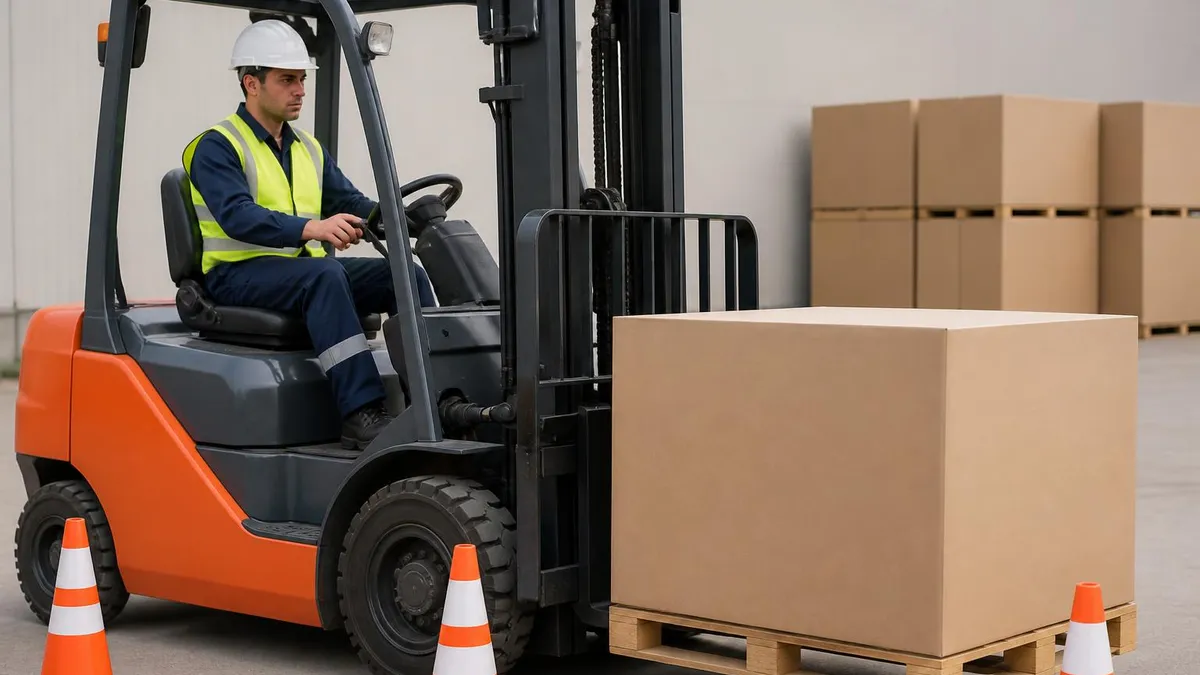
Forklift Tires: Complete Guide to Types, Sizing, Wear Patterns, and Replacement Costs
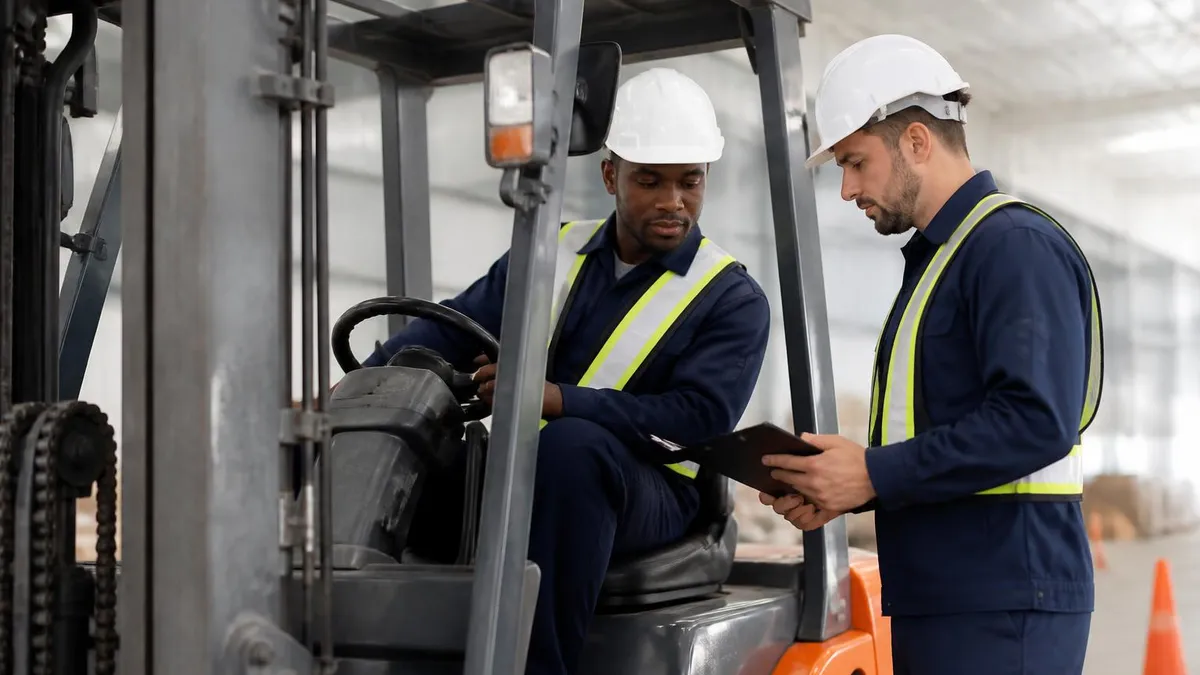
Forklift Operator Duties: Complete Guide to Daily Responsibilities, Safety Tasks, and Career Path for 2026
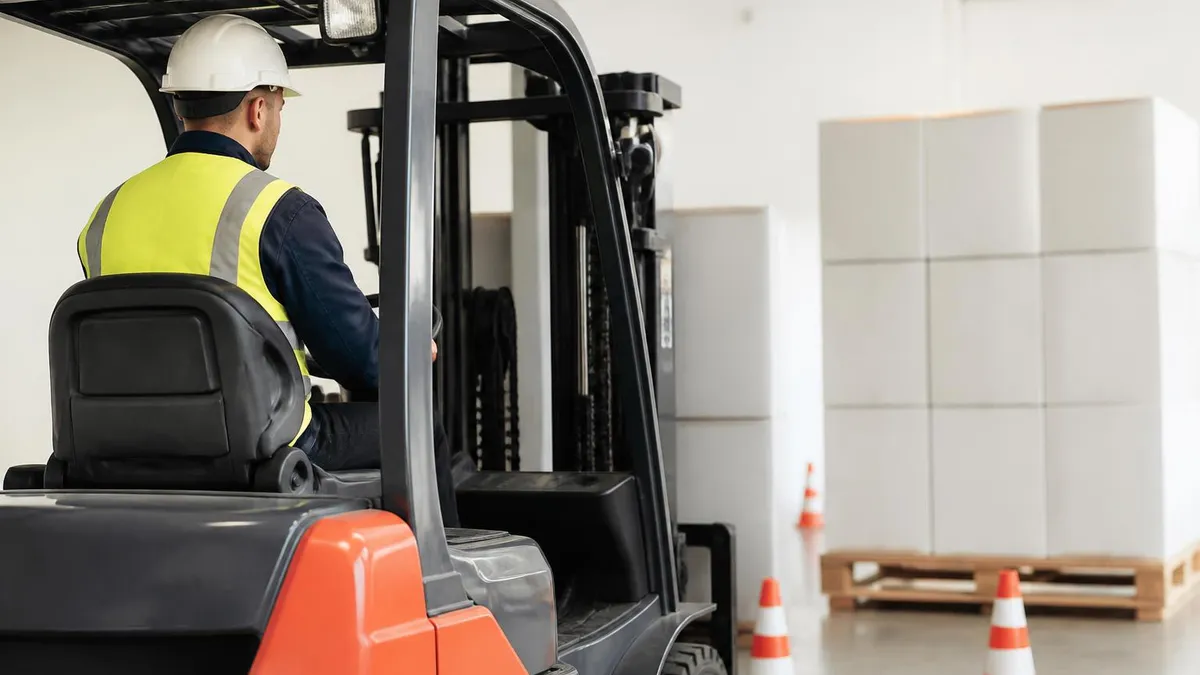
Forklift License Renewal: Complete Guide to Forklift License Expiry, OSHA Recertification, and Operator Requirements for 2026
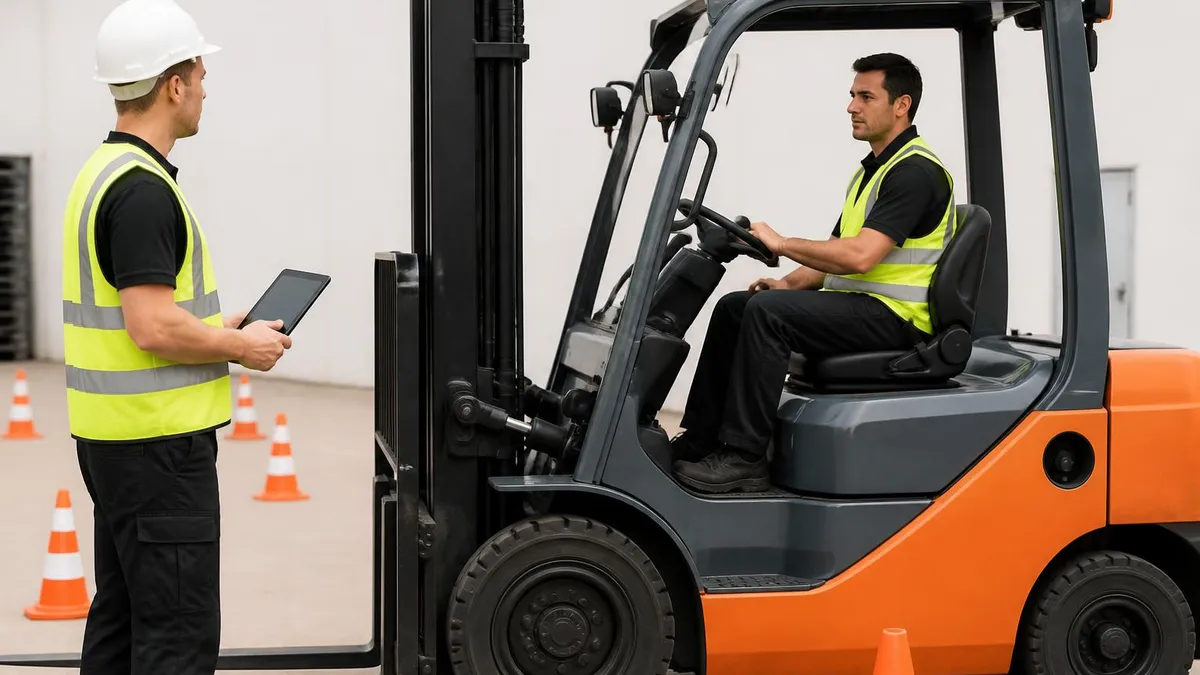
Forklift Safety Training: Complete OSHA Compliance Guide for Operators and Employers
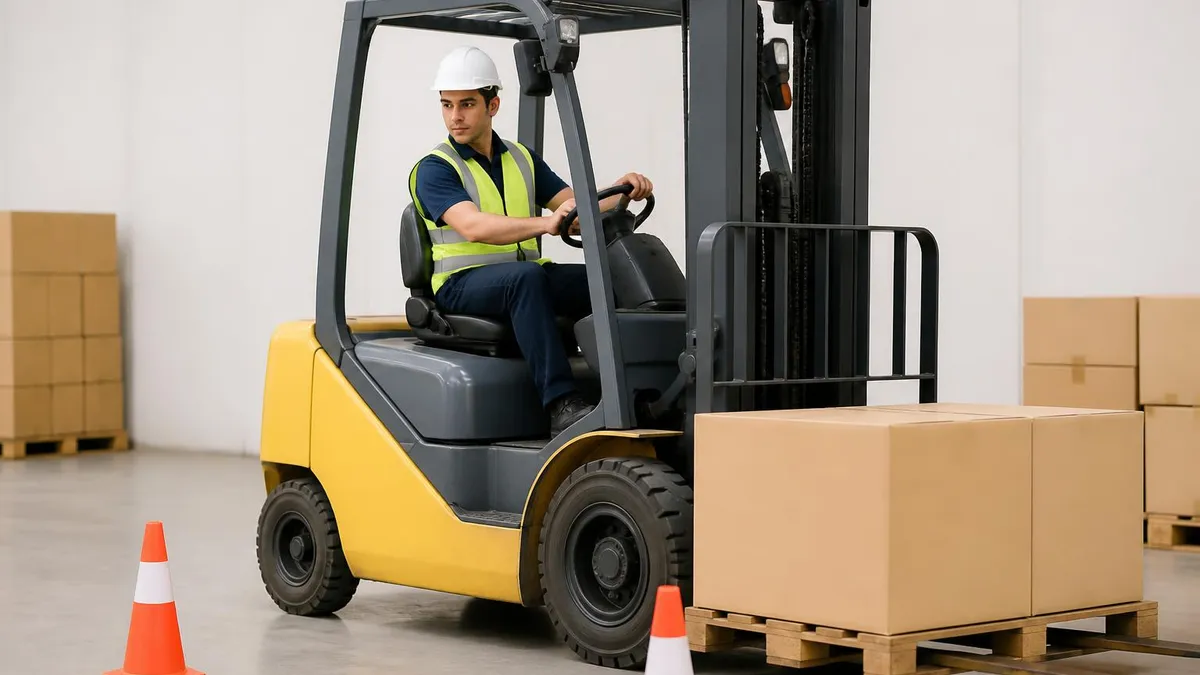
Forklift Repair Service: Complete Guide to Costs, Common Repairs, and Choosing the Right Technician
About the Author

Certified Crane Operator & Skilled Trades Exam Specialist
Ferris State UniversityRobert Martinez is a Journeyman Ironworker, NCCCO-certified crane operator, and forklift trainer with a Bachelor of Science in Construction Technology from Ferris State University. He has 21 years of ironworking, rigging, and heavy equipment operation experience across high-rise and industrial construction sites. Robert prepares candidates for crane operator, rigger, forklift, and skilled trades certification examinations.