
CPR Certification Colorado: Complete Guide to ACLS Algorithm, PALS Certification, and Life Support Training in 2026 September
📗 Get CPR certified in Colorado. Learn ACLS algorithm, PALS certification, infant CPR, AED use, and life support training requirements for 2026 September.
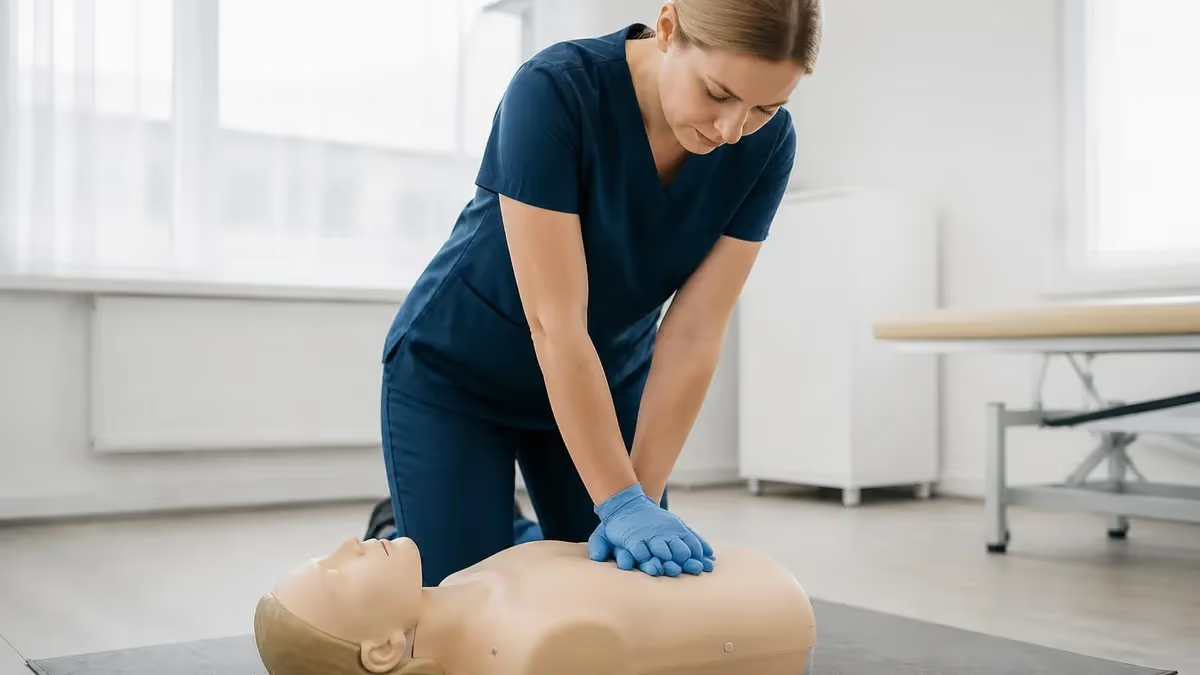
CPR colorado training gives residents, healthcare professionals, and community members the emergency skills needed to act decisively when cardiac arrest strikes. Every year, more than 350,000 cardiac arrests occur outside of hospitals in the United States, and survival rates more than double when a bystander begins CPR within the first two minutes. Colorado's high-altitude environment, active outdoor recreation culture, and diverse healthcare workforce make proper life support training especially important for anyone who lives or works in the state.
Whether you are pursuing a basic certification for personal preparedness or advancing toward the ACLS algorithm mastery required by hospital credentialing committees, Colorado offers dozens of accredited training sites across the Front Range, the Western Slope, and rural communities in between. The American Heart Association, the Red Cross, and the National CPR Foundation all operate course networks in the state, ensuring that no matter where you live, a recognized certification is accessible within a reasonable drive or, in many cases, online.
Understanding what each certification level covers — from hands-only CPR through advanced cardiovascular life support — helps you choose the right course the first time and avoid paying for training that either undershoots or overshoots your professional requirements. A nursing student, for example, needs a BLS Healthcare Provider card, while an emergency physician must maintain both ACLS and potentially PALS certification depending on the patient population they serve. Getting matched to the correct credential saves time, money, and frustration at credential renewal time.
This guide walks through every layer of the certification landscape available in Colorado, explains how to decode the ACLS algorithm, clarifies what does AED stand for and how to use one during an emergency, and covers the special techniques required for infant CPR and pediatric emergencies. You will also find information on respiratory rate monitoring, the recovery position, and how continuing education requirements differ by profession and employer across the state.
If you are searching for cpr certification colorado classes near you, this article will give you the background knowledge you need to make an informed choice before you register. We cover both in-person and blended learning options, explain what to expect on the skills assessment, and outline the renewal timelines that keep your card valid and accepted by Colorado employers and licensing boards.
It is worth noting that some internet searches for "CPR cell phone repair" or "CPR phone repair" are actually looking for the national phone-repair franchise rather than cardiopulmonary resuscitation courses. While those are entirely different services, this article is focused exclusively on lifesaving CPR and cardiovascular emergency training. If you landed here by accident, a quick search refinement will point you toward the right resource. If you are here for emergency medical training, keep reading — you are in exactly the right place.
Throughout this guide, look for actionable steps, real-world numbers, and clinical context that will help you not just pass a certification exam but actually perform under pressure. CPR is a perishable skill, and the best training programs in Colorado build muscle memory through repeated practice, realistic mannequins, and scenario-based coaching that mirrors the chaos of a true cardiac emergency.
CPR Certification in Colorado by the Numbers
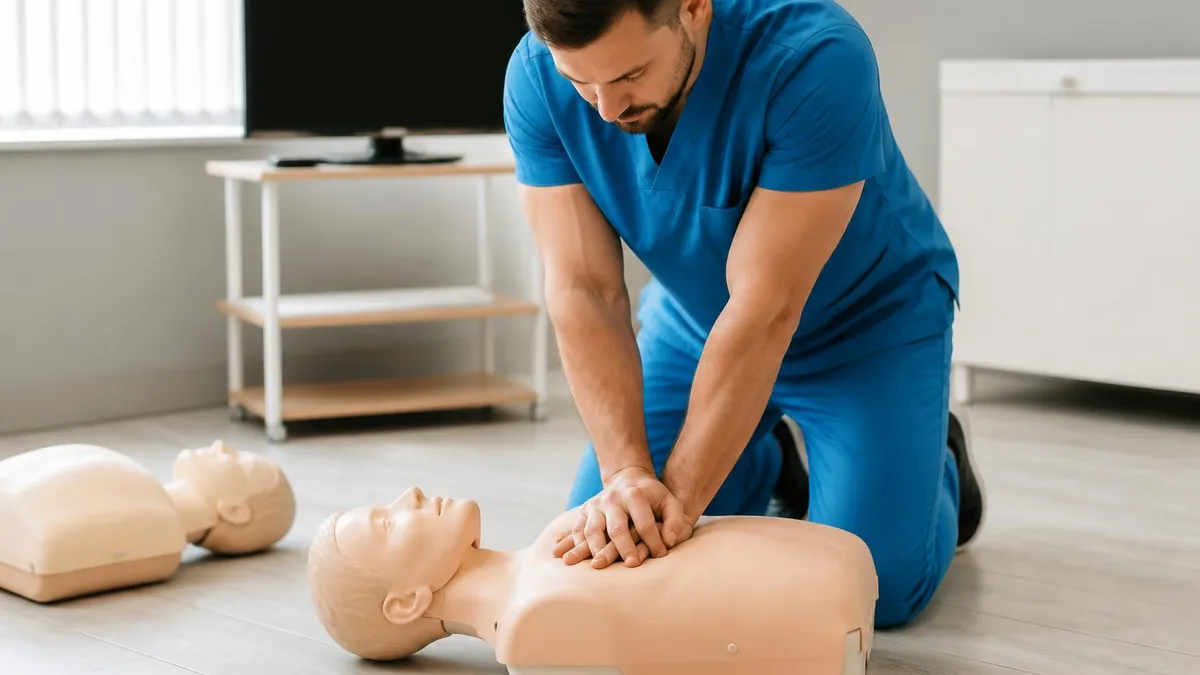
Colorado CPR Certification: Step-by-Step Path
Determine Your Required Certification Level
Choose an Accredited Colorado Training Provider
Complete Didactic and Skills Training
Pass Written Exam and Skills Assessment
Receive Your Certification Card
Plan Your Renewal Before Expiration
The ACLS algorithm is the structured decision-making framework that guides healthcare providers through complex cardiac and respiratory emergencies. Developed by the American Heart Association and updated on a five-year cycle based on the latest resuscitation science, the algorithm covers ventricular fibrillation, pulseless ventricular tachycardia, pulseless electrical activity, and asystole as well as tachycardia and bradycardia with a pulse. Mastering this framework is essential for anyone working in a Colorado emergency department, intensive care unit, cardiac catheterization lab, or pre-hospital transport environment.
At the core of every ACLS scenario is high-quality CPR — chest compressions at a rate of 100 to 120 per minute, a depth of at least two inches in adults, full chest recoil between compressions, and minimal interruptions of no more than ten seconds. The algorithm layers pharmacology, advanced airway management, and rhythm interpretation on top of this foundation. Epinephrine 1 mg IV/IO every three to five minutes is the primary vasopressor for all shockable and non-shockable rhythms, while amiodarone 300 mg IV is the first antiarrhythmic given for refractory ventricular fibrillation after the third shock.
Understanding the difference between shockable and non-shockable rhythms is the first cognitive branch point in the ACLS algorithm. Ventricular fibrillation and pulseless ventricular tachycardia are shockable rhythms: the algorithm calls for immediate defibrillation, two minutes of CPR, rhythm check, and repeat shock if indicated. PEA and asystole are non-shockable: defibrillation is contraindicated, and the priority shifts to identifying and reversing the underlying cause using the Hs and Ts mnemonic — hypovolemia, hypoxia, hydrogen ion, hypo/hyperkalemia, hypothermia, tension pneumothorax, tamponade, toxins, and thrombosis.
Colorado's ACLS courses spend significant time on post-cardiac arrest care, which is the phase that begins once return of spontaneous circulation is achieved. Targeted temperature management, hemodynamic optimization, and 12-lead ECG interpretation to identify ST-elevation MI requiring emergent catheterization are all covered. Providers also learn to assess and support respiratory rate as part of the ventilatory management protocol, because both hyperventilation and hypoventilation worsen neurological outcomes after cardiac arrest and must be actively avoided during resuscitation and the post-ROSC period.
Advanced airway devices including supraglottic airways and endotracheal tubes are introduced in ACLS training, but the algorithm makes clear that airway placement should never come at the cost of interrupting chest compressions. The current evidence supports a compression-to-ventilation ratio of 30:2 until an advanced airway is in place, at which point asynchronous ventilation at eight to ten breaths per minute is given while compressions continue uninterrupted. This means monitoring respiratory rate closely to avoid over-ventilation, which can impair venous return and reduce coronary perfusion pressure during CPR.
Simulation-based ACLS training is particularly effective in Colorado because many healthcare systems have invested in high-fidelity simulation centers. Facilities like UCHealth, SCL Health, and Children's Hospital Colorado offer internal ACLS courses using mannequins that provide real-time feedback on compression depth and rate. Even if your employer provides training, reviewing the AHA ACLS Provider Manual before the course dramatically improves performance, as the written exam tests both algorithm knowledge and pharmacology recall that benefits from pre-study.
For those preparing independently, taking a structured practice test that mirrors the ACLS written exam format helps identify knowledge gaps in rhythm recognition, drug dosing, and algorithm sequencing before the live course. Combining self-study with hands-on simulation practice produces the best outcomes — both for passing the exam and, more importantly, for being ready to lead an actual resuscitation on a Colorado hospital floor or in a mountain rescue scenario where the ACLS algorithm may be your most critical cognitive tool.
CPR Practice Test Questions
Prepare for the CPR Cardiopulmonary Resuscitation Practice exam with our free practice test modules. Each quiz covers key topics to help you pass on your first try.
CPR Basic CPR
CPR Exam Questions covering Basic CPR. Master CPR Test concepts for certification prep.
CPR and First Aid
Free CPR Practice Test featuring and First Aid. Improve your CPR Exam score with mock test prep.
CPR (Cardiopulmonary Resuscitation) Adult ...
CPR Mock Exam on (Cardiopulmonary Resuscitation) Adult CPR and AED Usage. CPR Study Guide questions to pass on your first try.
CPR (Cardiopulmonary Resuscitation) Airway...
CPR Test Prep for (Cardiopulmonary Resuscitation) Airway Obstruction and Choking. Practice CPR Quiz questions and boost your score.
CPR (Cardiopulmonary Resuscitation) Cardio...
CPR Questions and Answers on (Cardiopulmonary Resuscitation) Cardiopulmonary Emergency Recognition. Free CPR practice for exam readiness.
CPR (Cardiopulmonary Resuscitation) Child ...
CPR Mock Test covering (Cardiopulmonary Resuscitation) Child and Infant CPR. Online CPR Test practice with instant feedback.
CPR (Cardiopulmonary Resuscitation) High-P...
Free CPR Quiz on (Cardiopulmonary Resuscitation) High-Performance Team Dynamics. CPR Exam prep questions with detailed explanations.
CPR (Cardiopulmonary Resuscitation) Legal ...
CPR Practice Questions for (Cardiopulmonary Resuscitation) Legal and Ethical Considerations. Build confidence for your CPR certification exam.
CPR for Specific Populations
CPR Test Online for for Specific Populations. Free practice with instant results and feedback.
CPR Airway & Breathing Management
CPR Exam Questions covering Airway & Breathing Management. Master CPR Test concepts for certification prep.
CPR Assessment & Recognition of Cardiac Ar...
Free CPR Practice Test featuring Assessment & Recognition of Cardiac Arrest. Improve your CPR Exam score with mock test prep.
CPR Chest Compressions & Defibrillation
CPR Mock Exam on Chest Compressions & Defibrillation. CPR Study Guide questions to pass on your first try.
CPR Post-Resuscitation Care & Recovery
CPR Test Prep for Post-Resuscitation Care & Recovery. Practice CPR Quiz questions and boost your score.
PALS Certification, Infant CPR, and What Does AED Stand For
PALS certification — Pediatric Advanced Life Support — is required for nurses, physicians, and respiratory therapists who care for critically ill children in Colorado hospitals and emergency departments. The course covers recognition and management of respiratory distress, respiratory failure, shock, cardiac arrest, and arrhythmias in infants and children. Candidates learn to apply the PALS systematic approach, interpret pediatric rhythms, and select weight-based drug dosages using the Broselow tape and Handtevy system.
Colorado children's hospitals and pediatric ICUs typically require PALS renewal every two years, aligned with the AHA certification cycle. The initial PALS course runs eight to twelve hours and includes both a written exam and multiple skills stations covering bag-mask ventilation, IO access, defibrillation, and leadership during simulated pediatric megacodes. Nurses transitioning from adult units to pediatric or neonatal settings in Colorado should prioritize PALS certification before their first clinical shift, as it forms the foundation of pediatric emergency response competency.
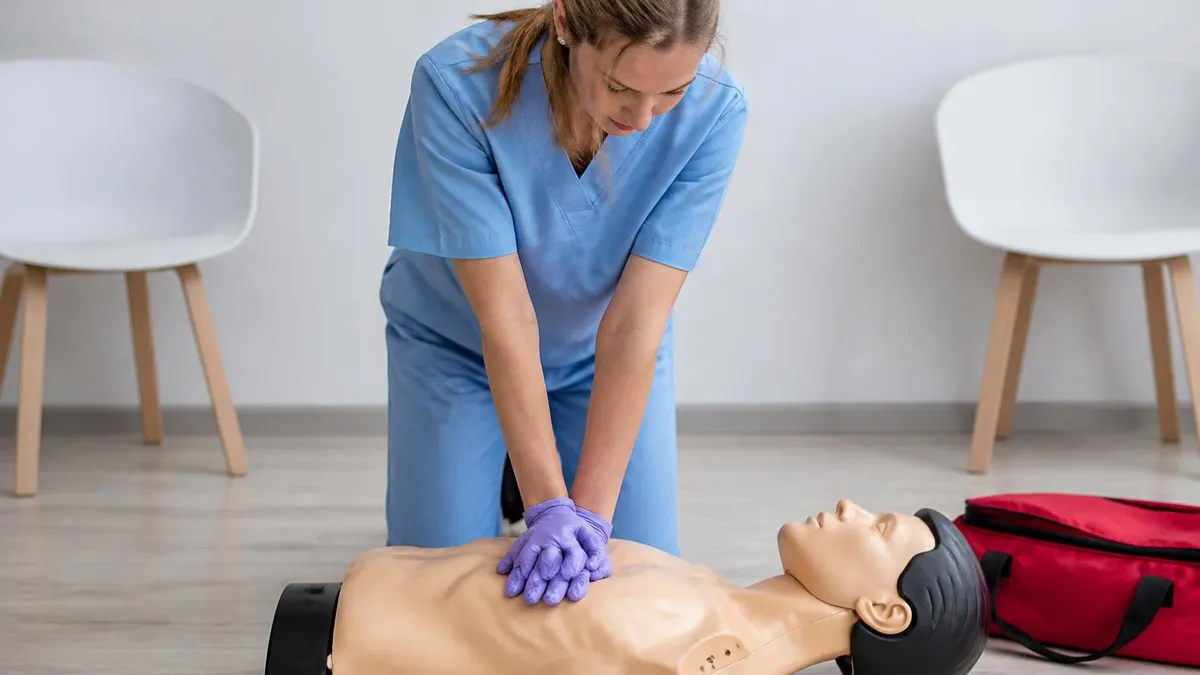
In-Person vs. Online Blended CPR Training in Colorado
- +In-person courses provide real mannequin practice that builds genuine muscle memory for compression depth and hand placement
- +Instructors give immediate corrective feedback on technique errors that online videos cannot replicate
- +Group scenario practice simulates the communication and team dynamics of a real cardiac arrest response
- +Skills stations cover AED pad placement, bag-mask ventilation, and two-rescuer CPR that require physical equipment
- +Certification is issued on the same day, satisfying urgent employer or licensing board deadlines
- +Hands-on megacode practice for ACLS and PALS reduces anxiety and improves performance in real emergencies
- −Scheduling conflicts and travel time to a Colorado training site can be significant, especially in rural areas
- −In-person-only format is less flexible for shift workers, healthcare students, and parents with childcare constraints
- −Group courses may move too quickly or too slowly for individual learners compared to self-paced online content
- −Course seats are limited and may be fully booked weeks in advance during busy renewal periods
- −Some employers do not accept blended or online-only certification, requiring an additional in-person skills check
- −Equipment sharing in group classes raises hygiene concerns that some participants find uncomfortable
Colorado CPR Certification Preparation Checklist
- ✓Confirm which certification level your employer or Colorado licensing board requires before registering.
- ✓Verify that your chosen provider is an authorized AHA Training Center, Red Cross chapter, or National CPR Foundation affiliate.
- ✓Review the AHA BLS, ACLS, or PALS Provider Manual at least one week before your scheduled course date.
- ✓Practice compression rate (100–120/min) and depth (2+ inches for adults) on a foam cushion or practice board at home.
- ✓Memorize the ACLS algorithm Hs and Ts for reversible causes of cardiac arrest before the written exam.
- ✓Confirm the course format — in-person only vs. HeartCode blended — and complete any online modules before your skills day.
- ✓Bring a valid photo ID to the training site; most Colorado providers require it for card issuance.
- ✓Wear comfortable, loose-fitting clothing that allows you to kneel and lean forward for extended compression practice.
- ✓Note your card's expiration date immediately and set a calendar reminder 90 days before renewal is due.
- ✓Ask your employer's education department if they reimburse CPR certification costs — many Colorado health systems do.
High Altitude Affects Resuscitation Physiology
At elevations above 5,000 feet — common throughout Colorado — lower atmospheric oxygen levels mean that effective rescue breathing and high-quality chest compressions are even more critical than at sea level. Several Colorado training programs incorporate altitude-specific guidance into their BLS and ACLS curricula, reminding providers that hypoxia can develop faster and that aggressive early airway management is especially warranted in mountain rescue scenarios.
Life support training in Colorado spans a broad spectrum of credentials, from community-level basic life support to hospital-based advanced certifications that qualify professionals for the most critical clinical environments in the state. Understanding where each certification fits within a healthcare career helps providers plan their continuing education budgets and ensures they are never caught with an expired or mismatched credential when a credentialing committee or travel nursing agency asks for documentation.
Basic Life Support, commonly called BLS, is the entry-level healthcare provider certification issued by the American Heart Association. It covers single- and two-rescuer adult, child, and infant CPR, AED use, relief of foreign-body airway obstruction, and the use of a bag-mask device. Every Colorado nurse, EMT, medical assistant, dental hygienist, physical therapist, and similarly licensed professional is expected to maintain a current BLS card as a condition of employment. The course is deliberately kept short — three to four hours — because the AHA wants no barriers to initial certification.
Advanced Cardiovascular Life Support, or ACLS, builds on BLS and is required for registered nurses working in emergency departments, step-down units, and ICUs across Colorado, as well as for physicians in virtually all acute care specialties. The ACLS algorithm course teaches rhythm recognition, pharmacological interventions, and the leadership skills needed to run a resuscitation team. Initial ACLS certification is more time-intensive than BLS, but the two-year renewal course is significantly shorter and available in blended format through most Colorado AHA Training Centers.
PALS certification targets providers who work with pediatric patients in emergency and critical care settings. Colorado children's hospitals such as Children's Hospital Colorado in Aurora and Pediatric Subspecialty Partners in Colorado Springs require PALS for all nurses and physicians in their emergency departments and PICUs. The course mirrors the ACLS structure but applies pediatric-specific physiology, weight-based drug dosing, and age-appropriate compression and ventilation techniques for neonates, infants, children, and adolescents.
The National CPR Foundation offers an online-first certification pathway that many Colorado employers accept for Heartsaver-equivalent lay rescuer credentials. Their courses cover standard adult CPR, AED use, choking response, and optional first aid modules. Healthcare facilities that require AHA-specific cards for credentialing will not accept these in lieu of BLS, ACLS, or PALS, so always confirm your employer's accepted providers before purchasing a National CPR Foundation course for professional use.
Colorado's Emergency Medical Services community has its own certification ladder governed by the Colorado Office of EMS and the National Registry of Emergency Medical Technicians. EMT-Basic, Advanced EMT, and Paramedic certifications all require BLS as a prerequisite and build additional skills on top of that foundation. Paramedics practicing advanced life support in the field must maintain ACLS-equivalent competencies, though the specific card requirements vary by employer and regional EMS protocols that differ across Colorado's 64 counties.
For professionals pursuing the recovery position and other first responder skills outside of a hospital context, Colorado also has a robust Wilderness First Responder and Wilderness First Aid training community. Organizations like NOLS and Wilderness Medical Associates offer multi-day courses in mountain settings that teach how to adapt standard CPR protocols when evacuation is hours away and how to assess respiratory rate, pulse quality, and mental status in austere environments. These certifications complement rather than replace standard BLS or ACLS credentials for healthcare professionals who also engage in outdoor recreation or wilderness medicine.
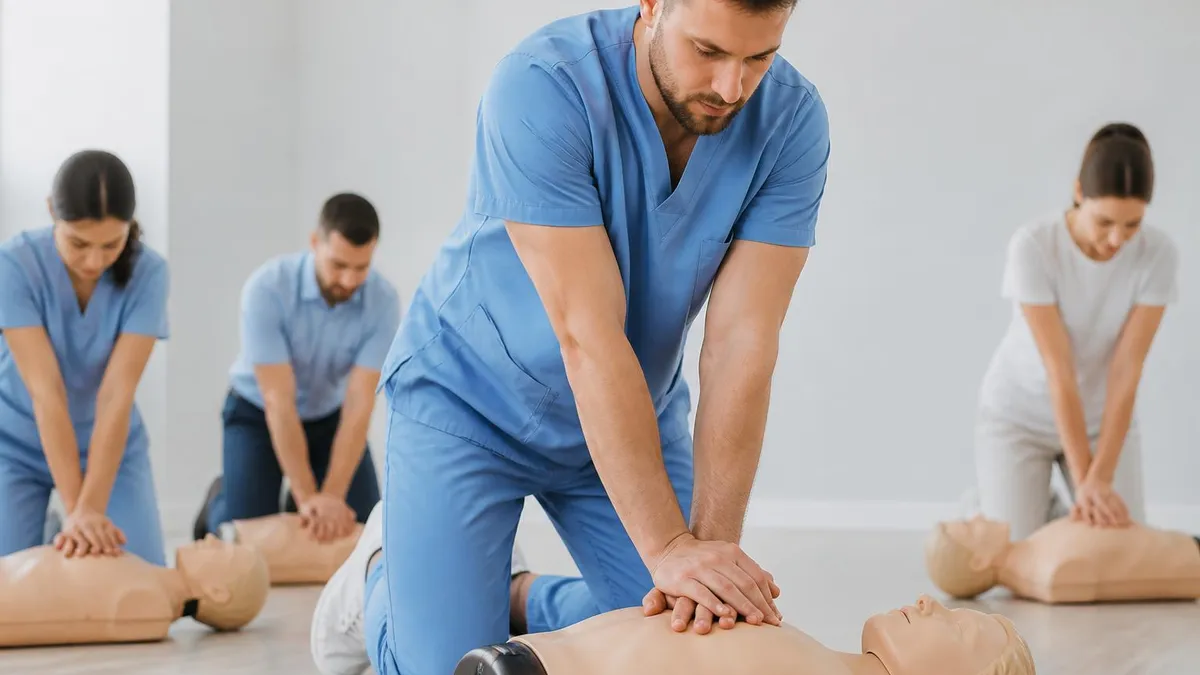
Many Colorado hospitals and long-term care facilities will remove a provider from the schedule — and some will initiate termination proceedings — if their CPR certification lapses, even by a single day. Because renewal courses require a skills check that must be scheduled in advance, waiting until the month your card expires is risky. Register for renewal at least 60 to 90 days before your expiration date to guarantee you have a valid, unexpired card on file with your employer at all times.
Renewing your CPR certification in Colorado is more straightforward than the initial course, but it requires the same planning and intentionality if you want to avoid a lapse. The AHA's HeartCode BLS, HeartCode ACLS, and HeartCode PALS blended learning programs allow providers to complete the didactic portion online at their own pace and then schedule a brief in-person skills check at any participating Colorado Training Center. This format has become the dominant renewal pathway for busy healthcare professionals because it compresses the skills-check day to two hours or less while maintaining the full competency validation required for credentialing.
The skills check portion of a HeartCode renewal assesses the same core competencies as the initial course — compression quality, AED operation, bag-mask ventilation, and for ACLS and PALS, the megacode scenario. Instructors are required to verify that providers demonstrate the minimum acceptable performance standards before issuing a renewal card. In practice, most providers who completed the online modules and did some self-directed practice on a compression feedback device or training mannequin pass the skills check with ease on the first attempt.
Colorado employers have different policies on who pays for CPR renewal and whether it must be completed on a specific platform. Large hospital systems like UCHealth, SCL Health, and Centura Health typically offer internal renewal courses through their education departments at no cost to employees, often during scheduled orientation or mandatory annual education days. Smaller clinics, private practices, and community health centers may ask employees to self-fund renewal and provide reimbursement upon submission of the completed card, so clarify this policy before booking an external course.
Travel nurses and locum tenens physicians working in Colorado must be especially careful about certification currency and platform acceptance. Many Colorado facilities that use travel staffing agencies specify in their contracts that AHA cards are required — not Red Cross or National CPR Foundation equivalents. If your current card is from a non-AHA provider, convert to an AHA certification before your next Colorado contract to avoid administrative delays at onboarding that could push back your start date by days or weeks.
For non-clinical professionals such as teachers, coaches, corporate safety officers, and fitness instructors working in Colorado, the Heartsaver CPR AED course is the most appropriate renewal pathway. This course covers hands-only and rescue-breath CPR for adults, children, and infants, plus AED operation and basic first aid if the combined course is selected. Colorado school districts increasingly require Heartsaver or equivalent certification for all staff, not just physical education teachers, as part of their emergency response planning mandated by state education guidelines.
Community CPR training programs run by Colorado fire departments, hospitals, and public health departments also offer free or low-cost hands-only CPR training at community events throughout the year. These programs do not issue a certification card but are valuable for refreshing skills between formal renewals and for training family members, neighbors, and community members who may be present during a cardiac emergency. Denver Health, Poudre Valley Health System, and Centura Health's community benefit programs have all run large-scale community CPR initiatives in recent years, training thousands of Coloradans in basic lifesaving techniques at no charge.
No matter which renewal pathway you choose, the goal is the same: maintaining the confidence and competence to act quickly and correctly when someone near you goes into cardiac arrest. Research consistently shows that CPR quality degrades within months of initial training without reinforcement, which is why the two-year renewal cycle exists and why some high-acuity Colorado units require annual mock codes and quarterly BLS refresher drills in addition to formal certification renewal. Treating CPR as an ongoing skill rather than a one-time credential is the mindset that saves lives when it matters most.
Preparing effectively for your Colorado CPR certification exam requires more than simply showing up on course day. The written portion of BLS, ACLS, and PALS exams tests specific knowledge that rewards pre-study, and the skills stations reward deliberate physical practice that cannot be faked by reading alone. The most successful candidates divide their preparation into three phases: conceptual review, algorithm memorization, and hands-on simulation in the week leading up to the course.
Start your conceptual review by reading the relevant AHA Provider Manual cover-to-cover at least one week before the course. The manual is the authoritative source for exam questions, and instructors are required to test only content covered in it. Pay special attention to the summary boxes, algorithm flowcharts, and drug dosing tables, as these are the most commonly tested sections. Highlight or bookmark the key algorithms — the BLS adult chain of survival, the ACLS cardiac arrest algorithm, and for PALS, the pediatric systematic assessment — because you will be expected to recall them during the megacode scenarios.
Algorithm memorization is best achieved through active recall rather than passive reading. Write out the ACLS algorithm from memory, check it against the manual, and repeat until you can produce it without errors. Pay attention to the specific branch points: when to shock vs. when not to, when to give epinephrine vs. amiodarone, and how to cycle through two-minute CPR intervals with a rhythm check at each pause.
Practicing with a study partner who plays the role of team leader while you play a team member helps embed the communication patterns and closed-loop verification steps that ACLS evaluators specifically observe during the megacode.
For the skills stations, set aside at least two sessions of physical practice before your course date. If you have access to a training mannequin with a feedback device, use it to verify that your compression depth reaches two inches and that your rate stays within the 100 to 120 per minute target range. If not, use a firm cushion and a metronome app on your phone set to 110 beats per minute to calibrate your rhythm. Practice transitioning smoothly from compressions to AED use and back, minimizing hands-off time to under ten seconds at each transition.
On exam day in Colorado, arrive at the training site at least fifteen minutes early to get settled, review any posted materials, and ask your instructor about the format of the megacode scenario. Most ACLS instructors will tell you whether they are using a ventricular fibrillation scenario, a PEA scenario, or a combination, which allows you to mentally rehearse the correct algorithm branch before the scenario begins. Stay calm during the skills stations — instructors are looking for systematic thinking, appropriate communication, and safe technique, not perfection under stress.
After completing your certification, reinforce your skills proactively. Set a reminder to review the ACLS algorithm flowchart every three months, volunteer as a BLS instructor or skills station assistant to deepen your own understanding through teaching, and participate in your employer's mock code drills whenever possible. Colorado hospitals that run high-frequency simulation programs consistently report better real-world resuscitation outcomes, and the individual providers who engage most actively with those programs are the ones who perform best when a real cardiac arrest occurs at 3 a.m. on a busy night shift.
Finally, consider the value of taking a practice test before your written exam. Online CPR practice question banks mirror the format, difficulty level, and topic distribution of official AHA exams and are an efficient way to identify specific knowledge gaps — whether that is a drug dose you keep misremembering, a rhythm recognition mistake on a strip that looks similar to another, or a step in the recovery position sequence that you consistently get out of order.
A targeted 30-minute practice session on the topics where you score lowest is often more valuable than another full read-through of a chapter you already know well. Use the practice questions linked throughout this guide to build both speed and accuracy before your course date.
CPR Questions and Answers
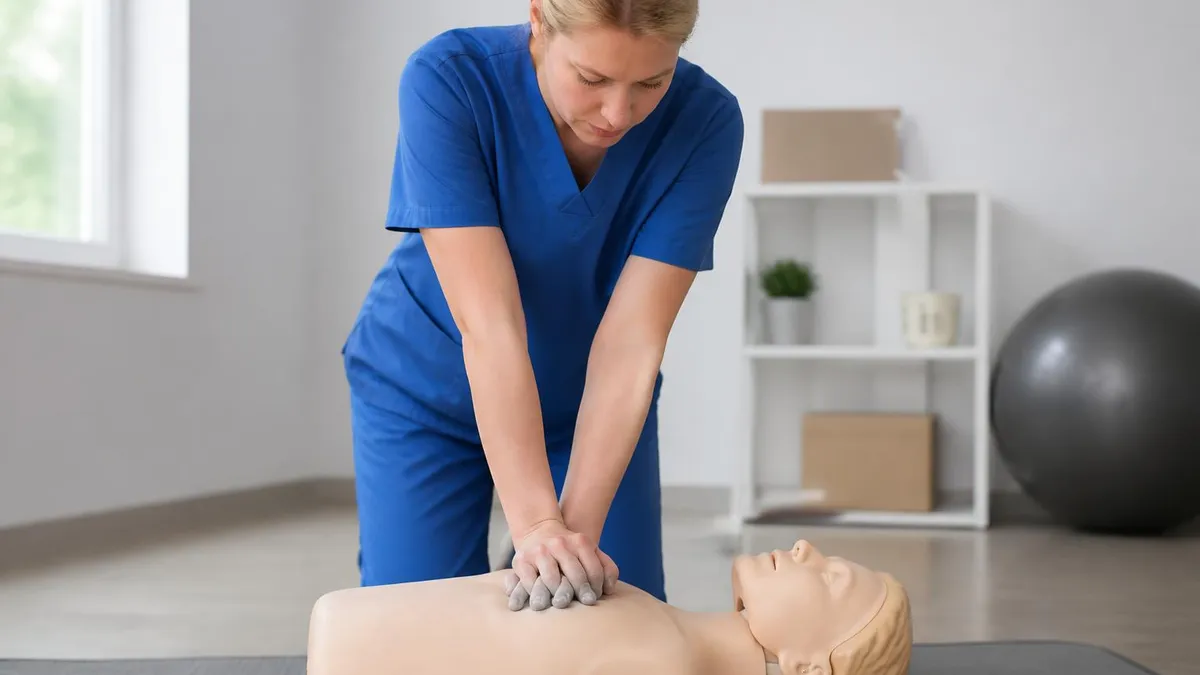
CPR Certification Classes: Complete Guide to ACLS Algorithm, PALS, and Life Support Training in 2026
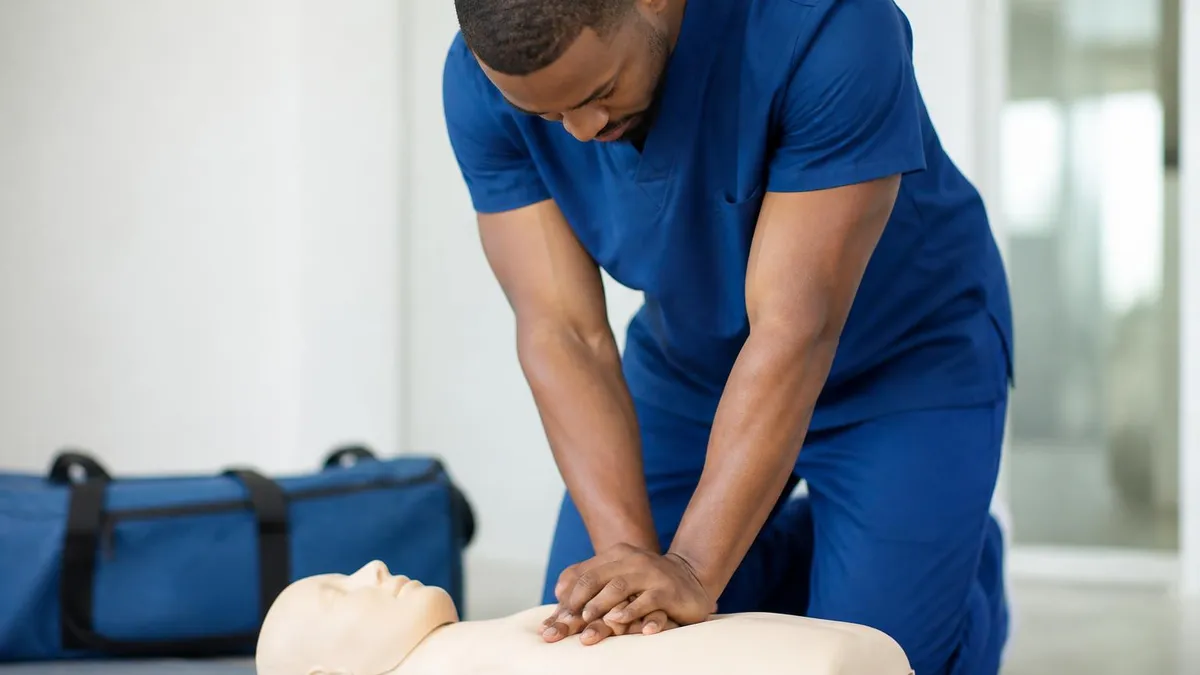
CPR Courses: Complete Guide to ACLS Algorithm, PALS Certification, and Life Support Training in 2026
CPR Face Shield: Complete Guide to ACLS Algorithm, Infant CPR, and Life Support Barrier Devices in 2026
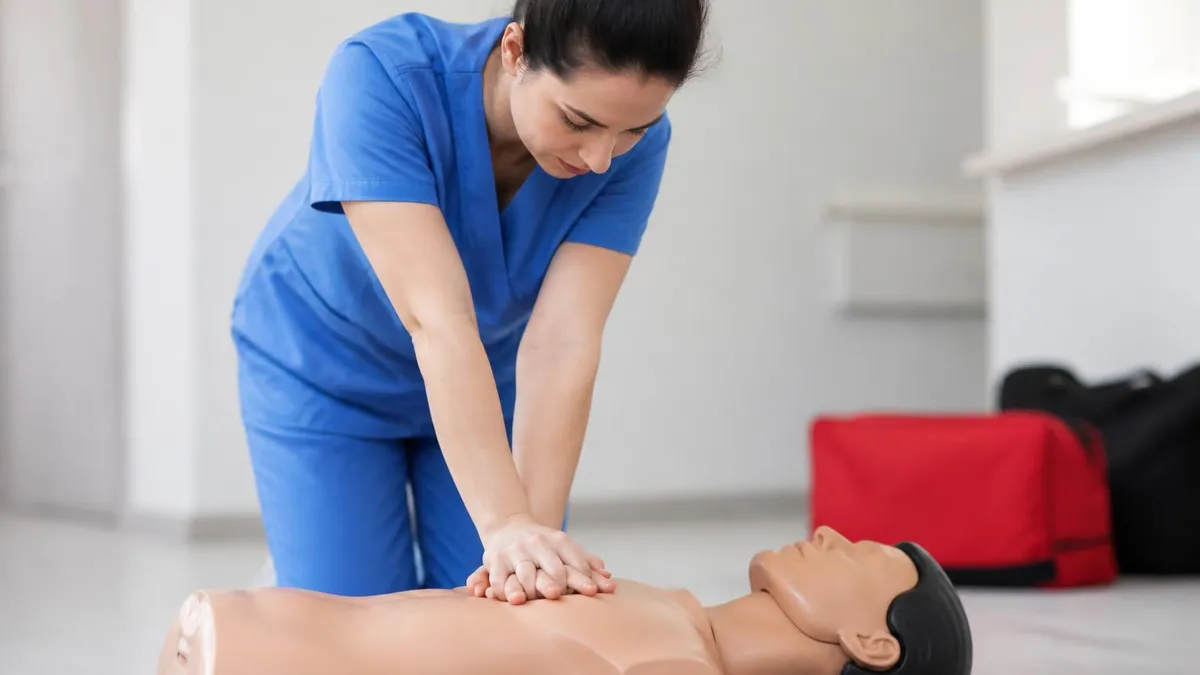
American Heart Association CPR Training: Complete Guide to ACLS Algorithm, PALS Certification, and Life Support in 2026
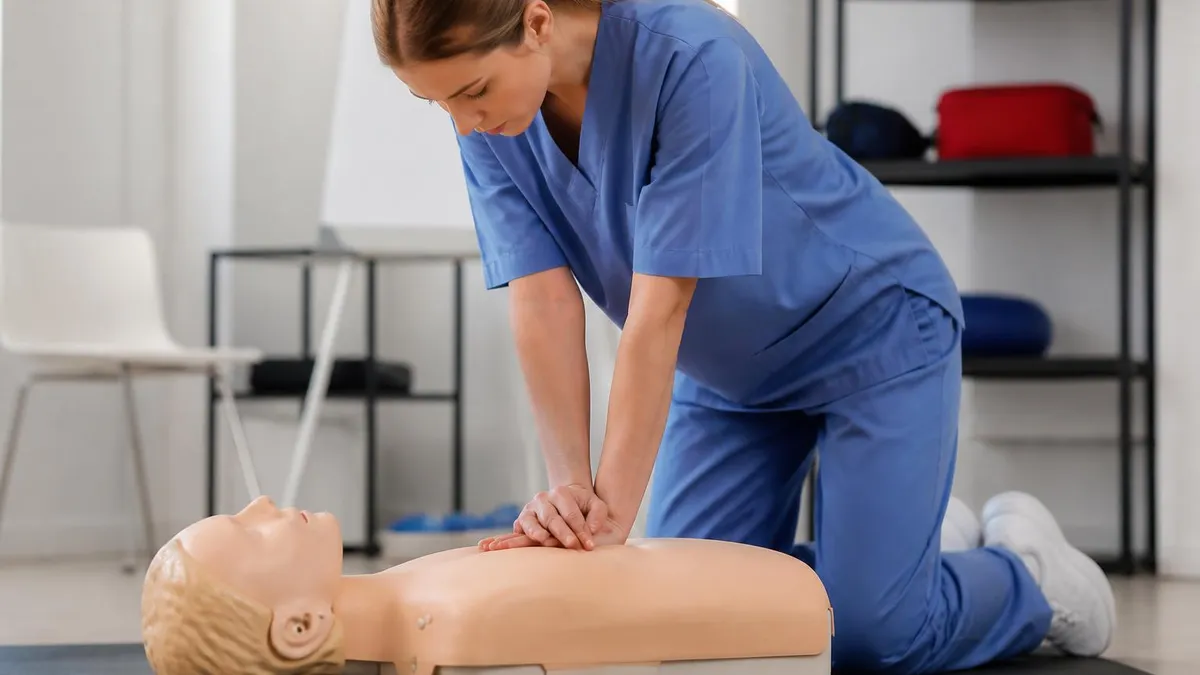
Types of CPR Training: From Basic Life Support to ACLS Algorithm Mastery in 2026
About the Author

Registered Nurse & Healthcare Educator
Johns Hopkins University School of NursingDr. Sarah Mitchell is a board-certified registered nurse with over 15 years of clinical and academic experience. She completed her PhD in Nursing Science at Johns Hopkins University and has taught NCLEX preparation and clinical skills courses for nursing students across the United States. Her research focuses on evidence-based exam preparation strategies for healthcare certification candidates.
Join the Discussion
Connect with other students preparing for this exam. Share tips, ask questions, and get advice from people who have been there.
View discussion (5 replies)