
Forklift Lease Guide: Rental Options, Costs, and Operator Certification Requirements
Everything about forklift lease and rental: costs, types, operator certification requirements, and how to find forklift rental near me in 2026 September. 🎓

A forklift lease or forklift rental is often the smartest financial move a warehouse, construction site, or distribution center can make. Rather than committing hundreds of thousands of dollars to outright ownership, businesses of every size routinely turn to short-term and long-term lease agreements to keep their operations running without straining capital budgets. Whether you need a single stand up forklift for a seasonal peak or a full fleet of electric forklift units for a new fulfillment center, understanding the leasing landscape gives you the negotiating power to get the best deal possible.
Forklifts are essential material-handling machines used across industries including manufacturing, retail logistics, cold storage, and construction. The global forklift market is valued at over $60 billion, and rental or leasing arrangements represent a growing share of that total because they offer flexibility that outright purchase simply cannot match. A business facing an uncertain demand cycle rarely wants to be locked into maintaining a depreciating asset. Leasing solves that problem while keeping monthly cash flow predictable and manageable.
When you start shopping for a cherry picker forklift or any other lift truck through a rental or lease channel, the first thing you will encounter is a range of agreement types. Daily, weekly, monthly, and multi-year options all exist, each with its own pricing structure, included maintenance terms, and operator-responsibility clauses. Understanding the differences before you sign is critical to avoiding costly surprises buried in the fine print of a long-term agreement.
One detail many first-time renters overlook is the operator certification requirement. OSHA standard 29 CFR 1910.178 is unambiguous: every powered industrial truck operator must be trained and certified before they are permitted to operate any forklift, regardless of whether the machine is owned or leased. This means that when you take possession of a rental forklift, you cannot simply hand the keys to any available warehouse worker. Your certified forklift operator must be the one behind the controls, and that certification must be current and documented.
The cost of a forklift lease varies enormously based on machine type, lift capacity, power source, and lease duration. A basic internal combustion counterbalance forklift with a 5,000-pound capacity might rent for $400 to $800 per month on a long-term lease, while a specialized reach truck or order picker in the same capacity range could run $700 to $1,400 monthly. Electric models typically command a slight premium upfront but often prove cheaper over the life of a multi-year agreement because fuel and maintenance costs are significantly lower.
Location plays a major role in pricing, which is why so many operators search for forklift rental near me rather than going straight to a national provider. Local dealers frequently offer competitive rates because they have lower transportation costs and can provide faster on-site service. National rental chains like Toyota Material Handling, Crown Equipment, and Raymond offer the advantage of standardized equipment and broad service networks, which matters a great deal if your operation spans multiple facilities in different states.
This guide walks you through every dimension of the forklift leasing decision: agreement types, cost breakdowns, equipment selection, operator certification requirements, and the maintenance responsibilities that come with each arrangement. By the time you finish reading, you will have the knowledge needed to choose the right lease structure, negotiate fair terms, and ensure your operation stays compliant with federal and state safety regulations every step of the way.
Forklift Lease & Rental by the Numbers

Types of Forklift Lease Agreements
Daily or weekly agreements ideal for project-based needs, peak seasons, or equipment breakdowns. Rates are highest per day but carry no long-term obligation. Most rental companies offer 24- to 48-hour delivery for urgent needs.
Month-to-month or 3- to 12-month terms that balance flexibility with lower daily rates. Often includes full maintenance packages. Popular with businesses managing seasonal demand swings or testing new equipment types before committing.
Multi-year agreements (typically 36 to 60 months) structured like a loan. Payments build equity toward ownership. Best for businesses that need specific equipment long-term and want predictable costs with an end-of-term buyout option.
A hybrid model where a portion of each rental payment applies toward the purchase price. Ideal when you want to evaluate a specific forklift model before buying, or when capital budgets are temporarily constrained but ownership is the goal.
Full-service agreements where the provider manages maintenance, repairs, tire replacement, and even operator training. Common for large fleets of 10 or more units. Reduces administrative burden and keeps total cost of operation predictable.
Understanding forklift rental costs requires looking beyond the monthly rate on the quote sheet. The base rate covers machine use, but a comprehensive total-cost-of-lease calculation must factor in delivery and pickup fees, fuel or battery charging infrastructure, operator wages, insurance riders, and the cost of any required forklift repair near me services that fall outside the maintenance package. When you add all these elements together, the true cost of a leased forklift can run 20 to 40 percent higher than the base monthly figure.
Delivery and pickup charges are often the first hidden cost renters encounter. A local dealer might waive delivery within a 25-mile radius, but regional or national providers commonly charge $150 to $400 per delivery event. On a short-term rental, that round-trip fee can represent 30 to 50 percent of the total bill. Negotiating a flat delivery rate or bundling multiple units in a single delivery run can dramatically reduce this expense, especially for operations that rotate equipment regularly.
Insurance is another cost center that catches lessees off guard. Most rental agreements require the lessee to carry general liability coverage of at least $1 million per occurrence and to add the rental company as an additional insured on their commercial policy. If your existing policy does not cover rented equipment, you will need to purchase a rider, which typically runs $50 to $150 per month per machine. Some rental companies offer their own damage waiver programs for $75 to $200 per month, which can be cost-effective for operations without robust commercial coverage.
Fuel costs differ significantly depending on whether you rent an internal combustion or electric forklift. A propane-powered counterbalance unit consuming one to two tanks per shift will cost $15 to $35 per day in fuel alone. Over a 22-day work month, that amounts to $330 to $770 in fuel expense on top of the base lease rate. An electric forklift drawing from your facility's power grid costs roughly $1.50 to $3.00 per full charge, making monthly energy costs dramatically lower — typically $33 to $66 per month assuming one charge per shift.
Maintenance terms embedded in the lease agreement are critically important and deserve careful scrutiny. A full-maintenance lease typically covers scheduled preventive maintenance, oil changes, filter replacements, tire wear, and minor repairs. It does not cover damage caused by operator misuse, overloading, or accidents. Partial maintenance leases cover only scheduled PMs, leaving the lessee responsible for all repair labor and parts. Understanding exactly what is covered — and what triggers a damage charge at the end of the lease term — can mean the difference between a smooth return and an unexpected bill for thousands of dollars.
Forklift rentals rates also vary by machine class. Class I electric rider trucks, Class IV internal combustion cushion-tire trucks, and Class V pneumatic-tire units each have their own pricing tiers. Specialty machines like order pickers, reach trucks, and turret trucks command premium rates because of their complexity and lower rental market availability. Requesting quotes for multiple machine types that could handle your application is a smart strategy — you may find that a less exotic machine can do the job at a significantly lower cost.
End-of-lease costs deserve as much attention as monthly rates. Excess hours charges — typically assessed when you exceed the agreed usage hours per month — can add up quickly in a high-throughput operation. Most agreements allow 160 to 200 hours per month; overtime rates of $0.75 to $1.50 per hour above the cap are common. Tracking machine hours and negotiating a higher base-hour allowance upfront is almost always cheaper than paying overage charges at the end of the term.
Electric Forklift vs. Propane vs. Diesel Rentals
Electric forklifts have become the dominant choice for indoor rental applications. They produce zero emissions, operate more quietly than combustion models, and deliver lower per-shift energy costs of roughly $1.50 to $3.00 compared to $15 to $35 for propane. Most rental providers offer modern lithium-ion or lead-acid battery units with 6- to 8-hour run times. Charging infrastructure must be available at your facility, typically requiring a 480V three-phase outlet for rapid charging stations.
On a long-term lease, an electric forklift's total cost of ownership is often lower than comparable combustion models despite a slightly higher base rate. Fewer moving parts mean reduced maintenance events and lower repair costs over a 36- to 60-month agreement. OSHA regulations also favor electric units in food processing, pharmaceutical, and cold storage environments where combustion exhaust creates compliance complications. For operations running multiple shifts, opportunity charging between loads is a major operational advantage unique to the electric platform.

Forklift Lease vs. Purchase: Which Is Right for Your Business?
- +Lower upfront capital outlay — preserve cash for core business operations
- +Predictable monthly expenses simplify budgeting and cash flow management
- +Access to newer equipment with latest safety features without depreciation risk
- +Maintenance often included, reducing surprise repair bills and downtime
- +Flexibility to scale fleet size up or down as business needs change
- +Tax advantages — operating lease payments may be fully deductible as business expenses
- −No equity built — you own nothing at the end of an operating lease
- −Total cost over 5+ years can exceed purchase price for long-term needs
- −Excess-hours and damage charges can inflate costs beyond the quoted rate
- −Less control over equipment specifications and configuration options
- −Lease terms can be difficult to exit early without significant penalties
- −Rental provider's maintenance schedule may not align with your operation's hours
Forklift Operator Certification Checklist Before Taking Delivery
- ✓Verify all operators hold current OSHA-compliant forklift certification for the specific truck class being rented.
- ✓Confirm operator certifications cover the exact machine type — a reach truck cert does not authorize a counterbalance operator.
- ✓Complete a pre-delivery inspection with the rental provider and document any existing damage in writing.
- ✓Review the rental agreement's operator-liability clause before signing to understand your damage exposure.
- ✓Ensure your facility has adequate fuel or charging infrastructure ready before the machine arrives on site.
- ✓Confirm the machine's rated capacity matches or exceeds the heaviest load your operation will handle.
- ✓Brief all certified operators on site-specific hazards: ramps, dock plates, pedestrian zones, and low-clearance areas.
- ✓Check that your commercial insurance policy covers rented equipment and that the rental company is listed as additional insured.
- ✓Register the leased equipment with your internal safety program and include it in your daily pre-shift inspection routine.
- ✓Schedule the first formal operator refresher training if any operator's certification is within 90 days of its three-year renewal date.
OSHA Requires Certification — Even for Rented Forklifts
Under OSHA 29 CFR 1910.178(l), every forklift operator must be trained and evaluated before operating any powered industrial truck — including rented or leased equipment. Employers who allow uncertified workers to operate a rental forklift face fines up to $15,625 per violation and potential criminal liability if an injury results. Certification must also be renewed every three years or whenever an operator is observed operating unsafely.
Choosing the right forklift rental provider is as important as choosing the right machine. The market includes national chains, regional dealers, and independent operators, each with distinct advantages depending on your location, fleet size, and service requirements. National providers like Toyota Material Handling, Crown, Raymond, and Hyster-Yale offer standardized equipment, nationwide service coverage, and sophisticated fleet management software — advantages that matter most to multi-site operations or businesses with complex uptime requirements. Regional and local dealers often win on price, responsiveness, and personal service for single-location operators.
When evaluating providers, start by requesting a comprehensive quote that includes all fees — delivery, fuel or battery, insurance options, overtime-hours rate, and estimated return-condition charges. A provider unwilling to give you a fully itemized quote is a red flag. Transparent providers will walk you through every cost component and explain exactly what triggers additional charges. They will also be forthcoming about their typical equipment age — most reputable rental fleets maintain machines that are five years old or newer, which translates to better reliability and lower downtime risk.
Service response time is a critical variable that the monthly rate alone cannot capture. Ask every provider for their guaranteed response time for emergency mechanical failures during your operating hours. A provider quoting a low monthly rate but offering a 48-hour repair response window could cost your operation far more in lost productivity than the premium charged by a competitor who guarantees 4-hour on-site response. Get the response-time commitment in writing as part of the lease agreement, not just as a verbal assurance from the sales representative.
Equipment availability is another factor that varies significantly by provider and region. Electric forklifts and specialty machines like reach trucks, order pickers, and turret trucks are in high demand and may have waiting lists of two to four weeks at peak seasons. If your operation needs a specific machine type on a defined start date, begin the quote and reservation process at least 30 days in advance. Waiting until the week before you need the equipment almost guarantees limited availability and premium spot-rental pricing.
Fleet management technology has become a meaningful differentiator among tier-one rental providers. Many now offer telematics-equipped machines that track hours, impacts, and operator behavior in real time through a web dashboard. This data helps fleet managers identify underutilized machines (and potentially return them early), monitor operator safety compliance, and document pre-existing damage to avoid end-of-lease disputes. If your operation runs 20 or more machines, selecting a provider with robust telematics capability can generate meaningful cost savings through better fleet right-sizing.
References from current customers are one of the most valuable inputs in any provider evaluation. Ask each provider for three references from customers with similar operation profiles — similar industry, similar fleet size, similar machine types. Call those references and ask specifically about machine reliability, billing accuracy, and service responsiveness. One theme that emerges consistently in reference checks for poor providers is surprise charges at lease end. Getting clear answers from real customers about their end-of-lease experience is the single best predictor of what your own experience will look like.
Finally, always review the lease agreement with legal counsel before signing any commitment exceeding 12 months. Multi-year lease agreements are complex financial instruments with meaningful liabilities around early termination, equipment damage standards, and end-of-term obligations. A one-hour attorney review is a modest investment compared to the exposure that comes from signing a 48-month lease without fully understanding its terms. Many businesses have ended up paying several months of phantom rent on equipment they returned early because they did not read the early-termination clause carefully before signing.

Most long-term forklift leases include early termination clauses requiring the lessee to pay all remaining monthly payments — sometimes totaling $10,000 to $30,000 or more — if the agreement is canceled before the end of the term. Always negotiate a mutual-termination option with a capped penalty (typically 3 to 6 months of payments) before signing any lease longer than 24 months. Failure to read this clause is the most common and costly mistake first-time lessees make.
Forklift operator training and the certification of forklift operators is not optional under federal law — it is a mandatory prerequisite that every employer must satisfy before any worker operates a powered industrial truck. OSHA's powered industrial trucks standard (29 CFR 1910.178) specifies that training must cover both formal instruction (classroom or online content) and practical evaluation in the actual workplace environment. Generic online-only certifications that skip the hands-on evaluation component do not satisfy the full OSHA requirement, even though many websites market them as complete certifications.
The practical component of forklift training must be conducted by a qualified trainer in the specific facility where the operator will work, using the actual type of forklift they will operate. This requirement means that if you lease a new class of forklift your operators have not previously used — say, switching from a counterbalance truck to a reach truck — you must provide additional training specific to that machine class before those operators are permitted to run the new equipment. The lease handoff is the most common trigger for overlooked retraining obligations.
Operator certification must be renewed every three years at minimum, but OSHA also requires retraining whenever an operator is observed operating the truck unsafely, following an accident or near-miss incident, when the operator is assigned to a different type of truck, or when workplace conditions change in a way that affects safe operation. These event-driven retraining triggers are frequently missed by employers who only track the calendar-based three-year renewal date without monitoring the operational triggers listed in the standard.
Businesses searching for forklift training near me have several options for meeting the formal instruction requirement. Community colleges, vocational schools, OSHA-authorized training centers, and in-house programs developed by qualified trainers all meet the formal instruction component. The cost ranges from $50 to $200 per operator for a basic certification course through a community program, to $300 to $500 per operator for a comprehensive in-facility program that includes hands-on evaluation by a certified trainer. Many full-service forklift rental providers offer complimentary or discounted operator training as part of a long-term lease agreement.
Documentation requirements are just as important as the training itself. OSHA requires employers to maintain written records showing that each operator completed training and was evaluated as competent to operate the assigned truck type. At minimum, records must include the operator's name, the date of training and evaluation, the type of truck certified, and the name of the trainer. These records must be retained for the duration of the operator's employment and must be made available to OSHA inspectors on request. A missing or incomplete certification record carries the same penalty as no certification at all.
Refresher training programs are a proactive investment that many high-performing operations build into their annual safety budgets. Beyond meeting OSHA's minimum three-year renewal requirement, many safety directors schedule annual refresher sessions that cover new equipment features, updated facility maps, changes to pedestrian traffic patterns, and lessons learned from near-miss incidents. Operations that conduct regular refresher training consistently report lower incident rates, lower equipment damage costs, and better insurance experience modifiers than those that train only to the minimum compliance standard.
The relationship between leased equipment and operator certification creates a compliance loop that every safety manager must actively manage. When a new lease unit arrives, the documentation trail must show that certified operators received type-specific familiarization before operating it.
When a lease ends and the machine is returned, operators may need retraining if the replacement machine is a different class or model with different operating characteristics. Building a simple tracking spreadsheet that maps each operator's current certifications against the machine types currently on lease is a low-cost way to stay ahead of potential compliance gaps before an OSHA inspection reveals them.
Practical tips for getting the most out of your forklift lease begin long before the machine arrives at your dock. Start every procurement cycle with a thorough application analysis — document the maximum load weight, load center distance, maximum lift height, aisle width constraints, floor surface conditions, and shift schedule before reaching out to any rental provider. Operators with clear application specs get faster, more accurate quotes and are far less likely to receive equipment that turns out to be underpowered or oversized for the actual job once it arrives.
Negotiating the right capacity buffer is one of the most overlooked elements of forklift selection. Many operators instinctively choose the smallest machine that meets their current maximum load requirement, but running a forklift consistently at 90 to 100 percent of rated capacity accelerates component wear, increases tipping risk, and voids most rental damage waivers if an overloading incident causes equipment damage. Industry best practice is to select a machine rated for 125 to 150 percent of your actual maximum load, giving you a meaningful safety and longevity margin throughout the lease term.
Tire selection has an outsized impact on both safety and lease costs. The two primary options for indoor forklifts are cushion tires and pneumatic tires. Cushion-tire machines are lower to the ground, more maneuverable in tight aisles, and less expensive to rent, but they cannot operate safely on outdoor surfaces or at loading docks with significant gaps.
Pneumatic-tire machines handle outdoor surfaces, ramps, and dock transitions well but require wider aisles and cost more per month. Choosing the wrong tire type for your surface conditions is a common source of early lease damage claims. Exploring the community forklift tire resource can help you match tire type to application before committing to an agreement.
Preventive maintenance compliance during the lease term is a responsibility that many lessees underinvest in. Even under a full-maintenance lease, the operator is responsible for completing and documenting daily pre-shift inspections. OSHA requires a pre-operation inspection before each shift, and most rental agreements require written inspection logs as a condition of the maintenance warranty. Failing to document daily inspections can invalidate the maintenance coverage and leave you financially responsible for repairs that would otherwise be covered under the lease terms.
Battery management is the single most important operational variable for electric forklift lessees. Lithium-ion batteries can handle opportunity charging between loads without damage, but traditional flooded lead-acid batteries must complete a full charge cycle before use and must be allowed to cool before charging. Opportunity-charging a lead-acid battery — plugging it in for 30 minutes during a break rather than doing a full overnight charge — dramatically shortens battery life and can trigger an end-of-lease battery replacement charge worth $3,000 to $8,000. Always confirm which battery chemistry your leased unit uses and follow the charging protocol precisely.
Return-condition documentation is the final step in a well-managed lease cycle. At least 30 days before lease end, schedule a joint inspection with the rental provider to identify any damage that may result in end-of-lease charges. This gives you time to negotiate responsibility for ambiguous wear-versus-damage items and to make minor repairs using your own maintenance team if that is more economical than paying the provider's flat-rate damage fees. Take timestamped photos and video of the machine from all angles on the day of return and retain them for at least 12 months after the lease closes.
Planning your next lease before the current one expires puts you in the strongest negotiating position. Rental providers offer their best rates to customers who commit early, because it allows them to plan their own fleet inventory and maintenance schedules. Starting the renewal or replacement conversation 90 days before lease end gives you time to collect competing quotes, evaluate new equipment models, and potentially negotiate a loyalty discount. Operations that renew on the last day of a lease — under time pressure — consistently pay 10 to 15 percent more than those who plan the transition in advance.
Forklift Questions and Answers
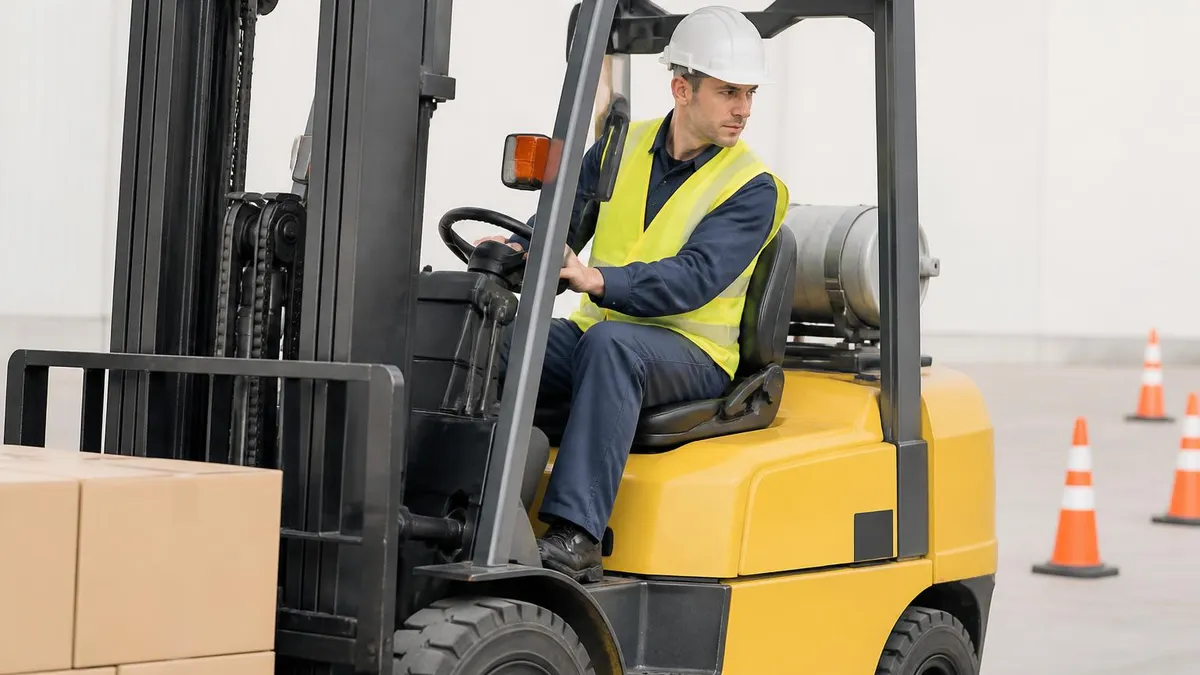
Forklift Rentals: Complete Guide to Pricing, Types, and Operator Requirements
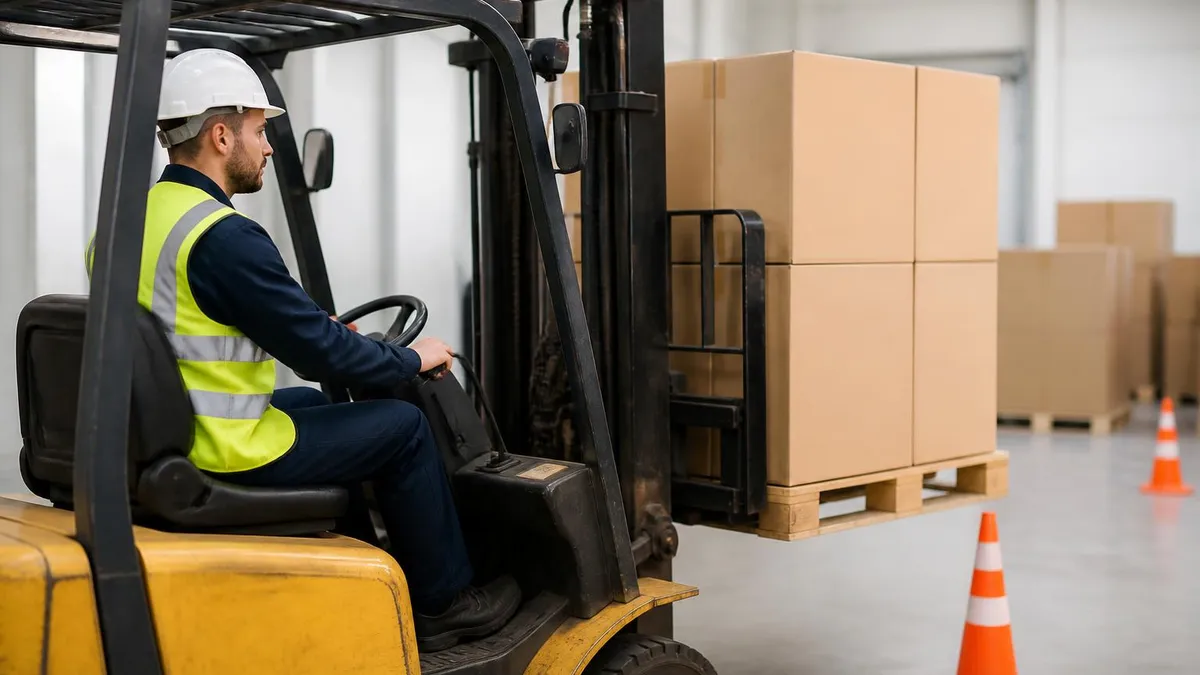
Forklift Training Course Near Me: Complete Guide to Finding Local OSHA-Certified Programs, Costs, and Schedules in 2026
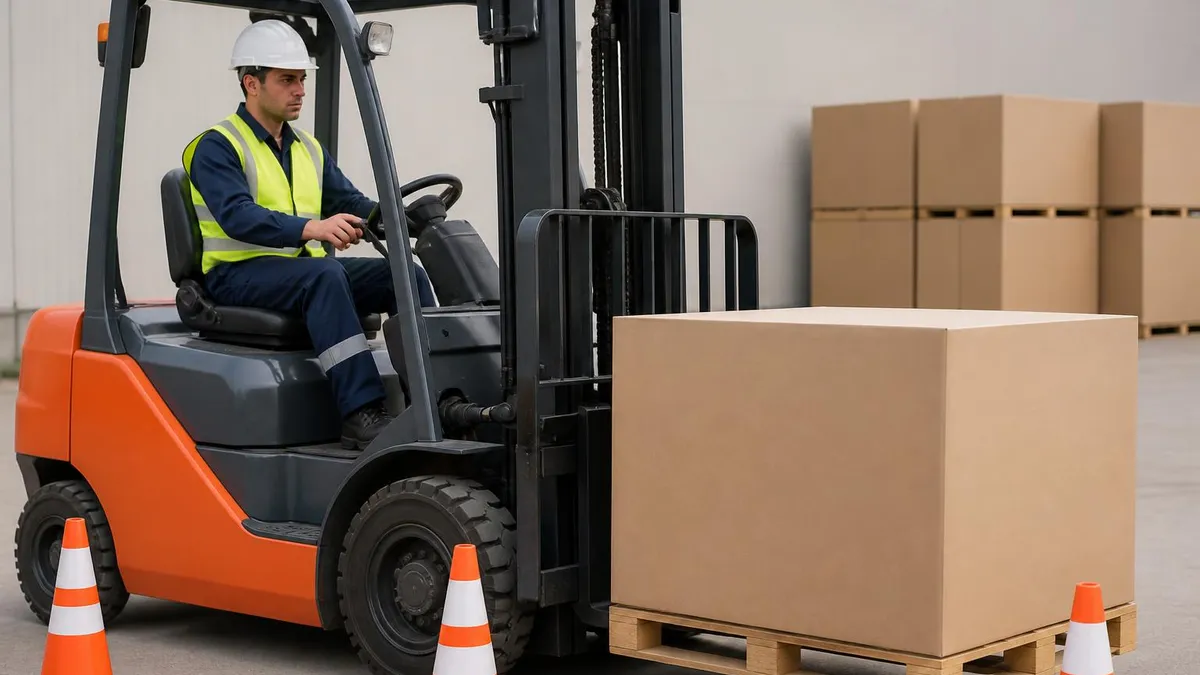
Forklift Tires: Complete Guide to Types, Sizing, Wear Patterns, and Replacement Costs
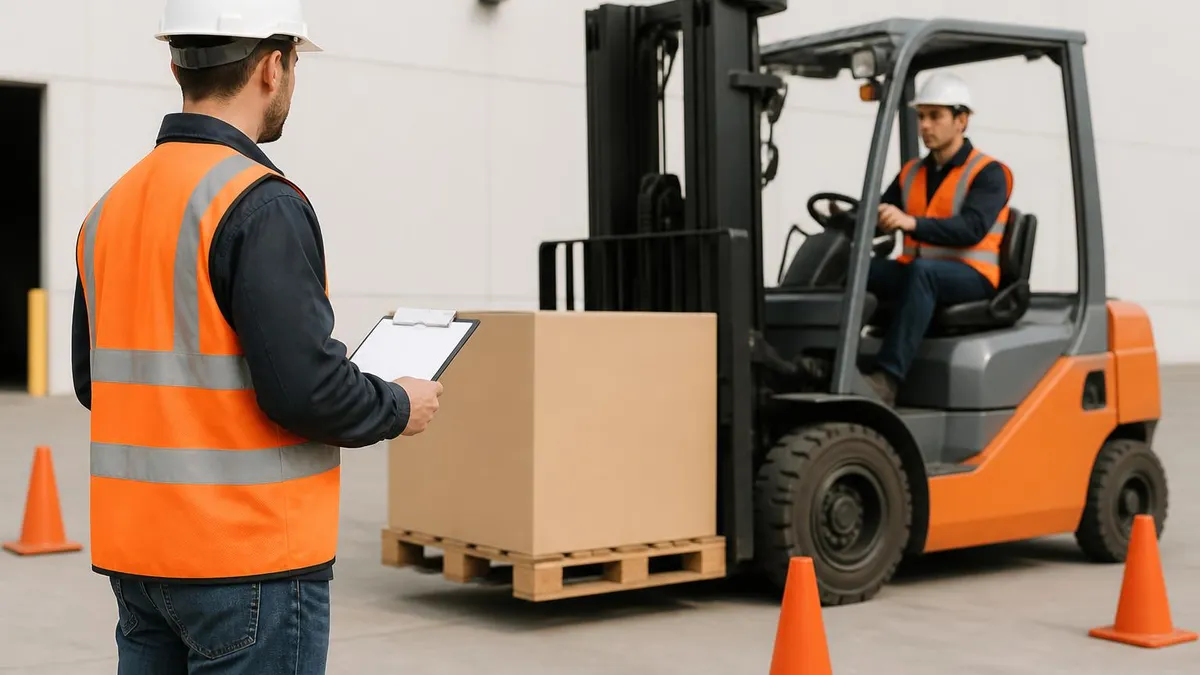
Forklift Parts and Maintenance: Complete Guide to Batteries, Chargers, and Replacement Components
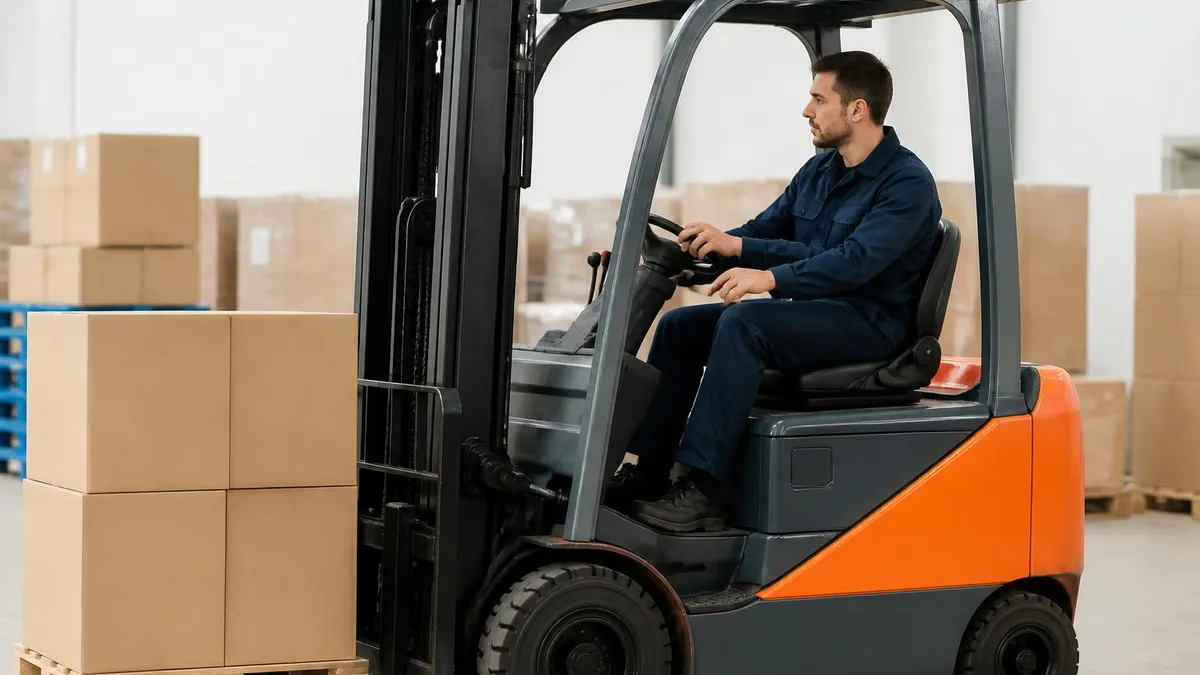
What Is a Forklift? Complete Guide to Types, Uses, Operation, and Certification Requirements
About the Author

Certified Crane Operator & Skilled Trades Exam Specialist
Ferris State UniversityRobert Martinez is a Journeyman Ironworker, NCCCO-certified crane operator, and forklift trainer with a Bachelor of Science in Construction Technology from Ferris State University. He has 21 years of ironworking, rigging, and heavy equipment operation experience across high-rise and industrial construction sites. Robert prepares candidates for crane operator, rigger, forklift, and skilled trades certification examinations.