
ECMO Specialist vs Perfusionist: Roles, Duties, and Career Paths Compared
Compare ECMO specialist vs perfusionist roles, duties, salaries & career paths. Includes extracorporeal membrane oxygenation in neonates coverage. 🏆

When it comes to life-saving cardiac and pulmonary support, two specialized roles stand at the forefront: the ECMO specialist and the perfusionist. Understanding the distinction between an ecmo specialist vs perfusionist is essential for healthcare professionals, students, and patients navigating the world of extracorporeal membrane oxygenation. Both professionals manage complex bypass circuits, but their training pathways, scope of practice, and clinical settings differ substantially — especially in critical situations involving extracorporeal membrane oxygenation in neonates, where precision can mean the difference between life and death.
ECMO specialists are typically respiratory therapists, nurses, or other allied health professionals who have undergone specialized training specifically in ECMO management. They monitor patients around the clock, troubleshoot the extracorporeal membrane oxygenation circuit, adjust flow rates, and respond to emergencies that arise during extended ECMO runs that can last days or even weeks. Their bedside presence is continuous, making them the primary eyes and hands on the ECMO machine in most pediatric and adult ICU settings.
Perfusionists, on the other hand, are highly trained specialists whose primary domain is cardiopulmonary bypass during open-heart surgery. They operate heart-lung machines in the operating room, manage blood oxygenation and circulation during surgical procedures, and are credentialed through a rigorous pathway that includes a master's-level perfusion science program. While many perfusionists are cross-trained in ECMO, their core expertise lies in the perioperative environment rather than in the extended intensive care unit monitoring that defines the ECMO specialist's daily work.
The extracorporeal membrane oxygenation procedure itself adds another layer of complexity to this comparison. ECMO is not a brief intervention — it is a prolonged support modality that can sustain a patient's heart and lung function for days, weeks, or in some cases, months. During this period, the ECMO specialist is continuously present at the bedside, making real-time adjustments to the circuit, evaluating oxygenator performance, and communicating with the multidisciplinary team. The perfusionist, while indispensable in initiating ECMO or managing complex circuit problems, generally does not maintain this level of continuous bedside coverage.
From a workforce perspective, ECMO programs across the United States increasingly differentiate these two roles based on operational need and cost efficiency. Large academic medical centers may employ both perfusionists and ECMO specialists, using perfusionists for surgical ECMO cannulation and initial circuit priming, then handing off long-term management to trained ECMO specialists. Community hospitals with ECMO programs more commonly rely on cross-trained ECMO specialists drawn from nursing and respiratory therapy backgrounds, given the lower cost and greater availability of these practitioners compared to perfusionists.
The growth of ECMO as an extracorporeal membrane oxygenation treatment for conditions ranging from neonatal respiratory failure to adult ARDS — including the surge in use during the COVID-19 pandemic — has amplified demand for both roles. Hospital systems are expanding ECMO programs and investing in specialist training pipelines, creating exciting career opportunities for respiratory therapists, nurses, and perfusionists who want to subspecialize. The question of which path to pursue depends heavily on individual background, the type of patient population one wants to serve, and long-term salary and lifestyle goals.
This article provides a comprehensive, side-by-side comparison of ECMO specialists and perfusionists — covering education requirements, scope of practice, clinical settings, salary expectations, and the unique demands of working with neonatal, pediatric, and adult ECMO patients. Whether you are considering a career transition, preparing for an ECMO certification exam, or simply trying to understand how your hospital's ECMO team is structured, this guide will give you the clarity you need to make informed decisions.
ECMO Specialist vs Perfusionist by the Numbers

Education & Credentialing Pathways
Most ECMO specialists enter the field as registered nurses (RNs) or registered respiratory therapists (RRTs). A bachelor's degree is typically required. Specialized ECMO training is then completed through hospital-based or ELSO-endorsed programs, often followed by the ABEM ECMO credentialing examination.
Perfusionists complete accredited master's-level programs in cardiovascular perfusion science, typically 2–3 years post-bachelor's. Programs are accredited by the Accreditation Committee for Perfusion Education (ACPE). Graduates then sit for the CCP board examination administered by the American Board of Cardiovascular Perfusion.
Many certified perfusionists pursue additional ECMO-specific training to expand into ICU-based long-term ECMO management. This cross-training is valuable when hospitals need staff who can both cannulate patients in the OR and manage ongoing ECMO therapy in the cardiac ICU.
ECMO specialists can pursue credentialing through the American Board of Extra-Corporeal Technology (AmSECT) or the ABEM. Perfusionists hold the Certified Clinical Perfusionist (CCP) credential. Both credentials require continuing education and periodic recertification to maintain active status.
The scope of practice for ECMO specialists and perfusionists diverges most sharply at the bedside. ECMO specialists are fundamentally ICU-based practitioners. Their shift work involves continuous assessment of the extracorporeal membrane oxygenation circuit — checking pump flows, monitoring sweep gas, evaluating oxygenator function, inspecting cannula sites, and documenting hemodynamic trends hour by hour.
In neonatal ECMO, this vigilance is even more critical because the small blood volumes and fragile physiology of newborns leave virtually no margin for error. Extracorporeal membrane oxygenation in neonates typically uses venoarterial (VA) configurations to support both cardiac and pulmonary function, requiring the specialist to manage complex interactions between the ECMO circuit and the patient's own recovering heart.
Perfusionists, while possessing deep knowledge of the extracorporeal membrane oxygenation procedure, primarily exercise that expertise within the controlled surgical environment. In the operating room, the perfusionist is responsible for priming the bypass circuit, anticoagulation management with heparin, managing temperature (including therapeutic hypothermia during cardiac surgery), coordinating cardioplegia delivery, and ensuring the surgical team has a stable operating field. These are extraordinarily high-stakes, high-concentration tasks performed during time-limited surgical windows — a very different challenge compared to the marathon bedside monitoring of a weeks-long ECMO run.
When ECMO is initiated in the OR for post-cardiotomy cardiogenic shock or inability to wean from bypass, the perfusionist is often the professional who sets up and initiates the ECMO circuit. Once the patient is stabilized and transferred to the cardiac ICU, management responsibility frequently transitions to the ECMO specialist team. This handoff is a critical communication moment, and hospitals with mature ECMO programs have standardized protocols to ensure safe transitions of care between perfusionists and ECMO specialists.
In venovenous extracorporeal membrane oxygenation (VV-ECMO), which supports pulmonary function without directly assisting the heart, ECMO specialists play the primary ongoing management role. VV-ECMO is commonly used for severe ARDS, including cases of extracorporeal membrane oxygenation covid management seen during the pandemic. The specialist monitors oxygenation delivery, adjusts sweep gas to control carbon dioxide removal, manages anticoagulation targets to prevent both clotting and bleeding, and communicates with the intensivist team about when and how to wean ECMO support as the lungs recover.
Pharmacological management is another area where ECMO specialists must maintain strong competency. Anticoagulation with unfractionated heparin is the standard of care during ECMO, requiring frequent anti-Xa or aPTT monitoring and dose adjustments. ECMO specialists also monitor sedation levels, vasopressor requirements, and diuresis strategies. While they do not independently prescribe medications, their bedside assessments directly drive physician orders in many fast-paced ICU environments where ECMO team recommendations carry significant clinical weight.
For extracorporeal membrane oxygenation for adults, particularly in cardiogenic shock or post-cardiac arrest scenarios, the clinical decision-making around ECMO support is increasingly shared between intensivists, cardiac surgeons, ECMO coordinators, and bedside ECMO specialists. The specialist's role in this multidisciplinary team is to serve as the technical expert on circuit management while integrating clinical feedback from nursing, pharmacy, and physician colleagues. This team-based model has become the standard at high-volume ECMO centers and demands strong communication skills alongside technical proficiency.
Perfusionists who work in ECMO-active programs often serve in a consultant or on-call capacity for complex circuit problems — oxygenator failure, circuit thrombosis requiring emergent changeout, or cannula repositioning requiring OR-level support. Their deep understanding of the extracorporeal membrane oxygenation machine price and procurement, combined with hands-on circuit expertise, makes them invaluable resources when ECMO specialists face scenarios beyond routine management. The most effective ECMO programs use both professional groups in complementary ways rather than treating them as interchangeable or competing roles.
Understanding the Extracorporeal Membrane Oxygenation Circuit: Specialist vs Perfusionist Perspectives
The extracorporeal membrane oxygenation circuit consists of a centrifugal pump, an oxygenator membrane, a heat exchanger, cannulae, and a network of tubing and connectors. ECMO specialists are trained to recognize normal and abnormal circuit behavior — including chattering (indicating inadequate venous drainage), oxygenator clot burden signs, and heat exchanger malfunctions. Daily circuit checks and systematic troubleshooting are central to the specialist's role, with documentation occurring every one to two hours.
Perfusionists bring an additional layer of circuit engineering knowledge from their surgical bypass experience. They understand priming volumes, de-airing techniques, and circuit pressure-flow relationships at a physics-based level. When a circuit emergency demands rapid component replacement — such as an oxygenator swap — perfusionists are often called to support or lead the changeout procedure due to their dexterity with sterile circuit connections and their experience managing large priming volumes quickly under pressure.

ECMO Specialist vs Perfusionist: Weighing the Career Advantages and Challenges
- +ECMO specialists have strong job availability across community and academic hospitals nationwide
- +Entry into ECMO specialty is accessible for RNs and RRTs without additional graduate degree
- +Continuous patient care role provides deep clinical relationships and satisfaction
- +Growing demand driven by expansion of ECMO programs post-COVID pandemic
- +Opportunity to specialize in neonatal, pediatric, or adult ECMO populations
- +Collaborative team environment with intensivists, surgeons, and nursing colleagues
- −ECMO specialist shifts can be physically and emotionally demanding due to continuous bedside presence
- −Salary ceiling lower than certified perfusionists at most institutions
- −On-call and night shift requirements are common, affecting work-life balance
- −Perfusionist master's programs are highly competitive with limited seats nationally
- −Perfusionists face longer training commitment — typically 6+ years post-high school before credentialing
- −Perfusionists in non-ECMO-active centers may have limited exposure to long-term ECMO management
Pros and Cons at a Glance
| Pros | Cons |
|---|---|
| ECMO specialists have strong job availability across community and academic hospitals nationwide | ECMO specialist shifts can be physically and emotionally demanding due to continuous bedside presence |
| Entry into ECMO specialty is accessible for RNs and RRTs without additional graduate degree | Salary ceiling lower than certified perfusionists at most institutions |
| Continuous patient care role provides deep clinical relationships and satisfaction | On-call and night shift requirements are common, affecting work-life balance |
| Growing demand driven by expansion of ECMO programs post-COVID pandemic | Perfusionist master's programs are highly competitive with limited seats nationally |
| Opportunity to specialize in neonatal, pediatric, or adult ECMO populations | Perfusionists in non-ECMO-active centers may have limited exposure to long-term ECMO management |
ECMO Specialist Certification Preparation Checklist
- ✓Complete a minimum of 15–20 proctored ECMO runs under direct supervision before independent practice.
- ✓Study ELSO guidelines for neonatal, pediatric, and adult ECMO management in depth.
- ✓Master anticoagulation protocols including heparin infusion titration and anti-Xa monitoring.
- ✓Practice emergency scenarios via simulation: air embolism, oxygenator failure, and power loss.
- ✓Understand venovenous vs venoarterial ECMO indications, circuit configurations, and monitoring differences.
- ✓Learn to interpret ECMO-relevant hemodynamic parameters: mixed venous saturation, circuit flows, and sweep gas settings.
- ✓Review pharmacology relevant to ECMO: anticoagulants, vasopressors, sedatives, and diuretics.
- ✓Familiarize yourself with the ECMO machine components including pump types, oxygenators, and heat exchangers.
- ✓Complete a formal ECMO specialist training program endorsed by ELSO or your institution.
- ✓Register for and pass the ABEM or equivalent ECMO credentialing examination.
ECMO Specialists and Perfusionists Are Not Competing — They Are Collaborative
The most successful ECMO programs in the United States treat ECMO specialists and perfusionists as complementary members of the same team. Perfusionists provide the surgical expertise and circuit engineering knowledge for cannulation and complex circuit interventions, while ECMO specialists deliver the continuous, vigilant bedside care that sustains patients through extended ECMO runs. Understanding and respecting each role's unique strengths leads to better patient outcomes and a stronger ECMO program culture.
Salary and career outlook are two of the most common considerations for healthcare professionals evaluating a move into ECMO or perfusion. ECMO specialists, who typically come from nursing or respiratory therapy backgrounds, generally earn salaries in the range of $78,000 to $110,000 annually in the United States, depending on geographic location, institution type, years of experience, and whether they hold active ECMO credentialing.
Large academic medical centers in high-cost-of-living metropolitan areas — such as New York, San Francisco, or Boston — tend to offer compensation at the upper end of this range, while community hospitals in rural areas may offer lower base salaries but often supplement with generous shift differentials for nights, weekends, and on-call time.
Perfusionists command higher base salaries on average, reflecting the advanced degree requirement and the surgical complexity of their core role. According to national workforce surveys, certified perfusionists earn between $90,000 and $130,000 per year, with senior perfusionists and program directors at major cardiac surgery centers sometimes reaching $150,000 or more. Perfusionists who work in high-volume cardiac surgery programs and who also cover ECMO initiations are particularly valued and compensated accordingly. The relatively small number of accredited perfusion programs in the country — fewer than 30 nationwide — also constrains supply and helps maintain salary levels.
Career trajectory differs between the two roles as well. Experienced ECMO specialists often advance into ECMO coordinator or program director roles, taking on administrative responsibilities for scheduling, quality improvement, protocol development, and staff education. Some pursue advanced practice credentials — becoming nurse practitioners or clinical nurse specialists — while maintaining their ECMO expertise. Others transition into medical device industry roles, working for ECMO equipment manufacturers such as Getinge or Maquet as clinical educators or sales specialists, given their deep product knowledge and clinical credibility.
Perfusionists who develop strong ECMO expertise may become ECMO medical directors' closest collaborators, leading circuit changeout training, reviewing ECMO data for quality reporting, and mentoring newer ECMO specialists on circuit mechanics. Some perfusionists move into academic roles, teaching in perfusion science programs or contributing to ECMO research protocols. The extracorporeal membrane oxygenation machine price — often $50,000 to $150,000 for a complete ECMO system — is a consideration that perfusionists and program administrators jointly navigate when expanding or upgrading programs.
The COVID-19 pandemic dramatically accelerated ECMO expansion across the United States. Hospitals that previously had no ECMO capability launched programs to manage the wave of severe ARDS patients, and established ECMO centers dramatically scaled their specialist workforces. This rapid expansion created both opportunity and strain — opportunity for experienced ECMO clinicians to advance quickly and strain on training pipelines that could not immediately produce the volume of credentialed specialists needed. Extracorporeal membrane oxygenation covid cases provided rich clinical experience for a new generation of ECMO specialists, many of whom will shape the field for the next two decades.
Looking at the broader landscape of extracorporeal membrane oxygenation for adults, demand projections suggest continued growth through the 2030s, driven by aging populations, increasing rates of heart failure, and broader acceptance of ECMO as a bridge to transplant or ventricular assist device therapy. The Extracorporeal Life Support Organization (ELSO) registry now includes data from hundreds of centers worldwide, and its annual reports consistently show year-over-year growth in both neonatal and adult ECMO cases. This macro-level growth trajectory makes both ECMO specialist and perfusionist career paths promising from a long-term employment security standpoint.
For professionals choosing between these two paths, financial considerations should not be the only factor. The lifestyle implications differ substantially: perfusionists who work in high-volume cardiac surgery centers may face long, irregular hours determined by elective and emergent surgical schedules. ECMO specialists typically work defined ICU shifts with more predictable scheduling, though call requirements and overnight shifts are still common. Work-life balance goals, preferred clinical environments — operating room versus intensive care unit — and the type of patient population most meaningful to serve are all important considerations that go beyond the salary comparison.

Independent ECMO management without formal credentialing and institutional privileging poses serious patient safety and legal risks. Before assuming primary responsibility for any ECMO circuit, ensure you have completed your institution's required proctored cases, hold a current ECMO credential (ABEM or equivalent), and are listed in your hospital's ECMO practitioner privileging documentation. Requirements vary by state and hospital, so verify your specific program's standards before practicing independently.
Choosing the right career path — ECMO specialist or perfusionist — ultimately depends on where you are in your healthcare career, what patient populations most inspire you, and what kind of clinical environment energizes you. If you are already a registered nurse or respiratory therapist looking to subspecialize without returning to school for a graduate degree, the ECMO specialist pathway offers a compelling combination of technical challenge, clinical depth, and growing demand. Specialized training programs are available through ELSO-endorsed courses, hospital-based ECMO academies, and national conferences that provide immersive ECMO education over one to two weeks.
If you are earlier in your healthcare career and are drawn to the high-precision environment of cardiac surgery, the perfusion science pathway may be the more rewarding long-term choice. Despite the longer training timeline and competitive program admissions, the perfusionist role offers unparalleled involvement in open-heart surgery, complex hemodynamic management, and the full spectrum of extracorporeal support from brief OR bypass runs to prolonged ECMO therapy. The CCP credential is well recognized and provides a strong professional foundation for a career that can evolve in many directions, including ECMO leadership.
For those uncertain about which direction to take, informational interviews with both ECMO specialists and perfusionists at local hospitals can provide invaluable firsthand perspective. Many ECMO programs welcome students and prospective practitioners for observation opportunities, and ELSO's annual conference provides a neutral space where both professional groups convene, share research, and discuss the evolving standards of ECMO practice. Attending these events can clarify which community and culture resonates more deeply with your professional values.
Extracorporeal membrane oxygenation diagrams and visual learning resources are particularly helpful for understanding the circuit configurations used in different ECMO modes — VA-ECMO versus VV-ECMO versus ECCO2R. Resources available through ELSO, ABEM, and major medical publishers provide detailed extracorporeal membrane oxygenation diagram materials that are useful both for clinical education and for examination preparation. Visual mastery of circuit topology helps ECMO specialists troubleshoot efficiently at the bedside and helps perfusionists communicate circuit changes clearly during emergent OR procedures.
One area where both roles increasingly overlap is in quality improvement and data analysis. ECMO programs that submit to the ELSO registry contribute to a rich international dataset that drives evidence-based practice changes. Both ECMO specialists and perfusionists can develop expertise in data interpretation, outcomes tracking, and quality metric reporting — skills that are valuable for career advancement into program director, clinical coordinator, or research roles. Professionals with both strong clinical skills and data literacy are especially well positioned for leadership in evolving ECMO programs.
Neonatal and pediatric ECMO represents a particularly specialized sub-domain where both ECMO specialists and perfusionists must acquire dedicated competencies. The physiology of a premature neonate on venoarterial ECMO differs dramatically from an adult patient on venovenous support, and practitioners who specialize in this population develop an almost intuitive sensitivity to subtle changes in circuit behavior and patient hemodynamics. Many children's hospitals employ dedicated neonatal ECMO teams — often called ECMO teams or ECMO programs — composed of ECMO specialists with specific neonatal training and board-certified pediatric cardiac surgeons and intensivists.
Regardless of whether you pursue the ECMO specialist or perfusionist pathway, ongoing continuing education is non-negotiable in this field. ECMO technology evolves rapidly — new oxygenator designs, smaller circuits for pediatric use, miniaturized centrifugal pumps, and hybrid ECMO-VAD configurations are continually emerging from device manufacturers. Staying current requires active engagement with the literature, attendance at national meetings, and participation in institutional simulation programs. The professionals who thrive long-term in ECMO are those who embrace lifelong learning as a core professional identity, not just a credentialing requirement.
Practical preparation for an ECMO career — whether as a specialist or a perfusionist transitioning into ECMO — requires a multi-pronged approach that combines formal education, hands-on clinical training, simulation, and self-directed study. The most effective ECMO practitioners invest in all four areas simultaneously rather than treating them as sequential steps. Start by grounding yourself in the foundational physiology: oxygen delivery, cardiac output, pulmonary vascular resistance, and the pathophysiology of conditions most commonly managed with ECMO — congenital heart disease, neonatal respiratory failure, ARDS, and cardiogenic shock.
Next, seek formal ECMO training through a recognized program. ELSO publishes a list of endorsed training courses, and many large ECMO centers offer periodic training programs open to outside applicants. These courses typically combine didactic instruction with hands-on simulator time using water circuits and mannequins. Completing a formal course before beginning proctored clinical cases sets a strong knowledge foundation and accelerates competency development during the supervised practice period.
Simulation-based training deserves special emphasis because the most dangerous ECMO scenarios — circuit air embolism, oxygenator thrombosis, pump failure — are precisely the ones you cannot afford to encounter for the first time at a real patient's bedside. Regular simulation training using high-fidelity mannequins and replicated ECMO circuits allows practitioners to develop muscle memory for emergency responses, refine team communication during crises, and identify knowledge gaps in a safe, low-stakes environment. Top ECMO programs mandate annual simulation competency assessments for all active ECMO specialists.
When preparing for the ABEM or other ECMO credentialing examinations, practice questions are one of the most efficient study tools available. Platforms like PracticeTestGeeks offer targeted ECMO quiz sets covering neonatal and pediatric populations, pharmacology, circuit management, and emergency response — all critical domains on ECMO credentialing assessments. Distributing practice question sessions across your study period rather than cramming them in the final days before the exam significantly improves retention and test-day confidence.
Anticoagulation pharmacology is consistently identified as one of the most challenging examination domains for ECMO specialist candidates. Review unfractionated heparin pharmacokinetics, anti-Xa versus aPTT monitoring strategies, the use of direct thrombin inhibitors (argatroban, bivalirudin) in heparin-induced thrombocytopenia (HIT), and platelet transfusion thresholds. Understanding the rationale behind each anticoagulation decision — not just the protocol numbers — is essential for answering complex clinical scenario questions on the examination and for making sound clinical judgments at the bedside.
For perfusionists expanding into ECMO management, focus additional self-study on the prolonged care aspects that differ most from surgical bypass: sedation management over days and weeks, nutritional support strategies during ECMO, psychological effects on awake ECMO patients, and family communication about prognosis and goals of care. These human-centered dimensions of ECMO care are not prominent in perfusion science curricula focused on the perioperative period, yet they are central to the ICU-based ECMO specialist role and increasingly tested on ECMO credentialing examinations.
Finally, build your professional network intentionally. Join ELSO, attend the annual conference, connect with ECMO coordinators at regional centers, and participate in online ECMO professional communities. The ECMO field is small enough that personal connections matter enormously — many ECMO positions are filled through informal networks before they are ever publicly posted, and mentorship from experienced ECMO practitioners can accelerate both your clinical development and your career advancement. The colleagues you meet during training and at professional meetings become the people who support you through the most challenging ECMO cases and the most pivotal career decisions.
Sample ECMO - Extracorporeal Membrane Oxygenation Practice Questions
Try these questions from our free ECMO - Extracorporeal Membrane Oxygenation practice tests. The correct answer and an explanation follow each question.
What is the primary reason VA ECMO increases myocardial oxygen demand compared to VV ECMO?
- A. Higher oxygenator membrane surface area
- B. Increased LV afterload from retrograde aortic flow
- C. Higher heparin requirements causing inflammation
- D. Faster pump speeds generating heat
Answer: B. Increased LV afterload from retrograde aortic flow
Retrograde ECMO flow into the aorta increases LV afterload, forcing the recovering heart to work harder and increasing myocardial oxygen consumption.
What is the primary reason aPTT is considered an inferior monitoring tool compared to anti-Xa for heparin dosing in ECMO?
- A. aPTT cannot detect heparin levels above 0.3 IU/mL
- B. aPTT is affected by many non-heparin variables including factor deficiencies and acute phase reactants
- C. aPTT requires arterial blood sampling
- D. Anti-Xa testing is faster and cheaper
Answer: B. aPTT is affected by many non-heparin variables including factor deficiencies and acute phase reactants
aPTT is influenced by multiple variables common in ECMO patients — factor consumption, lupus anticoagulant, elevated factor VIII — making it an unreliable surrogate for heparin effect.
A patient on VV-ECMO for ARDS has a sudden decrease in ECMO flow with increasing negative drainage pressure. Repositioning the patient does not improve the situation. The next step is:
- A. Administer a 500 mL fluid bolus
- B. Obtain bedside echocardiography to evaluate right heart function
- C. Perform a chest X-ray to assess cannula position
- D. Increase sweep gas to compensate for reduced flow
Answer: C. Perform a chest X-ray to assess cannula position
Imaging the cannula position is essential when repositioning fails, as cannula migration into an inappropriate vessel or position is the likely cause of drainage failure.
A known complication of ECMO is acquired von Willebrand syndrome (AVWS), which can contribute significantly to bleeding. What is the primary mechanism by which the ECMO circuit leads to this coagulopathy?
- A. Shear stress from the pump and circuit components causes unfolding and proteolytic cleavage of large von Willebrand factor multimers.
- B. Continuous heparin infusion directly inhibits the function of von Willebrand factor.
- C. Platelets adhere to the circuit surface, depleting the plasma of available von Willebrand factor.
- D. The oxygenator membrane absorbs von Willebrand factor, removing it from circulation.
Answer: A. Shear stress from the pump and circuit components causes unfolding and proteolytic cleavage of large von Willebrand factor multimers.
The high shear stress generated by the centrifugal pump and passage through the narrow fibers of the oxygenator mechanically unfolds the large, most hemostatically active multimers of von Willebrand factor (vWF). This conformational change exposes them to cleavage by the ADAMTS13 enzyme, leading to a loss of these large multimers and a functional defect in platelet adhesion and aggregation, which manifests as AVWS.
Take the full ECMO - Extracorporeal Membrane Oxygenation practice test
ECMO Questions and Answers

ECMO Medical Term: Understanding Extracorporeal Membrane Oxygenation

VA ECMO Cannulation: Complete Guide to Veno-Arterial Extracorporeal Membrane Oxygenation
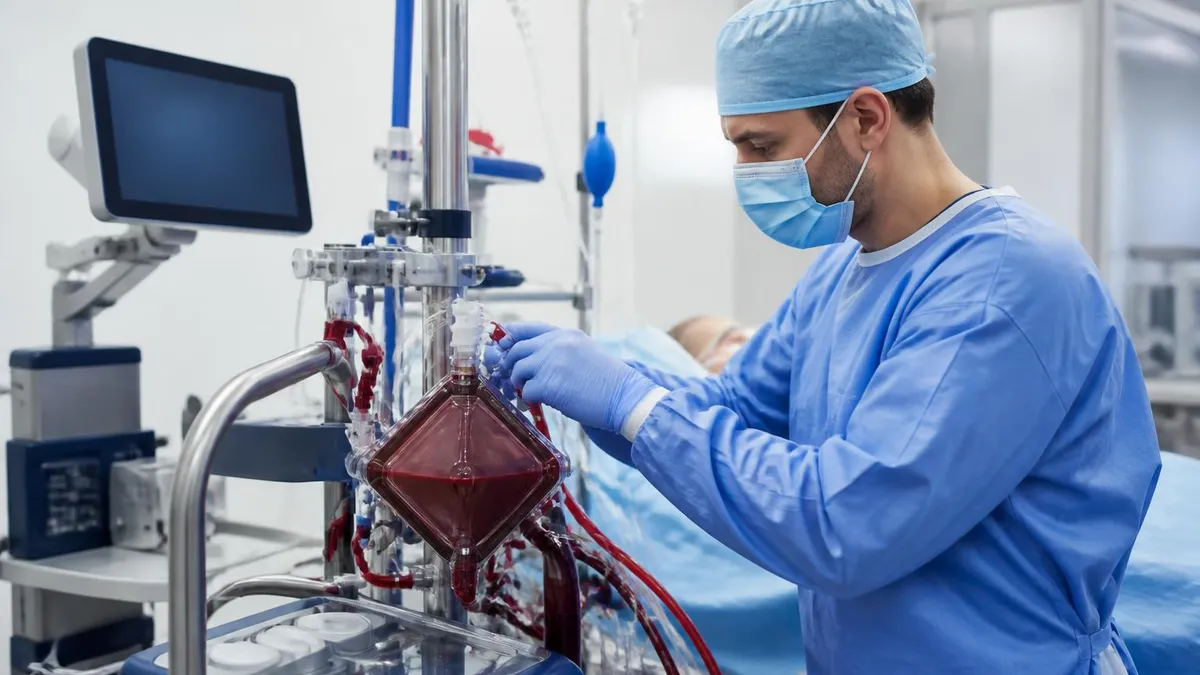
ECMO Patient Guide: What to Expect, Care, Recovery & Outcomes
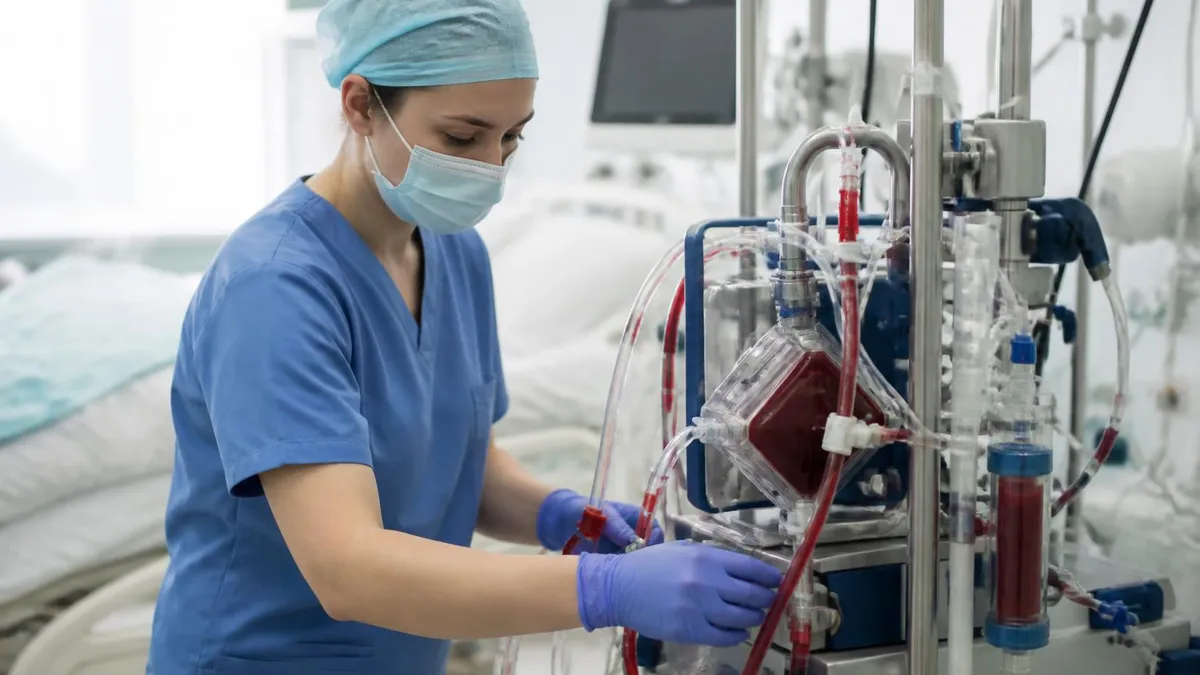
ECMO Specialist: Career Path, Duties, Salary, and Certification Guide
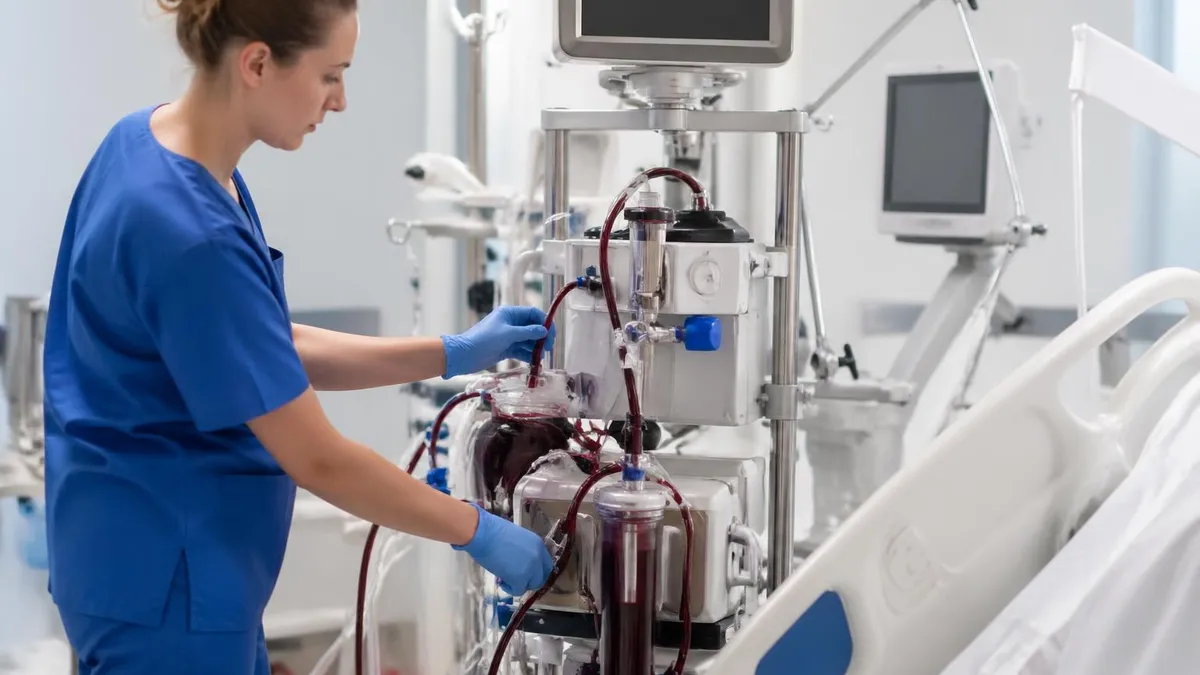
ECMO: How Extracorporeal Membrane Oxygenation Works and Who Needs It
About the Author

Educational Psychologist & Academic Test Preparation Expert
Columbia University Teachers CollegeDr. Lisa Patel holds a Doctorate in Education from Columbia University Teachers College and has spent 17 years researching standardized test design and academic assessment. She has developed preparation programs for SAT, ACT, GRE, LSAT, UCAT, and numerous professional licensing exams, helping students of all backgrounds achieve their target scores.
Join the Discussion
Connect with other students preparing for this exam. Share tips, ask questions, and get advice from people who have been there.
View discussion (9 replies)