
ECMO Specialist: Career Path, Duties, Salary, and Certification Guide
Complete ECMO specialist guide: duties, salary, certification, training, and daily responsibilities managing extracorporeal membrane oxygenation circuits. ✏️
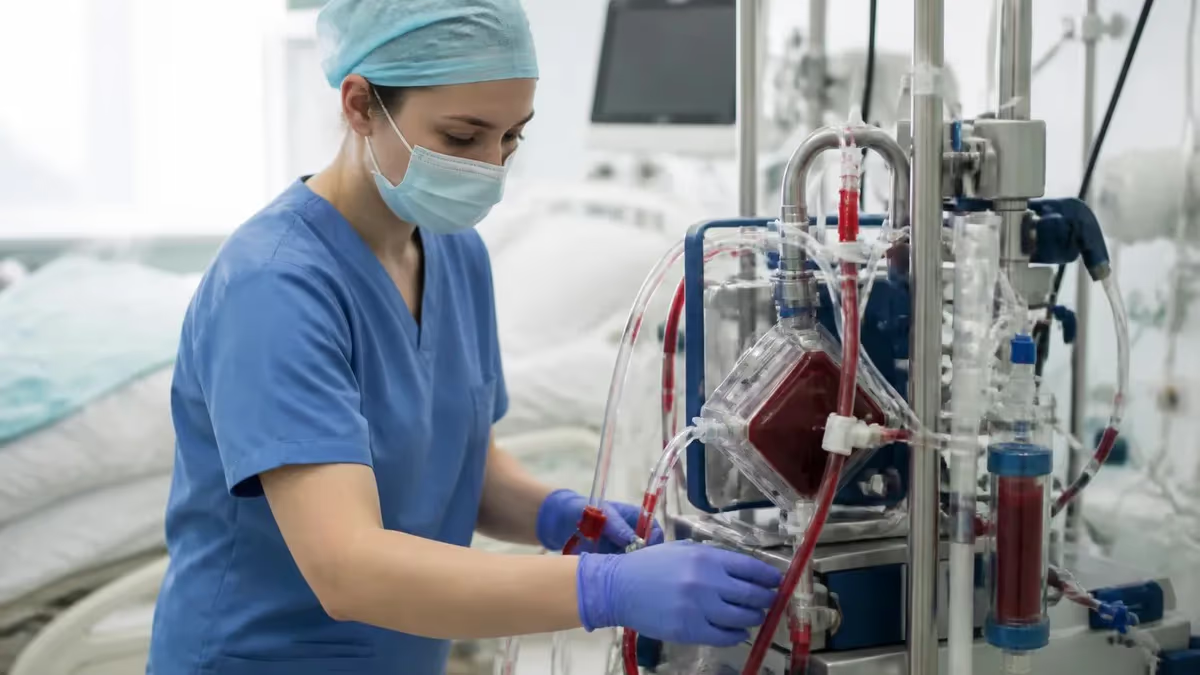
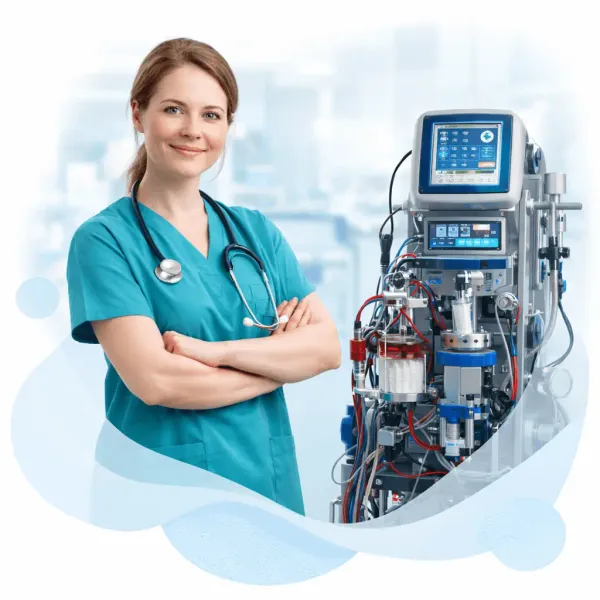
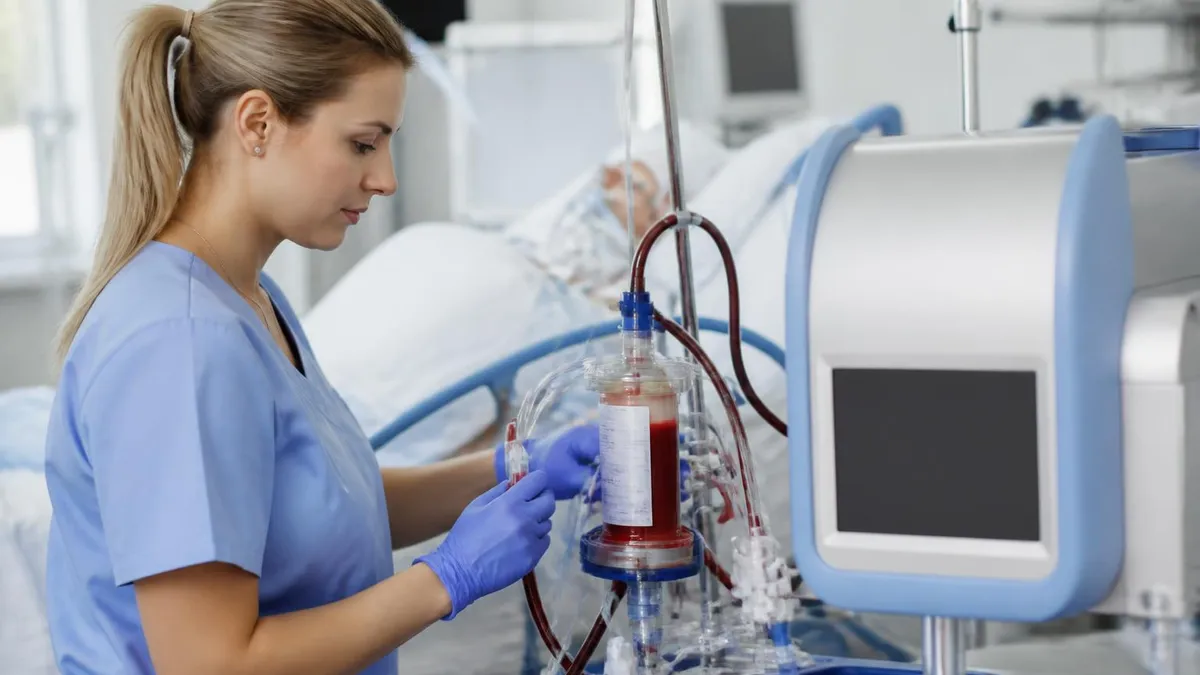
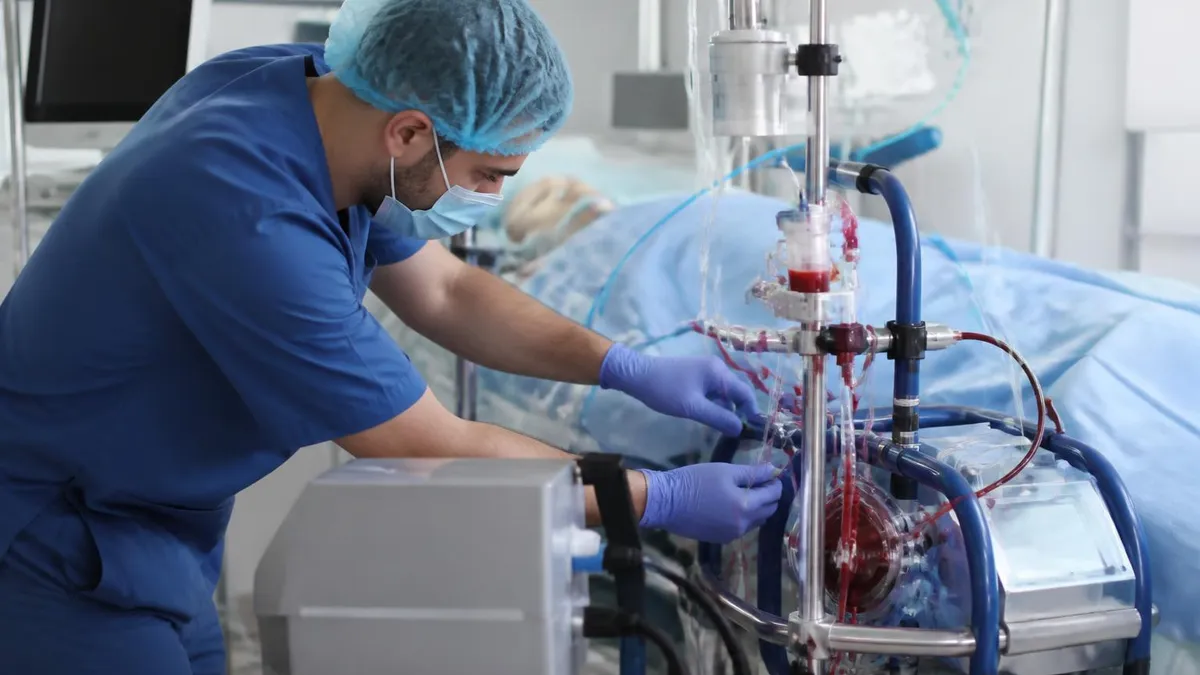
An ECMO specialist is a highly trained clinician who manages the extracorporeal membrane oxygenation circuit at the bedside, troubleshooting alarms, adjusting flows, monitoring anticoagulation, and partnering with the intensivist team to keep critically ill patients alive when their hearts or lungs cannot function on their own. The role sits at the intersection of perfusion science, critical care nursing, and respiratory therapy, and demand has surged since 2020 as more centers expanded programs for respiratory failure, cardiogenic shock, and refractory cardiac arrest.
Most ECMO specialists come from one of three backgrounds: registered nurses with adult or pediatric intensive care experience, registered respiratory therapists with mechanical ventilation expertise, or certified clinical perfusionists who already manage cardiopulmonary bypass in the operating room. Each pathway brings a slightly different lens, but all converge on the same core skill set: pump management, gas exchange physiology, cannula assessment, sweep and flow titration, and rapid recognition of life-threatening complications like air entrainment, oxygenator failure, or hemolysis.
The job is physically and cognitively demanding. A typical 12-hour shift involves continuous one-to-one monitoring of a single patient, hourly circuit checks, blood gas analysis, ACT or anti-Xa coagulation testing, and detailed charting of pump speed, sweep gas flow, fraction of delivered oxygen, and pre- and post-oxygenator pressures. Specialists frequently learn the science of extracorporeal membrane oxygenation in neonates alongside adult protocols, because many programs run mixed populations and credentialing requires breadth.
Salaries reflect the rarity of the skill. Nurses and respiratory therapists who add ECMO credentials commonly see hourly differentials of $8 to $20, and full-time perfusionist-track specialists routinely earn six figures with on-call premiums. Travel ECMO contracts, which exploded during the COVID-19 era, can pay $4,500 to $7,000 weekly in high-demand regions, especially for clinicians experienced in venovenous and venoarterial configurations.
Beyond pay, the work offers an uncommon professional reward: ECMO specialists routinely care for patients who arrive in extremis and walk out of the hospital weeks later. The save rate for properly selected patients has improved dramatically over the past decade thanks to better circuits, smarter anticoagulation, and stronger evidence around mobilization. That said, the role also demands emotional resilience because mortality remains significant, decannulation decisions are weighty, and families often spend many days at the bedside.
This guide walks through the duties, credentials, training pathways, salary ranges, daily workflow, and career outlook for ECMO specialists working in U.S. hospitals. Whether you are a bedside ICU nurse exploring the next step, a respiratory therapist eyeing a specialty, or a hospital administrator scoping a new program, the sections below cover what the role looks like in practice and what it takes to succeed.
We also cover the practical realities most job postings hide: the on-call burden, the simulation training schedule, the relationship with surgeons, the politics of program governance, and the personal habits that separate burned-out specialists from those who thrive across decades-long careers in extracorporeal life support.
ECMO Specialist Career by the Numbers
Core Duties of an ECMO Specialist
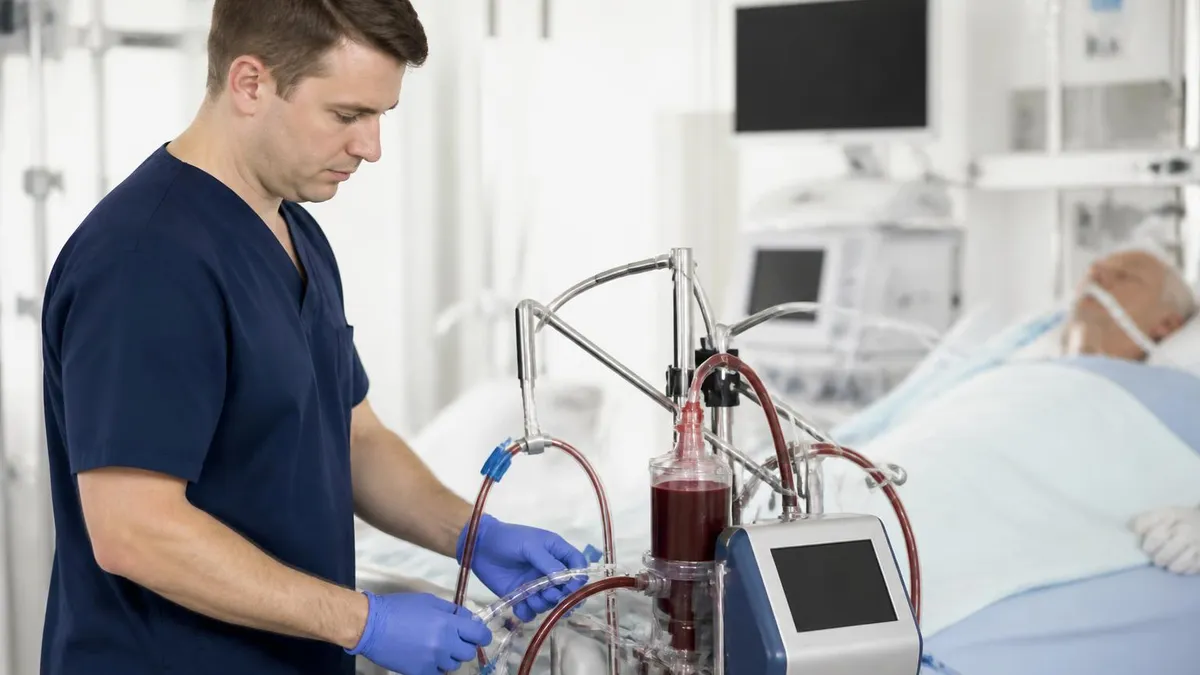
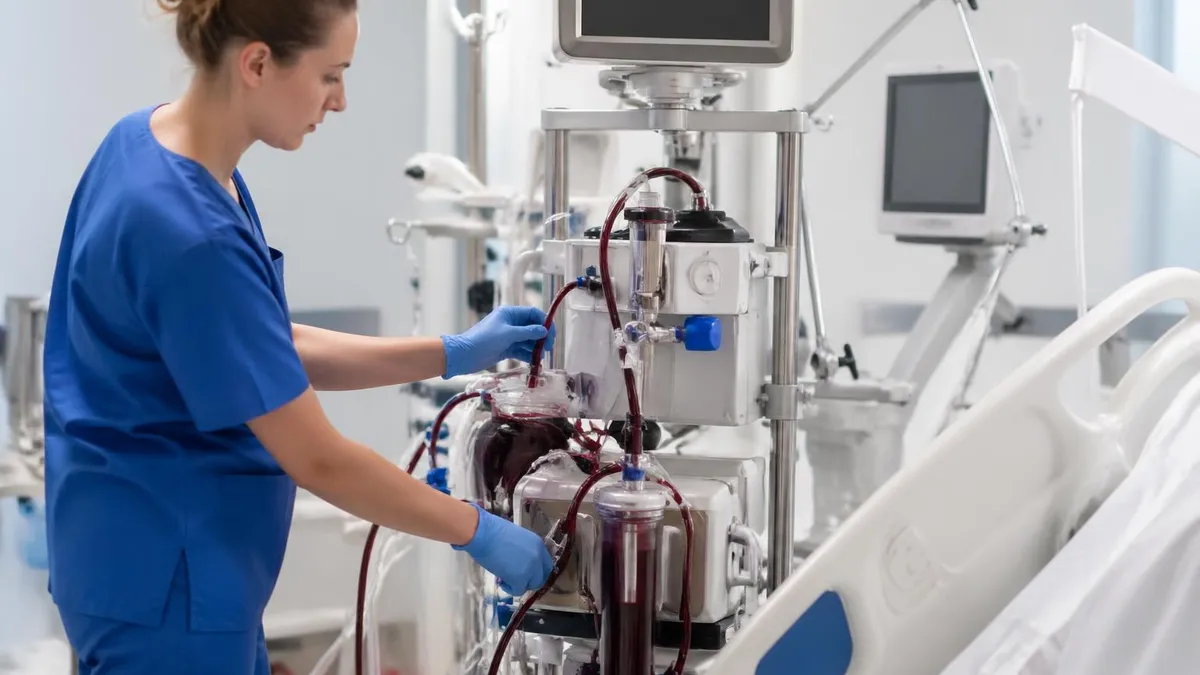
Perform hourly inspections of the entire extracorporeal circuit, checking for fibrin deposits, clot formation, line integrity, and pre- and post-oxygenator pressure gradients that signal impending oxygenator failure.
Titrate heparin or bivalirudin infusions based on ACT, anti-Xa, or TEG values per protocol, balancing thrombosis risk against bleeding complications that account for the majority of ECMO-related deaths.
Adjust sweep gas flow to control CO2 removal and FdO2 to manage oxygenation, working closely with intensivists to wean ventilator settings safely while preserving lung-protective parameters.
Lead immediate response to circuit emergencies including air embolism, pump failure, decannulation, and oxygenator clotting, often executing hand-cranking and circuit changes within minutes.
Explain the circuit, alarms, and patient condition to families at the bedside in plain language, reducing anxiety and building trust during what is often a multi-week ICU stay.
Becoming an ECMO specialist begins with a base clinical license, almost always as a registered nurse, registered respiratory therapist, or certified clinical perfusionist. Most U.S. centers require at least two years of intensive care experience before allowing a clinician to enter ECMO training. That experience builds the pattern recognition needed to interpret hemodynamic shifts, ventilator graphics, and lab trends, all of which feed directly into ECMO decision-making.
Formal training combines classroom didactics, simulation, and supervised clinical hours. The Extracorporeal Life Support Organization, known as ELSO, publishes curriculum guidelines that most programs follow closely. Typical didactic content covers the physics of the extracorporeal membrane oxygenation circuit, oxygenator membrane chemistry, cannulation strategies, pharmacology of sedation and anticoagulation, and management of common complications such as North-South syndrome and recirculation in venovenous configurations.
Simulation is non-negotiable. High-fidelity wet labs use real pumps, oxygenators, and pressurized circuits with food coloring to mimic blood. Trainees rehearse air embolism management, emergency pump changes, oxygenator swaps, and rapid cannulation drills. The best programs run quarterly sim sessions for active specialists, because skills decay fast when emergencies are rare. Centers that skip ongoing simulation see measurably worse outcomes when complications strike during real shifts.
Clinical orientation usually spans 80 to 240 hours of bedside time paired with an experienced preceptor. Orientees rotate through priming circuits, attending cannulations in the operating room or ICU, performing hourly safety checks under observation, and gradually taking primary responsibility for stable patients before being released to manage complex or unstable runs independently.
Credentialing is institution-specific, but ELSO offers a voluntary individual certification that is increasingly common in job postings. The exam tests circuit knowledge, physiology, troubleshooting, and emergency response. Some hospitals also require ACLS, PALS, or NRP depending on the patient population served. Pediatric and neonatal centers add specialized modules on cannula sizes, prostaglandin management, and the unique hemodynamics of congenital heart disease patients.
Continuing education never stops. ELSO encourages annual case review, mortality and morbidity conferences, and registry data submission. Specialists in mature programs often attend the annual ELSO conference, regional chapter meetings, and vendor-led training when new oxygenator generations or cannula designs reach the market. Documentation of ongoing education is also tied to maintaining hospital privileges in most institutions.
The training investment is substantial, but so is the payoff. Specialists who complete a full training program and pass institutional credentialing are typically eligible for shift differentials, on-call pay, and rapid promotion into lead specialist or program coordinator roles that combine bedside work with administrative duties like protocol writing and quality improvement reporting.
ECMO Practice Test Questions
Prepare for the ECMO - Extracorporeal Membrane Oxygenation exam with our free practice test modules. Each quiz covers key topics to help you pass on your first try.
ECMO in Neonatal and Pediatric Populations
ECMO Exam Questions covering ECMO in Neonatal and Pediatric Populations. Master ECMO Test concepts for certification prep.
ECMO Pharmacology and Drug Management
Free ECMO Practice Test featuring ECMO Pharmacology and Drug Management. Improve your ECMO Exam score with mock test prep.
ECMO - Extracorporeal Membrane Oxygenation...
ECMO Mock Exam on - Extracorporeal Membrane Oxygenation Anticoagulation and Hemostasis. ECMO Study Guide questions to pass on your first try.
ECMO - Extracorporeal Membrane Oxygenation...
ECMO Test Prep for - Extracorporeal Membrane Oxygenation Cannulation Techniques and Strategies. Practice ECMO Quiz questions and boost your score.
ECMO - Extracorporeal Membrane Oxygenation...
ECMO Questions and Answers on - Extracorporeal Membrane Oxygenation Circuit Components and Management. Free ECMO practice for exam readiness.
ECMO - Extracorporeal Membrane Oxygenation...
ECMO Mock Test covering - Extracorporeal Membrane Oxygenation Complications and Troubleshooting. Online ECMO Test practice with instant feedback.
ECMO - Extracorporeal Membrane Oxygenation...
Free ECMO Quiz on - Extracorporeal Membrane Oxygenation ECMO Physiology and Principles. ECMO Exam prep questions with detailed explanations.
ECMO - Extracorporeal Membrane Oxygenation...
ECMO Practice Questions for - Extracorporeal Membrane Oxygenation ECPR and Special Populations. Build confidence for your ECMO certification exam.
ECMO - Extracorporeal Membrane Oxygenation...
ECMO Test Online for - Extracorporeal Membrane Oxygenation Patient Monitoring and Assessment. Free practice with instant results and feedback.
ECMO - Extracorporeal Membrane Oxygenation...
ECMO Study Material on - Extracorporeal Membrane Oxygenation Veno-Arterial (VA) ECMO Management. Prepare effectively with real exam-style questions.
ECMO - Extracorporeal Membrane Oxygenation...
Free ECMO Test covering - Extracorporeal Membrane Oxygenation Veno-Venous (VV) ECMO Management. Practice and track your ECMO exam readiness.
ECMO - Extracorporeal Membrane Oxygenation...
ECMO Exam Questions covering - Extracorporeal Membrane Oxygenation Weaning and Decannulation. Master ECMO Test concepts for certification prep.
Specialist Skills by Extracorporeal Membrane Oxygenation Procedure Type
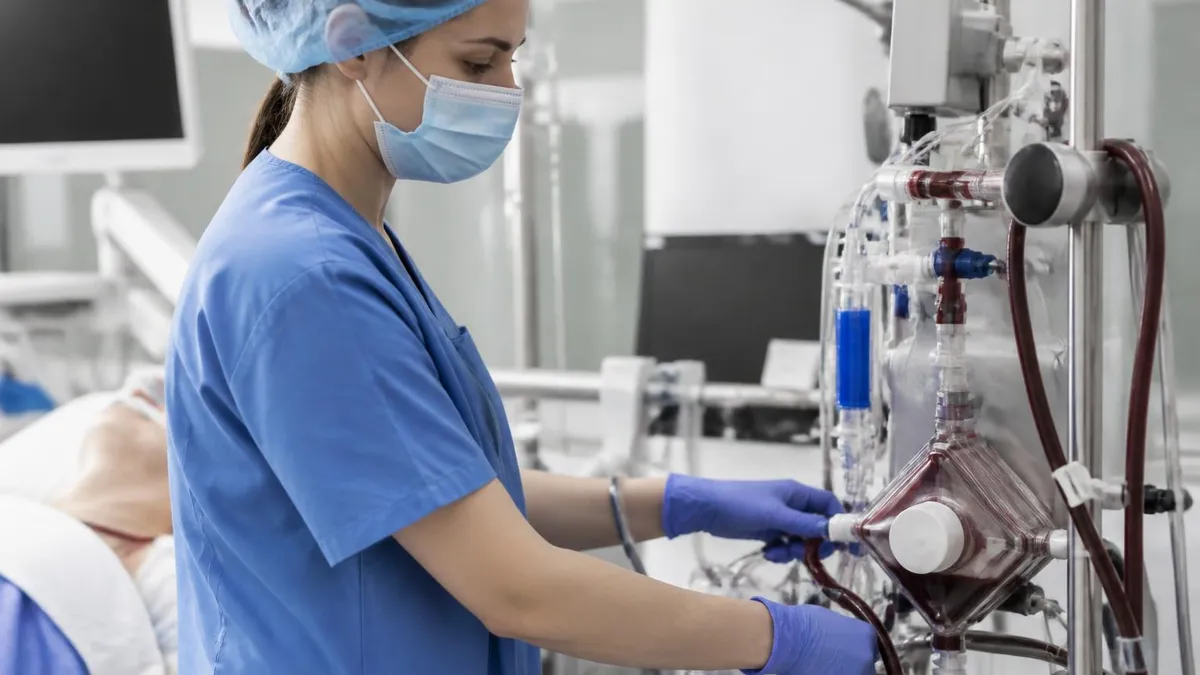
In venovenous configurations, the specialist focuses primarily on respiratory failure support. Blood is drained from a large central vein, oxygenated, and returned to the venous system, leaving native cardiac output to handle perfusion. Specialists must recognize and correct recirculation, which occurs when freshly oxygenated blood is immediately drawn back into the drainage cannula, reducing effective gas exchange and confusing oxygenation interpretation at the bedside.
Key VV competencies include titrating flow to optimize oxygen delivery without exceeding cannula limits, managing sweep to control PaCO2 and ventilator weaning, and recognizing when ARDS patients are improving enough to begin decannulation trials. Mobilization protocols, including ambulation on ECMO for awake patients awaiting lung transplant, are also a specialist-led intervention in many high-volume centers.
Is Becoming an ECMO Specialist Right for You?
- +Strong salary differential over baseline ICU nursing or respiratory therapy roles
- +Intellectually engaging work blending physiology, mechanics, and clinical judgment
- +Highly visible role within the ICU with strong physician collaboration
- +Travel and contract opportunities pay $4,500 to $7,000 per week
- +Direct impact on dramatic patient saves builds deep job satisfaction
- +Clear pathway to leadership, education, and program coordinator roles
- −On-call burden can disrupt sleep and family life significantly
- −Emotional toll of high-stakes outcomes and frequent mortality
- −Initial training requires 80 to 240 hours of unpaid or low-pay orientation
- −Skill decay between emergencies demands continuous simulation practice
- −Physical demands of long 1:1 shifts with limited bathroom breaks
- −Program politics and surgeon dynamics vary widely between hospitals
Pros and Cons at a Glance
| Pros | Cons |
|---|---|
| Strong salary differential over baseline ICU nursing or respiratory therapy roles | On-call burden can disrupt sleep and family life significantly |
| Intellectually engaging work blending physiology, mechanics, and clinical judgment | Emotional toll of high-stakes outcomes and frequent mortality |
| Highly visible role within the ICU with strong physician collaboration | Skill decay between emergencies demands continuous simulation practice |
| Direct impact on dramatic patient saves builds deep job satisfaction | Program politics and surgeon dynamics vary widely between hospitals |
ECMO Specialist Pre-Shift Checklist
- ✓Review handoff report covering 24-hour trends and pending decisions
- ✓Inspect entire circuit for clot, fibrin strands, and tubing kinks
- ✓Verify backup hand-crank, scissors, and emergency clamps at bedside
- ✓Confirm ACT or anti-Xa within target range and document last value
- ✓Check pre- and post-oxygenator pressures and calculate transmembrane gradient
- ✓Validate sweep gas source, blender function, and FdO2 setting
- ✓Review anticoagulation goals with intensivist for the upcoming shift
- ✓Assess cannula sites for bleeding, hematoma, and distal perfusion
- ✓Confirm blood products and emergency drugs stocked and accessible
- ✓Verify emergency power, backup pump availability, and code cart proximity
Hourly checks save lives
The single most important habit of a high-performing ECMO specialist is the disciplined hourly circuit check. Programs that audit compliance with hourly inspections consistently identify clot formation, oxygenator failure, and connection issues before they become catastrophic. Skip a check, and you lose your warning window.
Salary for ECMO specialists varies meaningfully based on geography, hospital type, patient population, and the clinician's underlying license. Registered nurses who add ECMO credentials commonly see total compensation in the $95,000 to $135,000 range in mid-sized U.S. markets, climbing well above $160,000 in high-cost cities like San Francisco, Boston, and New York where academic medical centers compete for limited talent. Differentials for night, weekend, and on-call hours layer on top of base pay.
Respiratory therapists follow a similar curve but typically start a notch lower in base pay, often offset by larger ECMO differentials because RT-to-ECMO conversion is less common in some programs. Certified clinical perfusionists who cover both operating room cases and ECMO calls have the highest ceiling, with senior perfusionists at large transplant centers routinely earning $180,000 to $240,000 inclusive of call pay and overtime, especially in programs with heavy ventricular assist device and transplant volume.
Travel and contract roles dramatically expand earning potential. During the height of COVID-19, agencies reported weekly contracts of $7,000 to $10,000 for experienced ECMO specialists willing to relocate. The market has since cooled, but demand remains improved, and weekly contracts in the $4,500 to $6,500 range are common in 2025. Contract work requires confidence across multiple cannulation strategies and comfort entering unfamiliar institutional protocols quickly.
On-call pay structures differ widely. Some programs pay a flat daily rate for being available, others pay only for activations, and many combine both with shift premiums when called in. Specialists evaluating offers should ask explicitly about call frequency, activation pay, response time requirements, and whether the program uses a dedicated 24/7 in-house specialist model or a home-call model with rapid response expectations.
Hospital benefits often include tuition reimbursement, conference travel funding, and paid time off to attend ELSO meetings. Some programs sponsor specialists to pursue the individual ELSO credential or related certifications. These benefits add real value beyond base salary and signal that the institution is investing in long-term program quality rather than treating ECMO as a temporary surge response.
Compensation is just one dimension of job evaluation. Schedule flexibility, the strength of the medical director, surgeon availability, nurse-to-patient ratios, and the depth of the specialist team all shape day-to-day quality of life. A higher salary at a thinly staffed program with frequent forced overtime often delivers worse net welfare than a slightly lower offer at a well-resourced center with strong team culture.
Finally, location matters beyond cost of living. Patient acuity, case mix, and the volume of advanced configurations like ECPR and dual-lumen single-cannula support drive professional growth. Specialists who want to build long careers prioritize programs that run diverse, high-volume case loads with strong continuing education infrastructure over those that offer marginally higher pay but limited learning opportunities.
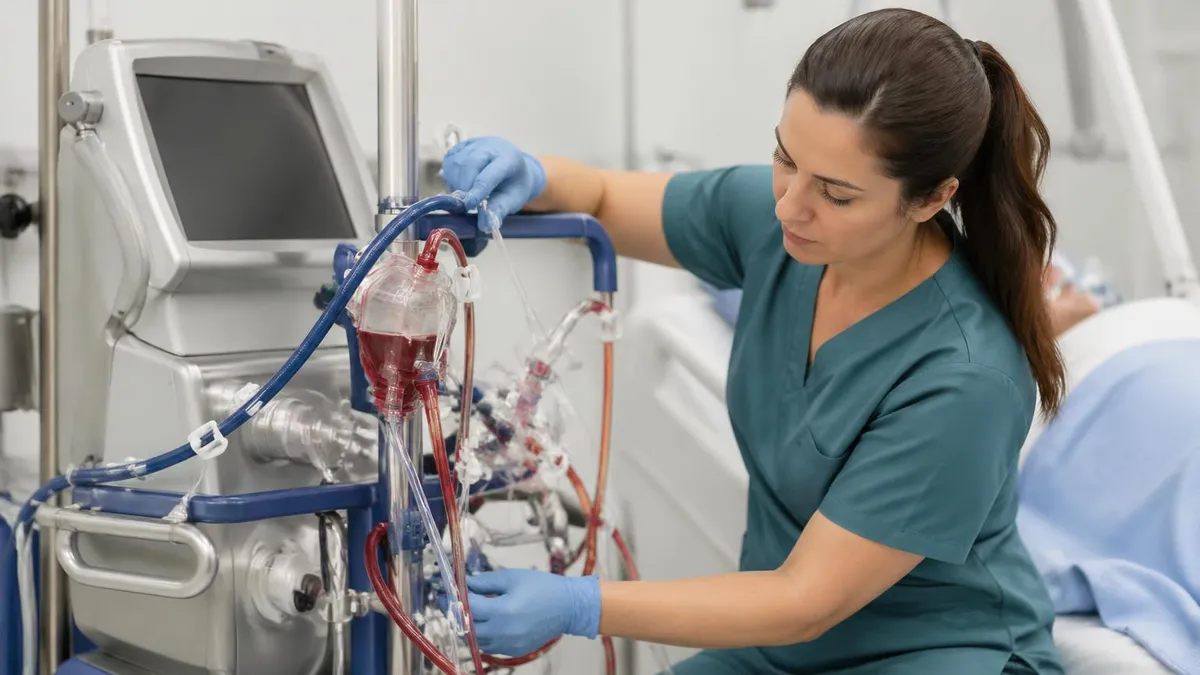
ECMO specialists experience burnout at rates above general ICU staff because of on-call disruption, emotional intensity, and the 1:1 vigilance demanded by the role. Programs that fail to staff adequately or rotate clinicians off high-acuity assignments routinely see turnover within 18 to 24 months. Evaluate workload realistically before accepting any role.
Career growth for ECMO specialists has accelerated as more U.S. centers launch and expand programs. Entry-level bedside roles lead naturally into lead specialist positions, where clinicians take on charge responsibilities, preceptor new orientees, and lead simulation drills. Lead specialists typically earn an additional differential of $3 to $8 per hour and gain influence over scheduling, protocol revisions, and quality improvement projects that shape program culture.
Beyond lead roles, the next major step is ECMO coordinator, a hybrid clinical-administrative position responsible for program governance. Coordinators oversee credentialing, registry data submission to ELSO, equipment procurement, vendor relationships, and budget planning. They also serve as the face of the program in multidisciplinary committees and often present outcomes data to hospital executives, where program survival can hinge on demonstrating value relative to the substantial extracorporeal membrane oxygenation machine price and ongoing disposable costs.
Education tracks offer another pathway. Some specialists transition into full-time simulation educators or join university faculty, training new generations of ECMO clinicians at programs affiliated with academic medical centers. These roles trade some bedside excitement for a steadier schedule and the satisfaction of multiplying impact across many learners and institutions over a career.
Research is another growth avenue. The ECMO field publishes prolifically, and specialists with strong clinical insight are increasingly co-authors on protocol studies, registry analyses, and quality improvement publications. ELSO chapters welcome specialist involvement in research committees and provide structured opportunities to contribute to the body of evidence guiding future practice in both adult and pediatric populations across diverse global health systems.
Industry roles offer another pivot. Oxygenator manufacturers, pump vendors, and cannula companies hire experienced specialists as clinical educators, technical product managers, and field application specialists who train new accounts. These roles often involve travel but pay well, and they use hands-on expertise rather than requiring an additional graduate degree to enter at a senior level with substantial responsibility.
For specialists interested in expanding their scope, certified clinical perfusion school is the most ambitious option. Perfusion programs typically span 18 to 24 months and require a substantial financial and time investment, but graduates emerge eligible to run cardiopulmonary bypass cases, manage ventricular assist devices, and coordinate ECMO programs at the highest level of authority and compensation in the field.
Whichever path you choose, the long-term outlook for ECMO careers remains strong. Demand for the technology continues to grow, programs continue to mature, and the science of venovenous extracorporeal membrane oxygenation and other configurations advances every year. Specialists who keep learning, build strong professional networks through ELSO, and protect their well-being can expect rewarding careers spanning decades.
Practical tips for thriving as an ECMO specialist begin with mastering the fundamentals of physiology before diving into device-specific quirks. Understand oxygen delivery as the product of cardiac output and arterial oxygen content. Know the alveolar gas equation cold. Understand how mixed venous saturation reflects the balance of delivery and consumption. These foundations make troubleshooting intuitive rather than algorithmic, especially when a patient presents with confusing combinations of hypoxemia, hypercarbia, and hemodynamic instability on a complex run.
Build deliberate practice into your week. The best specialists keep a personal log of every unusual event, complication, and decision point from their shifts. Reviewing these logs monthly accelerates pattern recognition far faster than passive experience alone. Pair logging with deliberate study of ELSO guidelines, the Red Book, and recent journal articles. Just thirty minutes of focused weekly reading compounds remarkably over a year of clinical exposure on a busy service.
Develop strong communication habits with surgeons and intensivists. Frame updates with the situation, background, assessment, and recommendation structure even in informal hallway conversations. Surgeons respect specialists who anticipate questions and arrive with data already organized. Over time this professional polish translates into being trusted with greater autonomy in flow titration, anticoagulation adjustments, and even decannulation timing decisions during cases where you have the strongest bedside picture.
Take simulation seriously. When your program runs quarterly emergency drills, treat them like real emergencies. Practice hand-cranking until it feels automatic. Rehearse air embolism response, including head-down positioning and pump stoppage, until your team executes it under twenty seconds without thinking. The day a real complication strikes, your training will either save the patient or expose the gaps you accepted during prior simulations and tried to ignore.
Protect your physical and emotional health intentionally. Long shifts at 1:1 ratios with critically ill patients drain reserves that recover only with sleep, nutrition, and time away from clinical work. The most durable specialists protect at least one full day per week of complete disconnection from work email, professional reading, and clinical thinking. Burnout is the largest single threat to your career, and it builds invisibly until it cannot be reversed without dramatic schedule changes.
Cultivate a peer network beyond your home institution. Join your regional ELSO chapter, attend the annual conference if your program funds it, and connect on social media platforms where ECMO clinicians share challenging cases and protocol questions. Many of the smartest tactical insights, like specific anticoagulation tricks during heparin-induced thrombocytopenia or sedation strategies for awake VV patients, travel through these informal networks long before they appear in published literature.
Finally, prepare for tests, credentialing exams, and competency assessments with active recall and spaced repetition rather than passive rereading. Use practice questions to identify weak areas, then study targeted material until you can teach the concept aloud without notes. Specialists who study this way pass institutional and ELSO certifications on the first attempt and develop the durable knowledge that makes them stand out during emergencies that demand fast, confident decisions.
Sample ECMO - Extracorporeal Membrane Oxygenation Practice Questions
Try these questions from our free ECMO - Extracorporeal Membrane Oxygenation practice tests. The correct answer and an explanation follow each question.
Which condition most commonly leads to enteral feeding intolerance in ECMO patients receiving VA ECMO?
- A. Hypoxic gut ischemia due to retrograde aortic flow and reduced splanchnic perfusion
- B. Circuit recirculation reducing mesenteric oxygen delivery
- C. High ECMO flows causing mesenteric venous hypertension
- D. Anticoagulation causing mucosal hemorrhage and diarrhea
Answer: A. Hypoxic gut ischemia due to retrograde aortic flow and reduced splanchnic perfusion
In VA ECMO, retrograde aortic flow can reduce antegrade pulsatile flow to mesenteric vessels, leading to gut hypoperfusion and feeding intolerance.
What is the primary reason VA ECMO increases myocardial oxygen demand compared to VV ECMO?
- A. Higher oxygenator membrane surface area
- B. Increased LV afterload from retrograde aortic flow
- C. Higher heparin requirements causing inflammation
- D. Faster pump speeds generating heat
Answer: B. Increased LV afterload from retrograde aortic flow
Retrograde ECMO flow into the aorta increases LV afterload, forcing the recovering heart to work harder and increasing myocardial oxygen consumption.
A patient on VV ECMO for ARDS secondary to an atypical pneumonia is noted to have persistently low pulse oximetry readings (SpO2 85-88%) despite an excellent post-oxygenator PaO2 of >400 mmHg on blood gas analysis. The blood in the arterial line of the ECMO circuit appears unusually dark or 'chocolate brown.' This discrepancy is most suggestive of which complication?
- A. Severe hemolysis
- B. Significant recirculation
- C. Methemoglobinemia
- D. Carbon monoxide poisoning
Answer: C. Methemoglobinemia
Methemoglobinemia occurs when the iron in hemoglobin is oxidized to the ferric (Fe3+) state, rendering it unable to bind oxygen. This causes a 'chocolate brown' blood appearance and a functional anemia. Standard pulse oximetry becomes inaccurate, reading falsely low (tending towards 85%), while the PaO2, which measures dissolved oxygen, remains high. The diagnosis is confirmed with co-oximetry.
A patient on femoral VA ECMO for cardiogenic shock has stable blood pressure and ECMO flows, but their serum lactate remains elevated at 6 mmol/L after 12 hours. Which of the following is the most crucial assessment to perform next to investigate the persistent hyperlactatemia?
- A. Perform a thorough neurological exam.
- B. Obtain a chest X-ray to check for pulmonary edema.
- C. Increase the ECMO pump flow by 10%.
- D. Assess perfusion of the cannulated and non-cannulated limbs.
Answer: D. Assess perfusion of the cannulated and non-cannulated limbs.
Persistent hyperlactatemia despite adequate central hemodynamics on peripheral VA ECMO is a red flag for regional hypoperfusion. The most common and critical cause is limb ischemia in the cannulated leg due to the large arterial cannula obstructing native blood flow. This must be assessed immediately via physical exam, Doppler ultrasound, or NIRS monitoring on the limb. While other causes exist, this is a frequent, reversible, and limb-threatening complication that takes precedence.
Take the full ECMO - Extracorporeal Membrane Oxygenation practice test
ECMO Questions and Answers
About the Author

Educational Psychologist & Academic Test Preparation Expert
Columbia University Teachers CollegeDr. Lisa Patel holds a Doctorate in Education from Columbia University Teachers College and has spent 17 years researching standardized test design and academic assessment. She has developed preparation programs for SAT, ACT, GRE, LSAT, UCAT, and numerous professional licensing exams, helping students of all backgrounds achieve their target scores.
Join the Discussion
Connect with other students preparing for this exam. Share tips, ask questions, and get advice from people who have been there.
View discussion (9 replies)