
ECMO Procedure 2026 October
📗 ECMO procedure provides life support for severe heart or lung failure. Learn VV VA types, indications, complications, and outcomes.
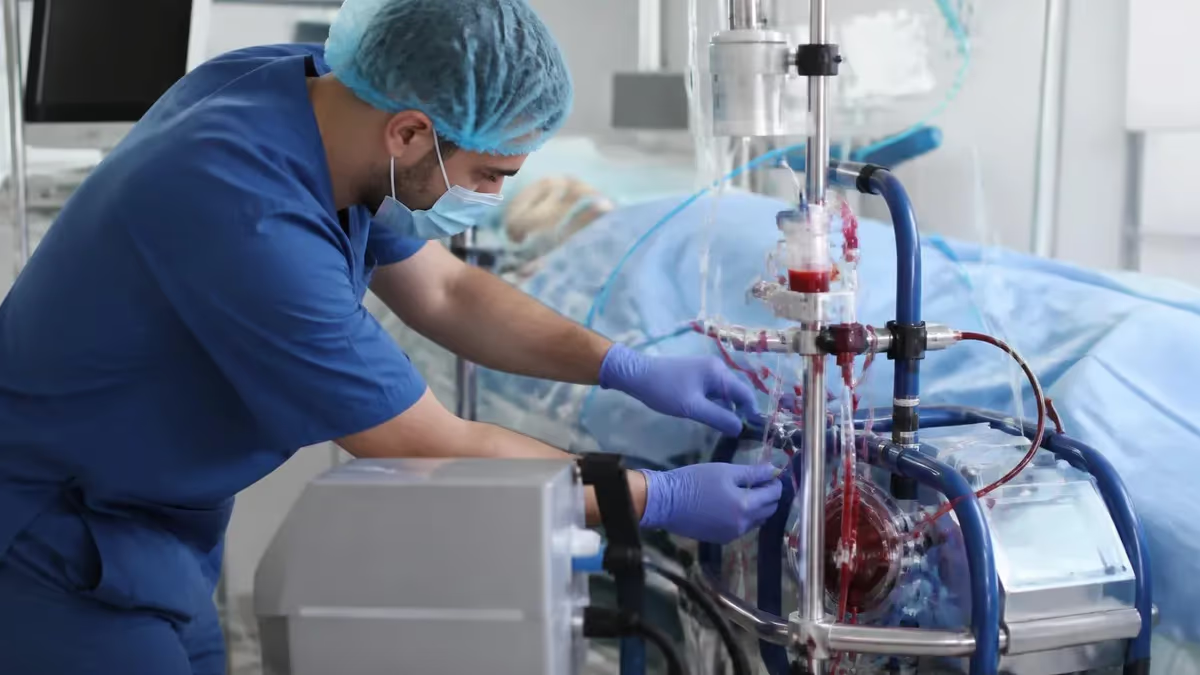
ECMO procedure or Extracorporeal Membrane Oxygenation represents life-saving medical intervention providing temporary cardiac and respiratory support for critically ill patients whose heart or lungs cannot adequately support life. The procedure involves circulating patient blood through external membrane oxygenator providing gas exchange and pump function outside the body. ECMO supports patients with severe heart failure, severe lung failure, cardiac arrest, and various other life-threatening conditions when conventional treatments cannot maintain adequate oxygenation or circulation. Understanding ECMO procedure helps patients, families, and healthcare professionals appreciate this complex intervention.
ECMO represents most advanced form of mechanical cardiopulmonary support requiring specialized expertise and substantial healthcare resources. The procedure originated in 1970s and has evolved substantially supporting expanding patient populations. Modern ECMO programs treat adults and children with various conditions including ARDS, cardiogenic shock, refractory cardiac arrest, and various other severe conditions. ECMO use grew substantially during COVID-19 pandemic for severe respiratory failure. The complex procedure requires specialized teams, dedicated facilities, and substantial cost making it concentrated specialty service available at major medical centers.
This guide explains ECMO procedure comprehensively including types of ECMO support, indications for ECMO use, circuit components and operation, patient management during ECMO, complications and risks, weaning and decannulation, comparison with related life support technologies, ECMO program characteristics, outcomes considerations, and various other aspects affecting ECMO understanding. Whether you are healthcare professional learning about ECMO, family member with patient on ECMO, or general healthcare consumer learning about advanced medical technology, comprehensive understanding supports informed engagement with this critical intervention.
ECMO Procedure Key Facts
Two main types of ECMO support address different patient needs. Venovenous VV ECMO removes blood from veins, oxygenates it through membrane oxygenator, then returns it to veins providing respiratory support when lungs cannot adequately exchange gases. VV ECMO suits patients with respiratory failure who maintain cardiac function. Venoarterial VA ECMO removes blood from veins, oxygenates through membrane, then returns to arteries providing both respiratory and cardiac support when heart cannot adequately pump blood. VA ECMO suits patients with cardiac failure or combined cardiac and respiratory failure. The two types support different patient situations matching specific organ failure patterns.
Common indications for ECMO use include various severe conditions requiring temporary cardiopulmonary support. Severe acute respiratory distress syndrome ARDS from various causes represents major VV ECMO indication. COVID-19 severe respiratory failure substantially expanded ECMO use during pandemic. Cardiogenic shock from various causes including heart attacks and severe heart failure indications VA ECMO. Refractory cardiac arrest with ECPR extracorporeal cardiopulmonary resuscitation supports patients whose hearts cannot be restarted through conventional CPR. Post-cardiac surgery support for some patients requires ECMO. Bridge to lung or heart transplant in some specific situations. The diverse indications reflect severe situations beyond conventional treatment capabilities.
Circuit components and operation involve sophisticated medical technology. Venous drainage cannula removes blood from large veins typically femoral vein. Pump circulates blood through circuit at controlled flow rates. Membrane oxygenator performs gas exchange adding oxygen and removing carbon dioxide. Heat exchanger maintains blood temperature. Return cannula delivers oxygenated blood back to patient through vein VV or artery VA. Various monitoring systems track flow rates, pressures, gas levels, and various other parameters. The complex circuit requires constant monitoring and adjustments by specialized ECMO team supporting safe operation throughout treatment course.
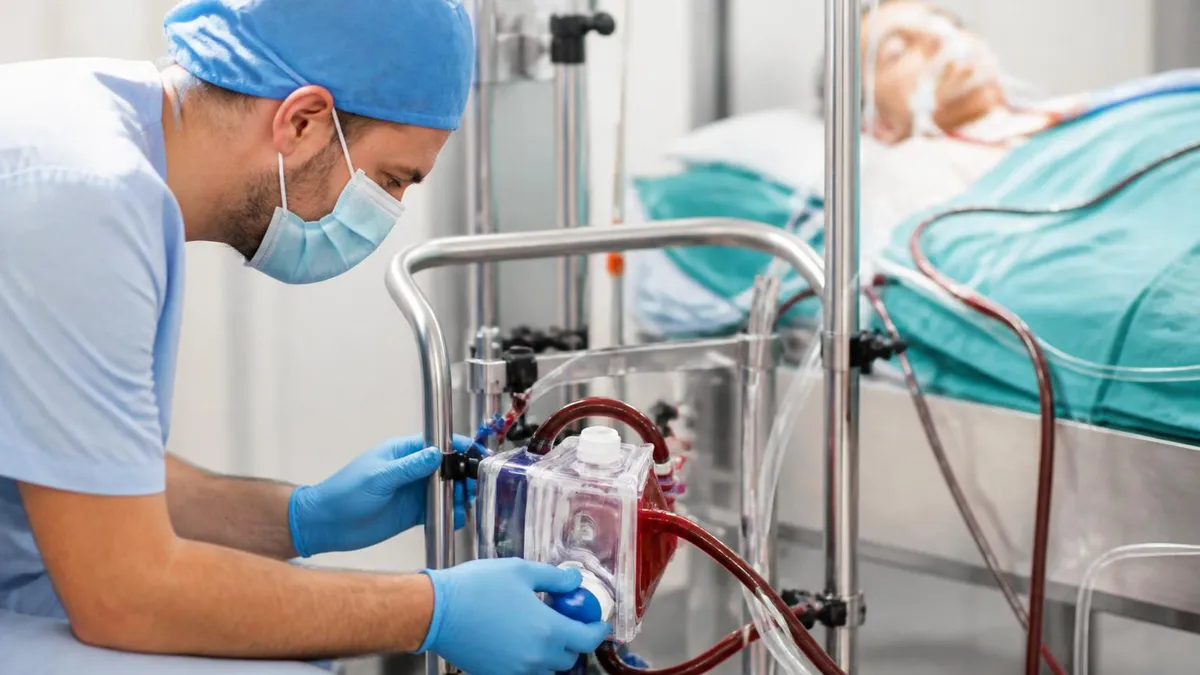
VV and VA ECMO serve different clinical purposes with important distinctions. VV ECMO supports respiratory function returning oxygenated blood to venous system for natural heart pumping to arteries. Suits respiratory failure patients with adequate cardiac function. Lower complication risk than VA ECMO. VA ECMO supports both respiratory and cardiac function returning oxygenated blood directly to arteries bypassing failing heart. Suits cardiac failure patients with or without respiratory failure. Higher complication risk including limb ischemia, neurological events, and various others. Specific ECMO type selection matches patient organ failure pattern through expert clinical decision making by ECMO team after comprehensive patient evaluation.
Patient management during ECMO involves intensive multidisciplinary care. ICU-level care with specialized ECMO-trained nurses provides continuous monitoring. Mechanical ventilation continues for most patients though with reduced settings supporting lung rest. Sedation and pain management support patient comfort during ECMO. Anticoagulation prevents clot formation in circuit and patient. Nutrition support maintains nutritional status during critical illness. Various medications support hemodynamic stability and various other patient needs. The comprehensive management requires substantial healthcare team expertise and resources making ECMO concentrated specialty service rather than widely available intervention.
Complications and risks during ECMO represent substantial concerns affecting patient outcomes. Bleeding represents major complication risk from anticoagulation requirement for circuit. Thrombosis and clot formation can occur despite anticoagulation. Infection risk increases with central catheters and prolonged critical illness. Limb ischemia from cannula placement particularly affects VA ECMO patients. Neurological complications including strokes affect some patients. Mechanical complications with circuit components require immediate response. The substantial complication risks make patient selection critical with ECMO appropriate when potential benefits exceed substantial risks matching specific clinical situations and patient circumstances.
Weaning from ECMO occurs as underlying organ function improves enabling decreased support needs. Gradual support reduction tests patient ability to maintain function with reduced ECMO contribution. Trial off ECMO with stopped flow tests cardiac and respiratory capability. Successful weaning supports decannulation removing ECMO cannulas. Some patients require extended ECMO support without successful weaning. Some patients transition from ECMO to other support like ventricular assist devices or heart and lung transplantation. The weaning process represents critical phase requiring careful assessment matching individual recovery patterns and clinical situations.
ECMO Indications
Severe ARDS, COVID-19 severe respiratory failure, severe pneumonia, and various other respiratory failure conditions not responding to maximum ventilator support. VV ECMO supports gas exchange while lungs recover. Major ECMO indication with extensive evidence supporting use.
Severe heart failure from myocardial infarction, fulminant myocarditis, post-cardiac surgery cardiac failure, and various other cardiac causes requiring temporary cardiac support. VA ECMO supports both circulation and gas exchange while heart recovers or alternative treatment planning occurs.
ECPR extracorporeal cardiopulmonary resuscitation supports patients whose cardiac arrest does not respond to conventional CPR. Rapid ECMO cannulation provides circulation while reversible causes are addressed. Specialized program with rapid response capability required.
ECMO supports specific patients awaiting heart or lung transplant when conventional support insufficient. Bridge therapy provides time for organ allocation and transplant. Selected patients with appropriate transplant candidacy benefit from this advanced bridging support.
Some patients require ECMO after cardiac surgery when post-operative cardiac function inadequate. Temporary support during cardiac recovery from operative stress. Helps specific patients survive immediate post-operative period supporting eventual recovery from cardiac surgery.
ECMO supports some severe toxin exposure cases including some drug overdoses producing cardiac or respiratory failure. Provides organ support while toxin clears or specific antidote treatments take effect. Selected toxin cases benefit from temporary ECMO support during acute toxicity period.
ECMO program characteristics include various organizational requirements. Specialized ECMO team including ECMO specialists, perfusionists, intensivist physicians, surgeons, nurses, and various other professionals required. Dedicated facility space including ECMO bays with specialized equipment access. ECMO equipment including circuits, pumps, oxygenators, and various other components requiring substantial inventory. Training programs maintain team expertise. Quality improvement processes track outcomes and identify improvement opportunities. The substantial program requirements concentrate ECMO availability at major medical centers with sufficient volume and resources supporting program operation matching specialty service requirements.
Patient selection for ECMO involves careful clinical decision making balancing potential benefits against substantial risks. Reversible underlying condition criteria support ECMO as bridge to recovery rather than indefinite support without recovery prospect. Patient age and comorbid conditions affect candidacy. Pre-existing severe organ dysfunction may contraindicate ECMO. Family discussion about goals of care and risks supports informed consent. Specific selection criteria vary across programs matching individual program experience and approach. The careful selection supports better outcomes by directing ECMO toward patients most likely to benefit from substantial intervention.
Costs of ECMO treatment substantially affect healthcare resource considerations. Daily ECMO costs typically $10,000 plus reflecting intensive resources required. Total ECMO course costs often exceed $300,000 with longer or more complex courses costing substantially more. Insurance typically covers ECMO when medically indicated though specific coverage details vary. Hospital programs absorb some costs beyond reimbursement. The substantial costs combined with limited program availability concentrate ECMO use at major centers with appropriate financial resources and patient volume supporting program operations beyond individual patient cases.
ECMO Treatment Considerations
Family communication during ECMO is critical given complexity and stakes involved. ECMO team communicates regularly with family explaining patient status, treatment goals, and potential outcomes. Family decisions about continuing or withdrawing ECMO support may arise particularly for prolonged ECMO without recovery. Family meetings with multidisciplinary team support informed decisions. Spiritual care and various other support services help families navigate emotional challenges. The communication and support extends beyond just clinical care recognizing family role in patient situation and decision making.
ECMO during COVID-19 pandemic substantially expanded use and visibility. Many patients with severe COVID-19 respiratory failure received ECMO when ventilator support inadequate. Outcomes varied with substantial percentage achieving survival though substantial mortality also occurred. The pandemic experience expanded ECMO program capacity at many institutions. Lessons learned during pandemic continue informing post-pandemic ECMO practice. The pandemic established ECMO as important treatment option for severe respiratory failure with broader recognition than previously held. Continued post-pandemic ECMO use applies lessons learned to various severe respiratory conditions beyond just COVID.
Ethical considerations affecting ECMO use include various complex situations. Resource allocation considerations affect ECMO availability when demand exceeds capacity. Withdrawal decisions for prolonged ECMO without recovery raise difficult ethical questions. Goals of care discussions guide treatment decisions matching patient and family values. Pediatric ECMO involves specific ethical considerations for pediatric patients. International ECMO availability variations raise global health ethics questions. The various ethical considerations require careful navigation supporting both individual patient care and broader resource allocation decisions affecting overall healthcare system function.
Comparison with related life support technologies helps understand ECMO position. Mechanical ventilation provides respiratory support without external circuit. Intra-aortic balloon pump IABP provides limited cardiac support less complex than ECMO. Impella heart pump provides cardiac support more limited than ECMO. Ventricular assist devices VADs provide longer-term cardiac support. Hemodialysis supports kidney function not cardiac or respiratory. Each technology has specific applications with ECMO providing most comprehensive cardiopulmonary support though with highest complexity and risk. Understanding technology spectrum helps clinical decisions matching specific patient situations to appropriate level of support.
ECMO represents highly complex intervention with substantial risks alongside potential benefits. Bleeding complications, thrombosis, infection, limb ischemia, neurological events, and various other complications can occur. Not all patients benefit from ECMO with some experiencing complications without recovery. Patient selection criteria match clinical situations to ECMO benefit potential. Family understanding of risks and benefits supports informed consent. The substantial complexity makes ECMO appropriate for specific clinical situations rather than universal life support solution. Discussing alternatives, prognosis, and goals of care with ECMO team helps inform decisions about ECMO appropriateness matching individual patient circumstances.
ECMO program quality measures support program evaluation and improvement. Survival rates measure outcome quality. Complications rates track safety performance. Program volume affects experience and outcomes with higher volume programs typically having better outcomes. Time from cardiac arrest to ECMO cannulation matters for ECPR outcomes. Various other quality measures support comprehensive program assessment. Extracorporeal Life Support Organization ELSO maintains registry tracking ECMO outcomes globally. ELSO certification recognizes programs meeting quality standards. The quality focus supports continuing improvement in ECMO practice and outcomes through systematic tracking and improvement efforts.
Research and innovation continue advancing ECMO field. Smaller more portable circuits expand ECMO accessibility. Improved biocompatible materials reduce complications. Various drug therapies enhance ECMO outcomes. Clinical trials investigate optimal ECMO use across various conditions. International collaboration through ELSO supports global research and practice improvement. The ongoing research continues evolving ECMO practice supporting better outcomes over time. Healthcare professionals stay current with ECMO advances through specialty conferences, journal reading, and various continuing education supporting evolving practice matching current evidence.
The ECMO procedure represents critical advanced medical intervention serving carefully selected patients with severe cardiac or respiratory failure. Understanding ECMO comprehensively including types, indications, technology, management, risks, and various other aspects supports informed engagement whether as patient, family member, or healthcare professional. The investment in ECMO understanding helps appreciate complex modern intensive care capabilities while recognizing limitations and risks. The continuing evolution of ECMO practice continues supporting better outcomes for severely ill patients through systematic application of evidence-based approaches matching individual patient circumstances across diverse severe illness situations.
ECMO Understanding Checklist
- ✓Understand difference between VV ECMO for respiratory and VA ECMO for cardiac support
- ✓Recognize common ECMO indications including severe respiratory failure and cardiogenic shock
- ✓Appreciate substantial complications risks alongside potential benefits
- ✓Understand intensive patient management required during ECMO support
- ✓Recognize ECMO program characteristics including specialized teams and dedicated facilities
- ✓Understand patient selection considerations balancing benefits against risks
- ✓Appreciate substantial costs of ECMO treatment affecting healthcare resources
- ✓Recognize variable outcomes depending on patient population and underlying condition
- ✓Understand family role in goals of care and treatment decisions
- ✓Appreciate continuing evolution of ECMO practice through ongoing research
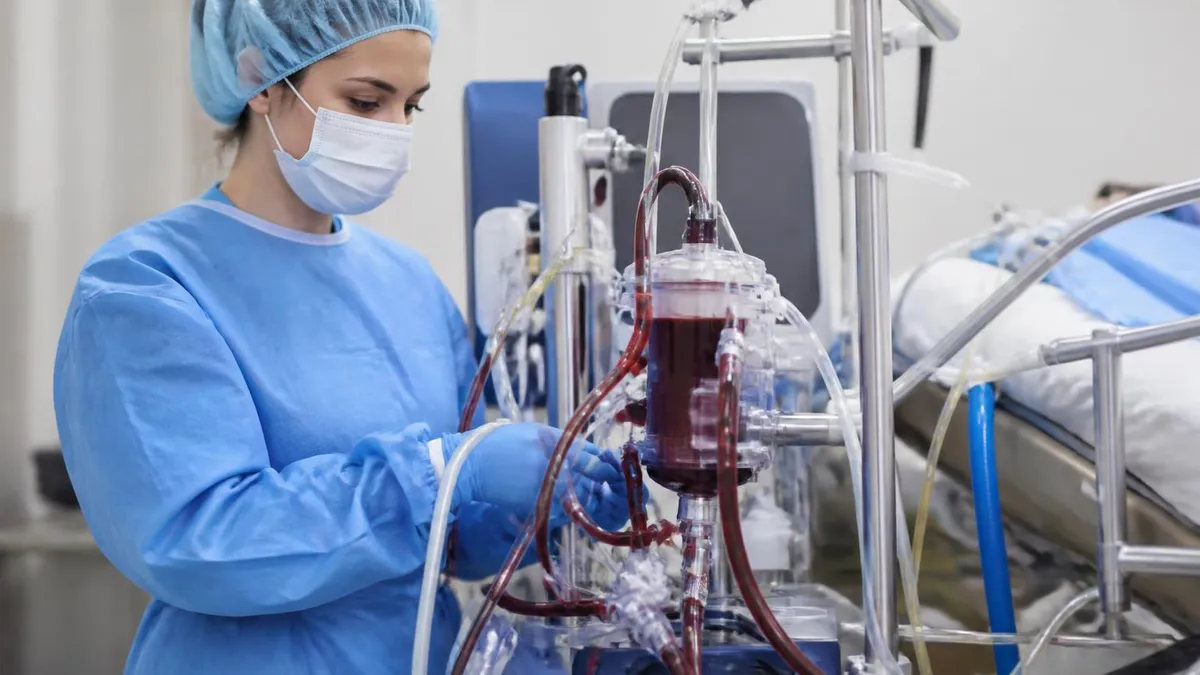
ECMO specialist career opportunities support various healthcare professionals interested in advanced intensive care. Certified ECMO Specialist credentials support practice in ECMO programs. Perfusionists with ECMO training operate ECMO circuits. Critical care nurses with ECMO certification provide bedside care. Critical care physicians lead ECMO programs. Cardiothoracic surgeons perform cannulation procedures. Various other specialists support ECMO operations. The ECMO specialty offers rewarding careers in advanced critical care for various healthcare professional backgrounds. Career development through ECMO specialty supports career advancement matching critical care interest.
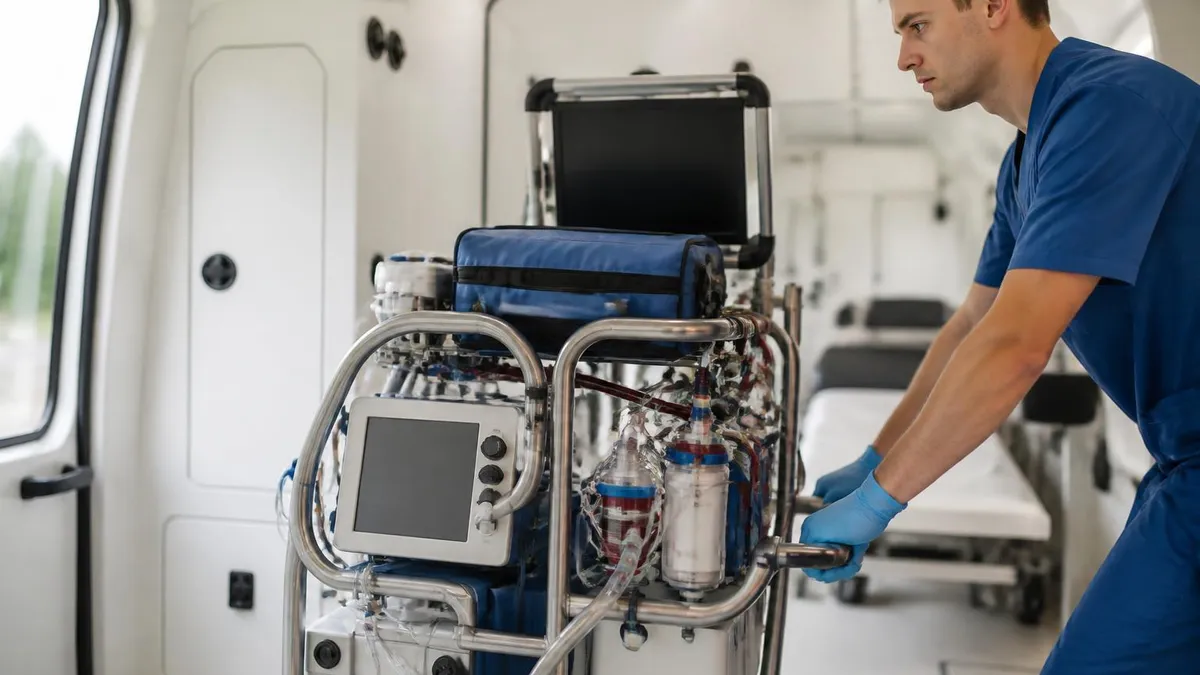
Mobile ECMO transport supports patient transfer to ECMO centers from facilities without ECMO capability. Mobile ECMO teams travel to referring facilities, cannulate patients, and transport them on ECMO to ECMO centers. The mobile capability extends ECMO access for patients at non-ECMO facilities requiring transfer for ECMO initiation. Mobile transport requires substantial logistics including helicopter or fixed-wing aircraft transport, specialized transport teams, and various coordination activities. The mobile ECMO services extend ECMO benefits to broader patient populations though require substantial program investment supporting transport capability.
The ECMO procedure represents pinnacle of mechanical cardiopulmonary support providing critical intervention for severely ill patients. Understanding ECMO comprehensively supports informed engagement across various perspectives. The substantial complexity, risks, costs, and resource requirements combined with potential for life-saving impact make ECMO important specialty service with specific applications. Whether learning about ECMO for healthcare career, family member with patient on ECMO, or general healthcare interest, comprehensive understanding supports informed perspective on this advanced medical intervention serving critically ill patients across diverse severe illness situations requiring temporary cardiopulmonary support.
ECMO Procedure Pros and Cons
- + —
- + —
- + —
- + —
- + —
- + —
- + —
- + —
- − —
- − —
- − —
- − —
- − —
- − —
Pediatric ECMO differs from adult ECMO in several ways. Pediatric patients face different specific conditions than adults. Equipment sized for pediatric patients differs from adult equipment. Pediatric ECMO programs require pediatric-specific expertise and resources. Specific ethical considerations apply to pediatric ECMO including family decision making for minors. Long-term outcome considerations include effects on development. The pediatric ECMO field has substantial history and continuing evolution similar to adult ECMO though with pediatric-specific considerations. Major pediatric hospitals operate dedicated pediatric ECMO programs supporting children needing this advanced support.
Neonatal ECMO supports specific newborn conditions including persistent pulmonary hypertension, meconium aspiration syndrome, and various other severe neonatal conditions. Neonatal ECMO has substantial history with established protocols and outcomes. Specialized neonatal ECMO programs operate at children hospitals and various other facilities with neonatal expertise. The neonatal patient population has different specific conditions than older pediatric or adult patients requiring different ECMO approach matching neonatal physiology. Outcomes for appropriate neonatal ECMO indications generally favorable though depend on specific underlying conditions and patient factors.
The ECMO procedure represents extraordinary medical capability supporting critically ill patients through temporary cardiopulmonary support. The complex intervention combines sophisticated technology, specialized teams, substantial resources, and careful clinical judgment to support patients through severe illness. Understanding ECMO appreciates modern intensive care capabilities while recognizing limitations and risks. The continued evolution of ECMO supports better outcomes through ongoing innovation and practice improvement. Whether direct ECMO involvement or general healthcare interest, comprehensive ECMO understanding supports informed perspective on this critical advanced medical intervention serving severely ill patients globally.
Sample ECMO - Extracorporeal Membrane Oxygenation Practice Questions
Try these questions from our free ECMO - Extracorporeal Membrane Oxygenation practice tests. The correct answer and an explanation follow each question.
A 50-year-old patient on VV ECMO for ARDS has a PaCO2 that has risen from 45 mmHg to 60 mmHg over four hours. The ECMO pump flow is stable, and the patient's metabolic state is unchanged. Which parameter on the ECMO circuit should be adjusted first to directly address the hypercapnia?
- A. Increase the pump RPM to increase blood flow.
- B. Increase the FiO2 on the gas blender.
- C. Increase the sweep gas flow rate.
- D. Decrease the patient's ventilator respiratory rate.
Answer: C. Increase the sweep gas flow rate.
In an ECMO circuit, carbon dioxide removal is almost entirely dependent on the sweep gas flow rate. Increasing the flow of gas (the 'sweep') across the membrane creates a steeper concentration gradient for CO2, facilitating more efficient diffusion from the blood into the gas phase. Increasing pump flow or FiO2 primarily affects oxygenation. Decreasing the ventilator rate would worsen hypercapnia.
After decannulation from VV-ECMO, the patient develops hoarseness and difficulty swallowing. The most likely etiology related to the ECMO procedure is:
- A. Phrenic nerve injury from left internal jugular cannulation
- B. Recurrent laryngeal nerve injury or vocal cord dysfunction related to right internal jugular cannulation
- C. Tracheal stenosis from prolonged intubation
- D. Esophageal perforation during transesophageal echocardiography
Answer: B. Recurrent laryngeal nerve injury or vocal cord dysfunction related to right internal jugular cannulation
The recurrent laryngeal nerve passes near the right internal jugular vein and can be injured during cannulation or decannulation, causing hoarseness.
In VA-ECMO, how does left ventricular (LV) afterload change compared to a patient without ECMO support?
- A. LV afterload decreases due to blood volume offloading
- B. LV afterload increases because retrograde ECMO flow opposes ventricular ejection
- C. LV afterload is unchanged since ECMO bypasses the left heart
- D. LV afterload fluctuates with sweep gas adjustments
Answer: B. LV afterload increases because retrograde ECMO flow opposes ventricular ejection
Retrograde aortic flow from femoral VA-ECMO increases LV afterload, which can worsen LV distension and pulmonary edema in patients with severely impaired LV function.
What is the primary hemodynamic difference between VA-ECMO and VV-ECMO?
- A. VA-ECMO provides both cardiac and respiratory support while VV-ECMO provides respiratory support only
- B. VV-ECMO increases afterload while VA-ECMO reduces it
- C. VA-ECMO can only be used in pediatric patients
- D. VV-ECMO requires arterial cannulation
Answer: A. VA-ECMO provides both cardiac and respiratory support while VV-ECMO provides respiratory support only
VA-ECMO bypasses both the heart and lungs providing cardiorespiratory support, whereas VV-ECMO only supports gas exchange with no direct cardiac output augmentation.
Take the full ECMO - Extracorporeal Membrane Oxygenation practice test
ECMO Questions and Answers
Pre-ECMO patient evaluation involves comprehensive assessment supporting selection decisions. Patient age, comorbid conditions, pre-existing organ dysfunction, and various other factors affect candidacy. Reversibility of underlying condition supports ECMO as bridge to recovery rather than indefinite support. Family discussions about goals of care, risks, and benefits support informed consent. Some institutions have ECMO consultation services supporting case evaluation across the hospital. The careful selection process matches ECMO to clinical situations most likely to benefit balancing substantial risks against potential life-saving impact for appropriate patients.
ECMO program development at hospitals involves substantial planning and resources. Building specialized team with appropriate training requires substantial investment. Facility modifications support ECMO bay creation. Equipment procurement and inventory management. Establishing protocols and quality measures. Building referral relationships with referring facilities. Achieving ELSO certification recognizing program quality. The substantial program development requirements concentrate ECMO at major medical centers with sufficient resources and patient volume supporting program operations. New programs continue developing supporting expanded ECMO access though substantial barriers limit broad ECMO availability beyond major centers.
The ECMO procedure represents most advanced form of mechanical cardiopulmonary support serving carefully selected severely ill patients. The complex intervention combines sophisticated technology, specialized teams, substantial resources, and careful clinical judgment. Understanding ECMO supports informed engagement across various perspectives from healthcare professionals to families to general healthcare consumers. The continuing evolution through ongoing research and innovation supports improving outcomes over time. Whether direct involvement or general interest, comprehensive ECMO understanding helps appreciate modern advanced critical care capabilities while recognizing limitations and considerations affecting appropriate use across diverse severe illness situations.
Learn more in our guide on central va ecmo. Learn more in our guide on ECMO: How Extracorporeal Membrane Oxygenation Works and Who Needs It. Learn more in our guide on ecmo machine.
About the Author

Educational Psychologist & Academic Test Preparation Expert
Columbia University Teachers CollegeDr. Lisa Patel holds a Doctorate in Education from Columbia University Teachers College and has spent 17 years researching standardized test design and academic assessment. She has developed preparation programs for SAT, ACT, GRE, LSAT, UCAT, and numerous professional licensing exams, helping students of all backgrounds achieve their target scores.
Join the Discussion
Connect with other students preparing for this exam. Share tips, ask questions, and get advice from people who have been there.
View discussion (9 replies)