
ECMO Medical Term: Understanding Extracorporeal Membrane Oxygenation
🏆 Learn the ECMO medical term, how extracorporeal membrane oxygenation works, circuit components, neonatal use, and COVID applications in plain language.

Extracorporeal membrane oxygenation in neonates represents one of the most profound advances in modern critical care medicine, offering a life-sustaining bridge when an infant's heart or lungs cannot maintain adequate oxygen delivery on their own. The ecmo medical term breaks down neatly: "extracorporeal" means outside the body, "membrane" refers to the gas-exchange surface inside the device, and "oxygenation" describes the process of adding oxygen and removing carbon dioxide from the blood. Together, ECMO describes a temporary mechanical support system that assumes the work of the heart, the lungs, or both simultaneously.
Understanding what ECMO means in practical clinical terms requires recognizing that it is not a treatment for the underlying disease itself — it is a support technology that buys time. When a premature newborn's underdeveloped lungs cannot sustain gas exchange, or when a patient in refractory cardiogenic shock cannot maintain adequate cardiac output, ECMO steps in and performs those physiological functions externally. The machine draws blood from the patient, passes it through an oxygenator where carbon dioxide is removed and oxygen is added, and then returns the now-oxygenated blood back into the circulatory system.
The history of the ECMO medical abbreviation dates back to the early 1970s when Robert Bartlett and his colleagues at the University of California began pioneering the use of extracorporeal circulation beyond the operating room. The first successful neonatal ECMO case occurred in 1975, treating a newborn girl who would almost certainly have died from meconium aspiration syndrome. That breakthrough set the stage for ECMO to become a standard rescue therapy in neonatal intensive care units across the United States and around the world over the following decades.
Today, ECMO is used in a carefully selected population of patients for whom conventional mechanical ventilation and other standard therapies have failed or are expected to fail. Patient selection is critically important because ECMO carries significant risks including bleeding, thrombosis, infection, and neurological injury. Clinical teams weigh these risks against the expected mortality without support, typically reserving ECMO for patients with an estimated mortality risk exceeding 50 to 80 percent despite maximal conventional therapy, depending on the institution and the specific clinical scenario.
The extracorporeal membrane oxygenation procedure is performed by highly specialized teams — typically comprising a surgeon, perfusionist, intensivist, and bedside nurses — all of whom require specific training in circuit management and patient monitoring. The configuration chosen, whether venovenous (VV) for respiratory failure or venoarterial (VA) for combined cardiorespiratory failure, determines where the cannulas are placed and how the circuit interacts with the patient's native circulation. Each configuration carries distinct physiological implications that the clinical team must continuously account for.
From a purely linguistic standpoint, the abbreviation ECMO is now so embedded in medical culture that it functions as a standalone noun and verb: clinicians say a patient is "on ECMO," that a patient was "ECMO'd," or that a center provides "ECMO support." This linguistic evolution reflects the technology's entrenchment in life-support medicine. For students preparing for certifications, board exams, or clinical rotations involving critical care, mastering the ECMO medical term — including its components, configurations, and clinical applications — is an essential foundation for deeper competency in this demanding specialty area.
Globally, approximately 500 ECMO centers report outcomes to the Extracorporeal Life Support Organization (ELSO) registry, which has catalogued over 200,000 ECMO runs since 1989. That repository of data has enabled researchers to define best practices, identify risk factors for complications, and refine patient selection criteria across neonatal, pediatric, and adult populations — making ECMO one of the most rigorously studied life-support technologies in the history of critical care medicine.
ECMO by the Numbers

Core Components of the Extracorporeal Membrane Oxygenation Circuit
Large-bore tubes inserted into major vessels (jugular vein, femoral artery/vein, or right atrium) to drain blood from the patient into the circuit and return oxygenated blood. Cannula size and position dictate the maximum achievable blood flow for the entire ECMO run.
The mechanical heart of the extracorporeal membrane oxygenation circuit, the centrifugal pump uses a rotating impeller to propel blood through the system at controlled flow rates. Modern pumps are magnetically levitated to minimize hemolysis and reduce heat generation during prolonged support.
A hollow-fiber device through which blood flows on one side and a sweep gas (oxygen and air blend) flows on the other. Oxygen diffuses into the blood and carbon dioxide diffuses out across the semipermeable membrane, replicating pulmonary gas exchange outside the body.
Maintains the patient's blood temperature as it travels outside the body. Without this component, patients would rapidly develop dangerous hypothermia. The heat exchanger allows clinicians to use therapeutic hypothermia intentionally in select neurological or cardiac scenarios as well.
Includes pressure sensors, flow probes, bubble detectors, and oxygen saturation monitors positioned throughout the extracorporeal membrane oxygenation circuit. These continuously relay data to the bedside perfusionist and alert the team to conditions like circuit thrombosis, tubing kinks, or inadvertent air entry.
Extracorporeal membrane oxygenation in neonates is the most established application of this technology, with a clinical history spanning more than five decades and outcomes data stretching back to the earliest ELSO registry entries.
Newborns are typically considered for ECMO support when they develop severe respiratory failure caused by conditions such as meconium aspiration syndrome, congenital diaphragmatic hernia, persistent pulmonary hypertension of the newborn (PPHN), or respiratory distress syndrome that fails to respond to surfactant therapy, high-frequency ventilation, and inhaled nitric oxide. These infants often present with an oxygenation index exceeding 40, a threshold widely recognized in neonatal critical care as indicating extremely high mortality risk without escalation of support.
The standard cannulation approach for neonatal ECMO involves placement of a venous drainage cannula into the right internal jugular vein and an arterial return cannula into the right common carotid artery — a configuration that provides both cardiac and respiratory support. This venoarterial configuration is the historical default in neonates because many neonatal disease processes involve elements of both pulmonary hypertension and right ventricular dysfunction. The right carotid artery is ligated during cannula placement, which raises questions about long-term neurological outcomes, though follow-up studies have generally shown adequate collateral cerebral circulation in most survivors.
Neonatal ECMO survival rates, while encouraging, must be interpreted in context. ELSO registry data consistently shows survival to hospital discharge rates of approximately 73 to 76 percent for neonates with respiratory indications. However, survival rates vary substantially by diagnosis: infants with meconium aspiration syndrome achieve survival rates approaching 94 percent, while those with congenital diaphragmatic hernia — whose underlying anatomy creates complex long-term pulmonary and gastrointestinal challenges — survive at roughly 52 percent. These outcome differences underscore why diagnosis-specific counseling with families is ethically essential before initiating ECMO support in any individual case.
Weight and gestational age matter enormously in neonatal ECMO eligibility. Most programs require a minimum gestational age of 34 weeks and a minimum weight of approximately 2 kilograms, because smaller and more premature infants face prohibitively high rates of intracranial hemorrhage when systemic anticoagulation — which is mandatory for ECMO — is initiated. The immature germinal matrix vasculature of very premature neonates is extremely fragile, and heparin-induced anticoagulation dramatically increases the risk of grade III or IV intraventricular hemorrhage, an injury with devastating long-term neurodevelopmental consequences.
Neurological monitoring is a cornerstone of neonatal ECMO management. Continuous amplitude-integrated electroencephalography (aEEG) and serial cranial ultrasounds are performed regularly to detect early signs of seizure activity or hemorrhagic transformation. If a significant intracranial hemorrhage is identified during ECMO, the team faces one of the most difficult decisions in neonatal medicine: whether to continue ECMO support (with ongoing anticoagulation risk) or to decannulate and accept the near-certain mortality that follows in many disease states. These are among the most ethically complex conversations in all of critical care.
Long-term follow-up of neonatal ECMO survivors has revealed a spectrum of neurodevelopmental outcomes. Studies tracking children through school age demonstrate that a meaningful proportion — estimates range from 25 to 50 percent depending on the cohort and assessment tools used — exhibit some degree of cognitive, behavioral, language, or motor developmental delay.
These findings have generated debate about whether the observed deficits stem from ECMO itself, from the underlying illness and its associated hypoxia prior to ECMO initiation, or from prematurity-related factors. Regardless of cause, they underscore the importance of standardized developmental surveillance programs for all ECMO survivors from infancy through adolescence.
Pediatric ECMO — defined as ECMO provided to children beyond the neonatal period up to approximately 18 years of age — encompasses a broader and more heterogeneous set of indications than neonatal ECMO. Cardiac indications predominate in the pediatric population, including post-cardiotomy support following congenital heart surgery, cardiomyopathy with acute decompensation, myocarditis, and as a bridge to cardiac transplantation. Respiratory indications in pediatric patients include severe acute respiratory distress syndrome (ARDS), refractory status asthmaticus, and infectious pneumonia. Pediatric cardiac ECMO survival rates from ELSO data approximate 42 to 55 percent depending on the specific indication and pre-ECMO clinical status.
Venovenous vs. Venoarterial Extracorporeal Membrane Oxygenation
Venovenous extracorporeal membrane oxygenation (VV ECMO) is used exclusively for respiratory failure when the patient's native cardiac function remains adequate. Blood is drained from a large central vein — most commonly the right internal jugular or femoral vein — passed through the oxygenator, and returned to another central vein, typically the right atrium. The patient's own heart then pumps this oxygenated blood through the pulmonary and systemic circulations. VV ECMO does not provide direct cardiac support, which means patients must maintain sufficient cardiac output independently throughout the run.
The primary advantage of venovenous extracorporeal membrane oxygenation is the avoidance of arterial cannulation, which eliminates the risks of limb ischemia, arterial injury, and the embolic hazards associated with placing a return cannula directly into the arterial circulation. Modern dual-lumen bicaval cannulas — inserted through the right internal jugular vein and positioned so that drainage and return ports are optimally separated — allow VV ECMO to be provided through a single-site cannulation in many adult patients. This configuration simplifies management and allows patients to be mobilized more readily during support, an emerging practice known as awake or ambulatory ECMO.

Benefits and Risks of ECMO Support
- +Provides life-sustaining bridge when heart or lungs fail completely, enabling survival that would otherwise be impossible
- +Allows severely diseased lungs to rest at lower, less injurious ventilator settings — a strategy called lung-protective ECMO management
- +Can be used in neonatal, pediatric, and adult populations across a broad range of cardiac and respiratory indications
- +Supports organ perfusion while awaiting recovery, cardiac transplantation, or ventricular assist device implantation
- +Enables ECPR (extracorporeal CPR) during refractory cardiac arrest, offering a rescue pathway with meaningful neurological survival in select cases
- +Continuous monitoring and circuit data provide real-time physiological feedback that guides clinical decision-making throughout the support period
- −Systemic anticoagulation required throughout the ECMO run creates high risk of life-threatening hemorrhage, including intracranial bleeding
- −Thrombosis within the circuit can require emergent circuit change and may cause stroke or limb ischemia if clots embolize to the patient
- −Daily costs of $15,000 to $30,000 make ECMO extraordinarily expensive, with total hospitalization costs often exceeding $500,000
- −Requires a highly specialized multidisciplinary team available 24/7, limiting availability to major academic medical centers and children's hospitals
- −Prolonged ECMO runs increase infection risk, particularly catheter-associated bloodstream infections and circuit biofilm formation
- −Neurological injury — ranging from subtle developmental delay to devastating intracranial hemorrhage — remains a significant risk, especially in neonates
Extracorporeal Membrane Oxygenation Clinical Management Checklist
- ✓Verify ECMO indication meets institutional criteria (e.g., OI > 40 for neonates, Murray score > 3 for adult ARDS)
- ✓Confirm no absolute contraindications exist, including severe intracranial hemorrhage, extreme prematurity under 34 weeks, or irreversible underlying disease
- ✓Obtain informed consent from patient or legal guardian covering risks of bleeding, thrombosis, stroke, and death
- ✓Select appropriate circuit configuration: VV ECMO for isolated respiratory failure, VA ECMO for combined cardiorespiratory failure
- ✓Perform bedside cannulation using real-time ultrasound guidance to confirm vessel access and cannula tip position
- ✓Initiate anticoagulation with unfractionated heparin targeting circuit anti-Xa levels or ACT per institutional protocol
- ✓Set initial sweep gas flow and pump RPM to target patient PaO2 > 60 mmHg and PaCO2 within 35–45 mmHg range
- ✓Reduce mechanical ventilator settings to lung-rest parameters: FiO2 ≤ 0.40, PEEP 10–15 cmH2O, rate 10–15 breaths per minute
- ✓Perform daily circuit inspection for visible clot formation in the oxygenator, pump head, and tubing connections
- ✓Document serial neurological assessments, cranial ultrasounds (neonates), or CT scans as indicated for hemorrhage surveillance
- ✓Monitor daily for ECMO weaning readiness: improving native lung compliance, improving cardiac function on echo, or rising oxygen saturation on reduced ECMO flow
The Oxygenation Index Threshold for ECMO in Neonates
The Oxygenation Index (OI) is calculated as: (Mean Airway Pressure × FiO2 × 100) ÷ PaO2. An OI consistently exceeding 40 in a term or near-term neonate — despite maximal conventional therapy including inhaled nitric oxide and high-frequency ventilation — signals an estimated mortality risk above 80 percent and triggers ECMO referral at most centers. Serial OI measurements over 4 to 6 hours are more predictive than a single value, because transient spikes can occur without representing true refractory failure.
Extracorporeal membrane oxygenation and COVID-19 became inextricably linked during the SARS-CoV-2 pandemic, which beginning in early 2020 produced waves of patients with severe viral pneumonia and hypoxemic respiratory failure that failed to respond to prone positioning, neuromuscular blockade, and high-PEEP mechanical ventilation. ECMO centers around the world experienced surges in referrals, and the Extracorporeal Life Support Organization rapidly published interim guidelines for patient selection in the COVID-19 context, recommending that ECMO be considered for patients younger than 65 with severe ARDS and fewer than seven to ten days of mechanical ventilation, recognizing that prolonged pre-ECMO ventilation days significantly worsen outcomes.
Early multicenter registry data on extracorporeal membrane oxygenation COVID outcomes were sobering. Reports from the first pandemic wave in 2020 showed in-hospital mortality rates of approximately 37 to 40 percent in COVID-ARDS patients supported with ECMO at experienced centers — numbers comparable to outcomes seen in influenza-ARDS on ECMO, and substantially better than the near-100-percent mortality expected in the most severe COVID pneumonia without escalation to ECMO. However, critics noted that patient selection varied dramatically between centers, making cross-institutional comparisons difficult and raising concerns about generalizability of published survival figures.
As the pandemic progressed through 2021 and 2022, several observations emerged that informed ECMO practice for COVID-19 specifically. First, COVID-ARDS patients appeared to require longer ECMO runs than historical ARDS cohorts, with median durations of 15 to 20 days compared to the 10 to 14-day medians seen in pre-pandemic adult respiratory ECMO.
Second, the prothrombotic nature of COVID-19 — driven by endothelial injury, platelet activation, and dysregulated coagulation — created unusual circuit thrombosis challenges, with many centers reporting more frequent oxygenator exchanges than anticipated. Third, the phenomenon of "post-COVID fibrosis" in some survivors raised questions about the ultimate reversibility of lung disease in patients who spent weeks on ECMO support.
The COVID pandemic also accelerated interest in awake and ambulatory ECMO as a strategy to avoid the harms of prolonged deep sedation and immobility associated with conventional mechanically ventilated ECMO. In centers with experienced multidisciplinary teams, select COVID patients on VV ECMO were successfully extubated and allowed to breathe spontaneously while maintained on ECMO support, with some patients even ambulating with physical therapy assistance.
This approach requires careful patient selection — excluding those with significant hemodynamic instability, severe delirium, or inadequate respiratory drive — and intensive staff resources, but published series demonstrated feasibility and potential outcome benefits including reduced ICU-acquired weakness.
Health system capacity during COVID surges highlighted the geographic maldistribution of ECMO capability in the United States. Major academic centers in urban corridors managed dozens of simultaneous COVID ECMO patients, while rural hospitals and smaller community centers had no ECMO capability whatsoever.
This disparity prompted national conversations about ECMO regionalization — the deliberate organization of critical care systems so that the sickest patients are identified early and transferred to ECMO-capable centers before deterioration becomes irreversible. Several states and regional health systems developed explicit ECMO transport protocols during the pandemic, an infrastructure investment that advocates argue should be maintained and expanded post-pandemic for all causes of refractory cardiorespiratory failure.
Long-term outcomes after COVID ECMO, reported as survivors reach one- and two-year follow-up milestones, reveal a heterogeneous picture. Many survivors demonstrate remarkable pulmonary recovery, with six-minute walk distances and spirometry values approaching predicted normal ranges within 6 to 12 months of decannulation.
A meaningful minority, however — estimated at 20 to 30 percent of survivors in some cohorts — experience persistent dyspnea, exercise intolerance, pulmonary function test abnormalities, or radiographic evidence of parenchymal fibrosis. Post-intensive care syndrome, encompassing cognitive impairment, psychological sequelae including PTSD, and physical deconditioning, is prevalent in COVID ECMO survivors and has driven interest in structured post-ECMO rehabilitation programs at centers with the resources to provide them.
The ECMO COVID experience has left a lasting imprint on how the critical care community thinks about this technology's role in pandemic preparedness. Regulatory agencies and health policy bodies have begun examining stockpiling strategies for ECMO circuits and oxygenators — consumables that became scarce during peak pandemic demand — and training programs have expanded at tertiary centers to increase the pool of trained perfusionists, nurses, and physicians capable of managing ECMO patients during future mass casualty or pandemic scenarios. The pandemic, for all its devastation, catalyzed a decade's worth of ECMO program development compressed into three years.

ECMO is not appropriate for all critically ill patients, even those with very high predicted mortality. Absolute contraindications generally include unrecoverable underlying disease (unless ECMO is a bridge to transplant), severe pre-existing neurological injury, extreme prematurity in neonates, and conditions where anticoagulation carries unacceptable hemorrhage risk. Initiating ECMO in poorly selected patients prolongs dying rather than enabling recovery, consumes intensive resources, and may deny support to candidates more likely to benefit. Every ECMO decision should involve a multidisciplinary team conversation including ethics consultation when appropriate.
The extracorporeal membrane oxygenation machine price is a subject of significant interest to hospital administrators, health system planners, and policy researchers, partly because it captures only a fraction of the true cost of delivering ECMO therapy.
A complete ECMO system — including the centrifugal pump console, oxygenator, tubing, cannulas, heat exchanger, and monitoring equipment — typically carries an acquisition cost ranging from approximately $50,000 to over $150,000 depending on the manufacturer, model, and bundled service agreements. Manufacturers such as Getinge (Cardiohelp), LivaNova (Rotaflow), and Medtronic (Revolution) compete in the premium end of the market, while newer entrants have attempted to reduce costs through simplified system designs.
Beyond equipment acquisition, the per-patient costs of ECMO are extraordinary. Daily circuit expenses — oxygenators, tubing sets, and consumables — run between $1,500 and $4,000 per day. Personnel costs, encompassing around-the-clock perfusionist coverage, specialized nursing ratios of 1:1 or 1:2, and attending physician oversight, add substantially to the daily expense. When facility costs, laboratory monitoring (frequent arterial blood gases, coagulation panels, complete metabolic panels), pharmaceutical costs particularly for anticoagulation and sedation, and imaging are summed, total daily ECMO costs in US hospitals routinely reach $15,000 to $30,000, with the most complex and prolonged cases generating hospitalization bills exceeding $1 million.
Insurance coverage for ECMO in the United States is variable and sometimes contentious. Medicare and most major commercial insurers cover ECMO for approved indications, but prior authorization requirements, length-of-stay limitations, and post-payment audits create administrative burdens for hospital billing departments. Centers that manage high volumes of ECMO patients often employ dedicated ECMO coordinators who handle both the clinical and administrative dimensions of care — ensuring documentation of medical necessity, coordinating inter-facility transfers, and managing insurance communications throughout what are frequently very long and expensive hospitalizations.
The disparity in ECMO access between high- and low-income health systems extends internationally. In high-income countries with universal health coverage, ECMO is available at major centers and access is determined primarily by clinical criteria and geographic proximity. In low- and middle-income countries, the equipment cost, the training requirements, and the infrastructure demands of 24/7 ECMO management place the technology entirely out of reach for the vast majority of the population.
Global health researchers have argued that investment in less resource-intensive interventions — such as high-quality neonatal resuscitation, surfactant therapy, and early sepsis management — offers greater population-level mortality reduction than expanding ECMO access in resource-limited settings.
For clinicians, trainees, and students seeking to understand the full scope of ECMO as a medical term and as a clinical reality, it is worth reflecting on the ecosystem required to deliver this therapy safely.
A functioning ECMO program requires not just equipment, but a trained perfusion team, surgical cannulation expertise, intensive care unit infrastructure, blood bank support capable of rapid component therapy delivery, interventional radiology backup, cardiac surgery availability, and — critically — a multidisciplinary ethics framework for navigating the profoundly difficult decisions about when to initiate, continue, and withdraw ECMO support. No single practitioner delivers ECMO care; it is inherently a team endeavor at every stage.
For those preparing for ECMO specialist certification examinations, including the credentialing offered through ELSO and the American Board of Cardiovascular Perfusion, understanding the financial and systems dimensions of ECMO is increasingly part of the expected knowledge base. Examination blueprints reflect the reality that contemporary ECMO specialists must be not only technically proficient in circuit management but also conversant with outcome data, quality metrics, patient selection rationale, and the ethical principles that govern life-support decision-making in critically ill patients across all age groups.
Ultimately, the ECMO medical term encompasses far more than its three-word expansion. It represents a clinical discipline, a body of research literature, an international registry infrastructure, a multidisciplinary team culture, an ethical framework, and a set of profoundly consequential decisions made at the bedside for some of the sickest patients in any hospital. Mastery of the term is the beginning; mastery of the technology, its indications, its management, and its limitations is a career-long pursuit for those who choose to work in this extraordinary field of critical care medicine.
Preparing effectively for any ECMO-related certification or board examination requires a systematic approach that goes well beyond memorizing definitions. The ECMO medical term may be the entry point, but examiners at ELSO-affiliated credentialing bodies and critical care boards probe deeply into the physiological rationale behind every management decision — from why sweep gas titration changes PaCO2 more quickly than PaO2 to how circuit resistance affects the preload dependence of a failing right ventricle. Building genuine conceptual understanding, not surface-level recall, is the only reliable preparation strategy for these assessments.
Simulation-based learning has emerged as a cornerstone of ECMO training programs at leading centers in the United States. Dedicated ECMO simulation laboratories use high-fidelity mannequins connected to actual ECMO circuits running on water or simulated blood to recreate emergency scenarios — oxygenator failure, massive air entrainment, pump failure, and circuit rupture — in a safe environment where learners can practice life-saving responses without risk to real patients.
Centers affiliated with the American Thoracic Society and the Society of Critical Care Medicine have incorporated ECMO simulation into their annual courses, and the number of dedicated ECMO simulation programs has grown substantially over the past decade.
Practice questions remain among the most effective study tools for ECMO certification preparation. Specifically, case-based questions that require applying physiological principles to a described clinical scenario — rather than simple recall items — most closely mirror the cognitive demands of actual examinations. When reviewing answer explanations, focus on understanding the underlying mechanism: why is lactate rising despite adequate ECMO flows? Because arterial return is to the femoral artery and the patient has developed aortoiliac occlusive disease reducing lower extremity perfusion. These chains of reasoning, not isolated facts, are what examiners test.
Time management during ECMO examinations deserves deliberate attention during preparation. Certification examinations typically allocate 60 to 90 seconds per question on average, but complex case-based items can legitimately require 2 to 3 minutes of careful reading, calculation, and reasoning.
Practicing with timed question sets — available through resources like PracticeTestGeeks — trains the mental discipline needed to move efficiently through an examination without sacrificing accuracy on the items you actually know well. Experienced test-takers learn to flag difficult items quickly, advance through the examination, and return to flagged questions with remaining time rather than fixating on a single challenging question at the expense of easier items elsewhere in the test.
Content domain mapping is a powerful study planning tool. Most ECMO certifying organizations publish detailed examination blueprints specifying the percentage of examination content devoted to each knowledge domain — physiology, circuit management, pharmacology, complications, patient population specifics, and ethics. Analyzing your own practice examination performance by domain reveals not just overall pass/fail likelihood but specific areas where additional study will yield the greatest score improvement.
A candidate who consistently answers physiology questions correctly but struggles on pharmacology questions should invest proportionally more study time in anticoagulation management, vasoactive medications, and altered drug pharmacokinetics on ECMO rather than reviewing already-strong content domains.
Peer study groups, either in-person at clinical training sites or remotely via video conferencing platforms, provide a qualitatively different learning experience than solo study. Explaining ECMO concepts to peers who share similar knowledge gaps reveals gaps in your own understanding that reading alone may not expose.
When a peer asks why a patient's pre-membrane pressure is rising on a stable pump flow, the process of working through the differential diagnosis — circuit thrombosis, kinked drainage tubing, hypovolemia causing cannula suck-down — consolidates that reasoning in a way that passive review does not. Many successful ECMO examination candidates cite collaborative review sessions as the single most valuable component of their preparation.
Finally, clinical experience, where accessible, remains the irreplaceable foundation beneath all examination preparation. Reading about the extracorporeal membrane oxygenation procedure is valuable; watching an experienced perfusionist respond to a sudden pressure alarm at 2 AM is transformative.
Seeking opportunities to observe and participate in ECMO cannulations, circuit changes, and weaning trials — under the supervision of credentialed ECMO specialists — connects textbook knowledge to tactile and clinical reality in ways that profoundly deepen understanding and retention. For students and trainees without direct clinical access to ECMO patients, high-quality ECMO simulation courses offered by ELSO and affiliated centers represent the next best alternative to bedside experience.
ECMO Questions and Answers
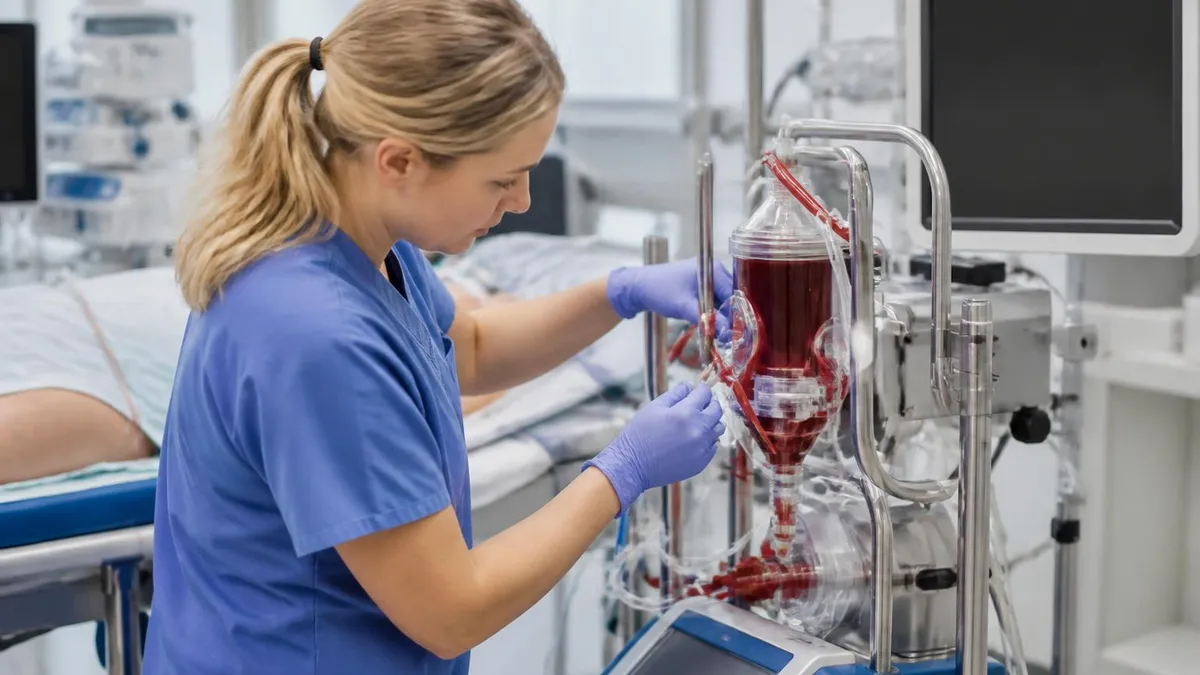
VA ECMO: Veno-Arterial Configuration, Indications, and Cannulation Guide
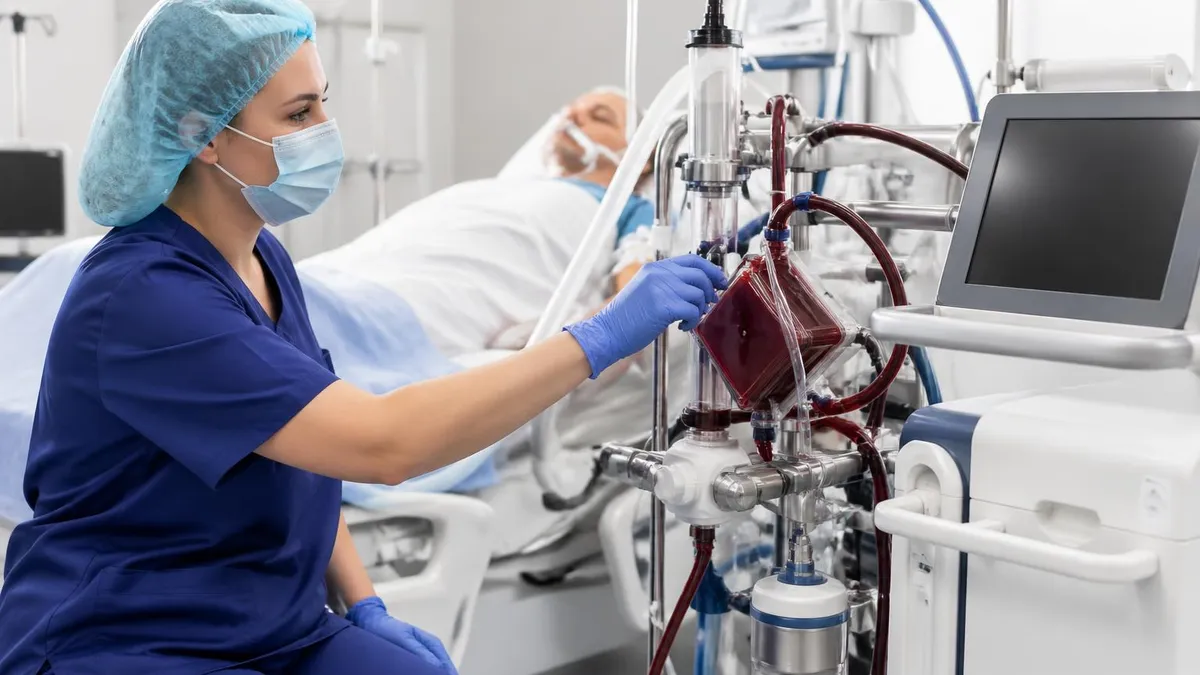
ECMO Machine: Components, How It Works, VA vs VV Types, and Clinical Management
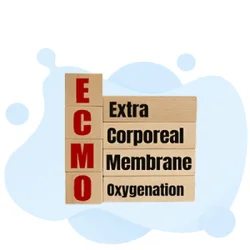
ECMO Extracorporeal Membrane Oxygenation Practice Test PDF (Free Printable 2026)
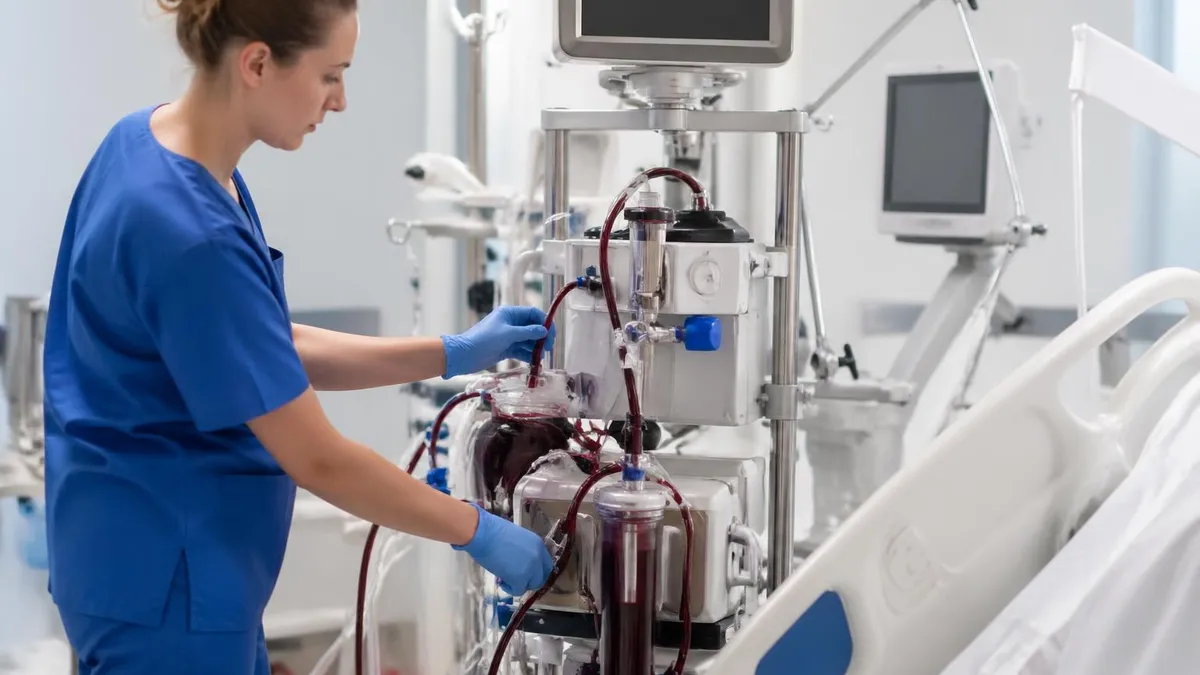
ECMO: How Extracorporeal Membrane Oxygenation Works and Who Needs It
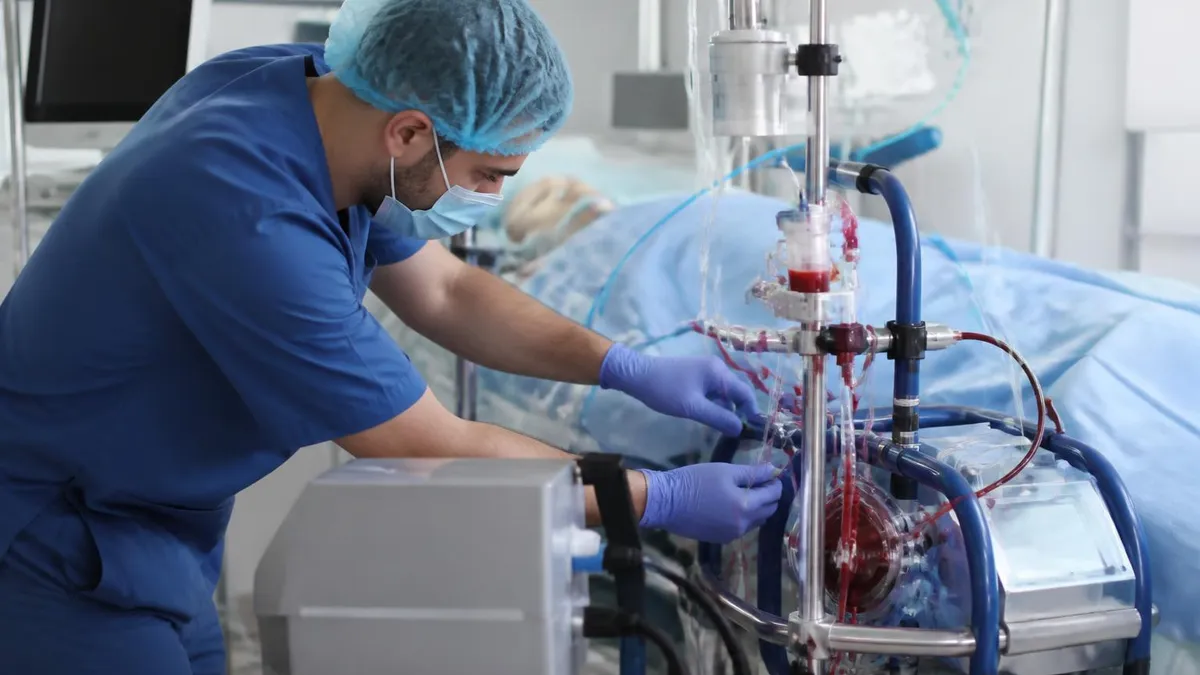
ECMO Procedure
About the Author

Educational Psychologist & Academic Test Preparation Expert
Columbia University Teachers CollegeDr. Lisa Patel holds a Doctorate in Education from Columbia University Teachers College and has spent 17 years researching standardized test design and academic assessment. She has developed preparation programs for SAT, ACT, GRE, LSAT, UCAT, and numerous professional licensing exams, helping students of all backgrounds achieve their target scores.
Join the Discussion
Connect with other students preparing for this exam. Share tips, ask questions, and get advice from people who have been there.
View discussion (9 replies)