
ECMO vs Bypass: Understanding Extracorporeal Membrane Oxygenation vs Cardiopulmonary Bypass
📚 Compare ECMO vs bypass: indications, circuits, outcomes, and when each is used in neonates, adults, and COVID patients.

Extracorporeal membrane oxygenation in neonates and adults represents one of the most sophisticated life-support interventions in modern critical care, yet many clinicians and students confuse it with cardiopulmonary bypass (CPB). While both technologies temporarily take over heart and lung function by circulating blood through an external circuit, their design goals, operational durations, patient populations, and clinical indications differ in fundamental and clinically important ways. Understanding the distinction between ecmo vs bypass is essential for anyone studying for ECMO certification or working in cardiac surgery, neonatology, or intensive care.
ECMO was originally developed as an extension of bypass technology, but it evolved into an independent life-support modality capable of sustaining patients for days to weeks rather than the hours typical of bypass. The extracorporeal membrane oxygenation procedure involves cannulating major vessels, routing blood through an oxygenator membrane, and returning it to the patient — all while the patient remains in the ICU rather than an operating room. This portability and prolonged duration capability distinguish ECMO as a bridge to recovery, bridge to transplant, or bridge to decision in cases where bypass cannot be used.
Cardiopulmonary bypass, by contrast, is designed for short-term intraoperative use, typically lasting two to six hours during open-heart surgery. It provides complete cardioplegic arrest of the heart, allowing surgeons to operate in a bloodless, motionless field. The bypass circuit is primed, managed by a perfusionist in the OR, and discontinued as soon as the surgical repair is complete. Once the sternum is closed and the patient leaves the OR, bypass is no longer an option — but ECMO can be initiated at any point, in almost any location, making it a genuinely different tool for a different clinical problem.
The extracorporeal membrane oxygenation circuit shares several components with bypass hardware — centrifugal or roller pumps, heat exchangers, membrane oxygenators — but ECMO circuits are designed for biocompatibility over extended periods. Anticoagulation management differs substantially: bypass often uses high-dose heparin with activated clotting time targets above 400 seconds, while ECMO typically targets ACT values of 160–220 seconds to balance thrombosis risk against bleeding complications during prolonged support. Circuit coatings, tubing materials, and oxygenator surface areas are all optimized for days or weeks of contact with blood, not hours.
In neonatal and pediatric populations, ECMO most commonly addresses refractory respiratory failure (via venovenous ECMO), congenital heart defects causing cardiogenic shock (via venoarterial ECMO), and persistent pulmonary hypertension of the newborn. These are conditions where bypass is not applicable because there is no surgical repair to perform — the support itself is the treatment, buying time for native lung or heart recovery. The extracorporeal membrane oxygenation machine price for a full neonatal circuit setup can reach $50,000 to $100,000 per run, reflecting the complexity and consumable costs involved.
During the COVID-19 pandemic, extracorporeal membrane oxygenation COVID applications expanded dramatically, with venovenous ECMO deployed in young patients with severe ARDS who had exhausted conventional ventilator strategies. High-volume ECMO centers reported mortality reductions in carefully selected COVID patients, and the pandemic accelerated the expansion of ECMO programs across the United States. This experience reinforced that ECMO and bypass serve entirely different roles: bypass is a surgical tool, while ECMO is a critical-care rescue strategy that can be applied across a wide range of diagnoses.
For ECMO certification candidates, mastering the conceptual and technical differences between ECMO and bypass is a high-yield study priority. Exam questions frequently test whether candidates can identify which modality is appropriate in a given clinical scenario, describe circuit differences, and explain why a post-cardiac-surgery patient who cannot be weaned from bypass might be transitioned to ECMO for prolonged support. This article provides a comprehensive comparison to prepare you for those questions and for real-world clinical practice.
ECMO vs Bypass by the Numbers

Circuit Differences: ECMO vs Cardiopulmonary Bypass
ECMO circuits typically use centrifugal pumps designed for prolonged, low-shear operation. Bypass circuits may use roller or centrifugal pumps but prioritize high flow rates for complete cardiac output replacement during short surgical windows of two to six hours.
ECMO oxygenators use polymethylpentene (PMP) hollow-fiber membranes rated for weeks of use without plasma leak. Bypass oxygenators are optimized for hours of use and may be less biocompatible for prolonged contact with blood, increasing inflammatory activation over time.
Bypass demands deep anticoagulation with ACT above 400 seconds to prevent clot formation in the open circuit and cardioplegia system. ECMO targets ACT of 160–220 seconds, balancing clot risk in the circuit against the significant bleeding risk of days-long heparin infusions in critically ill patients.
Bypass circuits include an open venous reservoir that buffers volume swings during surgery and allows rapid adjustment of preload. ECMO uses a closed, bladder-based system or has no reservoir, which limits the ability to rapidly transfuse large volumes but reduces air entrainment risk during prolonged runs.
Bypass heat exchangers actively induce hypothermia for myocardial protection and then rewarm the patient before separation. ECMO heat exchangers maintain normothermia during prolonged support, preventing the hypothermia-induced coagulopathy that would complicate days-long ICU management.
Clinical indications for ECMO and bypass reflect their fundamentally different engineering philosophies. Cardiopulmonary bypass is indicated whenever a cardiac surgical procedure requires a motionless, bloodless operative field: coronary artery bypass grafting, valve repair or replacement, aortic root surgery, and congenital heart defect repair all depend on bypass to temporarily replace cardiac output while the surgeon works. The moment the surgery ends and the chest is closed, bypass ends — it is a means to an end, not an ongoing treatment strategy.
ECMO indications, by contrast, are defined by clinical failure states that cannot be reversed within hours. Refractory respiratory failure — defined as failure to maintain oxygenation or ventilation despite optimal mechanical ventilation, prone positioning, inhaled nitric oxide, and neuromuscular blockade — is the primary indication for venovenous extracorporeal membrane oxygenation (VV-ECMO). Cardiogenic shock refractory to intra-aortic balloon pump and vasopressors, post-cardiotomy shock after failed bypass weaning, and cardiac arrest with return of spontaneous circulation (ECPR) are the primary indications for venoarterial ECMO (VA-ECMO).
Patient selection is critically important and differs sharply between modalities. Bypass selection is essentially surgical: any patient who needs open-heart surgery and can tolerate the physiologic stress of the procedure is a candidate. ECMO selection requires a more nuanced calculus of reversibility and contraindications. Patients with terminal malignancy, severe irreversible neurologic injury, or multisystem organ failure with no realistic pathway to recovery are generally not ECMO candidates, because ECMO is a bridge — it only has value if there is something to bridge toward.
The extracorporeal membrane oxygenation for adults population has expanded significantly over the past two decades. Adult VA-ECMO for refractory cardiogenic shock, massive pulmonary embolism, and post-cardiac-arrest resuscitation now accounts for a substantial share of ECMO runs at high-volume centers. Adult VV-ECMO, driven initially by the H1N1 influenza pandemic and then by extracorporeal membrane oxygenation COVID applications, demonstrated that carefully selected adults with ARDS could achieve survival rates of 50–65% even in cases where predicted mortality exceeded 80% with conventional management alone.
Neonatal ECMO remains the most established application of the technology. The Extracorporeal Life Support Organization (ELSO) registry, which tracks outcomes from hundreds of centers worldwide, shows that neonates with meconium aspiration syndrome, congenital diaphragmatic hernia, and persistent pulmonary hypertension achieve survival rates of 65–80% with ECMO support. These are conditions for which there is no surgical fix available in the immediate term — ECMO buys time for the pulmonary vasculature to mature or for the underlying condition to resolve, a role that bypass simply cannot fill.
Post-cardiac-surgery ECMO is an important overlap zone where the two technologies intersect. Some patients successfully complete a cardiac surgical procedure on bypass but then cannot be weaned from bypass in the OR due to severe ventricular dysfunction. In these cases, the surgical team may transition the patient from bypass to an ECMO circuit, exchanging the open bypass system for the closed ECMO circuit and transferring the patient to the cardiac ICU for ongoing support. This transition requires careful circuit planning, cannula management, and anticoagulation adjustment — all topics that appear on ECMO certification examinations.
Understanding when each modality is appropriate also requires knowledge of what each cannot do. Bypass cannot provide prolonged support because its circuit design and anticoagulation requirements are incompatible with days or weeks of use. ECMO cannot provide the bloodless, motionless field needed for cardiac surgery. Neither is superior — they are complementary tools designed for different phases of cardiac and respiratory care, and the best outcomes occur at centers where both modalities are available and teams are trained to transition patients between them when clinically necessary.
Extracorporeal Membrane Oxygenation Circuit: VV, VA, and Hybrid Configurations
Venovenous extracorporeal membrane oxygenation drains deoxygenated blood from the venous system, passes it through the oxygenator membrane, and returns oxygenated blood to the venous circulation — typically via a dual-lumen cannula in the right internal jugular vein or via femoral drainage and jugular return. The native heart continues to pump, so VV-ECMO provides respiratory support only and cannot address cardiogenic shock. It is the preferred configuration for isolated respiratory failure including ARDS, pneumonia, and COVID-19 complications.
The key management challenge in VV-ECMO is recirculation — the fraction of already-oxygenated blood that gets re-entrained into the drainage cannula before it reaches the systemic circulation. Recirculation reduces effective oxygen delivery and is worsened by high pump flows, malpositioned cannulae, and hypovolemia. Bedside echo and SvO2 monitoring help quantify recirculation, and repositioning the return cannula tip toward the tricuspid valve using fluoroscopic or echocardiographic guidance is the standard corrective intervention.

ECMO vs Bypass: Advantages and Limitations
- +ECMO provides days-to-weeks of support, enabling recovery of reversible organ failure that bypass cannot address
- +ECMO can be initiated at the bedside, in the ED, or even in the field (eCPR) without an operating room
- +VV-ECMO allows patients to remain awake and participate in rehabilitation during support (awake ECMO protocol)
- +ECMO circuits are designed for biocompatibility over prolonged periods, reducing inflammatory activation compared to extended bypass runs
- +ECMO serves as an effective bridge to cardiac transplantation or durable mechanical circulatory support (LVAD)
- +Bypass enables complete cardiac arrest for complex surgical repairs impossible to perform on a beating heart
- −ECMO carries significant bleeding risk requiring continuous anticoagulation monitoring and frequent laboratory checks
- −VA-ECMO increases LV afterload, potentially impairing myocardial recovery without additional venting strategies
- −ECMO circuits require 24/7 specialist oversight from trained perfusionists or ECMO specialists, straining staffing resources
- −Bypass cannot provide prolonged support and is unavailable outside the operating room environment
- −ECMO machine and consumable costs of $50,000–$100,000 per run create significant healthcare resource allocation challenges
- −Both modalities carry risk of stroke, limb ischemia, infection, and circuit failure requiring emergency intervention
Key Checks for Managing the ECMO Patient vs Bypass Patient
- ✓Confirm ECMO configuration (VV vs VA) matches the primary indication — respiratory vs cardiac failure.
- ✓Verify ACT target is adjusted from bypass levels (400+ sec) to ECMO levels (160–220 sec) at circuit transition.
- ✓Monitor for recirculation in VV-ECMO by tracking SvO2 on the drainage limb and post-oxygenator SaO2.
- ✓Check right radial arterial saturation in peripheral VA-ECMO to detect north-south (Harlequin) syndrome.
- ✓Assess left ventricular function daily with bedside echo to determine whether LV venting strategies are needed.
- ✓Document daily ECMO flows, sweep gas settings, FiO2, and anticoagulation labs in a standardized flow sheet.
- ✓Screen for limb ischemia distal to femoral arterial return cannula and place distal perfusion cannula prophylactically.
- ✓Review all medications for altered pharmacokinetics on ECMO — many drugs sequester in the circuit tubing and oxygenator.
- ✓Establish clear daily goals for ECMO weaning trials and document the pathway to decannulation or escalation.
- ✓Brief the entire ICU team (nursing, pharmacy, respiratory therapy) at each shift change on circuit status and alarm parameters.
The Post-Cardiotomy Transition: When Bypass Becomes ECMO
Approximately 0.5–1.5% of cardiac surgery patients cannot be weaned from cardiopulmonary bypass despite optimal surgical repair, inotropes, and intra-aortic balloon pump support. For these patients, converting to an ECMO circuit is the only available bridge. The decision to convert should be made early — before prolonged low-flow bypass causes irreversible end-organ damage — and should involve a pre-established institutional protocol that defines cannulation strategy, anticoagulation adjustment, and ICU handoff procedures.
Extracorporeal membrane oxygenation in neonates represents the oldest and best-validated ECMO application. The first successful neonatal ECMO run was performed in 1975 by Dr. Robert Bartlett, and the technology has been refined continuously over the subsequent five decades. The Extracorporeal Life Support Organization maintains a registry of more than 100,000 neonatal ECMO runs, providing the most comprehensive outcomes database in the field. This depth of experience distinguishes neonatal ECMO from many other critical-care interventions, where evidence is often limited to small single-center series.
The most common neonatal ECMO indication is meconium aspiration syndrome (MAS) with refractory hypoxemic respiratory failure and persistent pulmonary hypertension of the newborn (PPHN). When inhaled nitric oxide, high-frequency oscillatory ventilation, and surfactant therapy fail to achieve adequate oxygenation — typically defined as an oxygenation index above 40 on two measurements four hours apart — ECMO is initiated. Survival rates for MAS-PPHN on ECMO exceed 90% at experienced centers, reflecting the reversibility of the underlying pathophysiology once the pulmonary vascular resistance is allowed to normalize over days of support.
Congenital diaphragmatic hernia (CDH) is the neonatal ECMO indication with the highest complexity and the lowest survival rate, approximately 50–60%, reflecting the severity of pulmonary hypoplasia that accompanies this defect. ECMO does not correct the underlying lung underdevelopment but allows time for surgical repair of the hernia and for the remaining lung tissue to adapt. Post-repair ECMO management focuses on optimizing pulmonary vascular tone with inhaled nitric oxide and minimizing ventilator-induced lung injury while awaiting recovery of native lung function sufficient for decannulation.
Neonatal ECMO differs from adult ECMO in several important technical respects. Neonates are cannulated via the right internal jugular vein (venous drainage) and right common carotid artery (arterial return) in the standard VA-ECMO configuration. The carotid artery ligation required for this access was a significant concern in early ECMO practice due to theoretical neurological risk, but long-term neurodevelopmental follow-up studies have shown outcomes comparable to non-ECMO survivors of equivalent severity illness, suggesting the right hemisphere compensates effectively in the neonatal period.
The extracorporeal membrane oxygenation diagram for neonatal VA-ECMO shows blood draining from the right atrium via the internal jugular cannula, passing through a bladder reservoir that detects and buffers preload changes, moving through a roller or centrifugal pump, then through the membrane oxygenator and heat exchanger, and returning to the aortic arch via the carotid cannula. This circuit path differs from adult peripheral VA-ECMO, where femoral access is standard, reflecting the smaller vessel caliber and different anatomical considerations in neonates weighing as little as 2 kilograms.
Weaning from neonatal ECMO follows a structured protocol of gradually decreasing pump flow while monitoring for evidence of adequate native cardiopulmonary function. For respiratory ECMO (VV), flows are reduced to 10–20% of full support while maintaining normal ventilator settings, and a trial off ECMO with good oxygenation and ventilation for 1–2 hours confirms readiness for decannulation. For cardiac ECMO (VA), echocardiographic assessment of ventricular function, measurement of mixed venous oxygen saturation, and clinical markers of end-organ perfusion guide the weaning decision, targeting decannulation before circuit-related complications accumulate.
Pharmacology in neonatal ECMO differs substantially from adult practice and from bypass management. The large volume of the ECMO circuit relative to neonatal blood volume causes a dilutional effect on all drugs, and the oxygenator membrane sequesters lipophilic medications including fentanyl, midazolam, and many antibiotics. Dosing adjustments of 50–200% above standard neonatal doses are often required to achieve therapeutic levels. This drug-circuit interaction is a high-yield topic on ECMO specialty examinations and has direct clinical implications for pain management, sedation, and antibiotic stewardship in ECMO patients of all ages.

Intracranial hemorrhage (ICH) occurs in approximately 5–10% of neonates on ECMO and is the leading cause of ECMO-related mortality and long-term neurological disability. Risk factors include prematurity (ECMO is generally contraindicated before 34 weeks gestational age), thrombocytopenia, anticoagulation above target ACT, and rapid volume shifts. Daily head ultrasound monitoring is standard practice at most ECMO centers, and any new or expanding ICH requires immediate reassessment of anticoagulation targets and a multidisciplinary discussion about whether continued ECMO support is appropriate given the neurological prognosis.
Preparing for ECMO certification examinations requires a thorough understanding of how ECMO and bypass differ across every dimension — circuit design, anticoagulation, patient selection, monitoring, and complications. Certification bodies including the American Board of Cardiovascular Perfusion (ABCP) and ELSO's own competency frameworks assess not just factual recall but clinical reasoning: given this patient's hemodynamics, which configuration is appropriate? Given this circuit change, what anticoagulation adjustment is needed? These application-level questions require integrated understanding, not just memorization.
The extracorporeal membrane oxygenation procedure for establishing a new ECMO run follows a standardized sequence: patient assessment and consent (or surrogate consent), cannula selection based on patient size and configuration, surgical cannulation under ultrasound guidance, circuit connection and priming, initiation at low flows with gradual titration to target, and documentation of baseline hemodynamics and gas exchange. Each step has potential failure points — air in the circuit, cannula malposition, inadequate anticoagulation before pump start — that exam questions may probe with scenario-based vignettes.
Extracorporeal membrane oxygenation treatment outcomes are heavily center-volume dependent. ELSO data consistently show that centers performing fewer than 20 ECMO runs per year have significantly higher complication rates and lower survival rates than high-volume centers performing 50 or more runs annually. This volume-outcome relationship reflects the importance of team experience, institutional protocols, and the availability of subspecialty support including cardiac surgery, nephrology, hematology, and neurology. Exam candidates should understand this relationship and be able to discuss the implications for patient triage and transfer decisions.
The extracorporeal membrane oxygenation machine price and cost-effectiveness of ECMO have become increasingly important considerations as the technology expands to new indications. A full ECMO run including circuit consumables, specialist labor, pharmacy, and ICU costs can total $300,000–$500,000 for a prolonged course. Cost-effectiveness analyses must account for survival benefit, quality-adjusted life years gained, and the cost of the alternative (death or permanent disability). For neonatal ECMO with survival rates above 70%, cost-effectiveness is generally favorable. For adult ECMO with survival rates of 30–40%, the analysis is more complex and institution-specific.
Ongoing research in ECMO technology focuses on miniaturized circuits, ambulatory ECMO systems that allow patients to walk and exercise during support, and extracorporeal CO2 removal (ECCO2R) as a less invasive alternative for hypercapnic respiratory failure. These innovations may eventually blur the current boundaries between ECMO and simpler extracorporeal support, creating new categories of care that exam frameworks will need to address. Staying current with ELSO guidelines, which are updated regularly, is essential for anyone practicing or testing in this field.
For those preparing for the ECMO specialist certification examination, focusing on the comparison between ECMO and bypass provides a strong conceptual foundation for many other high-yield topics: circuit troubleshooting, anticoagulation management, weaning criteria, and complication recognition all build on a clear understanding of what makes ECMO unique as a life-support modality. Candidates who approach the exam with this framework — rather than trying to memorize isolated facts — tend to perform better on the scenario-based questions that dominate modern certification examinations.
Practice questions specifically targeting neonatal and pediatric ECMO populations, pharmacology in ECMO patients, and circuit management scenarios are the most efficient use of study time for most certification candidates. The quiz resources linked throughout this article are designed to test exactly these knowledge areas, with detailed explanations that reinforce conceptual understanding. Combining structured content review with regular practice question sessions, spaced over four to eight weeks, is the evidence-based approach to certification preparation that most successful candidates report using.
Effective ECMO certification preparation requires more than reading — it demands active recall, spaced repetition, and deliberate practice with clinical scenarios. The most successful candidates structure their study into topic blocks, devoting dedicated sessions to circuit mechanics, anticoagulation pharmacology, configuration selection, and complication management before integrating these areas through mixed practice questions. Resist the temptation to re-read the same material passively; instead, test yourself after each topic block and use errors to direct further review.
When studying the ECMO vs bypass distinction specifically, create a comparison table that maps each variable — duration, anticoagulation target, circuit reservoir design, pump type, cannulation site, heat exchanger role, primary indication, and available locations — across both modalities. This active comparison exercise forces you to encode the differences meaningfully rather than as isolated facts. Many exam questions are designed to exploit superficial knowledge by presenting scenarios where one detail shifts the correct answer from ECMO to bypass or vice versa.
Anticoagulation management is among the most heavily tested topics on ECMO examinations, and it is also among the most complex in clinical practice. The heparin-ECMO circuit interaction involves not just ACT monitoring but also anti-Xa levels, thromboelastography (TEG or ROTEM), platelet counts, fibrinogen levels, and clinical bleeding or thrombosis assessment. Exam questions may present a patient with sub-therapeutic anticoagulation and ask you to identify the appropriate intervention — dose adjustment, circuit change, or platelet transfusion — based on the pattern of laboratory abnormalities presented.
Neonatal ECMO pharmacology deserves particular attention because drug sequestration by the circuit creates dosing challenges that differ from standard neonatal or adult pharmacokinetics. Key drugs affected include fentanyl (highly lipophilic, extensively bound to circuit), midazolam, vancomycin, and many antifungals. When a patient on ECMO appears undertreated for pain or infection despite standard doses, the first consideration should be circuit sequestration rather than drug resistance. This concept appears repeatedly in pharmacology-focused ECMO examination questions.
Weaning criteria and decannulation decision-making are practical skills that examinations test through scenario questions. For VV-ECMO, the standard weaning trial involves clamping the sweep gas (turning off oxygen delivery through the oxygenator) while maintaining pump flow, then assessing whether native lung function can maintain oxygenation and ventilation for one to two hours. For VA-ECMO, weaning is more complex: flows are gradually reduced while monitoring blood pressure, cardiac output by thermodilution or echo, and mixed venous oxygen saturation, with decannulation only when flows below 1 L/min are tolerated without hemodynamic deterioration.
Complications unique to ECMO — and absent from standard bypass management — include heparin-induced thrombocytopenia (HIT), which requires circuit change and transition to alternative anticoagulation such as argatroban or bivalirudin; oxygenator clotting requiring emergency component change; and tubing rupture requiring immediate circuit clamping. Each of these scenarios has a defined emergency response algorithm that trained ECMO specialists must be able to execute without hesitation. Reviewing these algorithms and understanding the physiologic rationale behind each step is essential preparation for both examinations and clinical practice.
Finally, remember that ECMO certification examinations assess professional judgment as well as technical knowledge. Questions about team communication, family counseling, ethical decision-making around withdrawal of ECMO support, and interdisciplinary collaboration reflect the real-world complexity of managing patients on prolonged extracorporeal life support. Candidates who approach these questions with the same rigor they apply to circuit mechanics and pharmacology will be well prepared for both the examination and the professional responsibilities that certification signifies.
ECMO Questions and Answers

VA ECMO: Veno-Arterial Configuration, Indications, and Cannulation Guide

ECMO Life Support: Complete Guide to Extracorporeal Membrane Oxygenation
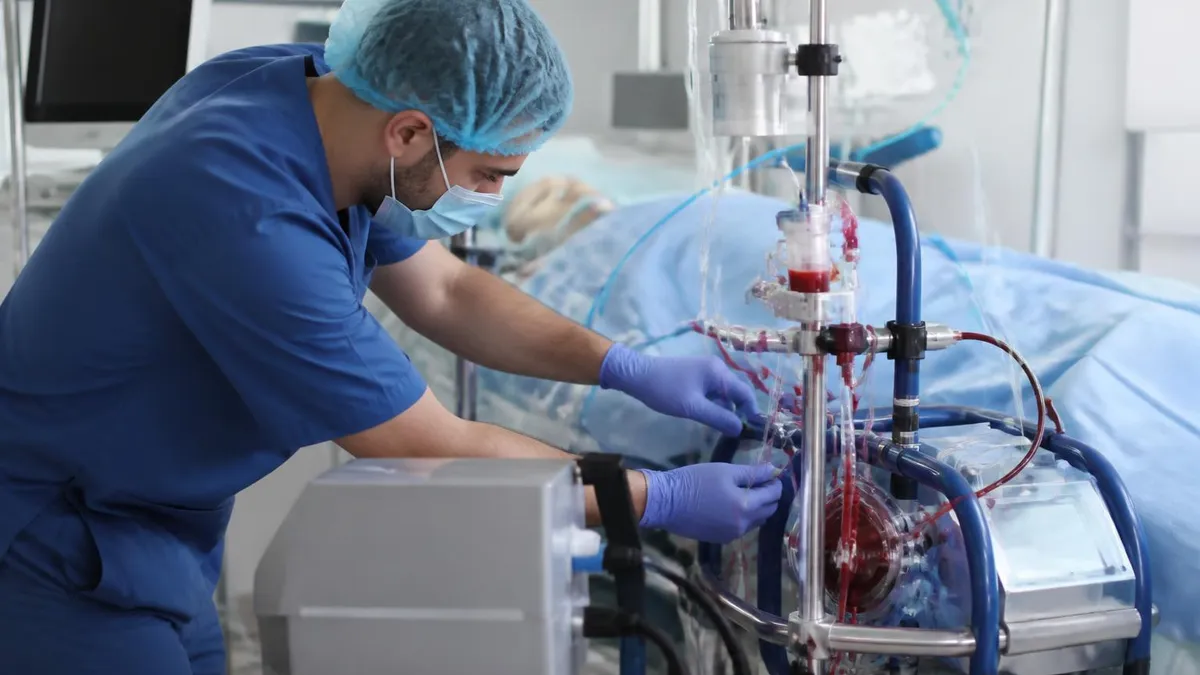
ECMO Procedure
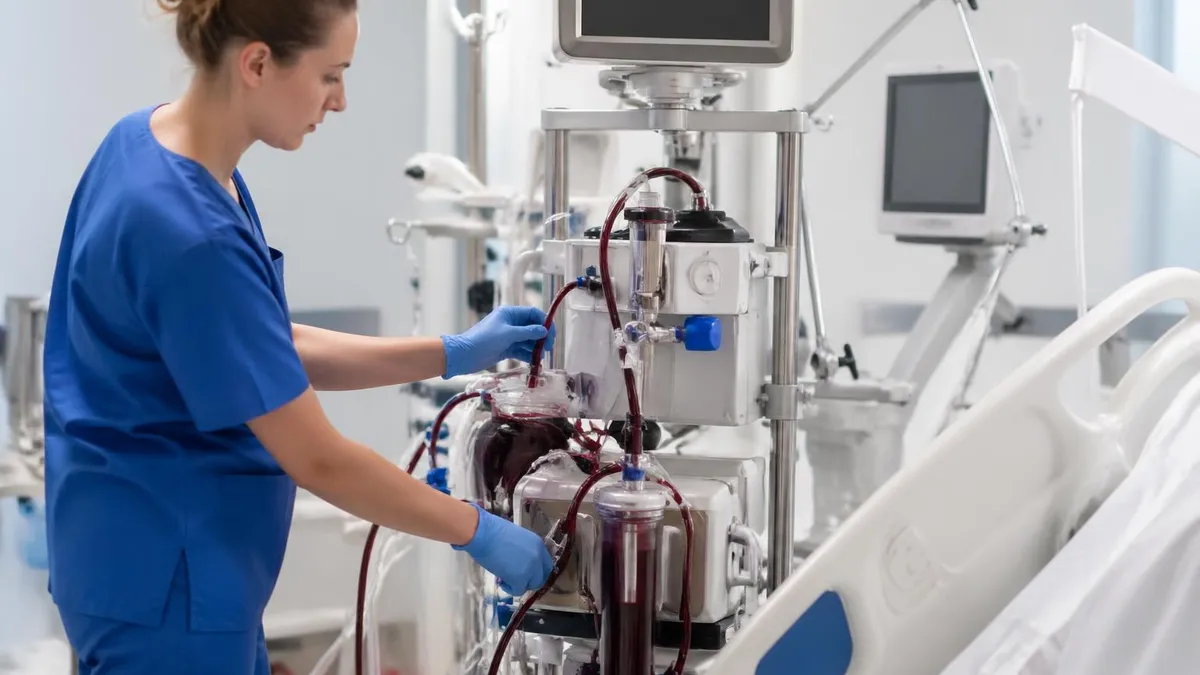
ECMO: How Extracorporeal Membrane Oxygenation Works and Who Needs It

ECMO Circuit: How Extracorporeal Membrane Oxygenation Works, Components, and Clinical Use
About the Author

Educational Psychologist & Academic Test Preparation Expert
Columbia University Teachers CollegeDr. Lisa Patel holds a Doctorate in Education from Columbia University Teachers College and has spent 17 years researching standardized test design and academic assessment. She has developed preparation programs for SAT, ACT, GRE, LSAT, UCAT, and numerous professional licensing exams, helping students of all backgrounds achieve their target scores.
Join the Discussion
Connect with other students preparing for this exam. Share tips, ask questions, and get advice from people who have been there.
View discussion (9 replies)