
Is ECMO the Same as a Heart-Lung Machine? ECMO vs. Cardiopulmonary Bypass Explained
Is ECMO the same as a heart-lung machine? 🎯 Learn key differences, uses in neonates & adults, circuit design, and COVID applications.

A question that surfaces in nearly every family meeting when a loved one is placed on life support is: is ECMO the same as a heart-lung machine? The short answer is no — but understanding why requires a closer look at what each device actually does, how the extracorporeal membrane oxygenation procedure works, and why clinicians choose one technology over the other.
While both systems temporarily assume the work of the heart or lungs outside the body, their engineering, clinical indications, and duration of use differ substantially enough that treating them as interchangeable can create serious misunderstandings about a patient's condition and prognosis.
Extracorporeal membrane oxygenation in neonates has been performed since the late 1970s, when Dr. Robert Bartlett reported the first successful neonatal ECMO case in 1975. Since then, the technology has expanded dramatically to support pediatric and adult patients with severe cardiac or respiratory failure. The extracorporeal membrane oxygenation machine price, the staffing requirements, and the complexity of the circuit all reflect how much this technology has matured. Today, ECMO centers across the United States manage hundreds of cases annually, supported by dedicated specialists who monitor every element of the circuit around the clock.
The heart-lung machine — formally known as a cardiopulmonary bypass (CPB) pump — is an older technology designed specifically for the operating room. A cardiac surgeon connects a patient to CPB before stopping the heart to perform repairs on valves, coronary arteries, or the aorta.
The machine takes over completely during that window, which typically lasts between 90 minutes and four hours. Once the surgical repair is complete and the heart restarts, the patient is weaned from CPB and the chest is closed. This is a fundamentally different use case from ECMO, which is intended for days to weeks of support outside the surgical suite.
The extracorporeal membrane oxygenation circuit itself reflects this difference in intended duration. CPB circuits use large-bore tubing, powerful roller pumps, and bubble oxygenators optimized for high flow over short periods. ECMO circuits use smaller-diameter tubing, centrifugal pumps that are gentler on blood cells, and hollow-fiber membrane oxygenators that can function effectively for weeks without significant degradation. Anticoagulation management also differs: CPB requires very high doses of heparin to prevent clotting during surgery, whereas ECMO teams maintain a more carefully titrated anticoagulation balance to support long-term use while minimizing bleeding risk.
Venovenous extracorporeal membrane oxygenation (VV-ECMO) supports only the lungs, draining deoxygenated venous blood, running it through the oxygenator, and returning it to the venous circulation so the patient's own heart can pump it forward. Venoarterial ECMO (VA-ECMO) bypasses both the heart and the lungs, making it the configuration most similar to CPB — but it is still not identical.
VA-ECMO is placed percutaneously at the bedside in most cases, uses lower flow rates, and leaves the native heart still beating (or fibrillating) while providing partial to full support. CPB, by contrast, always fully arrests the heart and is always placed by a perfusionist in a sterile operative field.
Extracorporeal membrane oxygenation for adults surged in visibility during the COVID-19 pandemic. Extracorporeal membrane oxygenation COVID applications demonstrated that severely hypoxic patients whose lungs had been devastated by viral pneumonitis could sometimes be bridged to recovery using VV-ECMO when mechanical ventilation alone was insufficient. High-volume ECMO centers reported survival rates ranging from 40 to 60 percent in carefully selected COVID patients, underscoring that patient selection — not just technology — determines outcomes. These cases helped solidify ECMO's role as a distinct and sophisticated intervention rather than simply a portable version of the operating room heart-lung machine.
For families, clinicians, and students preparing for board examinations, grasping the distinction between ECMO and CPB is foundational. The ecmo vs heart lung machine debate is not merely academic: it shapes how families understand prognosis, how nurses plan monitoring intervals, and how ECMO specialists communicate with surgical teams when a patient deteriorates. The sections below explore the circuit components, neonatal applications, clinical comparisons, and practical preparation tips that together build a complete picture of these two life-support technologies.
ECMO vs. Heart-Lung Machine by the Numbers

Key Components of the Extracorporeal Membrane Oxygenation Circuit
Removes deoxygenated blood from the patient's venous system. Typically placed in the right internal jugular or femoral vein. Cannula size directly determines maximum achievable flow and is selected based on patient weight and target flow rate.
Drives blood through the circuit using magnetic impeller technology. Unlike roller pumps used in CPB, centrifugal pumps cause less mechanical trauma to red blood cells over extended runs, making them the standard choice for prolonged ECMO support.
Exchanges oxygen and carbon dioxide across a semipermeable membrane. Modern polymethylpentene (PMP) oxygenators resist plasma leakage and maintain gas-exchange efficiency for weeks, a critical advantage over the bubble oxygenators used in short-duration CPB circuits.
Maintains blood temperature as it traverses the external circuit. Temperature regulation prevents hypothermia-induced coagulopathy during long ECMO runs and allows targeted temperature management in post-cardiac-arrest patients receiving VA-ECMO support.
Delivers oxygenated blood back to the patient. In VV-ECMO, blood returns to the venous system; in VA-ECMO, it enters the arterial circulation, bypassing the pulmonary vasculature and partially unloading both the right and left ventricles.
Extracorporeal membrane oxygenation in neonates represents the longest-standing and most thoroughly validated ECMO application. Newborns with conditions such as meconium aspiration syndrome, congenital diaphragmatic hernia, persistent pulmonary hypertension of the newborn (PPHN), and severe respiratory distress syndrome may develop refractory hypoxemia that does not respond to inhaled nitric oxide, high-frequency oscillatory ventilation, or surfactant therapy.
In these cases, the neonatal team activates an ECMO cannulation protocol, and the infant is placed on venovenous or venoarterial support within hours. The Extracorporeal Life Support Organization (ELSO) registry — the largest database of ECMO outcomes globally — records that neonatal respiratory ECMO carries an overall survival-to-discharge rate of approximately 74 percent, far exceeding what would have been achievable with conventional support decades ago.
The technical challenges of neonatal ECMO are considerable. Infants weighing as little as 2 kilograms require cannulae sized precisely to their vasculature, and even small errors in cannula positioning can compromise drainage, increase hemolysis, or restrict cerebral venous outflow. Blood prime volumes in neonatal circuits are comparable to or exceed the infant's entire blood volume, necessitating the use of packed red blood cells, fresh frozen plasma, and platelets in the prime to avoid dilutional coagulopathy and hemodynamic instability upon initiation.
ECMO specialists managing neonates must monitor circuit pressures, sweep gas settings, and anticoagulation targets continuously, adjusting therapy in response to subtle laboratory and clinical changes that may indicate evolving complications such as intracranial hemorrhage — the most feared complication in this population.
The extracorporeal membrane oxygenation procedure in neonates also demands careful neurological surveillance. Neonates are at elevated risk for intraventricular hemorrhage because heparin anticoagulation combined with the systemic inflammatory response of ECMO can disrupt fragile germinal matrix vessels. Most neonatal ECMO programs perform daily or twice-daily cranial ultrasounds to detect early hemorrhage, and any significant intracranial bleed typically prompts an urgent multidisciplinary discussion about continuing or withdrawing ECMO support. Neurodevelopmental follow-up in ECMO survivors has shown that many children achieve normal milestones, though a subset carry lasting neurological impairment related to the underlying illness severity rather than ECMO itself.
Pediatric ECMO extends these principles to older infants and children with cardiac diagnoses, including single-ventricle congenital heart disease, myocarditis, and post-cardiotomy cardiogenic shock. In these patients, VA-ECMO is more commonly employed because the primary problem is cardiac rather than purely pulmonary.
When a child deteriorates in the cardiac intensive care unit after a Norwood procedure or after repair of tetralogy of Fallot, a rapid cannulation — sometimes performed directly through the sternum if the chest is still open — can restore adequate perfusion within minutes. The extracorporeal membrane oxygenation treatment in these cases is explicitly a bridge: to myocardial recovery, to transplant listing, or to a decision about goals of care if recovery is not anticipated.
One practical distinction that students and clinicians must appreciate is the difference in anticoagulation goals between neonatal and adult ECMO. In neonates, many programs target an activated clotting time (ACT) of 180–220 seconds or an anti-Xa heparin level of 0.3–0.7 units/mL, balancing clot risk in the circuit against bleeding risk in the brain.
Adult ECMO programs may use similar ACT targets but increasingly rely on anti-Xa monitoring as the gold standard because it is less susceptible to interference from hemodilution and hypothermia. Understanding these pharmacological nuances is precisely the kind of content tested on ECMO certification examinations, and it is where targeted quiz practice pays the largest dividends in preparation efficiency.
The extracorporeal membrane oxygenation machine price context is relevant here too: neonatal ECMO programs require dedicated perfusionists or ECMO specialists on call around the clock, specialized neonatal-sized equipment, and pharmacy support for complex anticoagulation protocols. The infrastructure investment explains why neonatal ECMO is largely concentrated in regional referral centers rather than community hospitals, and why transport ECMO — cannulating a critically ill neonate at a referring facility and transporting on circuit — has become an important capability for the largest children's hospitals.
For exam candidates focused on neonatal and pediatric populations, the breadth of knowledge required is substantial. Circuit troubleshooting, cannulation strategies, anticoagulation management, weaning protocols, and neurological monitoring all appear in the ELSO-aligned examination blueprint. Practicing targeted questions in each domain not only reinforces factual recall but also trains the pattern-recognition skills needed to answer complex clinical vignettes under timed conditions.
Venovenous Extracorporeal Membrane Oxygenation: Configurations Compared
Venovenous extracorporeal membrane oxygenation supports respiratory failure while leaving cardiac function intact. Blood is drained from a large vein — typically the right internal jugular or femoral vein — passed through the oxygenator, and returned to a central venous location near the right atrium. The patient's native heart continues to pump blood through the pulmonary and systemic circulation. This configuration is ideal for severe ARDS, pneumonia, and pulmonary contusions where the heart is structurally sound but the lungs cannot maintain adequate gas exchange despite maximal ventilatory support.
A critical concept in VV-ECMO is recirculation: a fraction of the freshly oxygenated blood returning to the right atrium may be immediately re-drained into the circuit rather than passing through the pulmonary circulation. Recirculation reduces effective ECMO support and can be minimized by adjusting cannula tip positioning, increasing the distance between inflow and outflow cannulae, or using a dual-lumen bicaval cannula (such as the Avalon Elite) that drains both the superior and inferior vena cava while returning blood directly toward the tricuspid valve.

ECMO vs. Heart-Lung Machine: Advantages and Limitations
- +ECMO can be initiated at the bedside without a sterile operating room setup
- +ECMO supports patients for days to weeks, bridging to recovery or transplant
- +Centrifugal pumps cause less red blood cell trauma over prolonged runs than CPB roller pumps
- +ECMO can be used in awake patients with minimal sedation using modern cannulation techniques
- +VV-ECMO allows lung-protective ventilation with very low tidal volumes, reducing ventilator-induced lung injury
- +VA-ECMO can be rapidly deployed during cardiac arrest as extracorporeal CPR (E-CPR)
- −ECMO requires 24/7 specialist staffing, making it resource-intensive and expensive
- −Long ECMO runs increase cumulative risk of bleeding, thrombosis, hemolysis, and infection
- −ECMO does not provide the cardiac arrest conditions needed for complex intracardiac surgical repairs
- −Peripheral VA-ECMO can cause limb ischemia distal to the arterial return cannula
- −North-South syndrome in VA-ECMO can result in cerebral hypoxia that is difficult to detect clinically
- −ECMO machine price and supply chain complexity limit availability in lower-resource settings
ECMO Circuit Monitoring: Essential Checks for Every Shift
- ✓Verify pump flow (L/min) matches prescribed target and document any unexplained decrease immediately
- ✓Inspect all tubing connections for signs of cracking, clot formation, or fibrin strand accumulation
- ✓Check sweep gas flow rate and FiO2 on the oxygenator blender to ensure target CO2 removal is maintained
- ✓Review activated clotting time (ACT) or anti-Xa result and adjust heparin infusion per protocol
- ✓Assess access and return cannula sites for bleeding, hematoma formation, or positional migration
- ✓Confirm heat exchanger water temperature and patient core temperature are within goal range
- ✓Evaluate distal limb perfusion on the cannulated extremity: pulse oximetry, capillary refill, and skin color
- ✓Check oxygenator pre- and post-membrane pressure differential for signs of impending oxygenator failure
- ✓Document hemolysis markers: plasma-free hemoglobin, LDH, and urine color at each shift assessment
- ✓Review blood gas results on the post-oxygenator sample port to confirm adequate oxygen transfer efficiency
ECMO Commits a Team, Not Just a Machine
Initiating ECMO is a commitment to around-the-clock specialist management, aggressive complication surveillance, and a clear goals-of-care conversation with the patient's family. Unlike the heart-lung machine — which is removed when surgery ends — ECMO demands continuous clinical judgment. Teams that succeed with ECMO invest as much in people, protocols, and communication as they do in equipment.
Extracorporeal membrane oxygenation COVID cases brought the technology into mainstream public consciousness in a way that decades of neonatal and cardiac surgery support never had. During the first wave of the pandemic in 2020, intensivists at centers like Columbia University Irving Medical Center, the University of Michigan, and Karolinska University Hospital in Sweden reported placing dozens of COVID-19 patients with refractory ARDS on VV-ECMO when prone positioning, neuromuscular blockade, and recruitment maneuvers failed to maintain acceptable oxygenation.
The EOLIA trial — completed just before the pandemic — had already suggested that early VV-ECMO could reduce mortality in severe ARDS, and COVID provided a large, tragic natural experiment that tested those findings at scale.
Results across centers were highly variable, reflecting differences in patient selection criteria, institutional ECMO experience, and resource availability. High-volume ECMO programs with experienced teams reported 60-day survival rates of 55–65 percent in selected COVID ECMO patients, while lower-volume programs reported considerably worse outcomes. This disparity reinforced a principle that the ECMO community had long argued: ECMO outcomes are as much a function of team expertise as they are of the underlying disease. The technology is the same; the skill and protocol rigor surrounding it are what differentiate survival from death in a substantial fraction of cases.
Extracorporeal membrane oxygenation for adults in the COVID era also highlighted supply chain and staffing vulnerabilities. When ICUs were overwhelmed in spring 2020, ECMO circuits, oxygenators, and cannulae became difficult to source in some regions. ECMO specialists and perfusionists were stretched across units managing far more simultaneous cases than any prior planning scenario had assumed. Hospitals without established ECMO programs considered rapid capability development, only to confront the reality that training an ECMO team from scratch takes months to years — a reminder that this technology cannot be deployed on demand without prior infrastructure investment.
Beyond COVID, extracorporeal membrane oxygenation treatment for adults encompasses a growing range of indications. Cardiogenic shock from massive myocardial infarction, fulminant myocarditis (including giant cell myocarditis, which carries a particularly grim prognosis without mechanical support), acute pulmonary embolism causing hemodynamic collapse, and drug overdose-induced cardiovascular toxicity have all been successfully managed with ECMO as a bridge. E-CPR — placing a patient on VA-ECMO during or immediately after refractory cardiac arrest — is being studied in randomized trials and shows promise in highly selected patients treated at expert centers with short arrest-to-cannulation intervals.
An extracorporeal membrane oxygenation diagram of the COVID-era VV-ECMO setup is instructive: the typical configuration used a dual-lumen bicaval cannula in the right internal jugular vein, allowing a single cannulation site and facilitating early mobility. Awake ECMO protocols — managing patients without deep sedation, allowing spontaneous breathing and even ambulation while on circuit — became more widely adopted during COVID because prolonged sedation and immobility independently worsen outcomes. Rehabilitation specialists, physical therapists, and occupational therapists became integral members of the ECMO team in forward-thinking programs.
The pharmacological complexity of adult ECMO also deserves emphasis. The large volume of foreign surface area in the ECMO circuit sequesters many commonly used medications, including sedatives, analgesics, antibiotics, and antifungals. Fentanyl, midazolam, and vancomycin all demonstrate significant circuit binding, meaning that standard dosing protocols may result in subtherapeutic plasma levels. ECMO pharmacists and specialists must understand these drug-circuit interactions to maintain adequate sedation, analgesia, and antimicrobial coverage — knowledge that is explicitly tested on the ECMO specialist certification examination.
The distinction between ECMO and CPB matters most acutely when families are making decisions. A patient placed on a heart-lung machine during surgery is expected to come off it in hours; a patient placed on ECMO is beginning a journey whose endpoint — recovery, transplant, or withdrawal — may not be clear for days or weeks. Framing this distinction accurately and compassionately is one of the most important communication skills an ECMO team can develop, and it begins with a thorough understanding of what each technology is, what it can offer, and where its limits lie.
ECMO should only be initiated when there is a realistic therapeutic goal — recovery, transplant, or a time-limited trial with clear stopping criteria. Initiating ECMO without a defined plan can commit patients to prolonged invasive support without meaningful benefit. All ECMO programs recommend explicit goals-of-care discussions before cannulation whenever the clinical situation permits.
Preparing for the ECMO specialist certification examination requires systematic coverage of a broad knowledge base that spans physiology, circuit technology, pharmacology, and clinical management. Candidates who approach the examination without a structured study plan often find themselves well-versed in circuit mechanics but underprepared for the pharmacology and patient-management questions that constitute a significant portion of the exam blueprint. Building a study plan that allocates dedicated time to each domain — and regularly testing knowledge through practice questions rather than passive reading — is the approach most strongly associated with first-attempt success.
The extracorporeal membrane oxygenation procedure content on certification examinations covers everything from cannulation site selection and prime preparation to troubleshooting circuit emergencies such as oxygenator failure, pump malfunction, and air embolism. Candidates must be able to recognize the clinical and circuit parameters that signal an impending oxygenator failure (rising pre-to-post membrane pressure gradient, falling post-membrane PO2, visual fibrin deposition) and describe the steps for an emergent oxygenator exchange. These are high-stakes scenarios in clinical practice and correspondingly high-yield topics on the examination.
Understanding the ecmo vs heart lung machine distinction is also tested indirectly through questions about patient management after ECMO decannulation. Recovery from ECMO differs substantially from recovery after cardiac surgery with CPB. ECMO patients have typically been critically ill for days to weeks, experienced prolonged immobility, received large doses of sedating medications, and may have neurological, renal, or musculoskeletal complications related to their underlying illness or ECMO therapy. Post-ECMO rehabilitation is a prolonged process, and candidates who understand what recovery looks like are better prepared to counsel families and answer examination questions about expected timelines and complications.
Pharmacology questions on the ECMO examination are among the most challenging for candidates who do not have a clinical pharmacy background. Drug sequestration by the circuit, altered volume of distribution due to the large extracorporeal blood volume, renal and hepatic dysfunction affecting drug clearance, and the interactions between anticoagulants and other vasoactive medications all create a complex pharmacological environment that differs significantly from standard ICU practice. Candidates should be comfortable with the drugs most affected by circuit binding (lipophilic, highly protein-bound medications are disproportionately sequestered) and with the principles of anticoagulation monitoring using both ACT and anti-Xa assays.
The neonatal and pediatric population questions require knowledge of weight-based dosing, developmental physiology, and the specific diagnoses most commonly treated with neonatal ECMO. Candidates should know the ELSO criteria for neonatal ECMO candidacy (oxygenation index greater than 40, or rapidly deteriorating despite maximal therapy), the contraindications (gestational age less than 34 weeks, birth weight under 2 kg, lethal chromosomal abnormality, and irreversible brain damage), and the surveillance protocols used to detect intracranial hemorrhage. These details appear repeatedly across examination blueprints and clinical guidelines.
Practice examinations that mirror the format and difficulty of the actual certification test are an invaluable preparation resource. Passive review of guidelines and textbooks builds declarative knowledge, but answering application-level multiple-choice questions trains the cognitive flexibility needed to transfer knowledge to novel clinical scenarios under examination time pressure. Candidates who complete at least 200–300 practice questions before their examination consistently report higher confidence and better performance than those who rely on reading alone.
For ECMO team members who are not pursuing formal certification but want to deepen their clinical knowledge, practice questions serve a different but equally valuable purpose: they identify knowledge gaps before those gaps manifest as clinical errors. A nurse who regularly quizzes herself on circuit troubleshooting is more likely to recognize a subtle early sign of pump failure during an overnight shift than one who has read the same content but never actively retrieved it. The science of retrieval practice demonstrates that testing oneself on material produces deeper and more durable learning than re-reading the same material multiple times.
Pulling everything together, the clearest way to answer the question — is ECMO the same as a heart-lung machine — is to say they are cousins, not twins. Both belong to the family of extracorporeal circulation technologies, both temporarily substitute for failing cardiorespiratory organs, and both require anticoagulation and careful circuit management.
But their design philosophies, clinical contexts, durations of use, team requirements, and patient populations are distinct enough that a clinician, student, or family member who treats them as interchangeable will quickly encounter serious misunderstandings. Recognizing where they overlap and where they diverge is a mark of genuine clinical literacy in critical care.
From a technical standpoint, the move from CPB to ECMO represents an evolution toward longer-duration, lower-intensity extracorporeal support. The engineering refinements — centrifugal pumps, hollow-fiber PMP oxygenators, biocompatible circuit coatings, and miniaturized portable ECMO consoles — have progressively reduced the physiological burden of extracorporeal circulation on patients who need days or weeks of support rather than hours. These same refinements have enabled the expansion of ECMO beyond the cardiac surgery suite into neonatal intensive care units, pediatric cardiac ICUs, adult medical ICUs, and even the emergency department and catheterization laboratory.
The extracorporeal membrane oxygenation circuit will continue to evolve. Research programs are actively developing implantable artificial lungs, wearable ECMO devices that would allow patients to ambulate freely, and improved surface coatings that could reduce the need for systemic anticoagulation. These innovations, if successful, would further blur the boundary between temporary external support and permanent or semi-permanent organ replacement — a development that will create new clinical, ethical, and regulatory questions for the ECMO community to navigate.
For ECMO certification candidates, the most productive final weeks of preparation combine content review with intensive practice testing. Identify your weakest domains using question-bank performance data, prioritize those domains in your review schedule, and return to practice questions in those areas at regular intervals to confirm retention. Spaced repetition — reviewing material at increasing intervals as proficiency grows — is the evidence-based strategy most likely to produce durable knowledge that holds up under the stress of examination day.
Understanding the pharmacology of ECMO, including drug-circuit interactions and anticoagulation monitoring, is a frequent differentiator between candidates who pass and those who need to retake the examination. This domain requires more than memorizing a list of affected drugs; it requires understanding why lipophilic and highly protein-bound drugs are disproportionately sequestered, how to recognize clinical signs of subtherapeutic drug levels, and how to adjust doses in a patient whose volume of distribution is expanded by the extracorporeal blood prime. Practice questions that present clinical vignettes about drug management in ECMO patients are particularly valuable for building this applied understanding.
Finally, communication skills — not typically tested by multiple-choice questions but central to ECMO practice — deserve attention in any complete preparation program. ECMO specialists who can explain the difference between ECMO and a heart-lung machine to an anxious family member, who can lead a structured bedside emergency during an oxygenator failure, and who can communicate a patient's worsening trajectory clearly to the attending physician are the ones who make the greatest difference in patient outcomes. Technical knowledge is necessary but not sufficient; the clinical context in which that knowledge is deployed determines its value.
Whether you are a registered nurse cross-training to the ECMO team, a respiratory therapist expanding your critical care scope, a perfusionist moving into adult ECMO from cardiac surgery, or a physician completing a critical care fellowship, the path forward is the same: build a solid conceptual foundation, reinforce it through consistent practice testing, and connect the knowledge to the real patients and circuit decisions you encounter in clinical practice. The questions you practice today are the pattern-recognition shortcuts that will serve you on examination day and at the bedside for years to come.
ECMO Questions and Answers
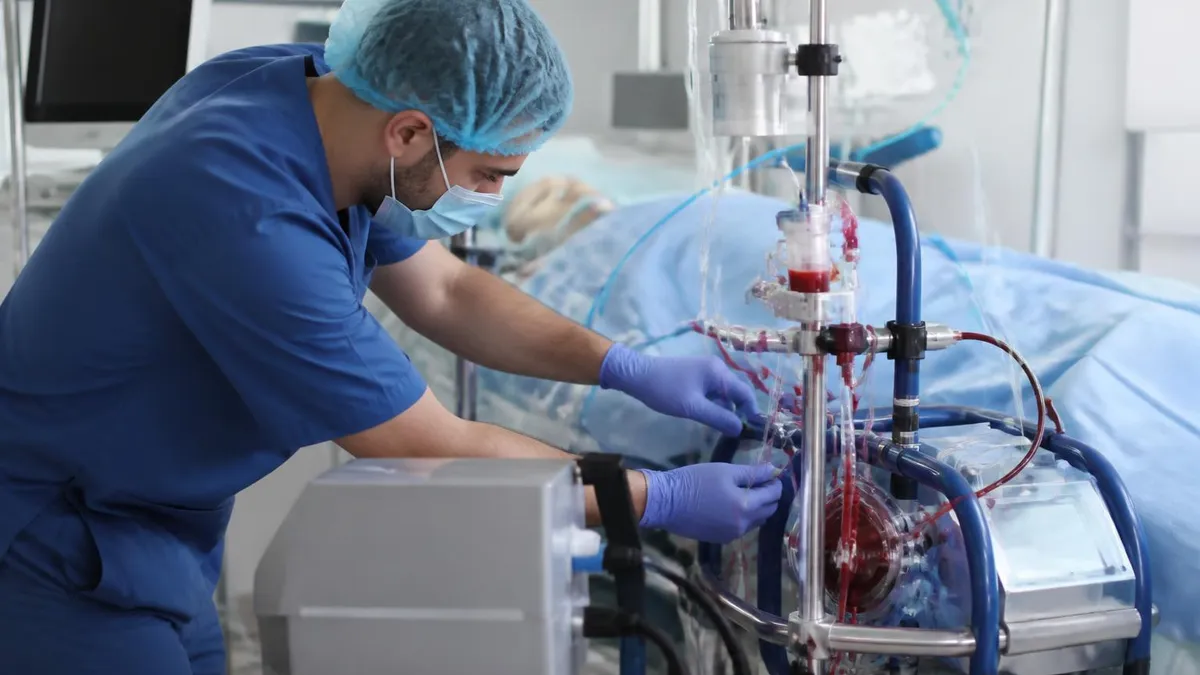
ECMO Procedure

ECMO Recovery: What to Expect After Extracorporeal Membrane Oxygenation Treatment
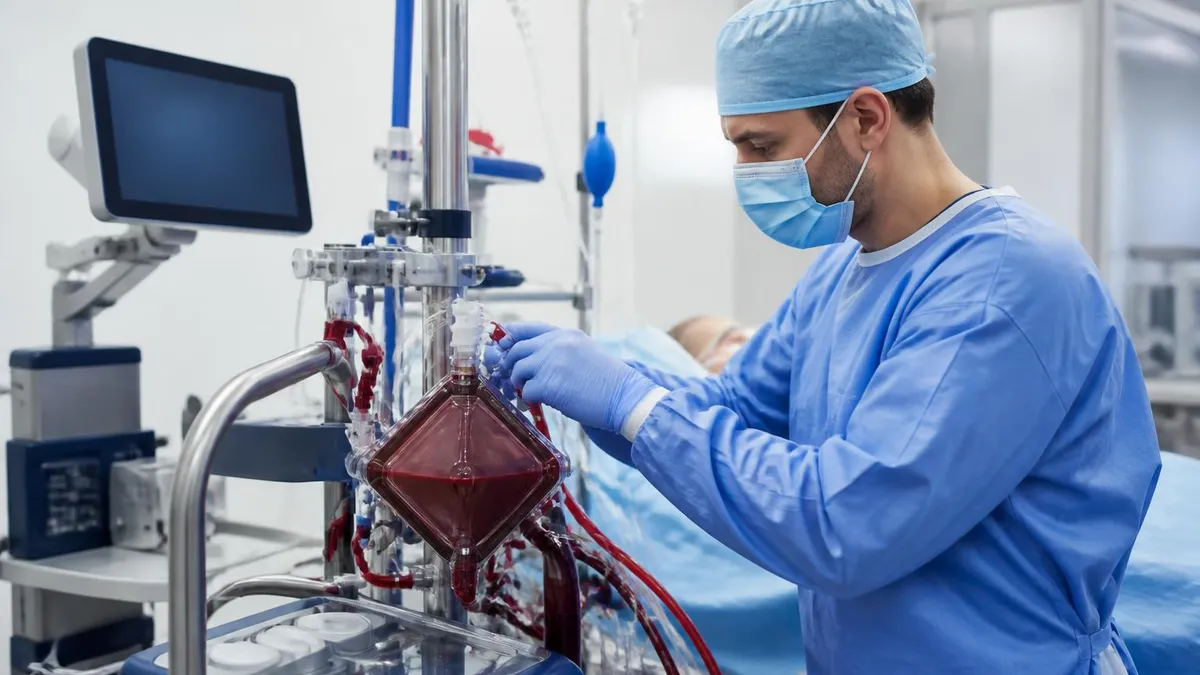
ECMO Patient Guide: What to Expect, Care, Recovery & Outcomes
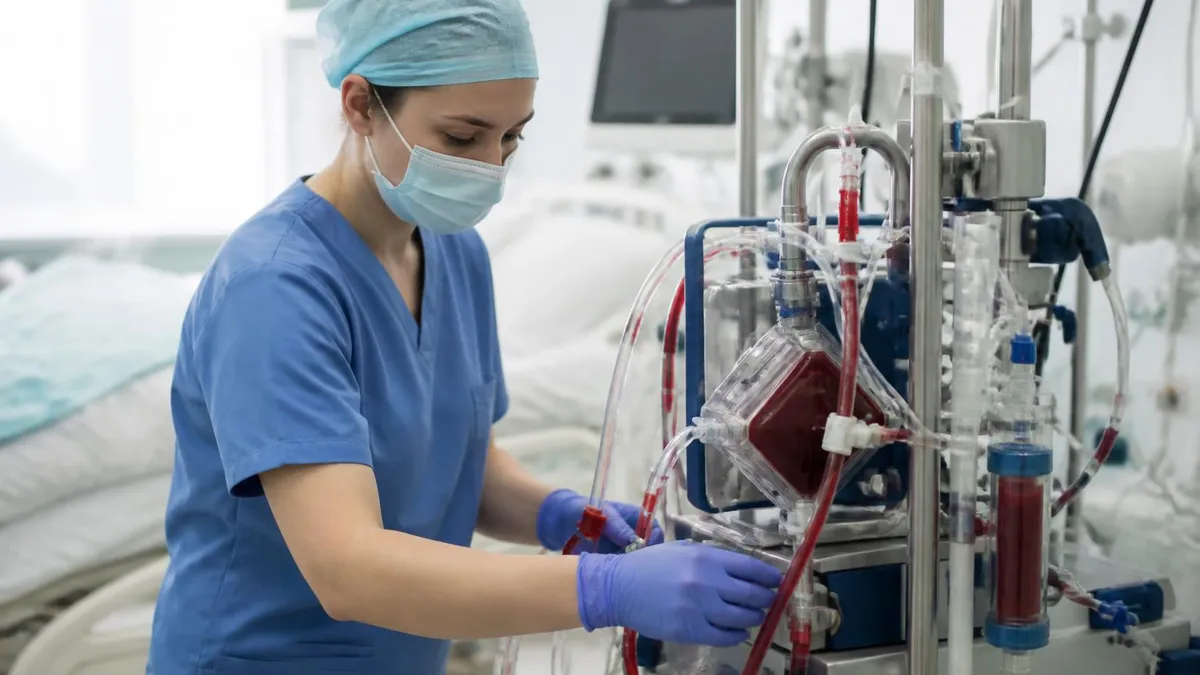
ECMO Specialist: Career Path, Duties, Salary, and Certification Guide

ECMO Types: Complete Guide to Extracorporeal Membrane Oxygenation Configurations
About the Author

Educational Psychologist & Academic Test Preparation Expert
Columbia University Teachers CollegeDr. Lisa Patel holds a Doctorate in Education from Columbia University Teachers College and has spent 17 years researching standardized test design and academic assessment. She has developed preparation programs for SAT, ACT, GRE, LSAT, UCAT, and numerous professional licensing exams, helping students of all backgrounds achieve their target scores.
Join the Discussion
Connect with other students preparing for this exam. Share tips, ask questions, and get advice from people who have been there.
View discussion (9 replies)