
CPR Classes in Anchorage, AK: Complete Training Guide for 2026 September
Find CPR classes in Anchorage AK — ACLS algorithm, infant CPR, AED training & certification guide. ✅ All skill levels covered.

If you're searching for CPR Anchorage AK training options, you've come to the right place. Anchorage, Alaska's largest city, offers a robust network of certified training centers where residents, healthcare workers, and first responders can learn life-saving techniques. Whether you need a basic community course or an advanced ACLS algorithm certification, understanding your options helps you choose the right class for your goals, schedule, and employer requirements. Cardiac emergencies can happen anywhere — on the trail, at a job site, or at home — making CPR readiness especially critical in Alaska's remote communities.
Cardiopulmonary resuscitation training in Anchorage spans several credential levels, from entry-level Heartsaver courses designed for the general public to professional-grade programs like Basic Life Support (BLS), Pediatric Advanced Life Support (PALS), and Advanced Cardiovascular Life Support (ACLS). Each certification level is tailored to a specific audience and purpose. Community members looking to be prepared for emergencies at home or at work will find that even a single-day Heartsaver course dramatically increases survival odds during a cardiac event, because bystander CPR can double or triple survival rates before emergency medical services arrive.
Alaska presents unique considerations for CPR training that differ from the lower 48 states. Response times for emergency medical services in outlying areas can be significantly longer, meaning that bystanders and community members trained in CPR and AED use become the true first line of defense. Many Anchorage employers — including healthcare facilities, schools, construction companies, and hospitality businesses — require staff to hold current certifications. If you've been wondering how cpr classes in anchorage compare in terms of duration and renewal cycles, most standard certifications are valid for two years before requiring a refresher course.
The National CPR Foundation and the American Heart Association are among the most widely recognized credentialing bodies whose certifications are accepted by employers and licensing boards across Alaska. Classes typically combine video-based or instructor-led didactic instruction with hands-on mannequin practice. You'll learn proper chest compression depth and rate, rescue breathing technique, the recovery position, and how to use an automated external defibrillator (AED). Some courses integrate infant CPR modules so participants can respond to emergencies involving newborns and young children, an especially valuable skill for parents, grandparents, and childcare workers.
Scheduling and cost vary widely depending on the provider, format, and certification level. In-person group classes at local fire stations, hospitals, and community centers typically run two to eight hours and cost between $40 and $150 per participant. Blended-learning options — where participants complete the cognitive portion online before attending a shorter hands-on skills session — have become increasingly popular because they reduce classroom time without compromising competency. Employer-sponsored group training sessions often negotiate discounted rates, making certification more accessible for entire departments or organizations at once.
This guide covers everything you need to know about CPR training in Anchorage: the types of courses available, what each certification involves, costs and scheduling, renewal requirements, and how to prepare for your skills assessment. We'll also walk through ACLS algorithm essentials, infant CPR fundamentals, what does AED stand for (and how to use one), and the broader landscape of life support certifications available to Anchorage residents. By the end, you'll have a clear roadmap for choosing and completing the right CPR course for your specific situation.
Whether your goal is personal readiness, professional compliance, or advancing toward an instructor role, Anchorage has training pathways that fit every need. The information in this guide draws on current American Heart Association guidelines, National CPR Foundation standards, and local training provider data to give you the most accurate and actionable picture of CPR education in Alaska's largest city. Read on to discover everything you need to know before signing up for your first — or next — CPR class in Anchorage.
CPR in Anchorage by the Numbers

Types of CPR Courses Available in Anchorage
Designed for the general public and non-medical workplace employees. Covers adult, child, and infant CPR, AED use, and choking relief. Typically completed in 2–4 hours. Ideal for teachers, coaches, office workers, and parents seeking community-level readiness.
Healthcare-provider level certification required by hospitals, clinics, and EMS agencies in Anchorage. Covers high-quality CPR for all ages, team-based resuscitation, bag-mask ventilation, and AED integration. Valid for two years. Required for nursing, medical, and allied health licensure.
Advanced Cardiovascular Life Support is required for physicians, nurses, paramedics, and respiratory therapists in critical care settings. Focuses on the ACLS algorithm, arrhythmia recognition, pharmacology, and team dynamics during complex cardiac events.
Pediatric Advanced Life Support certification targets healthcare professionals who respond to pediatric emergencies. Covers respiratory distress, shock recognition, and pediatric resuscitation algorithms. Widely required in pediatric units, emergency departments, and pediatric transport teams.
Allows certified individuals to teach and issue CPR credentials on behalf of organizations like the American Heart Association. Requires current BLS certification, completion of an instructor course, and periodic re-monitoring. Opens pathways to teaching at hospitals and community centers.
Advanced certifications like ACLS and PALS represent a significant step up from entry-level CPR training and are essential for healthcare professionals working in Anchorage's hospitals and clinics such as Providence Alaska Medical Center and Alaska Regional Hospital. The ACLS algorithm is a systematic, evidence-based framework for managing cardiac arrest, post-cardiac arrest care, acute coronary syndromes, and stroke. It is organized into a series of sequential decision points — from initial recognition of the emergency through advanced airway management, rhythm analysis, electrical therapy, and pharmacological interventions — that guide healthcare teams through complex resuscitation scenarios in a coordinated, efficient manner.
PALS certification, or Pediatric Advanced Life Support, equips healthcare providers with the knowledge and skills to recognize and respond to life-threatening conditions in infants and children before they progress to cardiac arrest. The PALS course covers pediatric assessment, respiratory management, vascular access, fluid resuscitation, and the use of resuscitation medications.
In Anchorage, PALS is required for nurses and physicians working in pediatric emergency departments and pediatric intensive care units. Even providers who rarely see critically ill children benefit from PALS training, as pediatric emergencies can occur in any clinical setting and rapid, confident action in the first minutes dramatically affects outcomes.
The respiratory rate is one of the most critical vital signs monitored during both ACLS and PALS scenarios. Normal respiratory rate in adults ranges from 12 to 20 breaths per minute, while in infants it ranges from 30 to 60 breaths per minute.
During CPR, rescue breaths are delivered at a rate of one breath every five to six seconds for adults and one breath every two to three seconds for infants, timed to avoid hyperventilation, which can increase intrathoracic pressure and reduce cardiac output. ACLS and PALS courses devote substantial time to ventilation technique because even small errors in respiratory management can undermine an otherwise well-executed resuscitation effort.
The National CPR Foundation offers an alternative pathway for obtaining recognized certifications, including BLS, ACLS, and PALS, through a combination of online learning and in-person skills verification. Their courses follow the same evidence-based guidelines as other major credentialing bodies and are accepted by many Anchorage-area employers.
One advantage of the National CPR Foundation's blended model is flexibility: providers can complete the cognitive content at their own pace before scheduling a brief skills check with a local affiliate instructor. This model suits busy healthcare professionals in Anchorage who may find it difficult to block out an entire day for a traditional classroom course.
For those new to advanced certifications, it's important to understand the prerequisite structure. You cannot enroll directly in ACLS or PALS without a current BLS provider card. BLS certification verifies that you can perform high-quality CPR with correct hand placement, compression depth (at least two inches for adults), compression rate (100–120 per minute), adequate recoil between compressions, and minimal interruptions.
Once BLS is in hand, you can layer on ACLS or PALS training as your role demands. Anchorage training centers typically offer combined BLS and ACLS packages over two days, which is an efficient option for healthcare students completing clinical rotations.
Many Anchorage healthcare facilities provide on-site ACLS and PALS renewal training for their staff, reducing the need for employees to seek outside courses. However, for those who need to certify independently, several dedicated training centers operate in the Anchorage metro area and offer regularly scheduled classes.
It's wise to verify that the certification issued by any provider is accepted by your employer or licensing board before enrolling, as some facilities specifically require American Heart Association credentials while others accept equivalent training from organizations like the American Red Cross or the National CPR Foundation. Checking with your HR department or state licensing board ahead of time prevents costly re-training.
Renewal timing matters as much as initial certification. Most ACLS and PALS cards expire exactly two years from the date of issuance, and many Alaska healthcare facilities require staff to renew at least 30 days before expiration to avoid any lapse in credentialing. Scheduling your renewal course well in advance is especially important in Anchorage, where class seats can fill quickly and weather-related cancellations occasionally disrupt schedules. Planning your renewal six to eight weeks before expiration gives you enough buffer to handle any scheduling disruptions without risking a gap in your certification status.
What Does AED Stand For — and How Life Support Devices Work
An AED, or Automated External Defibrillator, is a portable electronic device that automatically analyzes the heart's rhythm and delivers an electric shock — called defibrillation — to restore a normal heartbeat during sudden cardiac arrest caused by ventricular fibrillation or pulseless ventricular tachycardia. Modern AEDs are designed for use by trained laypeople and provide clear audio and visual instructions that guide users through each step of the process, making them accessible even in high-stress emergency situations when clear thinking can be difficult.
AEDs are strategically placed in public locations throughout Anchorage, including airports, shopping centers, gyms, schools, and government buildings. Alaska law requires AEDs in certain public facilities and encourages registration of device locations with emergency dispatch systems so that 911 operators can direct bystanders to the nearest unit during a cardiac emergency. Every CPR class in Anchorage includes hands-on AED practice, ensuring that course participants can confidently locate, power on, attach electrode pads, follow device prompts, and deliver a shock safely within the critical first minutes of a cardiac arrest.

In-Person vs. Online CPR Training: Which Is Right for You?
- +Hands-on mannequin practice builds real muscle memory for chest compressions and rescue breaths
- +Immediate feedback from a certified instructor corrects technique errors before they become habits
- +AED practice with actual devices increases confidence in real emergency situations
- +Team-based scenarios in advanced courses mirror real resuscitation dynamics
- +Certificates are universally accepted by Anchorage employers and licensing boards
- +Skills stations replicate infant CPR and choking scenarios that are hard to simulate online
- −Requires commuting to a training center, which can be challenging in Anchorage winter conditions
- −Fixed class schedules may conflict with shift work or irregular hours common in Alaskan industries
- −Group sessions move at a set pace that may feel rushed for some learners and slow for others
- −Per-seat costs are typically higher than online-only courses, especially for individual enrollment
- −Class cancellations due to weather or low enrollment can disrupt tight recertification timelines
- −Some providers book out weeks in advance, leaving little room for last-minute certification needs
CPR Certification Checklist for Anchorage Residents
- ✓Confirm which certification level your employer or licensing board requires (Heartsaver, BLS, ACLS, or PALS)
- ✓Verify that the training provider's certification is accepted by your organization before enrolling
- ✓Check your current card expiration date and schedule renewal at least six weeks in advance
- ✓Register for a class that includes hands-on mannequin practice, not online-only completion
- ✓Bring a government-issued photo ID and your current CPR card (if renewing) to the class
- ✓Review the ACLS algorithm or PALS guidelines online before attending an advanced course
- ✓Practice compression rate and depth at home using a firm pillow or a CPR feedback app
- ✓Locate the nearest AED in your workplace or community center and familiarize yourself with its model
- ✓Ask your instructor about infant CPR technique if you work with or care for young children
- ✓Save your digital certification card to your phone immediately after course completion
Bystander CPR Saves Lives Before EMS Arrives
For every minute that passes without CPR after cardiac arrest, survival chances drop by approximately 7–10%. In Anchorage, average EMS response times can range from 6 to 12 minutes depending on location and conditions. That gap is precisely where trained bystanders — armed with CPR skills and AED access — make the difference between life and death. Getting certified is not just a professional requirement; it is a direct investment in the safety of your community.
Infant CPR is one of the most emotionally charged and technically nuanced components of any CPR course, and it receives dedicated attention in classes offered throughout Anchorage. The techniques for performing CPR on infants differ significantly from those used for adults, and confusing the two approaches can cause harm.
For infants, rescuers use only two fingers — typically the index and middle fingers — placed on the center of the chest just below the nipple line, rather than the heel-of-hand technique used for adults and older children. Compression depth for infants is approximately one and a half inches, or about one-third of the chest diameter, and the compression rate remains the same as for adults: 100 to 120 compressions per minute.
Rescue breaths for infants require a gentle puff of air rather than a full breath, as infant lungs are extremely small and overinflation can cause lung damage. The rescuer covers both the infant's mouth and nose with their mouth and delivers just enough air to see the chest visibly rise.
When two rescuers are present, a two-thumb encircling technique is preferred over the two-finger method because it generates higher coronary perfusion pressure and is associated with better outcomes. These distinctions are taught and practiced on infant mannequins in Anchorage CPR courses so that participants develop tactile confidence with the smaller proportions and different feedback of infant resuscitation before encountering a real emergency.
Parents, grandparents, babysitters, daycare workers, and pediatric healthcare providers in Anchorage are all encouraged to seek out courses that explicitly include infant CPR modules. The American Heart Association's Heartsaver CPR/AED course covers adult, child, and infant CPR in a single session, making it an efficient choice for community members who want comprehensive coverage.
Pediatric BLS courses go further, providing more time on pediatric-specific scenarios including respiratory emergencies, which are the leading cause of cardiac arrest in children rather than primary cardiac events as typically seen in adults. Recognizing and managing respiratory distress early is therefore a central goal of pediatric life support training.
Beyond the physical techniques, infant CPR training addresses the psychological barriers that can prevent bystanders from acting. Many people fear causing injury to a small, fragile infant during chest compressions. CPR instructors emphasize that the risk of inaction — allowing cardiac arrest to progress without intervention — far outweighs any risk of compression-related injury.
Studies consistently show that bystanders rarely cause serious harm during CPR attempts, while the consequences of withholding CPR are almost always fatal. This education is particularly important for parents and caregivers who may hesitate in a panic situation if they have not been mentally prepared to act decisively on an infant.
Special populations require additional considerations in CPR training. Pregnant patients, for example, require a slight leftward tilt during CPR to relieve aortocaval compression from the enlarged uterus, which can reduce cardiac output during resuscitation. Obese patients may require modified hand positioning or two-hand compression techniques to achieve adequate depth.
Patients with implanted devices such as pacemakers or defibrillators should still receive CPR and AED shocks as normal, with electrode pads placed at least one inch away from the device. These nuances are addressed in advanced BLS and ACLS courses and are increasingly included in standard Heartsaver training to prepare community members for the full range of people they might encounter in an emergency.
Choking management for infants also differs from adult technique and is covered alongside infant CPR in most Anchorage courses. For a conscious infant who is choking, the recommended approach combines five back blows delivered with the heel of the hand between the shoulder blades with five chest thrusts performed with two fingers on the center of the chest.
This alternating sequence is repeated until the object is expelled or the infant becomes unresponsive. If the infant loses consciousness, CPR is initiated immediately and the mouth is checked for a visible object before each round of breaths — but blind finger sweeps, which were once recommended, are no longer advised because they can push the obstruction deeper into the airway.
Completing an infant CPR course in Anchorage gives caregivers a profound sense of confidence and preparedness. Instructors often report that parents and grandparents leave class saying they feel genuinely ready to respond to an emergency involving a child, a feeling that is difficult to achieve through written materials alone.
The hands-on nature of infant mannequin practice, combined with instructor feedback and scenario-based learning, creates muscle memory and decision-making pathways that persist long after the class ends. For anyone in Anchorage who lives or works with young children, infant CPR training is not optional — it is one of the most important safety skills a person can acquire.

Many Anchorage employers and Alaska state licensing boards require an uninterrupted, current CPR certification. An expired card — even by just one day — can result in removal from clinical duties, loss of licensure in good standing, or disqualification from certain job positions. Mark your renewal date on your calendar as soon as you receive your current card, and schedule your refresher course at least six weeks before expiration to account for class availability and potential weather delays in Alaska.
Understanding the costs and logistics of CPR certification in Anchorage helps you plan effectively and avoid unexpected expenses. The price of a CPR course in Anchorage varies considerably based on the certification level, provider, class format, and whether you're enrolling as an individual or through an employer-sponsored group.
Entry-level Heartsaver CPR/AED courses at community organizations and fire departments often run between $40 and $70 per person, while professional BLS provider courses at hospital training centers or dedicated CPR training companies typically cost $60 to $100. Advanced ACLS and PALS courses range from $150 to $300 per person because of their longer duration, smaller class sizes, and the need for specialized manikins and monitoring equipment.
Group discounts are widely available from Anchorage training providers. Companies that send five or more employees at once can often negotiate a 10–25 percent reduction in per-seat pricing. Some providers also offer on-site training, where an instructor travels to your workplace and runs a private class for your team.
While on-site training carries a flat setup fee, the per-person cost often becomes competitive with individual enrollment when the group is large enough, and the convenience of training employees without losing travel time is a significant productivity benefit for Anchorage businesses. Healthcare facilities that need to certify dozens of staff members annually almost always save money by contracting with a provider for recurring on-site training.
Blended-learning formats have changed the cost equation for many certification types. In a blended course, participants complete the cognitive portion — covering guidelines, algorithms, and pharmacology — through an online module at their own pace before attending an in-person skills session that typically lasts one to three hours instead of the four to eight hours required for a traditional classroom-only course.
Blended BLS courses from major providers are often priced 10–20 percent lower than fully in-person equivalents and are particularly well-suited to healthcare professionals in Anchorage who are already familiar with resuscitation concepts and need primarily to maintain their hands-on competency verification.
When budgeting for CPR certification, don't overlook the cost of materials. Most providers include a course handbook or digital reference guide in the enrollment fee, but some charge separately for physical textbooks, especially for ACLS and PALS. Card issuance fees are typically bundled into the course price, but replacement cards for lost certifications usually cost $10 to $25 depending on the provider. If your employer reimburses certification costs, save all receipts and confirm which providers are covered under your workplace's professional development policy before enrolling, as some facilities only reimburse certifications from specific approved organizations.
Renewal courses are shorter and cheaper than initial certification courses. For BLS renewal, most providers offer a two-hour refresher format that skips the introductory content and focuses on skills stations and scenario practice. ACLS and PALS renewal courses similarly compress the didactic content, focusing on case-based simulations and updates to guidelines since the last certification cycle.
The American Heart Association updates its resuscitation guidelines on a rolling basis, with major revisions published every five years and interim updates released as new evidence emerges. Renewal courses incorporate these updates, which is one reason current certification matters beyond simple compliance — it ensures your skills reflect the latest evidence.
For those who need flexibility, some Anchorage providers offer weekend and evening classes that accommodate shift workers and healthcare professionals with non-traditional schedules. A handful of training centers also offer accelerated one-day options that combine BLS and ACLS into a single intensive session, which can be more efficient for providers who need both credentials simultaneously. When selecting a course time, factor in Alaska's seasonal weather: winter months can bring icy roads and reduced visibility that make commuting to training centers more challenging, so enrolling in a course with a clear cancellation and rescheduling policy provides important peace of mind.
Finally, geographic coverage matters for Anchorage-area residents who live in the Mat-Su Valley, Eagle River, or other surrounding communities. Some training providers serve a broader region and offer classes at multiple locations, reducing the need to drive into downtown Anchorage for certification. Checking provider websites for satellite locations or partner facilities can save significant travel time, especially for residents who live in communities north or east of the city center. Wherever you choose to train, confirming accreditation and employer acceptance before enrollment remains the most important step in ensuring your investment in CPR certification delivers lasting professional value.
Preparing effectively for your CPR class in Anchorage, whether it's your first certification or a renewal, significantly improves the quality of your learning and the confidence you carry out of the room. One of the most impactful things you can do before attending is to review the current American Heart Association guidelines for CPR and emergency cardiovascular care, which are freely available on the AHA website.
Familiarizing yourself with the compression-to-ventilation ratio (30:2 for single-rescuer adult and child CPR), the recommended compression rate (100–120 per minute), and the correct compression depth (at least two inches for adults, 1.5 inches for infants) means you arrive with a cognitive framework that lets you absorb hands-on instruction more efficiently rather than processing basic facts for the first time in class.
If you're preparing for an ACLS or PALS course, additional pre-class study pays off substantially. Both courses are cognitively dense, covering arrhythmia recognition, pharmacology, and algorithm decision-making in addition to hands-on skills. The American Heart Association publishes pre-course self-assessment materials for ACLS and PALS that are strongly recommended — not just suggested — by instructors.
These assessments test your knowledge of cardiac rhythms, medication indications, and algorithm steps, giving you a clear sense of where to focus your review. Candidates who arrive at ACLS or PALS courses without completing the pre-course work often feel overwhelmed and may not perform at their best during the skills stations.
On the day of your CPR class, wear comfortable, loose-fitting clothing that allows you to move freely and kneel on the floor without restriction. You'll be spending a significant portion of the class practicing compressions on mannequins positioned on the ground, and restrictive clothing can affect your technique and comfort.
Bring a water bottle and a light snack, especially for full-day ACLS or PALS courses where the schedule may not include a formal lunch break. Arriving five to ten minutes early allows you to get oriented, meet your instructor, and settle in before the session begins, reducing any anxiety that might otherwise affect your focus.
During the class, engage actively with every scenario and skills station. CPR courses are not passive learning experiences — they are designed to build procedural memory through repetition and feedback. Don't hesitate to ask your instructor to observe your compression technique and provide correction; most instructors are experienced coaches who can quickly identify subtle errors in hand placement, posture, or rate that significantly impact effectiveness. If your class includes team-based resuscitation scenarios, take turns in different roles — team leader, compressor, airway manager — so you develop a well-rounded understanding of how resuscitation efforts are coordinated in real emergencies.
After completing your CPR class in Anchorage, maintain your skills between certification cycles by reviewing your course materials periodically, taking online practice quizzes, and staying current with any interim guideline updates published by the AHA or other credentialing bodies. Some employers conduct periodic internal skills drills or mock code exercises that provide valuable practice between formal renewal courses.
Participating in these exercises, even when they feel repetitive, preserves the neuromuscular pathways that make CPR effective under pressure. Skills that are not practiced regularly degrade significantly over time, and studies show that CPR quality among certified providers declines measurably within six months of initial training without reinforcement.
Community-level CPR initiatives in Anchorage provide additional opportunities to stay sharp and contribute to public safety. The Anchorage Fire Department and other organizations periodically host free or low-cost Hands-Only CPR community training events that take as little as 30 minutes and can serve as informal refreshers between formal certification cycles.
Hands-Only CPR — continuous chest compressions without rescue breaths — is now recommended by the AHA for untrained bystanders and is a proven effective intervention for witnessed adult cardiac arrest. Attending these events reinforces your commitment to community safety and keeps your skills from fading in the months between annual or biennial formal renewals.
Finally, consider sharing what you learn with family members, coworkers, and friends who are not yet certified. Walking a household member through the basics of calling 911, starting compressions, and using an AED multiplies the safety benefit of your own training at no additional cost. Advocacy for workplace CPR training programs and AED installation in public spaces also contributes to the broader ecosystem of cardiac emergency response in Anchorage.
Every additional trained person in a community increases the probability that the next cardiac arrest victim will receive immediate, effective intervention — and in Alaska's vast and sometimes remote communities, that community preparedness is truly a matter of life and death.
CPR Questions and Answers
How Long Does CPR Certification Last? 2026 Renewal Guide

CPR Certification License Number: Complete Guide to ACLS Algorithm, Credentials, and Certification Logistics
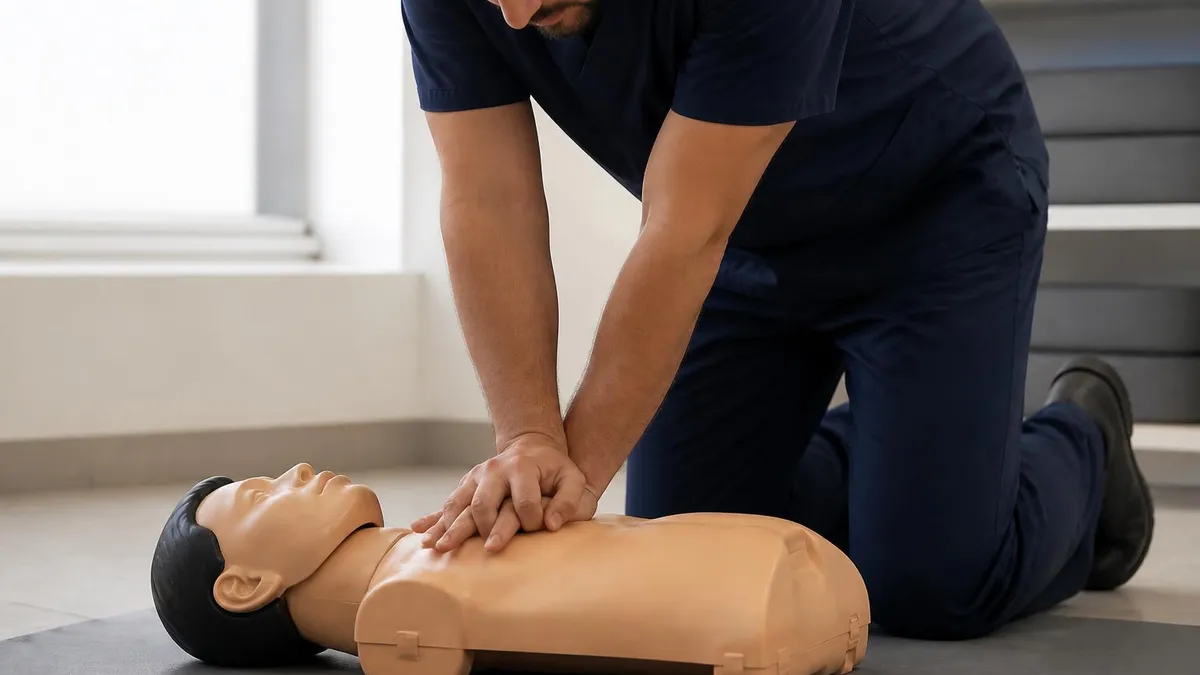
Extracorporeal CPR (ECPR): Complete Guide to Mechanical Circulatory Support During Cardiac Arrest in 2026
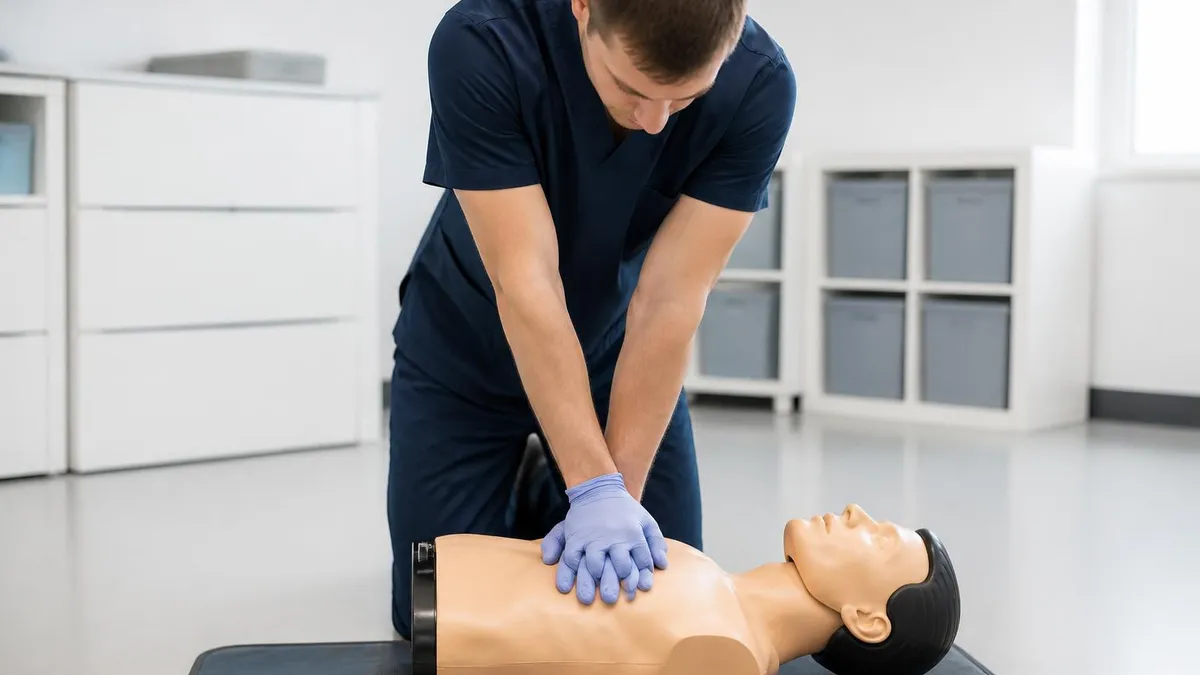
Free Online CPR Certification: Complete Guide to Legitimate Courses, Costs, and Workplace Acceptance in 2026
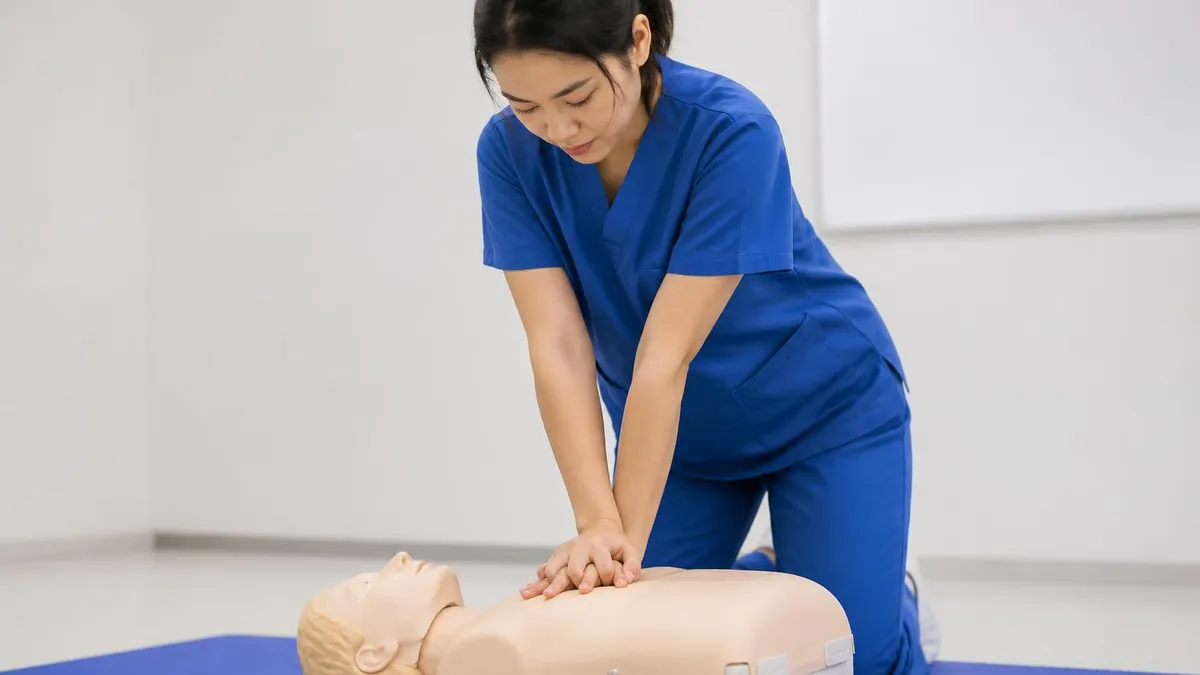
CPR Instructor Certification 2026: Complete Path to Teaching CPR
About the Author

Registered Nurse & Healthcare Educator
Johns Hopkins University School of NursingDr. Sarah Mitchell is a board-certified registered nurse with over 15 years of clinical and academic experience. She completed her PhD in Nursing Science at Johns Hopkins University and has taught NCLEX preparation and clinical skills courses for nursing students across the United States. Her research focuses on evidence-based exam preparation strategies for healthcare certification candidates.
Join the Discussion
Connect with other students preparing for this exam. Share tips, ask questions, and get advice from people who have been there.
View discussion (5 replies)