
HVAC Air Conditioning: The Complete Guide to Systems, Certification, and Career Success
🟢 Master hvac air conditioning systems, certifications, and career paths. Complete guide covering installation, efficiency, exams, and industry standards.
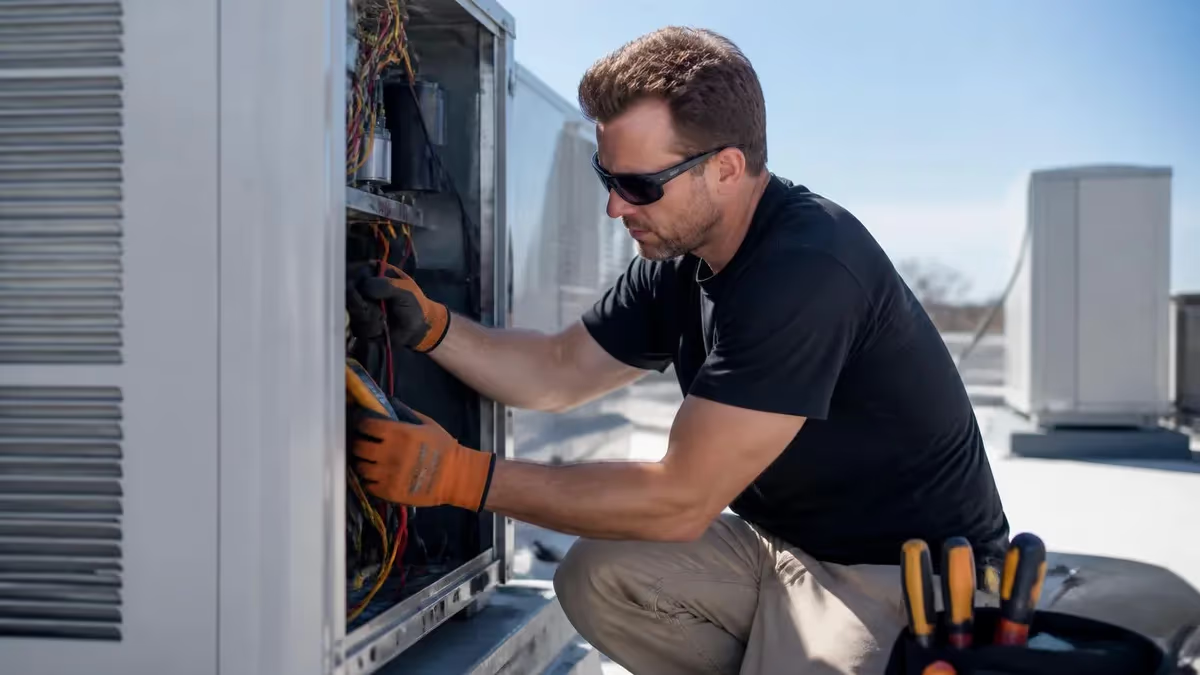
HVAC air conditioning is one of the most essential and rapidly growing sectors in the skilled trades industry. Whether you are a homeowner trying to understand how your central air system works, a student preparing for an EPA 608 or NATE certification exam, or a seasoned technician looking to sharpen your technical knowledge, understanding the fundamentals of air conditioning is critical. From the refrigeration cycle to duct design, every component in an HVAC system plays a role in maintaining indoor comfort, energy efficiency, and air quality throughout the year.
The demand for qualified HVAC air conditioning technicians has never been higher. According to the Bureau of Labor Statistics, employment in heating, air conditioning, and refrigeration mechanics and installers is projected to grow 9 percent through 2032, faster than the average for all occupations. This growth is driven by aging infrastructure, stricter energy efficiency regulations, and the widespread adoption of smart home technology. Technicians who understand modern air conditioning systems — including variable refrigerant flow systems, inverter-driven compressors, and two-stage cooling — are commanding premium wages in residential, commercial, and industrial markets.
Understanding how HVAC air conditioning systems operate begins with the four core components: the compressor, condenser coil, expansion valve, and evaporator coil. These components work together in a continuous loop to transfer heat from inside a building to the outside environment. Refrigerant, the working fluid in this cycle, absorbs heat as it evaporates inside the building and releases heat as it condenses outdoors. The type of refrigerant used, the system's SEER rating, and the quality of installation all directly affect how efficiently and reliably the system performs over its lifespan.
Certification and licensure requirements for HVAC air conditioning work vary significantly by state, but all technicians who handle refrigerants are required to hold an EPA Section 608 certification. Beyond EPA 608, credentials like NATE (North American Technician Excellence) certification, HVAC Excellence certifications, and state contractor licenses are increasingly expected by employers and customers alike. Preparing thoroughly for these exams — understanding refrigerant properties, electrical controls, system diagnostics, and load calculations — is the difference between passing on the first attempt and costly retakes.
This guide covers the full spectrum of HVAC air conditioning knowledge: how systems work, how to choose the right equipment, how to maintain and troubleshoot systems effectively, and how to prepare for the certifications that will advance your career. You will find detailed explanations of system types, efficiency ratings, refrigerant regulations, and installation best practices. We also explore the business side of the trade, including how professionals can grow their careers in the hvac air conditioning sales and service sectors.
Whether you are preparing for a certification exam or working to build deeper expertise in cooling technology, this guide gives you a structured, comprehensive foundation. The HVAC industry rewards technicians who commit to ongoing education and who understand not just how to install equipment but why each system performs the way it does under different conditions, loads, and climates. Let this resource serve as your starting point for mastering the science and craft of air conditioning.
HVAC Air Conditioning by the Numbers
Types of HVAC Air Conditioning Systems
The most common residential configuration, featuring an outdoor condensing unit and an indoor air handler or furnace with evaporator coil. Distributes conditioned air through a duct network. Ideal for homes with existing ductwork.
Consists of one outdoor unit connected to one or more indoor air handlers via refrigerant lines. No ductwork required. Highly efficient, ideal for room additions, older homes, and targeted zoning applications.
All components — compressor, condenser, and evaporator — housed in a single outdoor cabinet. Common in light commercial applications and homes without basement or attic space for air handlers.
Commercial-grade system using inverter-driven compressors to modulate refrigerant flow precisely. Supports simultaneous heating and cooling in different zones. High efficiency but requires advanced technical training.
Self-contained units that cool a single room. Window units are mounted in an opening; portable units vent through a hose. Affordable but less efficient than central systems for whole-home cooling.
Understanding HVAC air conditioning efficiency ratings is essential for both technicians and consumers making purchasing decisions. The Seasonal Energy Efficiency Ratio (SEER) is the primary metric used in the United States to measure cooling efficiency. SEER is calculated by dividing the total cooling output during a typical cooling season by the total electric energy input during the same period.
A higher SEER rating indicates greater efficiency, which translates directly into lower monthly utility bills. As of January 2023, the Department of Energy mandated a minimum SEER2 of 14.3 for split systems in northern states and 15.2 in the Southeast and Southwest regions.
SEER2 replaced the older SEER standard as part of a DOE update that recalibrated test conditions to better reflect real-world operating environments. The new testing protocol applies a higher static pressure to the blower system, which tends to produce slightly lower efficiency ratings compared to the old SEER scale. For technicians and contractors, understanding this distinction matters when comparing equipment specifications, quoting replacement systems, or advising customers on energy savings calculations. A unit rated at 16 SEER under the old standard may carry a SEER2 rating of approximately 15.2 under the new methodology.
The Energy Efficiency Ratio (EER) measures cooling efficiency at a single operating condition — 95°F outdoor temperature, 80°F indoor dry bulb, and 50% relative humidity — rather than across a full season. EER is particularly useful for evaluating equipment performance in climates where extreme heat is the primary cooling challenge. Commercial building owners, facility managers, and engineers often rely on EER ratings when selecting equipment for rooftop units or process cooling applications where peak-load performance is more critical than average seasonal performance.
The Coefficient of Performance (COP) and the Integrated Energy Efficiency Ratio (IEER) are used primarily for commercial-grade equipment including chillers, large rooftop units, and variable refrigerant flow systems. IEER accounts for performance at multiple part-load conditions (100%, 75%, 50%, and 25%), which better reflects how commercial systems actually operate — rarely at full load for extended periods. Understanding these metrics is increasingly important for HVAC technicians working in commercial and industrial environments where building owners demand documentation of energy performance and compliance with ASHRAE standards.
Refrigerant type also plays a significant role in system efficiency and environmental compliance. R-22 (Freon), once the industry standard, was phased out under the Montreal Protocol due to its ozone-depleting properties.
R-410A became the dominant residential refrigerant for over two decades, but it is being phased down under the AIM Act due to its high global warming potential (GWP). The industry is currently transitioning to A2L refrigerants, including R-32 and R-454B, which have significantly lower GWP values. Technicians must understand how these new refrigerants behave differently — particularly their mildly flammable classification — and follow updated handling and installation procedures accordingly.
Proper refrigerant charge is one of the most critical factors in system efficiency and longevity. An overcharged or undercharged system can reduce efficiency by 10 to 20 percent, accelerate compressor wear, and lead to premature system failure. Technicians use superheat and subcooling measurements to verify correct charge levels. For fixed-orifice systems, target superheat values are typically calculated using the manufacturer's charging chart based on outdoor temperature and indoor wet-bulb temperature. For TXV systems, target subcooling — typically 10 to 15°F — is the primary charging reference point.
Energy efficiency in air conditioning also extends to system design and installation quality. According to research from the Lawrence Berkeley National Laboratory, residential HVAC systems operate at an average of only 57 percent of their rated efficiency due to duct leakage, improper airflow, and incorrect refrigerant charge. Technicians who perform thorough commissioning — verifying airflow, checking charge, sealing ductwork, and calibrating controls — deliver measurably better performance for their customers and reduce callbacks. This commitment to quality installation is increasingly recognized as a competitive differentiator in the HVAC market.
HVAC Practice Test Questions
Prepare for the HVAC - Heating Ventilation and Air Conditioning exam with our free practice test modules. Each quiz covers key topics to help you pass on your first try.
HVAC Air Conditioning
HVAC Exam Questions covering Air Conditioning. Master HVAC Test concepts for certification prep.
HVAC Code Compliance
Free HVAC Practice Test featuring Code Compliance. Improve your HVAC Exam score with mock test prep.
HVAC Electrical Controls
HVAC Test Prep for Electrical Controls. Practice HVAC Quiz questions and boost your score.
HVAC Energy Efficiency
HVAC Questions and Answers on Energy Efficiency. Free HVAC practice for exam readiness.
HVAC Heating Systems
HVAC Mock Test covering Heating Systems. Online HVAC Test practice with instant feedback.
HVAC Load Calculations
Free HVAC Quiz on HVAC Load Calculations. HVAC Exam prep questions with detailed explanations.
HVAC Tools and Equipment
HVAC Practice Questions for HVAC Tools and Equipment. Build confidence for your HVAC certification exam.
HVAC Refrigeration
HVAC Test Online for Refrigeration. Free practice with instant results and feedback.
HVAC Safety Practices
HVAC Study Material on Safety Practices. Prepare effectively with real exam-style questions.
HVAC System Design
Free HVAC Test covering System Design. Practice and track your HVAC exam readiness.
HVAC Thermodynamics
HVAC Exam Questions covering Thermodynamics. Master HVAC Test concepts for certification prep.
Installation, Maintenance, and Troubleshooting
Proper HVAC air conditioning installation begins with accurate Manual J load calculations, which determine the correct system size for the structure. Oversized systems short-cycle — turning on and off frequently without completing a full dehumidification cycle — leading to poor indoor humidity control and accelerated equipment wear. Undersized systems run continuously without reaching setpoint during peak conditions. Either scenario results in comfort complaints, increased energy bills, and shortened equipment life. Every installation should be preceded by a thorough load calculation using ACCA Manual J methodology.
After sizing, installation quality depends on correct refrigerant line sizing and routing, proper electrical connections including adequate circuit breaker sizing and disconnect placement, and airtight duct connections at the air handler. Outdoor unit placement matters too — units positioned in direct afternoon sun without shade, or in confined spaces with poor airflow, will operate at higher condensing temperatures and reduced efficiency. Technicians should follow manufacturer clearance requirements and local mechanical code requirements for setback distances, pad height, and service access clearances.
Pros and Cons of a Career in HVAC Air Conditioning
- +Strong job security with projected 9% industry growth through 2032
- +High earning potential — experienced technicians earn $80K–$100K+ in many markets
- +Faster entry than traditional four-year degree paths — apprenticeships typically 3–5 years
- +Diverse work environments including residential, commercial, and industrial sectors
- +Increasing demand for green energy and heat pump technology expertise
- +Entrepreneurial opportunities — many technicians eventually start their own businesses
- −Physically demanding work including crawl spaces, attics, and outdoor conditions in extreme heat
- −Irregular hours and on-call emergency service requirements, especially in summer
- −Initial investment required for quality tools, gauges, and certification prep materials
- −Refrigerant handling regulations and ongoing code changes require continuous education
- −Customer service pressure and the responsibility of diagnosing expensive equipment correctly
- −Exposure to electrical hazards, rooftop work, and chemical refrigerants requires strict safety habits
Pros and Cons at a Glance
| Pros | Cons |
|---|---|
| Diverse work environments including residential, commercial, and industrial sectors | Physically demanding work including crawl spaces, attics, and outdoor conditions in extreme heat |
| Increasing demand for green energy and heat pump technology expertise | Irregular hours and on-call emergency service requirements, especially in summer |
| Entrepreneurial opportunities — many technicians eventually start their own businesses | Initial investment required for quality tools, gauges, and certification prep materials |
HVAC Air Conditioning Certification Exam Preparation Checklist
- ✓Study the refrigeration cycle thoroughly — compressor, condenser, expansion device, and evaporator functions
- ✓Memorize refrigerant properties including boiling points, GWP values, and cylinder color codes
- ✓Practice reading and interpreting pressure-enthalpy (P-H) diagrams for common refrigerants
- ✓Review EPA Section 608 regulations including venting prohibitions and leak rate thresholds
- ✓Understand superheat and subcooling calculations for both fixed-orifice and TXV systems
- ✓Study Ohm's Law, series and parallel circuits, and how to read ladder diagrams
- ✓Review ACCA Manual J load calculation principles including heat gain and heat loss factors
- ✓Learn SEER2, EER, IEER, and COP definitions and how each is measured
- ✓Practice identifying electrical components — capacitors, contactors, relays, and transformers
- ✓Take timed practice tests to simulate exam conditions and identify knowledge gaps
EPA 608 Is Non-Negotiable
Every technician who purchases, handles, or recovers refrigerants must hold an EPA Section 608 certification. There is no grace period, and violations carry fines up to $44,539 per day per violation. Get certified before you touch refrigerant equipment — it is the single most important credential in HVAC air conditioning.
A career in HVAC air conditioning offers multiple distinct pathways depending on your interests, skills, and long-term goals. The most common entry point is a formal apprenticeship through a union — typically the United Association (UA) or the Sheet Metal Workers (SMART) — which combines paid on-the-job training with classroom instruction over three to five years. Apprentices earn wages from day one, and many programs cover the cost of tools and study materials. Upon completion, journeyman status qualifies technicians for virtually any residential or commercial HVAC position at competitive wages.
Trade school and community college programs offer an alternative path that can be completed in six months to two years. These programs typically cover refrigeration fundamentals, electrical theory, ductwork, and system troubleshooting. While they do not replace hands-on field experience, they provide a strong theoretical foundation and often include EPA 608 certification as part of the curriculum. Graduates enter the workforce as entry-level technicians or helpers and typically reach journeyman-level competency after two to three years of field experience under the supervision of senior technicians.
Specialization is a powerful career accelerator in HVAC air conditioning. Technicians who develop deep expertise in commercial refrigeration, VRF systems, building automation systems (BAS), or chillers can command significantly higher wages than general residential service technicians. Manufacturers like Carrier, Trane, Daikin, and Mitsubishi Electric offer factory training programs that certify technicians on their specific product lines. These manufacturer certifications are highly valued by commercial HVAC contractors and facilities departments that require technicians with documented expertise on installed equipment.
The move into service management, project management, or sales is another natural career progression for experienced HVAC air conditioning technicians. Technical sales roles — particularly in commercial equipment, controls, and energy services — use field knowledge while offering office-based work, higher base salaries, and commission income. Many HVAC company owners and regional managers started as field technicians and used their hands-on experience to build credibility with customers and staff. The business side of HVAC rewards technical knowledge combined with customer service skills and financial literacy.
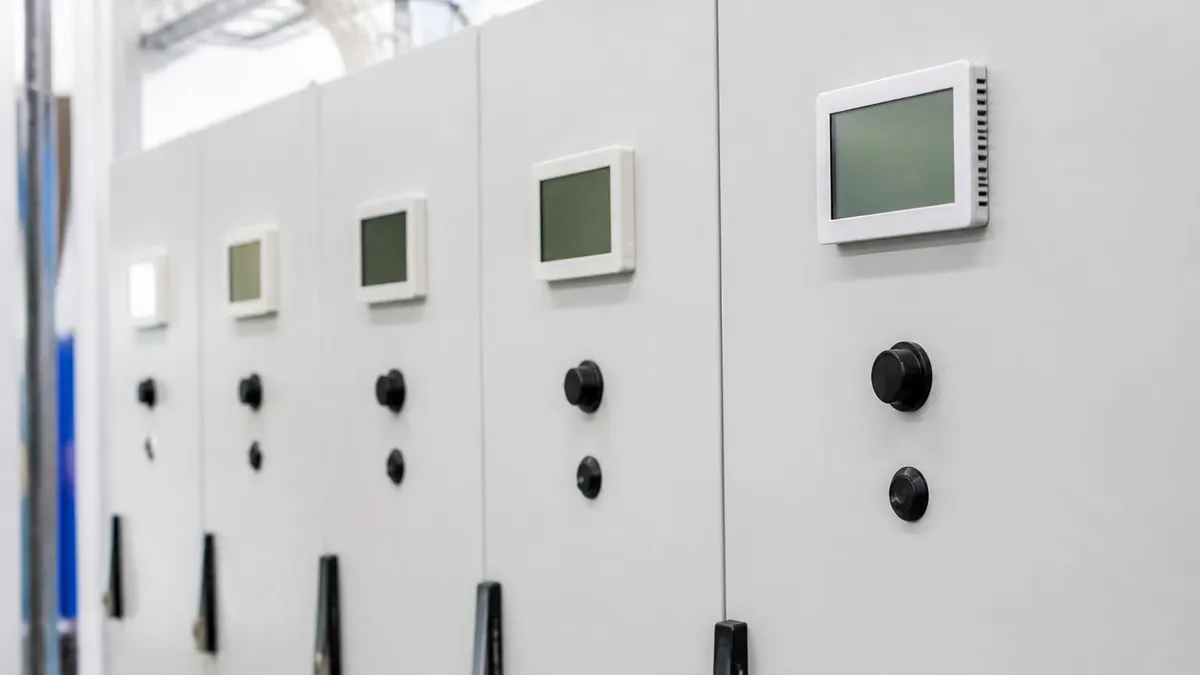
Building automation and smart controls represent one of the fastest-growing niches within HVAC air conditioning. Modern commercial buildings rely on networked controls that monitor and manage everything from variable air volume (VAV) boxes to chiller plant sequencing. Technicians who understand Modbus, BACnet, and LON protocols, and who can program and commission building management systems (BMS), are in extremely high demand. Courses and certifications from organizations like the Building Automation Control Network (BACnet) International and ASHRAE provide structured pathways into this technical specialty.
The growing emphasis on sustainability and energy efficiency is reshaping career opportunities in HVAC air conditioning. The Inflation Reduction Act of 2022 dramatically expanded federal tax credits for high-efficiency heat pumps and air conditioning systems, driving strong consumer demand for equipment upgrades. Technicians who understand heat pump technology — including cold-climate heat pumps capable of operating efficiently at outdoor temperatures below 0°F — are positioned to capture a large share of this growing replacement market. Pairing HVAC expertise with certifications like BPI Building Analyst or RESNET HERS Rater credentials opens doors to energy auditing and weatherization work.
Entrepreneurship is the ultimate career milestone for many HVAC air conditioning professionals. Running your own HVAC company requires not just technical skill but business knowledge including licensing, insurance, bonding, payroll, scheduling, inventory management, and marketing. Successful owner-operators typically spend years building customer relationships and technical expertise as employees before making the leap. Starting with a service-only operation to minimize overhead, then expanding into installation as the business grows, is a common and lower-risk approach to building a profitable HVAC business from the ground up.
The EPA's AIM Act phasedown of high-GWP refrigerants including R-410A is accelerating. Production and import of R-410A equipment has been restricted for new systems beginning January 1, 2025. Technicians should begin training now on A2L refrigerants such as R-32 and R-454B, including updated safety procedures for mildly flammable refrigerant handling, leak detection, and equipment requirements.
Advanced HVAC air conditioning technology is transforming what technicians must know and what customers can expect from modern systems. Variable speed technology — applied to compressors, condenser fans, and blower motors — allows systems to modulate their output continuously rather than simply cycling on and off at full capacity.
A variable-speed system running at 40 percent capacity for four hours delivers the same total cooling as a single-speed system running at full capacity for 90 minutes, but with dramatically better humidity removal, quieter operation, more consistent temperatures, and significantly higher seasonal efficiency. SEER2 ratings of 20 or higher are achievable with premium variable-speed equipment.
Two-stage and variable-speed compressors work by operating at a lower stage (typically 65 to 70 percent capacity) during moderate weather conditions, switching to full capacity only during peak load periods. This two-stage operation improves dehumidification significantly compared to single-stage systems because the longer run times at lower capacity allow the evaporator coil to extract more moisture from the air. In humid climates like the Southeast and Gulf Coast states, proper dehumidification is often more important to perceived comfort than temperature alone, making compressor staging a key selling point for premium equipment upgrades.
Smart thermostats and connected HVAC systems are becoming the standard in both new construction and replacement markets. Devices like the Ecobee SmartThermostat, Nest Learning Thermostat, and Honeywell Home T9 use occupancy sensing, geofencing, and machine learning algorithms to optimize system operation based on actual usage patterns. Many utility companies offer rebates for smart thermostat installation as part of demand response programs that allow utilities to briefly cycle air conditioning loads during peak grid demand periods. Technicians who can install, configure, and troubleshoot connected thermostats add immediate value to every service call.
Indoor air quality (IAQ) products have become an integral part of the HVAC air conditioning conversation. Beyond basic filtration, modern systems can incorporate UV-C germicidal lights that neutralize biological contaminants on the evaporator coil and in the airstream, bipolar ionization systems that help particles clump together for easier filtration, energy recovery ventilators (ERVs) that bring in fresh outside air without significant energy penalty, and whole-home dehumidifiers that operate independently of the cooling system to maintain healthy relative humidity levels year-round. Technicians who understand IAQ products can significantly increase average ticket values and customer satisfaction.
Geothermal heat pump systems represent the premium tier of HVAC air conditioning and heating technology. Instead of exchanging heat with outdoor air, geothermal systems use the stable temperature of the earth — typically 50 to 60°F at depths of six feet or more — as a heat source in winter and a heat sink in summer.
This allows geothermal systems to achieve heating COPs of 3.0 to 5.0 and cooling EERs of 15 to 30, far exceeding air-source equipment. The higher installation cost is offset by dramatically lower operating costs, and federal tax credits under the IRA cover 30 percent of geothermal system costs through 2032, making it an increasingly accessible option for homeowners with suitable land.
Refrigerant management has become a major technical and regulatory focus in the industry. EPA Section 608 not only requires certification for purchasing and handling refrigerants but also mandates leak inspections for commercial systems with charges above 50 pounds, requires repair of leaks that exceed annual leak rate thresholds, and mandates the use of recovery equipment before opening any system.
The transition to A2L refrigerants adds a new dimension to refrigerant management, requiring technicians to use leak detectors rated for A2L gases, follow updated ventilation requirements for enclosed spaces, and use approved ignition-protected electrical components in systems charged with mildly flammable refrigerants.
The integration of HVAC air conditioning with solar photovoltaic systems and battery storage is an emerging trend that forward-thinking technicians should understand. Solar-powered air conditioning can dramatically reduce or eliminate cooling energy costs in sunny climates. Time-of-use electricity pricing makes battery storage particularly valuable — systems can pre-cool a building during off-peak hours using cheap solar or grid electricity, then coast through expensive peak periods with minimal compressor operation. Technicians who understand how HVAC systems interact with solar inverters, battery systems, and smart energy management platforms will be well positioned for the buildings of the next decade.
Preparing effectively for HVAC air conditioning certification exams requires a structured study approach that balances conceptual understanding with applied problem-solving. The most common mistake candidates make is reading through study materials passively without actively testing recall. Research in cognitive science consistently shows that retrieval practice — forcing yourself to recall information without looking at notes — produces significantly stronger long-term retention than re-reading or highlighting. Use flashcards, practice tests, and verbal explanation to reinforce key concepts like the refrigerant cycle, electrical theory, and load calculation principles.
Prioritize the topics that carry the most exam weight. For the EPA 608 core exam, the most heavily tested areas are refrigerant recovery requirements, leak detection and repair obligations, and proper disposal procedures. For NATE certification exams in the air conditioning specialty, expect heavy emphasis on refrigerant system operation, electrical troubleshooting, and system performance verification. Reviewing the official NATE study guide and the EPA's own 608 technician certification study materials gives you a clear picture of exactly what will be tested and in what depth.
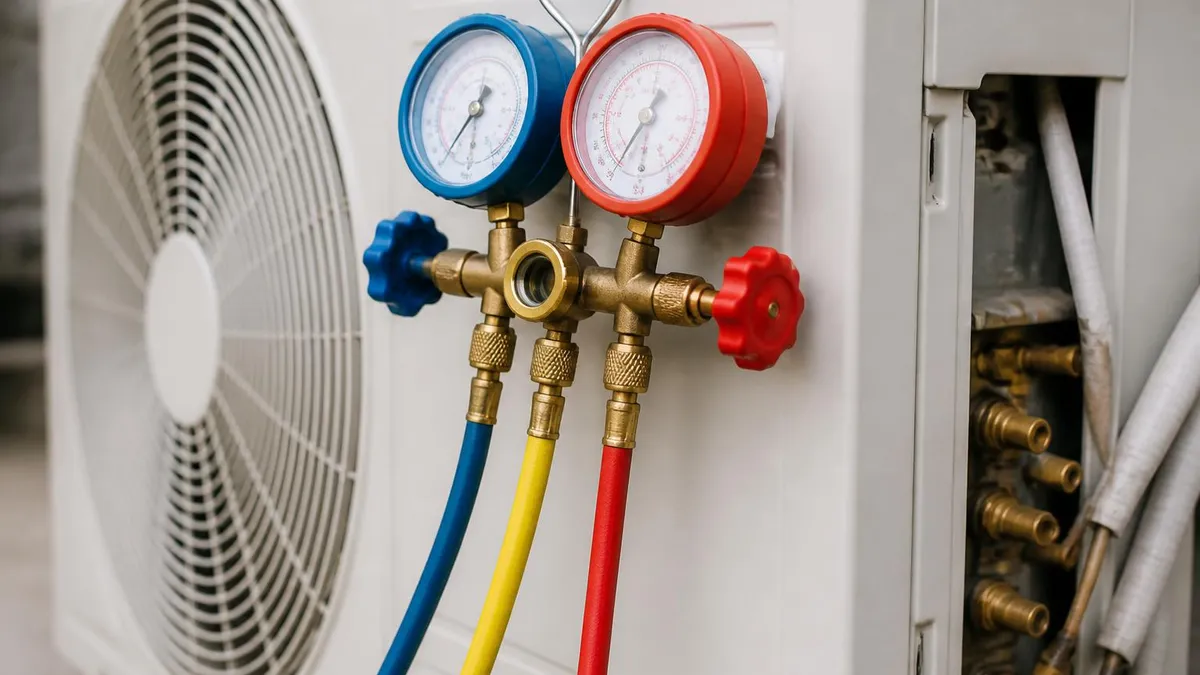
Hands-on practice supplements conceptual study in ways that reading alone cannot achieve. If you are not yet working in the field, seek out supervised opportunities to practice taking pressure readings, measuring superheat and subcooling, using a multimeter to check electrical components, and interpreting wiring diagrams. Many HVAC trade schools and community college programs have lab facilities where students can practice on real equipment. The physical act of connecting manifold gauges, interpreting readings, and making diagnostic decisions builds pattern recognition that makes exam questions significantly easier to answer.
Time management on exam day is a skill worth practicing deliberately. Most HVAC certification exams are computer-based and time-limited. Candidates who move too slowly on easy questions run out of time on harder ones; those who rush make careless errors on straightforward material. A reliable strategy is to answer every question you are confident about on the first pass, marking uncertain ones for review, then return to the marked questions with the remaining time. This prevents any single difficult question from consuming disproportionate time and ensures you capture all the points you are capable of earning.
Study groups and peer accountability are underused tools in HVAC exam preparation. Explaining a concept to another person — the protégé effect — forces you to identify gaps in your own understanding that silent reading often masks. Find one or two fellow students or co-workers preparing for the same exam, meet weekly to quiz each other, and take practice tests under timed conditions together. Discussing why a particular answer is correct (not just which answer is correct) deepens conceptual understanding and builds the diagnostic reasoning skills that both exams and real-world service calls demand.
Online resources including practice test platforms, YouTube tutorials from experienced HVAC instructors, and manufacturer training libraries provide supplementary learning that can reinforce textbook study. HVAC instructors on platforms like YouTube regularly publish detailed walkthroughs of refrigerant cycle diagnostics, electrical troubleshooting techniques, and exam-style question breakdowns. Manufacturer training portals from Carrier University, Trane Technologies, Daikin AC, and others are free to access and offer system-specific training that goes deeper than general certification study materials.
After passing your certification exams, the commitment to learning does not end — it shifts focus. HVAC air conditioning technology evolves rapidly, and the technicians who remain at the top of their field are those who pursue continuing education proactively.
Attend manufacturer training events when new product lines are released, participate in local HVAC contractor association meetings, read industry publications like ACHR News and The NEWS, and seek out advanced certifications in specialties that align with your career goals. The investment you make in ongoing education pays compound returns throughout your career in the form of higher wages, better job opportunities, and the professional confidence that comes from genuine expertise.
Sample HVAC Practice Questions
Try these questions from our free HVAC practice tests. The correct answer and an explanation follow each question.
What is subcooling in an air conditioning system?
- A. Cooling the evaporator below its design temperature
- B. Lowering refrigerant below its saturation temperature in the liquid state
- C. Removing superheat from suction gas
- D. Operating the system below outdoor design conditions
Answer: B. Lowering refrigerant below its saturation temperature in the liquid state
Subcooling is the number of degrees the liquid refrigerant has been cooled below its saturation (condensing) temperature.
What is the most important professional competency for HVAC certification in air conditioning?
- A. Speed of task completion
- B. Deep knowledge combined with practical application skills
- C. Ability to work alone exclusively
- D. Memorization of all reference materials
Answer: B. Deep knowledge combined with practical application skills
Professional competency requires both deep knowledge of the subject matter and the ability to apply that knowledge in practical situations.
What condition is indicated when the suction line of an air conditioning system is heavily frosted all the way back to the compressor?
- A. Overcharge of refrigerant only
- B. Low refrigerant charge
- C. Flooded evaporator with liquid returning to the compressor
- D. Normal operation in humid conditions
Answer: C. Flooded evaporator with liquid returning to the compressor
Frost extending back to the compressor indicates liquid refrigerant is returning (flooding back), which can cause liquid slugging and compressor damage.
A capacitor in an air conditioning system serves what primary purpose?
- A. Store energy for emergency compressor shutdown
- B. Provide starting torque and improve running efficiency of motors
- C. Filter electrical noise from the control board
- D. Step up voltage to the compressor motor
Answer: B. Provide starting torque and improve running efficiency of motors
Capacitors store electrical charge to provide the phase shift needed for starting single-phase motors (start capacitors) and to improve running efficiency (run capacitors).
HVAC Questions and Answers
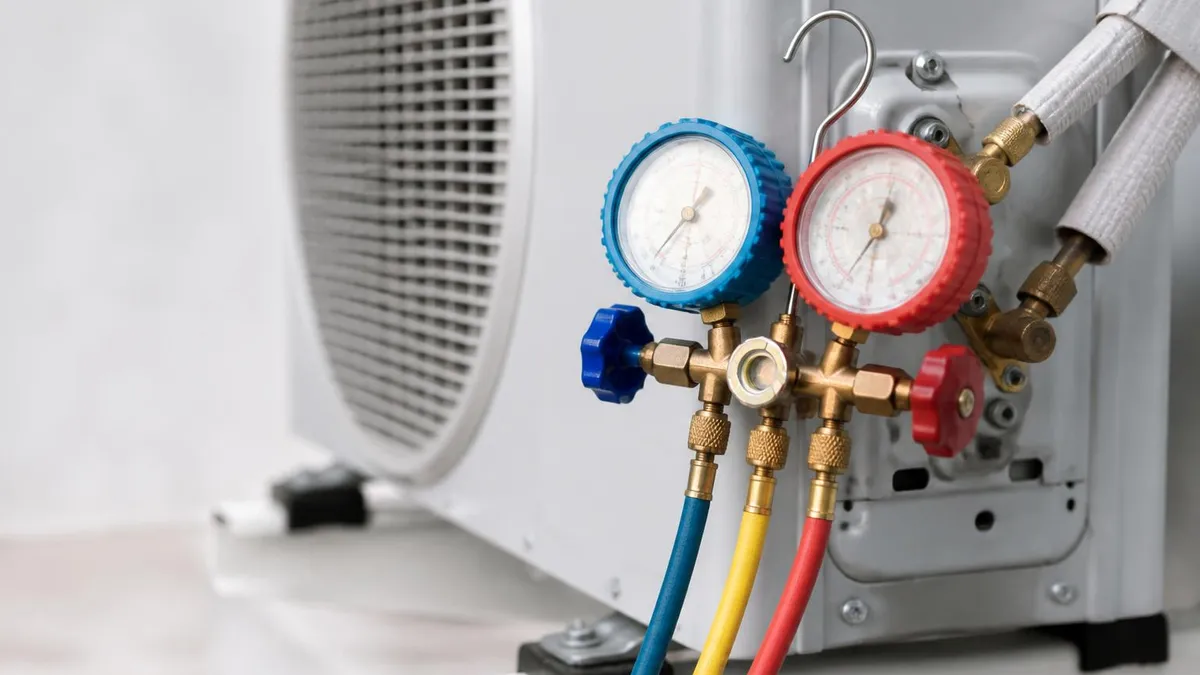
HVAC Sales: The Complete Guide to Selling Heating and Cooling Systems, Building Customer Trust, and Closing More Deals
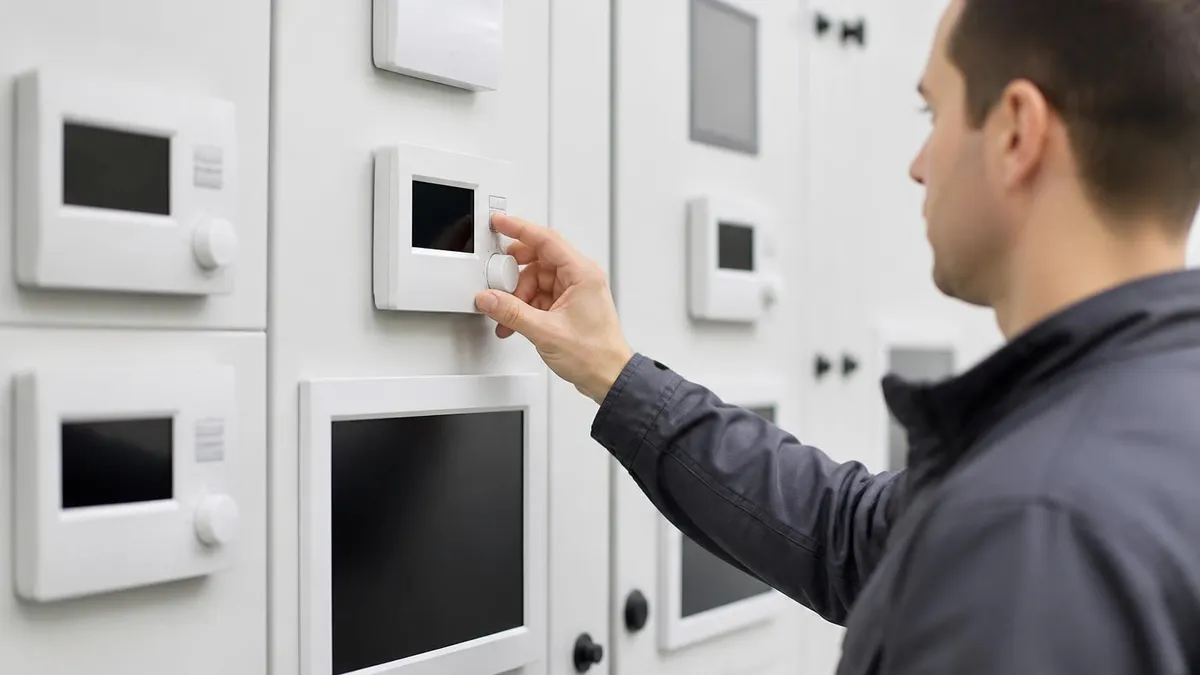
HVAC Air Duct Sealing: The Complete Homeowner and Contractor Guide to Sealing Ductwork for Efficiency, Comfort, and Indoor Air Quality
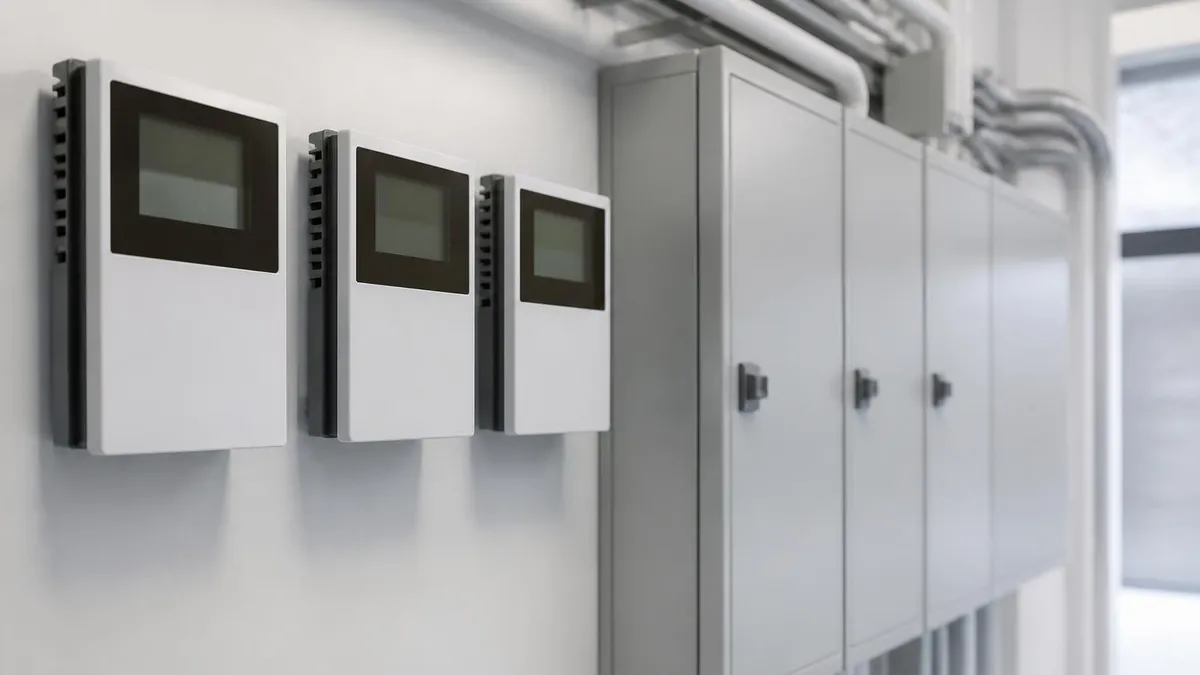
HVAC Solutions: The Complete Guide to Heating, Cooling, and Indoor Air Quality Systems for Homes and Buildings

Commercial HVAC Repair: Systems, Costs, and Service Strategies
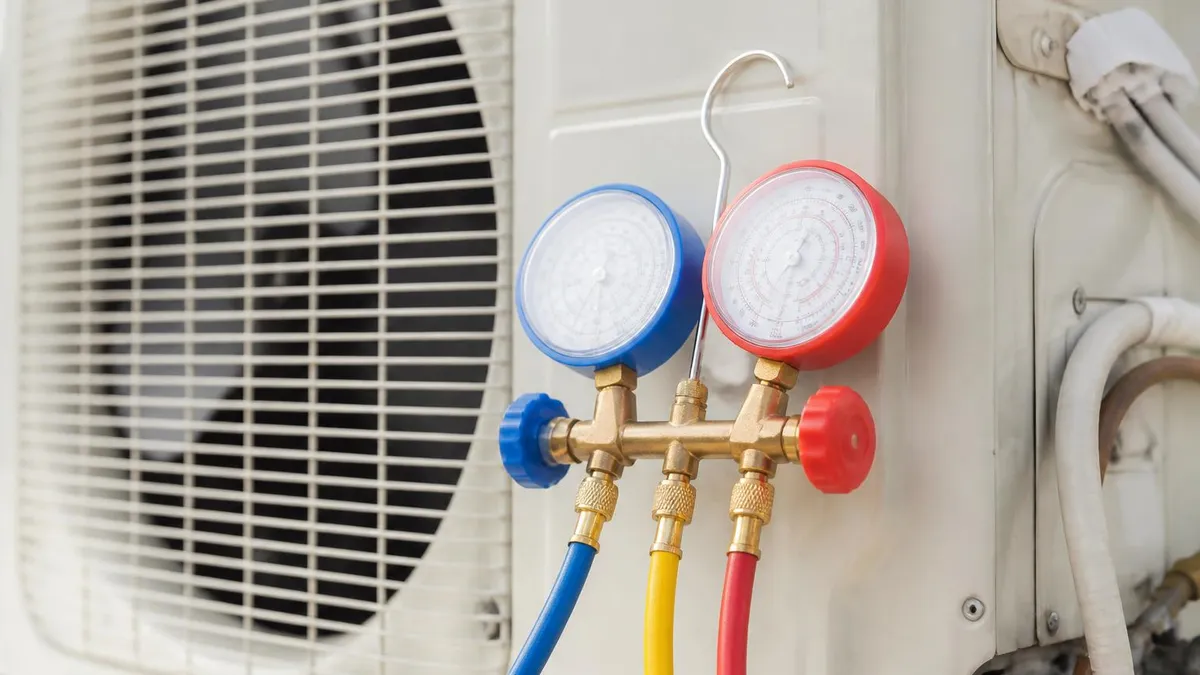
HVAC Apprenticeship Programs: Your Complete Guide to Starting a Hands-On Career in Heating, Ventilation, and Air Conditioning
About the Author

NATE Certified HVAC Technician & Licensing Exam Trainer
Universal Technical InstituteMike Johnson is a NATE-certified HVAC technician and EPA 608 universal-certified refrigerant handler with a Bachelor of Science in HVAC/R Technology. He has 19 years of commercial and residential HVAC installation and service experience and specializes in preparing technicians for NATE certification, EPA 608, A2L refrigerant safety, and state HVAC contractor licensing examinations.