
Best Rated HVAC Systems for 2026 October: Top Brands, Efficiency Ratings, and How to Choose the Right Unit for Your Home
Compare the best rated HVAC systems of 2026 October. 🎯 Top brands, SEER2 ratings, costs, sizing tips, and how to choose the right unit for your home.

Choosing among the best rated HVAC systems in 2026 means weighing efficiency ratings, build quality, warranty coverage, and lifecycle cost against the climate where you actually live. The market is crowded with established names like Trane, Carrier, Lennox, Daikin, and Bryant, plus value-tier brands like Goodman and Rheem that have closed the reliability gap in recent years. With the federal SEER2 minimum now set at 14.3 in northern states and 15.2 in the South, even entry-level units outperform what was considered premium a decade ago.
The real differentiation today comes from variable-speed compressors, communicating thermostats, and inverter-driven heat pumps that adjust output in real time. These features deliver tighter temperature control, lower humidity, and reduced electrical demand at startup. Homeowners shopping in 2026 also have to navigate the A2L refrigerant transition, which replaced R-410A with R-454B or R-32 in most new equipment. That change affects installation requirements, leak detection, and long-term service availability — all factors that matter when you're committing to a 15-to-20-year purchase.
Beyond the equipment itself, installation quality determines roughly half of total system performance. A premium 20 SEER2 heat pump installed with leaky ductwork, the wrong refrigerant charge, or oversized tonnage will underperform a properly installed mid-tier unit every single time. Manual J load calculations, blower-door testing, and static pressure measurements are the unglamorous details that separate a system that lasts 18 years from one that limps to year nine. This is why vetted installers matter as much as the nameplate on the condenser.
This guide breaks down which brands consistently rank at the top, how to read efficiency labels without getting fooled by marketing, what features are worth paying for, and how to size a system correctly for your square footage and climate zone. We'll also cover realistic pricing for 2026, the tax credits and rebates still available under the Inflation Reduction Act, and the warranty terms that actually protect you when a compressor fails in year eight. If you're comparing quotes, working with Certified HVAC Contractors who pull permits and document load calculations is non-negotiable.
We'll also address the most common mistake homeowners make: buying based on tonnage recommendations from the existing equipment rather than a fresh load calculation. Houses change. Insulation improves, windows get replaced, additions get built, and the original sizing may have been wrong to begin with. An oversized system short-cycles, fails to dehumidify, and wears out compressors years early. A properly sized system runs longer at lower stages, removes more moisture, and uses less electricity. Right-sizing is free; replacing a burned-out compressor at year seven is not.
Finally, expect to spend somewhere between $7,500 and $18,000 for a complete system replacement in 2026, depending on tonnage, efficiency tier, ductwork condition, and regional labor rates. Heat pumps trend toward the upper half of that range, while straight-cool central AC plus a gas furnace tends to land in the middle. The cheapest quote is rarely the best value, and the most expensive isn't automatically premium — what matters is matching the equipment to the load, the climate, and the homeowner's actual priorities.
Best Rated HVAC Systems by the Numbers
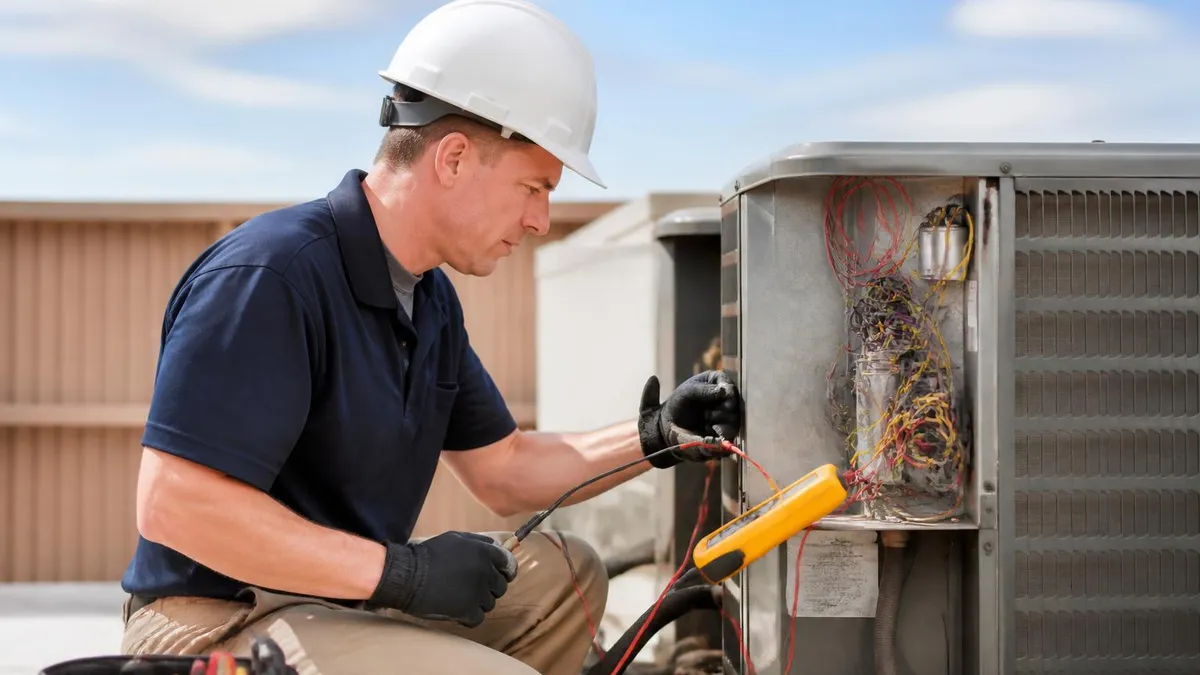
Top-Rated HVAC Brands of 2026
Consistently top-ranked for reliability and build quality. Spine-fin coils resist corrosion, and the XV20i variable-speed line delivers 22 SEER2. Premium pricing but exceptional longevity, with many units running 20+ years on routine maintenance.
Inventor of modern air conditioning and still a benchmark for innovation. The Infinity series with Greenspeed Intelligence reaches 26 SEER2. Strong dealer network and excellent communicating-thermostat integration make it a top-tier choice.
Industry leader in efficiency — the SL28XCV holds claim to the highest SEER2 ratings on the market. Solar-ready models and tight integration with iComfort thermostats appeal to high-end homeowners. Proprietary parts can raise repair costs.
Japanese engineering with inverter-driven technology baked into nearly every model. Outstanding mini-split and heat pump performance in cold climates. The Daikin Fit slim-profile condenser fits tight side yards where traditional units won't.
Bryant is essentially Carrier's sister brand at slightly lower pricing. Goodman offers the best lifetime-compressor warranty in the industry and has dramatically improved reliability, making it the strongest value pick for budget-conscious buyers.
Efficiency ratings on HVAC equipment look simple on the spec sheet but hide important nuances. SEER2 (Seasonal Energy Efficiency Ratio 2) replaced the older SEER metric in 2023 and uses tougher test conditions that better reflect real-world duct static pressure. A unit rated 16 SEER under the old standard is roughly equivalent to 15.2 SEER2 — the number went down, but actual performance didn't change. Don't compare old SEER ratings to new SEER2 ratings as if they're the same scale.
For heating performance on heat pumps, HSPF2 (Heating Seasonal Performance Factor 2) is the comparable metric, with minimums of 7.8 in the North and 8.1 in the South. Higher numbers mean more heat delivered per kilowatt-hour of electricity consumed. Cold-climate heat pumps — labeled as ccASHP — maintain rated capacity down to 5°F or even -13°F, which matters enormously if you live above the Mason-Dixon line and want to skip backup electric resistance heat that triples your operating cost.
EER2 (Energy Efficiency Ratio 2) measures performance at a single high-temperature test point (95°F outdoor), which makes it the most relevant rating for hot, dry climates like Arizona and Nevada where peak summer loads dominate the cooling season. A system with a great SEER2 but mediocre EER2 may struggle on the hottest afternoons of the year. Look at both numbers when shopping in the Sun Belt, and don't let installers steer you to a unit optimized for milder conditions.
AFUE (Annual Fuel Utilization Efficiency) applies to gas furnaces and represents the percentage of fuel energy converted to usable heat. Standard mid-efficiency units run 80% AFUE, while condensing furnaces hit 95-98%. The catch is that high-efficiency furnaces require PVC venting through a sidewall and a condensate drain — retrofitting can be expensive if the existing chimney is the only viable vent path. Calculate the payback period before assuming a 98% AFUE upgrade is worth it.
Understanding airflow is just as important as understanding nameplate ratings. A unit can be rated 20 SEER2 in a lab and deliver 14 SEER2 in your house if the ductwork can't move the required CFM, the filter is too restrictive, or the blower is set wrong. Static pressure measurements at install — taken before and after the air handler — reveal whether the system is actually breathing properly. Reviewing CFM HVAC Basics helps homeowners ask the right questions during the bid process.
Don't forget the noise rating, measured in decibels (dB). Premium variable-speed condensers run as quiet as 55-60 dB at low stage, which is roughly conversation-level. Single-stage units typically hit 72-78 dB — closer to a vacuum cleaner. If your condenser sits under a bedroom window or near a patio, the dB rating affects daily livability more than two extra SEER2 points ever will. Sound matters, especially in dense suburban lots.
Finally, watch for the ENERGY STAR Most Efficient designation, updated annually. It's a curated list of the top-performing models in each category, vetted by the EPA. Equipment that earns this label generally qualifies for the maximum available tax credits and utility rebates, which can stack to several thousand dollars in some service territories. The combination of premium efficiency and rebate eligibility often makes the upgrade payback shorter than the sticker shock suggests.
HVAC Practice Test Questions
Prepare for the HVAC - Heating Ventilation and Air Conditioning exam with our free practice test modules. Each quiz covers key topics to help you pass on your first try.
HVAC Air Conditioning
HVAC Exam Questions covering Air Conditioning. Master HVAC Test concepts for certification prep.
HVAC Code Compliance
Free HVAC Practice Test featuring Code Compliance. Improve your HVAC Exam score with mock test prep.
HVAC Electrical Controls
HVAC Test Prep for Electrical Controls. Practice HVAC Quiz questions and boost your score.
HVAC Energy Efficiency
HVAC Questions and Answers on Energy Efficiency. Free HVAC practice for exam readiness.
HVAC Heating Systems
HVAC Mock Test covering Heating Systems. Online HVAC Test practice with instant feedback.
HVAC Load Calculations
Free HVAC Quiz on HVAC Load Calculations. HVAC Exam prep questions with detailed explanations.
HVAC Tools and Equipment
HVAC Practice Questions for HVAC Tools and Equipment. Build confidence for your HVAC certification exam.
HVAC Refrigeration
HVAC Test Online for Refrigeration. Free practice with instant results and feedback.
HVAC Safety Practices
HVAC Study Material on Safety Practices. Prepare effectively with real exam-style questions.
HVAC System Design
Free HVAC Test covering System Design. Practice and track your HVAC exam readiness.
HVAC Thermodynamics
HVAC Exam Questions covering Thermodynamics. Master HVAC Test concepts for certification prep.
Best Rated HVAC System Types Compared
The traditional split system pairs an outdoor condenser with an indoor air handler or furnace and remains the most common choice for single-family homes with existing ductwork. Reliability is well-understood, parts are widely available, and any qualified technician can service it. Mid-tier units cost $7,500-$12,000 installed and deliver solid efficiency without the complexity of inverter-driven controls.
The downside is single-stage or two-stage operation cycles harder than variable-speed alternatives, leading to bigger temperature swings and less effective dehumidification. If your house is well-insulated and your ductwork is sealed, a quality split system will serve you well for 15-18 years. If you have humidity problems or comfort complaints, consider stepping up to variable-speed before settling for the standard configuration.
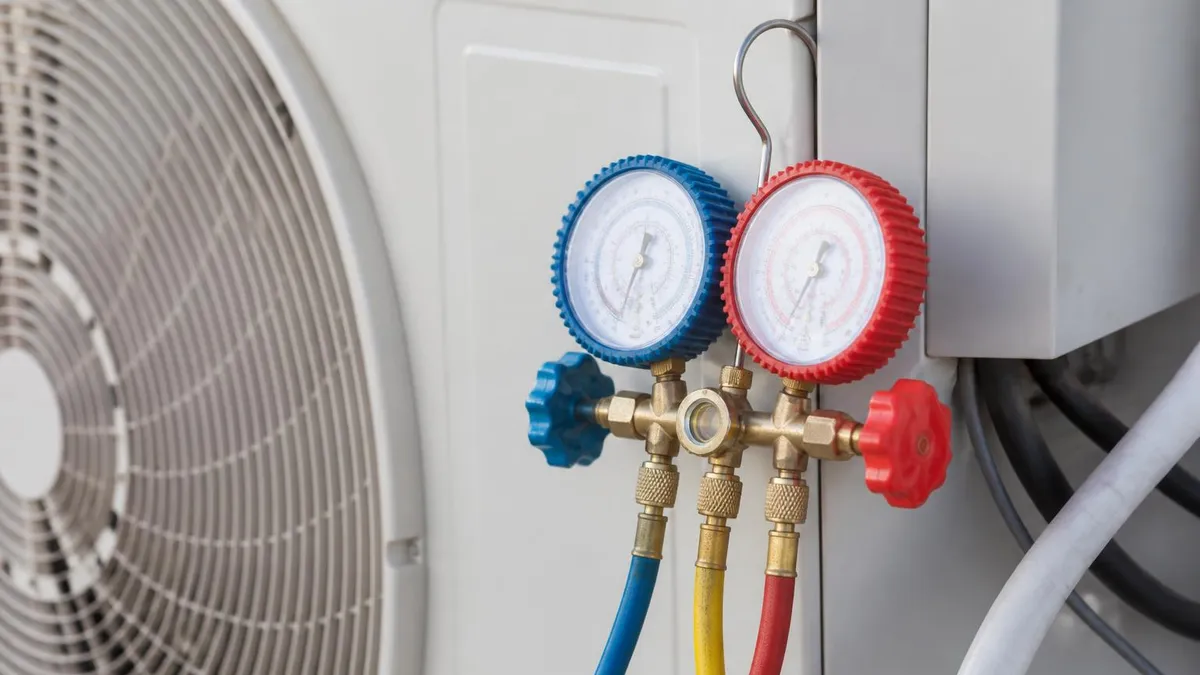
Premium vs Mid-Tier HVAC Systems: Tradeoffs
- +Variable-speed operation delivers tighter temperature and humidity control year-round
- +Higher SEER2 and HSPF2 ratings translate to lower monthly utility bills over 15+ years
- +Communicating thermostats provide diagnostic data that simplifies service calls
- +Quieter operation — 55-60 dB at low stage vs 72-78 dB for single-stage units
- +Longer manufacturer warranties on compressors and parts, often 10-12 years
- +Maximum eligibility for federal tax credits and utility rebate programs
- +Better resale value and home appraisal impact compared to base-tier equipment
- −Premium pricing — $3,000 to $6,000 more than equivalent mid-tier capacity
- −Proprietary parts and communicating boards mean fewer qualified service techs
- −Higher repair costs after warranty expires, particularly for inverter boards
- −Complexity introduces more failure points than a simple single-stage system
- −Diminishing returns on efficiency in mild climates with short cooling seasons
- −Requires properly designed and sealed ductwork to deliver rated performance
- −Payback period on the efficiency premium can exceed 10 years in cool climates
Pros and Cons at a Glance
| Pros | Cons |
|---|---|
| Variable-speed operation delivers tighter temperature and humidity control year-round | Proprietary parts and communicating boards mean fewer qualified service techs |
| Communicating thermostats provide diagnostic data that simplifies service calls | Higher repair costs after warranty expires, particularly for inverter boards |
| Maximum eligibility for federal tax credits and utility rebate programs | Complexity introduces more failure points than a simple single-stage system |
| Better resale value and home appraisal impact compared to base-tier equipment | Diminishing returns on efficiency in mild climates with short cooling seasons |
Buyer's Checklist for the Best Rated HVAC Systems
- ✓Request a Manual J load calculation on paper, not a rule-of-thumb tonnage estimate
- ✓Verify SEER2, EER2, and HSPF2 ratings on the AHRI certificate for the matched system
- ✓Get at least three written quotes itemizing equipment, labor, permits, and warranty
- ✓Confirm the contractor pulls a permit and schedules a municipal inspection
- ✓Ask which refrigerant the system uses — R-454B or R-32 are current A2L standards
- ✓Check warranty registration requirements; many require online registration within 60-90 days
- ✓Verify ductwork will be evaluated for leakage, sizing, and static pressure before install
- ✓Confirm the installer is NATE-certified and EPA Section 608 certified for refrigerant handling
- ✓Request a written commissioning report including refrigerant charge and airflow measurements
- ✓Ask about tax credits, utility rebates, and manufacturer instant rebates available in your area
- ✓Review the maintenance plan and what's covered during the first year of ownership
- ✓Get the start-up and final inspection documentation for warranty claims down the road
Installation quality outweighs brand prestige
Industry studies consistently show that up to 50% of HVAC systems are installed incorrectly, losing 20-30% of their rated efficiency on day one. A mid-tier system installed by a careful contractor will outperform a premium system installed by a corner-cutter every single time. Vet the installer harder than you vet the brand.
Real-world pricing for the best rated HVAC systems in 2026 spans a wide range, and understanding where the money actually goes helps you push back on inflated quotes. A standard 3-ton 15.2 SEER2 split system with a matching 80% AFUE gas furnace typically runs $8,500 to $11,500 installed in most U.S. markets. Stepping up to a two-stage 17 SEER2 system adds $1,500-$2,500. A premium variable-speed 20+ SEER2 system with a communicating thermostat and 96% AFUE modulating furnace lands in the $14,000-$18,500 range, ductwork modifications excluded.
Heat pump pricing has compressed considerably as volume increased. A 3-ton cold-climate variable-speed heat pump installed runs $11,000-$16,500 before incentives. After the federal 25C tax credit of up to $2,000, plus state and utility rebates that can add another $1,500-$6,000 depending on location, net cost often falls below an equivalent gas-furnace-plus-AC combination. Income-qualified households may access the HEEHRA program for additional point-of-sale rebates of $4,000-$8,000 covering heat pump installation costs entirely.
Labor typically accounts for 30-40% of the total project cost, with the equipment itself representing the rest plus permits, refrigerant, and miscellaneous materials like line sets, condensate drains, and electrical disconnects. Regional variation is significant — a job priced at $12,000 in Texas may quote at $16,000 in California or the Northeast because of labor rates, prevailing wage requirements, and stricter permitting. Don't assume online quote estimators reflect your local market.
Hidden cost drivers that catch homeowners off guard include ductwork modifications, electrical service upgrades, condensate pump requirements, and asbestos abatement on older systems. A 100-amp panel may need an upgrade to 200 amps to support a heat pump conversion plus other electrified loads. Old fiberboard ducts often need replacement to handle the higher static pressure of modern blowers. These line items are often left off initial quotes and surface as change orders mid-project, so demand a thorough site evaluation upfront.
The Inflation Reduction Act extended the 25C Energy Efficient Home Improvement Credit through 2032, giving homeowners a 30% federal tax credit on qualifying equipment with annual caps of $2,000 for heat pumps and $600 for high-efficiency central AC. Importantly, this is a tax credit, not a deduction — it reduces your federal tax liability dollar-for-dollar. State programs vary widely; California, Massachusetts, New York, Colorado, and Maine offer some of the most generous additional incentives stacked on top of federal credits.
Financing options have expanded alongside electrification incentives. Many utilities now offer on-bill financing at 0-3% APR for heat pump installations, repaid through monthly electric bills over 7-10 years. Manufacturer-backed financing through dealers typically runs 6.99-9.99% with promotional 0% periods for 12-24 months for qualified buyers. Compare the total cost of financing carefully — some 0% promotions retroactively apply interest if not paid in full by the deadline. PACE financing exists in some states but creates a tax lien against the property.
Long-term operating costs vary far more than purchase prices suggest. A 14.3 SEER2 system in a hot climate may cost $1,800 annually to operate, while a 20 SEER2 variable-speed unit handling the same load runs closer to $1,200. Over 15 years that's $9,000 in utility savings — often enough to offset the original price premium and then some. Calculate annual energy use, not just nameplate efficiency, when comparing total cost of ownership.

As of January 2025, new HVAC equipment must use A2L refrigerants like R-454B or R-32 instead of R-410A. These are mildly flammable and require updated installer certification, leak detection in some applications, and revised line set practices. Confirm your installer is trained on A2L and that the system carries current AHRI certification.
Warranty terms separate the best rated HVAC systems from the also-rans and often signal where manufacturers stand behind their build quality. The industry standard is 10 years on parts, but premium brands extend that to 12 years on the compressor with a lifetime warranty on heat exchangers in their top furnace lines. Goodman offers a transferable lifetime compressor warranty on select models — the best in the industry, and a major reason it punches above its budget-brand reputation in long-term value comparisons.
Read the warranty fine print carefully because exclusions matter. Most manufacturers require online registration within 60-90 days of installation or the parts warranty drops from 10 years to 5 years automatically. Labor is almost never included — that's typically a separate extended warranty sold by the dealer for $400-$1,200 covering 5-10 years of repair labor costs. Whether that's worthwhile depends on your installer's standard pricing for diagnostic and labor calls down the road.
Service network density also matters. A premium brand with sparse dealer coverage in your area can mean weeks of waiting for parts and limited bargaining power on repair pricing. Before you commit, check that at least three independent service contractors in your region work on the brand. Commercial HVAC Contractors Near Me often service residential systems too, and their willingness to take on a brand tells you a lot about parts availability and engineering documentation quality.
Reliability data from sources like Consumer Reports and HVAC.com annual surveys consistently rank Trane, American Standard, Lennox, and Carrier in the top tier for fewest repairs through year 10. Daikin and Mitsubishi lead the ductless and inverter categories. Mid-tier brands like Bryant, Rheem, and Ruud cluster just behind. Budget brands have closed the gap considerably — modern Goodman units perform comparably to mid-tier names — but premium build quality still shows in component longevity past year 12.
Maintenance schedules influence longevity more than brand selection in many cases. Annual professional tune-ups, filter changes every 30-90 days depending on filter type, condensate line flushing, and outdoor coil cleaning add five to seven years of useful life to any system. Skip maintenance and even the best equipment fails early. Most manufacturers void warranty claims if maintenance records aren't documented when a major component fails, so keep receipts and service reports filed.
Resale value impact of a quality HVAC system is real but modest. Appraisers typically credit $3,000-$6,000 for a recent premium HVAC installation in homes valued in the $300K-$600K range. The bigger impact is on time-on-market and buyer confidence — homes with new, transferable-warranty systems sell faster and negotiate fewer inspection concessions. If you're planning to sell within five years, the marginal cost of stepping up to a name-brand system with a transferable warranty often pays back at closing.
Finally, consider end-of-life planning at purchase. The system you install in 2026 will likely be replaced around 2042-2044, when standards, refrigerants, and electrification mandates will look very different. Heat pumps offer the most future-proof option because they're already aligned with where building codes and utility rate structures are headed. Gas furnace plus AC combinations still make sense in cheap-gas, expensive-electricity markets, but the long-term trajectory favors electrification across most of the country.
Putting it all together, the practical path to choosing the best rated HVAC system for your situation comes down to four disciplined steps: define your climate and load, set a realistic budget including incentives, pick a system tier that matches both, and vet installers harder than you vet brands. Skipping any one of these steps is the most common reason homeowners end up disappointed within five years of a major purchase. Take the process seriously and the equipment will reward you for two decades.
Start by getting a written Manual J load calculation from at least one contractor, even if you have to pay $150-$300 for it as a standalone service. This document tells you exactly how many BTUs your home actually needs in design conditions. Then compare it against contractor recommendations — anyone proposing 25% or more above the Manual J number is oversizing, and you should ask why or walk away. The exception is in heat-pump installations where slight oversizing supports cold-climate heating capacity.
Get quotes from three contractors minimum, ideally including one premium dealer (Trane, Carrier, Lennox), one mid-tier dealer (Bryant, Rheem, American Standard), and one value-tier dealer (Goodman, Amana, Payne). Quotes should be apples-to-apples on tonnage, SEER2, AFUE/HSPF2, warranty terms, and scope of ductwork. If one quote is dramatically lower, scrutinize what's missing — undersized equipment, omitted permits, or skipped ductwork sealing are common ways to cut a number that bites you later.
Pay close attention to the installation scope. Premium equipment with cheap install practices is a recipe for warranty headaches and underperformance. Look for line items like duct leakage testing, refrigerant evacuation to 500 microns or better, blower static pressure measurement, refrigerant subcooling and superheat verification, and a documented commissioning report. Contractors who include these as standard are operating at a different professional level than the ones who don't.
Don't let timing pressure you into a rushed decision. Emergency replacements in mid-July or January almost always cost more and offer fewer options because contractors are slammed and homeowners are desperate. If your existing system is 12+ years old and starting to show age, plan the replacement during shoulder season — April-May or September-October — when contractors compete harder for business and lead times on premium equipment are shorter. A proactive replacement saves 10-20% versus an emergency one.
Once installed, register the warranty immediately, document the commissioning numbers, and schedule the first annual tune-up before the next cooling or heating season starts. Keep a simple filter-change calendar on your phone — quarterly for standard pleated filters, monthly during heavy use seasons if you have pets or allergies. These small habits keep efficiency at rated levels and prevent the gradual degradation that turns a 20-year system into a 12-year system.
If you're new to the trade or evaluating careers in this growing field, the demand for skilled technicians has never been higher — and learning more about HVAC Technician Jobs Near Me is a smart starting point. With over 40,000 new HVAC technician roles projected through 2032 and starting wages climbing past $55,000 in many metros, the people who install and service the best rated HVAC systems are in shorter supply than the equipment itself. Whether you're buying, selling, or installing, this is a market on a long upward trajectory.
Sample HVAC Practice Questions
Try these questions from our free HVAC practice tests. The correct answer and an explanation follow each question.
Which approach best demonstrates mastery of energy efficiency in HVAC practice?
- A. Following procedures without understanding
- B. Applying principles to novel situations with sound judgment
- C. Relying entirely on technology
- D. Avoiding complex scenarios
Answer: B. Applying principles to novel situations with sound judgment
True mastery involves understanding underlying principles well enough to apply them to new and unfamiliar situations with professional judgment.
Which ASHRAE standard governs energy efficiency requirements for commercial building HVAC systems in the US?
- A. ASHRAE 15
- B. ASHRAE 62.1
- C. ASHRAE 90.1
- D. ASHRAE 55
Answer: C. ASHRAE 90.1
ASHRAE 90.1 (Energy Standard for Buildings Except Low-Rise Residential) sets minimum energy efficiency requirements for HVAC, lighting, and envelope in commercial buildings.
What is 'EER' (Energy Efficiency Ratio) versus 'SEER' (Seasonal Energy Efficiency Ratio) for cooling equipment?
- A. EER and SEER are identical metrics—just different names used by different manufacturers
- B. EER measures efficiency at a single standard test condition (95°F outdoor, 80°F/67°F wet bulb indoor); SEER integrates efficiency across the full cooling season at varying conditions
- C. EER applies to commercial equipment; SEER applies only to residential equipment
- D. EER measures refrigerant efficiency; SEER measures overall system efficiency including ductwork
Answer: B. EER measures efficiency at a single standard test condition (95°F outdoor, 80°F/67°F wet bulb indoor); SEER integrates efficiency across the full cooling season at varying conditions
EER is a single-point efficiency measure at standard peak conditions, while SEER represents a weighted seasonal average that better predicts real-world energy consumption and annual operating cost.
Which professional attribute is most valued in energy efficiency within the HVAC field?
- A. Working in isolation
- B. Accountability and commitment to standards
- C. Avoiding challenging situations
- D. Prioritizing personal convenience
Answer: B. Accountability and commitment to standards
Accountability and commitment to professional standards build trust and ensure consistent, high-quality practice.
HVAC Questions and Answers
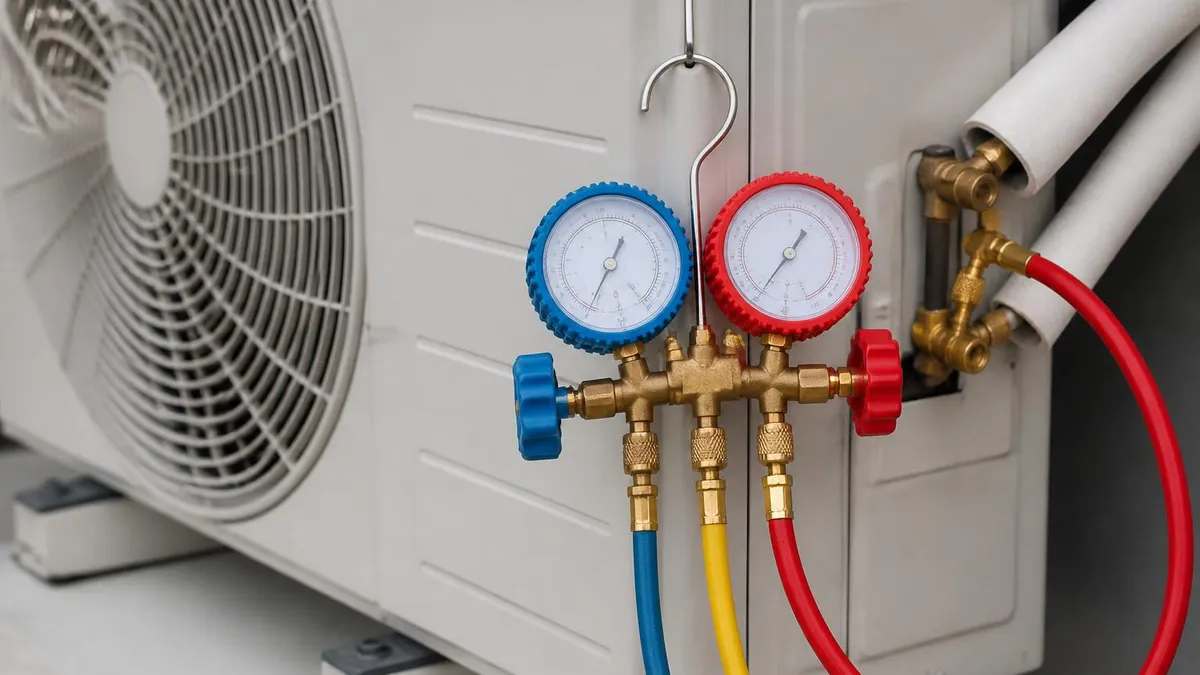
HVAC Technician Jobs Near Me: How to Find, Land, and Grow in Local HVAC Careers
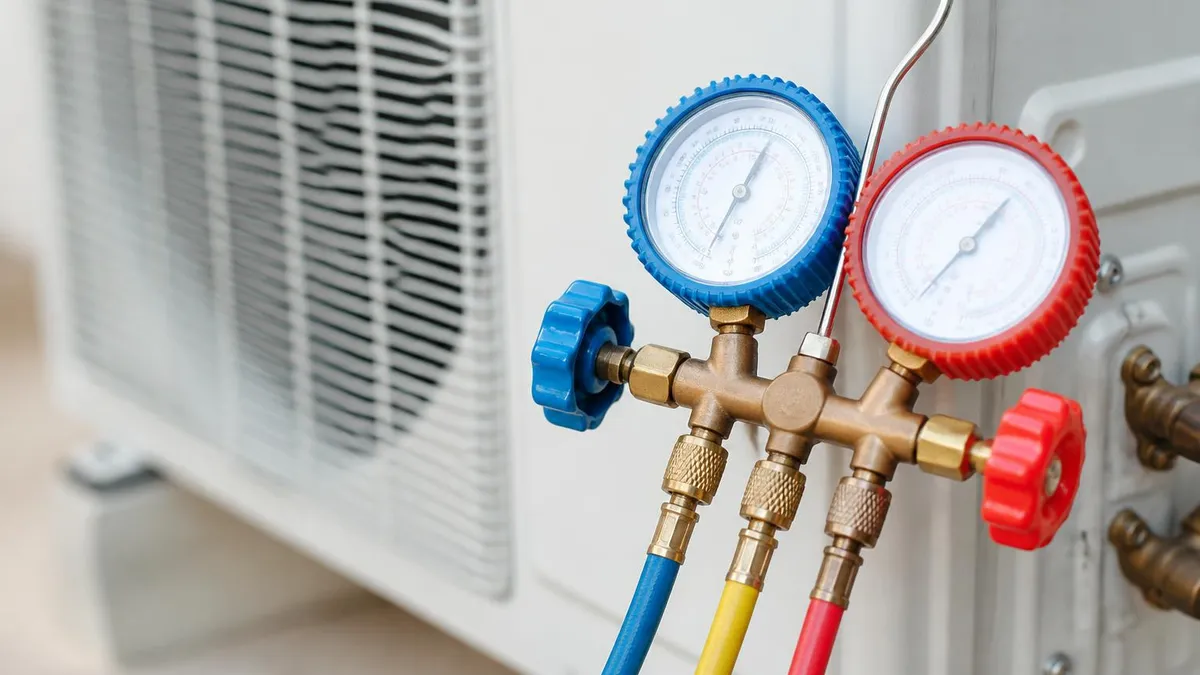
CFM HVAC Basics: How Airflow, Sizing, and System Performance Work Together

Commercial HVAC Contractors Near Me: How to Find, Vet, and Hire the Right Local Pro for Your Building
Certified HVAC Contractors: How to Find, Vet, and Hire the Right Professional for Your Home or Business

Ameristar HVAC: Complete Guide to Units, Reliability, Costs, and Buyer Considerations
About the Author

NATE Certified HVAC Technician & Licensing Exam Trainer
Universal Technical InstituteMike Johnson is a NATE-certified HVAC technician and EPA 608 universal-certified refrigerant handler with a Bachelor of Science in HVAC/R Technology. He has 19 years of commercial and residential HVAC installation and service experience and specializes in preparing technicians for NATE certification, EPA 608, A2L refrigerant safety, and state HVAC contractor licensing examinations.