
Install New HVAC System: The Complete 2026 October Homeowner's Guide to Planning, Pricing, and Getting It Right
Install new HVAC system the right way. Learn sizing, costs, ✅ timelines, permits, and contractor selection from this 2026 October step-by-step homeowner guide.
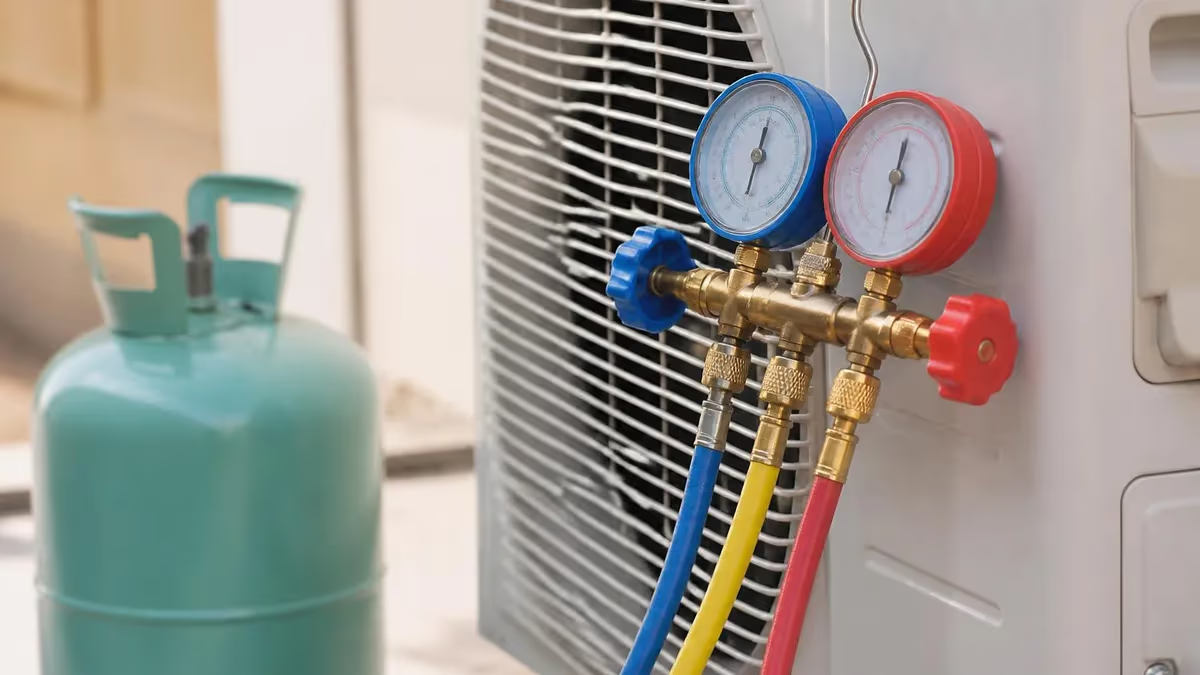
When you decide to install new HVAC system equipment in your home, you are making one of the largest mechanical investments a property will see in two decades. A modern central system bundles a furnace or air handler, an outdoor condenser or heat pump, a coil, a thermostat, ductwork, and increasingly a smart zoning controller into a tightly engineered package. Getting any one of these elements wrong, from the ton rating of the condenser to the static pressure of the return duct, can cost thousands in early failures and inflated utility bills.
Most homeowners begin the process when their existing equipment dies on a 95-degree afternoon, which is the worst possible time to make a careful decision. A better approach is to plan the replacement six to twelve months before the old system fails, so you can compare contractor quotes, study rebates, and choose efficiency ratings without the pressure of a sweltering bedroom or a freezing basement.
This guide walks you through the entire installation lifecycle: sizing the load with a Manual J calculation, picking between gas, electric, and heat pump configurations, understanding SEER2 and HSPF2 ratings, scheduling the actual install day, and inspecting the finished work before you sign off. We pull from current Department of Energy guidance, IECC code requirements, and field practices that licensed HVAC contractors use every day.
You will also learn how to spot quotes that are too good to be true. A bid that is forty percent below the next-lowest contractor almost always means undersized equipment, missing permits, no commissioning data, or substandard ductwork modifications. The cheapest system on installation day frequently becomes the most expensive system over the next ten years.
We will cover regional differences as well. A heat pump that thrives in coastal North Carolina behaves very differently in Minnesota, where backup electric resistance heat or a dual-fuel configuration becomes essential. Climate zone, fuel availability, and local utility rates all shape the equipment choice before you even open a catalog.
Finally, you will see how training and certification influence install quality. The technician handling your refrigerant connections should hold an EPA Section 608 certification, and the lead installer should be comfortable with NATE-level diagnostics. If you want to understand who is actually showing up at your house, our deep dive on Certified HVAC Contractors explains the credentials that separate skilled crews from price-cutters.
Read this guide once before you call for quotes, then keep it open during the contractor walkthroughs. Use the checklists, the cost cards, and the FAQ block to challenge bids that feel vague. A confident, well-informed homeowner gets a better install, a better warranty, and a system that quietly runs in the background for the next fifteen to twenty years.
Install New HVAC System: By the Numbers
The HVAC Installation Timeline From Quote to Commissioning
Home Load Calculation
Equipment & Quote Selection
Permit & Utility Coordination
Removal & Install Day
Startup & Commissioning
Inspection & Warranty Registration
Proper sizing is the single most consequential decision when you install new HVAC system equipment. An oversized air conditioner cools the air quickly but never runs long enough to remove humidity, leaving rooms clammy at 72 degrees. An undersized unit runs continuously, wears out faster, and still fails to hold setpoint during a heat wave. Neither problem can be fixed by a smart thermostat or a duct adjustment after the equipment is in place, which is why Manual J load calculations are mandatory in modern installations.
The Air Conditioning Contractors of America publishes the Manual J protocol, and reputable contractors use software like Wrightsoft or Cool Calc to perform it. The calculation factors in geographic design temperatures, ceiling height, attic insulation, window glazing, sun exposure, occupancy patterns, and infiltration rates from a blower door test where available. The output is a sensible and latent BTU load, which then drives the tonnage of the condenser and the CFM target for the air handler.
A common red flag is contractor reliance on the old rule of thumb of 500 square feet per ton. That estimate was developed for poorly insulated 1960s homes and routinely oversizes today's tighter, better-insulated construction by twenty to forty percent. If your old unit was three tons, the new one might genuinely be 2.5 tons after a properly executed load calculation. Trust the math, not the legacy nameplate.
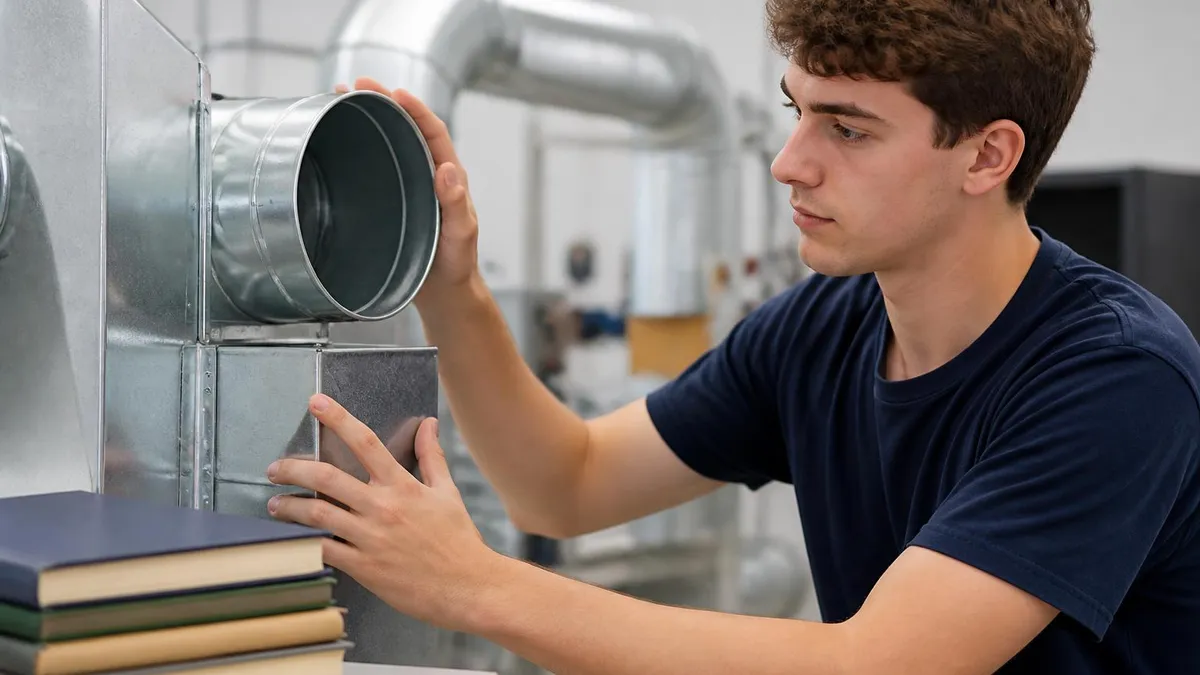
Ductwork sizing matters as much as the equipment. Manual D defines duct dimensions so that total external static pressure stays below 0.5 inches of water column for most residential air handlers. Many older homes were built with returns that are too small, which strangles airflow and shortens compressor life. A contractor who refuses to evaluate or modify returns is setting your new system up for premature failure.
Zoning is another consideration. If your home has a finished attic, a sunroom, or a basement that struggles to match the main floor, a properly designed two-zone system with motorized dampers will outperform a single-thermostat install. Zoning adds roughly $1,500 to $3,500 to the install but eliminates years of comfort complaints. For an overview of how airflow design ties everything together, see our explainer on CFM HVAC Basics.
Heat pump sizing also requires evaluating the balance point — the outdoor temperature at which the heat pump alone can no longer meet the heating load. In cold climates the contractor should specify a variable-speed cold-climate heat pump with backup electric resistance or a gas furnace in a dual-fuel arrangement. Skipping this analysis is how homeowners end up with $400 electric bills in January.
Finally, ask for the load calculation in writing. A printout showing room-by-room loads, total sensible and latent capacity, design temperatures, and selected equipment AHRI numbers is a sign of a serious contractor. Verbal sizing claims are not acceptable for a $12,000 mechanical investment that will run for two decades.
HVAC Practice Test Questions
Prepare for the HVAC - Heating Ventilation and Air Conditioning exam with our free practice test modules. Each quiz covers key topics to help you pass on your first try.
HVAC Air Conditioning
HVAC Exam Questions covering Air Conditioning. Master HVAC Test concepts for certification prep.
HVAC Code Compliance
Free HVAC Practice Test featuring Code Compliance. Improve your HVAC Exam score with mock test prep.
HVAC Electrical Controls
HVAC Test Prep for Electrical Controls. Practice HVAC Quiz questions and boost your score.
HVAC Energy Efficiency
HVAC Questions and Answers on Energy Efficiency. Free HVAC practice for exam readiness.
HVAC Heating Systems
HVAC Mock Test covering Heating Systems. Online HVAC Test practice with instant feedback.
HVAC Load Calculations
Free HVAC Quiz on HVAC Load Calculations. HVAC Exam prep questions with detailed explanations.
HVAC Tools and Equipment
HVAC Practice Questions for HVAC Tools and Equipment. Build confidence for your HVAC certification exam.
HVAC Refrigeration
HVAC Test Online for Refrigeration. Free practice with instant results and feedback.
HVAC Safety Practices
HVAC Study Material on Safety Practices. Prepare effectively with real exam-style questions.
HVAC System Design
Free HVAC Test covering System Design. Practice and track your HVAC exam readiness.
HVAC Thermodynamics
HVAC Exam Questions covering Thermodynamics. Master HVAC Test concepts for certification prep.
Choosing the Right System When You Install New HVAC System Equipment
The traditional split system pairs a gas, propane, or oil furnace indoors with a central air conditioner outdoors, sharing the same blower and ductwork. This configuration dominates the U.S. market because natural gas remains cheaper than electricity per BTU in most regions, and modern condensing furnaces hit 95 to 98 percent AFUE efficiency.
Expect installation costs between $7,500 and $13,000 for a 3-ton system with a 90 percent furnace. Maintenance is straightforward, parts are widely available, and most technicians are comfortable servicing the equipment. The downside is that you maintain two distinct systems with separate failure modes and you remain tied to fossil fuel infrastructure.
Should You Install New HVAC System Equipment Now or Repair the Old One?
- +Energy bills typically drop 20-40% when replacing 15+ year-old equipment with current SEER2 models
- +Federal tax credits up to $2,000 for qualifying heat pumps plus state and utility rebates stack on top
- +New refrigerants (R-454B, R-32) eliminate looming R-410A phase-out repair costs
- +10-year parts warranties protect against compressor failures that average $2,500+ to repair
- +Modern variable-speed blowers improve humidity control and reduce hot/cold spots significantly
- +Smart thermostats and zoning integration unlock features impossible to retrofit on legacy systems
- −Upfront cost of $7,500-$16,000 is a major capital expense that financing or rebates do not fully erase
- −Installation requires 1-3 days of household disruption and at least one full day without conditioning
- −Improperly sized or installed equipment can underperform the system it replaced
- −Ductwork modifications may add $1,000-$3,000 if returns are undersized or registers are blocked
- −Some refrigerant transitions and new code requirements complicate emergency replacements
- −Permit, inspection, and rebate paperwork add 2-6 weeks before the project is fully closed out
Pre-Installation Checklist Before You Sign the Contract
- ✓Collect three written quotes that list specific manufacturer model numbers, not just brand names
- ✓Verify each contractor's state mechanical license, EPA 608 certification, and current liability insurance
- ✓Confirm a Manual J load calculation will be performed and provided to you in printed form
- ✓Ask whether ductwork will be inspected, sealed, and modified to meet static pressure targets
- ✓Request the AHRI matched-system certificate proving indoor and outdoor units are tested together
- ✓Review the parts and labor warranty terms, including registration requirements and transferability
- ✓Confirm the contractor pulls permits and schedules a city or county mechanical inspection
- ✓Verify rebate paperwork for federal, state, and utility incentives is filed on your behalf
- ✓Clarify the commissioning checklist: subcool, superheat, static pressure, and temperature split readings
- ✓Get a written start date, completion date, and payment schedule that holds back final payment until inspection passes
Ductwork can make or break your new system.
Up to 30% of conditioned air leaks out of unsealed residential ductwork before it ever reaches a register. Installing a 16-SEER2 condenser onto leaky, undersized ducts wastes a third of the efficiency you paid for. Always budget $500 to $2,500 for duct sealing and modifications during a new install — it is the single highest-ROI add-on available.
Costs for a new HVAC install vary widely by region, equipment tier, and home complexity, but reliable national averages exist. A standard 3-ton 15-SEER2 central air conditioner paired with an 80 percent gas furnace runs $7,500 to $10,500 installed. Upgrading to a 17-SEER2 two-stage condenser with a 96 percent variable-speed furnace pushes the project to $11,000 to $14,500. Premium variable-capacity systems with full zoning and high-MERV filtration can exceed $20,000 in larger homes.
Heat pump installations carry slightly different math. A 3-ton 16-SEER2 heat pump with an air handler and electric backup typically runs $9,500 to $14,000. A cold-climate variable-capacity heat pump in a dual-fuel configuration with an existing gas furnace runs $11,000 to $17,000. Federal Inflation Reduction Act tax credits cover 30 percent of qualifying heat pump costs up to $2,000, and many states layer additional point-of-sale rebates worth $1,000 to $8,000 depending on household income.
Utility rebates are the second major incentive layer. National Grid, Duke Energy, Xcel, Pacific Gas and Electric, and most major utilities offer $300 to $3,000 rebates for ENERGY STAR certified equipment with proper matched AHRI numbers. Ask your contractor for a written rebate estimate before signing, because rebate budgets are capped annually and reset on different calendars depending on the program.
Financing options have improved dramatically. Manufacturer-backed programs through Wells Fargo, Synchrony, and Service Finance Company commonly offer 0 percent promotional terms for 12 to 24 months or low fixed rates up to 84 months. Home equity lines remain the cheapest long-term option for homeowners with equity, while Property Assessed Clean Energy (PACE) financing is available in select states for energy efficiency upgrades.
Watch for hidden fees. Some bids exclude line set replacement, electrical disconnect upgrades, condensate pump installation, smart thermostat installation, asbestos abatement, or permit fees. A clean apples-to-apples comparison requires that every quote include the same scope. When a price gap of more than 15 percent appears between two reputable contractors, the lower bid usually omits something essential.
Long-term operating cost matters as much as install cost. A 95 percent AFUE furnace saves roughly 20 percent on annual gas usage versus an 80 percent unit, which in a cold climate can mean $300 to $600 per year. Over a 20-year lifespan that easily justifies the $1,200 to $2,000 upgrade. Heat pumps replacing electric resistance heat often save $800 to $1,800 annually, paying back the premium in three to five years.
If you are weighing service providers and want a structured way to evaluate ongoing relationships, our guide to HVAC Repair Services Near Me covers how to pre-vet the same firm that installs your system to handle warranty work and annual maintenance.
As of January 1, 2025, manufacturers can no longer build residential systems using R-410A refrigerant. New equipment ships with R-454B or R-32, which have much lower global warming potential. If you install new HVAC system equipment in 2026, confirm the refrigerant type with your contractor and verify the technician holds the appropriate EPA certification for the new A2L refrigerants.
The actual install day is when good planning either pays off or unravels. A professional crew arrives between 7:30 and 8:30 a.m., lays drop cloths from the front door to the equipment closet, and shuts down power before any disconnection begins. The lead installer should walk you through the day's scope, identify any homeowner items needing to be moved, and provide a phone number for questions during the work.
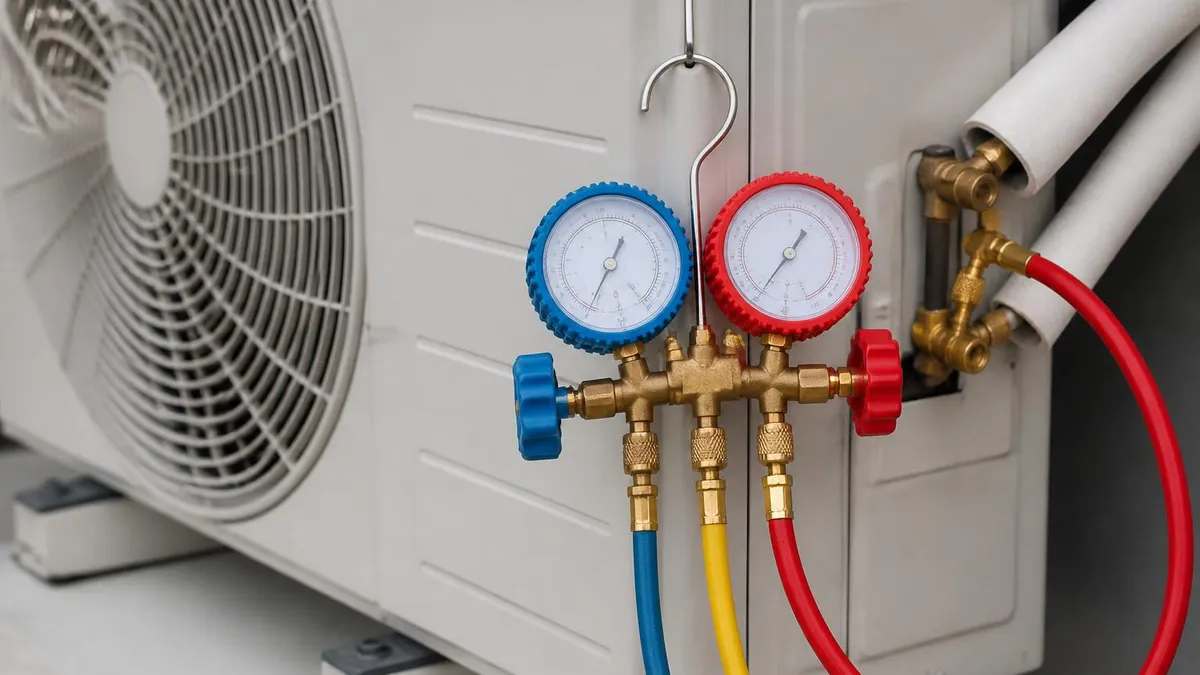
Refrigerant recovery is the first critical step. EPA regulations require recovering existing refrigerant into approved cylinders rather than venting to atmosphere, which is both illegal and damaging to the climate. Watch for the recovery machine and verify the technician records cylinder weights — this protects you against future EPA audits if you ever sell the property.
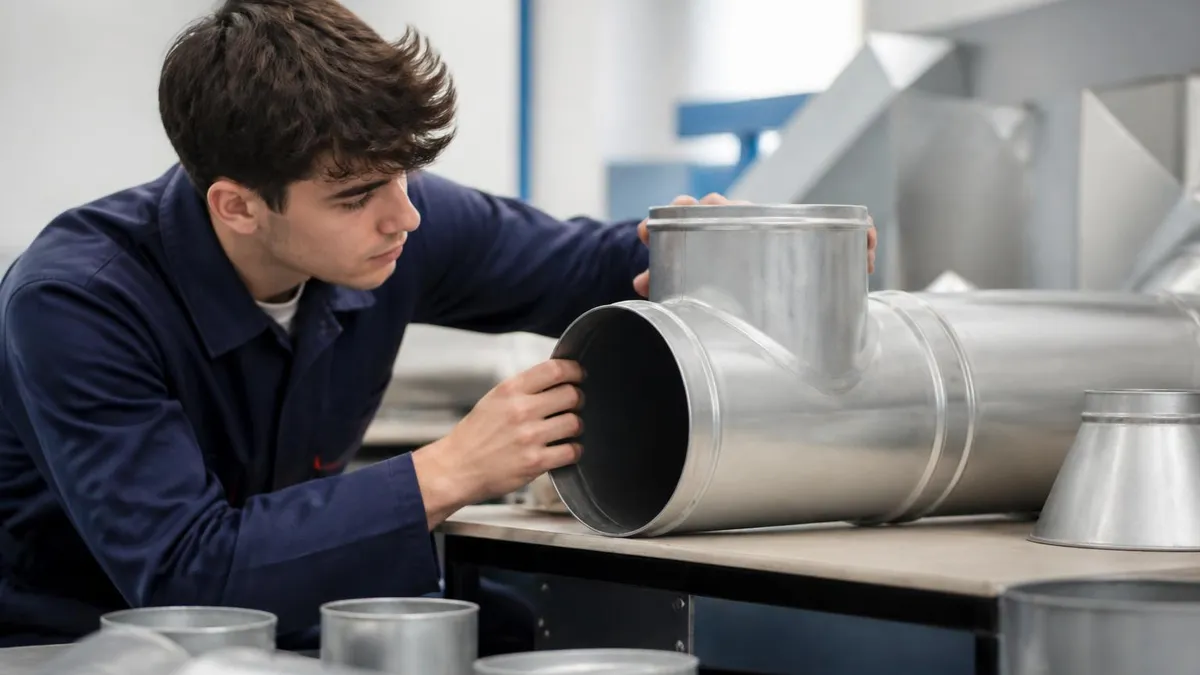
Brazing the new refrigerant lines must be done under flowing nitrogen at low pressure. Without nitrogen, brazing generates copper oxide scale inside the line set, which contaminates the new compressor and causes acid formation. After brazing, the system is pressurized with nitrogen to 300 to 500 psi and held for at least 30 minutes to verify there are no leaks. Cutting corners here is a leading cause of new-system failures within five years.
Evacuation pulls the system below 500 microns absolute pressure with a properly maintained vacuum pump. A digital micron gauge is required — analog gauges cannot read this range accurately. The system should hold below 500 microns for at least 15 minutes after isolation, proving the line set is clean and dry. Refrigerant is then weighed in to the manufacturer specification, not estimated.
Startup commissioning is where you separate journeyman work from apprentice work. The technician should record supply and return temperatures, calculate temperature split, measure subcool and superheat, verify static pressure on the supply and return, and document blower CFM. You should receive a printed commissioning report. If a contractor refuses to provide one, the install is not complete.
Cleanup matters more than it sounds. Old equipment must be properly disposed of, with refrigerant recovery documentation. The crew should haul away packaging, sweep work areas, and walk you through every change made to the home. A good installer ends the day with a thermostat orientation session, an explanation of the air filter location and replacement schedule, and a printed warranty and registration packet.
For homeowners considering becoming more involved in the trade or wanting to better understand who is in their basement, see our overview of HVAC Technician Jobs Near Me for context on training paths, licensure, and what a competent installer actually knows.
Once the install is done, a few practical habits will protect your investment. Register the equipment warranty within 60 days through the manufacturer's website — failure to register often shortens the parts warranty from 10 years to 5 years. Keep the commissioning report, AHRI certificate, permit closeout document, and warranty packet together in a folder you can hand to a future home buyer.
Schedule the first-year tune-up between 10 and 12 months after installation, before the labor warranty expires. The technician will recheck refrigerant charge, clean the condenser coil, verify electrical connections under load, and inspect the condensate drain. Many contractors offer a discounted maintenance plan that bundles two annual visits with priority service — for $200 to $350 per year it is generally worth it on equipment under warranty.
Air filter discipline is the single highest-impact homeowner habit. A clogged filter raises static pressure, reduces airflow across the indoor coil, and can freeze the evaporator. Replace 1-inch filters every 60 to 90 days and 4-inch media filters every 6 to 12 months. Set a calendar reminder, because almost nobody remembers without one.
Pay attention to performance signals in the first year. Short cycling, uneven room temperatures, excessive humidity, or odd noises within the first 12 months almost always trace back to install errors and should be addressed under labor warranty. Document the complaint in writing, send it by email rather than phone, and follow up if you do not get a callback within 48 hours.
Smart thermostat configuration is often left at factory defaults, which are rarely optimal. Configure setbacks of 6 to 8 degrees for sleeping hours and unoccupied periods, enable adaptive recovery so the system pre-cools or pre-heats based on learned ramp time, and use the equipment-protection settings to limit compressor short cycling. These adjustments save another 8 to 12 percent on annual energy bills with zero comfort penalty.
Consider commissioning a blower door test and duct leakage test after the install. Many utilities subsidize these tests for $50 to $150. The results identify whether your home envelope and duct system are limiting your new equipment's performance, and they document baseline performance you can compare against in future years if efficiency seems to drift.
Finally, treat your installer like a long-term partner. The same crew that installed the system is best positioned to diagnose future issues, honor labor warranties, and apply lessons from your specific home. For a deeper view of how full installations should be planned and managed end to end, our companion piece on hvac installation leeds walks through every project phase in detail.
Sample HVAC Practice Questions
Try these questions from our free HVAC practice tests. The correct answer and an explanation follow each question.
In a hot-water boiler system, what device prevents system pressure from exceeding safe limits?
- A. Backflow preventer
- B. Pressure-reducing valve
- C. Relief valve
- D. Expansion tank
Answer: C. Relief valve
The pressure relief valve (PRV) opens automatically to discharge water if system pressure exceeds the rated set point, preventing vessel failure.
What type of valve is used at each terminal unit in a hydronic system to allow the system to be balanced by limiting flow through high-flow circuits?
- A. Gate valve
- B. Ball valve
- C. Globe valve or circuit setter
- D. Check valve
Answer: C. Globe valve or circuit setter
Globe valves and circuit setters (calibrated balancing valves) provide precise throttling and are used to balance hydronic systems by restricting flow through over-supplied circuits.
What is the significance of the 'critical charge' in a fixed-orifice AC system versus a TXV system?
- A. Both system types require the same precise charge regardless of conditions
- B. Fixed-orifice systems are far more sensitive to charge amount than TXV systems
- C. TXV systems require a more precise charge than fixed-orifice systems
- D. Charge amount only affects efficiency, not operation, in both systems
Answer: B. Fixed-orifice systems are far more sensitive to charge amount than TXV systems
Fixed-orifice (piston/capillary) systems are critically sensitive to refrigerant charge because the metering device cannot compensate for variations, while a TXV actively adjusts flow to maintain proper superheat.
What is the primary design advantage of a four-pipe hydronic fan-coil system over a two-pipe system?
- A. Lower installation cost due to less piping
- B. Simultaneous heating and cooling to different zones year-round
- C. Higher water flow velocity for better heat transfer
- D. Ability to use domestic water as the heat transfer medium
Answer: B. Simultaneous heating and cooling to different zones year-round
Four-pipe systems have separate hot water and chilled water circuits, allowing individual fan-coil units to heat or cool independently based on each zone's demand at any time of year.
HVAC Questions and Answers
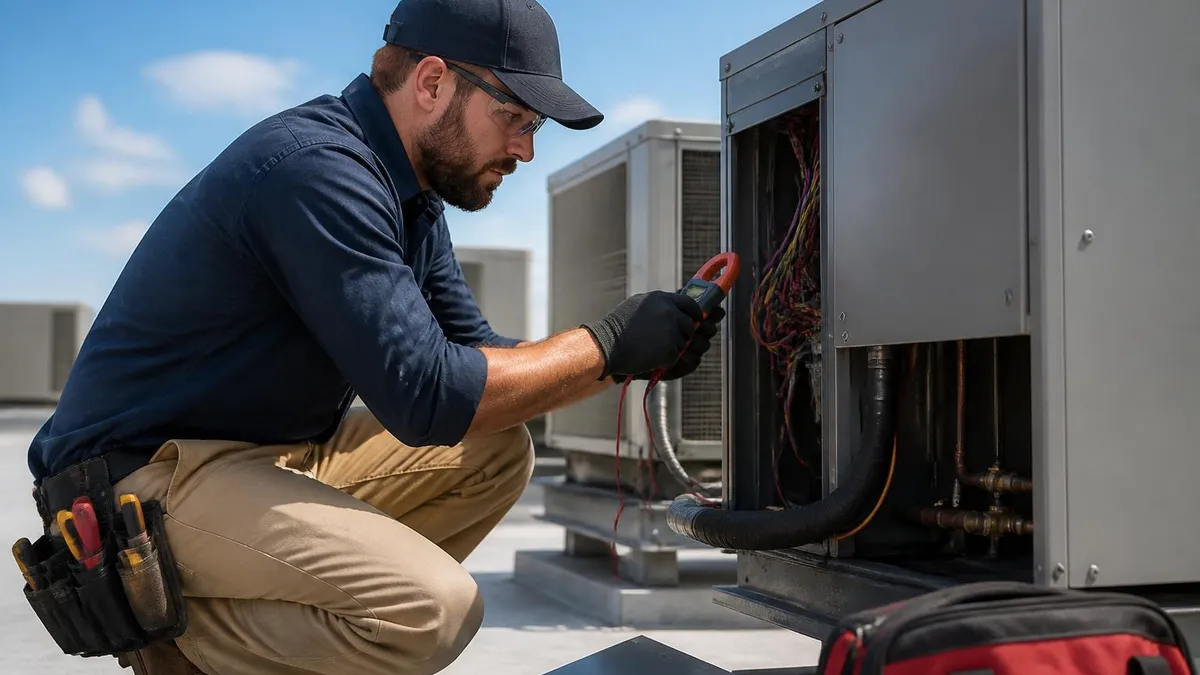
HVAC Installations: The Complete Guide to Planning, Pricing, and Getting It Right the First Time
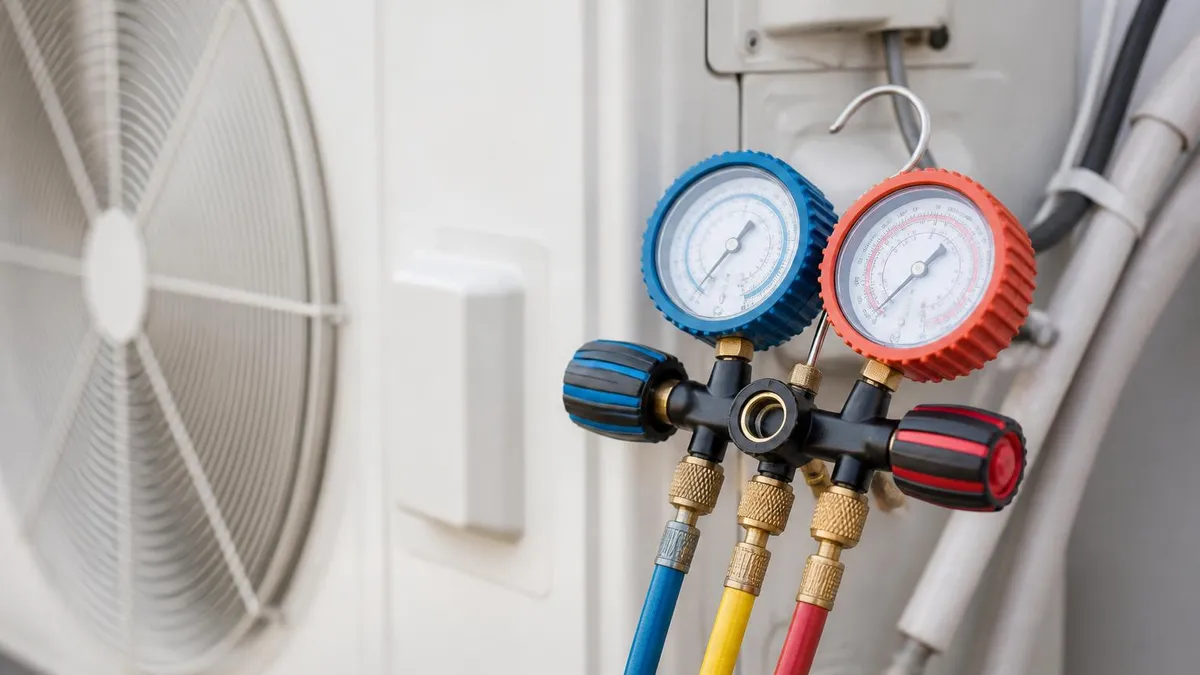
Certified HVAC Contractors: How to Find, Vet, and Hire the Right Professional for Your Home or Business
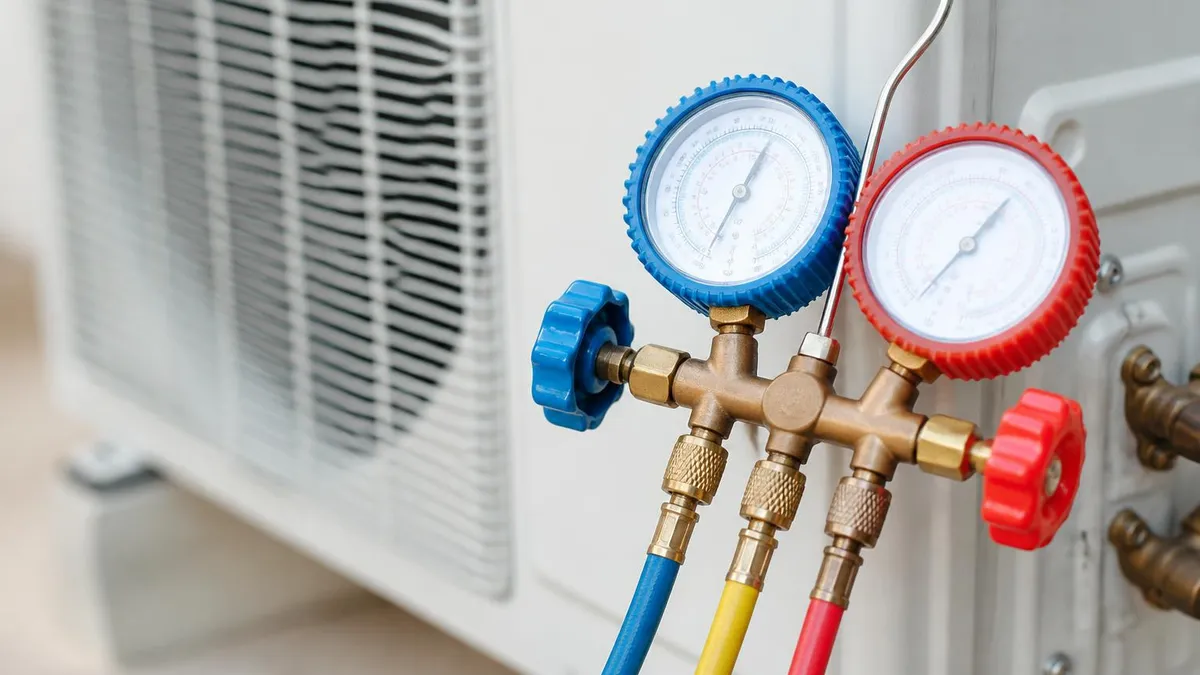
CFM HVAC Basics: How Airflow, Sizing, and System Performance Work Together
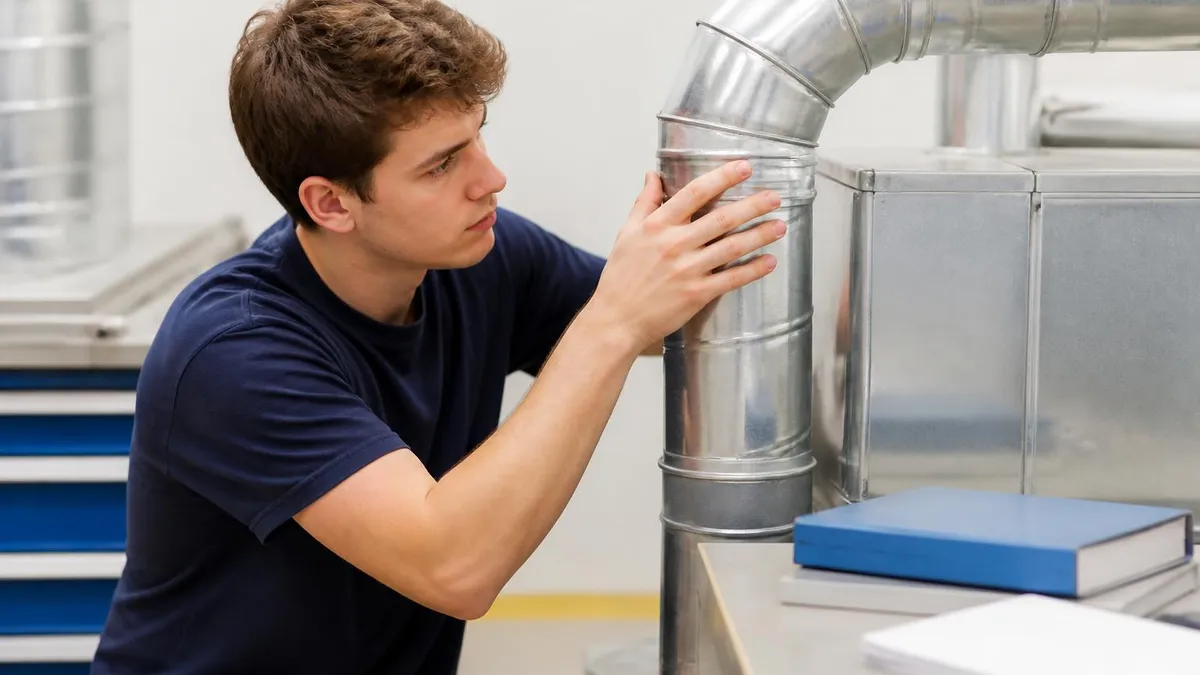
Best HVAC Repair in Bandon, OR: Local Services Near Me Guide
HVAC Technician Jobs Near Me: How to Find, Land, and Grow in Local HVAC Careers
About the Author

NATE Certified HVAC Technician & Licensing Exam Trainer
Universal Technical InstituteMike Johnson is a NATE-certified HVAC technician and EPA 608 universal-certified refrigerant handler with a Bachelor of Science in HVAC/R Technology. He has 19 years of commercial and residential HVAC installation and service experience and specializes in preparing technicians for NATE certification, EPA 608, A2L refrigerant safety, and state HVAC contractor licensing examinations.