
HVAC Installers Near Me: How to Find, Vet and Hire the Right Contractor in 2026 October
💡 HVAC installers near me: how to find licensed local pros, compare quotes, verify credentials, avoid scams, and get a great install in 2026 October.
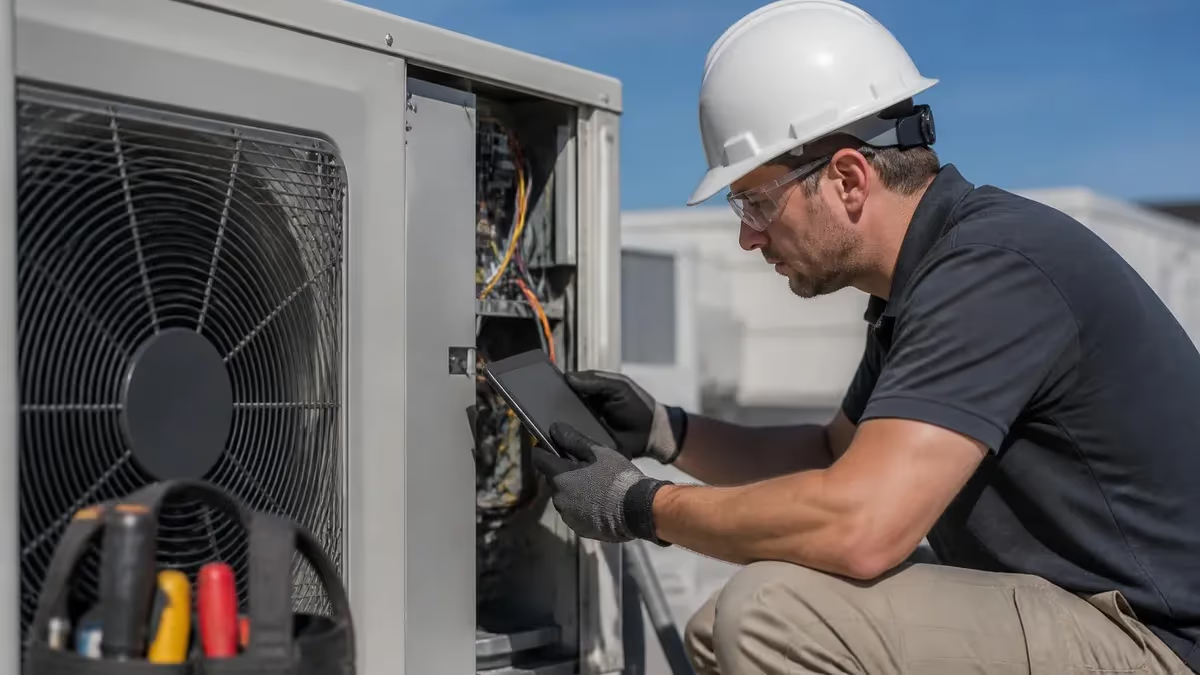
Searching for hvac installers near me is one of the most consequential home-improvement queries you will ever type. A new heating and cooling system typically costs between $7,000 and $18,000 installed, lasts 12 to 20 years, and directly controls your monthly utility bills, indoor air quality, and home comfort. Getting the installer right matters far more than getting the brand right, because a premium unit installed poorly will underperform a budget unit installed correctly every single time without exception.
Most homeowners only hire an HVAC contractor two or three times in their lifetime, so the process feels unfamiliar and intimidating. You are evaluating technical work you cannot see, signing contracts with terminology you may not recognize, and trusting strangers to size equipment correctly for your specific home. The good news is that the vetting process follows a predictable pattern once you know what credentials, quotes, and red flags to look for during initial consultations.
This guide walks you through every stage of finding a qualified local HVAC installer, from the first Google search through final commissioning and warranty registration. You will learn how to verify licensing through state databases, how to read a Manual J load calculation, what should appear on a written estimate, and which warning signs indicate an installer is cutting corners. We will also cover regional pricing variation, financing options, and the specific questions to ask before signing anything.
The HVAC industry is highly fragmented. Roughly 120,000 HVAC contracting businesses operate in the United States, and quality varies enormously from one ZIP code to the next. A truly excellent installer in Phoenix may be a one-truck operation, while a multi-location franchise in Cleveland may rely on undertrained subcontractors. National brand recognition tells you almost nothing about the crew that will actually arrive at your driveway on installation day.
Before you accept any quote, you should understand what a proper installation includes beyond the equipment itself. Ductwork modifications, refrigerant line replacement, condensate management, electrical upgrades, permit pulling, and post-installation testing are all critical line items. Cheap quotes typically skip these elements, which is why two estimates for the same furnace can legitimately differ by $4,000 or more. Price alone is a poor proxy for value in this trade.
Finally, timing affects everything. Emergency replacements during a heat wave or cold snap leave you negotiating from weakness, often paying 15 to 25 percent more for rushed work. Whenever possible, plan replacement during shoulder seasons in spring or fall, when contractors compete for your business and have time to perform careful load calculations. Reading a thorough HVAC Inspection: What's Included and Why It Matters report before your existing system fails gives you the runway to hire deliberately rather than desperately.
By the end of this article you will have a complete vetting checklist, sample interview questions, red flag indicators, and a step-by-step timeline for finding hvac installers near me who deliver excellent work at fair prices. We have distilled guidance from licensed contractors, building inspectors, manufacturer training documents, and consumer protection agencies into a single practical resource you can use the next time your system needs attention.
Hiring an HVAC Installer by the Numbers
Key Facts at a Glance
| Item | Value | Details |
|---|---|---|
| Typical Install Duration | 1–3 days | Standard residential replacement |
| Recommended Minimum | 3 quotes | Compare scope, not just price |
| Required Certification | EPA 608 | Federal law for refrigerant handling |
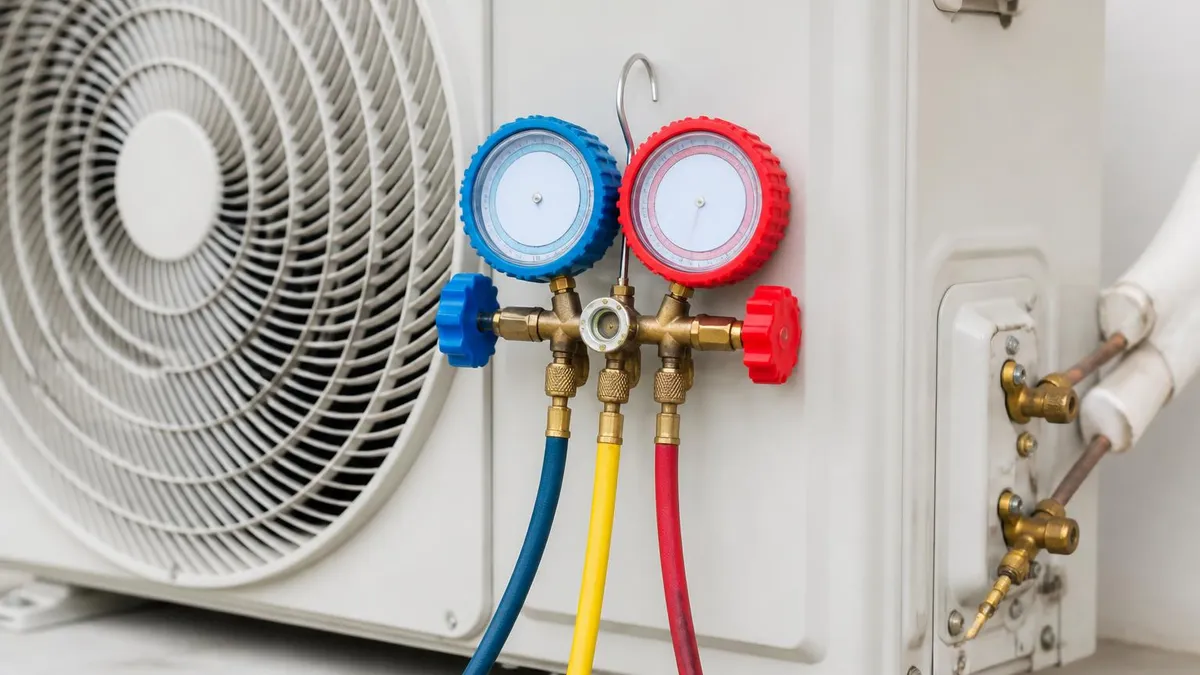
Credentials Every Qualified HVAC Installer Should Hold
Most states require HVAC contractors to hold a mechanical or HVAC-specific license, verifiable through the state contractors board. Unlicensed work voids warranties, fails inspections, and exposes homeowners to liability if injuries occur on the job site.
Federal law requires technicians who handle refrigerant to hold EPA 608 certification. Universal certification covers all appliance types. Ask to see the card before any refrigerant is recovered or charged on your property.
North American Technician Excellence certification is the industry's gold standard for technical competency. NATE-certified installers have passed rigorous exams in installation, service, and specific equipment categories like air conditioning and heat pumps.
Verify a current certificate of insurance with at least $1 million in general liability and active workers compensation. If an uninsured worker is hurt at your home, your homeowners policy may not cover the resulting claim.
Brands like Trane, Carrier, Lennox, and Daikin authorize select dealers as Premier, Elite, or Factory Authorized. These contractors receive ongoing training and can offer extended warranties unavailable through non-authorized installers.
The phrase hvac installers near me returns dozens of paid ads and map pack listings on Google, but the top results are not necessarily the best contractors. Paid placements reflect marketing budget, while organic rankings reflect a mix of reviews, citations, and search engine optimization skill. Many excellent small contractors who do exceptional work rank poorly online because they reinvest profits into trucks and tools rather than digital marketing. Cast a wider net before you commit to evaluating anyone.
Start with three independent channels rather than relying on a single source. First, search Google Maps and read reviews carefully, looking for specific details about installation experiences rather than vague praise. Second, check your state contractor licensing board directly, where you can search by company name and see complaint history, license status, and bond information. Third, ask neighbors, your HOA Facebook group, or a local home inspector whose name keeps coming up in positive contexts over multiple years.
Online review platforms each have biases worth understanding. Google reviews skew toward extreme experiences, either glowing or furious, because moderate customers rarely bother to post. Yelp filters aggressively and sometimes hides legitimate reviews. Better Business Bureau ratings depend partly on whether the company pays for accreditation, so a B+ on BBB tells you less than a clean record on the state licensing board. Cross-reference at least three platforms and look for consistent patterns rather than individual ratings.
Pay particular attention to how contractors respond to negative reviews. A professional response that acknowledges the issue, explains the company's perspective, and describes a resolution attempt suggests mature operations. Defensive, accusatory, or non-existent responses signal a contractor who blames customers when things go wrong. You will almost certainly have a question or concern during your project, and the response style you see in public reviews is the response style you will personally experience.
Manufacturer websites offer powerful filtering tools many homeowners overlook. Carrier, Trane, Lennox, Bryant, Goodman, and Daikin all maintain dealer locator pages where you can find authorized installers in your ZIP code, filtered by certification level. Factory Authorized Dealers and Premier Dealers have met training, customer satisfaction, and warranty performance thresholds the manufacturer monitors continuously. These designations carry real weight because manufacturers can revoke them when standards slip.
Avoid leaning entirely on lead generation platforms like HomeAdvisor, Angi, or Thumbtack. These services charge contractors $30 to $90 per lead, which means contractors must price-in marketing costs, and they actively prioritize contractors who pay for premium placement. The platforms also share your contact information with multiple companies simultaneously, leading to an unpleasant flood of calls and texts. They can be useful for generating an initial shortlist but should never be your only source of contractor names.
Local supply houses are an underappreciated source of insider knowledge. Walk into a wholesale HVAC distributor, explain you are hiring an installer, and ask which local companies the counter staff would hire to install equipment in their own home. Counter clerks see every contractor in town pick up parts, hear their reputation, and watch how they handle warranty claims. This is the same approach professional builders use, and it consistently surfaces contractors who never appear at the top of HVAC SEO: How HVAC Contractors Rank on Google in 2026 rankings.
HVAC Practice Test Questions
Prepare for the HVAC - Heating Ventilation and Air Conditioning exam with our free practice test modules. Each quiz covers key topics to help you pass on your first try.
HVAC Air Conditioning
HVAC Exam Questions covering Air Conditioning. Master HVAC Test concepts for certification prep.
HVAC Code Compliance
Free HVAC Practice Test featuring Code Compliance. Improve your HVAC Exam score with mock test prep.
HVAC Electrical Controls
HVAC Test Prep for Electrical Controls. Practice HVAC Quiz questions and boost your score.
HVAC Energy Efficiency
HVAC Questions and Answers on Energy Efficiency. Free HVAC practice for exam readiness.
HVAC Heating Systems
HVAC Mock Test covering Heating Systems. Online HVAC Test practice with instant feedback.
HVAC Load Calculations
Free HVAC Quiz on HVAC Load Calculations. HVAC Exam prep questions with detailed explanations.
HVAC Tools and Equipment
HVAC Practice Questions for HVAC Tools and Equipment. Build confidence for your HVAC certification exam.
HVAC Refrigeration
HVAC Test Online for Refrigeration. Free practice with instant results and feedback.
HVAC Safety Practices
HVAC Study Material on Safety Practices. Prepare effectively with real exam-style questions.
HVAC System Design
Free HVAC Test covering System Design. Practice and track your HVAC exam readiness.
HVAC Thermodynamics
HVAC Exam Questions covering Thermodynamics. Master HVAC Test concepts for certification prep.
Understanding HVAC Installation Quotes
A complete installation quote should itemize equipment by model number, refrigerant lineset replacement or flushing, condensate drain modifications, electrical disconnect updates, thermostat installation, permit fees, and post-install commissioning with refrigerant superheat and subcooling measurements. The quote should specify the SEER2, AFUE, or HSPF2 rating, the BTU capacity of the new equipment, and the manufacturer warranty terms.
Look for explicit mentions of duct evaluation, return air sizing review, and combustion safety testing for gas appliances. Quality installers also include startup procedures, customer orientation on the new thermostat, and warranty registration. If any of these items are missing, the price comparison is not apples-to-apples and the lower bidder is almost certainly planning to skip critical steps that affect long-term performance.

Large National Chain vs Local Independent HVAC Installer
- +Local independents typically charge 15-25% less for comparable work
- +Owner-operators often perform installs themselves and stake reputation on each job
- +Faster scheduling for service calls because of smaller customer base
- +More flexibility on scope, brands offered, and custom installation details
- +Direct phone access to the decision maker when issues arise
- +Higher likelihood of long-term relationship with the same technicians
- +Stronger ties to local supply houses and faster warranty part turnaround
- −Smaller crews mean longer wait times during peak summer and winter seasons
- −Limited 24-hour emergency dispatch compared to national franchises
- −Financing options may be fewer or carry slightly higher rates
- −Business continuity risk if the owner retires, sells, or becomes ill
- −Less brand recognition can make warranty enforcement feel uncertain
- −Fewer specialized technicians for unusual systems like geothermal or VRF
Pre-Hire Vetting Checklist for HVAC Installers Near Me
- ✓Verify the state mechanical or HVAC contractor license is active and unexpired
- ✓Confirm EPA 608 certification for any technician handling refrigerant
- ✓Request a current certificate of insurance with at least $1M liability coverage
- ✓Check workers compensation coverage to protect yourself from on-site injury claims
- ✓Read at least 30 reviews across Google, Yelp, and the Better Business Bureau
- ✓Search your state contractor board for unresolved complaints or disciplinary actions
- ✓Ask for three references from installations completed 1-3 years ago
- ✓Require a written Manual J load calculation before equipment is ordered
- ✓Confirm permits will be pulled and inspections scheduled in your name
- ✓Verify manufacturer authorization status for the brand being installed
Always call older references, not just the recent ones
Anyone can deliver a strong installation in the first month — problems usually surface in years two through five. Ask for references from jobs completed at least 24 months ago and call them. Ask whether the system has needed warranty service, whether the contractor responded promptly, and whether they would hire the same installer again knowing what they know now.
Recognizing red flags before signing a contract saves thousands of dollars and months of frustration. The HVAC industry attracts a small percentage of operators who rely on high-pressure sales tactics, deceptive financing, and fear-based pitches to extract money from homeowners during stressful equipment failures. Knowing what these tactics look like turns you from a target into an informed consumer who can walk away calmly when something feels wrong. Most reputable contractors actively appreciate informed customers because it shortens the sales cycle.
High-pressure same-day pricing is the most common warning sign. Phrases like today only, this discount expires when I leave, or my manager said I can do this if you sign now indicate a sales-driven culture rather than a service-driven one. Legitimate HVAC equipment is not seasonal merchandise that requires immediate purchase. Any installer worth hiring will honor the same price for at least 7 to 14 days and will encourage you to get competing quotes. A real professional has no reason to rush you.
Be suspicious of vague or itemless quotes. A handwritten figure on a business card, a single line item totaling $12,000, or a quote that omits model numbers leaves enormous room for substitution and dispute. Quality contractors produce typed estimates of three to seven pages that list every component, capacity, efficiency rating, warranty term, and labor inclusion. If you cannot tell what equipment you are buying from the quote alone, the contractor is preserving the option to install whatever sits cheapest on the supply house shelf the day of installation.
Demands for large cash deposits should immediately end the conversation. A request for 50 percent or more before any work begins, or any request paid in cash with no receipt, exposes you to fraud with no recourse. Even legitimate small operators accept credit cards, checks, or financing today. Cash deposits over a few hundred dollars are usually associated with unlicensed operators, contractors with poor credit at supply houses, or fly-by-night businesses planning to disappear if the job goes wrong.
Watch for contractors who refuse to pull permits. Permits cost $100 to $400 typically and trigger third-party inspection by the local building department. Some installers tell homeowners that permits are unnecessary, will raise property taxes, or just take too long. All three claims are misleading. Permits are required by mechanical code in nearly every jurisdiction, and unpermitted work can complicate home sales, void manufacturer warranties, and leave you personally liable for code violations the next inspector discovers.
Refrigerant scams are surprisingly common, particularly on service calls that turn into replacement pitches. A technician claiming your existing system is leaking large amounts of refrigerant, contaminated with acid, or running on a phased-out refrigerant that cannot be replaced is sometimes telling the truth and sometimes manufacturing urgency. Get a second opinion before agreeing to emergency replacement, and ask for documented leak test results and refrigerant pressure readings rather than verbal assertions made while standing next to your unit.
Finally, beware of bait-and-switch pricing on advertised tune-ups and inspections. A $79 spring tune-up that escalates into a $4,000 repair recommendation within 30 minutes is a well-documented tactic. Reputable maintenance visits result in a written report with photographs of any concerns, time stamps, and prioritized recommendations you can implement on your own schedule. Pressure to authorize repairs on the same visit, especially through emotional appeals about family safety, almost always indicates a commission-driven sales structure rather than honest technical assessment.

Salespeople are trained to close on the initial appointment because conversion rates drop sharply once the customer has time to compare. Take 24-48 hours minimum, get two more written quotes, and verify everything in writing. Any installer who threatens to withdraw the price for waiting a day is not the installer you want managing a 15-year investment in your home.
Once you have selected an installer and signed the contract, the work is only beginning from a quality assurance perspective. Installation day itself reveals enormous amounts of information about the company you hired. Pay attention to whether the crew arrives on time, whether they protect your flooring with drop cloths, whether they introduce themselves and explain the day's plan, and whether they wear company uniforms or identification. Professional crews treat your home as a worksite that deserves the same care a commercial job would receive, not a quick swap they want to leave by lunch.
Watch for the small details that distinguish careful installations from rushed ones. Linesets should be neatly bent rather than kinked, brazed with nitrogen flowing through the lines to prevent internal oxidation, and pressure-tested with dry nitrogen before refrigerant is introduced. Condensate drains should slope continuously toward a safe termination with a properly installed trap and overflow safety switch. New systems require fresh filter driers, vacuum pumps drawing down to at least 500 microns, and decay tests to confirm a leak-tight system before charging.
The thermostat installation matters more than most homeowners realize. A poorly placed thermostat in direct sun, near a supply register, or on an exterior wall will misread room temperature and cause comfort complaints the equipment itself cannot solve. A good installer will walk you through optimal placement, configure heat pump emergency heat lockouts correctly, set up smart thermostat schedules, and ensure WiFi connectivity is working before leaving. Take notes during this orientation because details fade quickly once the trucks leave your driveway.
Commissioning is the final technical step that separates excellent from acceptable installations. Proper commissioning includes verifying refrigerant charge by superheat and subcooling, measuring static pressure across the air handler, checking temperature split across the coil, testing safety controls, and confirming gas pressure on furnaces. Ask for a written commissioning report with these numbers documented. A surprising number of installations skip these steps entirely, leaving systems running at reduced capacity or shortened lifespan because no one verified the equipment was operating within design specifications.
Permit inspection sign-off is your final external verification. The local mechanical inspector will visit within a few days to weeks of installation, check for code compliance, verify proper electrical connections, confirm gas line sizing, and look for combustion air provisions on fuel-fired equipment. Do not pay the final balance until you have a passed inspection in hand. If the inspector cites deficiencies, the contractor is responsible for correcting them without additional charge before you sign off and release the final payment.
Warranty registration is your responsibility to verify even though installers should handle it. Most manufacturers extend parts warranties from 5 years to 10 years only if the equipment is registered within 60 or 90 days of installation. Log into the manufacturer website using the model and serial numbers from your equipment, confirm the registration occurred, and save a PDF of the confirmation. Future warranty claims on a heat exchanger or compressor will require this documentation, and unregistered systems frequently fall back to the much shorter base warranty.
Plan for an annual maintenance relationship from day one. Manufacturer warranties typically require documented annual professional maintenance to remain valid, and the contractor who installed your system is uniquely positioned to maintain it. A reasonable maintenance plan costs $180 to $350 per year and should include two visits, priority service, and a discount on repairs. Before signing up, however, read the agreement carefully and reference our guide on Tax Credit for Installing New HVAC: 2026-2026 Rules to ensure you have captured every available federal incentive on the installation itself.
Practical preparation before contractors arrive saves money on every quote you receive. Spend an afternoon documenting your current system thoroughly, because installers need this information to size and price new equipment accurately. Photograph the data plates on your existing furnace, air conditioner, and air handler, recording the model numbers, serial numbers, BTU capacity, refrigerant type, and electrical specifications. Note the location of all returns and supplies, the dimensions of your ductwork, and any rooms that have always been uncomfortable. This baseline information levels the playing field across multiple bidders.
Measure your home if you have not done so recently. Square footage on tax records is often inaccurate by 10 percent or more, and accurate dimensions are required for Manual J calculations. Walk through each conditioned space with a tape measure, note window sizes and orientations, identify insulation levels in the attic by ruler measurement, and observe whether any rooms have inadequate returns. Sharing this information at the start of every estimate forces installers to engage with your specific home rather than reciting a generic pitch.
Photograph any duct or equipment concerns you have noticed over the years. Sagging flex duct in the attic, rusty drain pans, cracked vibration isolators, and corroded condensate lines all become bargaining chips during negotiation. If an installer's quote does not address these visible deficiencies, ask why. Often the underlying ductwork or accessory failures matter more for comfort than the equipment itself, and reviewing HVAC Duct Installation: Materials, Sizing, Sealing and Best Practice beforehand helps you ask informed questions about flex versus rigid, mastic sealing, and proper return sizing.
Prepare a written list of comfort complaints organized room by room. Common examples include a master bedroom that runs five degrees warmer than the rest of the house in summer, a bonus room over the garage that is impossible to heat in winter, or excessive humidity in finished basements during shoulder seasons.
These complaints often have nothing to do with equipment capacity and everything to do with duct design, zoning, or building envelope issues. Hand this list to every installer and watch how they respond. The ones who propose specific technical solutions are better than the ones who shrug and quote a bigger unit.
Get quotes in writing from at least three contractors before making a decision, and request that each quote be structured identically. Specify the same brand tier, the same SEER2 or AFUE rating, the same accessory list, and the same warranty terms. This forces installers to compete on labor quality and reputation rather than on hiding scope differences inside ambiguous line items. Some installers will refuse to quote a specific brand because they prefer to upsell their preferred manufacturer, which itself is useful information about their flexibility and customer focus.
Ask each contractor to walk you through a recent similar installation in person. Some will decline, citing privacy or scheduling, which is fair. Others will eagerly introduce you to a satisfied customer whose home you can briefly tour. Seeing finished work in person reveals craftsmanship details photographs cannot communicate: how lineset penetrations are weatherproofed, whether condensate lines are neatly routed, how electrical disconnects are mounted, and whether the installation looks like something the homeowner is proud to show off. This step alone has saved many homeowners from regrettable hires.
Finally, trust your instincts about communication style. The estimator who arrives on time, listens carefully, asks more questions than they answer, takes detailed measurements, and emails a polished proposal within 48 hours is almost certainly going to deliver a better installation than the estimator who breezes through in 20 minutes and hands you a hand-scribbled price. You are hiring a company, not just an estimate, and the entire customer experience from first call through final inspection deserves at least as much weight as the bottom-line dollar figure on the contract.
HVAC Questions and Answers

About the Author

NATE Certified HVAC Technician & Licensing Exam Trainer
Universal Technical InstituteMike Johnson is a NATE-certified HVAC technician and EPA 608 universal-certified refrigerant handler with a Bachelor of Science in HVAC/R Technology. He has 19 years of commercial and residential HVAC installation and service experience and specializes in preparing technicians for NATE certification, EPA 608, A2L refrigerant safety, and state HVAC contractor licensing examinations.