
Home Health Aide — Your Complete Career and Certification Guide 2026 September
🧠 Pass your hha practice test exam. Practice questions with detailed answer explanations for the 2026 September exam. Start scoring higher today.
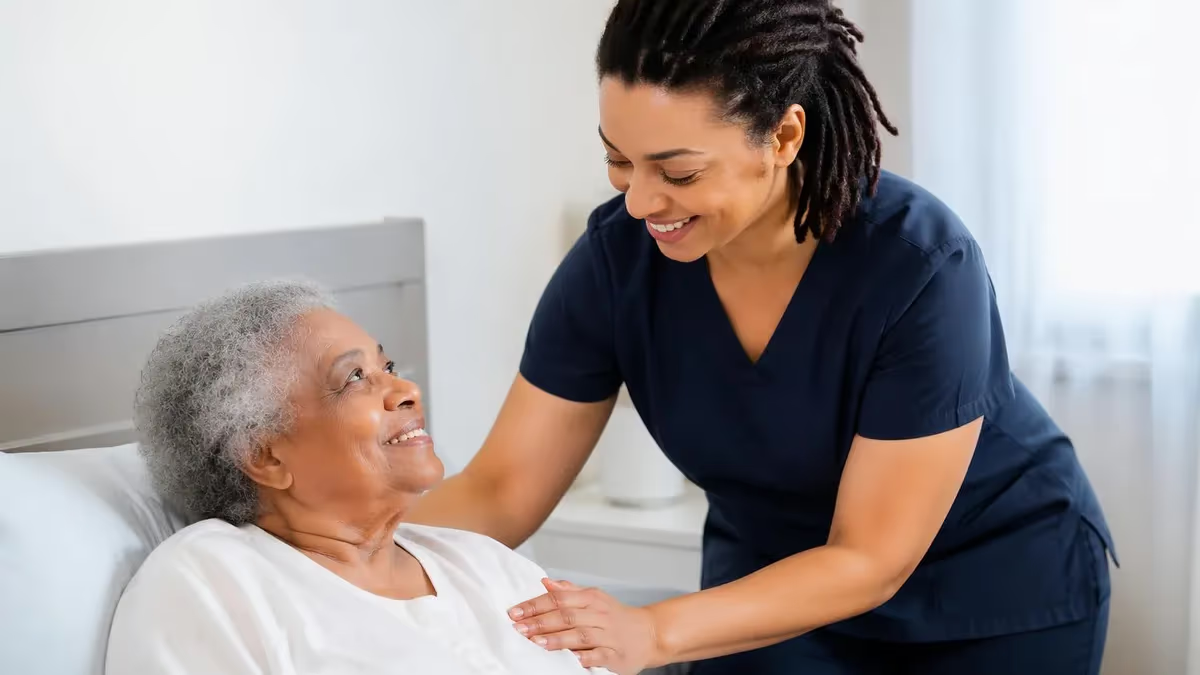
A home health aide provides hands-on care to patients in their own homes — helping with bathing, dressing, meal prep, and basic health monitoring. It's one of the fastest-growing healthcare roles in the country, and for good reason. An aging population means demand keeps climbing. If you're drawn to caregiving work that doesn't lock you inside a hospital, this career path deserves a serious look.
The home health aid role sits at the intersection of medical support and personal care. You won't be diagnosing conditions or writing prescriptions. But you will be the person patients rely on every single day — the one who notices when something's off, who makes sure medications get taken on time, who keeps a household running when someone can't do it alone. That direct relationship with clients is what draws most people into this field.
Becoming a certified home health care aide opens doors that informal caregiving doesn't. Medicare-certified agencies require their aides to hold state-approved credentials, which means certified aides get access to better-paying positions with benefits. The certification process isn't as long or expensive as nursing school — most programs run 75 to 120 hours — but it carries real weight with employers.
Whether you're exploring home health aide work for the first time or you've been caregiving informally and want to make it official, this guide breaks down everything from training requirements to salary expectations. We'll cover certification paths, daily responsibilities, job outlook, and the pros and cons of this career — so you can decide if it's right for you.

Getting certified as a home health care aide isn't just a checkbox — it's the difference between landing stable agency work and scrambling for under-the-table gigs. Every state sets its own requirements, but the federal baseline is 75 hours of training plus a competency evaluation. Some states demand more. California requires 120 hours. New York mandates 76 hours of classroom instruction followed by supervised clinical practice.
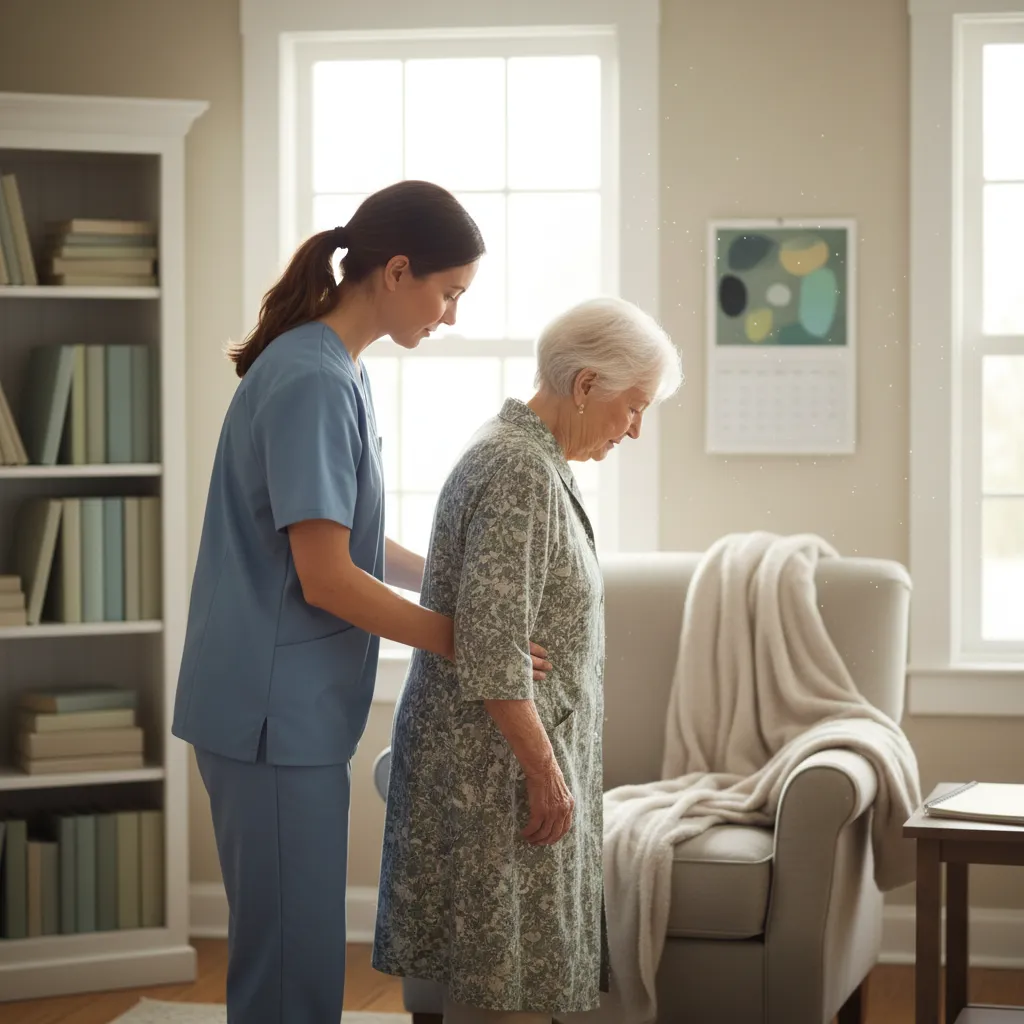
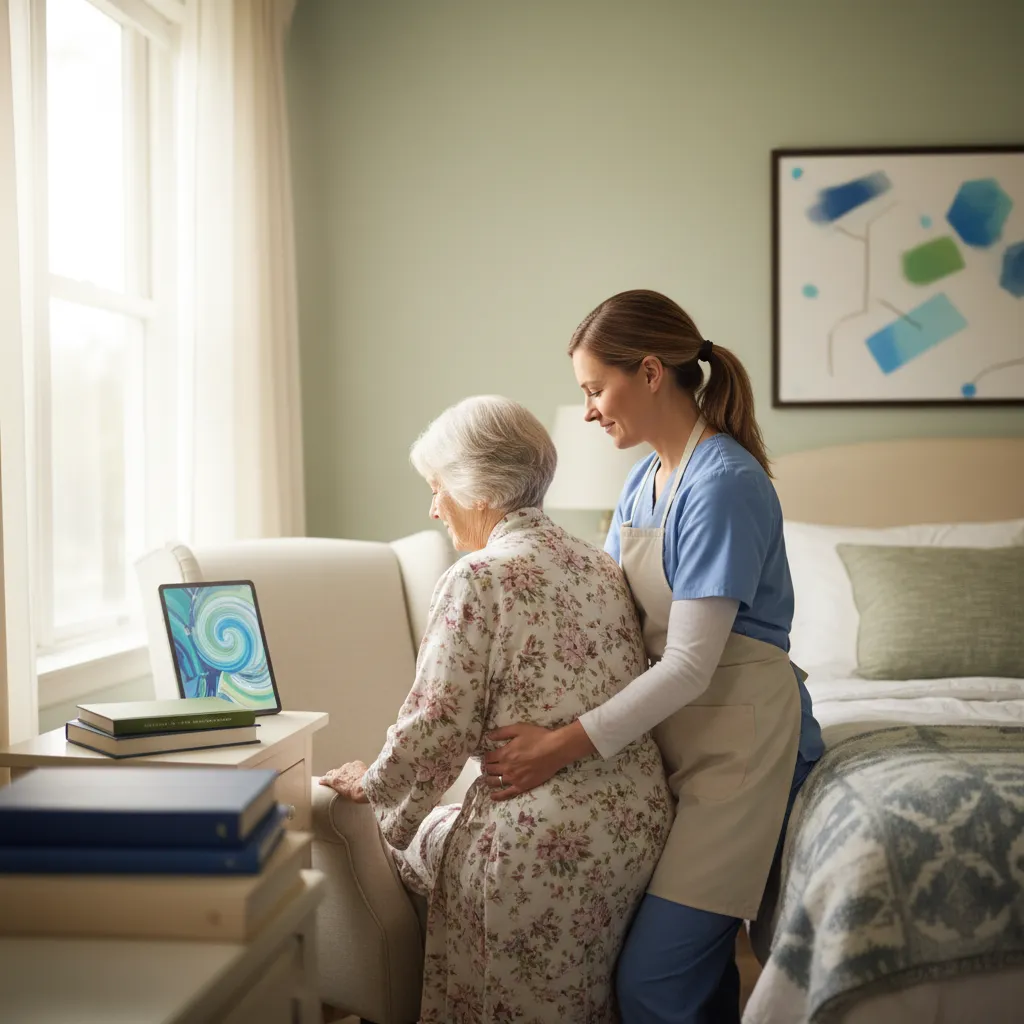
Home health aide training covers a mix of clinical skills and practical knowledge. You'll learn vital signs measurement, infection control, body mechanics for safe patient transfers, nutrition basics, and documentation. The clinical portion puts you in real patient-care scenarios under supervision — this is where most students figure out whether they're cut out for the work. Programs run at community colleges, vocational schools, Red Cross chapters, and through home health agencies themselves.
The home health aide training landscape has expanded online in recent years. Some states now accept hybrid programs — online coursework combined with in-person clinical hours. That flexibility matters if you're working while training. But be careful: not every online program meets your state's requirements. Verify accreditation before enrolling. The wrong program wastes both time and money.
A home health aide training program typically costs between $200 and $800 at community colleges. Some agencies will train you for free if you commit to working with them afterward — a solid deal if you're already sure about the employer. Scholarships and workforce development grants can cover costs too. Don't pay $3,000 for a program when a $400 community college course teaches the same material.
Home health aide certification varies by state — and the differences matter more than most people realize. Federal law requires HHAs working for Medicare-certified agencies to complete at least 75 training hours and pass a competency evaluation covering twelve specific skill areas. But that's the floor, not the ceiling. States can (and do) stack additional requirements on top.
Getting your home health aide certification typically means completing a state-approved training program and passing both a written exam and a skills demonstration. The skills test usually covers five to eight tasks drawn at random — you might be asked to demonstrate proper handwashing, take a blood pressure reading, assist with ambulation, or position a patient in bed. Miss one critical step and you'll need to retest.
If you're exploring home health aide certification online free options, they do exist — with caveats. Several states allow free online training through workforce development programs, Medicaid waiver initiatives, or agency-sponsored courses. The catch is that you'll still need in-person clinical hours and a proctored competency exam. No state accepts a fully online certification with zero hands-on assessment. Still, free programs save hundreds of dollars on the classroom portion.
Your home health aide certificate stays valid for a set period — usually 24 months — before you need continuing education credits to renew. Most states require 12 hours of in-service training annually. Keep your documentation organized. Agencies audit credentials, and expired certifications mean you can't work until you're current again. That gap in employment stings.
HHA Study Tips
What's the best study strategy for HHA?
Focus on weak areas first. Use practice tests to identify gaps, then study those topics intensively.
How far in advance should I start studying?
Most successful candidates begin 4-8 weeks before the exam. Create a structured study schedule.
Should I retake practice tests?
Yes! Take each practice test 2-3 times. Focus on understanding why answers are correct, not memorizing.
What should I do on exam day?
Arrive 30 min early, bring required ID, read questions carefully, flag difficult ones, and review before submitting.
HHA Certification by State
California, New York, Texas, and Florida have the highest HHA employment numbers. California requires 120 training hours — 45 more than the federal minimum. New York mandates the Home Health Aide Training Program (HHATP) through DOH-approved providers. Texas follows federal minimums but requires registration with the state nurse aide registry. Florida requires 75 hours plus a Level 2 background screening with fingerprints.
Home health aide salary depends on where you live, who you work for, and what certifications you hold. The national median sits around $33,530 per year — roughly $16.12 per hour — according to BLS data. That's the middle of the range. Top earners in high-cost states clear $40,000 or more. Entry-level aides in rural areas might start closer to $27,000.
Geography drives pay more than almost anything else in this field. A certified home health aide working in Massachusetts earns a median of $38,400. The same role in Mississippi pays $24,800. Cost of living explains part of the gap, but not all of it — state Medicaid reimbursement rates directly affect how much agencies can afford to pay their staff. States with higher Medicaid funding tend to offer better HHA wages across the board.
Home health care aide pay also varies by employer type. Hospital-based home health programs pay the most on average — around $37,000. Private-duty agencies fall in the middle. Staffing agencies that send you to different clients each week tend to pay the least but offer flexibility. Some aides piece together income from multiple agencies, working 50-60 hours across different clients. That hustle adds up, but it's exhausting.
Experience bumps pay modestly. A five-year veteran might earn $2-4 more per hour than a new grad. Specialty certifications help too — dementia care, wound care, or hospice training can push hourly rates up by $1-3. The biggest salary jump comes from moving into supervisory roles or transitioning to CNA work, which typically pays $3-5 more per hour.
Home health aide duties and responsibilities go well beyond the basics people imagine. Yes, you'll help with bathing and dressing. But you'll also be managing complex care plans, coordinating with nurses and therapists, documenting every visit in detail, and handling emotional situations that nursing textbooks don't prepare you for. A client's spouse has a crisis. A patient refuses medication. Someone falls at 6 AM and you're the only person there.
The daily reality of home health aide positions is that no two days look the same. Monday you might spend four hours with an elderly client who needs help preparing meals and taking a shower. Tuesday could mean eight hours with a post-surgical patient — changing wound dressings, monitoring for infection, tracking fluid intake. Wednesday you might work with a client who has Alzheimer's and needs constant redirection and safety monitoring. That variety is either the best or worst part of the job, depending on your temperament.
Documentation takes up more time than most new aides expect. Every visit requires detailed notes — what care you provided, the client's condition, any changes from the last visit, medications taken, vital signs recorded. These notes aren't busywork. They're legal records that Medicare auditors review, nurses use for care planning, and attorneys reference in liability cases. Sloppy documentation can cost your agency its Medicare certification.
Emotional labor is the hidden job requirement nobody advertises. You'll form genuine bonds with clients — and then some of them will decline or pass away. That weight is real. Good agencies provide support and debriefing. Bad agencies treat you like a replaceable part. Ask about employee support resources during interviews. It tells you everything about how an agency treats its staff.
Pros and Cons of Being an HHA
- +Low barrier to entry — most training programs take just 2-4 weeks to complete
- +Strong job security with 22% projected growth through 2032
- +Flexible scheduling — many positions offer part-time, per-diem, or weekend-only options
- +Meaningful one-on-one relationships with patients you see regularly
- +No student loan debt — certification costs under $1,000 in most states
- +Stepping stone to CNA, LPN, or RN careers with additional schooling
- −Physically demanding work including lifting, bending, and extended standing
- −Pay remains below the national median despite high demand
- −Emotional toll from client decline, death, and family dynamics
- −Limited benefits for part-time or agency-employed aides
- −Travel between client homes eats into your time and gas budget
- −Risk of workplace injuries — back strain and exposure to illness are common
Home health aide hiring has surged over the past five years, and the trend isn't slowing down. The Bureau of Labor Statistics projects 22% growth for home health and personal care aide positions through 2032 — nearly five times the average for all occupations. That translates to roughly 800,000 new jobs over the decade. Most of those openings come from turnover, retirement, and the simple math of 10,000 baby boomers turning 65 every single day.
Home health care aide pay varies by setting, but agencies are getting more competitive. Signing bonuses of $500 to $2,000 have become common in states with severe shortages. Some agencies now offer tuition reimbursement, health insurance for full-time staff, paid time off, and even mileage reimbursement for driving between clients. Five years ago, most of those perks didn't exist for HHAs. The labor shortage changed the equation.
Where you apply matters. Hospital-affiliated home health programs tend to pay highest but have stricter hiring requirements — they often want CNA certification on top of HHA credentials. Private-duty agencies hire the most volume and have the lowest barriers. Staffing agencies sit in between — they pay less per hour but guarantee steady client placements. Some aides work two agencies simultaneously to fill their schedule.
Your resume and interview approach can set you apart even without experience. Highlight any informal caregiving — helping a family member, volunteering at a senior center, shadowing a nurse. Agencies care about reliability, empathy, and the ability to document accurately. Show up on time, communicate clearly, and demonstrate that you understand what this work actually involves. That combination beats a fancy resume every time.
HHA Job Application Checklist
- ✓Complete a state-approved HHA training program (75-120 hours minimum)
- ✓Pass both the written competency exam and skills demonstration
- ✓Obtain CPR/First Aid certification (American Heart Association or Red Cross)
- ✓Clear a criminal background check and drug screening
- ✓Get a current TB test result (within the last 12 months)
- ✓Gather two professional references from instructors or clinical supervisors
- ✓Update your resume with clinical hours, skills learned, and any caregiving experience
- ✓Prepare documentation: training certificate, state ID, Social Security card, auto insurance
- ✓Research agencies in your area — compare pay rates, benefits, and client load expectations
- ✓Schedule interviews with at least three agencies to compare offers and workplace culture
What does a home health aide do that sets the role apart from other healthcare positions? The short answer: you work alone. Unlike CNAs in nursing homes or hospital aides surrounded by colleagues, an HHA walks into a client's home and handles everything solo. That independence is empowering — and it's also isolating. You make judgment calls without a charge nurse down the hallway. You manage difficult family dynamics without a social worker on the unit. You troubleshoot equipment problems without a facilities team on speed dial.
If you're searching for free home health aide training near me, start with three sources: your state's health department website, local community colleges, and home health agencies that offer employer-sponsored training. Workforce development boards — especially in states with HHA shortages — frequently fund free training slots. These programs aren't advertised well, so you'll need to call and ask directly. The American Red Cross also runs HHA training in many metro areas, though their programs usually charge a fee.
The daily workflow follows a pattern once you've been assigned clients. You arrive at the client's home, review the care plan, assess their current condition, provide the scheduled services (bathing, meals, medication reminders, light housekeeping), document everything, and communicate any concerns to the supervising nurse before leaving. Most visits run two to four hours. Full-time aides see two to four clients per day, driving between homes.
Boundaries matter enormously in this work. Clients and their families will ask you to do things outside your scope — administer injections, adjust medication dosages, provide medical advice. You can't. Not because you don't care, but because it's illegal and dangerous. Your training covers exactly what you're authorized to do. Stay inside those lines. If a situation exceeds your scope, call the supervising nurse immediately. That's not weakness — that's professionalism.
Home health aide courses near me is one of the most common searches from people entering this field — and the answer depends entirely on your location. Urban areas typically have multiple options: community colleges, vocational schools, Red Cross chapters, and agency-run programs. Rural areas might have one provider within a 50-mile radius, or none at all. That geographic disparity is exactly why hybrid and partially-online programs have become so popular.
Home health aide training online has expanded dramatically since 2020. States that previously required 100% in-person instruction now accept online didactic hours — the classroom portion covering anatomy, infection control, ethics, HIPAA, and documentation. The clinical hours (typically 16-40 hours) still happen in person, because you can't learn to transfer a patient from a wheelchair to a bed through a computer screen. But cutting the classroom time in half through online delivery makes the whole process faster and more accessible.
When comparing programs, ask five questions before enrolling. First: is this program approved by my state's health department? Second: does it include the required clinical hours, or do I need to arrange those separately? Third: what's the pass rate for graduates on the competency exam? Fourth: does the program include job placement assistance? Fifth: are there any hidden fees beyond tuition — textbooks, uniforms, background check costs, exam registration? A reputable program answers all five without hesitation. Walk away from any program that dodges these questions.
Community college programs offer the best balance of quality and affordability for most people. They're state-regulated, widely recognized by employers, and typically cost $200-$600. Private training centers charge more — sometimes $1,500-$3,000 — but don't necessarily provide better preparation. The competency exam is the same regardless of where you trained. Paying more doesn't give you an advantage on test day.
HHA Practice Test Questions
Prepare for the HHA - Home Health Aide exam with our free practice test modules. Each quiz covers key topics to help you pass on your first try.
HHA Basic Care and Comfort
HHA Exam Questions covering Basic Care and Comfort. Master HHA Test concepts for certification prep.
HHA Basic Care and Comfort Questions and A...
Free HHA Practice Test featuring Basic Care and Comfort Questions and Answers. Improve your HHA Exam score with mock test prep.
HHA Communication and Interpersonal Skills
HHA Mock Exam on Communication and Interpersonal Skills. HHA Study Guide questions to pass on your first try.
HHA Communication and Interpersonal Skills...
HHA Test Prep for Communication and Interpersonal Skills Questions and Answers. Practice HHA Quiz questions and boost your score.
HHA Infection Control and Safety
HHA Questions and Answers on Infection Control and Safety. Free HHA practice for exam readiness.
HHA Infection Control and Safety Questions...
HHA Mock Test covering Infection Control and Safety Questions and Answers. Online HHA Test practice with instant feedback.
HHA Mental and Emotional Support
Free HHA Quiz on Mental and Emotional Support. HHA Exam prep questions with detailed explanations.
HHA Mental and Emotional Support Questions...
HHA Practice Questions for Mental and Emotional Support Questions and Answers. Build confidence for your HHA certification exam.
HHA Mobility and Transfer Techniques
HHA Test Online for Mobility and Transfer Techniques. Free practice with instant results and feedback.
HHA Mobility and Transfer Techniques Quest...
HHA Study Material on Mobility and Transfer Techniques Questions and Answers. Prepare effectively with real exam-style questions.
HHA Nutrition and Hydration
Free HHA Test covering Nutrition and Hydration. Practice and track your HHA exam readiness.
HHA Nutrition and Hydration Questions and ...
HHA Exam Questions covering Nutrition and Hydration Questions and Answers. Master HHA Test concepts for certification prep.
HHA Observation and Reporting
Free HHA Practice Test featuring Observation and Reporting. Improve your HHA Exam score with mock test prep.
HHA Observation and Reporting Questions an...
HHA Mock Exam on Observation and Reporting Questions and Answers. HHA Study Guide questions to pass on your first try.
HHA Patient Rights and Ethics
HHA Test Prep for Patient Rights and Ethics. Practice HHA Quiz questions and boost your score.
HHA Patient Rights and Ethics Questions an...
HHA Questions and Answers on Patient Rights and Ethics Questions and Answers. Free HHA practice for exam readiness.
HHA Personal Care and Hygiene
HHA Mock Test covering Personal Care and Hygiene. Online HHA Test practice with instant feedback.
HHA Personal Care and Hygiene Questions an...
Free HHA Quiz on Personal Care and Hygiene Questions and Answers. HHA Exam prep questions with detailed explanations.
HHA Home Health Aide Certification Practic...
HHA Practice Questions for Home Health Aide Certification Practice Test. Build confidence for your HHA certification exam.
HHA Home Health Aide Certification Practic...
HHA Test Online for Home Health Aide Certification Practice Test #1. Free practice with instant results and feedback.
HHA Home Health Aide Certification Practic...
HHA Study Material on Home Health Aide Certification Practice Test #2. Prepare effectively with real exam-style questions.
HHA Home Health Aide Certification Practic...
Free HHA Test covering Home Health Aide Certification Practice Test #3. Practice and track your HHA exam readiness.
HHA Home Health Aide Certification Practic...
HHA Exam Questions covering Home Health Aide Certification Practice Test #4. Master HHA Test concepts for certification prep.
HHA HOME HEALTH AIDE COMPETENCY TEST
Free HHA Practice Test featuring HOME HEALTH AIDE COMPETENCY TEST. Improve your HHA Exam score with mock test prep.
HHA HOME HEALTH AIDE COMPETENCY TEST #1
HHA Mock Exam on HOME HEALTH AIDE COMPETENCY TEST #1. HHA Study Guide questions to pass on your first try.
HHA Home Health Aide Competency Test
HHA Test Prep for Home Health Aide Competency Test. Practice HHA Quiz questions and boost your score.
HHA Home Health Aide Competency Test #2
HHA Questions and Answers on Home Health Aide Competency Test #2. Free HHA practice for exam readiness.
How to become a home health aide breaks down into five clear steps — and the whole process can take as little as four weeks if you're focused. Step one: research your state's specific requirements through the health department website. Step two: enroll in a state-approved training program. Step three: complete the required hours (75-120 depending on state) including clinical practice. Step four: pass the competency evaluation (written and skills). Step five: apply to agencies and start working.
Building a home health aide resume when you're just starting out feels awkward — but you have more relevant experience than you think. Any informal caregiving counts. So does volunteer work, customer service experience, and healthcare-adjacent roles. Highlight transferable skills: attention to detail, patience, physical stamina, communication, time management, and the ability to work independently. If you completed clinical hours during training, list the skills you demonstrated: vital signs, patient transfers, wound care observation, medication reminders.
Career advancement from HHA work follows several paths. The most common move is earning your CNA certification — which overlaps significantly with HHA training and typically adds $3-5 per hour to your pay. From CNA, you can pursue LPN or RN licensure through bridge programs. Some HHAs move laterally into medical assistant, phlebotomy, or physical therapy aide roles. Others advance within home health by becoming care coordinators or supervisory aides who train new staff.
The field rewards people who treat it as a career rather than a stopgap. Aides who pursue additional certifications — Alzheimer's care, pediatric home care, hospice care — command higher rates and get first pick of client assignments. Building expertise in a specialty area makes you harder to replace and easier to promote. That's true in any profession, but especially in healthcare where specialized knowledge directly translates to better patient outcomes and higher reimbursement rates for agencies.
HHA Questions and Answers


About the Author

Registered Nurse & Healthcare Educator
Johns Hopkins University School of NursingDr. Sarah Mitchell is a board-certified registered nurse with over 15 years of clinical and academic experience. She completed her PhD in Nursing Science at Johns Hopkins University and has taught NCLEX preparation and clinical skills courses for nursing students across the United States. Her research focuses on evidence-based exam preparation strategies for healthcare certification candidates.
Join the Discussion
Connect with other students preparing for this exam. Share tips, ask questions, and get advice from people who have been there.
View discussion (8 replies)