
How to Pass the HHA Exam on Your First Try 2026 September
Pass your home health aide exam on the first attempt. ✏️ Practice questions with detailed answer explanations and instant scoring for the 2026 September exam.
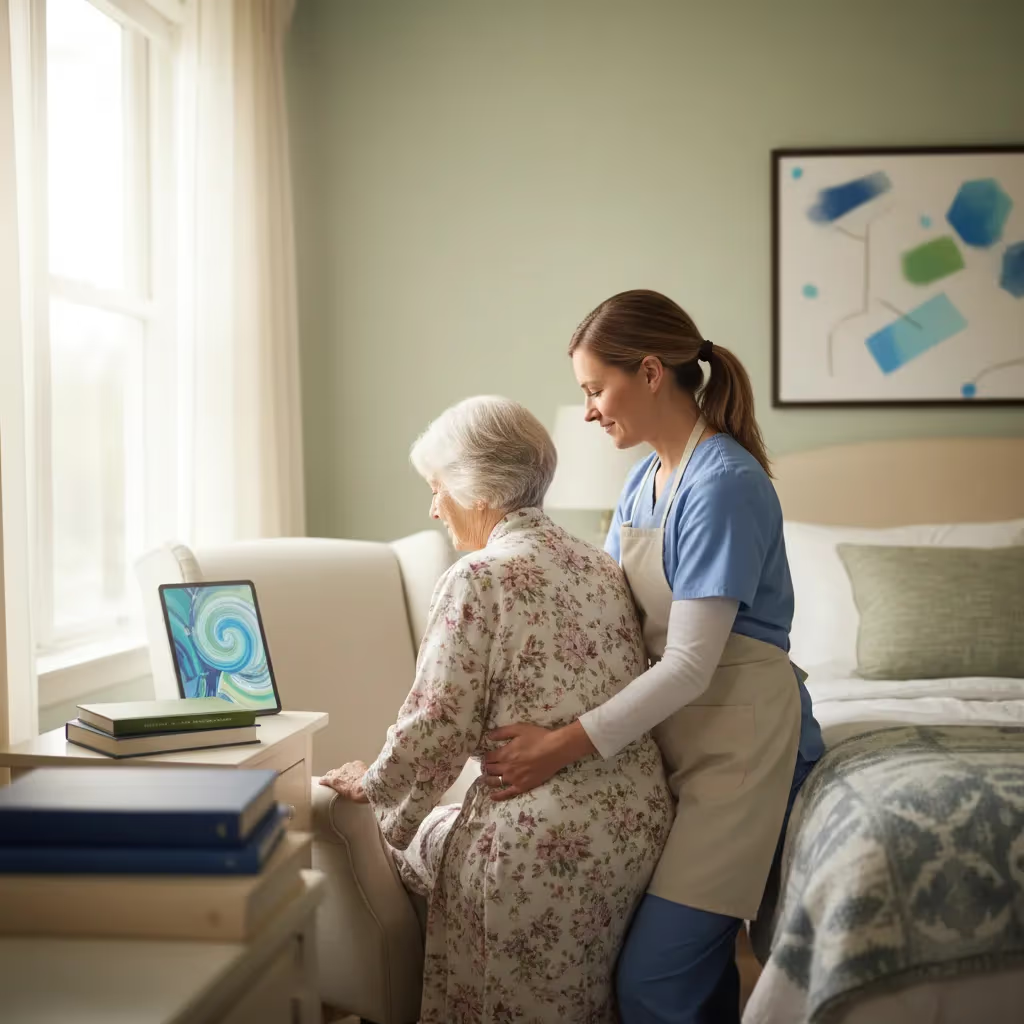
You've finished your HHA training hours, sat through the lectures, practiced the skills in lab sessions -- and now there's one thing standing between you and a paycheck: the exam. Passing your home health aide resume examples certification test isn't optional. It's the gate. And if you don't walk through it, none of those training hours count for anything. This guide breaks down exactly how to pass the hha exam -- what's on it, how to study, and where most people trip up.
Here's what catches people off guard. The HHA exam isn't just written questions. Most states require a clinical skills demonstration too -- you'll physically show a proctor that you can take vitals, assist with transfers, and follow infection control protocols. That dual format means you can't just memorize flashcards and hope for the best. You need to practice the hands-on portion until it's muscle memory, and you need to understand the reasoning behind each procedure well enough to answer scenario-based written questions.
The pass rate for first-time HHA test-takers hovers around 75-85% depending on the state. Not terrible -- but that means roughly one in five people fail on their first attempt. Most failures come from the skills portion, not the written section. Students who practice with a partner at home or review hha exam questions beforehand pass at significantly higher rates. The rest of this article gives you the exact playbook.
Whether you're preparing for your first attempt or retaking after a failed try, you'll find actionable strategies here. We cover the written portion, the skills demonstration, study scheduling, and common mistakes that sink otherwise well-prepared candidates. No fluff. Just what works.

The written portion of your hha exam typically runs 50 to 75 multiple-choice questions, depending on your state's testing vendor. Most candidates get between 90 minutes and two hours to finish. That's generous -- if you've studied, you won't need all of it. The questions test your understanding of patient care fundamentals, not obscure medical trivia. Think vital signs, positioning, nutrition basics, hygiene assistance, and communication with patients and families.
Taking an hha practice exam before test day makes a measurable difference. Students who complete at least three full-length practice tests score 15-20% higher on average than those who only review notes. Why? Practice exams train you to read scenario questions carefully -- the kind where two answers look correct but one is "more correct" based on safety priorities. That's the format you'll face, and it trips up people who studied content but never practiced the question style.
Don't skip the rationale behind each answer. When you miss a practice question, don't just look up the right answer -- read why it's right and why the others are wrong. That reasoning transfers to questions you haven't seen before. Most HHA exam prep resources include answer explanations. Use them.
Timing matters less than accuracy on this test. You'll have plenty of time. The real enemy is second-guessing yourself on questions where your first instinct was correct. Mark uncertain questions, finish the rest, then come back. Your subconscious often gets it right the first time.
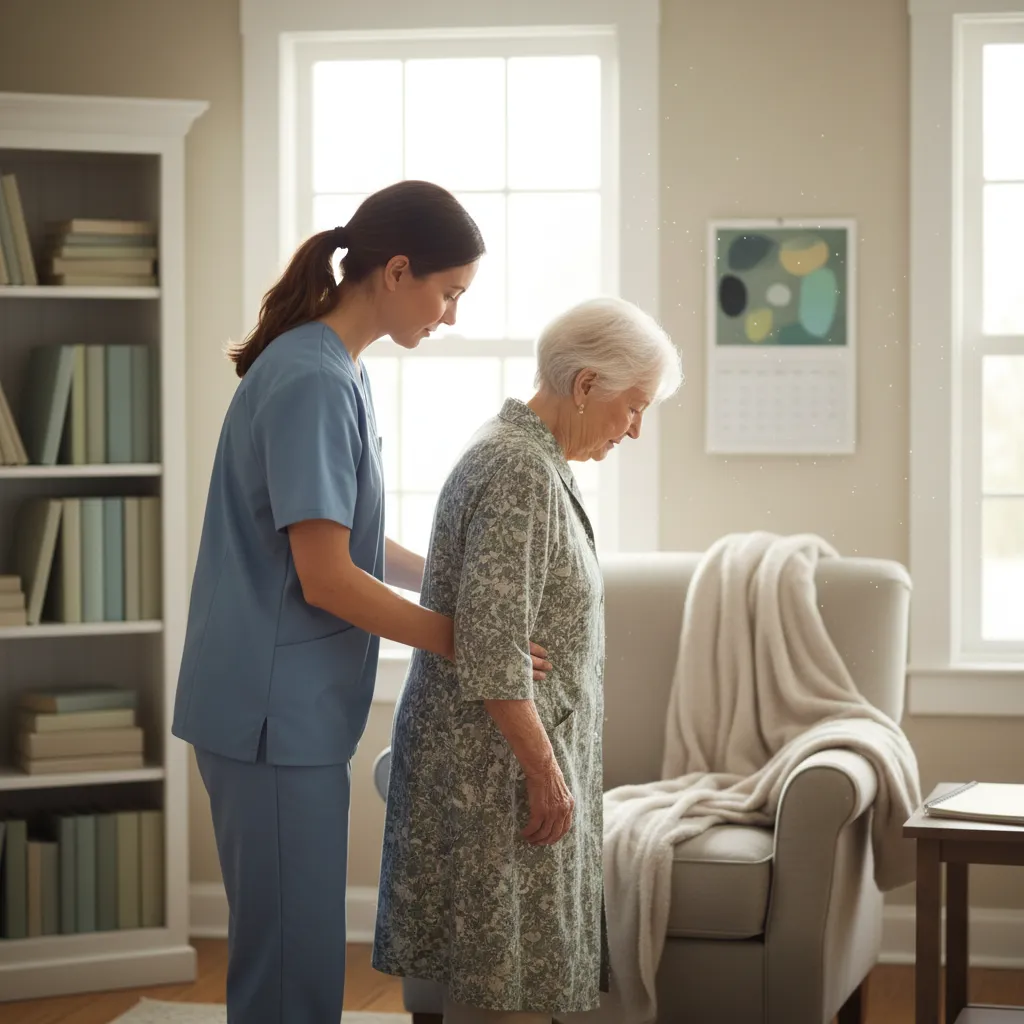
The clinical skills demonstration is where the home health aide exam gets real. You'll perform 3 to 5 randomly selected skills in front of a nurse evaluator -- and you won't know which ones until you arrive. That randomness is the whole point. It proves you can do all of them, not just the ones you practiced most. Common skills include handwashing, taking blood pressure, measuring pulse and respiration, assisting with ambulation, catheter care, and bed-making with a patient in the bed.
Each skill follows a specific checklist. Miss a critical step -- like failing to identify the patient or not washing your hands before a procedure -- and you fail that entire skill, even if everything else was perfect. These "critical elements" aren't arbitrary. They exist because skipping them in a real care setting could injure or kill someone. The evaluator isn't being harsh. They're checking whether you'd be safe alone with a vulnerable patient.
For Spanish-speaking candidates, the examen para una hha en espanol is available in several states. Check with your state's nurse aide registry to confirm language options. Some states offer translated written exams but conduct the skills evaluation in English with an interpreter present. Don't assume -- call ahead and confirm at least two weeks before your test date.
Practice each skill out loud. Narrate every step as you do it: "I'm washing my hands for 20 seconds with soap and water. I'm identifying the patient by checking their wristband." This verbal walkthrough helps you remember the sequence under pressure and shows the evaluator exactly what you're doing. Silent test-takers sometimes lose points because the evaluator couldn't tell if they checked something or skipped it.
What the HHA Exam Covers
Patient Care Fundamentals: Vital signs (temperature, pulse, respiration, blood pressure), body mechanics, safe transfers, fall prevention, skin care, and nutrition. About 40% of questions come from this domain.
Infection Control: Handwashing technique, standard precautions, PPE usage, biohazard disposal, and isolation protocols. Expect 5-10 questions minimum.
Communication: Patient rights, confidentiality (HIPAA basics), reporting observations to supervisors, documenting care, and dealing with difficult family members. These questions test judgment, not memorization.
Let's talk about the specific hha exam questions you'll encounter. The written test doesn't ask you to define medical terms or recall textbook definitions. Instead, it presents patient scenarios and asks what you should do. Here's a typical format: "Mrs. Johnson complains of dizziness when standing up. What should you do first?" The answer options might include taking her blood pressure, calling 911, helping her sit down, and giving her water. The correct answer is helping her sit down -- address immediate safety first, then assess.
Home health aide exam questions lean heavily on the "what do you do first" structure. That word -- first -- is the key to getting these right. When multiple answers seem correct, pick the one that addresses immediate safety or follows the nursing assistant's scope of practice. You don't diagnose. You don't treat. You observe, assist, report, and document. Every correct answer on the HHA exam fits somewhere in that framework.
Scenario questions about communication are sneaky. They'll describe a patient making an unreasonable request or a family member criticizing your work. The right answer almost always involves acknowledging the person's feelings, staying calm, and involving your supervisor -- never arguing, ignoring, or making promises you can't keep. These feel like common sense, but under test pressure, the "tell the family member they're wrong" answer can look tempting. Don't take the bait.
Infection control questions are the freebies -- if you studied. Handwashing steps, glove removal order, when to use a gown vs. just gloves, how to handle sharps containers. These questions have clear right-and-wrong answers with less ambiguity than the scenario-based ones. Nail them all. They're easy points that offset any scenario questions where you had to guess.
Building hha resume examples and a strong portfolio starts with passing this exam -- but smart candidates think about both at the same time. Your training hours, clinical skills, and exam certification all belong on your resume the moment you pass. And if you're targeting a specific employer, knowing what they look for in candidates can actually sharpen your home health aide exam prep. Agencies that specialize in dementia care, for example, will test heavily on communication and safety -- the exact areas where the written exam focuses most of its scenario questions.
A home health aide practice exam is your single best study tool. Not notes. Not textbook chapters. Practice tests. Here's why: they simulate the pressure of timed questions, they expose which topics you think you know but don't, and they build familiarity with the question format so nothing on test day feels new. Take at least three full-length practice exams before your real test. Score yourself honestly. Any topic where you score below 80%, revisit it immediately.
Your study schedule should start at least two weeks before the exam. Week one: review all content areas and take your first practice test to identify weak spots. Week two: drill your weak areas, practice clinical skills daily with a partner, and take two more practice tests. The day before the exam? Don't study. Seriously. Rest, eat well, lay out your clothes and ID, and go to bed early. Cramming the night before hurts more than it helps.
Study groups work if -- and only if -- everyone participates. A good HHA study group quizzes each other on scenarios, practices skills demonstrations together, and times each other on clinical procedures. A bad study group socializes for an hour and calls it studying. Be honest about which kind yours is. If it's the second kind, study alone and practice skills with one reliable partner instead.
Passing on Your First Try vs. Retaking
- +Start earning income immediately -- no waiting period between attempts
- +Your training knowledge is freshest right after completing your program
- +Agencies prioritize first-time passers when hiring -- it signals competence
- +Avoid the $50-$150 retake fee charged in most states
- +Confidence boost carries into your first patient care assignments
- +Some states limit retake attempts to 3 within 12-24 months
- −Pressure to pass first time can increase test anxiety for some candidates
- −Rushing through training to hit the exam date may leave knowledge gaps
- −Some candidates need the failed attempt to understand the exam format
- −Retakers who study their weak areas often score higher than first-time passers
- −Skills portion is easier the second time -- you know what evaluators watch for
- −Some employers don't ask whether you passed first try or on a retake
Getting your hha exam questions and answers right comes down to understanding scope of practice. Everything on the written test connects back to one question: "Is this something a home health aide should do, or should they report it to a nurse?" If the scenario involves assessment, diagnosis, medication administration, or any clinical judgment call -- the answer is always "report to the supervisor." HHAs observe, document, and report. Period. Get that framework locked in and half the written questions become straightforward.
The home health aide competency exam covers five core domains, and understanding how they're weighted saves you study time. Patient care skills account for roughly 40% of questions. Safety and infection control take about 20%. Communication and interpersonal skills cover 15%. Patient rights and legal/ethical considerations make up 15%. The remaining 10% covers role and responsibility questions -- what an HHA can and cannot do. Study the 40% category hardest. That's where most of your points live.
Don't memorize -- understand. Here's what that looks like in practice. Instead of memorizing "normal blood pressure is 120/80," understand that the top number (systolic) measures pressure when the heart contracts and the bottom number (diastolic) measures pressure when it relaxes. When a test question asks what elevated diastolic pressure means, you can reason through it instead of guessing. Reasoning beats memorization on scenario questions every time.
One more thing about the written section that nobody tells you: read every answer choice before selecting one. The test writers deliberately put a "good" answer as option A and the "best" answer as option C or D. Students who pick the first reasonable answer they see without reading all four options lose 5-10 questions this way. Read all four. Then pick.
Exam Day Checklist
- ✓Government-issued photo ID (driver's license, passport, or state ID -- expired IDs are rejected)
- ✓Second form of identification if required by your state (Social Security card, birth certificate)
- ✓Confirmation letter or registration receipt from your testing vendor
- ✓Two #2 pencils and a backup (some test sites don't provide them)
- ✓Watch with a second hand for timing pulse and respiration during skills portion
- ✓Scrubs or clinical uniform -- no jeans, no open-toed shoes, hair tied back
- ✓Stethoscope and blood pressure cuff if your program requires you to bring your own
- ✓Arrive 30 minutes early -- late arrivals are turned away with no refund in most states
- ✓Eat a full meal 1-2 hours before the exam (low blood sugar kills concentration)
- ✓Leave your phone in the car -- most test sites confiscate phones at the door
For the clinical portion, let's talk about home health aide competency exam answers and what evaluators actually look for. The evaluator holds a checklist with every step of each assigned skill. They check off steps as you complete them. They don't help you, they don't give hints, and they don't tell you if you missed something. Your job is to perform the skill exactly as taught -- no shortcuts, no improvising, no "I usually do it this way at clinical." Follow the textbook method. That's what's on the checklist.
The hha competency exam skills portion typically gives you 25-30 minutes to complete all assigned skills. That's more time than you think. Rushing causes mistakes. Take a breath before each skill, mentally review the steps, then begin. If you realize mid-skill that you forgot a step -- stop, go back, and do it. Evaluators give credit for self-correction. They don't give credit for pretending you didn't skip something.
Practice your weakest skills until they're boring. If examen para una hha en espanol blood pressure measurement makes you nervous, take 50 blood pressures on friends and family before test day. If catheter care feels awkward, practice the motions with a training mannequin until you could do it in your sleep. Confidence during the skills test comes from repetition, not from reading about the skill one more time. Your hands need to know what to do without your brain having to think about each step.
Common mistakes during the skills portion: forgetting to raise the bed to working height (back injury prevention), not lowering the bed when finished (fall prevention), forgetting to pull the privacy curtain, not explaining the procedure to the patient before starting, and not washing hands between skills. Every single one of these is a critical element. Every single one is preventable with practice.
Let's address the resume angle -- because passing the exam is step one, but getting hired is the actual goal. Resume examples for home health aide positions should highlight your certification date, training program name, clinical hours completed, and any specialized skills (dementia care, wound care, hospice experience). A reference letter for home health aide example from your clinical instructor carries more weight than a character reference from a friend. Ask your instructor before the last day of class, while your performance is fresh in their mind.
Your resume format matters more than you'd think. Agencies review dozens of HHA resumes daily. Put your certification and exam pass date at the top -- not buried under an objective statement nobody reads. List specific skills you demonstrated during training: vital signs, patient transfers, catheter care, wound dressing changes, medication reminders. Use numbers where possible: "Completed 75 hours of clinical training across 3 care facilities" reads better than "extensive clinical experience."
The reference letter deserves its own paragraph because it's that important. A strong reference letter for home health aide example includes specific observations about your patient care skills, your reliability, and your communication style. Generic letters that say "she was a good student" don't help. Ask your instructor to mention a specific situation where you handled a patient interaction well or caught an important clinical observation. That specificity makes hiring managers pay attention.
Don't wait until after you pass the exam to start your job search. Many agencies hire conditionally -- they'll offer you a position contingent on passing the HHA exam within 30-60 days. Apply during your last week of training, interview during your study period, and start orientation the week after you pass. That timeline gets you earning faster than waiting to pass first and then starting the application process.
HHA exam requirements vary significantly by state. Some states use Prometric, others use Pearson VUE, and a few use state-specific testing vendors. Registration deadlines, allowed retake attempts, and even the number of skills tested differ. Before you book your exam, call your state's nurse aide registry directly and confirm: testing vendor, registration deadline, what to bring, how many skills you'll demonstrate, and whether the written exam is available in languages other than English. Don't rely on your training program to give you current information -- policies change faster than curricula update.
Now for the questions nobody wants to ask: what if you fail? Home health aide reference letter examples won't matter if you can't get past the exam. But failing isn't the end. Most states allow three retake attempts within a 12-24 month window. You typically only need to retake the portion you failed -- if you passed the written test but failed skills, you retake skills only. The retake fee runs $50-$150 depending on your state and testing vendor.
If you failed the written section, your hha exam answers were probably wrong in one of two patterns. Either you struggled with scenario-based questions (the "what do you do first" type) or you missed fundamental knowledge questions about vital signs, infection control, or body mechanics. Take a diagnostic practice test to figure out which pattern applies to you. Then study that category specifically -- don't re-study everything equally. Targeted review beats general review every time.
For skills retakes, ask your evaluator (or your program coordinator) which specific steps you missed. Most states require evaluators to document the missed critical elements. Review those exact steps. Practice the failed skill 20+ times before your retake. Then practice it 20 more times. Overpreparation for a specific skill is the only reliable way to guarantee you won't make the same mistake twice under test pressure.
Here's something encouraging: retakers who study their specific weak areas pass at rates above 90%. The first attempt teaches you what the test actually looks like. The second attempt, armed with that knowledge, is dramatically easier. So if you're reading this after a failed attempt -- the odds are strongly in your favor now.
HHA Practice Test Questions
Prepare for the HHA - Home Health Aide exam with our free practice test modules. Each quiz covers key topics to help you pass on your first try.
HHA Basic Care and Comfort
HHA Exam Questions covering Basic Care and Comfort. Master HHA Test concepts for certification prep.
HHA Basic Care and Comfort Questions and A...
Free HHA Practice Test featuring Basic Care and Comfort Questions and Answers. Improve your HHA Exam score with mock test prep.
HHA Communication and Interpersonal Skills
HHA Mock Exam on Communication and Interpersonal Skills. HHA Study Guide questions to pass on your first try.
HHA Communication and Interpersonal Skills...
HHA Test Prep for Communication and Interpersonal Skills Questions and Answers. Practice HHA Quiz questions and boost your score.
HHA Infection Control and Safety
HHA Questions and Answers on Infection Control and Safety. Free HHA practice for exam readiness.
HHA Infection Control and Safety Questions...
HHA Mock Test covering Infection Control and Safety Questions and Answers. Online HHA Test practice with instant feedback.
HHA Mental and Emotional Support
Free HHA Quiz on Mental and Emotional Support. HHA Exam prep questions with detailed explanations.
HHA Mental and Emotional Support Questions...
HHA Practice Questions for Mental and Emotional Support Questions and Answers. Build confidence for your HHA certification exam.
HHA Mobility and Transfer Techniques
HHA Test Online for Mobility and Transfer Techniques. Free practice with instant results and feedback.
HHA Mobility and Transfer Techniques Quest...
HHA Study Material on Mobility and Transfer Techniques Questions and Answers. Prepare effectively with real exam-style questions.
HHA Nutrition and Hydration
Free HHA Test covering Nutrition and Hydration. Practice and track your HHA exam readiness.
HHA Nutrition and Hydration Questions and ...
HHA Exam Questions covering Nutrition and Hydration Questions and Answers. Master HHA Test concepts for certification prep.
HHA Observation and Reporting
Free HHA Practice Test featuring Observation and Reporting. Improve your HHA Exam score with mock test prep.
HHA Observation and Reporting Questions an...
HHA Mock Exam on Observation and Reporting Questions and Answers. HHA Study Guide questions to pass on your first try.
HHA Patient Rights and Ethics
HHA Test Prep for Patient Rights and Ethics. Practice HHA Quiz questions and boost your score.
HHA Patient Rights and Ethics Questions an...
HHA Questions and Answers on Patient Rights and Ethics Questions and Answers. Free HHA practice for exam readiness.
HHA Personal Care and Hygiene
HHA Mock Test covering Personal Care and Hygiene. Online HHA Test practice with instant feedback.
HHA Personal Care and Hygiene Questions an...
Free HHA Quiz on Personal Care and Hygiene Questions and Answers. HHA Exam prep questions with detailed explanations.
HHA Home Health Aide Certification Practic...
HHA Practice Questions for Home Health Aide Certification Practice Test. Build confidence for your HHA certification exam.
HHA Home Health Aide Certification Practic...
HHA Test Online for Home Health Aide Certification Practice Test #1. Free practice with instant results and feedback.
HHA Home Health Aide Certification Practic...
HHA Study Material on Home Health Aide Certification Practice Test #2. Prepare effectively with real exam-style questions.
HHA Home Health Aide Certification Practic...
Free HHA Test covering Home Health Aide Certification Practice Test #3. Practice and track your HHA exam readiness.
HHA Home Health Aide Certification Practic...
HHA Exam Questions covering Home Health Aide Certification Practice Test #4. Master HHA Test concepts for certification prep.
HHA HOME HEALTH AIDE COMPETENCY TEST
Free HHA Practice Test featuring HOME HEALTH AIDE COMPETENCY TEST. Improve your HHA Exam score with mock test prep.
HHA HOME HEALTH AIDE COMPETENCY TEST #1
HHA Mock Exam on HOME HEALTH AIDE COMPETENCY TEST #1. HHA Study Guide questions to pass on your first try.
HHA Home Health Aide Competency Test
HHA Test Prep for Home Health Aide Competency Test. Practice HHA Quiz questions and boost your score.
HHA Home Health Aide Competency Test #2
HHA Questions and Answers on Home Health Aide Competency Test #2. Free HHA practice for exam readiness.
Let's wrap up with the final pieces: hha final exam answers strategies and how to pass the hha test when test anxiety is working against you. Anxiety during the exam is normal -- your body is doing what it's supposed to do in high-pressure situations. But unchecked anxiety causes rushing, misreading questions, and blanking on skills you know cold. The fix isn't "just relax" -- it's preparation so thorough that anxiety can't override your muscle memory and knowledge.
Three techniques that actually work for test anxiety during the HHA exam. First: box breathing. Inhale for 4 seconds, hold for 4, exhale for 4, hold for 4. Do this three times before the written test starts and once before each skill demonstration. It takes 48 seconds and measurably reduces cortisol. Second: positive self-talk that's specific, not generic. "I've taken 300 blood pressures in practice" works. "I'm going to do great" doesn't. Third: arrive early enough to sit in the parking lot for 10 minutes and mentally walk through each skill you might be assigned.
The single best predictor of passing the HHA exam is practice test performance. Candidates who score 85% or above on practice exams pass the real test at a rate above 95%. That's your target: 85% on at least two different practice exams before test day. If you're scoring 70-75%, you're in the danger zone -- you might pass, but you're gambling. Push that score up by studying your missed questions before booking the exam.
You've got this. The HHA exam isn't designed to trick you or weed out capable candidates. It's designed to verify that you can safely care for vulnerable people in their homes. If you've completed your training, practiced your skills, and taken enough practice tests to feel confident -- you're ready. Book the exam. Walk in prepared. Walk out certified.
HHA Questions and Answers


About the Author

Registered Nurse & Healthcare Educator
Johns Hopkins University School of NursingDr. Sarah Mitchell is a board-certified registered nurse with over 15 years of clinical and academic experience. She completed her PhD in Nursing Science at Johns Hopkins University and has taught NCLEX preparation and clinical skills courses for nursing students across the United States. Her research focuses on evidence-based exam preparation strategies for healthcare certification candidates.
Join the Discussion
Connect with other students preparing for this exam. Share tips, ask questions, and get advice from people who have been there.
View discussion (8 replies)