
What Is HHA Certification? Complete 2026 September Guide to Home Health Aide Training, Requirements, and Career Path
What is HHA certification? Complete guide to home health aide HHA training, exam requirements, costs, and career options for 2026 September. 🔎

If you have searched for what is HHA certification, you are likely standing at the start of a meaningful healthcare career. A home health aide HHA is a frontline caregiver who supports older adults, people with disabilities, and patients recovering from illness inside their own homes. The certification is the formal, state-recognized credential that proves you have completed required training hours, passed a competency exam, and meet federal Medicare standards. It is the difference between being a casual helper and a documented, employable professional in 2026.
HHA certification matters because Medicare and Medicaid will only reimburse agencies for care delivered by certified aides. That single rule shapes the entire industry: if you are not certified, most reputable home health agencies cannot legally hire you for skilled visits. Certification opens the door to steady scheduling, payroll employment, mileage reimbursement, and the type of hha login systems agencies use to track visits, time, and tasks during every shift.
The federal baseline, set by the Centers for Medicare and Medicaid Services, requires at least 75 hours of training including 16 hours of supervised hands-on practical work. Many states stack additional hours on top. New York, for example, requires 75 hours but pairs it with strict in-service continuing education. Washington requires 85 hours. California requires 120 hours. These numbers matter because they determine how quickly you can finish your program and start working.
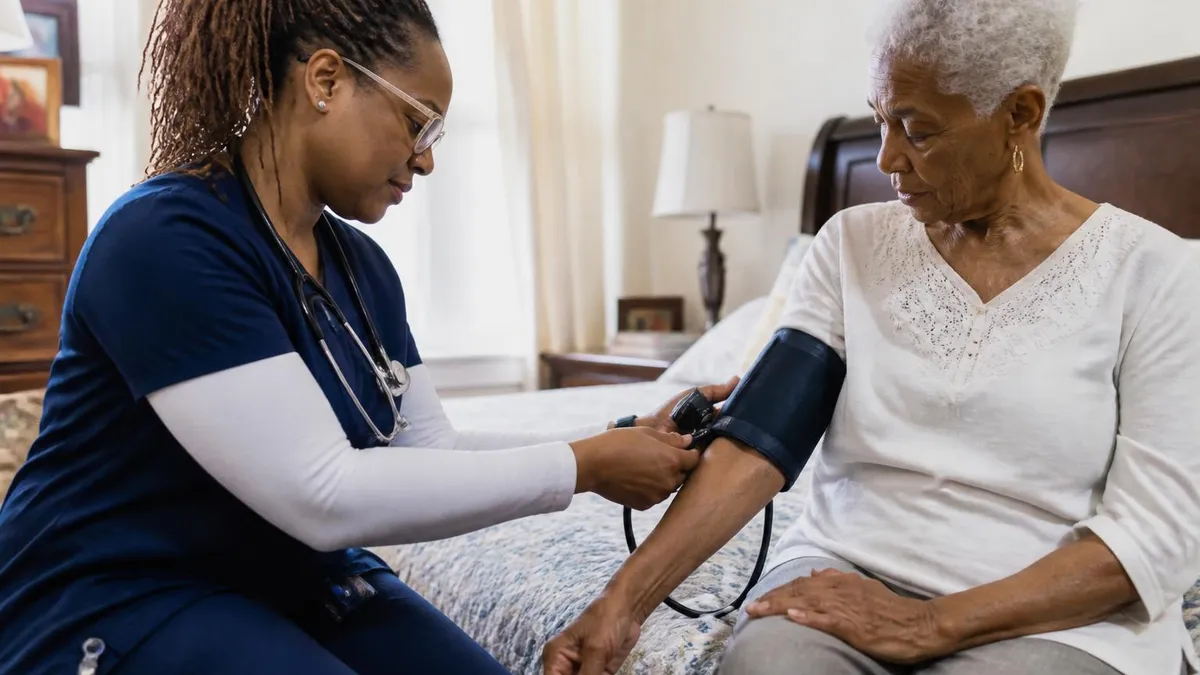
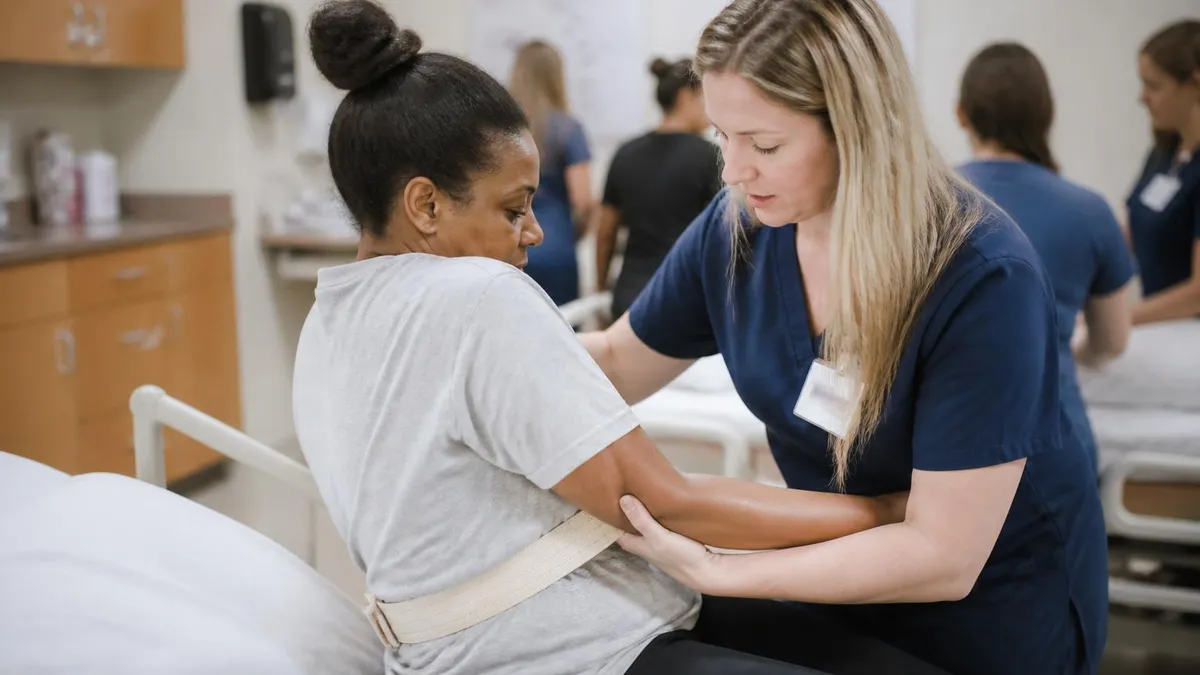
Beyond the hours, certification confirms you can perform real bedside tasks: transferring a patient safely, taking vital signs, providing personal hygiene, recognizing emergencies, and documenting changes in condition. The exam blends a written knowledge test with a practical skills demonstration in front of an evaluator. Most candidates pass on their first attempt when they study consistently, but the skills portion fails roughly one in five candidates because of small procedural mistakes like forgetting handwashing or skipping privacy steps.
This guide answers the question completely. We will cover federal and state requirements, training program formats, cost ranges, exam structure, salary outlook, and the daily realities of the job. You will learn what to expect during clinicals, how to choose a program that actually leads to a job offer, and how the credential connects to the broader caregiver ladder including CNA, LPN, and RN pathways.
If you are deciding whether to invest four to twelve weeks in this training, the short answer is that demand has rarely been higher. The Bureau of Labor Statistics projects 21% job growth for home health and personal care aides through 2033, faster than nearly every other occupation. Aging baby boomers, hospital discharge pressures, and consumer preference for aging in place have created a structural shortage that translates into sign-on bonuses, flexible scheduling, and clear advancement paths for anyone holding a current HHA certificate.
HHA Certification by the Numbers
Federal and State Certification Requirements
75 total training hours including 16 hours of supervised practical clinical work, plus a competency evaluation covering 17 required subject areas like infection control, communication, and personal care.
States can require more. California requires 120 hours, Washington 85, and Oregon 155. Always verify with your state Department of Health before enrolling in any program to avoid wasted tuition.
A two-part evaluation: a written or oral knowledge test of roughly 60-100 questions and a hands-on skills demonstration of 5-6 randomly selected tasks performed in front of an approved evaluator.
Fingerprint-based criminal history check is mandatory in every state. Disqualifying offenses typically include violent crimes, elder abuse, theft from a vulnerable adult, and recent drug-related felonies.
Once you pass, your name goes on the state's HHA or nurse aide registry. Employers verify this registry before hiring. Your certificate generally renews every two years with continuing education hours.
The training itself is where abstract requirements turn into real skill. A quality home health aide training program is split into three phases: classroom theory, lab practice with mannequins or simulated patients, and supervised clinical hours with actual clients. Each phase has a purpose. Theory teaches you the why behind tasks, lab builds muscle memory in a safe environment, and clinicals expose you to the unpredictable reality of working in someone else's home where lighting, equipment, and patient cooperation are never ideal.
Programs come in three main formats. Community college courses run 8-12 weeks and often cost $800-$1,500 but include access to financial aid. Vocational and trade school programs compress the same content into 4-6 weeks at $1,200-$2,500 but offer faster job placement. Agency-sponsored training is often free in exchange for a 6-12 month employment commitment. The trade-off is real: you save money up front but lock yourself into one employer at entry-level wages.
Online and hybrid options have expanded since 2020. A reputable home health aide training program with online theory still requires in-person lab and clinical hours because CMS forbids fully virtual training. Be skeptical of any program advertising 100% online HHA certification. It does not legally exist for Medicare-certified work, and graduates of such programs frequently find themselves unable to register with their state board after paying tuition.
Curriculum content is highly standardized across legitimate programs. You will cover body mechanics and safe lifting, vital signs measurement, infection control and PPE use, nutrition and meal preparation, range of motion exercises, catheter and ostomy care basics, communication with families, recognizing abuse or neglect, end-of-life care, and documentation. Each topic includes both a knowledge component and a skills checklist your instructor must initial before you move on to the next module.
Clinical hours are the most underrated part of the experience. During 16-40 supervised hours in actual homes, you will encounter situations no textbook prepares you for: a patient who refuses a bath, a family member who interferes with care, a small dog that bites, a kitchen with no clean utensils. Instructors use these moments to teach problem-solving, professional boundaries, and de-escalation. Students who skip clinicals or rush through them often fail the skills exam later.
Choosing the right program requires three checks. First, confirm the program is on your state's approved provider list. Second, ask about first-time pass rates on the state exam; reputable programs publish this number and it should be above 75%. Third, ask about job placement support. Strong programs have hiring partnerships with local agencies and can often connect graduates with interviews within two weeks of certification, sometimes before the certificate physically arrives in the mail.
HHA Practice Test Questions
Prepare for the HHA - Home Health Aide exam with our free practice test modules. Each quiz covers key topics to help you pass on your first try.
HHA Basic Care and Comfort
HHA Exam Questions covering Basic Care and Comfort. Master HHA Test concepts for certification prep.
HHA Basic Care and Comfort Questions and A...
Free HHA Practice Test featuring Basic Care and Comfort Questions and Answers. Improve your HHA Exam score with mock test prep.
HHA Communication and Interpersonal Skills
HHA Mock Exam on Communication and Interpersonal Skills. HHA Study Guide questions to pass on your first try.
HHA Communication and Interpersonal Skills...
HHA Test Prep for Communication and Interpersonal Skills Questions and Answers. Practice HHA Quiz questions and boost your score.
HHA Infection Control and Safety
HHA Questions and Answers on Infection Control and Safety. Free HHA practice for exam readiness.
HHA Infection Control and Safety Questions...
HHA Mock Test covering Infection Control and Safety Questions and Answers. Online HHA Test practice with instant feedback.
HHA Mental and Emotional Support
Free HHA Quiz on Mental and Emotional Support. HHA Exam prep questions with detailed explanations.
HHA Mental and Emotional Support Questions...
HHA Practice Questions for Mental and Emotional Support Questions and Answers. Build confidence for your HHA certification exam.
HHA Mobility and Transfer Techniques
HHA Test Online for Mobility and Transfer Techniques. Free practice with instant results and feedback.
HHA Mobility and Transfer Techniques Quest...
HHA Study Material on Mobility and Transfer Techniques Questions and Answers. Prepare effectively with real exam-style questions.
HHA Nutrition and Hydration
Free HHA Test covering Nutrition and Hydration. Practice and track your HHA exam readiness.
HHA Nutrition and Hydration Questions and ...
HHA Exam Questions covering Nutrition and Hydration Questions and Answers. Master HHA Test concepts for certification prep.
HHA Observation and Reporting
Free HHA Practice Test featuring Observation and Reporting. Improve your HHA Exam score with mock test prep.
HHA Observation and Reporting Questions an...
HHA Mock Exam on Observation and Reporting Questions and Answers. HHA Study Guide questions to pass on your first try.
HHA Patient Rights and Ethics
HHA Test Prep for Patient Rights and Ethics. Practice HHA Quiz questions and boost your score.
HHA Patient Rights and Ethics Questions an...
HHA Questions and Answers on Patient Rights and Ethics Questions and Answers. Free HHA practice for exam readiness.
HHA Personal Care and Hygiene
HHA Mock Test covering Personal Care and Hygiene. Online HHA Test practice with instant feedback.
HHA Personal Care and Hygiene Questions an...
Free HHA Quiz on Personal Care and Hygiene Questions and Answers. HHA Exam prep questions with detailed explanations.
HHA Home Health Aide Certification Practic...
HHA Practice Questions for Home Health Aide Certification Practice Test. Build confidence for your HHA certification exam.
HHA Home Health Aide Certification Practic...
HHA Test Online for Home Health Aide Certification Practice Test #1. Free practice with instant results and feedback.
HHA Home Health Aide Certification Practic...
HHA Study Material on Home Health Aide Certification Practice Test #2. Prepare effectively with real exam-style questions.
HHA Home Health Aide Certification Practic...
Free HHA Test covering Home Health Aide Certification Practice Test #3. Practice and track your HHA exam readiness.
HHA Home Health Aide Certification Practic...
HHA Exam Questions covering Home Health Aide Certification Practice Test #4. Master HHA Test concepts for certification prep.
HHA HOME HEALTH AIDE COMPETENCY TEST
Free HHA Practice Test featuring HOME HEALTH AIDE COMPETENCY TEST. Improve your HHA Exam score with mock test prep.
HHA HOME HEALTH AIDE COMPETENCY TEST #1
HHA Mock Exam on HOME HEALTH AIDE COMPETENCY TEST #1. HHA Study Guide questions to pass on your first try.
HHA Home Health Aide Competency Test
HHA Test Prep for Home Health Aide Competency Test. Practice HHA Quiz questions and boost your score.
HHA Home Health Aide Competency Test #2
HHA Questions and Answers on Home Health Aide Competency Test #2. Free HHA practice for exam readiness.
HHA Certification Exam Format Explained
The written portion typically contains 60 to 100 multiple-choice questions drawn from all 17 federally required subject areas. Most states give you 90 minutes to complete it. Questions are scenario-based rather than pure memorization, asking what you would do if a client falls, complains of chest pain, or refuses medication. A passing score is usually 75% or higher, though some states use scaled scoring.
Reading comprehension matters as much as clinical knowledge. Many candidates miss questions because they skim past qualifying words like always, never, first, or except. If English is not your first language, most states allow you to take the test orally with an approved proctor reading questions aloud. Some states offer Spanish or other language versions. Confirm available accommodations during your application process.
Is HHA Certification Worth It? Pros and Cons
- +Short training timeline of 4-12 weeks gets you working fast
- +Low total cost compared to nursing or therapy programs
- +Strong job market with 21% projected growth through 2033
- +Flexible scheduling including part-time, weekend, and overnight shifts
- +Direct pathway to CNA, LPN, and RN with credit transfers in many states
- +Meaningful one-on-one work building real relationships with clients
- +Recession-resistant demand because care needs do not pause for economy
- −Median wages remain modest at $16-$19 per hour in most regions
- −Physical demands include lifting, transferring, and being on your feet
- −Emotional weight of caring for declining or dying clients
- −Driving between client homes is often unpaid time
- −Limited benefits at some agencies, especially for part-time aides
- −Documentation and HHA Exchange visit verification adds time to each shift
- −Exposure to illness, family conflict, and occasionally unsafe home conditions
HHA Certification Application Checklist
- ✓Confirm minimum age requirement, usually 18 in most states
- ✓Obtain a high school diploma or GED, though some states waive this
- ✓Complete a state-approved training program with documented hours
- ✓Pass a TB skin test and provide updated immunization records
- ✓Submit fingerprints and complete state and federal background checks
- ✓Pay the testing fee, typically $90-$150 depending on state vendor
- ✓Schedule both written and skills portions on or near the same day
- ✓Bring two forms of ID including one government-issued photo ID
- ✓Verify your name appears correctly on the state HHA registry
- ✓Save your certification number for employer verification and renewals
Practice skills out loud, in order, with a timer
The single most effective study habit is verbalizing every skill step while practicing on a partner or pillow. Evaluators score on what they see and hear, not what you intend to do. Saying "I am washing my hands for 20 seconds, keeping fingertips down" turns silent muscle memory into observable, scoreable performance. Candidates who practice this way pass the skills test at nearly double the rate of those who only read.
The economics of HHA certification deserve a clear, honest look. Total upfront cost ranges from $0 for agency-sponsored programs to roughly $2,500 for premium private schools. Most students land in the $800-$1,500 range when you include tuition, books, uniforms, background check fees, testing fees, and a TB test. Add another $50-$100 for a stethoscope, gait belt, and watch with a second hand. Compared to a $25,000 LPN program or $80,000 RN degree, the entry cost is extremely low.
Wages vary significantly by region and employer type. The 2024 BLS median for home health and personal care aides was $34,900 annually, or about $16.78 per hour. Coastal states like California, Massachusetts, and New York pay $20-$26 per hour. Southern and Midwestern states often start at $13-$15. Hospice agencies, Medicare-certified home health agencies, and consumer-directed programs typically pay 15-30% more than non-medical companion agencies because the work is reimbursed by insurance rather than out of pocket.
Sign-on bonuses became standard during the post-2020 caregiver shortage. Many agencies now offer $500-$2,000 bonuses tied to a 6-12 month retention period. Shift differentials of $1-$3 per hour are common for nights, weekends, and holidays. Some agencies pay drive time and full mileage at the federal rate, while others only pay client-facing hours. Always ask the specific question "How is travel between visits compensated?" before signing an offer letter.
The return on investment is unusually fast for healthcare credentials. A student paying $1,200 for training who earns $17 per hour full-time recoups tuition in roughly 35 working hours, less than one week. Even with reduced hours during the initial probationary period, most aides break even within their first month. This is one of the few healthcare paths where you can finish school and recover your investment in the same calendar quarter.
Beyond hourly wages, certified aides gain access to benefits unavailable to uncertified caregivers. These include employer-sponsored health insurance after 60-90 days, paid time off, 401(k) matches at larger agencies, free continuing education, and stipends for further nursing school. Some hospital-affiliated home health divisions cover full LPN or RN tuition for aides who commit to 2-3 years of post-graduation employment, turning the hha certificate into a debt-free runway toward registered nursing.
Hidden costs are worth budgeting for. Reliable transportation is non-negotiable since most aides drive between 2-6 client homes per day. Comfortable supportive shoes, replaced every 6-9 months, run $80-$140 per pair. Uniforms or scrubs cost $30-$60 per set and you need at least three. Continuing education for renewal averages $40-$120 every two years. Smartphone data for EVV apps like HHA Exchange is usually a personal expense unless your agency provides a device.
Online-only programs that promise HHA certification in days without supervised clinicals are not federally compliant. Graduates frequently cannot register with state boards, leaving them with a worthless certificate and no refund. Always verify your program appears on your state Department of Health approved provider list before paying tuition. Legitimate programs require in-person lab hours, period.
The career ladder above HHA is real and well-defined, which makes the certification an investment rather than a dead end. Many aides treat HHA as step one in a multi-year nursing pathway. The first natural step up is CNA, the certified nursing assistant credential used in nursing homes, hospitals, and assisted living. Several states allow HHAs to challenge the CNA exam directly with only a bridge course, while others require a full retraining. Either way, CNAs typically earn $1-$3 more per hour and gain access to facility-based jobs.
From CNA, the standard ladder continues to LPN at roughly $55,000 median, RN at $86,000 median, and eventually BSN-prepared roles. Each step adds 12-24 months of schooling and significant earning power. Hospital systems increasingly offer tuition reimbursement and earn-while-you-learn programs that let aides keep working while taking nursing prerequisites at night or online. The HHA credential is also accepted as healthcare experience for nursing school applications, which is a real advantage in competitive admissions.
Lateral specializations are equally valuable. Hospice-certified aides earn higher wages and report deeper job satisfaction. Pediatric home health aides, working with medically fragile children, can earn $22-$30 per hour with the right agency. Dementia care specialists, behavioral health aides, and ventilator-trained aides all command premium pay. Each specialization typically requires 20-40 hours of additional training, often paid for by the employer once you have proven reliability on standard cases.
Self-employment is another path, though it requires careful planning. Private-duty aides working directly for families can charge $25-$40 per hour but must handle their own taxes, insurance, scheduling, and client acquisition. The home health aide job description still applies, meaning you cannot legally administer medications, perform sterile procedures, or do tasks reserved for nurses, regardless of who employs you. Scope-of-practice violations carry serious consequences including loss of certification and civil liability.
Leadership roles inside agencies are often overlooked. Experienced aides can move into scheduling coordinator, field supervisor, training instructor, or quality assurance roles. These positions typically pay $45,000-$60,000 salaried, include benefits, and remove the physical demands of bedside work. Agencies prefer to promote from within because field-experienced staff understand the realities clients and caregivers face, which makes early reliability and professional behavior strong predictors of future promotion.
The credential itself stays portable across states through reciprocity agreements, though renewal rules differ. Most states recognize aides on the federal nurse aide registry if they have worked at least 8 hours in the past 24 months as a paid caregiver under nurse supervision. Gaps longer than 24 months typically trigger retraining requirements. Aides planning to move should request a registry transfer letter from the origin state before relocating to avoid weeks of unnecessary downtime when they arrive.
Practical preparation in the final weeks before your exam separates candidates who pass on the first try from those who retake. Build a study schedule of 8-10 hours per week starting four weeks out. Spend roughly 40% of that time on skills practice, 40% on practice questions, and 20% reviewing weak topic areas. Most failures happen not because candidates do not know the material but because they have not rehearsed it under the time and observation pressure of the actual exam.
Find a study partner if you can. Two people taking turns playing the patient and the aide will catch each other's missed steps faster than any textbook review. If a partner is not available, record yourself on a phone and watch it back. You will be surprised how often you skip steps like explaining the procedure, providing privacy, or repositioning the patient at the end. Self-recorded video is the cheapest, most effective exam prep tool available.
Sleep, hydration, and a real breakfast on test day matter more than one last cram session. The skills exam can last 30-45 minutes of continuous active performance, often after waiting 1-2 hours for your turn. Tired candidates make procedural mistakes they would never make rested. Arrive 30 minutes early, bring your IDs, bring a watch with a second hand for vital signs, and wear scrubs even if not required because evaluators subconsciously score professional appearance.
During the skills test, narrate your every move calmly. If you forget a step, you can usually return to it before announcing the skill complete; once you say "I am finished," the evaluator cannot accept new actions. Watch for the small signals evaluators use, like a gentle prompt of "Are you sure you are done?" — that is often your last chance to add a missed safety step. Never argue with the evaluator about scoring decisions in the moment.
For the written portion, eliminate obviously wrong answers first then choose the option that prioritizes patient safety, dignity, and infection control. When two answers seem equally correct, the one involving handwashing, asking for permission, or notifying the nurse is almost always the intended answer. Skip questions that stump you and return at the end. Most exams allow you to mark and review, and a fresh look frequently reveals the answer you missed the first time.
After you pass, treat your first 90 days on the job as the real continuation of your training. Ask your supervising nurse to observe at least your first three visits with a new client. Document everything in real time using your agency's EVV system rather than catching up at the end of the day. Build relationships with case managers and schedulers because they decide which assignments come your way. Reliability in your first quarter sets your reputation for years.
Renewal planning starts on day one. Most states require 12 hours of continuing education every two years, and your agency will usually provide free in-services that count toward this. Track every course with dates, hours, and instructor signatures in a dedicated folder. When renewal time comes, the aides who lose certification are rarely the ones who failed continuing education but the ones who cannot prove they completed it. Documentation is the difference.
HHA Questions and Answers
Hiring a Home Health Aide for Family: Complete 2026 Guide to Vetting, Costs, and Care Coordination
HHA Practice Test Video Answers

HHA Jobs Near Me — How to Find, Train, and Start Your Career

Can a Home Health Aide Administer Medication? Scope of Practice Explained
Home Health Aide Training Online: Complete 2026 Guide to Certification, Cost, and Career Launch
About the Author

Registered Nurse & Healthcare Educator
Johns Hopkins University School of NursingDr. Sarah Mitchell is a board-certified registered nurse with over 15 years of clinical and academic experience. She completed her PhD in Nursing Science at Johns Hopkins University and has taught NCLEX preparation and clinical skills courses for nursing students across the United States. Her research focuses on evidence-based exam preparation strategies for healthcare certification candidates.
Join the Discussion
Connect with other students preparing for this exam. Share tips, ask questions, and get advice from people who have been there.
View discussion (8 replies)