
What Is a HHA? Complete Career Overview, Duties, and Path to Certification
HHA que es? Learn what a Home Health Aide does, training paths, certification steps, salary, and how to start your career in home healthcare today. 🎓
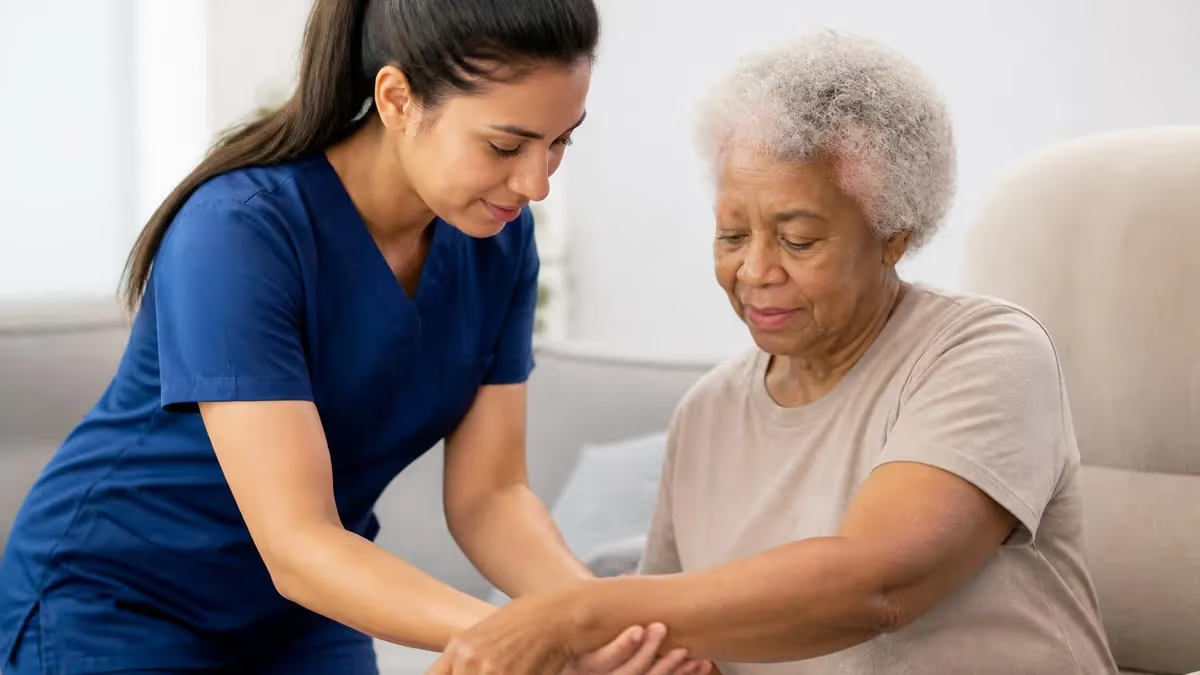
If you have searched hha que es or wondered what a Home Health Aide actually does day to day, you are looking at one of the fastest-growing careers in American healthcare. A HHA, short for Home Health Aide, is a trained caregiver who travels to a client's residence to deliver personal care, light medical support, and emotional companionship to people who cannot manage independently. The role sits between a Personal Care Aide and a Certified Nursing Assistant, blending hands-on bedside skills with the warmth of in-home service.
The demand for qualified aides has exploded. The Bureau of Labor Statistics projects 21% job growth through 2033, adding roughly 700,000 new positions. Aging baby boomers, shorter hospital stays, and a national preference for aging in place have made the hha workforce essential to Medicare, Medicaid, and private long-term care plans. If you want stable employment, flexible hours, and meaningful human connection, this profession delivers all three.
Unlike facility-based nursing aides, a HHA works one-on-one inside a client's home. That intimate setting changes everything about the job. You become part bath assistant, part meal prep cook, part vital-signs monitor, part emotional anchor, and sometimes the only friendly face your client sees all week. The role rewards patience, observation skills, and the kind of practical problem-solving that textbooks cannot teach.
Federal regulations require at least 75 hours of training for any aide working under Medicare-certified agencies, and many states like New York, California, and Washington demand 100 to 180 hours. Training combines classroom theory with supervised clinical practice covering hygiene, body mechanics, infection control, nutrition, and recognizing emergencies. After training, you pass a state competency exam to earn your certification and become eligible for agency employment.
The pay reflects the rising value of in-home care. Median wages sit near $16.50 per hour nationally, with experienced aides in metro areas like Boston, San Francisco, and New York pulling $22 to $28 hourly plus overtime, mileage, and shift differentials. Live-in aides can earn $200 to $300 per 24-hour shift, and consumer-directed Medicaid programs increasingly let family caregivers get paid for the work they already do.
This guide walks you through every angle of the profession: what aides do, what they cannot do, how training works, how to pick an agency, what certification exams look like, and how to advance into LPN or RN roles later. By the end you will know whether the role fits your personality and schedule, and exactly which next step to take if it does.
Whether you are exploring a second career, finishing high school, returning to work after raising children, or transitioning from another service industry, the HHA pathway is one of the shortest routes into licensed healthcare. Most students complete training in four to twelve weeks, often free through workforce grants or agency-sponsored programs, and start earning a paycheck within ninety days of enrollment.
The HHA Profession by the Numbers
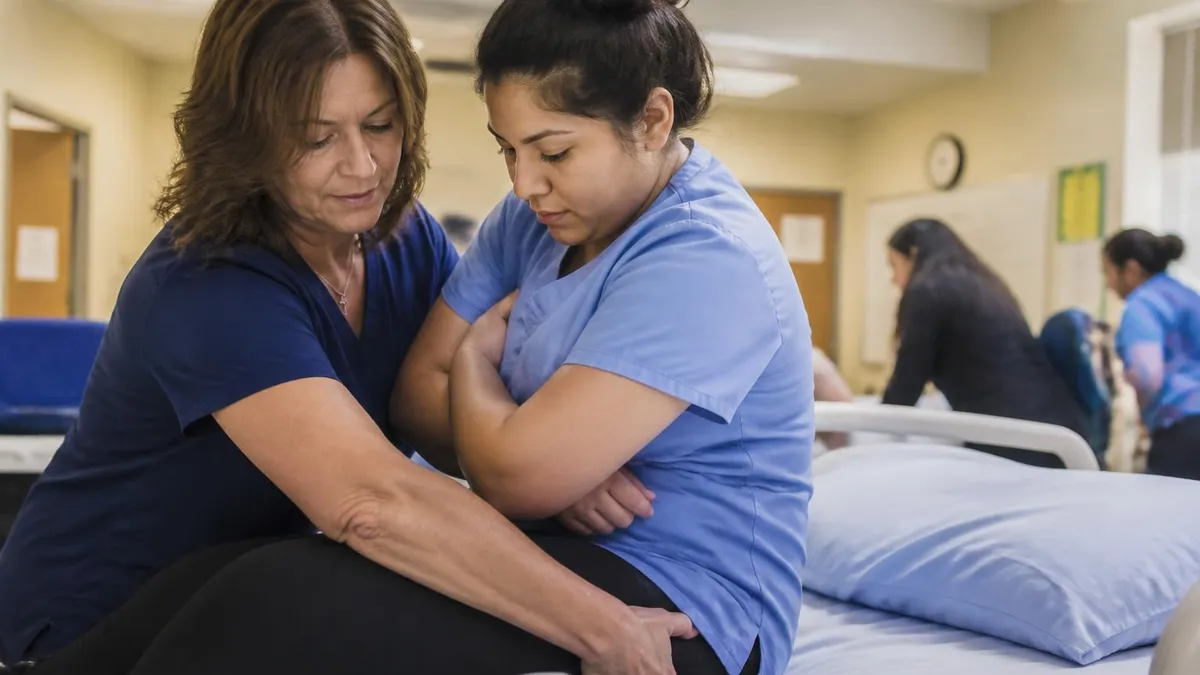
Core Duties: What a Home Health Aide Actually Does
Assists clients with bathing, dressing, oral care, hair washing, shaving, nail filing, and toileting. Aides also help with skin inspections, perineal care, and safe transfers from bed to chair using gait belts and proper body mechanics to prevent injury.
Measures and records vital signs including blood pressure, pulse, respiratory rate, temperature, weight, and pulse oximetry. Reports any unusual readings, changes in mental status, or new symptoms to the supervising nurse within agency protocols and care plan timelines.
Helps clients with prescribed range-of-motion exercises, ambulation, walker or cane use, and repositioning every two hours to prevent pressure ulcers. Supports physical therapy home exercise programs and documents progress for the rehabilitation team.
Plans and prepares meals consistent with diabetic, cardiac, renal, or pureed diets. Assists with feeding when needed, monitors fluid intake, encourages hydration, and reports appetite changes that may signal illness or medication side effects.
Performs tasks essential to client safety: laundry, dishes, bed-making, bathroom cleaning, and grocery shopping. Maintains a safe environment by removing trip hazards, checking smoke detectors, and ensuring medical equipment stays clean and operational.
Becoming a certified hha exchange login user starts with the right training program. Federal law sets 75 hours as the floor, but in practice most states layer additional requirements on top. New York demands 75 classroom hours plus 16 clinical hours and a competency evaluation. Florida requires 75 hours combined with HIV/AIDS education. Texas accepts 75 hours but adds an emphasis on Alzheimer's care. Always confirm your state's specific mandate before paying tuition or enrolling in a program.
Training programs come in three flavors: community college courses, vocational school certificates, and agency-sponsored bootcamps. Community colleges typically charge $400 to $1,200 and run six to twelve weeks. Vocational schools run faster, sometimes four weeks, but cost $800 to $2,000. Agency bootcamps are usually free if you commit to working for that agency after certification, making them the budget-friendly choice for career changers without savings.
The curriculum covers eight federally mandated content areas: communication skills, observation and documentation, infection control, basic nutrition, body mechanics, personal hygiene, basic emergency procedures, and recognizing physical, emotional, and developmental needs of clients. Expect classroom lectures, skills lab demonstrations on mannequins, role-play scenarios with classmates, and a final supervised clinical rotation in a real client's home or skilled facility.
Clinical hours are where confidence is built. You will practice bed baths, transfers, catheter care, and feeding under the eye of an RN preceptor. Most students report the first transfer feels terrifying and the tenth feels routine. Programs typically require 16 to 40 supervised clinical hours, and you must demonstrate competency on each skill before signing off.
After training, you sit for the state competency exam. It includes a written or oral knowledge test of 60 to 100 multiple-choice questions and a hands-on skills evaluation where you perform three to five randomly selected procedures in front of a nurse evaluator. Pass both portions and your name is added to the state nurse aide registry, which employers verify before hiring.
Certification is portable but not automatic. If you certify in New York and move to Pennsylvania, you can apply for reciprocity, but Pennsylvania may require a refresher course, a background check, and a fee. Keep your training records, exam scores, and clinical hours documentation forever. Recertification typically requires proof of paid employment within the last 24 months plus 12 hours of in-service training annually.
If you fail the exam on the first try, do not panic. Most states allow three attempts within two years before requiring full retraining. Common failure points include hand-washing time, glove removal technique, and forgetting privacy steps like knocking and curtain pulling. Free practice tests and skills videos can drill these habits into muscle memory before exam day arrives.

HHA Practice Test Questions
Prepare for the HHA - Home Health Aide exam with our free practice test modules. Each quiz covers key topics to help you pass on your first try.
HHA Basic Care and Comfort
HHA Exam Questions covering Basic Care and Comfort. Master HHA Test concepts for certification prep.
HHA Basic Care and Comfort Questions and A...
Free HHA Practice Test featuring Basic Care and Comfort Questions and Answers. Improve your HHA Exam score with mock test prep.
HHA Communication and Interpersonal Skills
HHA Mock Exam on Communication and Interpersonal Skills. HHA Study Guide questions to pass on your first try.
HHA Communication and Interpersonal Skills...
HHA Test Prep for Communication and Interpersonal Skills Questions and Answers. Practice HHA Quiz questions and boost your score.
HHA Infection Control and Safety
HHA Questions and Answers on Infection Control and Safety. Free HHA practice for exam readiness.
HHA Infection Control and Safety Questions...
HHA Mock Test covering Infection Control and Safety Questions and Answers. Online HHA Test practice with instant feedback.
HHA Mental and Emotional Support
Free HHA Quiz on Mental and Emotional Support. HHA Exam prep questions with detailed explanations.
HHA Mental and Emotional Support Questions...
HHA Practice Questions for Mental and Emotional Support Questions and Answers. Build confidence for your HHA certification exam.
HHA Mobility and Transfer Techniques
HHA Test Online for Mobility and Transfer Techniques. Free practice with instant results and feedback.
HHA Mobility and Transfer Techniques Quest...
HHA Study Material on Mobility and Transfer Techniques Questions and Answers. Prepare effectively with real exam-style questions.
HHA Nutrition and Hydration
Free HHA Test covering Nutrition and Hydration. Practice and track your HHA exam readiness.
HHA Nutrition and Hydration Questions and ...
HHA Exam Questions covering Nutrition and Hydration Questions and Answers. Master HHA Test concepts for certification prep.
HHA Observation and Reporting
Free HHA Practice Test featuring Observation and Reporting. Improve your HHA Exam score with mock test prep.
HHA Observation and Reporting Questions an...
HHA Mock Exam on Observation and Reporting Questions and Answers. HHA Study Guide questions to pass on your first try.
HHA Patient Rights and Ethics
HHA Test Prep for Patient Rights and Ethics. Practice HHA Quiz questions and boost your score.
HHA Patient Rights and Ethics Questions an...
HHA Questions and Answers on Patient Rights and Ethics Questions and Answers. Free HHA practice for exam readiness.
HHA Personal Care and Hygiene
HHA Mock Test covering Personal Care and Hygiene. Online HHA Test practice with instant feedback.
HHA Personal Care and Hygiene Questions an...
Free HHA Quiz on Personal Care and Hygiene Questions and Answers. HHA Exam prep questions with detailed explanations.
HHA Home Health Aide Certification Practic...
HHA Practice Questions for Home Health Aide Certification Practice Test. Build confidence for your HHA certification exam.
HHA Home Health Aide Certification Practic...
HHA Test Online for Home Health Aide Certification Practice Test #1. Free practice with instant results and feedback.
HHA Home Health Aide Certification Practic...
HHA Study Material on Home Health Aide Certification Practice Test #2. Prepare effectively with real exam-style questions.
HHA Home Health Aide Certification Practic...
Free HHA Test covering Home Health Aide Certification Practice Test #3. Practice and track your HHA exam readiness.
HHA Home Health Aide Certification Practic...
HHA Exam Questions covering Home Health Aide Certification Practice Test #4. Master HHA Test concepts for certification prep.
HHA HOME HEALTH AIDE COMPETENCY TEST
Free HHA Practice Test featuring HOME HEALTH AIDE COMPETENCY TEST. Improve your HHA Exam score with mock test prep.
HHA HOME HEALTH AIDE COMPETENCY TEST #1
HHA Mock Exam on HOME HEALTH AIDE COMPETENCY TEST #1. HHA Study Guide questions to pass on your first try.
HHA Home Health Aide Competency Test
HHA Test Prep for Home Health Aide Competency Test. Practice HHA Quiz questions and boost your score.
HHA Home Health Aide Competency Test #2
HHA Questions and Answers on Home Health Aide Competency Test #2. Free HHA practice for exam readiness.
HHA Exchange, Login Portals, and Daily Tools
HHA Exchange is the electronic visit verification platform used by hundreds of Medicaid-funded agencies across New York, Pennsylvania, Texas, and other states. When you clock in and out of a client's home, the system uses GPS or telephone verification to confirm you were physically present for the scheduled hours, which is required for Medicaid billing compliance under the 21st Century Cures Act.
The platform also handles your timesheet, plan of care viewing, in-service training records, and direct messaging with coordinators. Most aides interact with it through the HHA Exchange Mobile app, available on iOS and Android. Setting up your account correctly on day one prevents missed payments and visit-verification rejections down the line.
Is HHA Work Right for You? Honest Pros and Cons
- +Short training pathway, often free through workforce grants or agency sponsorship
- +High demand means you can find work in any city within weeks of certification
- +One-on-one client relationships build real friendship and emotional reward
- +Flexible scheduling including overnight, weekend, and live-in options
- +Direct stepping stone to CNA, LPN, RN, or social work careers
- +Many positions offer paid sick leave, health insurance, and 401k matching
- +Consumer-directed Medicaid programs let you get paid to care for family
- −Median wages remain below $17 per hour in many regions
- −Physical demands include lifting, bending, and long periods on your feet
- −Emotional weight of client decline, hospice transitions, and grief is real
- −Inconsistent hours when clients are hospitalized or change agencies
- −Driving between clients eats time and personal vehicle mileage
- −Limited career ceiling unless you pursue additional certifications
- −Risk of injury without strict adherence to body mechanics and PPE protocols
Pros and Cons at a Glance
| Pros | Cons |
|---|---|
| Short training pathway, often free through workforce grants or agency sponsorship | Physical demands include lifting, bending, and long periods on your feet |
| High demand means you can find work in any city within weeks of certification | Emotional weight of client decline, hospice transitions, and grief is real |
| One-on-one client relationships build real friendship and emotional reward | Inconsistent hours when clients are hospitalized or change agencies |
| Flexible scheduling including overnight, weekend, and live-in options | Driving between clients eats time and personal vehicle mileage |
| Direct stepping stone to CNA, LPN, RN, or social work careers | Limited career ceiling unless you pursue additional certifications |
| Consumer-directed Medicaid programs let you get paid to care for family | Risk of injury without strict adherence to body mechanics and PPE protocols |
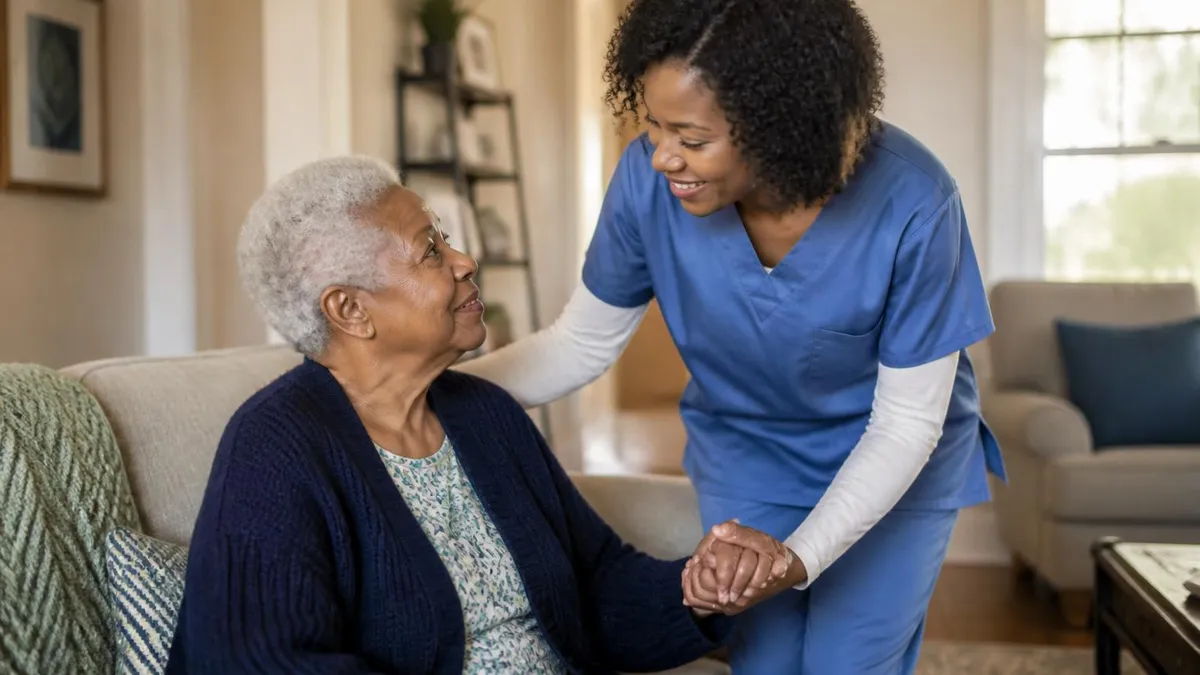
Essential Skills Checklist Every New HHA Must Master
- ✓Perform hand hygiene for at least 20 seconds before and after every client contact
- ✓Take and record blood pressure, pulse, respiration, and temperature accurately
- ✓Transfer a client safely from bed to wheelchair using a gait belt
- ✓Provide complete bed bath while maintaining client privacy and dignity
- ✓Reposition bedridden clients every two hours to prevent pressure injuries
- ✓Recognize early signs of stroke using the FAST assessment method
- ✓Document vital signs, intake, output, and behavior changes objectively
- ✓Apply standard precautions and PPE for infection control
- ✓Communicate respectfully with clients who have dementia or aphasia
- ✓Respond appropriately to choking, falls, seizures, and chest pain emergencies
- ✓Follow the written plan of care without adding unapproved tasks
- ✓Report abuse, neglect, or exploitation to your supervising nurse immediately
Documentation is your shield, not your chore.
The aides who survive five, ten, even twenty years in this field treat their visit notes like legal evidence. Every objective observation you record protects you from false allegations, supports billing, and helps the nurse spot decline early. Build the documentation habit in your first week and it becomes second nature forever.
Compensation for home health aides has climbed faster than almost any other entry-level healthcare role over the past five years. The national median sits at $34,300 annually for full-time aides, but that number hides huge regional variation. Massachusetts, Washington, Alaska, North Dakota, and California consistently pay above $20 per hour, while Mississippi, Louisiana, and West Virginia hover near the federal minimum-plus tier. Cost of living matters, but so does state Medicaid reimbursement rates that determine what agencies can offer.
Beyond base wages, smart aides stack additional income streams. Overtime at time-and-a-half is common in busy markets. Holiday shifts often pay double. Live-in assignments compensate either through a daily flat rate ($200-$300 for 24 hours) or through hourly billing for waking hours. Sleep time and mealtimes are typically uncompensated under federal law, so always verify how your live-in contract structures pay before accepting.
Consumer-directed Medicaid programs have transformed family caregiving economics. Programs like CDPAP in New York, IHSS in California, and Veterans Directed Care across the country allow eligible family members to be hired as paid caregivers for their own relatives. Pay ranges from $15 to $22 per hour depending on state, and family aides receive the same training requirements, taxes, and worker protections as agency employees.
Benefits packages have improved dramatically as agencies compete for talent. Larger organizations like BAYADA, Right at Home, and Visiting Angels now offer paid time off, employer-subsidized health insurance, dental and vision, retirement matching, paid training hours, mileage reimbursement, and referral bonuses up to $1,000. Smaller agencies may pay slightly more per hour but skip benefits, so calculate total compensation when comparing offers.
Career advancement from HHA is one of the most underrated features of the role. Many aides go on to complete CNA bridge programs in just two to four weeks, earning facility-eligible status and another dollar or two per hour. From CNA, the LPN bridge takes 12 to 18 months and roughly doubles the salary. Hospital-based RN programs often grant tuition reimbursement to caregivers who agree to a multi-year work commitment after graduation.
Specialization is another path. Aides can earn certifications in dementia care, hospice and palliative care, pediatric home care, ventilator-dependent client care, and wound care. Each certificate typically takes 8 to 40 hours of additional training, costs $100 to $500, and unlocks higher-paying assignments. Hospice-trained aides in particular command premium rates because of the emotional and clinical demands.
Tax considerations matter when planning your finances. W-2 employees of agencies have taxes withheld automatically and qualify for unemployment insurance. Independent contractors hired directly by families receive 1099s and must pay quarterly self-employment taxes. Many states have cracked down on agencies misclassifying aides as 1099, so if you receive one, double-check the legal definition of an employee versus contractor in your state.
Every state runs criminal background checks before adding you to the nurse aide registry. Disqualifying convictions typically include any abuse, neglect, exploitation, theft from a vulnerable adult, drug trafficking, or sex offenses. Many states allow waiver applications for older non-violent offenses, so do not assume an old record automatically blocks you. Consult your state department of health early in your training journey.
Knowing what a HHA cannot do is just as important as knowing the duties. Federal and state regulations draw a hard line between aide-level tasks and licensed nursing tasks. Crossing that line, even with good intentions, can cost your certification, expose your agency to lawsuits, and harm a client. Every aide should review the hha exchange training videos covering scope of practice multiple times before starting their first solo visit.
HHAs cannot administer medications in most states. You can remind a client that it is time for a pill, hand them the bottle, open childproof caps, and observe them take it. You cannot pour the medication into your own hand and place it in their mouth unless your state has a specific medication-assistance certification and your agency has approved that delegation in writing through a registered nurse.
Wound care is restricted. Aides can observe and report wounds, keep dressings clean and dry, and reinforce a loose dressing with tape. Aides cannot change sterile dressings, irrigate wounds, apply prescription topicals, debride tissue, or pack open wounds. Even seemingly simple tasks like applying over-the-counter antibiotic ointment to a scrape often require explicit nurse approval depending on agency policy.
Sterile procedures are off-limits. That includes inserting or removing urinary catheters, changing colostomy bags in some states, deep suctioning, administering injections, starting IVs, drawing blood, or performing finger-stick glucose testing in many jurisdictions. You can empty catheter bags, measure urine output, and report changes, but the sterile interventions belong to nurses.
Aides cannot provide skilled assessments. You can observe and report what you see, but diagnostic language is forbidden. You can write 'client's left ankle appears red, warm, and swollen with skin tight to touch' but you cannot write 'client has cellulitis' or 'I think this is a DVT.' Stick to what your eyes, ears, nose, and hands directly observed.
Driving clients in your personal vehicle is usually prohibited unless your agency carries specific livery insurance. Even running quick errands like grocery store trips with the client buckled in your car can void your auto policy and the agency's liability coverage. If a client needs transportation, the standard answer is medical transport service, a family member, or paratransit.
Finally, never accept gifts, money, or items willed to you by clients. Even a $20 holiday tip can be considered an ethics violation in some agencies. Refusing politely with 'agency policy doesn't allow gifts, but thank you so much' preserves the relationship without compromising your job. Document any gift attempt in your visit notes for transparency.
Now that you understand what a HHA is, the duties involved, the certification path, the salary picture, and the scope limitations, the practical question is how to start. The first move is choosing a training program that matches your timeline and budget. Search your state department of health website for an approved program list, then call three programs to compare costs, schedules, and job placement rates. Avoid any program not on the approved state list, because their certificates will not unlock state registry approval.
Apply for financial aid before paying out of pocket. Workforce Innovation and Opportunity Act (WIOA) grants cover 100% of training costs for unemployed and underemployed adults in most states. State-level programs like New York's HHA training reimbursement and California's Care Economy fund offer similar coverage. Many large agencies including BAYADA, Visiting Angels, Honor, and Right at Home run free in-house training with a six-month or twelve-month employment commitment.
Prepare for the competency exam from day one. Buy or borrow a current edition of a state-specific test prep book like Hartman's Nursing Assistant Care or Mosby's Textbook for Nursing Assistants. Take free online practice quizzes daily during training. Watch skills videos on YouTube to see the exact order of steps evaluators look for. Practice on willing family members so the physical motions feel natural under exam pressure.
Build a job-ready resume even before certification. Include any caregiving experience, even informal, like caring for an aging parent, babysitting children with disabilities, volunteering at a senior center, or working in a daycare. Highlight customer-service jobs that demonstrated patience and reliability. Add CPR and First Aid certifications if you have them, since many agencies prefer or require AHA Basic Life Support.
Interview at multiple agencies before accepting an offer. Ask about average client caseload, on-call expectations, mileage reimbursement, scheduling flexibility, and how complaints from clients are handled. Visit the office in person to gauge culture. The best agencies treat coordinators like teammates, communicate respectfully, and have clear escalation paths when a client becomes difficult or a safety issue arises during a visit.
Once hired, treat your first 90 days as an extended interview. Show up early, document thoroughly, ask questions when uncertain, and never call out without proper notice. Build relationships with your coordinator and the supervising RN, because they decide which premium shifts and steady clients you get assigned. Aides who develop a reputation for reliability and clean documentation in the first three months often double their hourly take-home within two years through raises, premium assignments, and shift differentials.
Finally, plan your career trajectory now. Decide whether you want to stay as a senior HHA earning higher rates through specialization, or use HHA as a launchpad to CNA, LPN, RN, social work, or healthcare administration. Map out the credit hours, exam fees, and timeline for the next step. The aides who treat this role as a deliberate career stage, not just a paycheck, tend to thrive financially and emotionally for decades in the field.
Sample HHA Practice Questions
Try these questions from our free HHA practice tests. The correct answer and an explanation follow each question.
A client is receiving oxygen through a nasal tube. What safety precautions should the home health aide take?
- A. Keep the television set at least 5 feet from the oxygen tank
- B. Do not permit the client to drink soda.
- C. Allow no smoking in the client’s room
- D. Do not use any lotions that contain oil in the client’s care.
Answer: C. Allow no smoking in the client’s room
Oxygen is highly flammable and can intensify fires. Therefore, any open flames or sources of ignition, such as smoking, must be strictly prohibited in an environment where oxygen is being used. This is a critical safety precaution to prevent severe burns, explosions, or fires, ensuring the safety of both the client and the aide.
What is the correct order for DONNING (putting on) PPE?
- A. Gloves, gown, mask, goggles
- B. Gown, mask/respirator, goggles, gloves
- C. Mask, gloves, gown, goggles
- D. Goggles, gloves, gown, mask
Answer: B. Gown, mask/respirator, goggles, gloves
The correct donning sequence is gown first, then mask/respirator, then goggles/face shield, and finally gloves.
What is the role of observation in patient care?
- A. To provide medical diagnoses.
- B. To assess and report the patient’s condition
- C. To administer treatments.
- D. To perform administrative tasks.
Answer: B. To assess and report the patient’s condition
Observation helps the home health aide assess the patient's condition, monitor changes, and identify potential issues that may require intervention.
What should an HHA do if a client refuses to take their prescribed medication?
- A. Crush the medication and mix it into food without telling the client
- B. Force the client to take the medication
- C. Document the refusal and report it to the supervisor
- D. Give the medication to the client later without charting
Answer: C. Document the refusal and report it to the supervisor
Clients have the right to refuse treatment; the HHA must document the refusal and notify the supervising nurse or agency.
HHA Questions and Answers
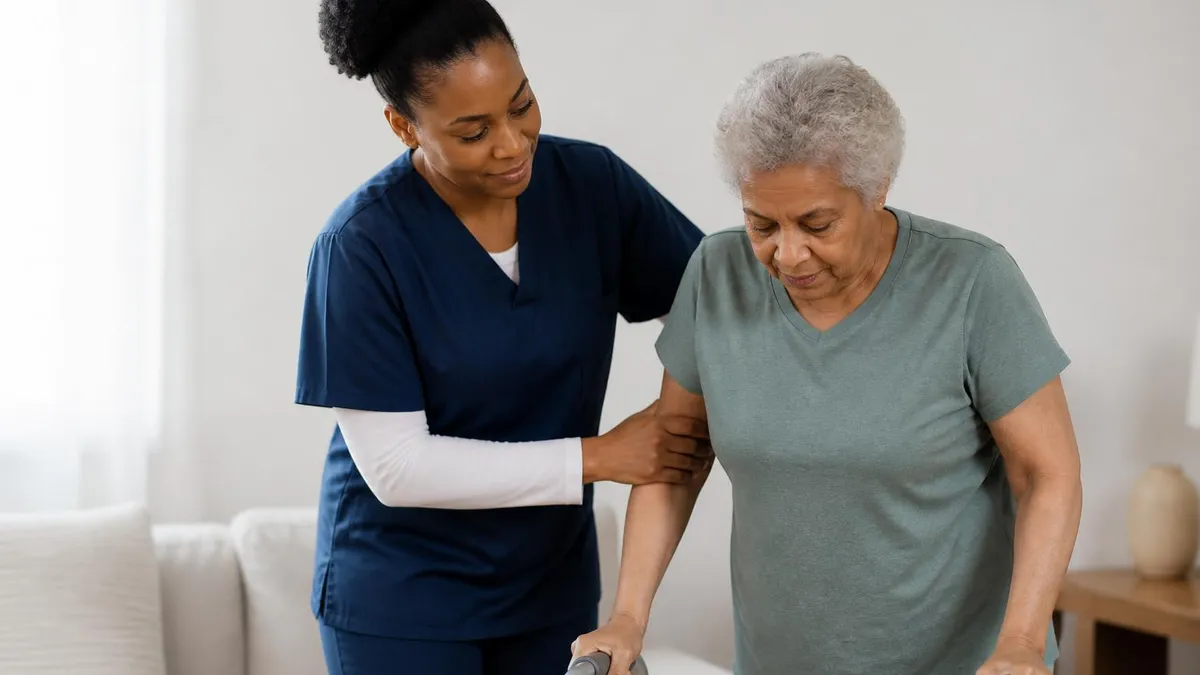
HHA Agencies Near Me: How to Find, Vet, and Choose the Right Home Health Aide Employer
HHA Practice Test Video Answers

HHA Jobs Near Me — How to Find, Train, and Start Your Career
HHA Video Questions and Answers — What You'll Actually Face
What Home Health Aides Are Not Allowed to Do — Scope Limitations
About the Author

Registered Nurse & Healthcare Educator
Johns Hopkins University School of NursingDr. Sarah Mitchell is a board-certified registered nurse with over 15 years of clinical and academic experience. She completed her PhD in Nursing Science at Johns Hopkins University and has taught NCLEX preparation and clinical skills courses for nursing students across the United States. Her research focuses on evidence-based exam preparation strategies for healthcare certification candidates.
Join the Discussion
Connect with other students preparing for this exam. Share tips, ask questions, and get advice from people who have been there.
View discussion (8 replies)