
Truck Mounted Forklift: Complete Guide to Types, Uses, Certification, and Forklift Rental
🏆 Learn everything about truck mounted forklifts: types, uses, certification of forklift requirements, forklift rental costs, and operator training tips for 2026 September.
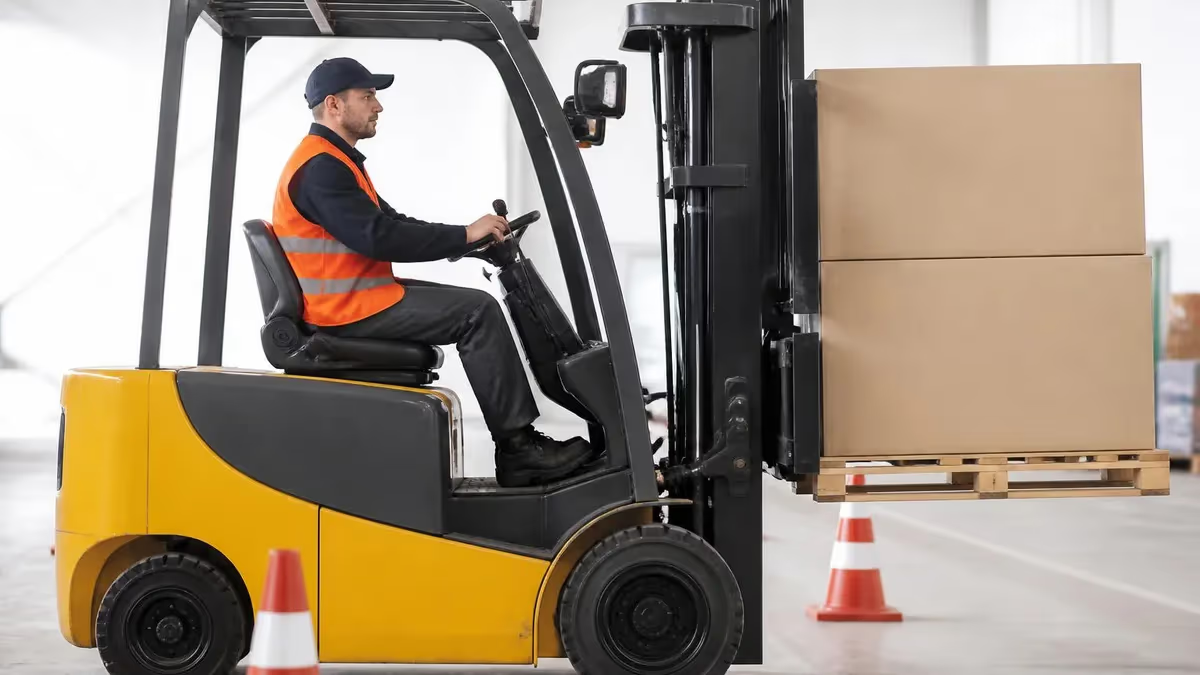
Forklift rental is one of the most cost-effective ways for businesses to access a truck mounted forklift without the burden of full ownership. A truck mounted forklift — sometimes called a piggyback forklift or vehicle-mounted forklift — is a compact material handling machine that attaches directly to the rear of a delivery truck or flatbed trailer, allowing operators to unload cargo at any destination regardless of whether a loading dock or warehouse forklift is available. These machines have transformed last-mile delivery logistics across industries including construction, landscaping, retail distribution, and agriculture.
Unlike traditional warehouse forklifts, truck mounted models travel with the cargo they are meant to move. When the delivery truck arrives on-site, the operator dismounts the forklift from the vehicle's frame, uses it to offload pallets, equipment, or bulk materials, and then re-mounts it before driving away. This self-sufficiency is invaluable for businesses delivering to job sites, rural locations, or customers without material handling infrastructure. Understanding the different configurations, weight capacities, and forklift training requirements helps operators and fleet managers make smarter decisions.
The forklifts market in the United States is large and growing, with truck mounted units representing a specialized but important segment. Typical truck mounted forklifts have lift capacities ranging from 2,500 pounds to 6,000 pounds, with mast heights between 8 and 16 feet. Their compact wheelbase and low overall weight — usually between 1,800 and 3,500 pounds for the forklift itself — make them compatible with most commercial trucks rated at 26,000 pounds GVWR or higher. Selecting the right unit requires matching forklift capacity to both the cargo being delivered and the truck's payload capacity after mounting.
From a regulatory standpoint, operating any powered industrial truck in a workplace setting falls under OSHA Standard 29 CFR 1910.178. This means every forklift operator must complete formal certification of forklift training before being authorized to run a truck mounted machine commercially. The certification process includes classroom instruction covering stability, load dynamics, and pre-operation inspection, followed by hands-on evaluation specific to the type of equipment being used. Employers are responsible for ensuring training is completed and documented, with re-evaluation required every three years or after any incident involving the equipment.
This guide covers everything you need to know about truck mounted forklifts: how they work, which industries rely on them most, what the certification process involves, how forklift rental pricing compares to purchase costs, and what operators should know before their first shift.
Whether you are a forklift operator exploring a new equipment type, a business owner evaluating a forklift for sale, or a fleet manager considering forklift rentals, this resource provides detailed, practical information grounded in current industry standards and real-world operational experience. We will also compare truck mounted units against stand up forklift and electric forklift alternatives so you can determine the best fit for your specific workflow and budget.
Safety is the central concern for any forklift operator working with vehicle-mounted equipment. Dismounting and remounting the forklift on a public road or uneven job site introduces hazards that do not exist in controlled warehouse environments. Proper operator training, daily pre-shift inspections, and adherence to the manufacturer's attachment and detachment procedures dramatically reduce accident risk. The sections below address these safety concerns in detail, providing checklists and best practices derived from OSHA guidelines and manufacturer recommendations that every operator and fleet manager should internalize before putting a truck mounted unit into service.
Finally, the economics of truck mounted forklifts deserve careful attention. Purchasing a new unit can cost between $18,000 and $45,000 depending on capacity and brand, while a quality used unit may run $8,000 to $20,000. For businesses with seasonal or project-based delivery needs, truck mounted forklift tire selection and maintenance costs add to the total cost of ownership.
Forklift rental near me searches consistently show daily rental rates between $150 and $350 for truck mounted models, making short-term rentals a financially sound alternative for operations that do not need year-round equipment access. The following sections break down all of these cost factors in detail so you can build an accurate budget for your operation.
Truck Mounted Forklift by the Numbers
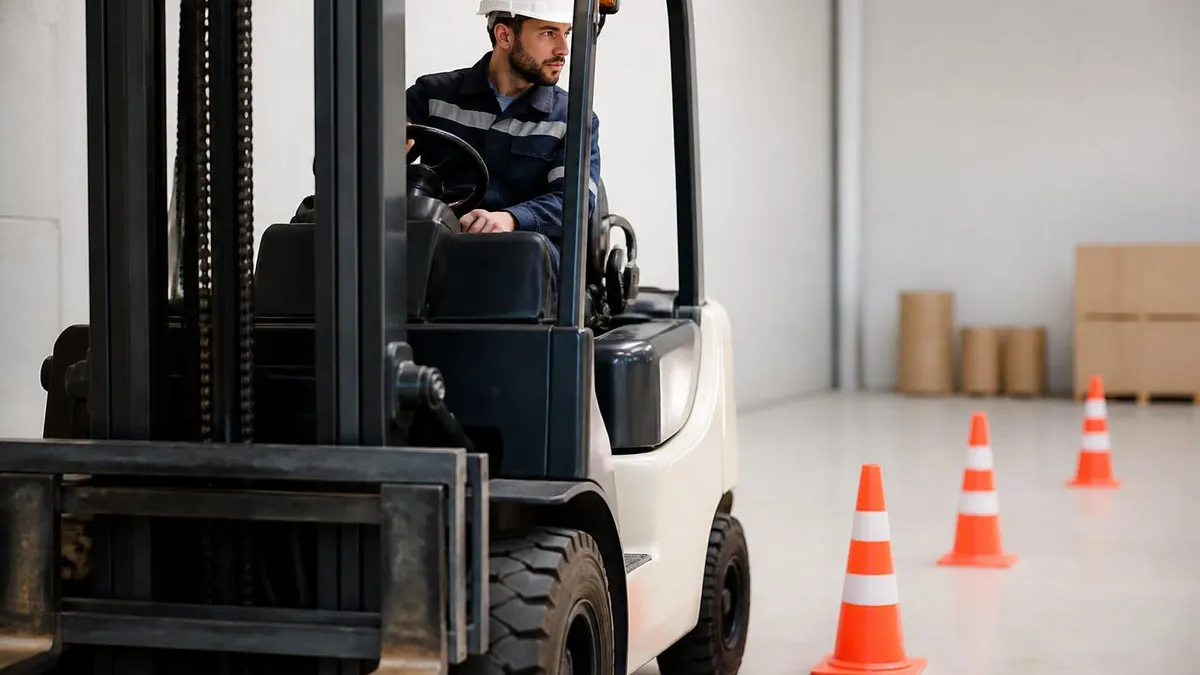
Main Types of Truck Mounted Forklifts
The most common truck mounted design, featuring a folding mast and compact frame that straddles the truck's rear frame rails. Capacities typically range from 2,500 to 4,000 pounds. Ideal for pallet delivery to residential and commercial sites without loading docks.
A brand name that has become synonymous with truck mounted forklifts. Moffett models offer robust build quality, excellent terrain handling, and capacities up to 6,000 pounds. Widely used in lumber, building materials, and beverage distribution industries across the United States.
European-engineered truck mounted forklifts known for precision hydraulics and higher lift heights. Often chosen for specialty cargo like glass, stone, or equipment requiring careful placement. Higher upfront cost but lower long-term maintenance expenses due to quality components.
Most truck mounted forklifts run on diesel for fuel efficiency and torque at low RPM. Gasoline models exist for lighter-duty applications. Unlike electric forklift warehouse units, truck mounted machines almost always use internal combustion engines due to outdoor use and weight constraints.
Understanding how a truck mounted forklift operates in practice requires looking at both the mechanical attachment system and the day-to-day workflow of a typical delivery. Most units mount to the truck's rear subframe using a proprietary bracket system that distributes the forklift's weight across the frame rails.
The mounting process takes an experienced operator about five minutes and involves driving the forklift up ramps or using a hydraulic lift assist to position the unit securely. Once mounted, the forklift travels with the truck and typically does not significantly affect the truck's handling if properly loaded within the vehicle manufacturer's specified axle ratings.
Upon arriving at the delivery location, the operator engages the mounting bracket release, reverses the forklift off the truck, and proceeds to unload cargo. Stability is a critical concern during this phase. Truck mounted forklifts operate on uneven surfaces including gravel driveways, sloped jobsite terrain, and grass fields — conditions far more challenging than the smooth concrete floors of a warehouse. Operators must assess ground conditions before every lift and adjust travel speed, load position, and mast tilt accordingly. The forklift's relatively short wheelbase compared to a full-size counterbalance machine means load management is especially important to prevent tip-overs.
The hydraulic systems on truck mounted forklifts are powered by the unit's onboard engine rather than the truck's hydraulic circuit. This independence means the forklift can operate even when the delivery truck is switched off. Hydraulic fluid levels, hose condition, and cylinder seals require regular inspection as part of the daily pre-shift checklist. Many operators neglect hydraulic system maintenance until a visible leak develops, but slow hydraulic response or inconsistent lift speed are early warning signs that merit immediate attention before the forklift is used for another shift.
Modern truck mounted forklifts increasingly incorporate electronic load weight indicators, hour meters for maintenance scheduling, and even telematics systems that report operating data to fleet managers in real time. These technology upgrades help fleet operators track service intervals, monitor operator behavior, and ensure that each unit is not being overloaded in the field. Some forklift for sale listings now include these telematics packages as standard equipment on new units, recognizing that data-driven maintenance reduces total ownership cost over the equipment's operational lifespan of typically eight to fifteen years.
From an industry perspective, the beverage distribution sector was one of the earliest adopters of truck mounted forklifts, using them to deliver kegs and cases to bars, restaurants, and grocery stores that lack receiving docks. The construction materials industry followed, with lumber yards and building supply companies relying on these machines to place heavy loads precisely on multi-story job sites or in tight residential driveways.
Today, the equipment rental industry itself uses truck mounted forklifts to deliver and retrieve rented construction equipment, creating a layered dependency where the forklift is both the tool being rented and the tool used to service the rental operation.
Forklift rentals for truck mounted units are available from national chains like Sunbelt Rentals and United Rentals as well as regional independent dealers. When searching for forklift rental near me, prospective renters should ask specifically about whether the rental includes the truck mounting bracket compatible with their vehicle, what fuel costs are covered, and whether operator training or familiarization is included in the rental agreement. Some rental agreements require the renter to demonstrate current certification of forklift training before the equipment can be released, which underscores why maintaining current certification is practically important beyond simple regulatory compliance.
Maintenance schedules for truck mounted forklifts follow a similar structure to other forklifts but with additional attention to road travel stresses. Every 250 hours or quarterly, operators should inspect wheel bearings, check tire pressure and condition on the forklift itself, verify that all mounting bracket hardware is torqued to specification, and service the engine according to the manufacturer's recommendations.
Because these machines experience constant vibration during road transport in addition to the stresses of normal lifting operation, fastener loosening is a more common issue than on stationary warehouse forklifts. Carrying a torque wrench and a basic fastener kit on every delivery run is a best practice embraced by experienced operators.
Forklift certification Practice Test Questions
Prepare for the Forklift certification Certification exam with our free practice test modules. Each quiz covers key topics to help you pass on your first try.
Forklift certification Certification Forkl...
Forklift certification Exam Questions covering Certification Forklift certification Maintenance and Repairs. Master Forklift certification Test concepts for certification prep.
Forklift certification Certification Forkl...
Free Forklift certification Practice Test featuring Certification Forklift certification Maintenance and Repairs Questions and Answers. Improve your Forklift certification Exam score with mock test prep.
Forklift certification Certification Forkl...
Forklift certification Mock Exam on Certification Forklift certification Operator Training and Certification Requirements. Forklift certification Study Guide questions to pass on your first try.
Forklift certification Certification Forkl...
Forklift certification Test Prep for Certification Forklift certification Operator Training and Certification Requirements Questions and Answers. Practice Forklift certification Quiz questions and boost your score.
Forklift certification Load Handling and S...
Forklift certification Questions and Answers on Load Handling and Stability. Free Forklift certification practice for exam readiness.
Forklift certification OSHA Regulations an...
Forklift certification Mock Test covering OSHA Regulations and Compliance. Online Forklift certification Test practice with instant feedback.
Forklift certification Pre-Operation Inspe...
Free Forklift certification Quiz on Pre-Operation Inspections. Forklift certification Exam prep questions with detailed explanations.
Forklift certification Refueling and Recha...
Forklift certification Practice Questions for Refueling and Recharging Procedures. Build confidence for your Forklift certification certification exam.
Forklift certification Safe Driving and Ma...
Forklift certification Test Online for Safe Driving and Maneuvering. Free practice with instant results and feedback.
Forklift certification Workplace Hazard Id...
Forklift certification Study Material on Workplace Hazard Identification. Prepare effectively with real exam-style questions.
Forklift certification Forklift Instructions
Free Forklift certification Test covering Forklift Instructions. Practice and track your Forklift certification exam readiness.
Forklift certification Forklift MCQ
Forklift certification Exam Questions covering Forklift MCQ. Master Forklift certification Test concepts for certification prep.
Forklift certification Forklift Employer R...
Free Forklift certification Practice Test featuring Forklift Employer Responsibilities. Improve your Forklift certification Exam score with mock test prep.
Forklift certification Forklift Penalties ...
Forklift certification Mock Exam on Forklift Penalties for Non-Compliance. Forklift certification Study Guide questions to pass on your first try.
Forklift Training and Certification of Forklift Requirements
OSHA Standard 29 CFR 1910.178 mandates that every powered industrial truck operator complete formal training before operating any forklift, including truck mounted units, in a workplace setting. Training must cover pre-operation inspection, load handling, stability principles, refueling procedures, and pedestrian safety. Employers must document all training and conduct a practical evaluation to confirm competency. Re-evaluation is required every three years or after any accident, near-miss incident, or observed unsafe behavior by the operator.
There is no single national forklift license issued by OSHA — instead, the employer is responsible for certifying each operator for the specific type of equipment they will use. A certification for a counterbalanced warehouse forklift does not automatically qualify an operator to run a truck mounted unit. Operators moving to vehicle-mounted equipment must receive supplemental training covering outdoor terrain operation, mounting and dismounting procedures, and road transport considerations specific to truck mounted configurations.
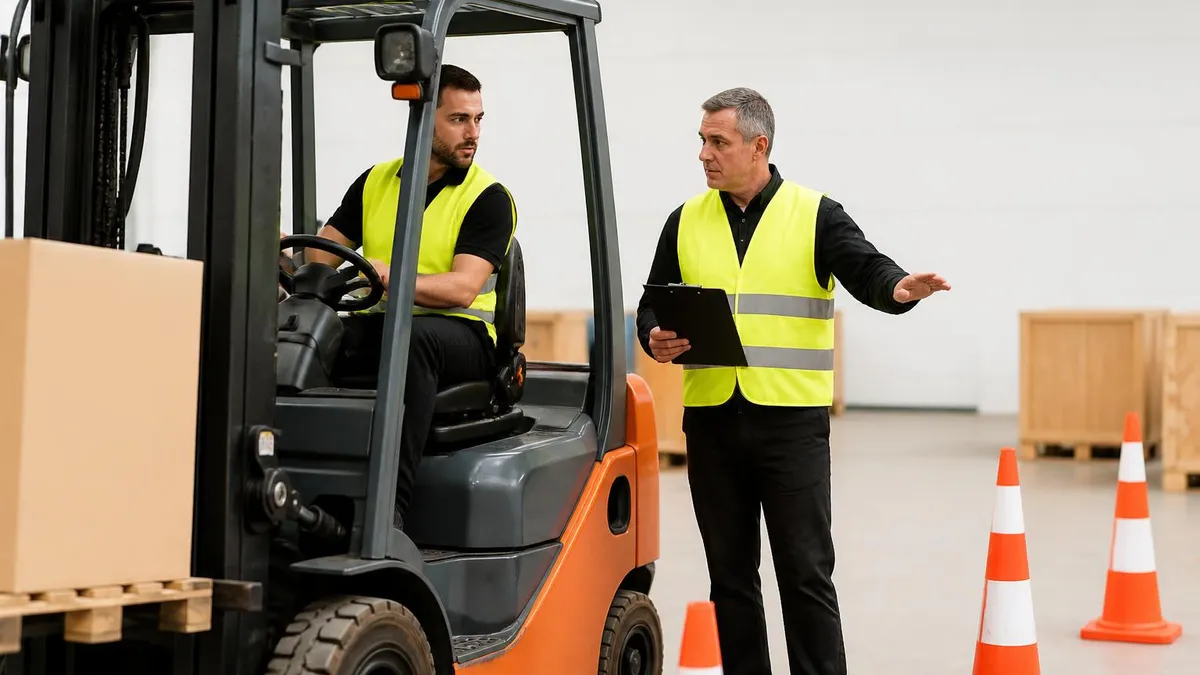
Truck Mounted Forklift: Advantages and Disadvantages
- +Enables deliveries to locations without loading docks or warehouse equipment
- +Eliminates the need for customers to have their own forklift on-site
- +Reduces delivery time by keeping the forklift and cargo on a single vehicle
- +Compact design adds minimal weight and drag during road transport
- +Works on a wide range of outdoor terrain including gravel, grass, and slopes
- +Significantly expands the range of delivery locations a single truck can serve
- −Higher initial purchase cost compared to basic warehouse forklifts
- −Reduces the truck's payload capacity by the weight of the mounted forklift
- −Requires operator certification specific to vehicle-mounted equipment
- −Outdoor terrain operation increases tip-over risk compared to indoor forklifts
- −Maintenance complexity is higher due to road transport vibration and weather exposure
- −Mounting and dismounting at each delivery location adds time to every stop
Forklift Operator Pre-Operation Safety Checklist
- ✓Verify the mounting bracket is fully engaged and all locking pins are secured before road travel.
- ✓Check engine oil, hydraulic fluid, and coolant levels before the first lift of the day.
- ✓Inspect all four forklift tires for proper inflation, cuts, and embedded debris.
- ✓Test all hydraulic functions — lift, tilt, and any attachments — before loading cargo.
- ✓Confirm the rated capacity placard is visible and matches the loads being handled today.
- ✓Assess the delivery site ground conditions for slopes, soft soil, or overhead obstructions.
- ✓Ensure the operator's current certification card covers this specific type of equipment.
- ✓Check that the parking brake engages and holds on the steepest grade at the delivery site.
- ✓Verify all safety lights, horn, and backup alarm are functional before operating near pedestrians.
- ✓Confirm the load is stable and within the forklift's rated capacity before lifting above ground level.
Tip-Over Accidents Are the Leading Cause of Forklift Fatalities
OSHA data consistently shows that forklift tip-overs account for the majority of fatal forklift accidents in the United States. Truck mounted forklifts operating on outdoor terrain face significantly higher tip-over risk than warehouse machines. Operators must keep loads low during travel, approach slopes at the correct angle, and never exceed the rated capacity — even by small margins. When in doubt, make two trips with a lighter load rather than one overloaded trip.
The cost comparison between forklift rental and outright purchase is one of the most practically important decisions a business owner or fleet manager faces when adding truck mounted forklift capability to a delivery operation.
For businesses that make deliveries requiring a truck mounted unit fewer than 80 to 100 days per year, forklift rental is almost always the more cost-effective option when total costs including purchase price, financing interest, insurance, maintenance, storage, and depreciation are factored together. Beyond that usage threshold, ownership typically begins to offer a better return on investment, assuming the business has the capital or financing capacity to absorb the upfront cost.
New truck mounted forklifts from established brands like Moffett, Manitou, and Palfinger typically list between $18,000 and $45,000 depending on lift capacity, mast height, and included technology features. Financing these purchases over 48 to 60 months at current commercial equipment loan rates adds roughly 15 to 25 percent to the total cost.
A unit purchased for $30,000 financed over five years at 7 percent interest carries a total cost of approximately $35,600 plus insurance, maintenance, and any required downtime repairs. Well-maintained units typically hold 40 to 60 percent of their value after five years of service, which means the net cost after resale is closer to $14,000 to $21,000 for the ownership period.
Forklift rentals from national companies run between $150 and $350 per day for truck mounted models, with weekly rates typically discounted to $600 to $1,200 and monthly rates ranging from $1,800 to $3,500. When searching for forklift rental near me, local independent dealers sometimes offer lower rates than national chains, especially for longer-term agreements. Monthly rentals for businesses that need equipment for a seasonal peak — construction season, harvest season, or holiday retail delivery surges — often represent the sweetest financial spot between daily rates and ownership costs.
Beyond daily rental rates, businesses must account for additional forklift rental costs including transportation fees if the rental company delivers the unit, fuel costs which are almost always the renter's responsibility, and insurance requirements. Most rental agreements require the renter to carry liability insurance covering the rented equipment to at least $1,000,000 per occurrence.
Businesses that already carry commercial auto and general liability policies should verify with their insurance broker whether rented forklifts are automatically covered or whether a separate equipment floater is needed — failing to verify this before signing a rental agreement is a costly mistake that experienced fleet managers learn to avoid early in their careers.
For businesses exploring a forklift for sale rather than renting, the used equipment market offers significant savings over new units but requires careful due diligence. A used truck mounted forklift with 1,500 to 3,000 hours of operation from a reputable dealer might sell for $10,000 to $22,000, representing 40 to 60 percent savings over a comparable new unit.
Before purchasing any used forklift, buyers should obtain maintenance records, have a qualified mechanic perform an independent inspection of the hydraulic system and engine, and verify that the mounting bracket is compatible with the specific trucks in their delivery fleet. Incompatible mounting hardware can cost $1,500 to $4,000 to rectify and is a common hidden expense that catches buyers off guard.
The decision between diesel and other power sources also affects long-term cost. Unlike electric forklift models used in warehouse settings, truck mounted forklifts run on diesel in the vast majority of applications. Diesel fuel consumption for a truck mounted unit averages 0.8 to 1.4 gallons per hour of operation depending on load cycles and engine size.
At current diesel prices, this translates to roughly $3.50 to $6.00 per operating hour in fuel costs alone. Over a five-year ownership period with average utilization of 1,000 hours per year, fuel represents a total additional cost of $17,500 to $30,000 — a significant figure that should always be included in any honest total cost of ownership calculation when evaluating whether to purchase or continue renting.
Stand up forklift models used in narrow-aisle warehouse applications offer a useful cost comparison point. A new stand up forklift designed for indoor use typically costs $15,000 to $28,000 — comparable to a truck mounted unit — but has dramatically lower maintenance costs because it operates on smooth floors, uses electric power, and does not experience road transport vibration.
This comparison highlights why truck mounted forklifts command a slight price premium in both purchase and rental markets: the engineering required to build a machine capable of robust outdoor terrain performance, road transport vibration resistance, and reliable operation across extreme weather conditions is genuinely more complex than engineering a warehouse-optimized unit.
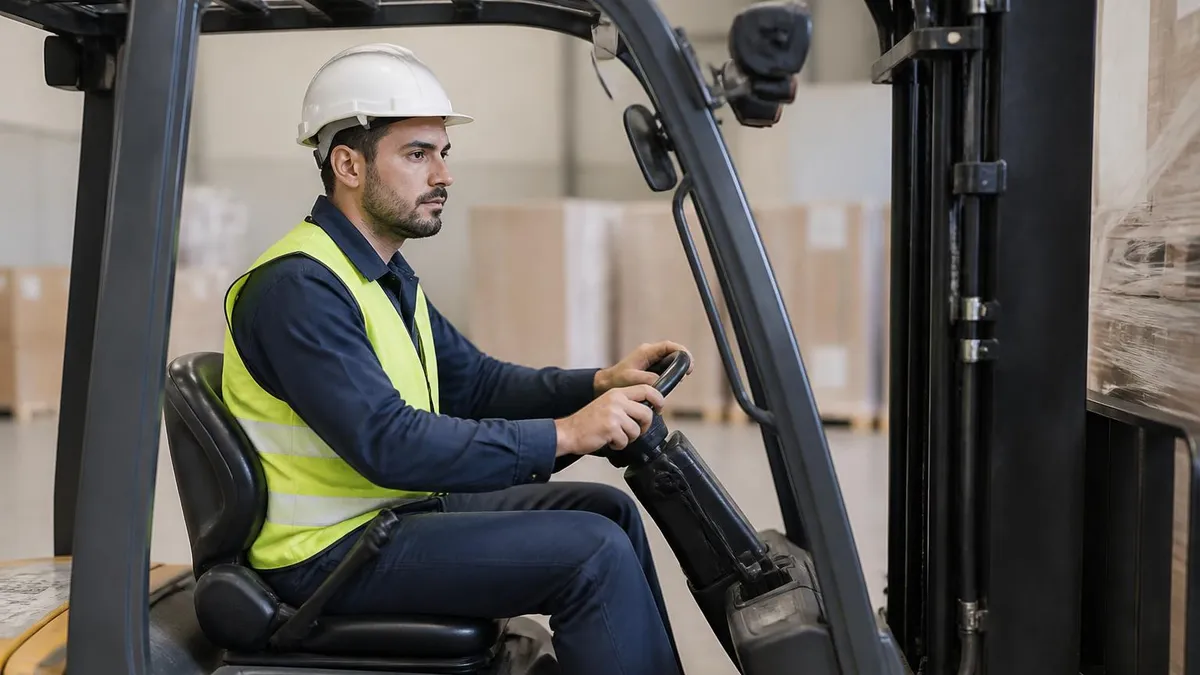
Many forklift rental agreements include damage waiver charges, mandatory fuel surcharges, and early return penalties that are not prominently disclosed in advertised rates. Always request a complete written rental agreement before signing, and confirm whether the quoted rate includes or excludes transportation delivery, mounting bracket rental, and mandatory damage waiver fees. These add-ons can increase the effective daily cost by 20 to 40 percent above the advertised headline rate.
Choosing the right truck mounted forklift for your operation requires balancing lift capacity, truck compatibility, terrain demands, and budget in a way that generic equipment catalogs rarely help you work through. The single most important starting point is your truck's rated payload capacity and rear axle rating after accounting for the weight of your typical cargo load. A forklift that is too heavy for your truck's axle rating is not just a regulatory violation — it is a genuine safety hazard that compromises braking performance, steering response, and structural integrity of the vehicle frame during road transport.
Most Class 6 and Class 7 delivery trucks with GVWR ratings between 19,501 and 33,000 pounds can accommodate truck mounted forklifts in the 2,500 to 4,000 pound lift capacity range without exhausting payload reserves. Class 8 heavy trucks with 33,001 pound and above GVWR ratings can typically carry higher capacity units in the 5,000 to 6,000 pound range.
Always consult the truck chassis manufacturer's body builder guide and work with the forklift mounting bracket supplier to confirm the specific configuration is within all rated limits before operating the combination on public roads. This due diligence protects your DOT compliance and your liability exposure in the event of an accident.
Terrain considerations should drive mast height and tire selection decisions. Operations delivering primarily to paved commercial locations with level ground can use standard pneumatic tires and relatively modest mast heights of 8 to 10 feet.
Operations delivering to construction sites, rural properties, or agricultural settings should strongly consider foam-filled tires to eliminate the risk of punctures on debris-laden terrain, and mast heights of 12 to 16 feet to handle stacked materials or elevated placement needs. Foam-filled tire upgrades typically add $400 to $800 to the cost of a new forklift but pay for themselves quickly in avoided puncture-related downtime and flat tire repair costs.
Brand selection matters more for truck mounted forklifts than for many other equipment categories because the dealer network's proximity to your delivery routes directly affects how quickly you can get service when something goes wrong in the field. A forklift that breaks down at a remote delivery location is a major operational disruption.
Choosing a brand with dealer coverage along your primary delivery corridors is a practical consideration that many buyers overlook when focusing purely on price and specifications. Moffett has the broadest US dealer network among truck mounted brands, followed by Manitou, with Palfinger having stronger coverage in the Northeast and Midwest regions.
For fleet managers running multiple delivery trucks, standardizing on a single forklift brand and model creates operational efficiencies that compound over time. Operators trained on one model can seamlessly switch between vehicles. Spare parts inventory can be shared across the fleet rather than stocked separately for each different model. Mechanics develop deeper expertise on a single platform rather than maintaining working knowledge of multiple hydraulic systems, engine types, and electrical configurations. These standardization benefits are well understood in larger private fleet operations but are often underappreciated by smaller businesses making equipment purchases one unit at a time.
Attachment options expand the versatility of a truck mounted forklift significantly. Standard two-tine fork configurations handle the majority of pallet delivery work, but specialized attachments including carpet poles, drum clamps, rotators, and paper roll clamps allow a single machine to handle specialized cargo types that would otherwise require different equipment.
Each attachment has its own capacity derating requirement — a forklift rated at 4,000 pounds on standard forks may be derated to 3,000 pounds with a specific attachment installed. Operators and fleet managers must understand these capacity changes and ensure they are reflected in any load capacity placards visible to the operator during the work shift.
Finally, resale planning should be part of the initial purchase decision for any truck mounted forklift. Units from well-known brands with strong dealer networks hold their value better than units from less-established manufacturers.
Keeping complete maintenance records, storing the unit indoors or under cover when not in use, and addressing any mechanical issues promptly rather than deferring them all contribute meaningfully to the resale value when it comes time to upgrade. Forklift operators and fleet managers who treat their truck mounted units as long-term assets — rather than disposable tools — consistently get better total returns on their equipment investment over time.
Practical tips for truck mounted forklift operators begin with mastering the mounting and dismounting procedure until it is second nature. New operators often underestimate how much skill and situational awareness the remounting process requires, particularly on sloped surfaces or in tight urban delivery locations.
Practice the full mounting sequence — from driving the forklift up the ramps or onto the lift assist to engaging all locking pins and confirming the bracket is fully secured — in a controlled environment before attempting it on a busy delivery route. The five minutes this step takes is non-negotiable and should never be rushed regardless of delivery time pressure.
Communication with consignees before arriving at the delivery location prevents most site access problems. A quick phone call or text confirming the delivery site's surface conditions, any overhead obstructions like low-hanging utility lines or tree branches, and whether a ground representative will be present to guide the unloading process saves significant time and prevents dangerous improvisation on arrival.
Overhead power lines are a particularly serious hazard: the elevated mast of a truck mounted forklift can easily reach 12 to 15 feet, and contact with an energized line is almost always fatal. Identifying overhead hazards in advance and planning accordingly is a professional habit that distinguishes experienced operators from novices.
Load stability preparation before leaving the loading dock prevents problems during road transport and at the delivery site. Cargo should be stable on the pallet, stretch-wrapped or banded as needed, and positioned with the heaviest items at the bottom.
When the truck mounted forklift is loaded on the vehicle for road travel, the combined center of gravity of the truck, forklift, and cargo shifts rearward and upward compared to a truck without a mounted unit. This affects cornering dynamics and braking distance in ways that drivers should be briefed on — particularly drivers who are new to operating a truck with a mounted forklift.
Daily end-of-shift maintenance habits extend equipment life significantly. After each shift, operators should clean the forklift of mud, gravel, and debris that accumulates during outdoor operation, which can obscure developing mechanical problems and accelerate corrosion. Check the mounting bracket and all hardware for loosening caused by road vibration.
Top off fuel to prevent condensation buildup in the fuel tank overnight, which is a common cause of fuel system contamination in machines that experience significant temperature swings between day and night. These end-of-day habits take less than 15 minutes but prevent problems that can cost hours of downtime and hundreds of dollars in repair bills.
Forklift operators working toward certification should prioritize hands-on practice time over purely classroom study. The OSHA-required practical evaluation tests real skills including accurate load placement, smooth hydraulic control, safe maneuvering in tight spaces, and correct response to simulated equipment malfunctions. These are skills built through repetition, not reading. Candidates who schedule multiple practice sessions with an instructor before their evaluation consistently perform better and feel more confident than those who complete classroom training and attempt the practical evaluation with minimal machine time under their belt.
Understanding load weight distribution is one of the most transferable skills a forklift operator can develop. The concept of the stability triangle — the three-point contact between the two front drive wheels and the single rear pivot point that defines the tipping axis — applies equally to truck mounted forklifts operating outdoors.
Any load lifted must be positioned so the combined center of gravity of the forklift and load stays within this stability triangle. On uneven outdoor terrain, the effective size of the stability triangle shrinks, which is why the maximum safe load on a slope is always less than the forklift's rated capacity on level ground. No forklift training program covers this concept too thoroughly.
Building a professional reputation as a skilled and certified forklift operator opens significant career opportunities. Employers consistently report difficulty finding operators who are both certified and experienced on specialized equipment like truck mounted units. Operators who invest in their certification of forklift training, maintain current credentials, and build a track record of safe operation with low incident rates command above-average wages and have their pick of employers in most US markets.
The median annual salary for a certified forklift operator in the United States is approximately $42,000 to $52,000, with experienced operators at companies running specialized delivery fleets often earning $55,000 to $70,000 or more including overtime and benefits.
Forklift Questions and Answers
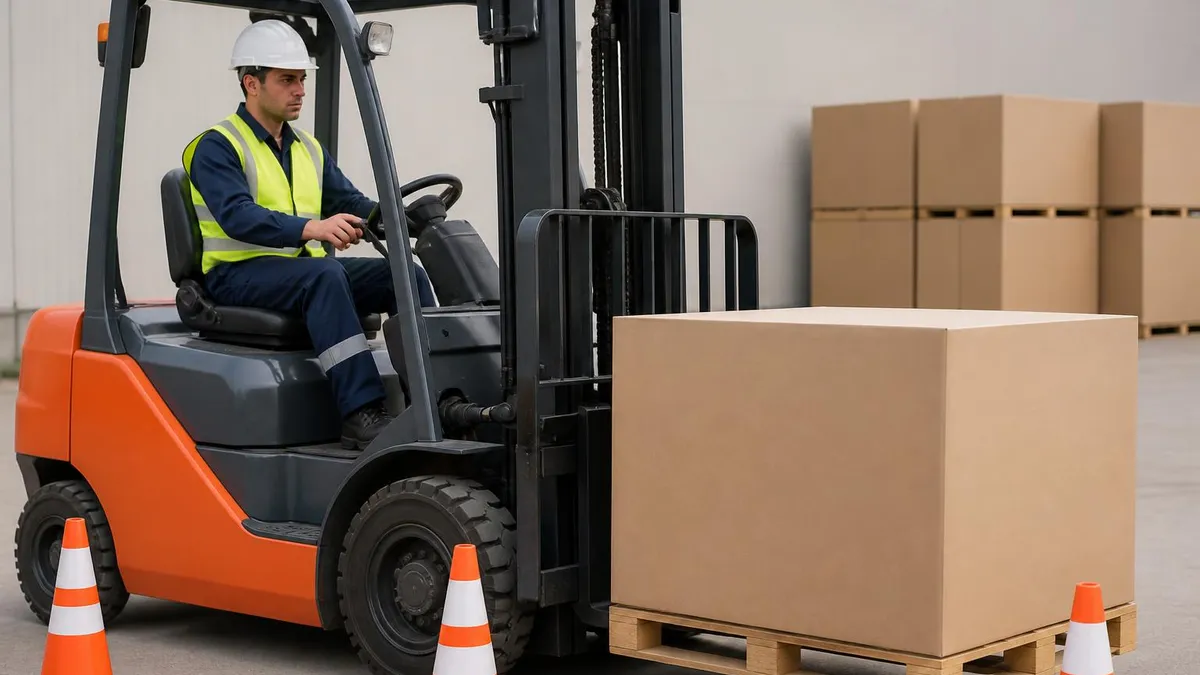
Forklift Tires: Complete Guide to Types, Sizing, Wear Patterns, and Replacement Costs
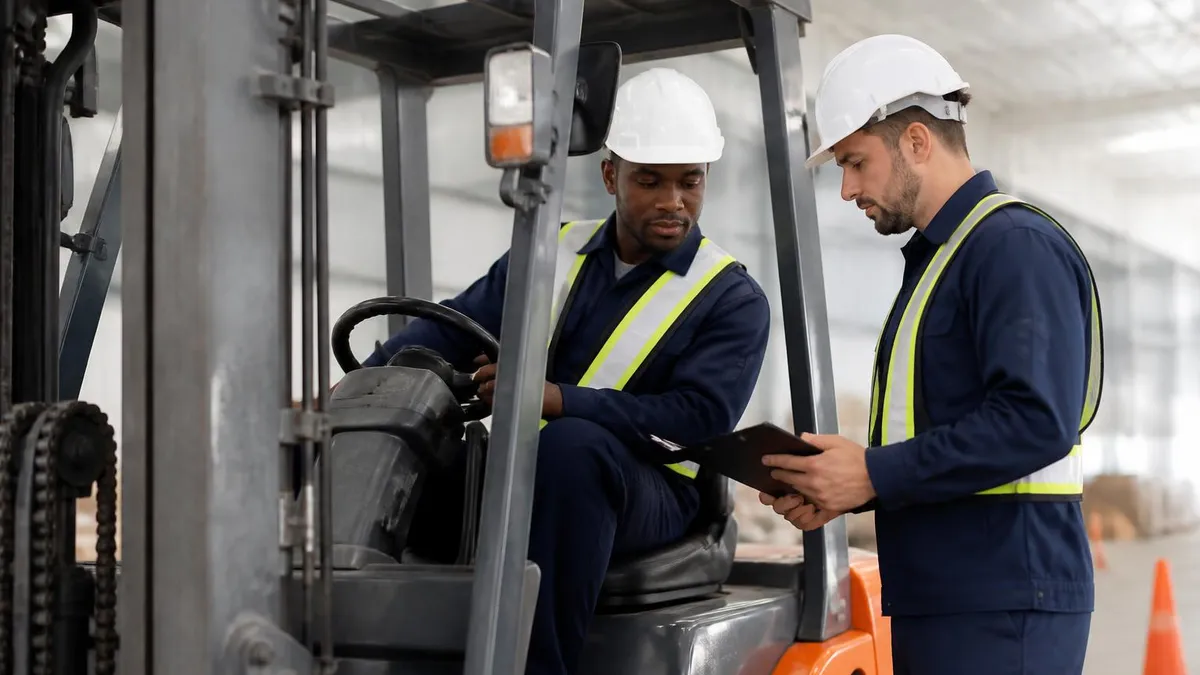
Forklift Operator Duties: Complete Guide to Daily Responsibilities, Safety Tasks, and Career Path for 2026
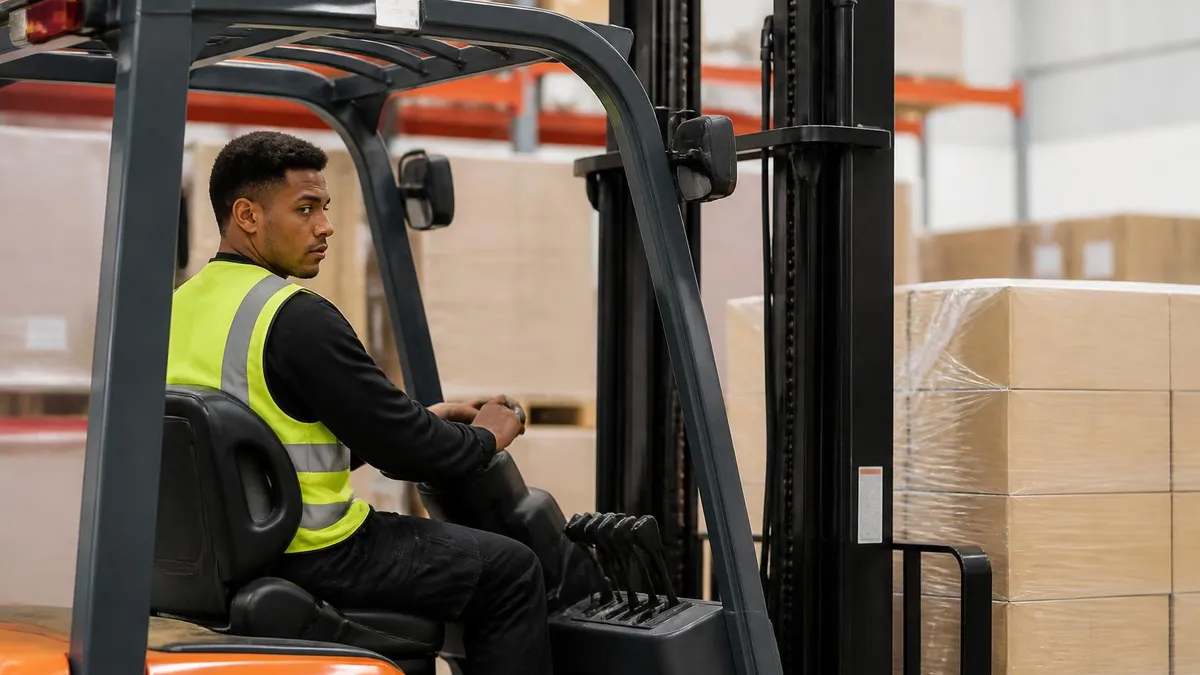
Forklift Course: Complete Training Guide, Certification Requirements, and Operator Tips for 2026
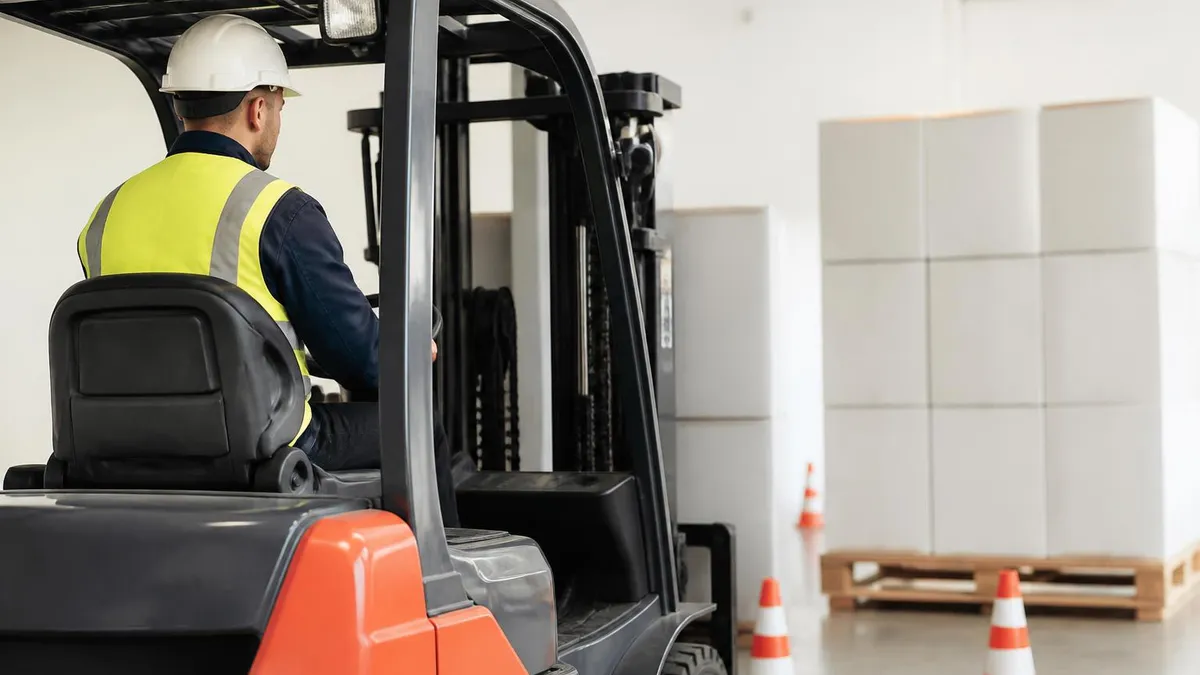
Forklift License Renewal: Complete Guide to Forklift License Expiry, OSHA Recertification, and Operator Requirements for 2026
Sit Down Forklift Jobs: Complete Guide to Careers, Pay, Training, and Hiring in 2026
About the Author

Certified Crane Operator & Skilled Trades Exam Specialist
Ferris State UniversityRobert Martinez is a Journeyman Ironworker, NCCCO-certified crane operator, and forklift trainer with a Bachelor of Science in Construction Technology from Ferris State University. He has 21 years of ironworking, rigging, and heavy equipment operation experience across high-rise and industrial construction sites. Robert prepares candidates for crane operator, rigger, forklift, and skilled trades certification examinations.