
ECMO Devices: A Complete Guide to Extracorporeal Membrane Oxygenation Equipment
Learn about ECMO devices, circuits, and extracorporeal membrane oxygenation in neonates, adults, and COVID patients. ✅ Complete equipment guide.

Extracorporeal membrane oxygenation in neonates represents one of the most critical applications of life-support technology in modern medicine, and understanding the ecmo devices that make this possible is essential for every ECMO specialist and critical care professional. These sophisticated machines temporarily take over the function of the heart and lungs, providing oxygenated blood to patients whose own organs cannot sustain life. From premature newborns fighting respiratory distress syndrome to adult patients recovering from severe ARDS following COVID-19 infection, ECMO devices have transformed outcomes that were once considered uniformly fatal.
The extracorporeal membrane oxygenation procedure involves a complex circuit of pumps, oxygenators, heat exchangers, cannulas, and monitoring systems working together in precise coordination. Each component must perform flawlessly because any failure in the circuit can have immediate, life-threatening consequences for the patient. The engineering challenges involved in designing systems that can safely handle and oxygenate an adult's entire cardiac output — or carefully dose tiny volumes through a neonate's fragile vasculature — have driven decades of innovation in biomedical engineering and materials science.
The extracorporeal membrane oxygenation circuit has evolved dramatically since the first successful neonatal ECMO case in 1975 performed by Robert Bartlett at University of California Irvine. Early systems used roller pumps and bubble oxygenators that caused significant blood trauma and limited run times to days. Today's centrifugal pumps paired with polymethylpentene hollow-fiber membrane oxygenators can support patients for weeks or even months with far less hemolysis and inflammatory activation, opening therapeutic windows that were simply impossible with earlier technology.
Understanding the differences between venovenous extracorporeal membrane oxygenation and venoarterial configurations is fundamental to grasping how device selection maps to clinical indication. VV-ECMO provides respiratory support by draining deoxygenated blood, passing it through the oxygenator, and returning oxygenated blood to the venous circulation, allowing the lungs to rest while the heart continues to function normally. VA-ECMO additionally provides hemodynamic support by partially or fully replacing cardiac output, making it the configuration of choice when both cardiac and pulmonary failure are present simultaneously.
The extracorporeal membrane oxygenation machine price remains a significant barrier to access for many hospitals worldwide, with complete ECMO systems ranging from approximately $50,000 to over $200,000 depending on configuration, manufacturer, and included accessories. Consumable costs for each patient run add thousands more per case. Despite these costs, ECMO has demonstrated cost-effectiveness in appropriately selected patients when it prevents death or dramatically reduces intensive care length of stay, making economic analysis a necessary component of institutional ECMO program development.
The landscape of ECMO devices used in the United States includes products from a handful of major manufacturers, each with distinct design philosophies, circuit geometries, and monitoring capabilities. Maquet (now Getinge), Medtronic, LivaNova, and Xenios (Fresenius) represent the primary suppliers of integrated ECMO systems to US hospitals, while companies like Terumo, Medos, and Eurosets supply oxygenators, cannulas, and circuit components used in hybrid configurations. Familiarity with the strengths and limitations of each platform directly impacts how ECMO specialists manage patients and troubleshoot emergencies at the bedside.
This comprehensive guide examines every major category of ECMO device and component, explaining how each works, why design choices matter clinically, and what ECMO practitioners need to know to provide safe, effective extracorporeal life support. Whether you are preparing for ECMO specialist certification, learning to manage your institution's first ECMO program, or deepening your understanding of adult and neonatal ECMO applications, this resource provides the technical and clinical foundation you need.
ECMO Devices by the Numbers

Core Components of the ECMO Circuit
The pump drives blood through the extracorporeal circuit. Modern ECMO systems use centrifugal pumps that create flow via a spinning impeller, generating far less hemolysis and blood trauma than older roller pump designs. Flow rates are adjusted to meet patient oxygen delivery targets.
The oxygenator acts as an artificial lung, transferring oxygen into blood and removing carbon dioxide across a polymethylpentene hollow-fiber membrane. Sweep gas flow controls CO2 removal while FiO2 settings regulate oxygen delivery, mimicking pulmonary gas exchange outside the body.
Maintaining precise body temperature is critical during ECMO. Integrated heat exchangers warm or cool blood as it passes through the circuit, preventing hypothermia from contact with room-temperature tubing and allowing therapeutic temperature management in neurologically injured patients.
Cannulas are the large-bore tubes inserted into major blood vessels that connect the patient to the ECMO circuit. Drainage cannulas remove blood from the venous system while return cannulas reinfuse it. Sizing, material, and insertion site vary based on patient size and ECMO configuration.
Modern ECMO consoles incorporate continuous pressure monitoring, flow measurement, bubble detection, and automated alarm systems. These safety features detect air embolism, circuit occlusion, and pump failure in real time, triggering alarms that allow the ECMO specialist to intervene immediately.
The selection between venovenous extracorporeal membrane oxygenation and venoarterial ECMO is the most fundamental device configuration decision in ECMO practice, and it must be made carefully based on the patient's underlying physiology. VV-ECMO is indicated when the primary problem is respiratory failure with preserved cardiac function. Blood is drained from a large vein — typically the right internal jugular or femoral vein — passed through the oxygenator, and returned to the venous circulation near the right atrium, where it mixes with native venous blood before being pumped by the patient's own heart through the pulmonary circulation and body.
In VV-ECMO, the patient's heart must still be capable of generating adequate cardiac output because the ECMO circuit provides no direct hemodynamic support. The advantage of this configuration is its relative simplicity and lower risk of arterial complications such as limb ischemia, aortic injury, or differential hypoxemia. Single-site dual-lumen cannulas like the Avalon Elite (now Protek Duo) have made VV-ECMO even more accessible by allowing both drainage and return through a single cannulation site in the right internal jugular vein, avoiding the need for femoral access entirely in many adult patients.
Venoarterial ECMO drains blood from the venous side and returns it to the arterial circulation, effectively bypassing both the heart and lungs simultaneously. In peripheral VA-ECMO, the most common configuration in adults, blood is returned through the femoral artery. This provides immediate hemodynamic support and is the configuration used in cardiogenic shock, cardiac arrest, and myocarditis. Central VA-ECMO, where cannulas are placed directly into the aorta and right atrium during open-chest surgery, is used primarily in post-cardiotomy patients who cannot be weaned from cardiopulmonary bypass.
The extracorporeal membrane oxygenation diagram that most ECMO programs use for training illustrates the directionality of blood flow and the relationship between drainage and return pressures as the defining visual framework for understanding circuit function. In VA-ECMO, retrograde arterial flow from the femoral return cannula meets antegrade flow from the native heart in the descending aorta, creating a mixing zone whose position shifts with changes in native cardiac function.
This differential oxygenation phenomenon — sometimes called the Harlequin or North-South syndrome — can result in poorly oxygenated blood from a failing left ventricle perfusing the coronary arteries and brain while the lower body receives well-oxygenated ECMO blood, a critical complication requiring prompt recognition and management.
Hybrid configurations combining elements of VV and VA-ECMO have emerged to address specific clinical scenarios. VVA-ECMO adds an additional arterial return to a VV circuit to provide supplemental hemodynamic support in patients with mild cardiac dysfunction alongside severe respiratory failure. VAV-ECMO routes some of the arterial return to a venous site to address differential hypoxemia in VA-ECMO patients with recovering but still impaired left ventricular function. These configurations require careful flow balancing and monitoring to achieve the intended physiological goals without creating new complications.
Pumpless extracorporeal systems that rely on the patient's own arteriovenous pressure gradient to drive blood through an oxygenator represent another category of ECMO-adjacent device. The iLA (interventional lung assist) membrane ventilator, manufactured by Xenios, connects the femoral artery to the femoral vein without a pump, using the arteriovenous pressure difference to generate blood flow. While limited to lower flow rates that are insufficient for full ECMO support, these systems can provide significant CO2 removal — a therapy termed ECCO2R — with a simpler circuit and potentially lower complication rates compared to full pump-driven ECMO.
The choice of blood pump within a given configuration also carries significant clinical implications. Centrifugal pumps, which dominate contemporary ECMO practice, are afterload-sensitive — flow decreases when downstream resistance increases, providing a natural safety mechanism that prevents dangerous pressure buildup. However, this afterload sensitivity also means that centrifugal pump flow can drop unpredictably if the patient's vasomotor tone changes acutely.
Roller pumps, while largely replaced in ECMO practice, generate flow independent of afterload and are still used in some neonatal programs where their predictability in very low flow ranges is considered advantageous. Understanding these pump characteristics is essential for ECMO specialists managing hemodynamically unstable patients.
Extracorporeal Membrane Oxygenation in Neonates, Adults, and COVID-19
Extracorporeal membrane oxygenation in neonates was the first population in which ECMO proved life-saving at scale, and neonates still account for a substantial portion of ECMO runs in the ELSO registry. The primary indications include meconium aspiration syndrome, congenital diaphragmatic hernia, persistent pulmonary hypertension of the newborn, and neonatal sepsis with respiratory failure. Neonatal ECMO circuits require specialized components sized for very low blood volumes — neonates typically weigh between 2 and 5 kilograms — using cannulas as small as 8-10 French and circuit tubing with minimal priming volumes to avoid hemodilution and electrolyte disturbances during initiation.
The gestational age and weight thresholds for neonatal ECMO eligibility reflect both physiological readiness and the risk of intraventricular hemorrhage, which is significantly improved in premature neonates with immature cerebral vasculature. Most programs require gestational age of at least 34 weeks and birth weight above 2 kilograms, though individual programs may adjust these thresholds based on clinical judgment. The oxygenation index and alveolar-arterial oxygen gradient are the primary criteria used to determine when a neonate's respiratory failure is severe enough to warrant ECMO cannulation, with OI values above 40 on two measurements serving as a common threshold in many institutions.

Centrifugal vs Roller Pump ECMO Devices: Advantages and Disadvantages
- +Centrifugal pumps generate less hemolysis and platelet activation than roller pumps, reducing transfusion requirements over long ECMO runs
- +Afterload sensitivity in centrifugal pumps acts as a natural safety valve, preventing dangerously high line pressures if the circuit becomes obstructed
- +Compact centrifugal pump heads are easier to mount at the bedside and allow more flexible circuit configurations in tight ICU spaces
- +Modern centrifugal consoles integrate real-time flow, pressure, and bubble detection monitoring into a single bedside unit
- +Roller pumps provide highly predictable flow rates that are independent of downstream resistance, valuable in precise low-flow neonatal applications
- +Roller pump circuits can be gravity-primed and do not require a separate motor control unit, simplifying emergency setup in resource-limited environments
- −Centrifugal pump flow drops unpredictably with changes in patient vasomotor tone, requiring more frequent speed adjustments and vigilant monitoring
- −Centrifugal pumps can generate significant negative pressure on the drainage limb, risking cavitation and air entrainment if venous drainage is inadequate
- −Roller pumps cause significant red blood cell trauma through occlusion of the tubing, leading to hemolysis that limits run duration and increases renal injury risk
- −Roller pump tubing experiences raceway fatigue and must be repositioned or replaced every 24-48 hours during extended runs
- −Higher acquisition cost of centrifugal ECMO consoles compared to simpler roller pump systems creates barriers for lower-resource programs
- −Centrifugal pump impellers can fractionate and embolize in rare cases of bearing failure, a catastrophic complication requiring immediate circuit change
ECMO Device Safety and Circuit Management Checklist
- ✓Verify pump speed, flow rate, and sweep gas settings match the prescribed ECMO parameters at every bedside assessment.
- ✓Inspect all circuit connections for visible clots, fibrin strands, or discoloration indicating thrombus formation.
- ✓Confirm heat exchanger water temperature and patient core temperature alignment to prevent inadvertent hypothermia.
- ✓Check oxygenator inlet and outlet pressures to detect early signs of oxygenator thrombosis or failure.
- ✓Assess drainage and return cannula sites for signs of bleeding, hematoma, or limb ischemia every 2-4 hours.
- ✓Verify ACT or anti-Xa heparin level is within target therapeutic range before each shift handover.
- ✓Confirm backup hand-crank or emergency power supply for the pump is immediately accessible at the bedside.
- ✓Check bubble detector and pressure alarm settings are active and within appropriate thresholds for current flow.
- ✓Review ventilator settings to ensure lung rest strategy is maintained — target low tidal volumes and PEEP during ECMO.
- ✓Document ECMO flow, sweep gas, FiO2, and patient hemodynamic parameters every hour in the patient record.
Oxygenator Lifespan Is the Limiting Factor in Prolonged ECMO
Modern polymethylpentene hollow-fiber membrane oxygenators typically maintain adequate gas transfer for 10 to 21 days before plasma leak, thrombosis, or fiber degradation necessitates replacement. In COVID-19 patients requiring ECMO support for 30-60 days, oxygenator changes every 1-2 weeks become part of the routine management plan, with experienced teams performing circuit swaps in under 30 minutes to minimize interruption of support.
The extracorporeal membrane oxygenation machine price varies considerably depending on whether an institution is purchasing a complete integrated system or assembling a circuit from components supplied by multiple vendors. The Maquet Cardiohelp HLS system, one of the most widely used portable adult ECMO platforms in the United States, costs approximately $80,000 to $120,000 for the console unit alone, with individual disposable circuit sets adding $3,000 to $8,000 per patient run.
The Medtronic BPX-80 Bio-Pump and associated Revolution console represent a comparable price point, while the Xenios iLA Activve system is positioned at a similar cost tier for CO2 removal and partial support applications.
Neonatal ECMO equipment pricing follows different market dynamics because the patient population is smaller and the specialized components — miniaturized tubing, small-bore cannulas, neonatal oxygenators — are produced in lower volumes. A complete neonatal ECMO circuit with appropriate pump, oxygenator, and tubing set typically costs $5,000 to $12,000 per run excluding the capital cost of the console. Programs that maintain ECMO capabilities for both neonatal and adult patients must stock separate circuit configurations and components for each population, increasing inventory costs but allowing a single institutional program to serve the full spectrum of ECMO candidates.
The total cost of an ECMO program extends far beyond the purchase of devices. Training and certification of ECMO specialists, ongoing competency maintenance, quality improvement infrastructure, and the cost of staffing 24/7 ECMO coverage at a 1:1 nurse-to-patient ratio for potentially weeks per patient create substantial ongoing operational expenses. Published cost analyses estimate total institutional costs of $30,000 to $100,000 per ECMO patient run when personnel, pharmacy, blood bank, laboratory, and device costs are fully accounted for, making ECMO among the most resource-intensive therapies in critical care medicine.
Insurance reimbursement for ECMO in the United States is provided through DRG-based payments that partially reflect the actual cost of care, though reimbursement often falls short of true costs at many institutions. Medicare and Medicaid reimbursement for ECMO-related DRGs has been updated over time to better reflect device and personnel costs, but reimbursement adequacy remains a concern for safety-net hospitals that serve disproportionate numbers of publicly insured patients.
The financial sustainability of ECMO programs is therefore heavily dependent on payer mix, case volume, and institutional commitment to subsidizing a service valued for its clinical mission even when it does not generate positive margin.
Leasing arrangements and device-as-a-service models have begun to emerge in the ECMO market as manufacturers seek to lower the barrier to program initiation for hospitals that cannot justify large capital outlays. Under these arrangements, the hospital pays a per-circuit or per-patient fee rather than purchasing the console outright, with the manufacturer providing equipment maintenance, software updates, and staff training as part of the agreement.
While these models shift cost from capital to operating budgets and reduce the upfront commitment required to start an ECMO program, they may increase the long-term total cost of ownership compared to capital purchase for high-volume centers.
Global ECMO equipment market dynamics are also shaped by regional regulatory requirements, reimbursement structures, and the concentration of ECMO expertise in academic medical centers. The United States, Germany, United Kingdom, Australia, and Japan account for the majority of ECMO runs reported to the ELSO registry, reflecting both the availability of trained personnel and reimbursement environments that support ECMO utilization.
Emerging markets in Southeast Asia, Latin America, and the Middle East have seen growing ECMO adoption over the past decade, creating new demand for both equipment and training programs, though access inequities remain significant barriers to the global expansion of this life-saving technology.
The extracorporeal membrane oxygenation circuit consumable supply chain also deserves attention from ECMO program directors, as the COVID-19 pandemic demonstrated the vulnerability of just-in-time medical supply models. Programs that maintained larger safety stocks of oxygenators, tubing sets, and cannulas were able to sustain ECMO operations during pandemic supply disruptions that severely stressed unprepared programs. Building supply chain resilience through strategic stockpiling, dual-vendor sourcing, and participation in regional ECMO networks that can share equipment during surge events has become an important dimension of ECMO program planning following the pandemic experience.

Pump failure, oxygenator thrombosis, and circuit rupture are rare but catastrophic events in ECMO management. Every ECMO program must maintain a readily accessible emergency response protocol that includes hand-cranking the pump, clamping the circuit for emergent air removal, and performing circuit exchange within minutes. ECMO specialists must demonstrate emergency response competency during initial training and recurring simulation drills, as cognitive and procedural performance under stress directly determines patient outcomes when device emergencies occur.
The role of extracorporeal membrane oxygenation treatment in COVID-19 patients represented both a validation of and a stress test for the global ECMO infrastructure. When the pandemic arrived in early 2020, established ECMO centers found themselves facing unprecedented demand for a therapy that requires specialized equipment, expert personnel, and significant logistical support.
The ELSO COVID-19 registry, which tracked ECMO use during the pandemic in real time, provided crucial data showing that outcomes in COVID ECMO patients managed at experienced centers were comparable to outcomes in non-COVID ARDS patients, with approximately 50-60% hospital survival rates — encouraging findings that supported continued ECMO utilization in appropriately selected patients even as the pandemic stretched resources.
The specific ECMO device configurations used for COVID-19 ARDS followed the same principles as non-COVID respiratory failure. VV-ECMO was the predominant approach because COVID ARDS is primarily a pulmonary injury with preserved cardiac function in the majority of patients, particularly early in the disease course.
The most common circuit configuration paired a double-lumen jugular cannula or bicaval dual-lumen cannula for drainage with a femoral return cannula, achieving flow rates of 4 to 6 liters per minute sufficient to provide full respiratory support in most adult patients. These configurations allowed patients to remain mobile, receive physical therapy, and in some cases be awake and conversant while on ECMO — an approach termed awake ECMO that gained traction as a strategy to preserve physical function during prolonged support.
COVID ECMO also accelerated the development and adoption of more durable oxygenator technologies. The prolonged support durations seen in COVID patients — median ECMO run times of 14-20 days in published series, with many patients requiring support for 30 days or longer — pushed conventional hollow-fiber oxygenators to the limits of their design life and prompted more frequent scheduled circuit exchanges. This experience has intensified industry interest in next-generation oxygenator materials and surface coatings that resist plasma leak, fibrin deposition, and thrombosis over extended time periods, with several novel oxygenator designs currently in various stages of clinical evaluation.
Beyond respiratory support, COVID-19 also produced a subset of patients with severe myocarditis and cardiogenic shock requiring VA-ECMO for hemodynamic support, and a smaller but highly challenging group with combined cardiac and respiratory failure requiring more complex hybrid ECMO configurations.
Managing these patients on VA-ECMO while simultaneously addressing COVID-related coagulopathy — a hypercoagulable state that paradoxically coexists with bleeding risk — required careful titration of anticoagulation and frequent circuit surveillance for early thrombosis. The COVID experience has expanded the knowledge base around ECMO anticoagulation strategies and circuit management in coagulopathic patients in ways that will inform ECMO practice for years to come.
The pandemic also highlighted the importance of ECMO network infrastructure for ensuring equitable access to extracorporeal life support. Patients who developed COVID ARDS in geographic areas without nearby ECMO centers faced dramatically worse outcomes due to delays in cannulation and transfer, while those near established centers with mobile ECMO teams could receive cannulation at referring hospitals and transfer safely on ECMO support.
Several major metropolitan ECMO programs deployed mobile cannulation teams for the first time during the pandemic, establishing protocols and logistics that now serve as templates for regional ECMO network development. These networks represent a crucial investment in healthcare infrastructure that extends access to life-saving technology beyond the walls of academic medical centers.
Post-COVID, ECMO programs across the United States are investing in expanded training capacity, equipment stockpiling, and inter-facility transfer agreements informed directly by pandemic lessons. The ELSO guidelines, updated in 2021 and 2022 in response to COVID experience, now include explicit recommendations for surge planning, resource allocation frameworks for times of overwhelming demand, and criteria for prioritizing ECMO candidacy when system capacity is constrained. These frameworks require institutions to think clearly about the ethical dimensions of ECMO allocation — a challenging but essential conversation that the pandemic forced into the open in ways that will permanently improve ECMO program preparedness.
For professionals seeking to deepen their knowledge of ECMO devices and their clinical applications, understanding the intersection of device technology, patient physiology, and system-level factors like those illuminated by the COVID experience is essential. The ecmo devices used today represent decades of iterative engineering refinement driven by clinical feedback from practitioners managing real patients through life-threatening emergencies, and that relationship between technology and clinical practice continues to evolve as ECMO expands into new patient populations and clinical contexts.
For ECMO specialists and trainees preparing for the ECMO specialist examination or seeking to build clinical competency, a systematic approach to learning ECMO device fundamentals will pay dividends throughout a career. Begin by mastering the anatomy of a complete ECMO circuit from drainage cannula through pump to oxygenator and return cannula, understanding the pressure relationships at each point and what changes in those pressures indicate about circuit function and patient physiology.
Draw and redraw the extracorporeal membrane oxygenation diagram from memory, adding the monitoring points, alarm thresholds, and potential failure modes at each circuit location until the mental model is automatic.
Next, focus on the clinically important differences between centrifugal and roller pump behavior, particularly how each type responds to changes in preload (drainage conditions) and afterload (return line resistance). Understanding that a centrifugal pump will reduce flow when afterload increases — protecting the circuit from dangerous pressure buildup but potentially undersupporting the patient during hemodynamic changes — is the kind of mechanistic knowledge that allows ECMO specialists to anticipate problems rather than merely react to alarms.
Similarly, understanding how sweep gas flow and FiO2 independently control CO2 removal and oxygen delivery allows for rational troubleshooting when blood gas values are not meeting targets.
Cannula management is an underemphasized but critically important aspect of ECMO device knowledge. Drainage cannula position directly affects circuit flow — a cannula tip that has migrated out of the right atrium into the superior vena cava may develop intermittent chatter as it periodically occludes against the vessel wall, dramatically reducing flow and causing hemolysis.
Regular chest radiograph review to confirm cannula position, along with bedside assessment of flow characteristics and pressure waveforms, helps detect positional problems early. Understanding the French sizing system, flow characteristics, and insertion techniques for the major cannula types used in neonatal and adult ECMO is testable knowledge for the ECMO specialist examination.
Oxygenator troubleshooting is another high-yield area for ECMO practitioners. Early oxygenator failure may manifest as rising post-oxygenator pressure, falling transfer efficiency (reduced difference between pre- and post-oxygenator oxygen content), or visible clot formation in the oxygenator housing visible through the clear casing. Plasma leak presents as foamy or pink-tinged condensate in the sweep gas exhaust, indicating that blood components are crossing the gas-blood barrier. Recognizing these signs early and having an established protocol for elective oxygenator exchange — before emergency replacement becomes necessary — is a mark of a well-prepared ECMO team.
Anticoagulation management is inseparable from ECMO device management because the interaction between blood and the artificial surfaces of the circuit drives continuous thrombin generation that must be counterbalanced without tipping into dangerous hemorrhage. Unfractionated heparin remains the standard anticoagulant for ECMO in most US programs, with dosing titrated to maintain ACT between 180 and 220 seconds or anti-Xa levels between 0.3 and 0.7 IU/mL depending on institutional protocol.
Patients with heparin-induced thrombocytopenia present a particular challenge, requiring conversion to alternative anticoagulants like bivalirudin or argatroban while maintaining adequate circuit anticoagulation — a situation that requires collaboration between the ECMO team, hematology, and pharmacy.
Simulation-based ECMO training has become an increasingly important component of specialist preparation, with high-fidelity ECMO simulators allowing trainees to practice emergency procedures — including air embolism management, pump failure response, and circuit changeout — without risk to patients. Programs like the ELSO simulation curriculum and proprietary training modules offered by ECMO manufacturers provide structured frameworks for developing and maintaining ECMO competency. Trainees should seek out simulation opportunities whenever available and advocate for regular emergency drill practice within their ECMO programs to maintain team readiness for low-frequency, high-stakes events.
Finally, staying current with the evolving ECMO literature is essential for anyone practicing or studying ECMO medicine. The ELSO registry publishes annual reports with updated outcome data stratified by indication, configuration, and patient population. Major journals including ASAIO Journal, Intensive Care Medicine, and Critical Care Medicine regularly publish ECMO clinical trials, device evaluations, and practice reviews. Following ELSO's guidelines, attending the annual ELSO conference, and participating in institutional and regional ECMO quality improvement efforts are the professional habits that distinguish outstanding ECMO practitioners from those who merely perform the mechanics of circuit management.
ECMO Questions and Answers

ECMO Medical Term: Understanding Extracorporeal Membrane Oxygenation

VA ECMO Cannulation: Complete Guide to Veno-Arterial Extracorporeal Membrane Oxygenation
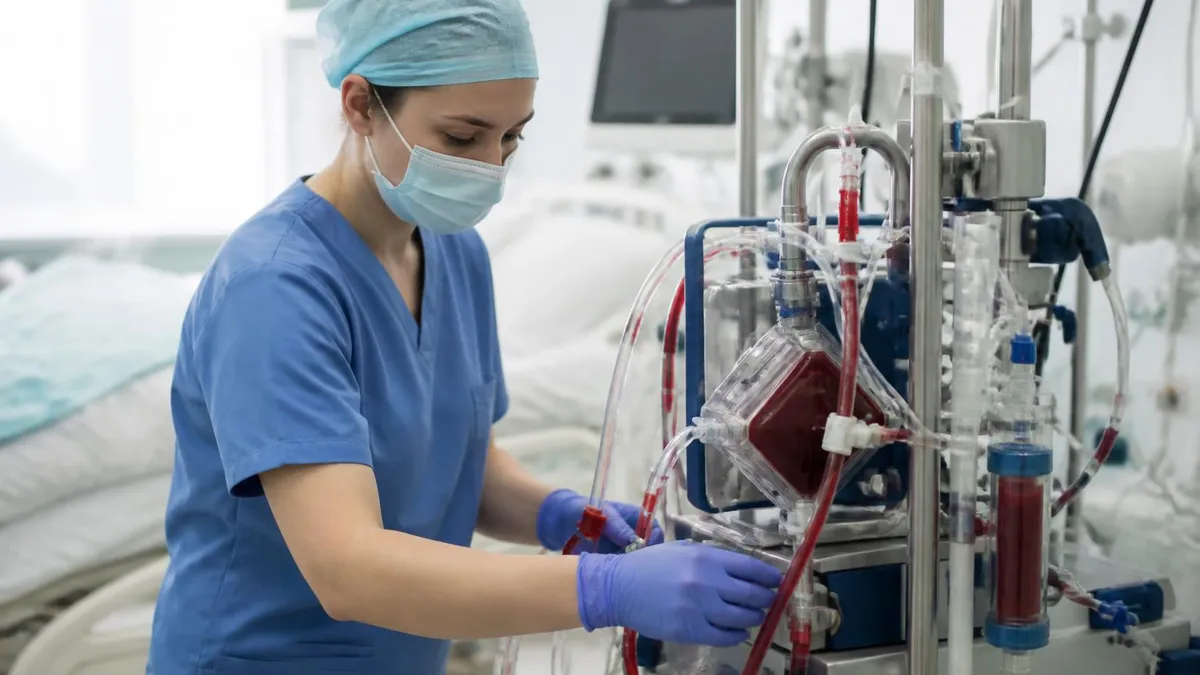
ECMO Specialist: Career Path, Duties, Salary, and Certification Guide
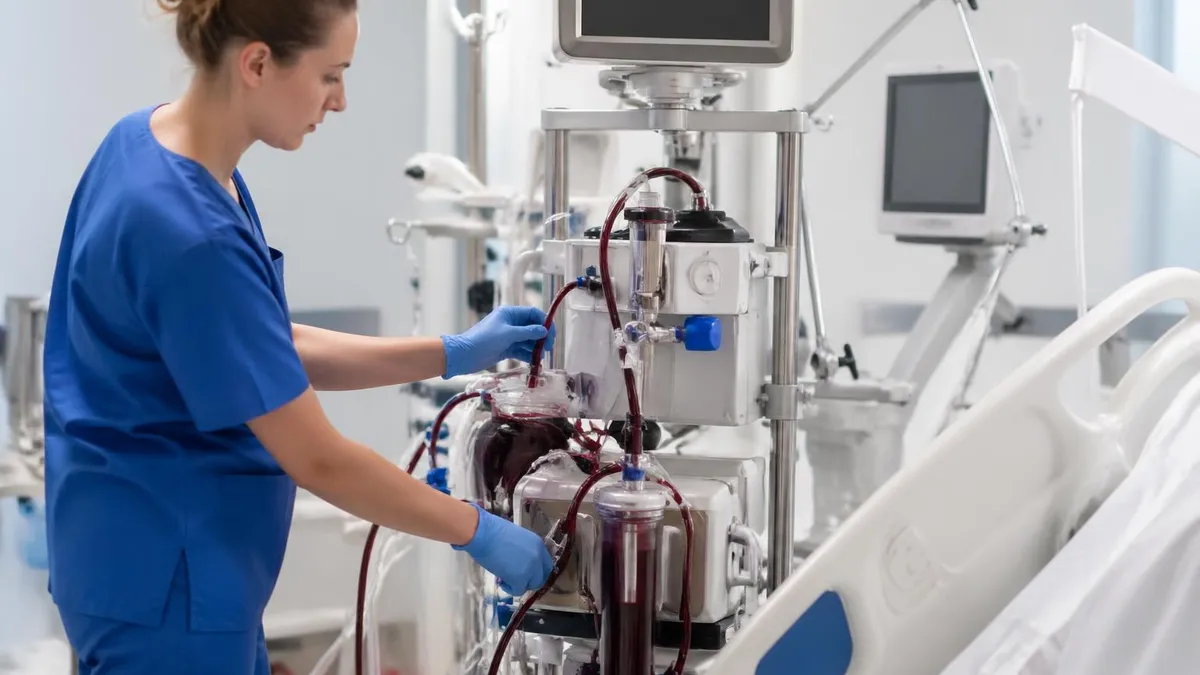
ECMO: How Extracorporeal Membrane Oxygenation Works and Who Needs It

ECMO Cost: What Extracorporeal Membrane Oxygenation Really Costs in the US
About the Author

Educational Psychologist & Academic Test Preparation Expert
Columbia University Teachers CollegeDr. Lisa Patel holds a Doctorate in Education from Columbia University Teachers College and has spent 17 years researching standardized test design and academic assessment. She has developed preparation programs for SAT, ACT, GRE, LSAT, UCAT, and numerous professional licensing exams, helping students of all backgrounds achieve their target scores.
Join the Discussion
Connect with other students preparing for this exam. Share tips, ask questions, and get advice from people who have been there.
View discussion (9 replies)