
Novalung vs ECMO: Comparing Extracorporeal Membrane Oxygenation Devices, Circuits, and Clinical Applications
Novalung vs ECMO explained: compare circuits, costs, neonatal use, COVID applications & more. ✅ Full clinical guide with real data.

When clinicians face catastrophic respiratory or cardiac failure, the choice between novalung vs ecmo can be the difference between life and death. Extracorporeal membrane oxygenation in neonates has been a cornerstone of neonatal intensive care since the 1970s, rescuing infants born with conditions like meconium aspiration syndrome, congenital diaphragmatic hernia, and persistent pulmonary hypertension. Today, both traditional ECMO systems and newer devices like the Novalung iLA (interventional lung assist) occupy critical roles in advanced critical care, yet they differ substantially in mechanism, complexity, patient population, and cost.
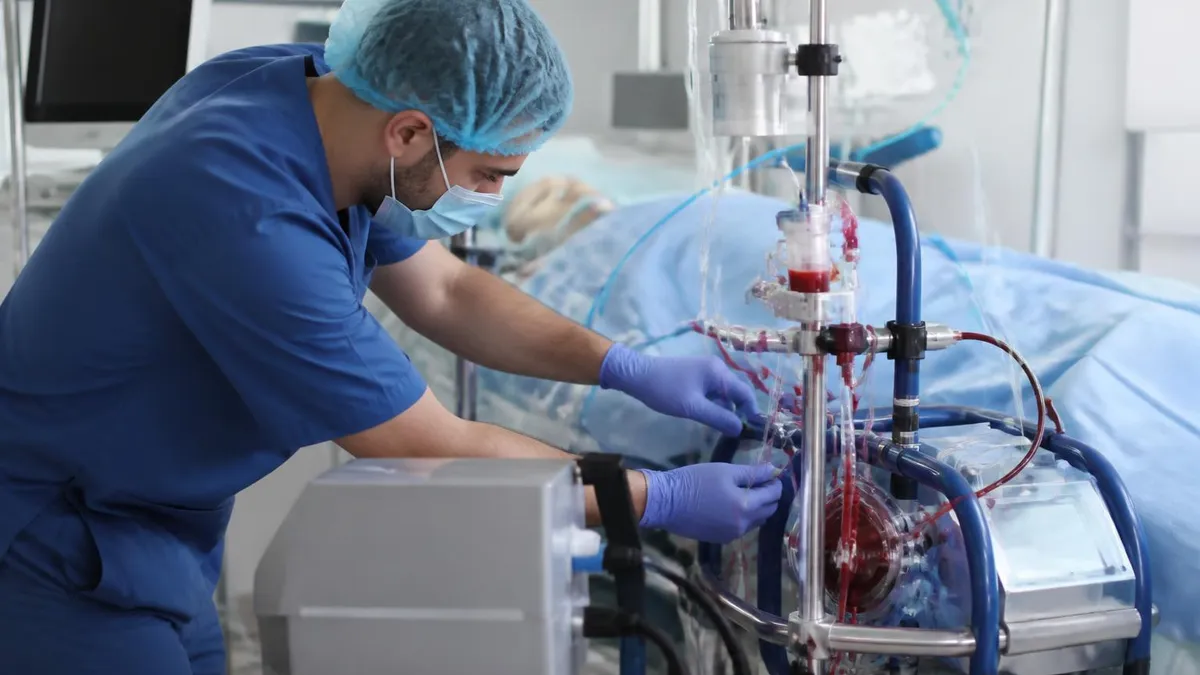
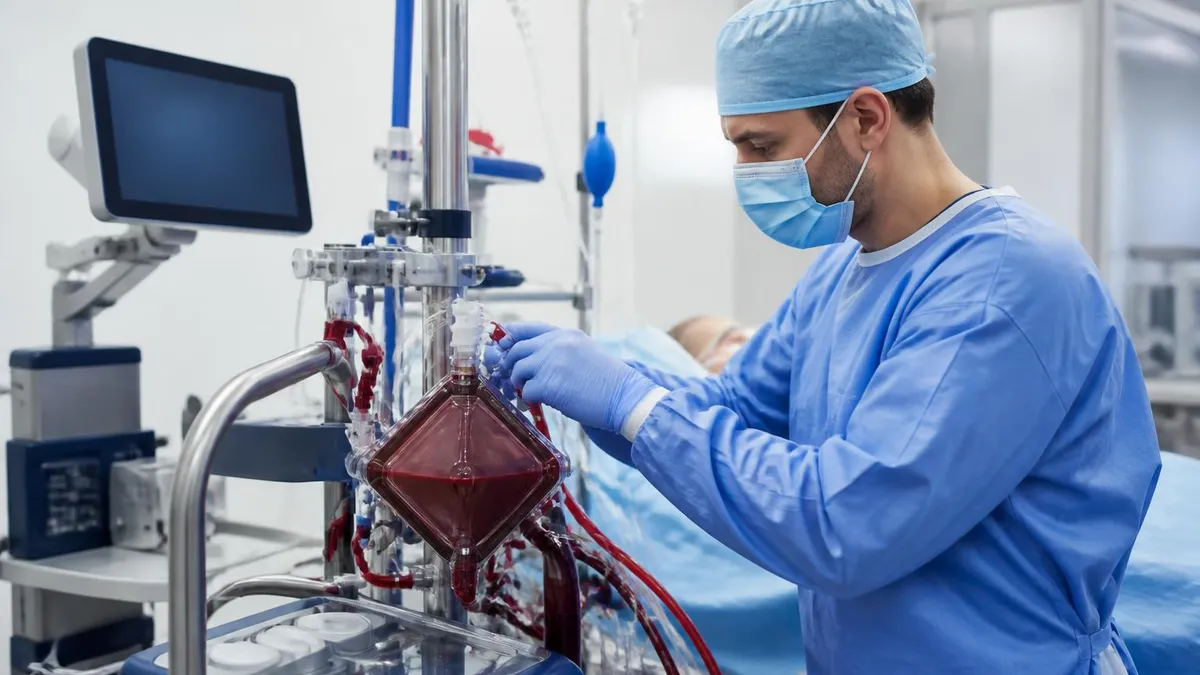
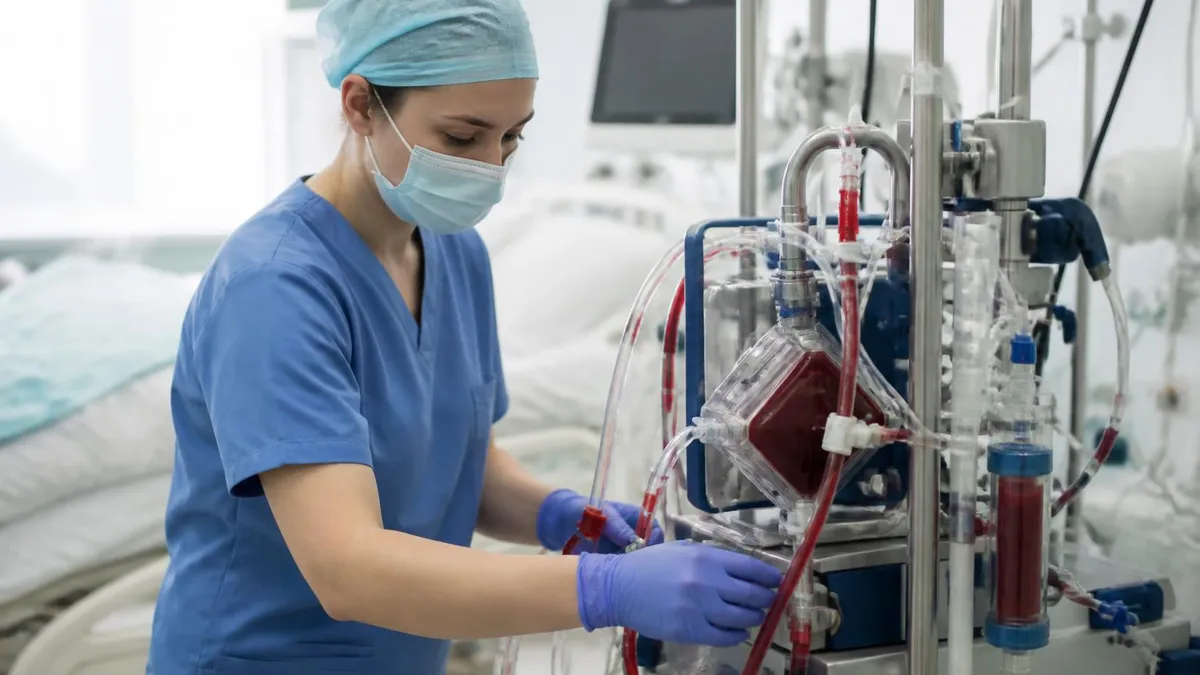
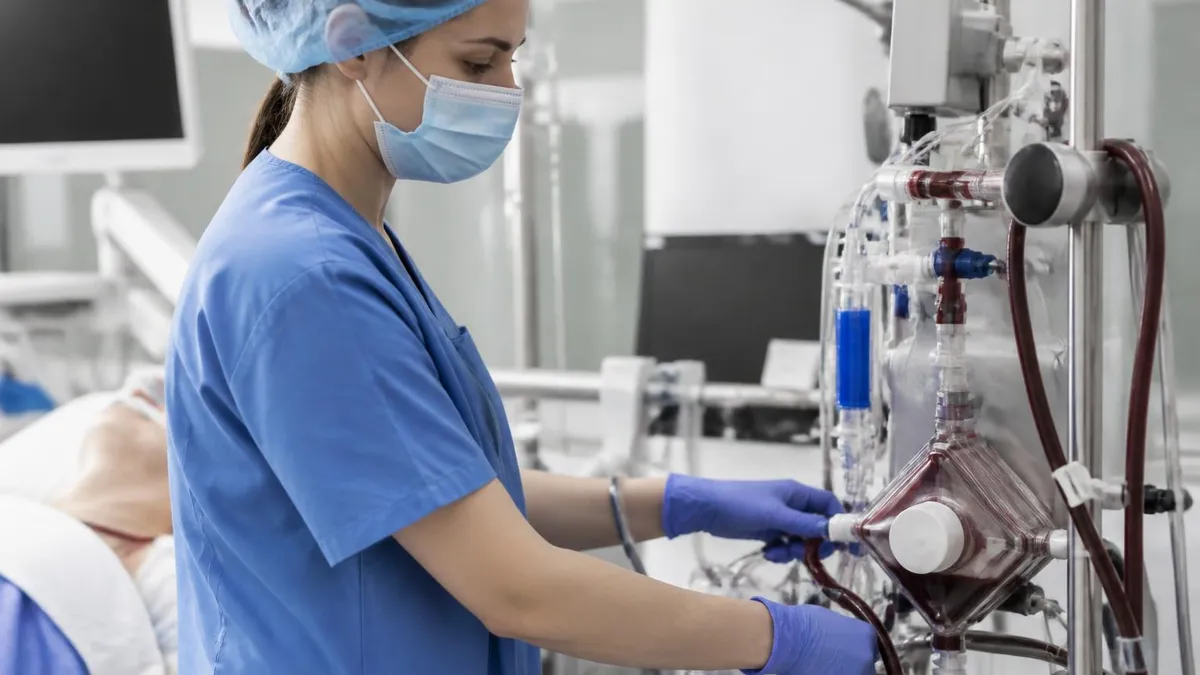
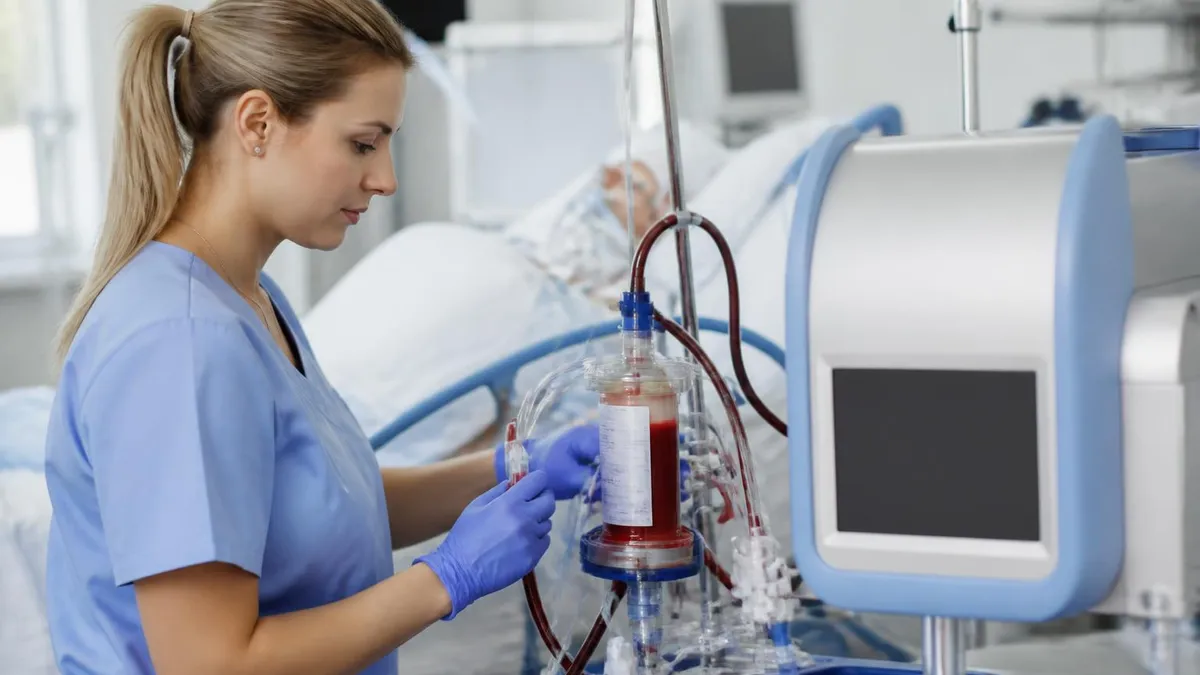
Extracorporeal membrane oxygenation is a form of prolonged cardiopulmonary bypass that removes blood from a patient, oxygenates it, removes carbon dioxide, and returns it to the circulation. The extracorporeal membrane oxygenation circuit consists of a pump, an oxygenator (membrane lung), tubing, a heat exchanger, and various monitoring components. Traditional ECMO can support both the heart and lungs simultaneously and can run for days to weeks, making it suitable for the sickest patients who require total cardiopulmonary replacement. This level of support carries significant complexity, requiring a dedicated extracorporeal membrane oxygenation specialist at the bedside around the clock.
The Novalung, by contrast, is a pumpless or low-pump extracorporeal device primarily designed for carbon dioxide removal (ECCO2R) and partial oxygenation support. It operates through a lower-resistance membrane lung connected to large arteriovenous or venovenous access, driven by the patient's own arterial pressure or a small pump rather than a full centrifugal circuit. This makes the Novalung considerably simpler to manage, less invasive, and associated with fewer complications — but it also means it cannot fully replace cardiac or pulmonary function the way conventional ECMO can.
Understanding the clinical indications for each device requires a nuanced grasp of patient physiology, available resources, and institutional expertise. Venovenous extracorporeal membrane oxygenation (VV-ECMO) supports oxygenation and ventilation without cardiac assistance, while venoarterial ECMO (VA-ECMO) provides both cardiac and pulmonary support. The Novalung fits into a middle tier — ideal for patients who need CO2 clearance and moderate oxygenation support but retain enough cardiac function to sustain perfusion pressure. For a detailed ecmo comparison of procedural steps and cannulation strategies, reviewing specific procedural guides is essential.
Extracorporeal membrane oxygenation for adults has expanded dramatically over the past two decades, fueled in part by the H1N1 influenza pandemic of 2009 and, more recently, by extracorporeal membrane oxygenation covid applications during the SARS-CoV-2 pandemic. Thousands of severely hypoxic COVID-19 patients received VV-ECMO support in specialized centers worldwide, demonstrating both the lifesaving potential and the enormous resource demands of this therapy. The Novalung also found a role in COVID-19 patients with predominant hypercapnic failure, providing CO2 removal to reduce ventilator-induced lung injury while patients recovered.
Cost is another major differentiator. The extracorporeal membrane oxygenation machine price for a full ECMO system — including the console, oxygenator, pump head, and disposable circuit — can range from $50,000 to over $200,000 for capital equipment, with daily disposable costs of $1,000 to $3,000 or more. Hospital charges for an ECMO run can exceed $500,000 for complex cases. Novalung devices are generally less expensive to acquire and operate, though they still represent significant resource commitments. Understanding these financial realities helps institutions allocate resources appropriately and informs discussions about when escalation to full ECMO is justified.
This comprehensive guide examines the key clinical, technical, and financial distinctions between Novalung and ECMO, exploring topics including extracorporeal membrane oxygenation procedure steps, circuit components, neonatal applications, adult and COVID-19 use, and the rapidly evolving landscape of extracorporeal life support technology. Whether you are a nursing student, respiratory therapist, perfusionist, or physician preparing for certification or expanding clinical knowledge, this article provides the foundational and advanced understanding you need.
ECMO & Novalung by the Numbers

Key Components of the Extracorporeal Membrane Oxygenation Circuit
The pump is the mechanical heart of the ECMO circuit, propelling blood through the system at flows ranging from 0.5 to 7 liters per minute depending on patient size and clinical need. Centrifugal pumps are now preferred for most applications due to lower hemolysis rates.
The hollow-fiber oxygenator adds oxygen and removes carbon dioxide from the blood. Modern polymethylpentene (PMP) oxygenators offer superior gas transfer, minimal plasma leakage, and longer operational life compared to earlier silicone membranes used in neonatal ECMO.
Maintains blood temperature as it circulates outside the body. Hypothermia is a constant risk during extracorporeal circulation; the heat exchanger keeps blood at physiologic temperature and can be used to induce therapeutic cooling when indicated.
Large-bore access catheters placed in veins and/or arteries depending on ECMO modality. Neonatal cannulae are smaller (8-14 Fr) while adult cannulae range from 17-31 Fr. Proper sizing and positioning are critical to achieving adequate flow and minimizing recirculation.
Polyvinyl chloride tubing coated with heparin or other biocompatible surfaces to reduce thrombogenicity. The tubing connects all circuit components and must be primed carefully before connection to eliminate air emboli that could be catastrophic to the patient.
Extracorporeal membrane oxygenation in neonates represents one of the most technically demanding and emotionally charged applications of this life support technology. Neonatal ECMO was pioneered by Dr. Robert Bartlett in the 1970s, with the first successful human neonatal case reported in 1975. Since then, the Extracorporeal Life Support Organization (ELSO) registry has documented over 70,000 neonatal ECMO cases, with survival rates varying by diagnosis: approximately 75% for meconium aspiration syndrome, 60-70% for persistent pulmonary hypertension of the newborn, 50-60% for congenital diaphragmatic hernia, and 40-45% for sepsis-related respiratory failure.
The indications for neonatal ECMO are typically defined by an oxygenation index (OI) greater than 40, an alveolar-arterial oxygen gradient (AaDO2) above 600 mmHg for more than four hours, or failure to respond to maximal conventional therapy including high-frequency oscillatory ventilation, inhaled nitric oxide, and surfactant replacement. Gestational age greater than 34 weeks and weight above 2 kg are generally required, as smaller, more premature infants face prohibitive risks of intracranial hemorrhage during systemic anticoagulation — a mandatory component of ECMO therapy to prevent circuit thrombosis.
In neonatal ECMO, venoarterial access via the right internal jugular vein and right common carotid artery is the traditional and most commonly used approach, allowing for both cardiac and pulmonary support. The carotid artery is typically ligated after decannulation, which was once a significant concern but long-term follow-up studies have generally shown adequate cerebrovascular collateralization without major neurological sequelae in most survivors. Venovenous access using a double-lumen catheter is increasingly used in neonates who have sufficient cardiac function, as it avoids carotid ligation and may reduce the risk of certain complications.
Extracorporeal membrane oxygenation for adults differs substantially from neonatal applications in several important ways. Adult patients most commonly receive ECMO for severe acute respiratory distress syndrome (ARDS), cardiogenic shock, cardiac arrest (ECPR — extracorporeal cardiopulmonary resuscitation), or as a bridge to transplantation for end-stage heart or lung disease. The decision to initiate ECMO in adults typically follows failure of conventional mechanical ventilation using lung-protective strategies, prone positioning, neuromuscular blockade, and inhaled vasodilators. Objective criteria such as a PaO2/FiO2 ratio below 80 mmHg or a Murray Lung Injury Score above 3 are commonly used thresholds.
Adult VV-ECMO for ARDS provides oxygenation and CO2 removal without directly supporting the heart, relying on the patient's native cardiac output to distribute ECMO-oxygenated blood to peripheral tissues. Two large cannulae are placed percutaneously — typically a drainage cannula in the femoral vein and a return cannula in the right internal jugular vein — through which blood is withdrawn, processed through the oxygenator, and returned to the circulation.
Recirculation, where returning oxygenated blood is immediately withdrawn back into the drainage cannula before reaching systemic circulation, is a key technical challenge that must be managed through careful cannula positioning and flow rate adjustments.
Adult VA-ECMO is indicated when both cardiac and pulmonary support are needed, as in cardiogenic shock complicating myocardial infarction, fulminant myocarditis, or post-cardiotomy failure. Blood is drained from the venous circulation and returned to the arterial system (typically femoral artery or central aorta), effectively bypassing both the heart and lungs.
While VA-ECMO can maintain perfusion during profound hemodynamic collapse, it introduces specific complications including left ventricular distension (as the failing heart continues to fill with blood it cannot effectively eject against the retrograde ECMO flow), limb ischemia distal to the arterial cannula, and differential hypoxemia when native cardiac output recovers but residual pulmonary failure persists.
The Novalung device occupies a distinct clinical niche compared to full ECMO support. Originally designed as a pumpless arteriovenous CO2 removal device, modern Novalung systems have evolved to include pump-assisted venovenous configurations. The device is particularly well-suited for patients with hypercapnic respiratory failure — such as acute exacerbations of COPD or cystic fibrosis — who need CO2 clearance but retain adequate oxygenation capacity. By reducing the work of breathing and allowing lower tidal volume ventilation, the Novalung can prevent ventilator-induced lung injury and serve as a bridge to recovery or transplantation in select patients.
Venovenous Extracorporeal Membrane Oxygenation: VV vs VA vs Novalung Compared
Venovenous extracorporeal membrane oxygenation is the preferred modality for isolated respiratory failure when cardiac function is preserved. In VV-ECMO, both cannulae are placed in the venous system — commonly femoral vein for drainage and right internal jugular vein for return. Blood is oxygenated and CO2 is removed before being returned to the right atrium, where it mixes with deoxygenated venous blood. This mixing means VV-ECMO cannot achieve the 100% systemic oxygen saturations possible with VA-ECMO, but typical SaO2 targets of 88-95% are sufficient for most patients with respiratory failure.
VV-ECMO does not provide direct cardiac support, so patients must have enough myocardial reserve to maintain adequate cardiac output. Hemodynamic instability during VV-ECMO should trigger evaluation for conversion to VA-ECMO or addition of a left ventricular assist device. Advantages of VV over VA include no arterial cannulation risk, no left ventricular distension, no differential hypoxemia syndrome, and generally lower risk of thromboembolic complications. Flow rates of 4-7 L/min are typically required to achieve adequate gas exchange in adult patients.

Novalung vs ECMO: Benefits and Limitations
- +Full ECMO provides complete cardiopulmonary support for the most critically ill patients
- +ECMO can be maintained for days to weeks, bridging patients to recovery or transplantation
- +Novalung is simpler to manage with lower staffing requirements than full ECMO
- +Novalung carries lower bleeding risk due to reduced anticoagulation intensity
- +VV-ECMO avoids arterial cannulation and associated vascular complications
- +ECMO has decades of evidence supporting its use in neonatal populations with clear survival benefit
- −Full ECMO requires 24/7 dedicated specialist presence, creating significant staffing burdens
- −Extracorporeal membrane oxygenation machine price and daily costs are extremely high — often exceeding $500K per case
- −Novalung cannot support patients with primary hypoxic failure or hemodynamic compromise
- −Both devices require systemic anticoagulation, increasing the risk of major bleeding complications
- −ECMO-associated complications include stroke, limb ischemia, nosocomial infection, and hemolysis
- −Limited evidence exists comparing Novalung and ECMO head-to-head in randomized controlled trials
Clinical Decision Checklist: When to Choose ECMO vs Novalung
- ✓Confirm the patient has failed maximal conventional therapy before considering any extracorporeal support
- ✓Assess cardiac function with echocardiography to determine whether VA-ECMO or VV-ECMO is required
- ✓Calculate oxygenation index (OI) and PaO2/FiO2 ratio to quantify severity of respiratory failure
- ✓Determine if CO2 removal alone would be sufficient — if so, consider Novalung or ECCO2R first
- ✓Evaluate bleeding risk and coagulopathy before committing to high-intensity anticoagulation for full ECMO
- ✓Verify institutional ECMO program capacity including specialist staffing, 24/7 coverage, and bed availability
- ✓Review contraindications: irreversible neurological injury, terminal malignancy, severe chronic organ failure
- ✓Confirm vascular access feasibility with imaging — assess vessel caliber and patency for cannulation
- ✓Establish goals of therapy before cannulation — bridge to recovery, bridge to transplant, or destination therapy
- ✓Ensure family understands the nature of extracorporeal support, expected course, and possible outcomes
Match the Device to the Physiology — Not the Other Way Around
The most common error in extracorporeal support decisions is escalating to full ECMO when Novalung or ECCO2R would suffice, or conversely, choosing a lower-tier device when the patient actually requires complete cardiopulmonary bypass. A systematic assessment of oxygenation, ventilation, and hemodynamics — ideally with bedside echocardiography — should guide every extracorporeal support decision. When in doubt, escalate to a center with experience managing all available modalities.
The financial reality of extracorporeal membrane oxygenation is a critical consideration that affects both institutional decision-making and family counseling. The extracorporeal membrane oxygenation machine price varies widely depending on the manufacturer, model, and configuration. Full ECMO consoles from manufacturers such as Maquet (Cardiohelp), LivaNova (Stockert), and Medtronic (Bio-Medicus) range from $80,000 to over $200,000 for the capital equipment alone. This does not include the cost of individual ECMO runs, which involve disposable circuits priced between $5,000 and $15,000 per circuit, along with ongoing costs for medications, laboratory monitoring, imaging, and specialist staffing.
Hospital charges for a complete ECMO course — including ICU stay, physician fees, and all associated services — frequently exceed $300,000 to $500,000 for adults and can be even higher for complex neonatal cases requiring prolonged support. A 2019 analysis published in Critical Care Medicine estimated mean hospital charges for adult VV-ECMO at approximately $430,000 per case. Insurance coverage for ECMO has improved significantly as the therapy has become more widely accepted as standard of care for specific indications, but payer denials and coverage disputes remain common, particularly for off-label or experimental applications.
Centers considering establishing or expanding ECMO programs must also account for substantial infrastructure costs beyond the machines themselves. Training and credentialing an ECMO specialist team requires months of didactic education, simulation-based training, and supervised clinical experience. ELSO guidelines recommend that centers perform a minimum number of cases per year to maintain competency — typically 12 or more neonatal cases or 6 or more adult cases annually. Smaller programs that do not meet volume thresholds face pressure to transfer patients to higher-volume regional centers, which creates additional logistical and financial burdens for transport teams and families.
Novalung systems are generally less expensive than full ECMO, with device costs in the range of $20,000 to $60,000 for the membrane lung and associated components, and lower staffing intensity requirements. However, the cost savings must be weighed against the more limited clinical indications. A Novalung used in a patient who ultimately requires escalation to full ECMO adds cost rather than saving it, underscoring the importance of accurate patient selection from the outset. Health technology assessment bodies in several European countries have published analyses suggesting ECCO2R devices offer favorable cost-effectiveness ratios specifically for COPD bridge-to-transplant applications.
Reimbursement coding for ECMO in the United States primarily falls under MS-DRG codes 004 (tracheotomy with mechanical ventilation 96+ hours) and related cardiac surgery DRGs, with specific ICD-10-PCS procedure codes for ECMO initiation and management. Medicare reimbursement for ECMO-related DRGs can range from $80,000 to over $200,000 depending on case complexity. Medicaid and private payer rates vary considerably by state and contract. Understanding these reimbursement structures is essential for ECMO program administrators and for clinicians advocating for appropriate resources for their patients.
The extracorporeal membrane oxygenation diagram or schematic is a valuable educational tool for understanding how all cost-generating components connect within the circuit. Most training programs and ELSO educational materials include detailed circuit diagrams showing blood flow direction, monitoring points (including pre- and post-oxygenator pressure transducers, continuous SvO2 monitoring, and flow measurement), and safety systems such as bladder boxes and air bubble detectors.
Familiarity with the circuit diagram is not merely academic — specialists who deeply understand the physical layout of the circuit can troubleshoot alarms, identify clots, and respond to emergencies more effectively than those who rely on rote memorization alone.
From a healthcare system perspective, ECMO resource allocation raises profound ethical questions. When ICU beds, ECMO specialists, and devices are limited — as was starkly apparent during COVID-19 surges — institutions must develop and apply triage frameworks that allocate these scarce resources equitably and transparently. Many centers developed formal ECMO triage committees during the pandemic, incorporating prognosis scores, short-term survival likelihood, and institutional values. These frameworks are controversial but necessary, and ongoing research aims to develop better predictive models that can guide decision-making at the bedside.

Absolute contraindications to ECMO include irreversible neurological injury, terminal malignancy with expected survival under 6 months, and severe pre-existing organ failure without a plan for transplantation or recovery. Relative contraindications include significant coagulopathy or bleeding risk, prolonged cardiac arrest without ROSC, advanced age combined with frailty, and lack of a clear bridge strategy. Initiating ECMO without a defined exit plan exposes patients to prolonged suffering and resource expenditure without clinical benefit.
Extracorporeal membrane oxygenation covid applications emerged as one of the most significant clinical developments of the SARS-CoV-2 pandemic. When COVID-19-associated ARDS was recognized as a particularly severe form of hypoxic respiratory failure — characterized by high lung compliance (at least initially), profound hypoxemia, and a tendency toward prolonged ventilator dependence — ECMO centers around the world prepared to support an unprecedented surge of critically ill patients.
The ELSO registry tracked outcomes in real time, reporting that by mid-2021, over 4,800 patients with COVID-19 had received ECMO support globally, with a 60-day survival rate of approximately 37% in those with cardiac failure and 57% in those with respiratory failure.
These outcomes were somewhat lower than pre-pandemic benchmarks for ECMO in ARDS, likely reflecting the unusual pathophysiology of COVID-19 lung injury, the severity of illness at the time of ECMO initiation, and the resource constraints imposed by the pandemic. Notably, patients who received VV-ECMO at experienced, high-volume centers showed meaningfully better outcomes than those treated at lower-volume programs, reinforcing the importance of regionalization and the concentration of ECMO expertise.
The EOLIA trial, published in 2018 — just before the pandemic — had already established that early VV-ECMO for severe ARDS was feasible and safe compared to conventional management, though the 60-day mortality difference did not reach statistical significance.
COVID-19 also accelerated interest in ECCO2R and Novalung-type devices as a bridge strategy for patients who were deteriorating on mechanical ventilation but not yet meeting ECMO thresholds. Several centers reported successful use of low-flow ECCO2R to facilitate ultra-protective ventilation (tidal volumes of 4 mL/kg or less) in COVID-19 patients with severe ARDS, potentially preventing progression to full ECMO dependence. Clinical trials investigating this strategy are ongoing, and preliminary data suggest that early CO2 removal may help a subset of patients avoid the need for higher-intensity extracorporeal support.
The pandemic also highlighted logistical challenges in transporting ECMO patients between facilities. Ground and air transport of patients on ECMO requires specialized teams, modified transport ventilators, portable ECMO consoles with adequate battery backup, and clear communication protocols between referring and receiving hospitals. The Cardiohelp HLS 7.0 system from Maquet/Getinge was widely used for transport during COVID surges due to its compact design and integrated monitoring capabilities. Developing regional ECMO transport networks — modeled after those that existed in the United Kingdom, Germany, and Australia — became a priority for many US healthcare systems during and after the pandemic.
Long-term outcomes for COVID-19 ECMO survivors are an active area of research. Early follow-up data suggest that patients who survive to hospital discharge after ECMO for COVID-19 ARDS face significant ongoing morbidity, including neurocognitive impairment, physical deconditioning, post-intensive care syndrome (PICS), and psychological sequelae such as PTSD and depression.
Rehabilitation needs are substantial, and interdisciplinary follow-up programs — combining pulmonology, physical therapy, neuropsychology, and social work — are considered essential components of post-ECMO care. The experience gained during the pandemic has underscored the importance of viewing ECMO not merely as an acute intervention but as the beginning of a prolonged recovery journey.
Looking forward, the field of extracorporeal membrane oxygenation is evolving rapidly. Miniaturized, wearable ECMO devices are under development, with the goal of enabling ambulatory or even outpatient ECMO support for carefully selected patients — particularly those awaiting transplantation who may wait months for a suitable organ.
Novel membrane materials with enhanced gas transfer efficiency and reduced thrombogenicity are entering clinical use, potentially reducing the anticoagulation burden and associated bleeding risks. Artificial intelligence algorithms are being developed to predict ECMO weaning readiness, optimize pump speeds and flow rates, and identify early signs of circuit failure — potentially reducing the cognitive load on ECMO specialists and improving patient safety.
For healthcare professionals preparing for ECMO certification or seeking to deepen their clinical knowledge, understanding both the technical components of the extracorporeal membrane oxygenation circuit and the broader clinical context — including neonatal applications, adult ARDS management, COVID-19 experience, and the emerging role of ECCO2R — is essential. Certification examinations from ELSO-affiliated programs test not only factual knowledge but the ability to apply physiological principles to complex clinical scenarios, troubleshoot circuit alarms, and communicate effectively with interdisciplinary teams and families under high-stress conditions.
Preparing for ECMO certification requires a structured, systematic approach that spans both theoretical knowledge and hands-on clinical skills. The ELSO-affiliated ECMO specialist certification examination tests candidates across multiple domains including circuit physiology, patient management, emergency procedures, anticoagulation management, troubleshooting, and communication. Candidates who approach preparation with a clear study plan — allocating dedicated time to each domain rather than cramming broadly — consistently outperform those who rely on unstructured review. Most certification programs recommend a minimum of three to six months of structured preparation, with at least 30 to 50 supervised ECMO patient-hours as prerequisite clinical experience.
Anticoagulation management is among the most high-stakes competencies tested on ECMO certification exams and is also one of the most challenging aspects of clinical ECMO practice. The goal is to prevent circuit clotting while minimizing patient bleeding — a balance that requires continuous adjustment based on activated clotting time (ACT), activated partial thromboplastin time (aPTT), anti-Xa levels, and point-of-care viscoelastic testing such as thromboelastography (TEG) or rotational thromboelastometry (ROTEM). Different institutions use different anticoagulation protocols, and familiarity with the rationale behind each approach is more valuable than memorizing a single protocol that may differ from the exam or clinical context.
Emergency management scenarios represent another critical area of ECMO specialist competency. These scenarios include sudden loss of circuit flow (from air entrainment, clot obstruction, or pump failure), oxygenator failure requiring emergency circuit change-out, massive bleeding requiring circuit interruption, accidental decannulation, and cardiac arrest on ECMO. Certification candidates should be able to describe the immediate steps for each emergency without hesitation — a skill that requires simulation-based practice rather than passive reading. Most ECMO programs conduct regular emergency drills and encourage specialists to participate in simulation-center training sessions that replicate realistic circuit emergencies under time pressure.
Understanding the pharmacokinetic alterations induced by ECMO is essential for both exam success and safe patient care. The ECMO circuit sequesters many drugs, particularly lipophilic medications and those with large volumes of distribution. Fentanyl, midazolam, and propofol are significantly sequestered by PVC tubing and the silicone or PMP oxygenator membrane, often requiring substantially higher doses than would be used in non-ECMO patients.
Conversely, circuit sequestration can be reduced over time as saturation sites fill, potentially leading to abrupt increases in drug levels when the circuit is changed or when flow rates are altered. ECMO pharmacology is a core domain on the ELSO certification exam and a topic for which pharmacy collaboration is invaluable in clinical practice.
Family communication and psychosocial support are dimensions of ECMO care that are increasingly recognized as critical determinants of patient and family outcomes. Families of patients on ECMO face extraordinary emotional burdens: the frightening appearance of the circuit and cannulae, the uncertainty of prognosis, the often-prolonged nature of support, and the possibility that ECMO may ultimately not achieve the desired outcome. ECMO specialists and nurses play a central role in explaining the technology in understandable terms, setting realistic expectations, facilitating family presence at the bedside, and supporting difficult conversations about goals of care when outcomes are uncertain or deteriorating.
Neonatal families in particular benefit from specialized support. Parents of critically ill newborns on ECMO are simultaneously processing the shock of a life-threatening diagnosis in their infant, navigating unfamiliar hospital environments, and making complex medical decisions under extreme emotional duress.
Best practice includes daily family meetings with consistent personnel, written materials explaining ECMO in plain language, connection with social workers and chaplains, facilitation of skin-to-skin contact when clinically feasible, and proactive introduction to palliative care consultants who can support decision-making without abandoning hope. Many ECMO centers have developed family support programs that include peer mentorship by families who have previously navigated their child's ECMO course.
As you continue building your ECMO expertise, remember that competence in this field is cumulative — each patient encounter, simulation session, and educational module adds to a foundation that ultimately translates to better outcomes for the most vulnerable patients in the hospital. Whether your focus is neonatal ECMO, adult VV-ECMO for ARDS, or emerging applications like ECPR and ECCO2R, the principles of careful patient selection, meticulous circuit management, proactive complication monitoring, and compassionate family-centered care remain constant across all contexts and modalities.
ECMO Questions and Answers
About the Author

Educational Psychologist & Academic Test Preparation Expert
Columbia University Teachers CollegeDr. Lisa Patel holds a Doctorate in Education from Columbia University Teachers College and has spent 17 years researching standardized test design and academic assessment. She has developed preparation programs for SAT, ACT, GRE, LSAT, UCAT, and numerous professional licensing exams, helping students of all backgrounds achieve their target scores.
Join the Discussion
Connect with other students preparing for this exam. Share tips, ask questions, and get advice from people who have been there.
View discussion (9 replies)