
ECMO for COVID: How Extracorporeal Membrane Oxygenation Treated Severe Cases
ECMO for COVID explained: procedure, circuit, outcomes & who qualifies. ✅ Covers VV-ECMO, adult use, neonates, and machine costs.

When COVID-19 swept the globe beginning in early 2020, intensivists faced a brutal subset of patients whose lungs had failed so completely that even the most powerful mechanical ventilators could not sustain life. For those patients, ecmo for covid became a last-resort bridge to survival — a technology that removes blood from the body, oxygenates it outside the lungs, and returns it to circulation, buying time for the lungs to heal. Understanding extracorporeal membrane oxygenation in neonates and adults alike helps clinicians and families make informed decisions when every hour counts.
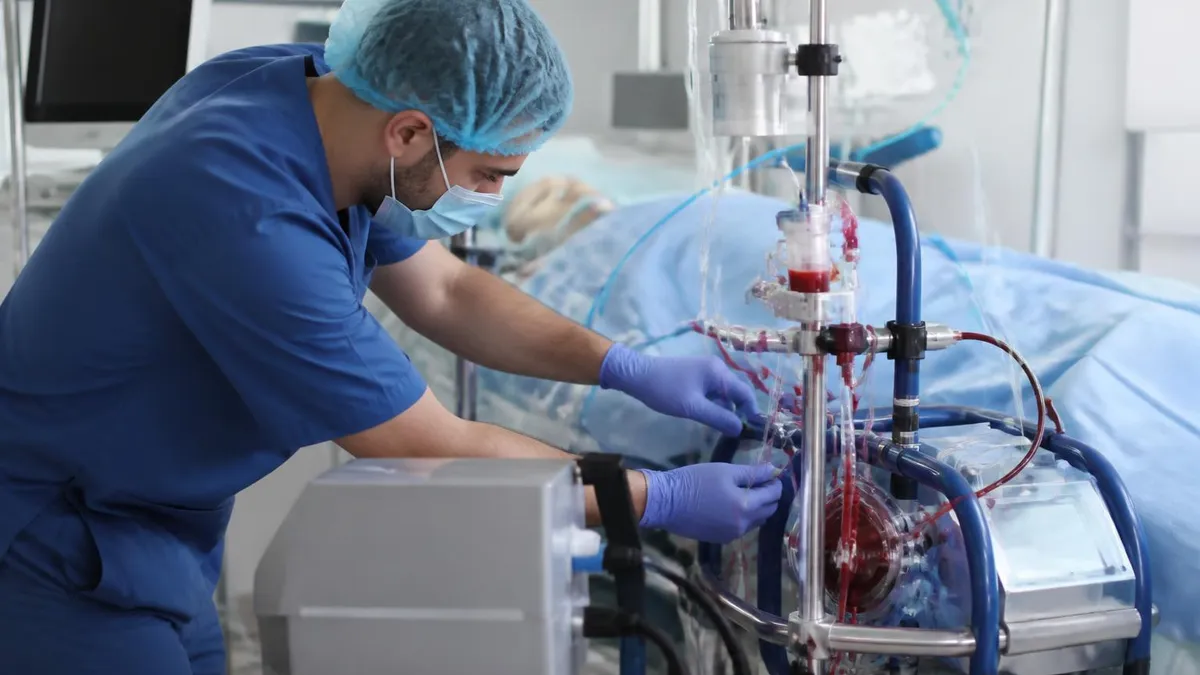
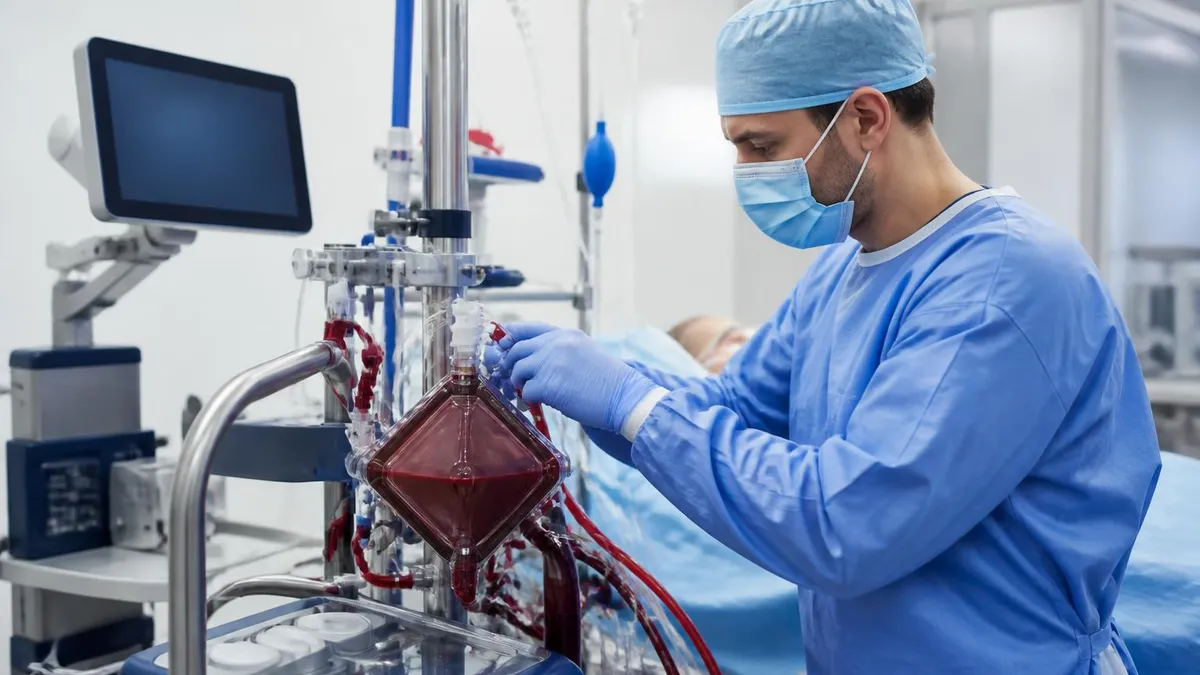
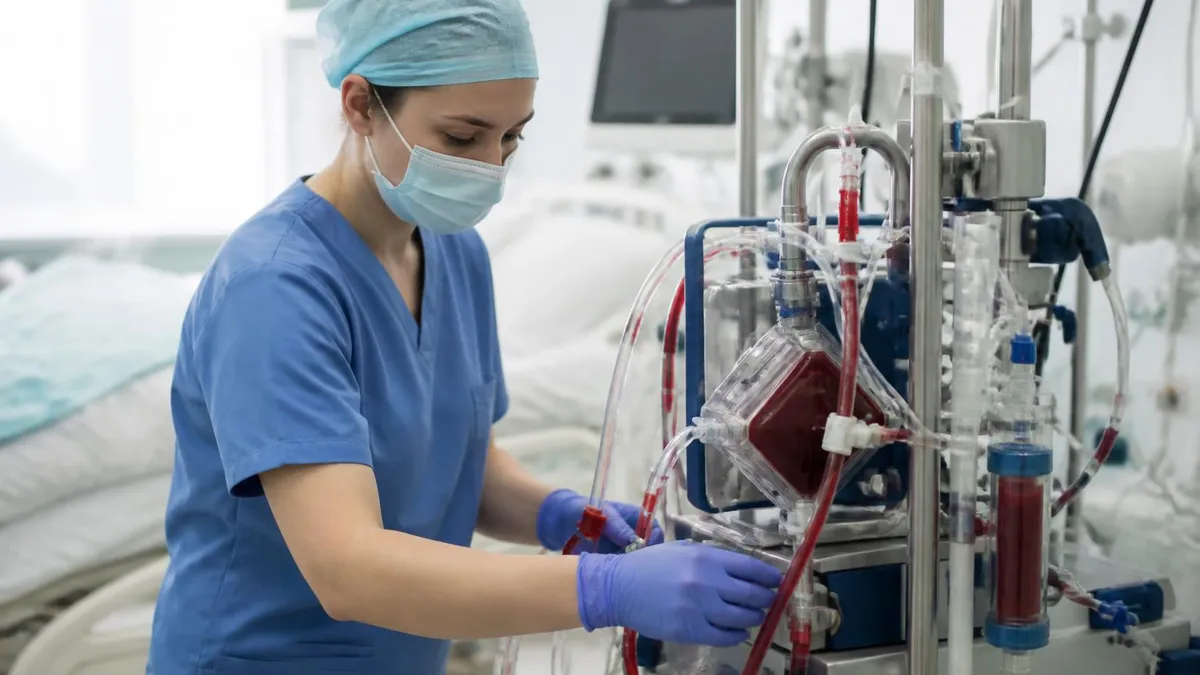
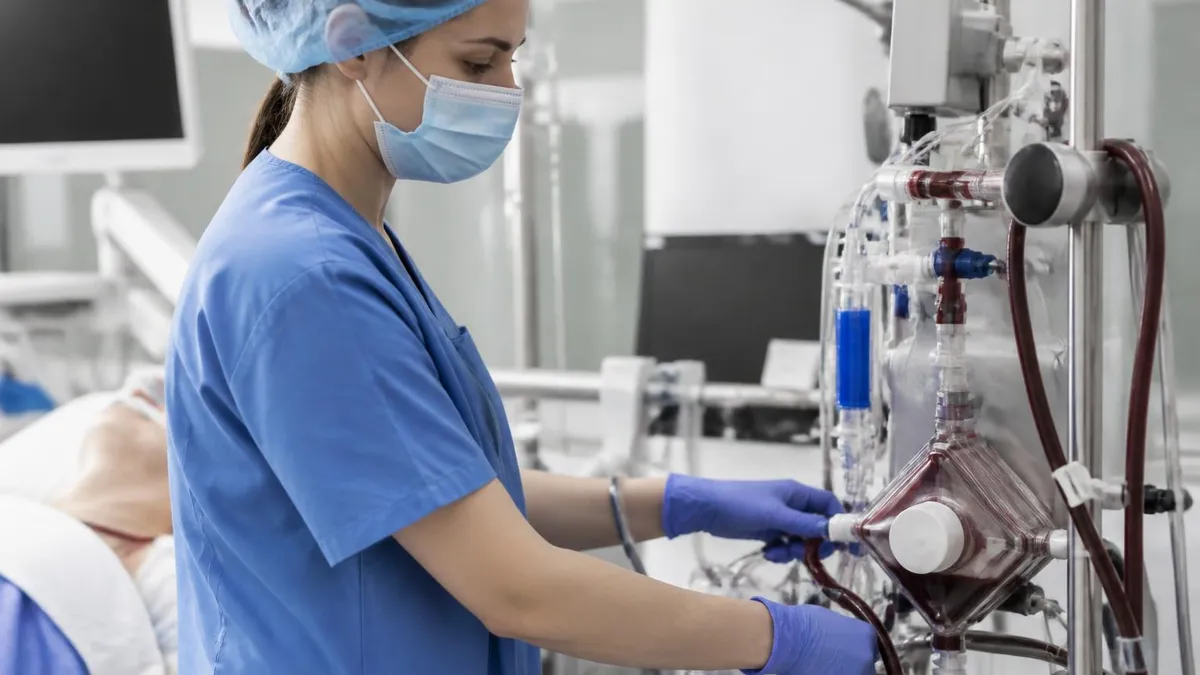
The extracorporeal membrane oxygenation procedure works by routing venous blood through a membrane oxygenator — a device that mimics the gas-exchange function of healthy lung tissue. During the COVID crisis, the vast majority of adult patients received venovenous extracorporeal membrane oxygenation, or VV-ECMO, because their cardiac function was often preserved while respiratory failure was the dominant problem. Blood was drained from a large central vein, passed across a hollow-fiber membrane where oxygen entered and carbon dioxide was swept away, and then returned to the right atrium or another central vein.
The extracorporeal membrane oxygenation circuit consists of several critical components: a centrifugal or roller pump that drives flow, a membrane oxygenator, a heat exchanger that maintains blood temperature, pressure monitors, and a battery of sensors that detect air embolism or circuit thrombosis. Each element must function flawlessly because any failure can be rapidly fatal. During the pandemic, ECMO centers ran circuits continuously for weeks or even months in some patients, placing extraordinary demands on both the hardware and the care team managing it around the clock.
Extracorporeal membrane oxygenation for adults with COVID-19 pneumonia was studied extensively during the pandemic. Large international registries — particularly the Extracorporeal Life Support Organization (ELSO) registry — collected outcomes data on thousands of patients. Early analyses from 2020 reported in-hospital mortality rates ranging from 37% to 65% depending on patient selection, timing of cannulation, and center experience. Those numbers sound grim, but they must be compared against near-certain death without ECMO support in the most severe cases of refractory hypoxemia.
Extracorporeal membrane oxygenation treatment is not a cure; it is a support strategy. The goal is always to provide a window during which the underlying disease — COVID pneumonia, ARDS, inflammation — resolves enough that the patient can be weaned back onto conventional ventilation and eventually breathe on their own. Successful weaning requires daily assessment of lung compliance, plateau pressure, and gas-exchange parameters. When these improve sufficiently, flows are gradually reduced and the patient is trialed on lower ECMO support before decannulation is attempted.
The question of patient selection was fiercely debated during the pandemic. Most high-volume ECMO centers followed criteria adapted from the CESAR and EOLIA trials: a Murray score above 3.0, a PaO2-to-FiO2 ratio persistently below 80 mmHg despite optimal ventilator settings, or uncompensated hypercapnia threatening acidosis. Age cutoffs varied by institution, but many centers were cautious about initiating ECMO in patients older than 65 to 70 years given data suggesting sharply worse outcomes. Obesity, immunosuppression, and prolonged pre-ECMO mechanical ventilation beyond seven to ten days were also associated with poorer prognosis.
For healthcare professionals preparing for certification examinations in ECMO, understanding both the physiology and the clinical decision-making surrounding COVID cases is essential. The pandemic generated an enormous body of literature on optimal circuit management, anticoagulation strategies, proning on ECMO, and team-based care models. Mastering these concepts will not only help you pass your credentialing exam but will make you a more effective bedside clinician when the next respiratory catastrophe arrives.
ECMO for COVID by the Numbers

How the Extracorporeal Membrane Oxygenation Procedure Unfolds
Pre-Cannulation Evaluation
Cannula Placement
Circuit Prime and Initiation
Ongoing Circuit Management
Daily Weaning Trials
Decannulation and Recovery
Venovenous extracorporeal membrane oxygenation became the dominant configuration for COVID-19 patients because the virus attacked the respiratory epithelium far more aggressively than it affected myocardial tissue in most patients. Unlike venoarterial ECMO — which supports both the heart and the lungs — VV-ECMO provides purely respiratory support, returning oxygenated blood to the venous circulation where it mixes with deoxygenated blood before reaching the right heart. This distinction matters clinically because VV-ECMO does not unload the left ventricle and carries a somewhat lower risk of limb ischemia and cerebral embolism.
The extracorporeal membrane oxygenation circuit in a VV configuration must overcome several physiologic challenges unique to COVID ARDS. Recirculation — where oxygenated blood returning through the jugular cannula is immediately suctioned back out through the femoral drainage cannula — reduces the effective oxygen delivery achieved by the circuit. Clinicians counteract recirculation by increasing the spatial separation between cannula tips, adjusting flows, or switching to a dual-lumen bicaval cannula that physically separates drainage and return ports within a single device inserted via the right internal jugular vein.
Proning — placing a mechanically ventilated patient face-down for 16 or more hours per day — was already established as a mortality-reducing intervention in severe ARDS before COVID arrived. During the pandemic, many centers successfully proned patients while they were also on ECMO support, a technically demanding maneuver requiring coordination of six to eight team members to prevent accidental decannulation or circuit disconnection. Evidence from COVID cohorts published in Critical Care Medicine and ASAIO Journal suggested that prone positioning on ECMO did not increase complications and may have improved lung recovery by reducing ventilator-induced lung injury.
Anticoagulation management during prolonged COVID ECMO runs proved especially challenging. The virus triggered a hypercoagulable state characterized by elevated fibrinogen, D-dimer, and von Willebrand factor, predisposing circuits to thrombus formation in the oxygenator and pump head. At the same time, patients were at risk for hemorrhagic complications — including intracranial bleeding — that could be catastrophic. ECMO teams had to walk a fine line, often performing thromboelastography (TEG) or rotational thromboelastometry (ROTEM) daily to guide heparin dosing and blood product administration in real time.
For a deeper understanding of what happens after the ECMO run ends, the journey of extracorporeal membrane oxygenation covid survivors is illuminating. Many patients required weeks of inpatient rehabilitation to regain the muscle strength lost during prolonged paralysis and sedation. Cognitive deficits, post-intensive care syndrome (PICS), and psychological trauma — including PTSD — were common sequelae that persisted for months after hospital discharge. Long-term follow-up studies from France, Germany, and the United States documented that a meaningful proportion of ECMO survivors returned to functional independence, though full recovery could take one to two years.
ECMO center volume emerged as one of the most powerful predictors of survival in the pandemic data. A 2021 analysis published in The Lancet found that centers performing fewer than 30 ECMO cases per year had significantly higher mortality than high-volume centers exceeding that threshold. This finding accelerated conversations about ECMO regionalization — routing the most critically ill COVID patients to specialized centers rather than attempting ECMO at community hospitals with limited experience. Inter-hospital transfer of patients already on ECMO, while logistically complex, was successfully demonstrated by specialized transport teams in multiple countries.
The pharmacology of patients on ECMO is profoundly altered by the circuit itself. Lipophilic drugs such as fentanyl, midazolam, and many antibiotics are sequestered by the polyvinyl chloride tubing and the silicone or polymethylpentene hollow fibers of the oxygenator, reducing plasma concentrations far below the target therapeutic range. This sequestration effect is most pronounced in the first 24 to 48 hours when the circuit components are new and drug absorption is maximal. ECMO pharmacists and critical care physicians must anticipate this phenomenon and increase dosing accordingly, particularly for sedatives, analgesics, and antimicrobials where underdosing carries serious consequences.
Extracorporeal Membrane Oxygenation Procedure: Key Perspectives
Venovenous extracorporeal membrane oxygenation setup begins with ultrasound-guided cannula insertion under sterile technique. The drainage cannula — typically 23 to 27 French — is advanced into the inferior vena cava via the femoral vein, while the return cannula (19 to 21 French) is positioned at the cavoatrial junction via the right internal jugular vein. Fluoroscopy or transesophageal echocardiography confirms tip placement before flows are initiated to avoid cardiac arrhythmias or recirculation.
Initial flows are ramped from 1 to 2 liters per minute up to the target of 4 to 6 liters per minute over the first 15 to 30 minutes. Sweep gas containing 100% oxygen is delivered through the blender at a rate that matches or exceeds blood flow to maximize carbon dioxide removal. Ventilator settings are immediately reduced to lung-rest parameters — driving pressure below 15 cmH2O, FiO2 of 0.21 to 0.40, respiratory rate of 10 or fewer breaths per minute — to minimize ongoing ventilator-induced lung injury while ECMO handles gas exchange.

ECMO for COVID: Benefits and Risks
- +Provides full respiratory support when lungs cannot oxygenate blood adequately
- +Allows ventilator settings to be reduced to lung-protective or ultra-protective levels
- +Buys critical time for COVID pneumonia and ARDS to resolve spontaneously
- +Enables proning to continue even in deeply ill, cannulated patients
- +Supports patients who deteriorate rapidly before organ damage becomes irreversible
- +Registry data show meaningful survival rates in carefully selected COVID patients
- −Carries serious bleeding risks including intracranial hemorrhage
- −Requires continuous anticoagulation that complicates co-existing coagulopathy
- −Circuit thrombosis can develop rapidly in hypercoagulable COVID patients
- −Prolonged runs associated with severe deconditioning and post-ICU syndrome
- −Extremely resource-intensive, requiring specialist teams and high nursing ratios
- −Outcome data show high mortality in patients cannulated after seven or more days on mechanical ventilation
ECMO for COVID Patient Selection Checklist
- ✓Confirm PaO2-to-FiO2 ratio persistently below 80 mmHg despite optimal ventilator settings for at least 6 hours
- ✓Verify Murray Lung Injury Score exceeds 3.0 based on PaO2/FiO2, PEEP, compliance, and infiltrate quadrant count
- ✓Ensure mechanical ventilation duration is fewer than 7–10 days to avoid fibroproliferative lung disease
- ✓Rule out absolute contraindications: uncontrolled bleeding, severe pre-existing neurological injury, or futility
- ✓Assess cardiac function via echocardiography to determine whether VV-ECMO is sufficient or VA-ECMO is needed
- ✓Confirm vascular access feasibility with ultrasound evaluation of femoral and jugular veins
- ✓Obtain informed consent from patient or surrogate documenting realistic survival probabilities and burden of treatment
- ✓Verify ECMO-trained specialist or perfusionist is available for continuous bedside circuit monitoring
- ✓Establish baseline coagulation panel including anti-Xa, aPTT, fibrinogen, platelet count, and TEG or ROTEM
- ✓Coordinate transfer to a high-volume ECMO center if institutional case volume is fewer than 30 cases per year
Timing Is Everything: Earlier Cannulation Saves Lives
ELSO registry data from COVID patients consistently showed that outcomes were significantly better when ECMO was initiated before seven days of mechanical ventilation. Patients ventilated for more than ten days prior to cannulation faced mortality exceeding 70% in multiple cohorts. When ECMO is being considered, early referral to a high-volume center — rather than waiting to see if the patient improves — is the decision that most often makes the difference between survival and death.
Understanding extracorporeal membrane oxygenation in neonates is essential context for any ECMO clinician, because the technology was actually developed and refined in newborns before it was broadly applied to adults. Neonatal ECMO was pioneered in the 1970s for infants with persistent pulmonary hypertension of the newborn (PPHN), meconium aspiration syndrome, congenital diaphragmatic hernia, and sepsis-induced respiratory failure. The survival rates achieved in these tiny patients — some weighing less than 2 kilograms — helped establish the proof-of-concept that would eventually be translated to adult respiratory failure, including COVID.
The physiology of neonatal ECMO differs significantly from adult applications. Neonatal circuits are much smaller in volume — circuit primes of 100 to 150 mL compared to 500 mL or more in adults — meaning that the hemodilution effect of circuit priming is proportionally enormous relative to the infant's blood volume. Most neonatal circuits require priming with packed red blood cells, fresh frozen plasma, and sometimes albumin to prevent dangerous anemia and oncotic pressure shifts at initiation. The pump flow rates are correspondingly low — 80 to 150 mL/kg/min — but represent the infant's entire cardiac output in venoarterial configurations.
Neonatal venoarterial ECMO — draining from the right internal jugular vein and returning oxygenated blood to the right common carotid artery — was the original and remains a common configuration in newborns. The carotid artery is ligated in this approach and not reconstructed in many centers, a practice that has been the subject of long-term neurodevelopmental follow-up studies. Concerns about right hemispheric ischemia from carotid ligation have driven some programs toward femoral VA-ECMO even in neonates, though this approach has its own technical limitations in very small patients.
The extracorporeal membrane oxygenation diagram for a neonatal circuit looks superficially similar to an adult circuit but conceals important differences in scale and component selection. Neonatal oxygenators must function efficiently at flows of 300 to 600 mL/min, far below the range that adult oxygenators are designed for.
Purpose-built neonatal oxygenators — such as the Medos Hilite LT 0.8 or the Quadrox-iD Pediatric — use hollow-fiber membrane surface areas of 0.8 to 1.5 square meters compared to 1.8 to 2.5 square meters in adult devices. Using an adult oxygenator in a neonate would result in excessive priming volume, unacceptable pressure drops, and inadequate gas-transfer efficiency at low flows.
The transition from neonatal to pediatric and then adult ECMO is not merely a matter of scaling up. Each population has distinct disease patterns, vascular anatomy, metabolic rates, and drug pharmacokinetics that require tailored management protocols. A pediatric cardiac surgery patient cannulated for post-cardiotomy cardiogenic shock differs fundamentally from a 65-year-old adult with COVID ARDS, even though both are on ECMO at the same moment. Certification examinations for ECMO specialists test the candidate's ability to navigate all of these populations, which is why study resources that cover neonatal, pediatric, and adult populations comprehensively are essential for exam success.
Long-term neurodevelopmental outcomes in neonatal ECMO survivors have been studied extensively. The largest longitudinal study, the UK ECMO Trial follow-up, found that ECMO-treated neonates had a higher rate of disability at one year compared to non-ECMO controls, but this was largely attributable to the severity of the underlying illness rather than ECMO itself.
By school age, the majority of neonatal ECMO survivors attended mainstream schools, though a subset had learning difficulties, hearing loss (partly related to aminoglycoside use during the ECMO run), or behavioral challenges that required educational support. These outcomes reinforce the importance of structured neurodevelopmental follow-up programs at ECMO centers.
Adult ECMO programs that expanded rapidly during COVID drew heavily on the institutional knowledge of neonatal and pediatric ECMO teams. Pediatric ECMO specialists — who had managed circuits with obsessive attention to clot surveillance, minimal sedation, and proactive rehabilitation — brought those disciplines to the adult COVID ICU with measurable benefit. Cross-training between neonatal, pediatric, and adult ECMO services accelerated during the pandemic and is now increasingly recommended by professional societies including ELSO as a model for building robust, scalable ECMO programs capable of surging capacity during future respiratory emergencies.

Multiple large COVID ECMO cohorts have demonstrated that patients placed on ECMO after more than 10 days of mechanical ventilation face mortality rates above 70%. Irreversible fibroproliferative remodeling of lung tissue — visible as persistent ground-glass opacity and consolidation on CT — reduces the likelihood that the lungs will recover sufficiently to allow successful weaning. If ECMO is being considered, involve a specialist center early rather than waiting until all other options have been exhausted for two weeks.
Preparing for ECMO certification requires more than memorizing circuit components and indications. Candidates must demonstrate nuanced understanding of how the extracorporeal membrane oxygenation treatment philosophy applies across a spectrum of clinical scenarios — from the premature neonate with surfactant deficiency lung disease to the middle-aged adult with COVID-induced ARDS to the post-cardiac-surgery patient with biventricular failure. The ELSO-endorsed Certified ECMO Specialist (CES) examination, offered through the American Board of Cardiovascular Perfusion and related bodies, tests this breadth rigorously.
The content domains covered on ECMO certification examinations map closely to the clinical challenges encountered during the COVID pandemic. Questions on circuit troubleshooting — recognizing chatter, cavitation, or excessive negative pressure at the drainage port — are common. Candidates must understand the differential diagnosis of acute oxygenator failure, including plasma leakage versus true membrane rupture, and know the steps to safely exchange a failed oxygenator without interrupting patient support. Anticoagulation protocols, including the indications for switching from heparin to bivalirudin in heparin-induced thrombocytopenia, are tested regularly.
Pharmacology questions on the ECMO specialist exam frequently focus on drug sequestration and altered volume of distribution. Test-takers should be able to explain why lipophilic drugs are disproportionately sequestered by PVC tubing and PMPmembranes, predict which drugs are most affected (fentanyl, midazolam, propofol, vancomycin, certain antifungals), and describe the monitoring strategies used to ensure therapeutic drug levels in ECMO patients. Understanding protein binding changes on ECMO — lower albumin due to hemodilution and acute phase response increases the free fraction of highly protein-bound drugs — adds another layer of pharmacokinetic complexity that examiners love to probe.
Neonatal and pediatric ECMO content occupies a substantial portion of the CES examination blueprint. Candidates should be thoroughly familiar with the indications for neonatal ECMO (oxygenation index above 40, PaO2 below 40 mmHg on maximal conventional therapy), the unique anatomical considerations of neonatal cannulation, and the neurological monitoring strategies — including near-infrared spectroscopy (NIRS) and amplitude-integrated EEG — used to detect early signs of cerebral hypoperfusion or seizure activity in sedated neonates who cannot communicate symptoms.
The ECMO specialist examination also tests knowledge of ethical decision-making frameworks — a domain that became acutely relevant during COVID when ECMO resources were scarce and difficult allocation decisions had to be made transparently and equitably. Criteria for ECMO triage during resource limitation, processes for communicating futility to families, and the ethics of time-limited trials of ECMO support with pre-specified endpoints for reassessment are all topics that candidates may encounter. Engaging with ELSO's published ethical guidelines before the exam provides a defensible framework for answering these questions correctly and thoughtfully.
Practice examinations remain one of the highest-yield study strategies available to ECMO certification candidates. Working through realistic case-based questions forces active recall, identifies knowledge gaps, and builds the pattern-recognition skills needed to answer confidently under time pressure. The most effective practice questions mirror the cognitive complexity of the real exam — requiring the candidate not just to recall a fact but to apply it to a patient scenario, discriminate between two plausible answers, and reason through the consequences of each choice. Topics drawn from recent COVID ECMO literature are increasingly appearing in examination questions as the body of evidence matures.
For those who want to go deeper on what recovery looks like after the ICU course ends, exploring ecmo for covid survivor data provides critical perspective on what patients and families can realistically expect. Rehabilitation protocols that begin in the ICU — passive range-of-motion exercises, early mobilization when hemodynamically stable on ECMO, cognitive stimulation to prevent ICU delirium — have been shown to meaningfully reduce the burden of post-intensive care syndrome and shorten the overall recovery trajectory.
ECMO specialists who understand this recovery arc are better equipped to set realistic goals with families and motivate patients through the grueling weeks of rehabilitation that follow decannulation.
Building a strong knowledge base for ECMO certification — whether you are approaching it from a respiratory therapy, nursing, perfusion, or physician background — requires a structured and disciplined study plan. The sheer breadth of the content domain can feel overwhelming, but the ELSO Red Book (the reference text for the field) and ELSO guidelines organized by patient population provide a reliable scaffold around which to organize your learning. Supplement the Red Book with published clinical trials — CESAR, EOLIA, and the major COVID ECMO registry analyses — to understand the evidence base behind current practice recommendations.
Circuit management questions reward candidates who have spent time at the bedside observing or managing actual ECMO circuits. If your institution runs an ECMO program, arrange to shadow the ECMO specialist during circuit checks, oxygenator assessments, and troubleshooting sessions. Reading about chatter in a textbook conveys the concept, but watching the flow waveform oscillate on the ECMO console while listening to the audible pump alarm encodes the lesson in a way that is far more durable under exam stress. Simulation training programs offered by ECMO manufacturers and training centers provide a high-fidelity alternative for those without direct bedside access.
Time management during the actual CES examination is a skill that requires deliberate practice. The exam is time-pressured, and candidates who spend too long deliberating on a single difficult question risk running out of time on later questions they could answer correctly with moderate effort. Developing a disciplined pacing strategy — targeting roughly 90 seconds per question, flagging uncertain items for review, and completing an initial pass before returning to flagged questions — requires practice with realistic timed tests rather than untimed reading. Mock examinations that replicate the actual exam's time constraints are therefore more valuable than unlimited review sessions.
Pharmacology and anticoagulation questions benefit from an understanding of the coagulation cascade at a mechanistic level. Knowing that heparin potentiates antithrombin III to inhibit thrombin and Factor Xa — and why patients with antithrombin III depletion (common after prolonged ECMO) may exhibit apparent heparin resistance — positions you to answer both factual recall questions and applied scenario questions correctly.
Understanding the mechanism of bivalirudin as a direct thrombin inhibitor, its advantages in patients with heparin-induced thrombocytopenia, and its shorter half-life that facilitates rapid reversal during bleeding emergencies gives you the analytical tools to navigate anticoagulation questions regardless of how they are framed.
Neonatal physiology questions often test the transition from fetal to neonatal circulation and how pathological persistence of fetal circulatory patterns drives the conditions for which neonatal ECMO is most commonly used. Persistent pulmonary hypertension of the newborn (PPHN) results from failure of the normal postnatal drop in pulmonary vascular resistance, maintaining right-to-left shunting through the patent foramen ovale and ductus arteriosus. Understanding why inhaled nitric oxide, sildenafil, and high-frequency oscillatory ventilation are tried before ECMO — and why ECMO is initiated when these fail — gives you the clinical reasoning framework to answer questions about neonatal escalation of care correctly.
Complications of ECMO — bleeding, thrombosis, hemolysis, air embolism, circuit failure, neurological injury, and infection — are high-yield examination topics because they represent the clinical situations in which ECMO specialists must act decisively.
Memorizing the specific plasma-free hemoglobin threshold above which hemolysis is concerning (generally above 50 mg/dL), the signs of ventricular distension requiring left heart venting in VA-ECMO, and the algorithm for managing accidental decannulation will pay dividends on exam day. Building a mental decision tree for each major complication — what signs alert you, what you do first, what you escalate to — is more durable under pressure than a list of isolated facts.
Finally, do not underestimate the value of peer study groups and case-based discussion with colleagues who are also preparing for ECMO certification. Explaining a concept to another person consolidates your own understanding, and hearing a colleague's explanation of a topic you thought you knew often reveals gaps or nuances you had missed.
Many ECMO programs organize internal study groups in the months before examination windows, and ELSO offers preparatory courses and webinars that provide structured review of the highest-yield content domains. Combining these collaborative resources with rigorous independent practice testing gives you the best possible preparation for examination success and — more importantly — for the clinical excellence that ECMO patients deserve from their care team.
ECMO Questions and Answers

About the Author

Educational Psychologist & Academic Test Preparation Expert
Columbia University Teachers CollegeDr. Lisa Patel holds a Doctorate in Education from Columbia University Teachers College and has spent 17 years researching standardized test design and academic assessment. She has developed preparation programs for SAT, ACT, GRE, LSAT, UCAT, and numerous professional licensing exams, helping students of all backgrounds achieve their target scores.
Join the Discussion
Connect with other students preparing for this exam. Share tips, ask questions, and get advice from people who have been there.
View discussion (9 replies)