
ECMO Console: How the Extracorporeal Membrane Oxygenation Machine Works
Learn how the ECMO console works, from circuit components to neonatal use. ✅ Covers VV vs VA modes, costs, COVID use, and what clinicians need to know.

The ecmo console is the command center of life support technology — a sophisticated system that manages blood flow, oxygenation, and carbon dioxide removal when a patient's heart or lungs can no longer sustain life on their own. Understanding how this machine operates is essential for clinicians, ECMO specialists, respiratory therapists, and nurses who work in cardiac surgery ICUs, neonatal intensive care units, or adult critical care settings. The extracorporeal membrane oxygenation procedure relies on this console to maintain precise control over every parameter that keeps the patient alive during treatment.
Extracorporeal membrane oxygenation in neonates has been one of the most impactful applications of this technology since ECMO was first used successfully in a newborn in 1975. Neonatal patients with conditions such as persistent pulmonary hypertension of the newborn, meconium aspiration syndrome, congenital diaphragmatic hernia, or sepsis-related cardiopulmonary failure depend on precise console management. Because neonatal blood volumes are extremely small — often under 300 mL — even minor fluctuations in pump speed or circuit pressures can produce dramatic physiological consequences, making the console's real-time feedback systems absolutely critical.
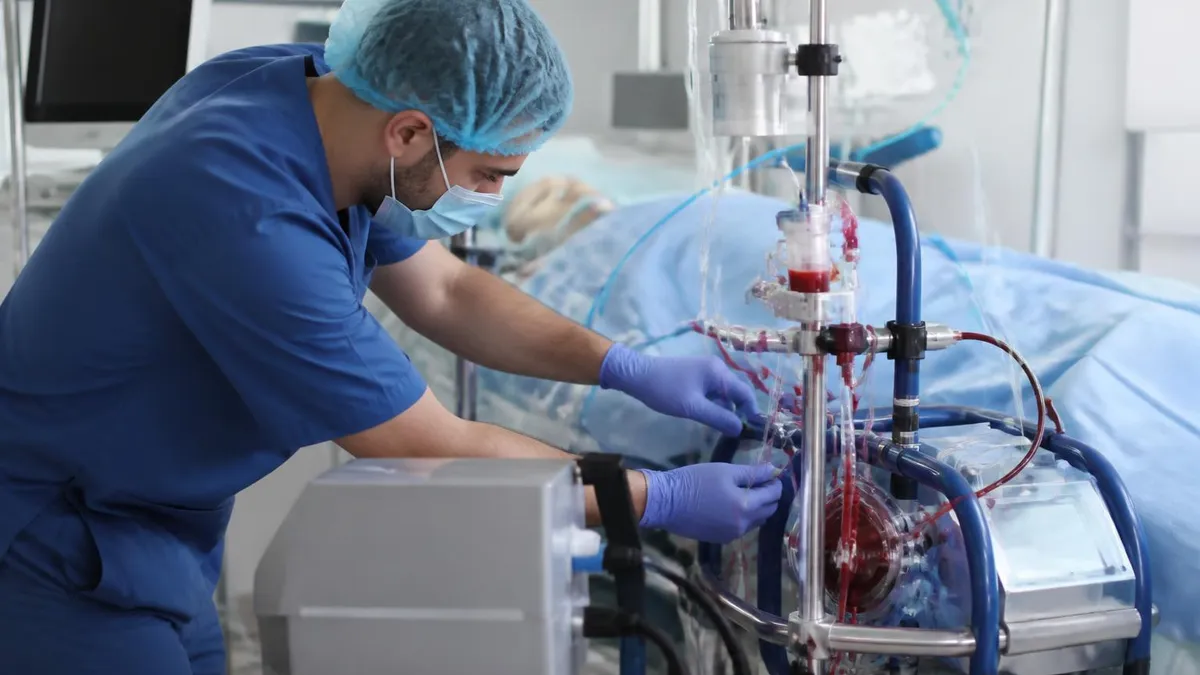
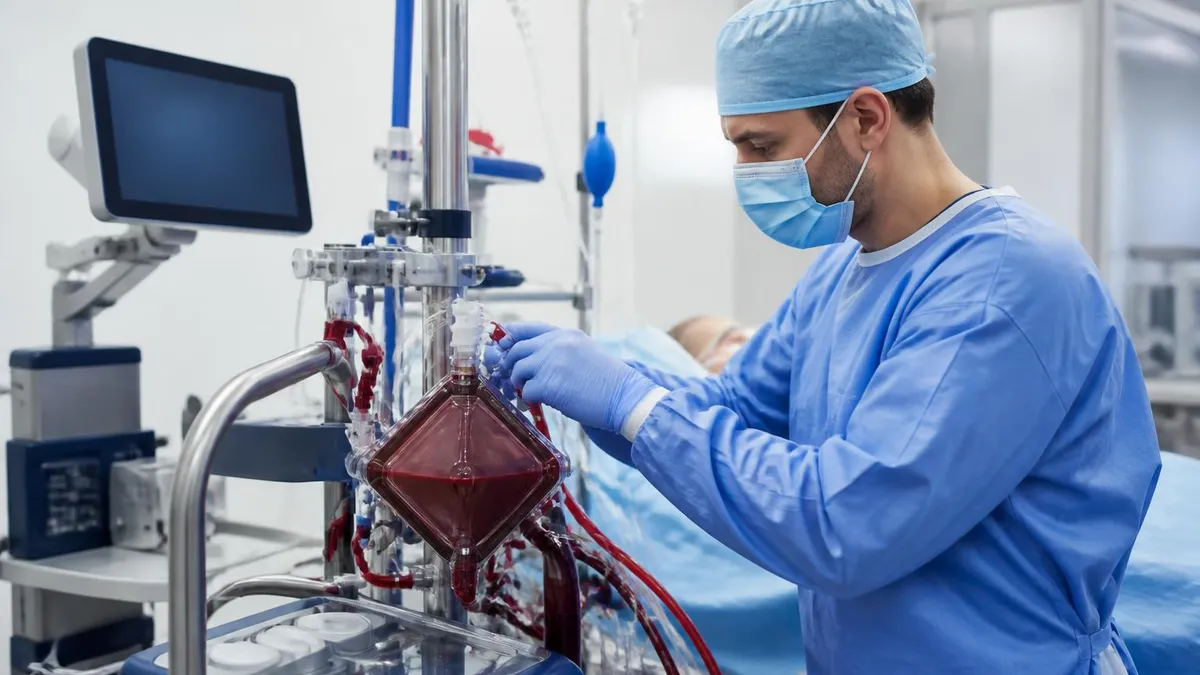
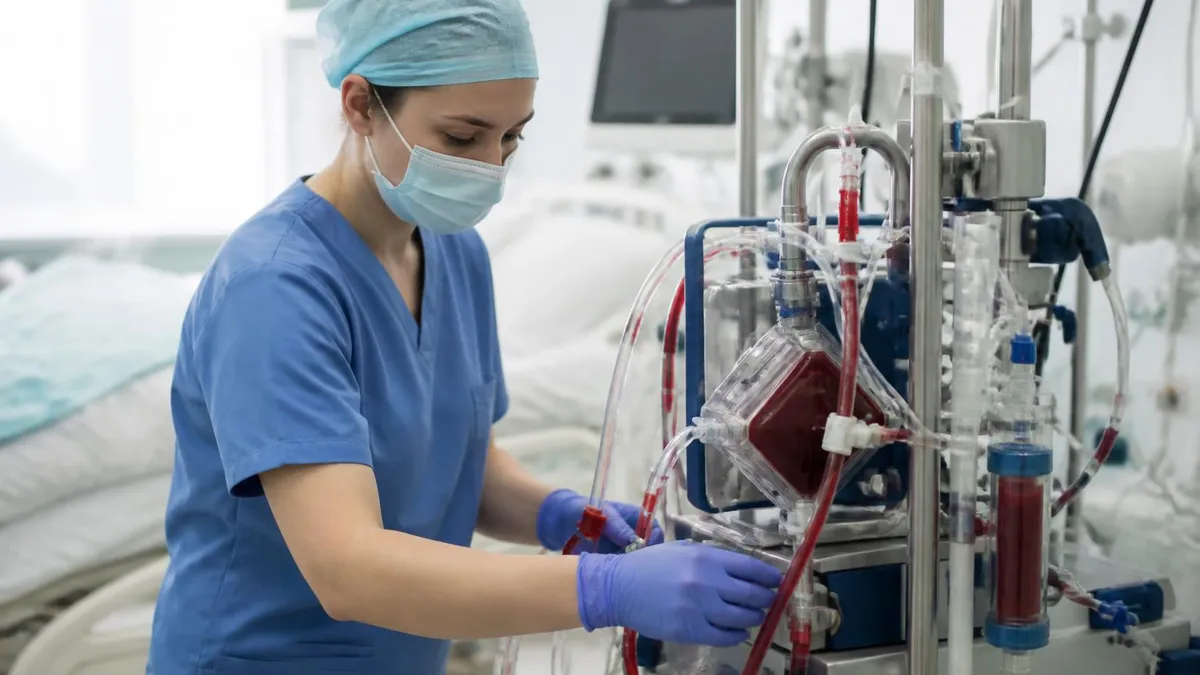
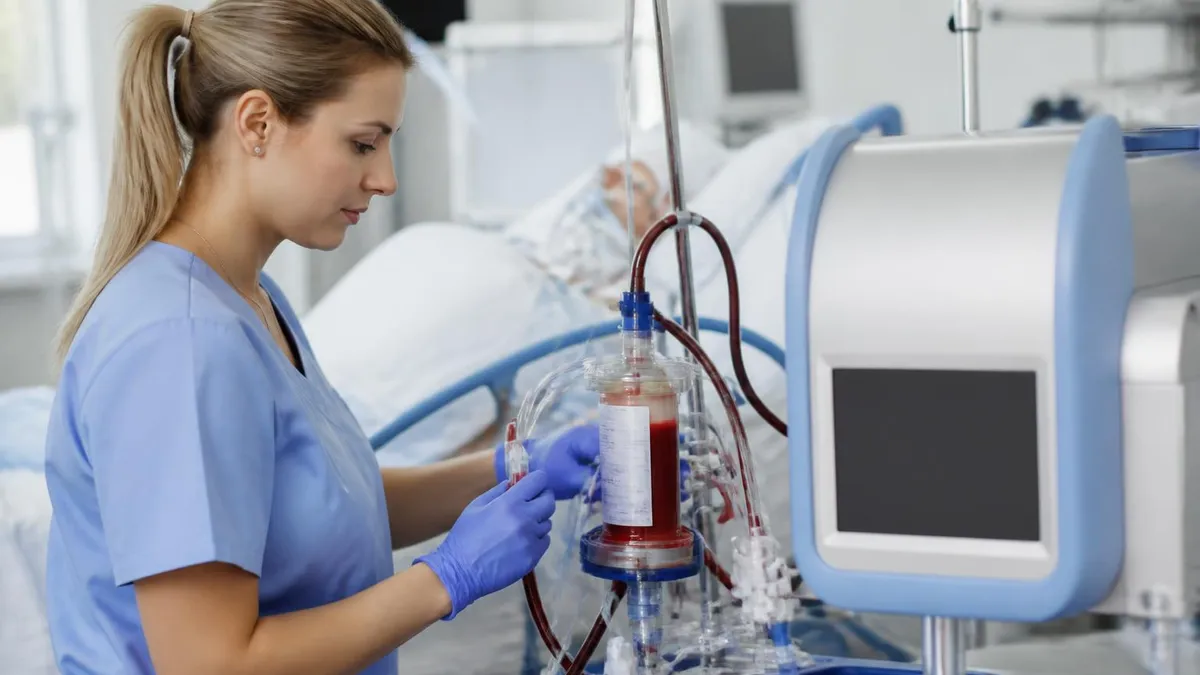
The extracorporeal membrane oxygenation circuit itself consists of several interconnected components, all of which report data back to the console interface: drainage and return cannulas, a centrifugal or roller pump, a membrane oxygenator, a heat exchanger, pressure monitors, and flow sensors. The console aggregates this data and displays it in a unified dashboard that gives the ECMO specialist a real-time picture of circuit performance. Modern consoles like the Maquet Cardiohelp, LivaNova S5, and Terumo Capiox incorporate touchscreen interfaces, automated alarm systems, and integrated flow control that older roller-pump systems simply could not offer.
The extracorporeal membrane oxygenation treatment a patient receives is only as reliable as the console managing it. Clinicians must understand how to interpret console readings such as revolutions per minute (RPM), blood flow in liters per minute (L/min), sweep gas flow, fraction of delivered oxygen (FdO2), pre- and post-membrane pressures, and transmembrane pressure differentials. Alarms for low flow, high pressure, and air detection must be recognized immediately, as failure to respond appropriately can result in circuit failure, hemolysis, thrombus formation, or catastrophic patient decompensation within minutes.
In adult critical care, the extracorporeal membrane oxygenation for adults population has expanded dramatically over the past two decades. Adults with acute respiratory distress syndrome (ARDS), cardiogenic shock, massive pulmonary embolism, and post-cardiac surgery failure are now routinely supported on ECMO consoles for days or weeks. The COVID-19 pandemic brought renewed global attention to extracorporeal membrane oxygenation covid applications, with centers worldwide initiating ECMO programs or scaling existing ones to manage patients with refractory hypoxemia who failed all conventional ventilatory strategies.
Venovenous extracorporeal membrane oxygenation (VV-ECMO) and venoarterial extracorporeal membrane oxygenation (VA-ECMO) are the two primary configurations, and each mode requires distinct console management strategies. In VV-ECMO, the console must optimize gas exchange without providing hemodynamic support, relying entirely on the native heart. In VA-ECMO, the console must balance pump flow against native cardiac output, monitor for differential hypoxemia (also called north-south syndrome or Harlequin syndrome), and manage the increased afterload that the pump places on the left ventricle. These nuances are tested in ECMO certification exams and demand rigorous clinical training.
Whether you are a student preparing for the Extracorporeal Life Support Organization (ELSO) credentialing examination or an experienced clinician seeking a refresher on console management principles, understanding the full scope of ECMO console function — from alarm interpretation to circuit troubleshooting to cost considerations — will make you a safer and more confident ECMO practitioner. This article walks through every major dimension of the ECMO console and the broader extracorporeal membrane oxygenation ecosystem.
ECMO Console & Treatment by the Numbers

Core Components of the ECMO Circuit
The pump is the engine of the ECMO circuit. Centrifugal pumps use magnetic levitation to generate non-pulsatile flow and are now preferred over roller pumps for most adult and pediatric applications due to lower hemolysis risk and built-in flow monitoring.
A hollow-fiber polymethylpentene (PMP) membrane oxygenator transfers oxygen into and removes carbon dioxide from the blood. Sweep gas flow rate controls CO2 removal, while FdO2 controls oxygenation. Clot formation in the oxygenator is monitored via pressure differentials on the console.
The heat exchanger maintains the patient's core body temperature by warming or cooling blood as it passes through the circuit. Console temperature displays allow clinicians to target normothermia or controlled hypothermia during specific cardiac procedures or post-arrest management.
Drainage and return cannulas connect the patient to the circuit. Cannula size determines maximum achievable flow. The console displays cannula resistance indirectly through pre-pump pressure monitoring, alerting clinicians to kinking, malposition, or hypovolemia-related inflow issues.
The console dashboard integrates RPM, blood flow, sweep gas, pressure readings, and alarm thresholds into one display. Automated alarms for air detection, low flow, high pressure, and power failure allow the specialist to respond within seconds to life-threatening circuit events.
Managing blood flow on the ECMO console requires a detailed understanding of how pump speed translates into patient hemodynamics and circuit pressures. In a centrifugal pump system, the pump speed is measured in revolutions per minute (RPM), and the resulting blood flow is reported in liters per minute (L/min). Increasing RPM generates higher flow, but the actual output also depends heavily on pre-load (venous drainage) and after-load (arterial return resistance). The ECMO specialist must constantly interpret these interdependencies to maintain adequate support without damaging blood cells through excessive shear stress.
Pre-membrane pressure (P1) and post-membrane pressure (P2) are two of the most critical readings on any extracorporeal membrane oxygenation circuit console. P1 reflects the pressure of blood entering the oxygenator, while P2 reflects the pressure of oxygenated blood leaving it. The transmembrane pressure differential (P1 minus P2) provides a continuous, real-time assessment of oxygenator integrity and clot burden. A rising transmembrane pressure gradient — for example, an increase from 20 mmHg to over 60 mmHg — indicates progressive thrombus formation within the oxygenator fibers and may signal the need for oxygenator change-out within hours.
Sweep gas management is a dimension of console operation that directly controls respiratory support. Sweep gas is a mixture of oxygen and air delivered across the membrane oxygenator at a set flow rate (measured in L/min) and concentration (FdO2, ranging from 0.21 to 1.0). Increasing sweep gas flow accelerates CO2 removal and can rapidly correct hypercapnia or respiratory acidosis. Decreasing sweep gas reduces CO2 clearance and is used during weaning trials to test the patient's native lung function. The extracorporeal membrane oxygenation treatment team uses arterial blood gas results, typically drawn every 4–6 hours, to guide these adjustments.
Anticoagulation management is inextricably linked to console monitoring. Heparin is the most commonly used anticoagulant during ECMO, and the circuit generates continuous thrombogenic stimulus on the patient's coagulation system. The activated clotting time (ACT) or anti-Xa levels are monitored at the bedside, but circuit-related clotting events often manifest first as console alarms — specifically, rising transmembrane pressures or visible fibrin formation in the oxygenator visible through the translucent housing. Bivalirudin is used as an alternative anticoagulant in patients with heparin-induced thrombocytopenia (HIT), which requires adjusted monitoring protocols and typically different ACT targets.
The extracorporeal membrane oxygenation diagram that ELSO publishes in its Red Book guidelines is an excellent reference for understanding how console readings map to circuit anatomy. When studying for certification, candidates should be able to trace blood flow through the circuit from the drainage cannula to the pump inlet, through the oxygenator, and back to the patient — and identify exactly which console reading corresponds to each segment. For instance, a negative pre-pump pressure (suction pressure more negative than negative 30 mmHg) typically indicates volume depletion, cannula malposition, or cardiac tamponade, all of which require immediate bedside evaluation.
Flow optimization on the ECMO console requires balancing support goals against the risk of over-reliance on the machine. In general, VV-ECMO targets flows between 3 and 6 L/min in adults, while VA-ECMO may be run at flows that provide 60 to 80 percent of the patient's estimated cardiac output. Incremental flow changes should be made in steps of 0.25 to 0.5 L/min, with reassessment of hemodynamic parameters, venous oxygen saturation (SvO2), and circuit pressures after each adjustment. Abrupt large changes in flow — particularly rapid decreases — can precipitate hemodynamic instability and should be avoided outside of emergency situations.
Documentation on the ECMO console, including the electronic medical record integration that many modern systems offer, is a regulatory and safety requirement. Every console parameter change, alarm event, and specialist intervention should be time-stamped and recorded. ELSO guidelines require hourly documentation of pump flow, RPM, sweep gas settings, blood and water temperatures, and circuit pressures. This documentation trail is essential not only for clinical continuity between shift changes but also for retrospective quality review and complication analysis — a process that drives continuous improvement in ECMO program outcomes.
Venovenous Extracorporeal Membrane Oxygenation vs Venoarterial: Console Differences
In venovenous extracorporeal membrane oxygenation, blood is drained from a large central vein — typically the right internal jugular or femoral vein — passed through the oxygenator, and returned to a different venous location, usually the right atrium. The console manages oxygenation and CO2 removal exclusively; hemodynamic support is not provided by the circuit. The ECMO specialist targets pre-oxygenator venous oxygen saturation (SvO2) above 70 percent and monitors for recirculation — a phenomenon in which already-oxygenated blood is re-drained rather than returning to the patient's systemic circulation.
Recirculation is the primary console management challenge unique to VV-ECMO. It is detected by noting a pre-membrane oxygen saturation (SpO2 at the drainage port) that is unusually high — often greater than 80 percent — despite the patient having low systemic oxygenation. Console flow must be optimized in conjunction with cannula repositioning to minimize recirculation. In dual-lumen cannula configurations such as the Avalon Elite, flow distribution between the drainage and infusion ports is controlled by cannula position under echocardiographic guidance, but the console sweep gas and FdO2 settings remain the primary tools for achieving adequate tissue oxygenation.

ECMO Console Technology: Benefits and Limitations
- +Real-time integrated monitoring of all circuit parameters in a single dashboard reduces cognitive load on ECMO specialists during high-acuity events
- +Automated alarm systems for air detection, low flow, high transmembrane pressure, and power failure provide immediate alerts that prevent circuit failure
- +Modern centrifugal pump consoles generate lower hemolysis rates than older roller-pump systems, reducing the risk of acute kidney injury and hemolytic anemia
- +Touchscreen interfaces and electronic medical record integration streamline documentation and improve data accuracy across multi-day ECMO runs
- +Portable console designs such as the Maquet Cardiohelp enable safe inter-hospital transport of ECMO patients, expanding access to tertiary ECMO centers
- +Advanced consoles with integrated flow sensors allow continuous cardiac output estimation, reducing the need for additional hemodynamic monitoring devices
- −Capital equipment costs for a complete ECMO console system can exceed $500,000, limiting access to well-resourced academic medical centers and large community hospitals
- −Console alarms can become desensitized over time in high-volume ECMO units, increasing the risk of alarm fatigue and delayed response to genuine emergencies
- −Centrifugal pump consoles are sensitive to preload and afterload changes, requiring highly trained specialists who understand the interactions between pump physics and patient hemodynamics
- −Console software upgrades and proprietary hardware designs create vendor lock-in, making multi-vendor circuit compatibility difficult and driving up consumable costs
- −Power-dependent electronic consoles are vulnerable to electrical failures; backup battery systems typically provide only 60 to 90 minutes of runtime, requiring immediate contingency planning during power outages
- −Highly specialized console training requirements mean that ECMO programs must maintain a roster of credentialed specialists around the clock, creating significant staffing and cost challenges for smaller hospitals
ECMO Console Management Checklist for Specialists
- ✓Verify pump flow (L/min) matches the prescribed support level before each shift and after any hemodynamic change
- ✓Check pre-membrane (P1) and post-membrane (P2) pressures and calculate transmembrane pressure gradient at least every hour
- ✓Confirm sweep gas flow rate and FdO2 are set per current gas exchange targets and correlate with most recent arterial blood gas
- ✓Inspect all circuit connections, tubing, and oxygenator for visible clot, discoloration, or fibrin deposits every two hours
- ✓Review anticoagulation levels (ACT, anti-Xa, or aPTT) and adjust heparin infusion to maintain target range per institutional protocol
- ✓Ensure heat exchanger temperature is maintaining patient core temperature within the ordered target range and document water temperature
- ✓Test all console alarms at the start of each shift to confirm audible and visual alarm functionality is operational
- ✓Confirm backup power source (battery or UPS) is charged and capable of sustaining the console for at least 60 minutes
- ✓Document all console parameters in the electronic medical record at hourly intervals per ELSO guidelines and institutional policy
- ✓Communicate any console alarm events, parameter changes, or circuit concerns to the bedside nurse and intensivist immediately and record in the clinical note
Watch the Pressure Gradient, Not Just Visual Inspection
A rising transmembrane pressure differential — the difference between pre-membrane and post-membrane pressures on the ECMO console — is typically the first quantifiable sign of oxygenator clot formation, often appearing 6 to 12 hours before the oxygenator becomes visibly dark or before gas transfer efficiency drops. Trending this value hourly and establishing institutional thresholds for oxygenator change (commonly greater than 50–60 mmHg differential) allows for planned, controlled circuit changes rather than emergency interventions during hemodynamic crisis.
Extracorporeal membrane oxygenation in neonates demands a level of console precision that exceeds requirements in any other patient population. Neonatal patients typically weigh between 2 and 5 kilograms, meaning the entire blood volume may be only 160 to 400 mL.
The extracorporeal circuit itself requires a prime volume of 100 to 300 mL depending on tubing size, which represents a massive relative volume load compared to the infant's circulating volume. This prime is typically supplemented with packed red blood cells, fresh frozen plasma, and albumin to prevent hemodilution and maintain oncotic pressure, with the composition carefully calculated and documented before circuit initiation.
In neonatal ECMO, the most common indications include meconium aspiration syndrome, persistent pulmonary hypertension of the newborn (PPHN), congenital diaphragmatic hernia (CDH), sepsis, and birth asphyxia. Each diagnosis carries a distinct physiological profile that influences console management strategy. For example, neonates with CDH often have pulmonary hypoplasia and may require higher flows and longer ECMO runs than infants with meconium aspiration, because the underlying structural lung defect limits pulmonary recruitment even with full ECMO support. The console team must set realistic flow targets based on estimated cardiac output for a patient's weight — typically 100 to 150 mL/kg/min in neonates.
Hemostasis management in neonatal ECMO is particularly challenging because newborns have immature coagulation systems and are at high risk for both thrombosis and hemorrhage. The most feared hemorrhagic complication is intracranial hemorrhage, which occurs in approximately 10 to 15 percent of neonatal ECMO patients and carries a high mortality rate. Console monitoring must be paired with strict anticoagulation management, regular cranial ultrasound surveillance, and platelet transfusion protocols to maintain counts above 80,000 to 100,000 per microliter. Any unexplained change in neurological status should prompt immediate evaluation alongside a review of console anticoagulation readings.
Pediatric ECMO — covering patients from neonates through teenagers — spans an enormous range of body weights, cannula sizes, and flow requirements. Console management algorithms must be scaled appropriately. A 10-kilogram toddler on cardiac ECMO following repair of a complex congenital heart defect will require vastly different pump speed settings, circuit pressures, and sweep gas parameters than a 60-kilogram adolescent with ARDS. ELSO publishes weight-based flow nomograms and circuit selection guides that ECMO coordinators use when configuring consoles for pediatric patients, and these references should be immediately accessible in the ICU at all times.
The neurological monitoring dimension of neonatal ECMO deserves dedicated attention from the console team. Near-infrared spectroscopy (NIRS) is frequently used during neonatal ECMO to provide continuous, non-invasive assessment of cerebral and somatic regional oxygen saturation. NIRS values are ideally displayed alongside or integrated with the ECMO console readings so that the specialist can correlate changes in pump flow or oxygenator performance with real-time changes in brain oxygen delivery. A drop in cerebral NIRS values concurrent with a console alarm for low pump flow, for example, represents a critical convergence that demands immediate escalation.
Temperature management on the neonatal console is another area where precision is paramount. Neonates have a high surface area to body weight ratio and lose heat rapidly, making normothermia maintenance via the circuit heat exchanger a continuous priority.
In some centers, therapeutic hypothermia is provided via the ECMO circuit for neonates with hypoxic-ischemic encephalopathy, targeting a core temperature of 33 to 34 degrees Celsius for 72 hours. The console heat exchanger can be used to implement and maintain this cooling protocol, and temperature must be monitored continuously — not just hourly — to avoid inadvertent temperature swings that could compromise neurological outcomes.
Families of neonates on ECMO are under extraordinary psychological stress. While the ECMO console itself is managed by clinical specialists, the visual impact of the machine — the whirring pump, the dark red blood in the circuit tubing, the constant alarm sounds — is profoundly distressing for parents.
ECMO programs that excel in family communication invest in parent education sessions that explain what each console display means, why alarms sound, and what normal versus abnormal circuit behavior looks like. This education reduces parental anxiety and builds trust in the care team, which is associated with improved family satisfaction scores and adherence to post-discharge care plans.

Newborns on ECMO carry a 10–15% risk of intracranial hemorrhage, which is the leading ECMO-related cause of death and severe disability in neonatal patients. Anticoagulation must be carefully titrated — ACT targets in neonates are typically 180 to 200 seconds, lower than adult targets, to balance clotting prevention against bleeding risk. Any sudden change in neurological status, including seizure activity, pupillary asymmetry, or unexplained bradycardia, must be treated as a neurological emergency with immediate head ultrasound regardless of current console readings.
The extracorporeal membrane oxygenation machine price is one of the most frequently searched topics among hospital administrators and program directors evaluating whether to launch or expand an ECMO program. Console system costs vary significantly depending on the manufacturer, configuration, and included accessories.
A complete ECMO system including the console, pump head, oxygenator, tubing packs, and monitoring accessories can range from approximately $150,000 to over $600,000 for the capital equipment purchase. Ongoing operational costs — including disposable circuit components changed with each patient case, anticoagulation monitoring supplies, and dedicated ECMO nursing staff — add substantially to the total program cost per case.
The Maquet Cardiohelp system is one of the most widely used portable ECMO consoles globally, prized for its compact design and suitability for patient transport. Its disposable HLS Set circuit packs cost approximately $2,000 to $4,000 per case, and the console itself has a list price in the range of $100,000 to $150,000, though institutional purchasing agreements often produce significant discounts.
The LivaNova S5 heart-lung machine is another common choice, particularly in programs with high cardiac surgery ECMO volume, while the Terumo Capiox system is favored in many Asian and European centers. In the United States, Medtronic's Centrimag system is frequently used for short-term adult cardiac support, particularly as a bridge to ventricular assist device or transplantation.
Hospital reimbursement for ECMO varies by payer and diagnosis-related group (DRG). Medicare reimbursement for ECMO cases falls under several DRGs depending on the primary diagnosis — cardiac surgery, respiratory failure, or neonatal critical illness — and typically ranges from $50,000 to well over $200,000 per case when additional complication codes are included. The total cost of an ECMO hospitalization for a single adult patient frequently exceeds $500,000 when ICU days, specialist fees, pharmacy costs, and rehabilitation are factored in, making ECMO one of the most resource-intensive interventions in all of acute care medicine.
The extracorporeal membrane oxygenation covid experience between 2020 and 2023 highlighted both the capabilities and limitations of existing ECMO infrastructure worldwide. The ELSO COVID-19 registry documented over 10,000 ECMO cases for COVID-19-related ARDS across more than 300 centers. Survival rates for COVID-19 patients on ECMO averaged approximately 50 to 55 percent in published series, which is comparable to outcomes for ARDS from other causes.
However, the pandemic exposed significant disparities in ECMO access, with many patients unable to reach ECMO-capable centers due to geographic distance, center capacity limits, or transport risks — driving interest in regional ECMO networks and telemedicine-assisted management.
Program development for a new ECMO center typically requires a capital investment of $500,000 to $2 million for equipment, training, and program infrastructure. ELSO recommends that programs initiating ECMO services complete formal training with an established center, using simulation-based education to train specialists on console management before caring for actual patients. The ELSO credentialing framework distinguishes between ECMO centers of excellence and standard programs based on case volume, outcomes data, and training infrastructure. Programs that achieve ELSO center of excellence designation typically demonstrate superior patient outcomes across all age groups and ECMO indications.
Insurance coverage for ECMO is generally available through major commercial payers and Medicaid in the United States, though prior authorization processes and medical necessity documentation requirements can delay initiation in non-emergency settings. For elective or semi-elective ECMO applications — such as high-risk percutaneous coronary intervention or pre-transplant bridging — ECMO teams must work closely with hospital financial counselors and payer relations staff to secure coverage before cannulation. Emergency ECMO initiation in life-threatening situations proceeds without waiting for authorization, but retroactive coverage disputes are common and can create significant financial liability for patients and families.
Future developments in ECMO console technology are oriented toward greater automation, miniaturization, and artificial intelligence integration. Research programs at multiple academic centers are investigating closed-loop ECMO systems in which the console autonomously adjusts pump speed and sweep gas in response to real-time physiological feedback — analogous to how modern mechanical ventilators can auto-adjust tidal volumes. Miniaturized wearable ECMO devices are in development that could allow ambulatory ECMO support for stable patients awaiting lung or heart transplantation, dramatically changing the quality of life during prolonged support and potentially improving transplant outcomes through preserved physical conditioning.
Preparing for ECMO certification requires not only clinical experience but also systematic study of console management principles, circuit physiology, and patient population-specific considerations. The ELSO credentialing examination — formerly known as the ELSO-endorsed examination and now coordinated through the American Board of Cardiovascular Perfusion (ABCP) for perfusionists and through specialty nursing certifications for ECMO nurses — tests candidates on every dimension of console operation from basic troubleshooting to advanced hemodynamic management. Understanding the physiology behind each console reading is far more important than memorizing numbers, because the examination includes scenario-based questions that require clinical reasoning rather than rote recall.
One of the most commonly tested areas in ECMO certification examinations is the relationship between pump flow and oxygen delivery. Oxygen delivery (DO2) is calculated as cardiac output multiplied by the oxygen content of arterial blood. In VV-ECMO, the effective DO2 depends on the combination of native cardiac output and ECMO flow, minus the recirculation fraction. Candidates must understand that increasing ECMO flow does not linearly increase DO2 if significant recirculation is occurring — a concept that is both clinically important and frequently tested. Console specialists must be able to identify recirculation clinically and adjust circuit configuration accordingly.
Gas transfer efficiency across the membrane oxygenator is another examination domain that requires thorough preparation. The oxygenator's rated flow — the maximum blood flow at which the oxygenator can achieve full saturation of hemoglobin — is a key specification that varies by oxygenator model. Candidates should know that running blood flow through an oxygenator above its rated capacity produces inadequately oxygenated blood and may not be apparent from console pressure readings alone, requiring correlation with post-oxygenator blood gas measurements. This concept is especially important in high-flow VA-ECMO scenarios in large adults.
Pharmacokinetics during ECMO is an area of growing examination focus because drug sequestration by ECMO circuits can dramatically alter the effective concentration of medications reaching the patient. Highly lipophilic drugs such as fentanyl, midazolam, and certain antibiotics are particularly susceptible to sequestration by the polyvinyl chloride tubing and polymethylpentene oxygenator membrane. ECMO specialists who understand this phenomenon can anticipate why patients on ECMO may require higher doses of sedation or antibiotics compared to non-ECMO patients of similar weight and clinical status. Practice questions on ECMO pharmacology frequently test these drug-circuit interaction concepts.
Circuit troubleshooting scenarios are a staple of ECMO training simulations and certification exam preparation. Common scenarios include: management of a chatter alarm (rapid oscillation in pump flow due to inadequate venous return), response to an air-in-circuit alarm, oxygenator change-out procedure in an unstable patient, and the decision-making process when a pump motor failure occurs.
Each of these scenarios has a defined sequence of steps that must be executed in the correct order to protect the patient from harm. Simulation training on high-fidelity ECMO circuit simulators — now available from several manufacturers — allows candidates to practice these scenarios safely before encountering them in real patients.
Study resources for ECMO certification include the ELSO Red Book (now in its fifth edition), ELSO guidelines published on the ELSO website, the AACN ECMO Specialist textbook, and online question banks including those available at PracticeTestGeeks. The most effective preparation strategy combines reading foundational physiology texts with hands-on circuit management practice, simulation scenarios, and regular practice testing to identify knowledge gaps. Candidates who complete at least 150 to 200 practice questions in addition to their clinical hours consistently outperform those who rely solely on clinical experience without structured review.
Ultimately, mastery of the ECMO console represents the intersection of mechanical engineering principles, respiratory physiology, cardiovascular pharmacology, and acute care clinical judgment. The clinician who understands why each console reading behaves as it does — not just what the normal range is — will be the most effective ECMO specialist at the bedside. This depth of understanding is what separates a competent ECMO technician from an expert ECMO clinician, and it is the standard that credentialing examinations, ELSO programs, and high-performing ECMO centers consistently demand from their teams.
ECMO Questions and Answers

About the Author

Educational Psychologist & Academic Test Preparation Expert
Columbia University Teachers CollegeDr. Lisa Patel holds a Doctorate in Education from Columbia University Teachers College and has spent 17 years researching standardized test design and academic assessment. She has developed preparation programs for SAT, ACT, GRE, LSAT, UCAT, and numerous professional licensing exams, helping students of all backgrounds achieve their target scores.
Join the Discussion
Connect with other students preparing for this exam. Share tips, ask questions, and get advice from people who have been there.
View discussion (9 replies)