
Paris ECMO Course: Complete Training Guide for Extracorporeal Membrane Oxygenation Specialists
Paris ECMO course training guide covering extracorporeal membrane oxygenation in neonates, circuit setup, procedures & certification. 🎯 Updated 2026 October.

A Paris ECMO course represents one of the most rigorous and respected training pathways available to critical care clinicians worldwide. Paris has emerged as a global hub for advanced life support education, and its ECMO programs draw physicians, perfusionists, and nurses from across North America, Europe, and beyond. Whether you are learning the fundamentals of extracorporeal membrane oxygenation in neonates or refining your skills managing adult respiratory failure, the Paris training environment offers unmatched clinical depth and hands-on simulation that simply cannot be replicated in a lecture hall.
Extracorporeal membrane oxygenation in neonates represents one of the highest-stakes applications of ECMO technology in modern medicine. Neonatal patients present unique physiological challenges, including transitional circulation, patent ductus arteriosus, and extremely low blood volumes, all of which demand specialized knowledge and a finely calibrated team response. Paris-based courses address these challenges directly through structured didactics, cadaveric lab sessions, and high-fidelity mannequin simulations designed to mirror real neonatal ICU scenarios.
The extracorporeal membrane oxygenation procedure itself involves surgically placing large-bore cannulas into major vessels, connecting the patient to a circuit that assumes the work of the heart and lungs, and carefully managing anticoagulation, sweep gas, and flow rates over days or even weeks. Training programs in Paris cover each of these steps with granular precision, ensuring participants understand not just the mechanics but the physiological rationale behind every clinical decision. Participants leave with a systematic framework they can apply on their first shift back home.
Understanding the extracorporeal membrane oxygenation circuit is foundational to safe practice. The circuit typically includes a centrifugal pump, an oxygenator membrane, a heat exchanger, pressure monitors, and a series of tubing that bridges the patient to the machine. Paris courses dedicate significant time to circuit troubleshooting — recognizing raceway fatigue, managing air emboli, responding to oxygenator failure, and performing emergency circuit swaps. These competencies can mean the difference between survival and catastrophic patient harm.
The extracorporeal membrane oxygenation treatment landscape has expanded dramatically since the COVID-19 pandemic. Hospitals that previously ran ECMO only in pediatric cardiac surgery now operate adult respiratory ECMO programs managing dozens of patients per year. This rapid expansion has outpaced the supply of trained specialists, making structured courses in centers of excellence like Paris more critical than ever. Clinicians who invest in formal training return to their institutions as force multipliers, capable of educating colleagues and building sustainable local programs.
Paris courses are typically organized by leading academic medical centers and societies such as ELSO Europe and the Fédération Française de Réanimation. They run anywhere from two-day intensive workshops to week-long comprehensive programs combining didactics with wet-lab simulation. Tuition, travel, and accommodation represent a real investment, and understanding exactly what each program offers — and how to prepare before you arrive — is essential to extracting maximum value from the experience. This guide walks you through everything you need to know, from eligibility and costs to what to study in advance.
To get a head start before attending any hands-on training, reviewing the core principles covered in a structured ecmo course paris curriculum will sharpen your foundational knowledge and help you ask better questions in the simulation lab. The more you understand before arrival, the faster you will progress from passive observer to active participant in high-fidelity scenarios.
Paris ECMO Training by the Numbers

How a Paris ECMO Course Is Structured
Day 1 — Physiology & Indications
Day 2 — Cannulation & Circuit Priming
Day 3 — Venovenous & Venoarterial Modes
Day 4 — Emergencies & Troubleshooting
Day 5 — Weaning, Decannulation & Certification Exam
The extracorporeal membrane oxygenation circuit is the mechanical core of the entire life-support system, and a thorough understanding of every component is non-negotiable for safe clinical practice. Paris courses begin circuit education by walking participants through the complete blood flow pathway: blood is drained from the patient via a venous cannula, propelled forward by a centrifugal pump, passed through an oxygenator membrane where gas exchange occurs, warmed or cooled by a heat exchanger, and returned to the patient through a second cannula. Each link in that chain carries specific failure modes that the clinician must recognize and respond to immediately.
The centrifugal pump used in modern ECMO systems — most commonly a magnetically levitated impeller design like those found in the Maquet Rotaflow or LivaNova Essenz — operates on continuous flow principles rather than the pulsatile flow produced by the native heart. Understanding the relationship between pump speed measured in revolutions per minute, flow output in liters per minute, and the patient's hemodynamic status is one of the most nuanced skills taught in Paris wet labs. A pump running at 3,500 RPM may generate very different flow depending on cannula resistance, blood viscosity, and preload conditions.
Oxygenator function is another area where Paris training pays dividends. Modern hollow-fiber polymethylpentene membranes are highly efficient, but they are not indestructible. Plasma leak — a gradual degradation where plasma seeps through the membrane fibers and coats the gas exchange surface — is one of the most common reasons for unplanned circuit changes. Instructors teach participants to recognize the early signs of plasma leak: rising transmembrane pressure gradient, declining post-oxygenator PO2, and visible condensation in the sweep gas exhaust tubing. Catching this early gives teams hours to prepare an elective circuit exchange rather than scrambling through an emergency swap.
Anticoagulation management sits at the intersection of the extracorporeal membrane oxygenation circuit and patient physiology, and it is one of the most contentious areas in ECMO practice. Unfractionated heparin remains the standard anticoagulant at most centers, but dosing protocols vary widely. Some Paris faculty advocate activated clotting time targets between 180 and 200 seconds, while others prefer anti-Xa level monitoring, particularly in neonates where laboratory turnaround matters enormously. The course exposes participants to multiple institutional protocols and encourages critical thinking about which approach fits their home ICU infrastructure.
Heat exchanger management is a detail that many newcomers overlook but that experienced ECMO specialists regard as essential. The heat exchanger maintains normothermia by circulating water at a controlled temperature around the blood tubing. If the water module malfunctions or disconnects, patient temperature can drift rapidly in either direction. Hypothermia blunts coagulation and cardiac function; hyperthermia increases cerebral oxygen demand, particularly dangerous in neonatal ECMO patients with concurrent hypoxic-ischemic encephalopathy. Paris instructors illustrate these failure scenarios in simulation so participants build an automatic habit of monitoring exchanger water temperature alongside all other circuit parameters.
Pressure monitoring across the circuit provides real-time intelligence about cannula position, clot formation, and oxygenator integrity. Most contemporary ECMO systems display pre-pump pressure, post-pump pressure, and post-oxygenator pressure continuously. A suddenly increasing pre-to-post oxygenator pressure differential — the transmembrane pressure — signals clot accumulation within the oxygenator fibers. A dropping pre-pump pressure despite adequate blood volume suggests venous cannula malposition, often caused by patient repositioning or edema. These pressure patterns become second nature after hours of simulation, but only if the initial teaching is rigorous and contextual, which is precisely what Paris courses deliver.
The extracorporeal membrane oxygenation machine price is a practical reality that clinical educators must address honestly. A complete ECMO system including pump, oxygenator, tubing pack, and monitoring console typically costs between $80,000 and $250,000 depending on manufacturer and configuration. Annual maintenance contracts add $10,000 to $30,000. Disposable circuit components for a single patient run cost between $8,000 and $20,000. Paris training prepares specialists not only to operate this equipment competently but to justify its use to hospital administration with evidence-based outcome data, a skill that is increasingly important as healthcare systems scrutinize high-cost interventions.
Venovenous vs Venoarterial Extracorporeal Membrane Oxygenation: Mode Comparison
Venovenous extracorporeal membrane oxygenation is the preferred mode for patients with isolated respiratory failure and preserved cardiac function. In VV ECMO, blood is drained from and returned to the venous system — most commonly via a dual-lumen cannula placed in the right internal jugular vein or through separate femoral drainage and jugular return cannulas. Because oxygenated blood re-enters the venous circulation, the native heart still pumps it to the body, which means cardiac output depends entirely on the patient's own myocardial function. Paris courses emphasize that VV ECMO provides gas exchange support but zero hemodynamic support.
The most important complication unique to VV ECMO is recirculation — the phenomenon where freshly oxygenated blood is immediately drained back into the ECMO circuit before it reaches the right heart. Recirculation rates above 30 percent significantly impair oxygen delivery and are recognized by a rising pre-oxygenator saturation despite unchanged sweep gas settings. Paris instructors teach participants to reposition cannulas, adjust flow rates, and optimize cannula tip separation to minimize recirculation, using real fluoroscopy images and simulation feedback to reinforce correct technique.

Is a Paris ECMO Course Worth the Investment?
- +Access to world-class faculty from leading European ECMO centers with decades of combined clinical experience
- +High-fidelity wet lab simulation using real ECMO circuits that mirrors actual bedside emergencies
- +International peer networking with clinicians from North America, Middle East, and Asia-Pacific who share diverse case perspectives
- +Comprehensive neonatal and adult curriculum covering both VV and VA modes in a single program
- +Certificate of completion recognized by ELSO and accepted toward credentialing at many US institutions
- +Exposure to European ECMO protocols that often differ from US standards, broadening clinical decision-making frameworks
- −Total cost including tuition, flights, and Paris accommodation typically exceeds $5,000 to $7,000 per participant
- −Time away from clinical duties requires advance scheduling and adequate staffing coverage back home
- −Course content is primarily lecture and simulation — real hands-on cannulation experience requires mentored cases at your own institution afterward
- −Language barriers can occasionally arise in mixed-cohort sessions, though most Paris ECMO courses are conducted in English
- −Courses fill quickly and may require 6 to 12 months of advance registration, limiting spontaneous enrollment
- −Knowledge gained in Paris must be actively reinforced at home; without immediate clinical application, retention drops significantly within 90 days
Pros and Cons at a Glance
| Pros | Cons |
|---|---|
| Access to world-class faculty from leading European ECMO centers with decades of combined clinical experience | Time away from clinical duties requires advance scheduling and adequate staffing coverage back home |
| High-fidelity wet lab simulation using real ECMO circuits that mirrors actual bedside emergencies | Course content is primarily lecture and simulation — real hands-on cannulation experience requires mentored cases at your own institution afterward |
| International peer networking with clinicians from North America, Middle East, and Asia-Pacific who share diverse case perspectives | Language barriers can occasionally arise in mixed-cohort sessions, though most Paris ECMO courses are conducted in English |
Paris ECMO Course Pre-Course Preparation Checklist
- ✓Review ELSO Guidelines for all relevant patient populations available free at elso.org
- ✓Study the components of the extracorporeal membrane oxygenation circuit including pump, oxygenator, and heat exchanger
- ✓Complete at least 10 hours of online ECMO didactics or self-study modules before arrival
- ✓Memorize normal ECMO flow rate ranges for neonatal (0.3–0.8 L/min) versus adult (4–6 L/min) patients
- ✓Practice interpreting arterial blood gas results in the context of VV versus VA ECMO support
- ✓Review your institution's anticoagulation protocol and compare it against ELSO heparin dosing recommendations
- ✓Study the extracorporeal membrane oxygenation diagram showing blood flow direction for both VV and VA configurations
- ✓Understand the physiological rationale for ECMO in adults with ARDS, including lung rest strategy principles
- ✓Read at least two landmark ECMO trials — CESAR, EOLIA, and ELSO COVID-19 registry data — before the course
- ✓Complete practice quiz questions on neonatal and pediatric ECMO populations to identify your knowledge gaps ahead of time
Simulation Hours Directly Predict Clinical Competency
Research from ELSO-affiliated training centers shows that participants who complete at least 8 hours of hands-on circuit simulation before their first supervised clinical case make significantly fewer preventable errors during real emergencies. Paris courses typically provide 12 to 16 hours of wet lab time across the five-day program — more than any online-only curriculum can offer — which is why in-person Paris training remains the gold standard for ECMO specialist development worldwide.
The cost of attending a Paris ECMO course is substantial but rarely prohibitive for clinicians with institutional support. Most academic medical centers and children's hospitals will fund ECMO training for staff who commit to a defined service period in the program.
A typical hospital-sponsored package covers course tuition averaging $2,500 to $3,500, economy round-trip airfare from major US hubs ranging from $700 to $1,200, and a per-diem for hotel accommodation near the training site in central Paris, which typically costs $150 to $250 per night. The five-day format means total employer cost generally falls between $5,000 and $8,000 per participant, a figure that most institutions view as justified given the cost of recruiting an experienced ECMO specialist from the external market.
Eligibility requirements vary by program but share common themes. Most Paris ECMO courses require applicants to hold a relevant clinical credential — physician, nurse, respiratory therapist, or certified clinical perfusionist — and to practice in an environment where ECMO is used or planned. Some programs differentiate their tracks by profession: physicians attend sessions focused on patient selection and decision-making, while nurses and perfusionists spend proportionally more time on circuit management and troubleshooting. A minority of programs require proof of a minimum number of observed or bedside-assisted ECMO cases before enrollment in their advanced-level offerings.
Registration typically opens six to twelve months before the course date, and seats in the most popular programs fill within days of opening. The Pitié-Salpêtrière Hospital, the Necker-Enfants Malades Hospital, and several other Paris institutions run annual or biannual courses that are consistently oversubscribed. The most reliable strategy is to join the mailing lists of these institutions and the ELSO Europe chapter, which announces partner courses through its member newsletter. Some programs offer a waitlist, but securing a confirmed spot from the waitlist is uncommon and should not be relied upon for travel planning.
Extracorporeal membrane oxygenation for adults has emerged as a distinct subspecialty area with its own epidemiology, complications profile, and weaning strategy. Adults placed on ECMO for ARDS — particularly following influenza, COVID-19, or aspiration pneumonia — present very differently from neonates or pediatric cardiac patients.
Adult ECMO runs tend to be longer, averaging seven to fourteen days for respiratory indications compared to four to seven days in neonates. Prolonged runs increase cumulative heparin exposure, thrombocytopenia risk, and nosocomial infection rates. Paris courses that span both pediatric and adult populations are particularly valuable for specialists who may be called to cover either population in a mixed ICU environment.
Extracorporeal membrane oxygenation COVID experience generated an enormous volume of clinical data between 2020 and 2023 that continues to inform training curricula. The ELSO COVID-19 registry enrolled over 4,800 patients across 213 centers, making it the largest prospective ECMO database ever assembled.
Key findings relevant to Paris course content include the observation that survival was significantly higher at high-volume centers — those performing more than 30 ECMO runs per year — compared to centers doing fewer than 6 runs annually. This volume-outcome relationship underscores why formal training at centers of excellence matters so much, and why the Paris course model, anchored in high-volume clinical programs, produces more competent specialists than self-directed learning alone.
The extracorporeal membrane oxygenation machine price enters the conversation when hospitals are considering program development versus referring patients to regional centers. At approximately $150,000 to $250,000 for a complete capital equipment package plus $10,000 to $20,000 in annual disposables per patient run, ECMO is among the most expensive acute care interventions in medicine.
Institutions building new programs must budget not only for equipment but for the training infrastructure — simulation mannequins, circuit training kits, faculty time, and ongoing competency assessment programs. Paris course alumni who return with a structured training framework dramatically reduce the time and cost required to build that institutional infrastructure from scratch.
Financial assistance options do exist for clinicians whose institutions cannot fully sponsor their attendance. ELSO offers a limited number of travel grants annually for members from low- and middle-income countries, and some Paris course organizers provide reduced-tuition positions funded by device manufacturer educational grants. It is worth noting that manufacturer-sponsored education does not inherently bias the curriculum — most reputable Paris programs maintain strict faculty independence regardless of sponsorship — but participants should be aware of any conflicts of interest disclosed in the course materials and apply the same critical appraisal they would to any industry-supported medical education.

The most respected Paris ECMO courses fill to capacity within 48 to 72 hours of registration opening, and waitlists rarely convert to confirmed spots. If you are planning to attend a course in the next calendar year, join the ELSO Europe mailing list and follow partner institutions on institutional websites now — do not wait until your hospital approves travel funding, because by then seats may already be gone.
Certification and career impact are two of the most common questions prospective Paris course attendees ask before committing to the expense. In the United States, there is no single mandatory ECMO certification required by law, but the American Board of Cardiovascular Perfusion, the Neonatal Resuscitation Program, and the Society of Critical Care Medicine all recognize structured ECMO training as a component of advanced practice competency. Completion of a recognized Paris ECMO course strengthens credentialing applications, supports promotion documents, and demonstrates professional commitment to a subspecialty that commands above-average compensation relative to general critical care positions.
The ECMO specialist role has become a recognized career track at large academic medical centers and children's hospitals across the United States. ECMO specialists — perfusionists, nurses, and respiratory therapists who provide bedside circuit management — typically earn between $85,000 and $130,000 annually depending on institution, geography, and years of ECMO-specific experience.
Physicians who complete advanced ECMO training and lead program development can negotiate ECMO medical director stipends ranging from $20,000 to $60,000 per year on top of their clinical salary. Formal training in Paris, documented on a curriculum vitae, is increasingly cited in job postings as a preferred or required qualification for these higher-compensation roles.
Beyond individual career benefit, the systemic impact of sending clinical teams to Paris training is measurable at the institutional level. A 2022 study published in ASAIO Journal found that hospitals that implemented structured ECMO training programs — including attendance at intensive courses — saw a 23 percent reduction in ECMO-related adverse events over two years. Circuit changes, inadvertent decannulations, and anticoagulation-related bleeding events all decreased after training investments were made. These outcome improvements translate directly into shorter ICU stays, lower complication costs, and improved survival statistics that support ongoing program funding.
For readers preparing to attend a Paris course who want to build knowledge in advance, our guide on the full ecmo course paris curriculum offers a structured overview of procedural steps, circuit troubleshooting frameworks, and pharmacological management protocols. Arriving at the course with this foundation allows participants to move directly into the critical thinking and simulation components rather than spending precious wet-lab hours catching up on terminology that could have been mastered at home.
Post-course competency maintenance is an area that Paris programs are increasingly formalizing. Many now offer alumni communities, annual refresher webinars, and access to recorded simulation debriefing videos. Some institutions require participants to complete a minimum number of supervised ECMO cases within 6 months of course completion to validate that simulation-acquired skills have been successfully transferred to clinical practice. This competency-based progression model mirrors surgical training philosophy and is gradually replacing the older model of attendance-only certification that offered no ongoing accountability.
Looking ahead, Paris ECMO training is expanding into simulation-based team training for entire ICU crews rather than individual specialists. Multi-disciplinary simulation events bringing together physicians, nurses, pharmacists, and perfusionists from the same institution have demonstrated superior outcomes compared to training individuals in isolation. Some Paris programs now offer institutional cohort packages where a hospital sends a six- to eight-person team together, undergoes unified training, and returns home with a shared mental model of ECMO management that immediately improves team coordination. This is the frontier of ECMO education, and Paris institutions are leading it.
Whether you are a seasoned intensivist seeking to refine your ECMO skills or a new graduate building your subspecialty profile, a Paris ECMO course offers a density of learning that is simply not replicable through online modules, textbook study, or infrequent bedside exposure. The combination of world-class didactics, high-volume clinical context, and intensive simulation creates the competency acceleration that modern ECMO programs demand. Plan early, prepare thoroughly, and arrive ready to push your clinical thinking to its limits in one of the world's great medical cities.
Practical preparation for a Paris ECMO course goes well beyond reviewing textbooks. The most effective pre-course strategy combines self-assessment, targeted knowledge-building, and deliberate practice using resources that mirror the exam and simulation content you will encounter. Begin by downloading the current ELSO guidelines PDF set, which covers neonatal, pediatric, adult respiratory, adult cardiac, and ECPR populations. Read the relevant sections for the patient types your home program manages most frequently, then branch into the populations you see less commonly — expanding your comfort zone before Paris allows you to absorb more from every simulation scenario.
Pharmacology is consistently cited by Paris course faculty as the area where clinicians arrive least prepared. ECMO patients require careful titration of sedation and analgesia, often using continuous infusions of fentanyl and midazolam or propofol in adults, with dose adjustments accounting for the massive volume of distribution introduced by the extracorporeal circuit.
Heparin management, as described earlier, requires understanding of both activated clotting time and anti-Xa monitoring. Additionally, many ECMO patients receive prostaglandins, sildenafil, or inhaled nitric oxide concurrently, and the interactions between these agents and the ECMO circuit are clinically important. Practice quiz questions focused on ECMO pharmacology will identify your weak areas well in advance.
The extracorporeal membrane oxygenation diagram — a schematic showing cannula positions, blood flow direction, pressure monitoring points, and gas line connections — should be something you can draw from memory before you arrive in Paris. Being able to sketch VV and VA circuits on a whiteboard, label every component, and annotate the direction of blood flow builds the spatial mental model that simulation learning depends on. When a faculty member says pump inlet pressure is dropping and asks what you do, your decision-making speed and accuracy depend on having that circuit diagram internalized, not on consulting a reference card.
Simulation performance in Paris is evaluated not just on technical skills but on communication and crisis resource management. Participants who have completed structured crew resource management or TeamSTEPPS training before the course consistently perform better in team scenarios. If your institution offers simulation lab access before your Paris trip, schedule two or three sessions practicing closed-loop communication, leadership handoffs, and concurrent task management in a high-stress environment. These meta-skills transfer directly to ECMO emergency scenarios where multiple problems occur simultaneously and team coordination determines outcomes as much as individual technical knowledge.
Travel logistics deserve practical attention as well. Paris ECMO courses run on European time zones, meaning US-based participants face jet lag during the most cognitively demanding days of their professional year. Arriving two days before the course starts — rather than the night before — allows meaningful circadian adjustment and eliminates the performance penalty of sleep deprivation during simulation. Most courses provide a pre-reading list and access to recorded lectures one to two months before the start date; completing this preparation on US time before departure further reduces the cognitive load during the course itself.
Networking at Paris ECMO courses is a professional asset that many participants underestimate before attending but cite as one of the greatest benefits afterward. Your cohort of 12 to 20 clinicians from institutions across the globe represents a lifelong professional network. Sharing unusual cases, exchanging anticoagulation protocols, and discussing program development challenges with colleagues who face identical problems in different healthcare systems accelerates learning in ways that solo study never can. Many Paris course alumni report that WhatsApp or email chains established during the week-long course remain active years later as informal peer consultation networks for complex ECMO patients.
Finally, set realistic expectations for what a Paris course can and cannot do. It can give you the knowledge framework, the mental circuit model, the pharmacological grounding, and the simulation experience to practice ECMO competently under supervision. It cannot replace the repetition of supervised clinical cases that builds true procedural mastery over months and years. Use the Paris course as the launching pad it is designed to be — a catalyst for accelerated learning back home, not a terminal credential that exempts you from ongoing professional development in one of medicine's most technically demanding subspecialties.
Sample ECMO - Extracorporeal Membrane Oxygenation Practice Questions
Try these questions from our free ECMO - Extracorporeal Membrane Oxygenation practice tests. The correct answer and an explanation follow each question.
When performing an emergency hand-crank during a centrifugal pump power failure, the specialist should:
- A. Maintain a minimum of 1.5–2 L/min flow to prevent circuit thrombosis and clamp lines if unable to hand-crank
- B. Increase sweep gas to maximum FiO2 immediately
- C. Administer a protamine dose to reverse anticoagulation
- D. Convert to a roller pump using backup tubing
Answer: A. Maintain a minimum of 1.5–2 L/min flow to prevent circuit thrombosis and clamp lines if unable to hand-crank
During pump failure, maintaining minimal flow via hand-crank prevents stasis thrombosis; if hand-cranking is not feasible, clamping both limbs prevents backflow and air entrainment.
The ECMO specialist notes that the post-membrane PO2 has dropped from 450 to 180 mmHg despite unchanged sweep gas settings. The most likely explanation is:
- A. Oxygenator clotting reducing functional membrane surface area
- B. Patient's native lung function has improved
- C. Pump speed has inadvertently increased
- D. Arterial cannula has migrated into the left ventricle
Answer: A. Oxygenator clotting reducing functional membrane surface area
Clot accumulation within the fiber bundle reduces available gas exchange surface, causing a fall in post-oxygenator PO2 even with maintained sweep gas flow.
Following a circuit change for oxygenator failure, the ECMO specialist notes the new circuit's post-membrane pO2 is 500 mmHg on FiO2 1.0. This confirms:
- A. Recirculation is now occurring
- B. The new oxygenator is functioning appropriately
- C. The patient has developed a pneumothorax
- D. Excessive sweep gas is causing hypocapnia
Answer: B. The new oxygenator is functioning appropriately
A post-membrane pO2 of approximately 500 mmHg on 100% FiO2 is the expected result of a fully functional oxygenator, confirming successful circuit exchange.
How frequently should ACT (activated clotting time) be checked during routine ECMO management?
- A. Every 15 minutes
- B. Every 1-2 hours
- C. Once per shift
- D. Only when bleeding occurs
Answer: B. Every 1-2 hours
ACT is typically monitored every 1-2 hours during ECMO to maintain anticoagulation within the target range (usually 180-220 seconds) and balance thrombosis vs. bleeding risk.
Take the full ECMO - Extracorporeal Membrane Oxygenation practice test
ECMO Questions and Answers
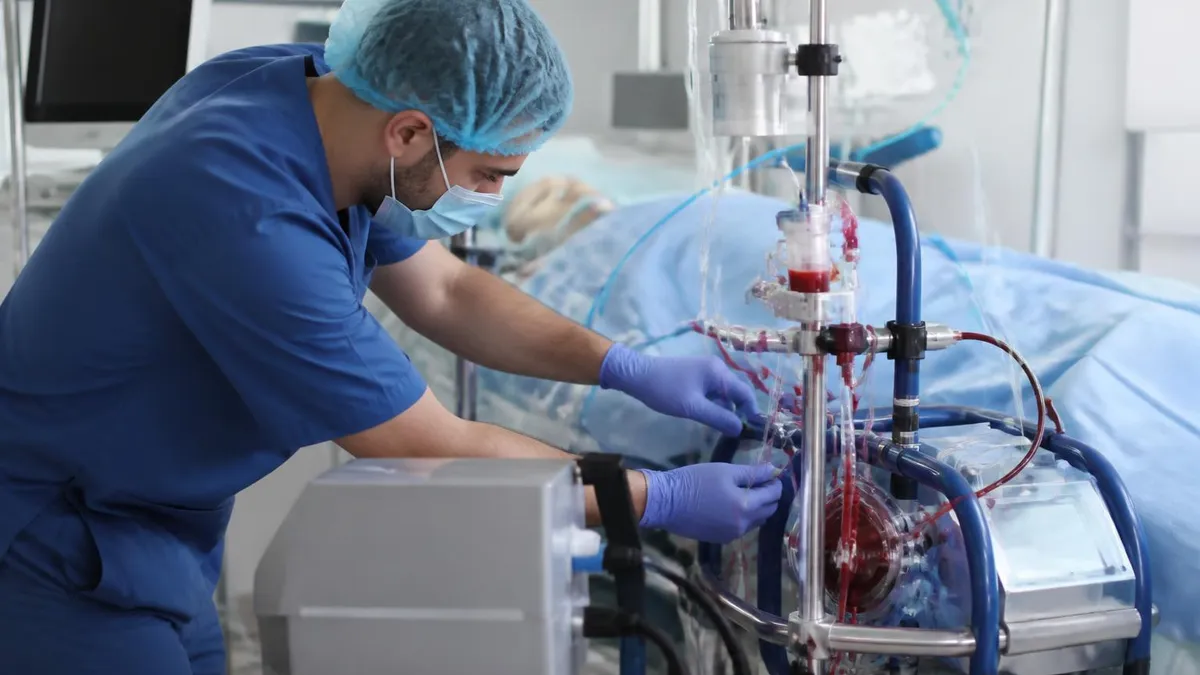
ECMO Procedure

ECMO Recovery: What to Expect After Extracorporeal Membrane Oxygenation Treatment

ECMO Devices: A Complete Guide to Extracorporeal Membrane Oxygenation Equipment
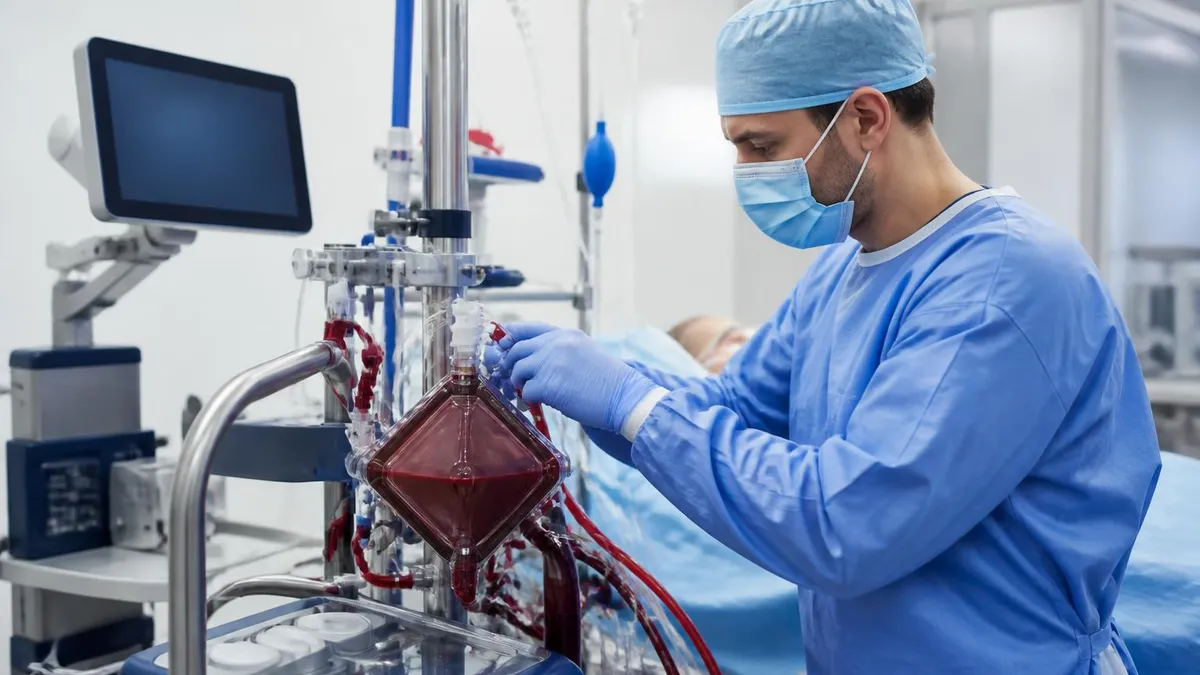
ECMO Patient Guide: What to Expect, Care, Recovery & Outcomes
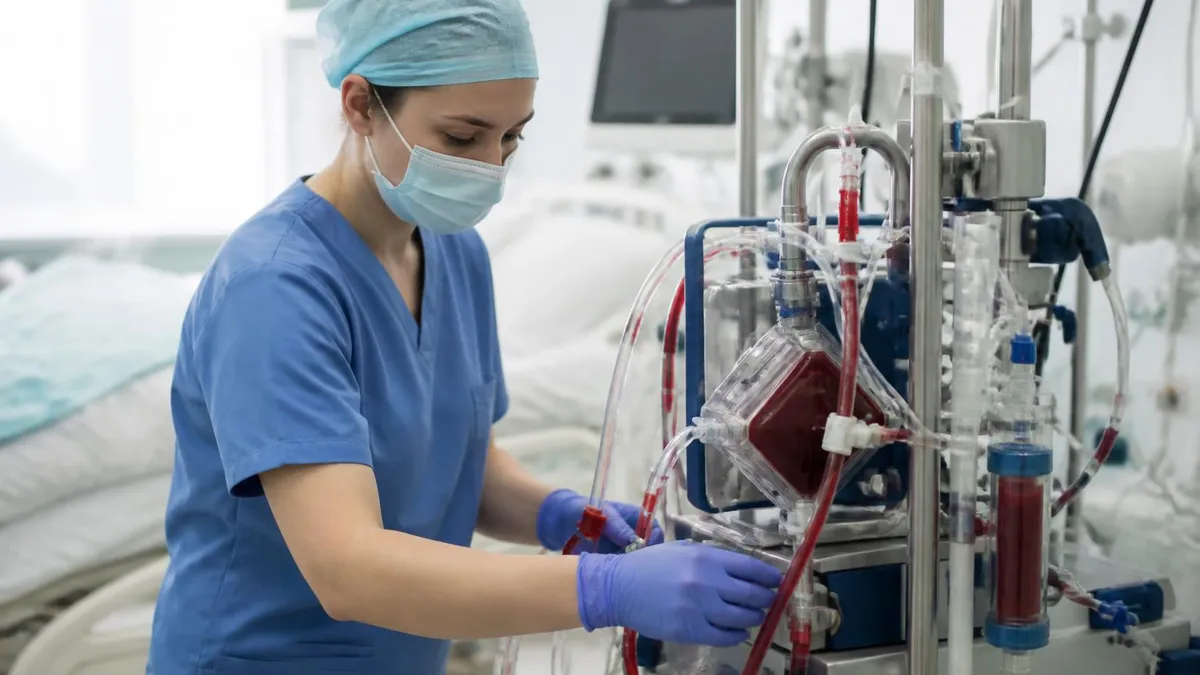
ECMO Specialist: Career Path, Duties, Salary, and Certification Guide
About the Author

Educational Psychologist & Academic Test Preparation Expert
Columbia University Teachers CollegeDr. Lisa Patel holds a Doctorate in Education from Columbia University Teachers College and has spent 17 years researching standardized test design and academic assessment. She has developed preparation programs for SAT, ACT, GRE, LSAT, UCAT, and numerous professional licensing exams, helping students of all backgrounds achieve their target scores.
Join the Discussion
Connect with other students preparing for this exam. Share tips, ask questions, and get advice from people who have been there.
View discussion (9 replies)